The 8 Best Iron for Quilting
Crisp seams and flat blocks start with the right iron. Find out which steam irons and mini irons quilters actually rely on for precision pressing, clean seams, and everyday quilt work.
 By Kylie Duncan
Updated July 23, 2026
By Kylie Duncan
Updated July 23, 2026
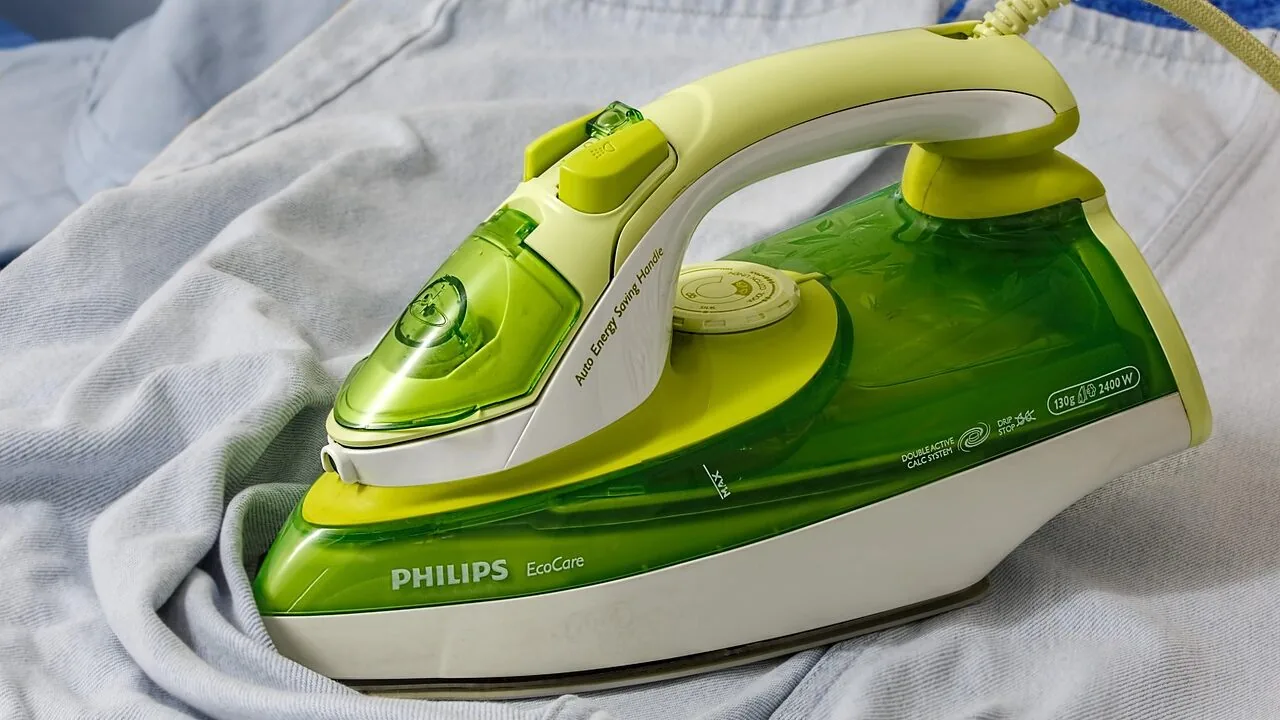
Pressing is arguably the most underrated skill in quilting. A well-pressed seam can mean the difference between blocks that nest together cleanly and a quilt top that puckers and pulls no matter how precise your cutting was.
Yet many quilters spend hours agonizing over fabric choices and rotary cutters while settling for whatever iron happened to be in the laundry room.
The right iron for quilting delivers consistent heat, controlled steam, and a soleplate that glides over delicate cotton and batiks without snagging or leaving water spots on your carefully pieced work.
Whether you’re pressing open seams on a paper-pieced medallion, setting bias tape around curved appliqué, or flattening bulky intersections on a king-size quilt top, the iron you reach for genuinely matters.
This guide covers eight irons evaluated specifically for quilting use cases, ranging from compact mini irons designed for precision work at the cutting table to full-size steam irons capable of handling yards of backing fabric in one session.
ProductFind assessed each model through a synthesis of published specifications, expert review consensus from quilting and homegoods communities, and verified buyer feedback from confirmed purchasers.
The result is a ranked list with honest trade-offs so you can match the right iron to your workspace, budget, and quilting style. Read on to see our top picks below.
| Award | Product | PF Score About PF ScoreThe PF Score is our own rating from 0 to 10, based on performance, design and build, ease of use, and value. It reflects independent research and is never influenced by manufacturers, retailers, or affiliate commissions. Learn more › | Price | |
|---|---|---|---|---|
| Best Overall |
 Oliso M3Pro Mini Steam Iron
|
9.1/10 | Buy | |
| Editor's Pick |
 Oliso M3Pro Compact Steam Iron
|
9.1/10 | Buy | |
| Best Value |
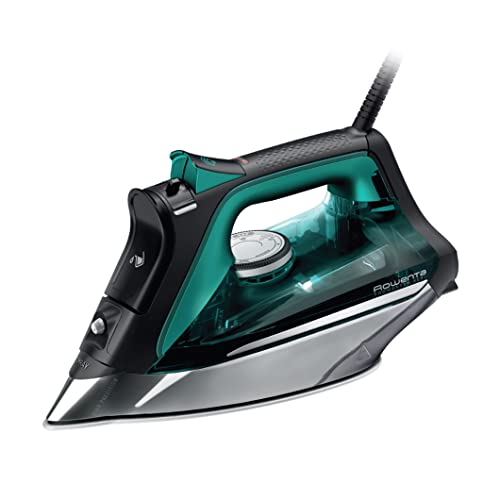 Rowenta DW8360 Pro Master Steam Iron
|
8.3/10 | Buy | |
| Top Rated |
 BLACK+DECKER Elite Pro 1700W Steam Iron
|
7.2/10 | Buy | |
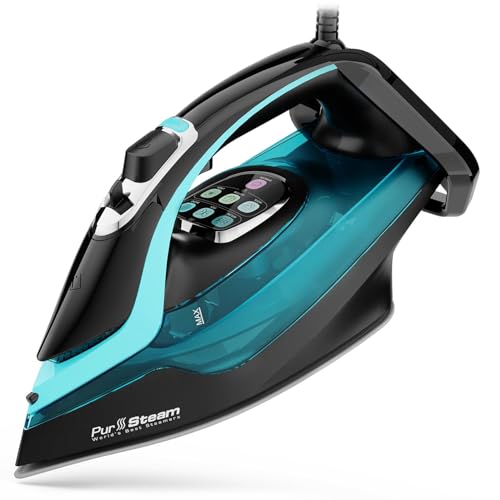 PurSteam SteamTech Elite 1750W Steam Iron
|
7.1/10 | Buy | ||
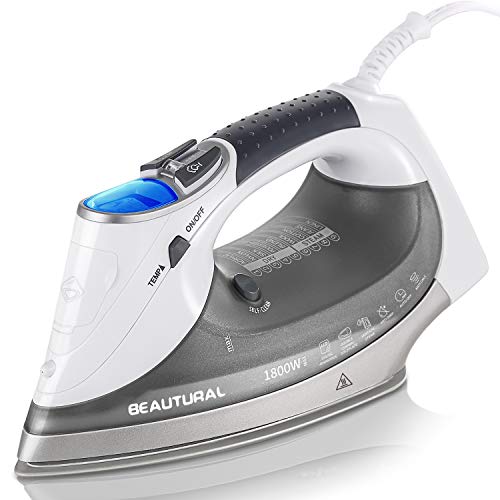 Beautural 1800W Steam Iron with Ceramic Soleplate
|
6.8/10 | Buy | ||
 Dritz Mighty Travel Steam Iron
|
5.5/10 | Buy | ||
 Sundu Mini Steam Iron for Travel and Sewing
|
5.2/10 | Buy |
Oliso M3Pro Mini Steam Iron
A compact 2-pound steam iron designed for sewists and quilters, featuring a precision pointed tip with built-in LED light for accurate pressing on detailed work. The 1000W heating and on-demand steam make it practical for travel and studio use, though the small water tank and lack of verified buyer feedback limit confidence in real-world durability.
Pros
- Precision tip and LED light excel at detailed piecing and seam work that standard irons struggle with
- Compact size and light weight make it genuinely portable for travel or small craft spaces
- Quick heat-up and on-demand steam delivery provide responsive control during quilting and sewing
- Dual-voltage and 2-year warranty support international and long-term use
Cons
- No verified customer reviews available to confirm real-world performance and durability claims
- Small 1.7 oz water tank requires frequent refilling during extended quilting sessions
- Premium positioning may not justify cost for casual sewers without specialty pressing needs
Oliso M3Pro Compact Steam Iron
A lightweight, precision-tip steam iron designed for sewers and quilters who need accuracy and portability. The 2-inch pointed tip with built-in LED light targets seams and details on dark fabrics, while dual-voltage and 2-lb weight make it genuinely travel-ready.
Pros
- Precision tip design reaches seams, bindings, and collars traditional irons cannot access as accurately
- Built-in LED light eliminates guessing on dark fabrics and intricate patchwork details
- Genuinely portable at 2 lbs with dual-voltage, ideal for studios, craft rooms, and travel
- Focused steam-on-demand gives complete control without constant water heating
- Comfortable grip reduces hand fatigue during extended pressing sessions
Cons
- 1.7 oz water tank is small and may require frequent refilling during longer quilting projects
- No verified buyer reviews available to assess real-world durability and performance consistency
- Premium positioning may not justify the cost for casual sewers who don't need precision tip features
Rowenta DW8360 Pro Master Steam Iron
The Rowenta DW8360 delivers professional-grade steam output with 1775 watts of power and 430 steam holes for consistent wrinkle removal across all fabric types. Built-in anti-calc technology and an integrated precision tip make it practical for daily household ironing, though performance claims lack verified buyer feedback.
Pros
- High steam output at 210 g/min with 430 holes ensures even distribution
- Anti-calc system prevents mineral buildup and garment staining
- Precision tip targets hard-to-reach areas and stubborn wrinkles
- Large water tank with transparent window and wide refill opening
- Automatic shut-off and eco mode for safety and energy savings
Cons
- No verified customer reviews available to confirm real-world performance claims
- Product weight of 3.32 pounds may cause fatigue during extended ironing sessions
- Water tank capacity of 12.7 fl oz limits continuous use without refilling
BLACK+DECKER Elite Pro 1700W Steam Iron
A mid-range steam iron with 1700 watts of power and a diamond-infused ceramic soleplate designed to reduce wrinkles and static. Independent temperature and steam controls let you adjust settings for different fabrics, while the dynamic burst function works on both the board and vertically for garments on hangers.
Pros
- Dual burst and continuous steam options provide flexibility for different wrinkle types
- Independent controls allow fine-tuning temperature and steam separately for optimal results on various fabrics
- Auto shutoff after 30 seconds on side/soleplate and 8 minutes on heel rest adds safety
- Diamond ceramic soleplate reduces static buildup during use
Cons
- No verified buyer reviews available to assess real-world durability and performance consistency
- Limited color option (blue/gold only) may not match all kitchen or laundry room aesthetics
- No information on cord length, water tank capacity, or heat-up time specifics
PurSteam SteamTech Elite 1750W Steam Iron
A digital-controlled steam iron with 1750W power and 450ml tank capacity designed for handling heavy fabrics and large ironing loads. Features ceramic soleplate, burst steam function, and safety features like auto shut-off and anti-calc protection.
Pros
- Extra-large 450ml water tank reduces refilling frequency during extended ironing sessions
- Digital display and temperature control allow precise fabric-specific settings
- Ceramic soleplate with non-stick coating glides smoothly across fabrics
- Comprehensive safety features including auto shut-off and anti-drip prevent accidents and mess
- Anti-calc and self-clean functions support long-term durability
Cons
- No verified buyer reviews available to assess real-world performance and durability claims
- Lightweight design may indicate less robust construction compared to heavier professional-grade irons
- Digital controls and LED display add complexity that may require troubleshooting if components fail
Beautural 1800W Steam Iron with Ceramic Soleplate
This mid-range steam iron combines practical features like nine fabric presets and a ceramic-coated soleplate designed to resist scratches and distribute heat evenly. The auto-shutoff safety feature and LCD display make it accessible for everyday users, though the lack of verified buyer feedback limits confidence in real-world performance.
Pros
- Nine preset modes eliminate guesswork for fabric-specific ironing
- Durable ceramic soleplate resists scratching and cleans easily
- Auto-shutoff (30 seconds horizontal, 8 minutes vertical) prioritizes safety
- 1800-watt power handles demanding fabrics efficiently
- Factory QC testing ensures out-of-box quality
Cons
- No verified buyer reviews available to confirm real-world durability or performance claims
- 3.18-pound weight may cause fatigue during extended ironing sessions
- Limited information on water tank capacity or cord length
Dritz Mighty Travel Steam Iron
A compact 6-inch steam iron designed for quilting, applique, and portable sewing projects. Heats quickly with dual voltage and comes with a storage bag, making it practical for crafters who need a dedicated small iron for detail work or travel.
Pros
- Non-stick sole plate prevents fabric snagging during applique and quilting
- Compact design (6 x 3.5 x 3.5 inches) makes it genuinely portable and easy to store
- Dual voltage capability suits travel to different countries
- Includes practical accessories (storage bag, measuring cup) out of the box
- Heats up quickly for craft sessions
Cons
- No verified customer reviews available to assess real-world durability or performance consistency
- Limited size means longer ironing sessions for larger fabric pieces
- Small water capacity typical of travel irons requires frequent refilling
Sundu Mini Steam Iron for Travel and Sewing
This compact steam iron weighs light enough for luggage and heats up quickly with 1000W power, making it practical for business trips and sewing projects. The safety lock buckle prevents accidental soleplate damage during transport, though the mini size limits pressing surface area compared to full-size models.
Pros
- Fast heating saves preheat waiting time with 1000W power
- Safety lock buckle design prevents accidental damage during travel
- Easy rotary temperature control accessible to beginners and sewing enthusiasts
- Comes with matching measuring cup and storage bag for convenience
- Clear water tank marking helps control water intake precisely
Cons
- Mini size limits pressing surface area for larger garments and fabrics
- No verified buyer reviews available to assess real-world performance and durability
- Compact design may require frequent water refilling for extended ironing sessions
Iron for Quilting Buying Guide
Not every iron sold as a “steam iron” is actually suited for quilt pressing.
Quilters have very specific demands: precise heat at the tip for seam work, steam that delivers moisture without dumping water onto the fabric, a soleplate that moves smoothly over multiple layers, and a size or weight that won’t fatigue your hand or wrist after an hour at the ironing board.
The following criteria are the ones that most directly separate a great quilting iron from a frustrating one.
Soleplate Material and Glide
The soleplate is the surface that contacts your fabric, and its material determines how smoothly the iron moves and how evenly heat distributes.
Ceramic-coated soleplates are widely favored among quilters because they reach temperature quickly, maintain consistent heat across the entire surface, and release from fabric cleanly even at higher settings.
Stainless steel soleplates, like those on the Rowenta Pro Master, are exceptionally durable and resist scratching over years of heavy use, though they can take slightly longer to heat up.
Aluminum soleplates are lighter but more prone to developing hot spots over time, which can scorch delicate quilting cottons unevenly.
For quilting specifically, look for a pointed tip. A sharp, well-defined tip lets you press right into seam intersections and around appliqué shapes without disturbing adjacent areas.
Irons with a blunter or more rounded front profile are better suited to general garment pressing and will feel clumsy when you need precision.
If you primarily work on small blocks or paper piecing, a mini iron’s soleplate geometry will outperform a full-size model in tight spaces even if the larger iron has higher wattage.
Steam Output and Control

Steam is one of the most powerful tools in quilting pressing, but it’s also the most commonly misused. High steam output, measured in grams per minute, helps relax stubborn fabric grain and set creases firmly.
The Rowenta Pro Master, for instance, delivers up to 210 g/min through 400 microsteam holes, producing a fine, well-distributed mist that penetrates multiple fabric layers without pooling.
More steam holes generally mean more even distribution, which reduces the risk of water spotting on light or hand-dyed fabrics.
Anti-drip protection is non-negotiable for quilting. Dripping water from the soleplate leaves marks on fabric that can permanently alter dye or sizing, especially on vintage or hand-dyed yardage.
Many mid-range and premium irons now include anti-drip and anti-calc systems that prevent mineral deposits from clogging steam holes.
If you use tap water in your iron, anti-calc protection will significantly extend the life of the appliance and keep steam output consistent over months and years of use.
Using distilled water is still the best practice for preserving any iron’s steam system.
Temperature Precision and Fabric Settings
Quilting involves a wide range of fabrics: 100% quilting cottons are the most common and tolerate high heat well, but blended fabrics, foundation papers, fusible interfacing, and polyester batting all require careful temperature management.
An iron that offers fine-grained temperature control, rather than just Low, Medium, and High dial positions, gives you the flexibility to move between fabric types without risking scorching.
The BEAUTURAL 1800-Watt model addresses this with nine preset temperature and steam settings plus a digital LCD screen, making it easier to dial in the right combination for each material.
For standard quilting cotton, most experienced quilters press at or near the cotton setting with full steam. When working with fusible web or heat-sensitive stabilizers, you’ll want a setting that delivers consistent heat without overshooting.
Irons with digital controls or clearly defined presets are much more repeatable than older-style dial irons, where “cotton” might mean different temperatures depending on the position of the dial.
If you frequently mix fabric types in a single project, precise temperature control pays for itself in avoided mistakes alone.
Weight, Size, and Ergonomics
A full-size iron weighing close to three pounds may be perfectly comfortable for pressing a full quilt backing, but it becomes exhausting when you’re doing repetitive seam-by-seam pressing on a hundred small blocks.
Conversely, a lightweight mini iron like the Oliso M3Pro or the Sundu Mini gives you fatigue-free precision for block work but would take forever to tackle a large quilt top.
Many dedicated quilters own one of each: a mini iron parked at the cutting table for continuous block pressing, and a full-size iron at the ironing board for larger pieces and final finishing.
Cord length and cord placement also matter more than most buyers anticipate. A short cord forces you to iron close to an outlet or use an extension, interrupting your workflow.
Some quilters prefer a swivel cord that rotates 360 degrees, which eliminates the constant cord management that can drag an iron off a small ironing surface.
The Oliso M3Pro’s design, which includes a trivet and retractable feet, earns particular appreciation from quilters who set the iron down repeatedly in quick succession throughout a pressing session.
Safety Features and Auto Shut-Off
An iron left face-down on fabric is a fire hazard, and it’s a mistake that’s easy to make when you’re focused on lining up a tricky seam or stepping away to check a pattern.
Auto shut-off is now a standard feature on most irons, but the timing and sensitivity varies. Most irons will cut power after a minute or two of inactivity when left flat, and several minutes when left upright.
For quilters who set the iron down frequently, faster auto shut-off can actually be disruptive, forcing repeated restarts. Look for models that balance genuine safety protection with a shut-off timer that matches your workflow.
Three-way auto shut-off, available on models like the BEAUTURAL, detects the iron lying flat on its side, flat on the soleplate, or simply left stationary upright, and powers down accordingly.
The PurSteam SteamTech Elite also includes this feature alongside a self-clean cycle, which is worth considering if you plan to use the iron heavily over time.
For guild meetings or travel to workshops, irons with dual voltage capability and compact cases, like the Dritz Mighty Travel Mini or the Sundu Mini, add a useful safety dimension for unfamiliar outlets and tight spaces.
Mini Irons vs. Full-Size Irons for Quilting
This is the most common debate in quilting communities, and the honest answer is that neither type is universally superior.
Mini irons excel at precision: pressing seams on small blocks, working close to edges on appliqué, applying fusible tape in tight areas, and operating comfortably at a lower ironing surface like a cutting table or a small travel pressing mat.
The Oliso M3Pro and the Dritz Mighty Travel Iron are purpose-built for exactly this kind of work, and their lower wattage is adequate for quilting cottons when used with a proper pressing surface.
Full-size irons bring more wattage, larger water tanks, higher steam volume, and the soleplate coverage needed to press large quilt tops efficiently.
The Rowenta Pro Master and the BLACK+DECKER Elite Pro-Series sit at this end of the spectrum and are the better choice for quilters who work primarily on whole-quilt finishing or pressing large blocks of yardage before cutting.
If your studio has room for both, pairing a mini iron for seam work with a full-size iron for finishing is the setup most experienced quilters gravitate toward.
Given that many of the best options here are priced at an accessible range, owning two isn’t out of reach for most serious hobbyists.
Why You Should Trust Us
ProductFind is an independent review publication with no brand partnerships or manufacturer relationships that influence our rankings.
Every product in this guide was evaluated using our PF Score system, which rates each item on a consistent 0 to 10 scale across criteria including performance, build quality, feature set, user experience, and value relative to alternatives in the same category.
We do not conduct our own product trials; our evaluations are grounded in research, published data, expert review consensus, and verified buyer feedback.
For this guide, that means we analyzed manufacturer-published specifications for wattage, steam output, soleplate material, and safety certifications; assessed consensus from quilting communities and homegoods reviewers; and reviewed feedback from verified purchasers who reported their real-world experience pressing quilting fabrics across different iron types and price points.
ProductFind may earn a commission when you purchase through links in this article. That affiliate relationship has no bearing on which products are included, how they are ranked, or what PF Score they receive.
Our editorial decisions are made independently, and we surface trade-offs and limitations alongside strengths for every pick. We do not recommend products we would not stand behind based on our research.
Final Thoughts
Across the eight irons evaluated in this guide, a clear picture emerges: the best iron for quilting is the one that matches your specific workflow, not necessarily the one with the highest wattage or the most features.
Here are our top recommendations by use case, each reflecting the PF Score earned through our research process.
- Best Overall: Oliso M3Pro Project Mini Steam Iron (Coral) earns the top spot with the highest PF Score in this group. Its purpose-built quilting design, precise steam delivery, integrated trivet, and comfort-focused grip make it the iron quilters at every experience level reach for most consistently.
- Best Overall Runner-Up: Oliso M3Pro Project Mini Steam Iron (Aqua) shares the same performance profile and PF Score as its Coral counterpart. The only difference is colorway, making this the pick for quilters who prefer a cooler palette at the sewing table.
- Best Full-Size Iron for Quilting: Rowenta Pro Master Steam Iron is the standout full-size option, earning the highest PF Score among traditional steam irons in this guide. Its stainless steel soleplate, 400 microsteam holes, and high gram-per-minute output make it particularly capable for pressing large quilt tops and heavy intersections.
- Best Mid-Range Pick: BLACK+DECKER Elite Pro-Series Steam Iron delivers reliable performance and solid build quality at a mid-range price point, making it a practical choice for quilters who want more capability than a budget iron without committing to a premium price.
- Best Budget Iron for Quilting: Dritz Mighty Travel Steam Iron is the most accessible option for quilters who want a compact, portable iron for guild meetings, workshops, or small-space studios without a significant investment.
Whatever your quilting setup, there is an iron in this list that will serve you well.
If you enjoy keeping your workspace organized with the right gear, a sturdy portable folding table can double as a dedicated pressing station in a smaller studio.
And if you’re also outfitting a home gym or craft room with functional accessories, foam floor mats make standing at an ironing board for long sessions considerably more comfortable.
Good equipment across your creative space makes the difference between a chore and a craft you look forward to.
Frequently Asked Questions
Do I Really Need a Separate Iron for Quilting, or Can I Use My Regular Household Iron?
You can use a standard household iron for quilting, and many quilters do.
However, irons designed with quilting in mind tend to have sharper soleplate tips for precision seam pressing, more consistent temperature control for switching between fabric types, and anti-drip protection that prevents water marks on delicate or hand-dyed fabrics.
If your current iron drips water, runs too hot or too cool at the cotton setting, or feels cumbersome when you’re pressing small blocks, it’s worth upgrading to one of the models in this guide.
Should I Press Quilting Seams Open or to the Side?
Both methods are valid and the quilting community is genuinely divided. Pressing seams to the side is the traditional approach and creates a stronger seam that’s less likely to pull apart over time.
It also makes it easier to nest seams at intersections, which helps blocks align precisely. Pressing seams open distributes fabric bulk more evenly, which is especially useful at complex intersections with many points meeting.
Some quilters press to the side for general patchwork and press open at intersections. The best iron for either method is one with a sharp tip and consistent heat that won’t shift the fabric as you work.
Is a Mini Iron Good Enough for All Quilting Tasks?
Mini irons are excellent for block-level pressing, seam work, appliqué, and precision tasks at the cutting table.
Where they fall short is in efficiency when pressing large quilt tops or wide yardage, where their smaller soleplate requires many more passes to cover the same area.
For quilters who primarily work on blocks and assemblies rather than large-format pressing, a mini iron like the Oliso M3Pro can genuinely be the only iron they need.
For those who do both, the combination of a mini iron and a full-size iron covers every stage of a quilting project.
What Type of Water Should I Use in My Quilting Iron?
Distilled water is the recommended choice for any steam iron used regularly for quilting. Tap water contains minerals that accumulate inside the iron’s steam chamber over time, eventually clogging steam holes and reducing output.
Mineral buildup can also cause the iron to spit brownish water onto your fabric, which can permanently stain light-colored quilting cottons.
Most irons with anti-calc systems can tolerate tap water better than those without, but distilled water will extend the life of any iron and keep steam delivery consistent across years of use.
What Wattage Do I Need for Pressing Quilting Cottons?
Standard 100% quilting cotton presses well at wattages between 1000 and 1800 watts.
Lower-wattage mini irons in the 400 to 1000 watt range are adequate for quilting cotton when used with a wool pressing mat or other heat-retaining pressing surface, which helps compensate for the lower heat reserve.
Higher-wattage full-size irons recover temperature faster after a burst of steam and are better suited for pressing multiple heavy layers at once, such as a quilt sandwich or a thick batting seam.
For most quilting tasks, wattage matters less than temperature consistency and soleplate quality.
Are There Irons Worth Considering for Quilting Workshops and Guild Meetings?
Portability and safety are the top priorities for quilting on the go.
Mini irons with integrated stands or trivets, like the Oliso M3Pro, are popular at guild meetings because they heat up quickly, are easy to transport, and sit safely on a small pressing mat without the risk of tipping.
The Dritz Mighty Travel Steam Iron and the Sundu Mini are even more compact and budget-friendly options that pack easily into a quilting tote.
If you travel internationally for quilt retreats, verify that the iron you’re considering includes dual-voltage support before purchasing.
About the author
Kylie is a reviewer and writer for ProductFind who specializes in Sewing, Knitting & Needlecraft. Kylie evaluates products through independent research: specifications, expert review consensus, and verified buyer feedback, and rates each one on the PF Score. Kylie focuses on helping readers pick the right sewing, knitting & needlecraft for their needs and budget.