The 10 Best Foam Gym Mats
Density, thickness, and connector quality separate foam gym mats that last from ones that fall apart fast. Here are the top picks for every training setup and budget.
 By Amelia Crawford
Updated July 23, 2026
By Amelia Crawford
Updated July 23, 2026
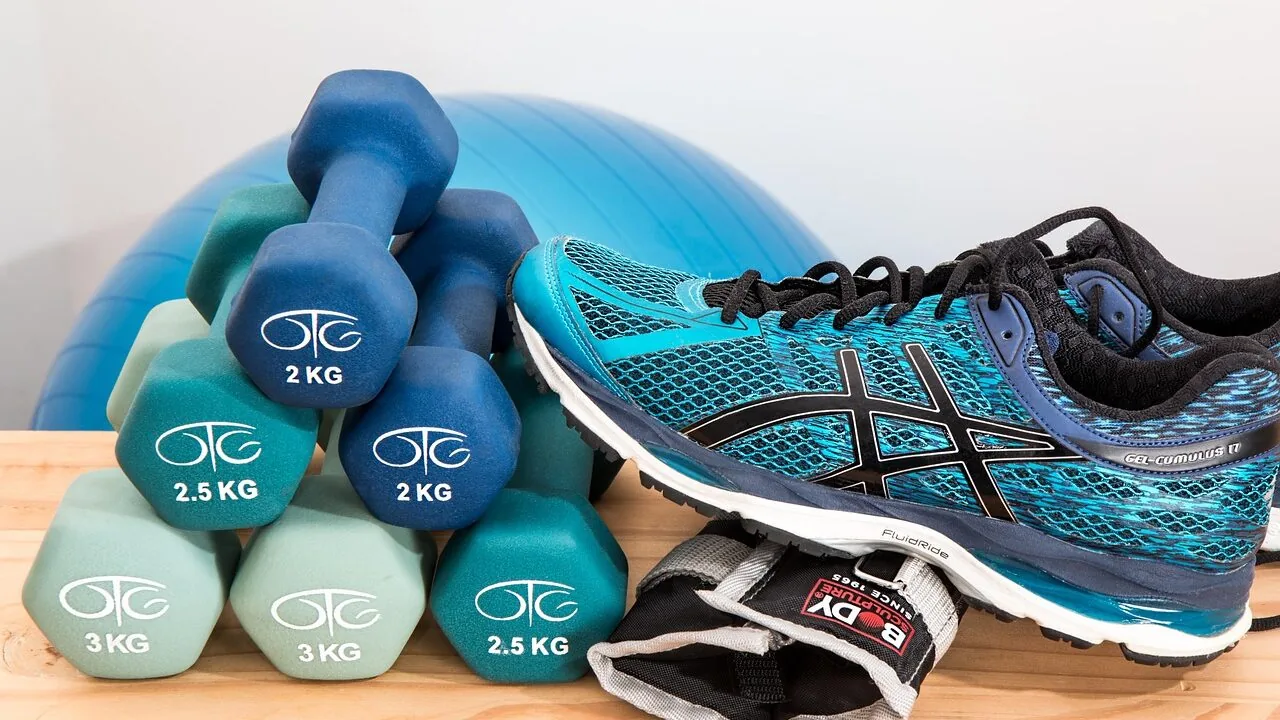
The floor beneath your feet matters more than most gym gear gets credit for.
Whether you are setting up a dedicated lifting space in your garage, creating a safe play zone for kids, or simply adding cushion under a treadmill, the right foam gym mat protects both your joints and your flooring.
Poor-quality tiles compress unevenly under equipment, slip out of alignment mid-workout, and degrade within months of regular use. Choosing well means finding a balance between density, thickness, surface grip, and coverage area that actually matches how you train.
ProductFind researched the foam gym mat category by analyzing published specifications, synthesizing expert review consensus across fitness and flooring publications, and reviewing verified buyer feedback from confirmed purchasers.
From budget-friendly interlocking puzzle tiles to heavy-duty rubber-top platforms built for loaded barbells, the picks below represent the strongest options across every use case and price tier. Scroll down to explore our top picks.
| Award | Product | PF Score About PF ScoreThe PF Score is our own rating from 0 to 10, based on performance, design and build, ease of use, and value. It reflects independent research and is never influenced by manufacturers, retailers, or affiliate commissions. Learn more › | Price | |
|---|---|---|---|---|
| Best Overall |
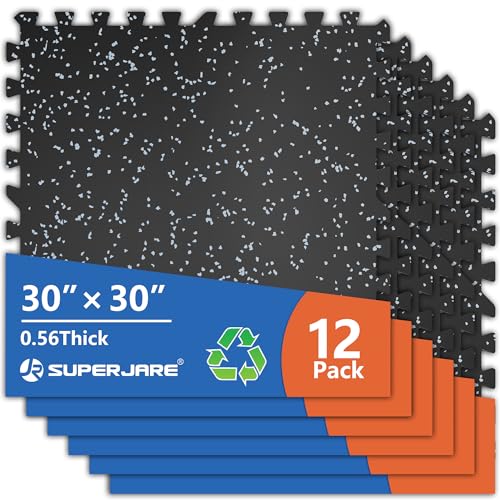 Superjare 30" Interlocking Gym Mat, 12-Piece Set (75 Sq Ft)
|
8.3/10 | Buy | |
| Editor's Pick |
 AIRHOP 48 Sq Ft Interlocking Exercise Mat Tiles
|
8.5/10 | Buy | |
| Best Value |
 Superjare 12-Tile Interlocking Gym Mat, 0.56" Thick
|
8.1/10 | Buy | |
| Top Rated |
 CAP Barbell 3/4-Inch EVA Foam Interlocking Exercise Mats
|
8.3/10 | Buy | |
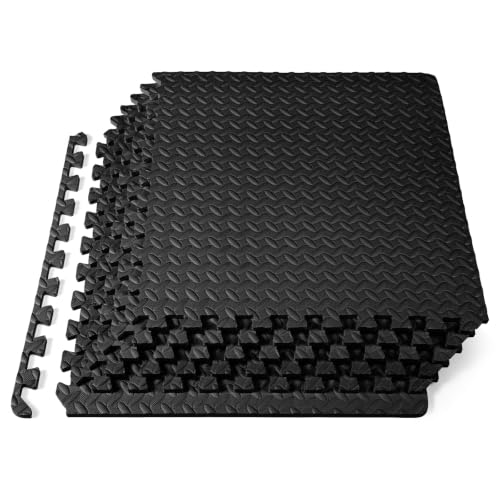 ProsourceFit 24 SQ FT Interlocking Foam Mat
|
8.2/10 | Buy | ||
 CAP Puzzle Exercise Mat 24" x 24" x 1/2" (6-Piece Set)
|
8.1/10 | Buy | ||
 SUPERJARE 18-Tile EVA Foam Interlocking Floor Mat
|
7.9/10 | Buy | ||
 BeMaxx 18-Piece EVA Foam Floor Tiles (18 sq ft)
|
7.8/10 | Buy | ||
 KaRaDaStyle 71x39 4-Fold Gymnastics Mat
|
6.5/10 | Buy | ||
 ididi Foldable Yoga Mat 74x31.5 Inch
|
6.2/10 | Buy |
Superjare 30" Interlocking Gym Mat, 12-Piece Set (75 Sq Ft)
Large interlocking rubber and EVA foam tiles designed for home gyms and equipment protection. Offers shock absorption, noise reduction up to 30-50%, and easy maintenance across 75 square feet of coverage.
Pros
- Large tile size minimizes installation gaps and edge lifting compared to smaller mats
- Dual-layer construction handles heavy equipment and intense workouts without compression
- Thick cushioning provides effective joint protection for jumping, weights, and HIIT
- Noise-dampening performance rated at 30-50% reduction, suitable for apartments
- Water-resistant and simple to wipe clean after sweaty sessions
Cons
- No verified buyer reviews yet to confirm real-world durability claims
- Black/Grey color option only, limited customization for gym aesthetics
- Heavy material and large tile count may require significant space and effort to assemble and move
AIRHOP 48 Sq Ft Interlocking Exercise Mat Tiles
A 12-tile interlocking gym mat system covering 48 square feet, featuring a textured rubber top with high-density EVA foam for noise reduction and floor protection. Best suited for home gyms and workout spaces where impact absorption and equipment safety matter.
Pros
- Secure interlocking system keeps tiles locked in place during intense workouts
- Thick cushioning absorbs impact while protecting floors from scratches and dents
- Simple assembly and detachment allows flexible layout adjustments
- Waterproof material makes maintenance straightforward
- Suitable for diverse workout types including CrossFit, weightlifting, and cardio
Cons
- No verified buyer reviews available to assess real-world durability over time
- 48 square feet may require multiple sets to cover larger gym spaces
- Weight of approximately 32 pounds makes repositioning the full mat system moderately demanding
Superjare 12-Tile Interlocking Gym Mat, 0.56" Thick
A dual-layer exercise mat combining EVA foam with EPDM rubber top, designed to handle heavy equipment while reducing noise and protecting floors. Best suited for home gyms that need modular flooring covering 48 square feet.
Pros
- Durable dual-layer design resists tearing and wear from heavy weights and vigorous movements
- Interlocking system makes it easy to expand, reconfigure, or move between rooms
- Superior grip and cushioning balance provides traction without sacrificing shock absorption
- Effective noise and vibration reduction for apartment-friendly home workouts
- Covers substantial floor area (48 sq ft) with single purchase
Cons
- No verified buyer reviews yet, making real-world durability difficult to confirm
- Individual tile weight (2.5 lbs) requires assembly of all 12 pieces before use
- Thickness (0.56 inches) may be thinner than dedicated heavy-lifting platforms for serious powerlifters
CAP Barbell 3/4-Inch EVA Foam Interlocking Exercise Mats
A budget-friendly foam mat system with 3/4-inch thick EVA construction and interlocking puzzle design that covers 48 square feet when assembled. Well-suited for home gym flooring and multipurpose exercise spaces, offering shock absorption and floor protection without premium pricing.
Pros
- Sufficient thickness (3/4-inch) for joint comfort during floor exercises
- Interlocking system allows flexible room configuration without tools
- Non-slip surface prevents movement during workouts
- Protects underlying floors from equipment and moisture damage
Cons
- No verified buyer reviews available to confirm durability and material quality over time
- 2-pack covers limited space (48 sq ft), requiring additional purchases for larger home gyms
- EVA foam can retain odor during initial use, typical for this material type
ProsourceFit 24 SQ FT Interlocking Foam Mat
High-density EVA foam floor tiles that interlock for flexible gym or play space coverage. Non-toxic, water-resistant, and easy to assemble, making it practical for home workouts, kids' areas, or garage protection.
Pros
- High-density EVA foam offers solid cushioning and support for workouts
- Interlocking tiles snap together quickly without tools for flexible layout
- Non-toxic material and water-resistant surface make it safe for kids and gyms
- Lightweight construction simplifies storage when not in use
- Includes border edges for a finished appearance
Cons
- Foam may compress slightly under heavy equipment, causing minor surface variation
- Color and texture can vary between production batches
- Best performance requires flat, hard surfaces; results on carpet may be suboptimal
CAP Puzzle Exercise Mat 24" x 24" x 1/2" (6-Piece Set)
Interlocking EVA foam mats that assemble into customizable workout surfaces with shock absorption and non-slip grip. Designed for home gyms and fitness spaces where floor protection and noise reduction matter.
Pros
- Versatile interlocking design allows custom configurations for different spaces
- Adequate cushioning for joint protection during floor exercises
- Simple maintenance with basic cleaning supplies
- Reduces noise and protects underlying floors from equipment
- Lightweight at 4.5 pounds total for easy repositioning
Cons
- No verified buyer reviews available to assess real-world durability or long-term performance
- Half-inch thickness may feel thin for heavy weightlifting or high-impact training
- Diamond pattern black color may show dust and footprints more visibly than other finishes
SUPERJARE 18-Tile EVA Foam Interlocking Floor Mat
High-density EVA foam puzzle mats designed for home gyms, yoga, and playrooms with noise reduction and impact absorption. SGS-tested, BPA-free construction makes them safe for families and apartments, though they come with no verified buyer reviews to confirm real-world durability.
Pros
- Modular design allows custom configurations and easy rearrangement or replacement of individual tiles
- Dual purpose protects both your joints and underlying floors from scratches and dents
- Low odor formulation and safety certifications appeal to families with pets and children
- Waterproof and wipeable surface suitable for multiple spaces beyond gyms
Cons
- No verified buyer reviews available to assess long-term durability or actual noise reduction performance
- Thin 0.4-inch profile may be insufficient cushioning for high-impact exercises or users requiring maximum joint support
- Seams between tiles may collect dust or trap debris despite claimed seamless connection
BeMaxx 18-Piece EVA Foam Floor Tiles (18 sq ft)
Interlocking EVA foam mat set designed for home gyms, garages, and workout spaces with edge pieces for seamless coverage. The cushioned surface dampens impact and noise while protecting floors from scratches and moisture.
Pros
- Complete coverage with edge pieces for professional-looking installation without gaps
- Highly compressed EVA material balances durability with lightweight portability
- Versatile for multiple uses: gyms, garages, basements, under equipment, workout spaces
- Cushioning properties provide joint support and noise reduction simultaneously
Cons
- No verified buyer reviews available to confirm real-world durability and long-term performance
- 0.4-inch thickness may not provide adequate cushioning for heavy weightlifting or high-impact activities
- Interlocking design requires careful alignment during installation to avoid uneven surfaces
KaRaDaStyle 71x39 4-Fold Gymnastics Mat
A versatile exercise mat designed for yoga, gymnastics, and strength training with a foldable design that compresses to a portable size. The 2-inch EPE foam construction offers cushioning and soundproofing, though it lacks verified buyer feedback to validate durability claims.
Pros
- Compact folding design makes storage and transport practical despite large unfolded size
- Multi-layered EPE foam construction offers cushioning and noise reduction
- Waterproof PVC surface simplifies cleaning and reduces odor issues
- Versatile enough for various activities from yoga to strength training and children's play
- Lightweight at 9.3 pounds with carry handle for portability
Cons
- No verified customer reviews available to confirm real-world durability or long-term performance
- 4.5-star rating without review data makes it difficult to assess actual user satisfaction
- Folding mechanism durability and potential for material wear at fold points not independently verified
ididi Foldable Yoga Mat 74x31.5 Inch
An oversized foldable yoga mat designed for users who need extra space without bulk. The 74x31.5 inch surface offers 10% more room than standard mats, while the folding design compacts to roughly the size of a small pillow for portability.
Pros
- Spacious 74x31.5 inch dimensions reduce cramping, especially beneficial for taller users
- Folding mechanism doubles thickness for enhanced cushioning while maintaining portability
- POE foam construction balances firm support with comfort, reducing joint stress
- Family-friendly materials certified odorless, non-toxic, and heavy-metal free
- Compact folded size of 10.6x31.5x2.2 inches fits in storage closets and travel bags
Cons
- No verified customer reviews available, limiting real-world feedback on durability and long-term performance
- 0.32-inch thickness may feel thin for users seeking maximum cushioning for high-impact exercises
- Limited color options, available only in blue and black combination
Foam Gym Mats Buying Guide
Picking the right foam gym mat is less about brand loyalty and more about matching physical properties to your actual training environment. The sections below walk through every specification that genuinely affects performance, longevity, and safety, so you can filter the options above with confidence.
Thickness and Density: The Cushioning Balance
These two properties are the most misunderstood in the category. Thickness controls initial cushion feel; density determines how much of that cushion survives under real load.
A 0.4-inch tile is adequate for a playroom or light stretching area, while a half-inch tile handles yoga, bodyweight circuits, and most cardio equipment reasonably well.
Once you move into free weights, squat racks, or heavy treadmills, you want 0.56 inches or thicker paired with high-density EVA foam or a rubber top layer.
High-density EVA resists permanent compression, meaning the tile returns to its original shape after a loaded barbell is moved. Generic or low-density foam can bottom out, transferring impact directly through to your subfloor and accelerating joint fatigue.
When evaluating products, look for manufacturers that specify “high-density” explicitly rather than using vague terms like “premium foam.” Verified buyer reports on long-term sagging under stationary equipment are among the most reliable real-world data points available, and ProductFind weights those heavily in its assessments.
Pairing good gym flooring with capable kettlebells or adjustable dumbbells rounds out a home gym setup that actually protects your investment over time.
Surface Material and Grip
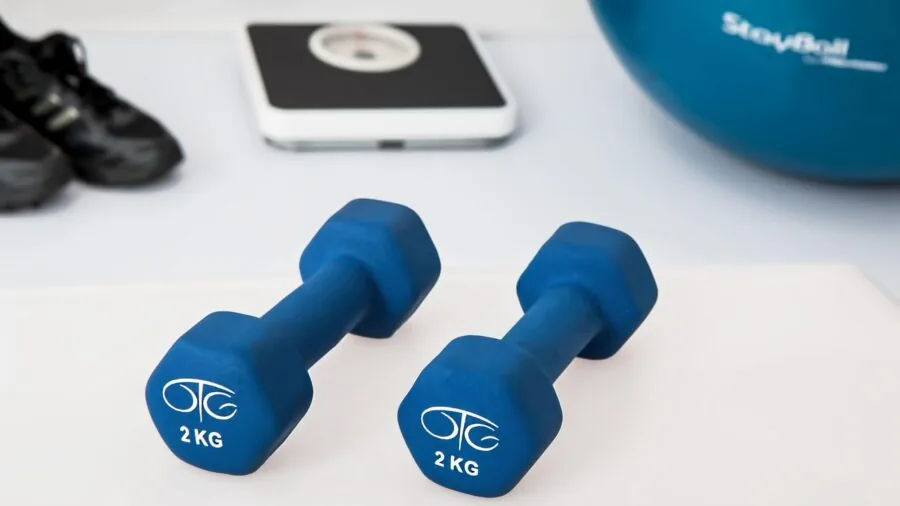
Pure EVA foam surfaces are smooth enough for bodyweight exercises and yoga transitions but can become slippery under heavy equipment feet or when wet with sweat.
A rubber top layer, like the one on several picks in this roundup, dramatically improves friction and durability.
Rubber resists abrasion from equipment legs, weight plates sliding, and high-traffic foot patterns in ways that bare EVA simply cannot match over a multi-year lifespan.
For activities where you spend significant time on your knees, hips, or back, surface texture also affects comfort on skin contact.
Flat, smooth EVA tends to feel better for floor exercises, while a textured or diamond-patterned surface improves grip for standing movements.
If your space doubles as both a lifting area and a stretch zone, a rubber-top tile covers both needs adequately, whereas a pure EVA tile is better optimized for low-impact work.
Tile Size and Coverage Planning
Standard puzzle tiles come in 12-inch and 24-inch squares, with some manufacturers now offering 30-inch formats for faster coverage of large spaces.
Smaller tiles give you more layout flexibility around irregular room shapes, equipment legs, and doorways, but more seams also mean more potential lifting points where tiles can separate under lateral movement.
Larger tiles reduce seam count and feel more monolithic underfoot, which most buyers report as preferable for free-weight areas.
Always calculate your target square footage before ordering. A 6-tile set at 24 inches per tile covers 24 square feet, suitable for a compact yoga or stretching corner.
A 12-tile set in the 30-inch format covers 75 square feet, enough for a proper lifting platform with surrounding buffer.
Buying slightly more than you think you need gives you replacement tiles if any get damaged and lets you expand the footprint later without hunting for a discontinued colorway.
Interlocking Mechanism Quality
Every puzzle mat in this category uses an interlocking edge system, but not all connectors are equal. Well-engineered connectors have consistent tolerances that snap firmly without requiring a mallet and release cleanly when you want to reconfigure the layout.
Loose connectors let tiles drift apart during dynamic movements like jump rope, burpees, or lateral shuffles, creating trip hazards and uneven surfaces under equipment.
Verified buyer feedback is the most reliable signal here because connector quality is difficult to assess from specifications alone. Patterns of reviews mentioning tile separation after a few weeks indicate a systemic tolerance issue, not just user error.
ProductFind flags these patterns in its scoring assessments. If you plan to rearrange your gym layout periodically, prioritize tiles that buyers consistently describe as easy to reassemble cleanly.
Use Case Fit: Gym, Play Area, or Multi-Purpose
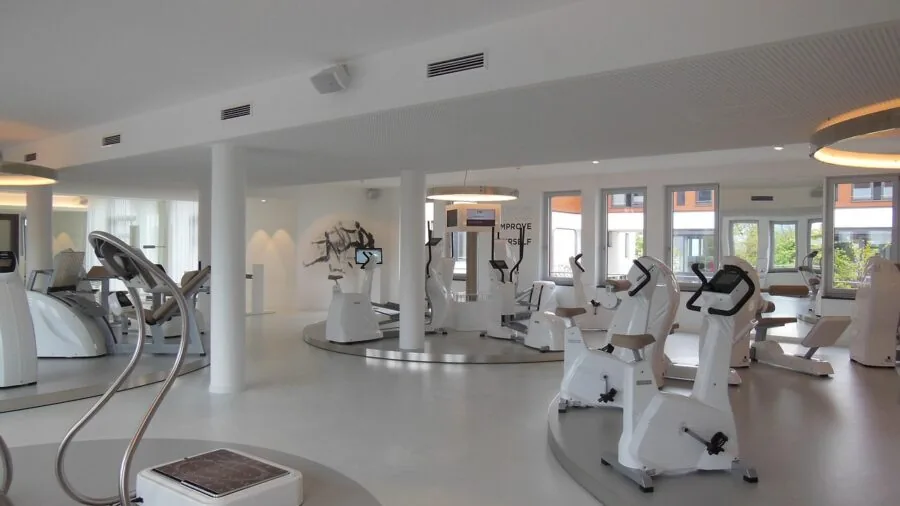
Foam gym mats serve three meaningfully different environments, and the ideal spec differs across all three. Heavy-duty gym flooring needs maximum density, rubber-top durability, and thick tiles.
A children’s play area prioritizes soft cushioning for falls, non-toxic materials, and easy cleaning; thinner, lighter EVA tiles are perfectly appropriate here.
A multi-purpose room that hosts both workouts and kids’ activities benefits from mid-density tiles that clean easily and provide adequate cushion for both use cases without the premium cost of a full rubber-top system.
If your space doubles as a kid’s activity zone, it is worth cross-referencing comfort standards from related categories.
For example, parents who outfit multi-use rooms often look at kids’ activewear and safety gear with the same attention to material safety certifications.
EVA foam mats used in children’s areas should confirm they are free of formamide and meet relevant safety standards; responsible manufacturers list this in their product descriptions.
Folding gymnastics mats occupy a separate subcategory worth noting.
They offer a single continuous padded surface rather than interlocking tiles, which eliminates seam gaps and makes them ideal for tumbling, martial arts, or floor exercise routines where a child or athlete moves across the full mat surface at speed.
The tradeoff is that they are harder to store and cannot be expanded modularly.
Maintenance, Cleaning, and Longevity
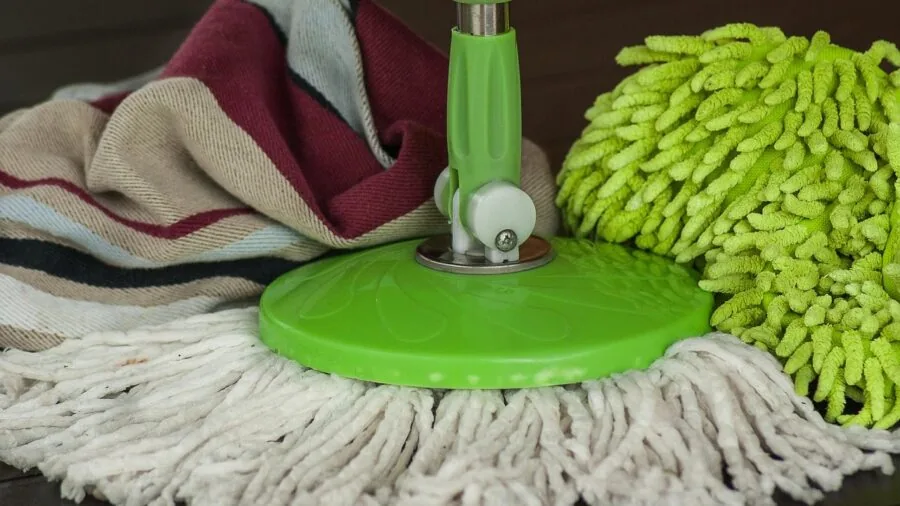
EVA foam is inherently low-maintenance but not indestructible. Most tiles wipe down with a damp cloth and mild soap, which handles sweat, chalk, and general gym grime without degrading the foam structure.
Rubber-top tiles tolerate more aggressive cleaning and resist staining better than bare EVA, making them more practical for garage gyms where oil, dust, and moisture are ongoing realities.
Long-term durability depends heavily on what sits on the surface. Light static equipment like a treadmill or stationary bike applies consistent downward pressure that good high-density foam handles for years.
Sharp edges, dropped iron plates, and dragging heavy equipment across the surface all accelerate wear regardless of foam grade. If you frequently move heavy equipment, a rubber-top product is a measurably better long-term investment.
Keeping your floor care routine consistent, alongside tools like a quality stick vacuum, helps maintain both the mats and the subfloor beneath them.
Why You Should Trust Us
ProductFind is an independent editorial review platform.
Every product in this roundup was evaluated using a consistent, multi-factor research methodology that draws on published manufacturer specifications, expert review consensus from fitness and flooring specialists, and verified buyer feedback from confirmed purchasers.
We do not conduct our own product trials; our evaluations are grounded in research, published data, expert review consensus, and verified buyer feedback.
Each product receives a PF Score on a 0 to 10 scale reflecting how well it performs across criteria relevant to its category: in this roundup, those criteria include foam density and thickness, surface grip and material, connector quality, coverage value, and reported long-term durability.
Products are ranked by PF Score. A higher score does not mean a product is right for every buyer; it means it performed strongly across the broadest set of evaluated criteria for its price tier and intended use.
ProductFind may earn a commission if you purchase through a link in this article. That affiliate relationship has no influence on which products are included, how they are ranked, or what scores they receive.
Our recommendations are editorially independent and based solely on research quality, not commercial relationships.
Final Thoughts
The foam gym mat market covers a wide range of needs, from entry-level puzzle tile sets for light home use to thick, rubber-topped platforms built for heavy lifting.
The picks in this roundup represent the strongest performers across those tiers based on our research synthesis. Here is how we would assign the key honors:
- Best Overall: AIRHOP 0.79in Thick 48 Sq Ft Exercise Equipment Mats earns the top spot with the highest PF Score in the group, combining an upgraded rubber top, near-one-inch high-density EVA, and a generous 48-square-foot coverage area that handles heavy-weight workouts with confidence.
- Best for Large Garage Gyms: SUPERJARE 30″ x 30″ Rubber Top Exercise Equipment Mats covers 75 square feet with oversized 30-inch tiles that minimize seams and suit high-traffic lifting floors, earning a strong PF Score that reflects its broad real-world approval.
- Best Value Thick Tile: CAP Barbell 3/4-Inch Interlocking EVA Foam Exercise Puzzle Mats offers three-quarter-inch thickness and a diamond-pattern surface at a mid-range price, making it one of the most cost-efficient paths to genuine cushioning depth for home gym use.
- Best Budget Pick: CAP Puzzle Exercise Mat 24″ x 24″ x 1/2″ delivers a reliable half-inch EVA interlocking tile at an entry-level price, matching its higher-priced sibling’s PF Score and making it the smartest starting point for buyers outfitting a small training area on a tight budget.
- Best for Bodyweight and Yoga: ProsourceFit Exercise Puzzle Mat 1/2-inch is one of the most consistently praised tiles in this category among verified buyers, earning a high PF Score through reliable connector quality, easy cleaning, and comfortable cushioning for floor-based movement. If you practice yoga regularly, pairing it with a dedicated travel yoga mat gives you a complete solution for home and on-the-go sessions.
Whatever your training style, the right foam mat improves comfort, protects your subfloor, and reduces injury risk over the long haul. Pair your flooring choice with the right equipment and you have a home gym that works as hard as you do.
Frequently Asked Questions
What thickness of foam gym mat is best for heavy weights?
For free weights, loaded barbells, and squat racks, look for tiles that are at least 0.56 inches thick with a high-density EVA core or a rubber top layer.
Thinner tiles compress under sustained static load and can bottom out over time, providing less protection for both your joints and your subfloor.
The thickest options in this roundup, at around 0.75 to 0.79 inches, are the safest choice for serious lifting environments.
Are foam puzzle mats safe for children’s play areas?
EVA foam tiles marketed for children’s play areas should carry certifications confirming they are free of formamide and other harmful chemicals. Most reputable brands include this information in their product listings.
For general gym use by adults, standard EVA is considered safe and durable. If your space serves both kids and adults, check the product listing explicitly for child-safety certification before purchasing.
How do I stop interlocking foam tiles from separating during workouts?
Tile separation during dynamic movements is usually caused by one of two issues: loose connector tolerances from the manufacturer, or tiles placed on a surface with too much friction underneath pulling them in different directions.
Using a non-slip mat or rug pad beneath the entire tile assembly can help lock the layout in place. Buying tiles with consistently positive buyer feedback about connector fit is the most reliable prevention.
If separation is a recurring problem with your current tiles, it typically indicates a tolerance issue that cannot be fixed by repositioning.
Can foam gym mats be used directly on concrete?
Yes, foam gym mats are commonly used on concrete garage and basement floors and are specifically designed for that application. High-density EVA and rubber-top tiles provide adequate cushioning and insulation against the cold, hard surface.
If your concrete floor has moisture issues, ensure the tiles you choose have adequate airflow underneath or consider placing a moisture barrier first, as prolonged moisture exposure can degrade foam over time.
How many tiles do I need to cover a standard home gym area?
A typical home gym footprint of 100 to 150 square feet accommodates most equipment combinations. At 24-inch tile sizes, you need roughly 25 to 38 tiles for that coverage.
At 30-inch tile sizes, coverage per tile increases significantly, so a 12-tile set can cover 75 square feet on its own.
Always measure your target area, account for border tiles that may need trimming, and order a small buffer of extra tiles so replacements are available if any get damaged later.
What is the difference between EVA foam mats and rubber gym flooring?
Pure EVA foam mats are lighter, less expensive, and softer underfoot, making them better suited for yoga, stretching, bodyweight exercises, and children’s play areas.
Rubber gym flooring is denser, more abrasion-resistant, and significantly more durable under heavy equipment, but it is also heavier and more expensive.
The rubber-top EVA hybrids in this roundup represent a practical middle ground: EVA foam provides the cushioning while the rubber surface handles durability demands from equipment and foot traffic.
If you run a structured running or training program at home, the rubber-top category is generally the better long-term flooring investment.
About the author
Amelia is a reviewer and writer for ProductFind who specializes in Home Gym & Strength Training. Amelia evaluates products through independent research: specifications, expert review consensus, and verified buyer feedback, and rates each one on the PF Score. Amelia focuses on helping readers pick the right home gym & strength training for their needs and budget.