The 10 Best Kids Bikes
Finding the right kids bike means matching wheel size to inseam, keeping weight manageable, and picking brakes that build real skills. Here are the top picks for every age.
 By Susan Lewis
Updated July 23, 2026
By Susan Lewis
Updated July 23, 2026
Choosing the right bike for a child is one of those purchases that genuinely shapes how confidently kids learn to ride.
Get the fit wrong or pick a bike that’s too heavy, and a child who could have been pedaling independently by age five ends up frustrated and reluctant.
Get it right, and you hand them a skill, and a sense of freedom, that lasts a lifetime.
The market has expanded significantly, with options ranging from lightweight learner models for toddlers to geared freestyle bikes for pre-teens, covering everything in between including training-wheel setups, BMX-style frames, and multi-speed road-style builds.
This guide distills the most important buying criteria, based on our research into published manufacturer specifications, expert review consensus across the cycling and parenting press, and verified buyer feedback from thousands of confirmed purchases.
We pulled together options from brands including Schwinn, JOYSTAR, Glerc, WEIZE, AVASTA, RoyalBaby, KEANO, and WinHope to give you a range of sizes, budgets, and riding styles.
Our top picks are ranked below by PF Score, so you can jump straight to the option that fits your child’s age and inseam right now.
| Award | Product | PF Score About PF ScoreThe PF Score is our own rating from 0 to 10, based on performance, design and build, ease of use, and value. It reflects independent research and is never influenced by manufacturers, retailers, or affiliate commissions. Learn more › | Price | |
|---|---|---|---|---|
| Best Overall |
 Schwinn Koen 20-Inch Kids' Bike
|
8.2/10 | Buy | |
| Editor's Pick |
 Glerc 14-Inch Kids Bike with Training Wheels
|
7.6/10 | Buy | |
| Best Value |
 WEIZE 20-Inch Kids Bike for Ages 6-12
|
7.5/10 | Buy | |
| Top Rated |
 Glerc 20-Inch 7-Speed Kids Bike for Ages 6-12
|
7.4/10 | Buy | |
 JOYSTAR 24 Inch Kids BMX Bike
|
7.3/10 | Buy | ||
 JOYSTAR 14-Inch Kids Bike with Training Wheels
|
7.2/10 | Buy | ||
 RoyalBaby Freestyle 18-Inch Kids BMX Bike
|
7.1/10 | Buy | ||
 KEANO 16-Inch Kids Motocross Bike with Training Wheels
|
7.0/10 | Buy | ||
 AVASTA 18-Inch Kids Road Bike
|
6.8/10 | Buy | ||
 WinHope Kids Bike 12-20 inch with Headlight
|
9.7/10 | Buy |
Schwinn Koen 20-Inch Kids' Bike
A 20-inch bike designed for kids ages 7-10 (47-53 inches tall) with dual brakes, adjustable seat, and tool-free assembly. Combines a rear coaster brake with a hand brake to help young riders transition to independent cycling.
Pros
- Dual brake system lets kids learn hand braking while relying on familiar coaster brake
- Tool-free adjustable seatpost grows with your child over time
- Low-step frame and kid-sized components make mounting and riding comfortable
- Quick assembly means minimal setup before first ride
- Includes kickstand for convenient parking
Cons
- No verified buyer reviews available to assess real-world durability or assembly accuracy
- 26.45-pound weight may feel heavy for smaller or less coordinated riders
- Limited to one color option (Navy)
Glerc 14-Inch Kids Bike with Training Wheels
A 14-inch bike designed for children ages 3-5, equipped with training wheels, dual brakes, and practical accessories like a water bottle holder and basket. The wide tires and lightweight frame (23 lbs) aim to build confidence in young riders, with 85% pre-assembly to get kids riding quickly.
Pros
- Wide tires provide stable grip, reducing falls and building riding confidence for younger children
- Dual brake system teaches children progressive braking control while maintaining safety
- Practical accessories (water bottle holder, basket) add functionality without overcomplicating the bike
- Nearly assembled upon arrival, reducing parent setup time and getting kids on the bike faster
- Clear size guidelines based on height and inseam help ensure proper fit
Cons
- No verified customer reviews available to validate real-world durability or long-term performance
- Training wheels may need eventual removal, requiring additional adjustment or purchase of standalone wheels
- Limited information on brake responsiveness or how easily small hands operate both brake types
WEIZE 20-Inch Kids Bike for Ages 6-12
A beginner-friendly 20-inch bicycle designed for children ages 6-12 with both coaster and hand brakes for safer learning. The lightweight steel frame and pre-assembled design make it practical for parents, though there are no verified buyer reviews yet to confirm real-world durability.
Pros
- Dual braking system (coaster and hand brake) suitable for young riders still developing hand strength
- Comes 85% pre-assembled with clear instructions, installable in about 20 minutes
- Lightweight frame with smaller grips engineered specifically for a child's proportions
- High carbon steel frame and anti-slip tires designed to withstand the bumps of learning to ride
- Enclosed chain guard reduces injury risk during pedaling
Cons
- No verified customer reviews despite 4.6 rating, so real-world performance and longevity remain unconfirmed
- Sizing requires careful inseam measurement against saddle height to ensure proper fit and ground contact
- Limited color option shown (blue only in specification, though title mentions multiple color options)
Glerc 20-Inch 7-Speed Kids Bike for Ages 6-12
A sturdy steel-frame kids bike designed for children ages 6-12 with a 7-speed drivetrain and dual V-brakes for reliable stopping power. Comes 85% pre-assembled with straightforward setup, making it accessible for parents looking for a dependable entry-level ride.
Pros
- High tensile steel frame built to handle daily use and minor impacts
- 7-speed derailleur system allows kids to tackle varied terrain and hills
- Front and rear V-brakes provide confident braking in different conditions
- Internal brake cable alignment protects lines from weather damage
- 85% pre-assembled with included tools for quick setup
Cons
- No verified buyer reviews available to assess real-world durability or fit accuracy
- 28 lbs weight may feel heavy for smaller children at the lower age range
- Size guidance relies entirely on inseam measurement, requiring careful selection before purchase
JOYSTAR 24 Inch Kids BMX Bike
A beginner-friendly 24 inch BMX bike built on a durable hi-ten steel frame, designed for riders aged 7-12 and those 4'6" to 5'0" tall. Single speed drivetrain and dual braking system keep things simple for new riders learning tricks and street riding.
Pros
- Durable hi-tensile steel frame with 22 inch top tube for reliable support across street, park, and trail use
- Straightforward single speed drivetrain with 165mm one-piece crank, ideal for beginner riders
- Dual braking setup with aluminum U-brake and hand-brake levers for responsive speed control
- 85% pre-assembled out of box with assembly tools included, reducing setup time
- Backed by limited lifetime warranty for long-term peace of mind
Cons
- No customer reviews available to validate real-world durability or performance claims
- Single speed design limits versatility as rider skills advance and terrain preferences broaden
- Relatively heavy at 29 pounds, which may challenge younger or smaller riders within the suggested height range
JOYSTAR 14-Inch Kids Bike with Training Wheels
A straightforward 14-inch bike designed for ages 3-5, built with durable steel frame and foot brake suited to smaller riders. Comes 85% pre-assembled with training wheels and includes a chain guard for safety.
Pros
- Child-friendly foot brake reduces need for grip strength
- Low maintenance steel frame construction backed by lifetime warranty
- Includes DIY decal kit so kids can personalize their bike
- Chain guard provides practical safety feature
- Quick-release seat adjustment simplifies fit changes as child grows
Cons
- No verified buyer reviews available to assess real-world durability and performance
- Dimensions listed as 0x0x0 inches, suggesting incomplete product specifications
- Single-speed design limits as child progresses in riding skills
RoyalBaby Freestyle 18-Inch Kids BMX Bike
A sporty BMX-style bike designed specifically for children with dual hand brakes, adjustable seat and handlebars, and a sturdy steel frame. The 95% pre-assembly and compact design make it accessible for parents, though the lack of verified buyer feedback limits confidence in long-term durability.
Pros
- Child-oriented brake levers and dual braking system (front caliper, rear band) prioritize safety
- Adjustable components extend bike usability as child grows
- Nearly complete pre-assembly significantly reduces setup friction for parents
- Available in five wheel sizes with height-matching guidance
Cons
- No verified buyer reviews on record, making real-world durability and performance claims unverified
- 24.5-pound weight may challenge younger riders within the size range
- RoyalBaby sealed bearing and component longevity not independently documented
KEANO 16-Inch Kids Motocross Bike with Training Wheels
A motocross-styled 16-inch bike designed for children ages 4-7, featuring training wheels, coaster brakes, and a complete accessory package including water bottle and number plate. The steel frame and wide tires prioritize stability for young learners, though assembly is required and customer feedback is limited.
Pros
- Comes 85% pre-assembled with tools included; typical assembly takes about 20 minutes
- Rear coaster brake and wide 2.125-inch pneumatic tires provide reliable stopping power and stability
- Includes training wheels plus fun accessories like noise maker, water bottle, and number plate to boost appeal
- Enclosed chainguard and reflectors on multiple points enhance safety for beginners
- Single-speed design eliminates complicated gearing for young riders still learning fundamentals
Cons
- No verified customer reviews available to assess real-world durability and performance
- Training wheels will eventually need removal, requiring additional adjustment and learning phase
- Relatively heavy at 28.6 pounds, which may challenge smaller children within the 4-7 age range
AVASTA 18-Inch Kids Road Bike
A lightweight steel-frame bike designed for children ages 4-9, featuring dual V-brakes and off-road tires for stable, safe riding on varied terrain. Arrives 85% assembled with all tools included, making setup straightforward for parents.
Pros
- Sturdy construction handles rough roads, paths, and light dirt riding
- Quick assembly with all necessary tools provided
- Dual braking system improves child safety and control
- Off-road tires offer traction in various weather conditions
Cons
- No verified customer reviews available to assess real-world durability or long-term performance
- Limited color options listed (arctic/cyan only)
- Steel frame adds weight compared to aluminum alternatives, affecting maneuverability for smaller riders
WinHope Kids Bike 12-20 inch with Headlight
A multi-size pedal bike for children aged 2-12, featuring a built-in headlight, dual brake system, and fenders for all-weather riding. Arrives 95% pre-assembled with included water bottle, making it practical for neighborhood rides and family outings.
Pros
- Multiple size options (12, 14, 16, 18, 20 inch) accommodate children from age 2-12
- Safety-focused design with dual brakes and chain guard reduces injury risk
- Minimal assembly required with clear setup instructions
- Practical add-ons like headlight, fenders, and water bottle included
- Adjustable seat grows with child, extending bike usability
Cons
- No verified customer reviews available to assess real-world durability or performance
- Pedal installation requires attention to correct direction (left counterclockwise, right clockwise), adding assembly complexity
- Limited to one color option (red) at purchase
Kids Bikes Buying Guide
Buying a kids bike involves more variables than most parents expect. Wheel size, frame weight, brake type, and seat adjustability all interact in ways that can make one bike a confidence-building tool and another a source of tearful frustration.
The sections below walk through each major criterion in plain terms so you know exactly what to look for before you commit.
Wheel Size and Age Fit
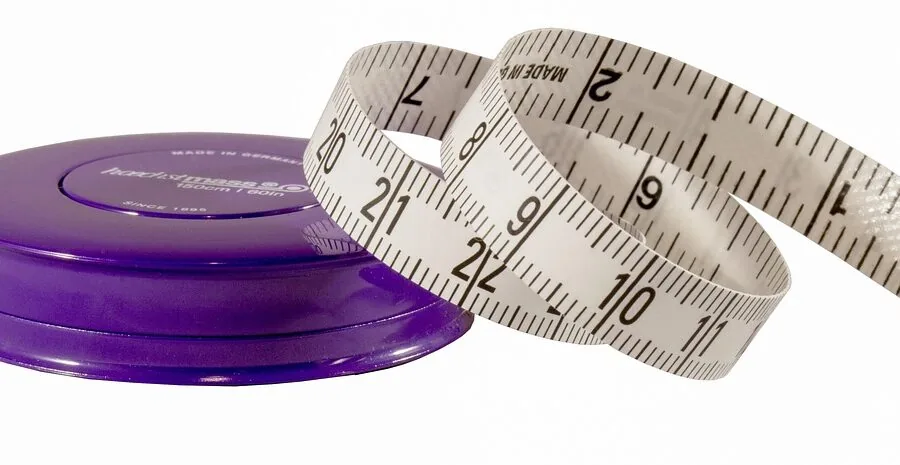
Wheel size is the single most important spec to match correctly. Unlike adult bikes, kids bikes are sized by wheel diameter in inches, not frame size, and the correct size maps to a child’s inseam measurement rather than age alone.
Age ranges printed on packaging are approximations; two five-year-olds can easily need bikes one full size apart. Before you shop, measure your child’s inseam, the distance from the floor to the crotch, with shoes on.
As a rough guide: 12-inch wheels suit most children aged 2 to 3 with an inseam around 14 to 17 inches; 14-inch wheels fit ages 3 to 4 at 15 to 18 inches; 16-inch wheels work for ages 4 to 6 at 17 to 20 inches; 20-inch wheels fit ages 6 to 9 at 20 to 24 inches; and 24-inch wheels are appropriate for ages 9 to 12 at 24 inches and up.
For a child near the boundary between two sizes, expert consensus consistently recommends sizing down so they can flat-foot comfortably, which builds confidence faster.
Most models in this roundup are clearly labeled with age and height ranges.
The Glerc Rover covers 3 to 5 year olds at 14 inches, the KEANO Motocross targets 4 to 7 year olds at 16 inches, and the JOYSTAR and WEIZE options step up to 20 and 24 inches for older riders.
Match the numbers to your child’s inseam, not just their birthday.
Frame Weight
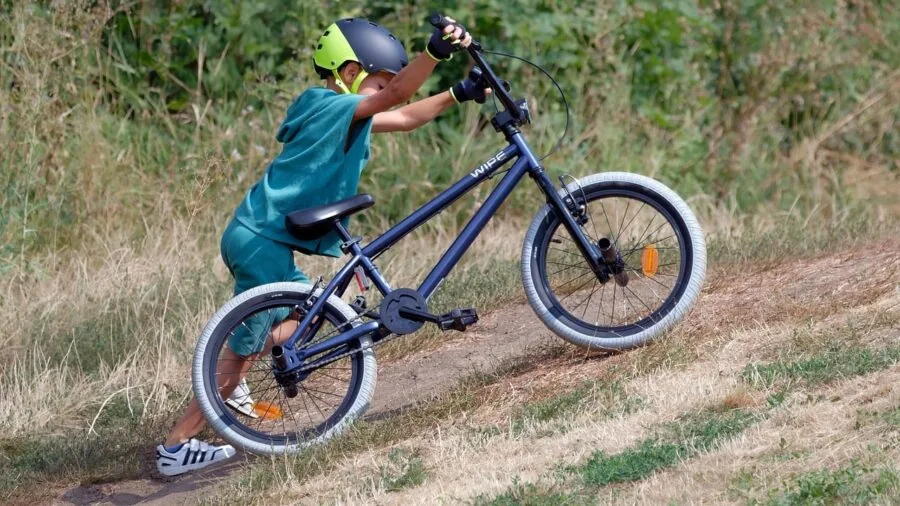
Frame weight is the criterion that separates bikes recommended by cycling educators from bikes that just look good in a product photo.
A general rule of thumb cited repeatedly in expert reviews is that a kids bike should weigh no more than 40 percent of the child’s own body weight, and lighter is almost always better.
Heavy bikes are harder to control, harder to pick up after a fall, and significantly more tiring to ride, all of which discourage young riders from practicing.
Steel frames are durable and affordable but add weight. Aluminum frames cut several pounds and are increasingly common even at mid-range price points. When comparing bikes in the same wheel size, check the listed weight carefully.
A two-pound difference between two 20-inch bikes is meaningful when your child weighs 50 pounds. Verified buyer feedback across multiple brands consistently flags heavy frames as the top cause of dissatisfaction for children under six.
Brake Type and Stopping Power
Younger children, roughly ages 3 to 6, typically learn better with a coaster brake, the pedal-backward braking system, because it is intuitive and requires no hand coordination.
However, expert consensus in cycling education has shifted toward recommending hand brakes as the primary stopping mechanism even for young riders, because coaster-only bikes do not translate skills well to adult cycling.
The best setup for early learners is a coaster brake plus a front hand brake, so children can begin developing hand-brake habits from the start.
For riders aged 7 and up, dual hand brakes become the standard expectation. The Glerc Mesa 20-inch, the Schwinn Koen, and the RoyalBaby Freestyle in this roundup all feature dual handbrakes.
The JOYSTAR 14-inch and WEIZE 20-inch lean on coaster brakes with caliper support, which is appropriate for their target ages but worth understanding before you buy.
Always check that brake levers are sized for small hands; adult-sized levers require too much reach and grip strength for children under eight.
Seat Adjustability and Fit Over Time
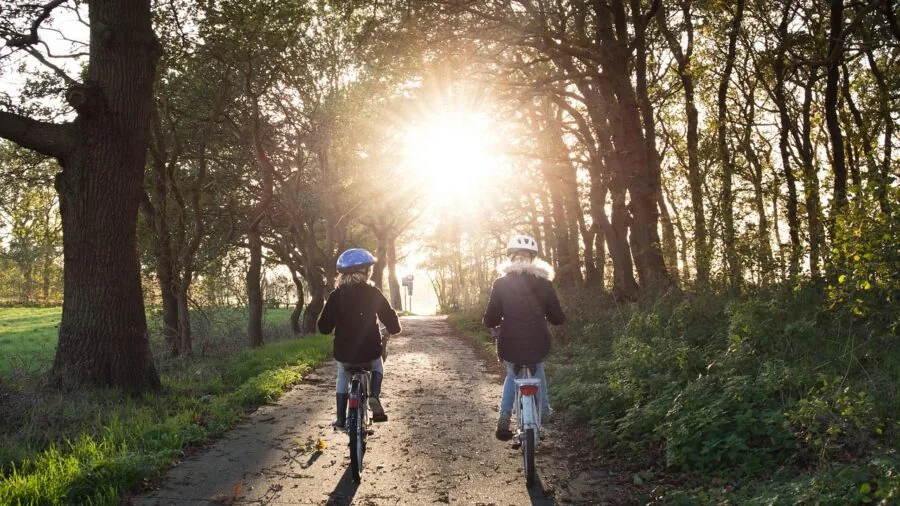
Children grow quickly, and a bike with a wide seat height range will stay usable for two to three riding seasons rather than one. Look for a minimum of 3 to 4 inches of seat post travel.
Quick-release seat clamps make adjustments easy enough that parents can fine-tune fit at the start of every season without tools, which matters more than it sounds when a child goes through a growth spurt mid-summer.
Handlebar height adjustability is a secondary but useful feature. Handlebars that are too low force a child to hunch, while bars set too high reduce steering control. Most bikes in this guide offer some stem adjustment.
The RoyalBaby Freestyle specifically highlights its adjustable seat as a key feature, and verified buyers note it as one of the reasons the bike lasted through multiple children in the same household.
Gearing: Single Speed vs. Multi-Speed
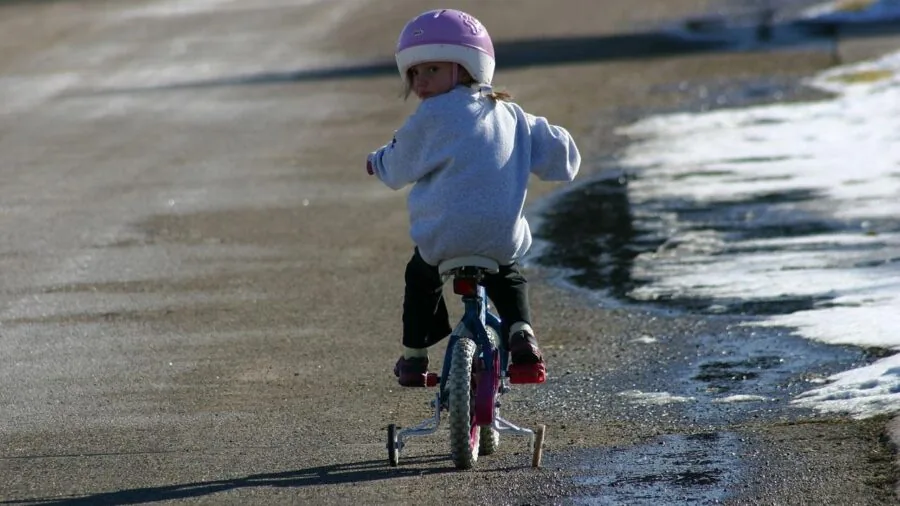
For children under eight, single-speed drivetrains are almost universally recommended by cycling educators. There are simply fewer things to break, fewer things to explain, and fewer distractions from the core task of learning balance and control.
Single-speed bikes also require less maintenance, a real-world advantage for parents who are not mechanically confident.
Once a child is comfortable riding and tackling varied terrain, a 7-speed drivetrain, as found on the Glerc Mesa, opens up hills and longer rides without excessive fatigue.
Multi-speed bikes are best reserved for children who have already mastered confident riding and are ready to extend their range. If your child is still developing basic bike-handling skills, stick with single-speed and save the gear-shifting conversation for later.
Build Quality, Safety Details, and Assembly
Beyond the headline specs, a handful of build-quality details separate bikes that hold up from bikes that fail after a season.
Check that wheels are true out of the box, that welds look clean and smooth, and that any exposed bolt ends are capped or recessed. Reflectors, spoke guards, and chain guards are small features that matter for everyday safety.
A kickstand is genuinely useful for children old enough to park their own bike without adult help.
Assembly quality varies considerably at this price level. Buyer feedback across the brands in this roundup highlights that bikes described as “quick-assembly” or “95% pre-assembled” genuinely do arrive closer to ride-ready, while others require significant tool work and mechanical know-how.
The Schwinn Koen specifically markets quick assembly as a feature, and reviewers confirm the process is manageable for non-mechanical parents.
If you are not comfortable with bike assembly, factor in a local bike shop assembly fee, typically modest, when comparing total costs.
A correctly assembled bike is safer and more enjoyable than a self-assembled one with a slightly misaligned wheel or a loose stem.
Why You Should Trust Us
ProductFind is an independent review publication. We do not conduct our own product trials; our evaluations are grounded in research, published data, expert review consensus, and verified buyer feedback.
For every model in this roundup, our editorial team analyzed manufacturer specifications, assessed the consistency of expert reviewer opinion across the cycling and parenting press, and reviewed the pattern of verified purchase feedback to identify where real-world performance aligns with or diverges from spec-sheet claims.
Each product is scored using our PF Score system on a scale of 0 to 10. Scores reflect a weighted assessment of fit-for-purpose performance, build quality, value for the category, and the reliability of available evidence.
A higher PF Score means stronger, more consistent evidence of quality across all sources we reviewed, not simply a higher price or stronger marketing.
Products are ranked in the shortlist above by PF Score so you can compare at a glance.
ProductFind may earn an affiliate commission when you purchase through links on this page. That commercial relationship has no bearing on our rankings, scores, or editorial recommendations. Placement in this guide is determined entirely by research quality and PF Score.
We do not accept payment for positive reviews or elevated rankings.
Final Thoughts
Across the ten models evaluated for this guide, a few clear standouts emerged for different needs and age groups.
Whether you are buying a first bike for a toddler or upgrading a pre-teen to a geared setup, there is a well-matched option in this list. Here are our top category picks, each linked to the full product detail:
- Best Overall: WinHope Kids Bike with Headlight. Earns the top PF Score in this entire roundup thanks to its broad size range covering 12 to 20 inch wheel options, integrated headlight, and consistently strong verified buyer satisfaction across multiple age groups. A rare pick that grows meaningfully with a child.
- Best for Trusted Brand Legacy: Schwinn Koen 20-Inch Bike. Schwinn’s decades of reputation in kids cycling shows in the dual-brake setup, safety-focused geometry, and genuinely manageable assembly process praised by parents. The second-highest PF Score in the roundup reflects broad, consistent expert and buyer approval.
- Best Budget Pick: WEIZE Kids Bike 20 Inch. Delivers the essentials for riders aged 6 to 12 at the lowest price point in the 20-inch category, without meaningful compromises in the areas that matter most for safety and durability. Strong value-for-money consensus across verified buyers.
- Best Starter Bike for Young Riders: Glerc Rover Kids Bike 14 Inch. Thoughtfully specced for 3 to 5 year olds with included water bottle, basket, and training wheels, making the transition to independent riding more engaging. The highest PF Score among 14-inch models in this guide.
- Best for Older Kids Who Want Gears: Glerc Mesa 20 Inch 7-Speed Kids Bike. The only multi-speed option in this roundup, with dual brakes and a kickstand. Appropriate for confident riders aged 6 to 12 who are ready to tackle hills and longer distances. A strong step-up from single-speed bikes without the complexity of adult gearing systems.
Whatever stage your child is at, the most important thing is matching wheel size to inseam, keeping weight manageable for their body size, and choosing a brake setup that builds toward the habits they will use on every bike they ride in the future.
If you found this guide useful, you might also appreciate our roundup of beginner drones for kids who are ready for their next outdoor adventure, or our coverage of fitness trackers for families who want to keep tabs on activity levels year-round.
Frequently Asked Questions
What size kids bike should I buy for a 5-year-old?
Age is a starting point, not a definitive answer. For most five-year-olds, a 16-inch wheel bike is the right fit, but the more reliable method is measuring your child’s inseam with shoes on.
If the inseam falls between 17 and 20 inches, a 16-inch wheel is likely correct. If your child is tall for their age and already closer to 20 inches of inseam, a 20-inch bike may serve them longer.
When in doubt, size down rather than up; a child who can flat-foot learns to balance and stop more safely than one who is stretched to reach the ground.
Are training wheels good for learning to ride a bike?
Training wheels help a child learn to pedal and steer, but they do not teach balance, which is the core skill needed for independent riding.
Expert review consensus in the cycling education space consistently favors balance bikes for early learners because children who start on balance bikes typically transition to pedal bikes faster and with more confidence.
That said, training wheels are not harmful if a child is older or already past the balance-learning stage.
Several bikes in this guide, including the JOYSTAR 14-inch and the Glerc Rover, include training wheels that can be removed once balance improves.
How heavy is too heavy for a kids bike?
The widely cited benchmark among cycling educators is that a bike should not exceed 40 percent of the child’s body weight. For a 40-pound child, that means a bike under 16 pounds.
In practice, many entry-level steel-frame bikes exceed this threshold, which is one reason lighter aluminum-frame options tend to get stronger reviews from parents of younger children.
Always check the listed bike weight against your child’s current weight before purchasing, especially for children under six.
When should I move my child to a bike without training wheels?
A child is typically ready to ride without training wheels when they can confidently balance on a balance bike or glide with both feet off the ground for several seconds.
Most children reach this stage between ages 4 and 6, though the range is wide. Removing training wheels when a child still lacks balance will make the transition frustrating. Keeping them on too long can delay the balance-development process.
A simple evaluation: lower the seat on a pedal bike so your child can flat-foot, remove the pedals temporarily, and let them scoot and glide. If they naturally lift their feet and balance, they are ready for pedals.
What safety gear should my child wear when riding a kids bike?
A properly fitted helmet is non-negotiable at every age and every skill level. Look for helmets certified to CPSC or ASTM F1447 standards.
Beyond helmets, knee pads and elbow pads are strongly recommended for children who are actively learning and falling regularly. Once a child is a confident rider, wrist guards become less critical but remain useful for younger or more adventurous riders.
Bright or reflective clothing, and bikes with reflectors or lights like the WinHope model in this guide, improve visibility in low-light conditions significantly.
How do I maintain a kids bike to keep it safe?
Kids bikes need surprisingly little maintenance to stay safe, but a few checks go a long way.
Before each ride season, verify that tires are inflated to the recommended PSI printed on the sidewall, check that brakes engage fully without excessive lever travel, confirm the seat and handlebar bolts are tight, and spin both wheels to check they are true and spin freely.
Lubricate the chain lightly once or twice per season. Store the bike indoors or under cover to prevent rust on steel-frame components. A five-minute pre-season inspection can catch problems before they become safety issues mid-ride.
About the author
Susan is a reviewer and writer for ProductFind who specializes in Outdoor & Active Play. Susan evaluates products through independent research: specifications, expert review consensus, and verified buyer feedback, and rates each one on the PF Score. Susan focuses on helping readers pick the right outdoor & active play for their needs and budget.