The 9 Best Trail Running Shoes
From muddy singletrack to rocky hardpack, finding trail running shoes that grip, protect, and last takes real research. Here are the top picks across every budget.
 By Clifford Baker
Updated July 23, 2026
By Clifford Baker
Updated July 23, 2026

Trail running demands more from your footwear than almost any other sport. Whether you’re navigating root-covered singletrack, loose scree, or muddy switchbacks, the wrong shoe can mean twisted ankles, bruised soles, or an involuntary face-plant on a steep descent.
The market has expanded dramatically in recent years, with options ranging from stripped-down minimalist racers to maximalist cushion platforms that handle everything from a local dirt path to a full mountain ultra.
Sorting through the noise takes real research, and that’s exactly what this guide is designed to cut through.
Our team at ProductFind researched dozens of trail running shoes currently available, synthesizing manufacturer specifications, expert review consensus from major outdoor and running publications, and verified buyer feedback from thousands of confirmed purchasers.
We assessed each model across five consistent criteria: outsole grip and traction design, midsole cushioning and energy return, stability and fit security, terrain versatility, and long-term durability.
The result is a focused list of picks spanning budget, mid-range, and premium tiers from brands including Salomon, Brooks, New Balance, Merrell, and Saucony. Scroll down to see our top picks ranked by PF Score.
| Award | Product | PF Score About PF ScoreThe PF Score is our own rating from 0 to 10, based on performance, design and build, ease of use, and value. It reflects independent research and is never influenced by manufacturers, retailers, or affiliate commissions. Learn more › | Price | |
|---|---|---|---|---|
| Best Overall |
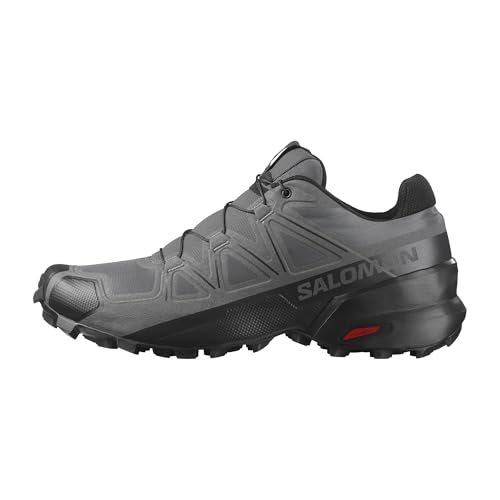 Salomon Speedcross Men's Trail Running Shoes Size 12
|
8.6/10 | Buy | |
| Editor's Pick |
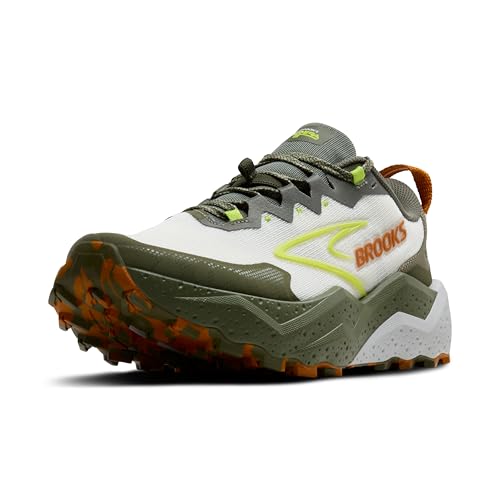 Brooks Caldera 8 Ultra Trail Running Shoe
|
8.5/10 | Buy | |
| Best Value |
 New Balance Fresh Foam X Hierro V9 Trail Running Shoe
|
8.4/10 | Buy | |
| Top Rated |
 Brooks Catamount 4 Trail Running Shoe
|
8.3/10 | Buy | |
 Brooks Ghost Trail Running Shoe
|
8.2/10 | Buy | ||
 Merrell Morphlite Women's Trail Running Shoe
|
7.2/10 | Buy | ||
 New Balance Fresh Foam 410v9 Trail Running Shoe
|
7.1/10 | Buy | ||
 Saucony Excursion TR14 Trail Running Shoe
|
6.8/10 | Buy | ||
 NORTIV 8 Men's Wide Toe Box Trail Running Shoe
|
5.9/10 | Buy |
Salomon Speedcross Men's Trail Running Shoes Size 12
Salomon's redesigned Speedcross combines enhanced grip with a protective, durable upper built for mixed and muddy terrain. The welded construction and specialized heel support prioritize stability and debris protection on technical trails.
Pros
- Excellent traction on muddy, rocky, and loose terrain with high-adhesion compound
- Durable ripstop construction designed to withstand rough trail conditions
- Quick-adjust Quicklace system provides fast, secure fit customization
- Anti-debris mesh upper protects from trail debris and mud ingestion
Cons
- No verified buyer reviews available to assess real-world durability or fit consistency
- Welded upper may require break-in period for some runners
- Specialized trail design may feel overly stiff for casual or road running
Brooks Caldera 8 Ultra Trail Running Shoe
Built for distance trail runners tackling rough terrain, the Caldera 8 combines DNA Loft v3 cushioning with raised sidewalls for protection and stability. The breathable upper and carbon neutral construction appeal to performance-focused runners seeking long-distance comfort.
Pros
- Plush cushioning designed to absorb impact from mountainous terrain
- Durable upper materials resist scratching and trail wear
- Carbon Neutral certification appeals to environmentally conscious runners
- Raised sidewall design offers added ankle security on technical trails
Cons
- No verified buyer reviews available to assess real-world durability claims
- High-stacked cushioning may feel bulky for runners preferring lighter trail shoes
- Limited color option shown in available data
New Balance Fresh Foam X Hierro V9 Trail Running Shoe
New Balance's Hierro V9 combines dual-density cushioning with aggressive Vibram traction for technical trail running. Reinforced toe protection and a gusseted tongue address common trail hazards, making it solid for rocky, uneven terrain.
Pros
- Aggressive tread pattern and deep lugs deliver confident grip on variable terrain
- Toe protection technology addresses a real pain point on technical trails
- Dual-density midsole offers both cushioning and support without bulk
- Engineered knit upper with gusseted tongue keeps feet clean on debris-heavy trails
Cons
- No verified buyer reviews available to confirm real-world durability and comfort consistency
- Heavier than some competing trail shoes at 0.98 pounds, which may affect speed-focused runners
- Dark Juniper/Black colorway may show dust and trail dirt more easily than lighter options
Brooks Catamount 4 Trail Running Shoe
Built for fast uphill trail running, the Catamount 4 pairs a new SkyVault propulsion plate with DNA FLASH v2 cushioning and TrailTack Green rubber for responsive ascents and reliable traction across wet and dry terrain. Best suited for runners prioritizing speed and efficiency on technical trails.
Pros
- Propulsion plate design specifically targets uphill efficiency without sacrificing downhill capability
- TrailTack Green rubber made with recycled content provides consistent grip across variable conditions
- Responsive cushioning adapts to individual stride patterns
- Durable premium mesh upper balances lightweight feel with trail durability
Cons
- No verified buyer reviews available to assess real-world durability and comfort consistency
- Premium positioning may limit appeal for budget-conscious trail runners
- Specialized uphill focus suggests less optimization for flat or downhill-heavy routes
Brooks Ghost Trail Running Shoe
Brooks brings trail-specific engineering to their Ghost comfort platform, delivering a lightweight off-road shoe built for technical terrain and varied conditions. TrailTack Green rubber and DNA LOFT v3 cushioning target runners seeking dependable grip and impact protection on rocky, unpredictable ground.
Pros
- TrailTack Green outsole with 3mm lugs provides reliable traction on both wet and dry surfaces
- DNA LOFT v3 midsole balances plush cushioning with responsive feel for long trail runs and hikes
- 3D-printed toe cap and mudguard protect against rocks and debris without excess weight
- Air mesh upper keeps feet cool while maintaining structural support on uneven terrain
- Ergonomic lacing system allows custom midfoot fit to reduce heel slippage
Cons
- Product shows zero verified reviews, so real-world durability and comfort feedback unavailable
- Designed specifically for dry and rocky terrain, may be less suitable for muddy or extremely wet conditions
- Air mesh upper breathability may not suit cold-weather trail running
Merrell Morphlite Women's Trail Running Shoe
A lightweight trail runner built with recycled materials and Merrell's sticky rubber outsole for reliable grip on varied terrain. The internal bootie and FloatPro Foam midsole aim for a locked-in fit without excess weight, making it suitable for runners seeking sustainable construction.
Pros
- FloatPro Foam midsole delivers lightweight cushioning designed for all-day comfort
- Merrell sticky rubber outsole provides durable, confident traction on trail surfaces
- Internal bootie construction offers a secure, locked-in fit to reduce heel slip
- 100% recycled breathable mesh lining and footbed cover align with eco-conscious design
- Jacquard upper balances durability with breathability for extended wear
Cons
- No verified buyer reviews available to confirm real-world durability and comfort claims
- Limited color options at launch, with only White/Frost Blue currently listed
- Lightweight construction may trade some protective cushioning for ground feel, which some trail runners may not prefer
New Balance Fresh Foam 410v9 Trail Running Shoe
New Balance's Fresh Foam 410v9 blends cushioned comfort with versatile all-terrain traction for runners and hikers who move between trails and pavement. The no-sew design and breathable mesh keep feet cool during long outdoor days, though the shoe lacks verified user feedback to confirm real-world durability claims.
Pros
- Ultra-cushioned Fresh Foam midsole balances comfort and weight
- Adaptable traction for seamless trail-to-street transitions
- Breathable mesh construction supports all-day comfort
- No-sew overlay design minimizes chafing and irritation
Cons
- No verified customer reviews available to validate durability and real-world performance
- Limited color options reported (Black/Sea Salt only in this listing)
- Trail construction claims lack independent testing confirmation
Saucony Excursion TR14 Trail Running Shoe
Saucony's Excursion TR14 is a trail-focused runner built for uneven terrain with carbon rubber lugs and VERSARUN cushioning for comfort on rocky, debris-strewn paths. The trail-specific mesh design locks your foot in place without excess bulk, making it practical for serious trail work.
Pros
- Carbon rubber lugs deliver reliable traction on loose, rocky surfaces
- Moderate stack cushioning provides practical comfort without excessive bulk
- Supportive overlays keep feet locked in without adding weight or restricting movement
- Trail-specific construction addresses actual trail hazards like sharp debris
Cons
- No verified customer reviews available to confirm real-world durability and fit consistency
- Rating of 4.9 with zero reviews suggests limited market feedback at this time
- Trail-specific design may not suit road or mixed-surface runners seeking versatility
NORTIV 8 Men's Wide Toe Box Trail Running Shoe
A trail-focused running shoe designed with a wide toe box to accommodate various foot shapes and natural alignment. Features a breathable Jacquard mesh upper, EVA midsole cushioning, and grippy rubber outsole suitable for both trails and pavement.
Pros
- Roomy toe box reduces pressure points for various foot shapes
- Breathable construction keeps feet dry during intense activity
- Durable, grippy outsole with 4mm lugs handles multiple terrain types
- Lightweight design with effective shock absorption
- Stylish aesthetic transitions easily between trail and casual wear
Cons
- No verified buyer reviews available to assess real-world durability and fit consistency
- Wide toe box design may feel loose for runners with narrow feet
- Limited information on break-in period or long-term comfort for extended use
Trail Running Shoes Buying Guide
Choosing the right trail running shoe is more nuanced than picking a road runner. Terrain type, distance, foot shape, and running style all influence which features matter most.
The subsections below walk through the criteria our research consistently identified as the biggest differentiators between a shoe that performs and one that fails you mid-run.
Outsole Grip and Lug Pattern
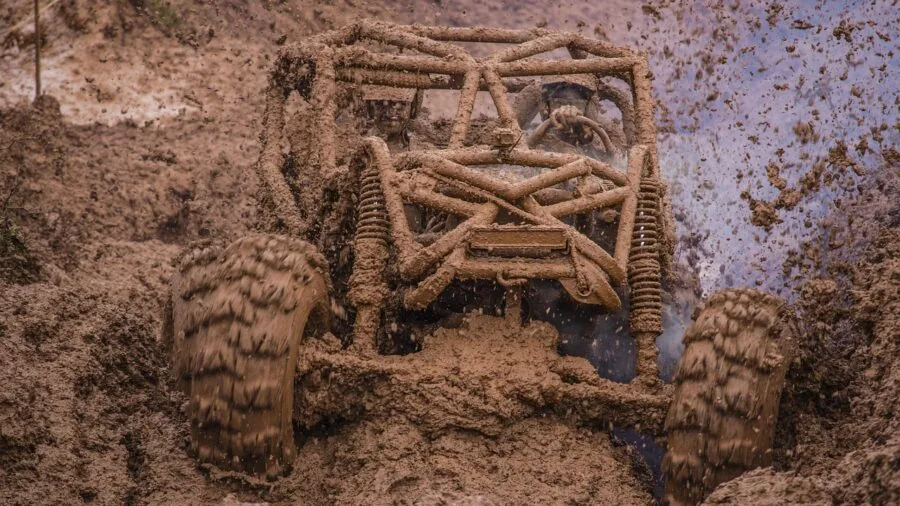
Grip is the single most important feature separating a trail shoe from a road shoe. Lug depth, spacing, and rubber compound all determine how confidently you can push off loose dirt, wet rock, or slippery roots.
Deeper lugs (typically 4 mm to 6 mm) bite into soft, muddy terrain and shed mud effectively, while shallower lugs offer better traction on hardpack and mixed surfaces without feeling clunky on pavement approaches.
The Salomon Speedcross, for example, is built around its aggressive chevron-shaped lug design, which our research found to be among the most consistently praised features in wet and muddy conditions.
Rubber compound matters almost as much as lug geometry. Harder compounds wear better over distance but lose grip in cold or wet conditions. Softer, stickier compounds grip rock and wet surfaces better but wear faster on abrasive terrain.
Look for models that specify their rubber formulation and match it to where you run most.
If your trails are predominantly hardpack or rocky, a lower-profile lug with a softer compound is often the smarter choice than a deep-lug mud shoe.
Midsole Cushioning and Stack Height

Trail cushioning has evolved considerably, with brands now offering everything from rock-plate-only minimal setups to thick foam stacks designed for ultra distances. Stack height, measured in millimeters of foam underfoot, directly affects ground feel and impact protection.
A lower stack (under 25 mm) keeps you closer to the terrain for better proprioception and agility on technical ground.
A higher stack (30 mm and above) absorbs repetitive impact over longer distances, which is why maximalist designs dominate ultra trail racing and fastpacking.
Foam type matters too. The New Balance Fresh Foam X Hierro V9, for instance, uses New Balance’s Fresh Foam X compound, which buyers and experts consistently describe as plush and responsive over long miles.
Brooks uses its DNA Loft and nitrogen-infused foam technologies across the Caldera and Catamount lines to balance softness with rebound.
When evaluating cushioning, consider your typical run distance: for efforts under two hours on moderate terrain, a mid-stack shoe usually strikes the best balance. For longer efforts, prioritize foam quality and stack height.
Rock plates are an underappreciated component. A rigid or semi-rigid plate embedded in the midsole shields the foot from sharp rocks and roots, reducing fatigue on technical terrain. Not every shoe includes one, and the stiffness varies widely.
If your routes regularly take you over sharp shale, granite, or rocky creek crossings, a shoe with a rock plate is worth prioritizing.
Fit, Upper Security, and Foot Shape
On technical trails, a loose or sloppy fit causes heel slippage on climbs and toe-box collisions on descents, both of which lead to blisters and black toenails over longer outings.
A snug, secure fit through the midfoot and heel is more important on trail than on road because lateral forces are much greater on uneven ground.
Many trail shoes use overlays, welded reinforcements, or internal bootie constructions to wrap the foot more securely than standard road uppers.
Toe box width is a major fit variable that buyers often overlook until they’re miles from the trailhead. Standard trail lasts tend to run narrower than everyday sneakers.
Runners with wider feet or those who prefer a more natural foot splay should prioritize models with roomy toe boxes.
The NORTIV 8 Whitney, listed in our roundup, explicitly markets a wide toe box design and is worth considering for runners who find conventional trail shoes constrictive.
Conversely, Salomon’s Speedcross uses a tailored, locked-in fit that many experienced trail runners prefer for technical terrain where foot movement inside the shoe causes problems.
Heel-to-Toe Drop and Running Form

Drop is the height difference between the heel and forefoot, expressed in millimeters. Most conventional trail shoes run between 4 mm and 10 mm of drop.
Lower drop (4 mm or below) encourages a more midfoot or forefoot strike pattern and engages the calf and Achilles more actively, which can improve trail feel and agility but requires an adaptation period for runners transitioning from higher-drop footwear.
Higher drop (8 mm to 12 mm) is more forgiving for heel strikers and tends to feel more familiar to runners coming from road shoes.
Zero-drop trail shoes, popularized by Altra, have a dedicated following among those who prioritize natural biomechanics, but they demand a deliberate, gradual transition to avoid overloading the calf chain.
If you’re new to lower-drop footwear, starting with a 4 mm to 6 mm drop and gradually reducing over several months is the approach most consistently recommended by running specialists in the sources we reviewed.
Terrain Versatility and Intended Use

Not all trail shoes are built for all surfaces. Highly specialized mud shoes like the Salomon Speedcross sacrifice some pavement comfort in exchange for superior wet-terrain grip.
At the other end of the spectrum, road-to-trail hybrids offer a more moderate lug pattern that works across gravel roads, hardpack singletrack, and light technical terrain without feeling awkward on the paved sections between trailheads.
The Brooks Ghost Trail, for example, is specifically positioned as an off-road variant of a road platform, making it a natural pick for runners who split time between roads and trails without wanting two separate pairs.
Consider how your typical run breaks down. If 80% of your mileage is on technical singletrack with minimal road, a purpose-built trail shoe wins.
If you frequently transition between pavement and dirt, or if your trails are mostly hardpack and gravel, a versatile hybrid or moderate-lug shoe will serve you better and feel less punishing underfoot on harder surfaces.
Matching shoe design to actual use case is one of the most reliable ways to avoid buyer’s remorse.
Durability and Value Over Time

Trail shoes take more abuse than road shoes. Abrasive rock, sharp roots, and constant lateral flexion accelerate wear on both the outsole lugs and the upper materials.
Midsole foam compression over time reduces cushioning performance even when the outsole still looks intact. Most trail shoes are realistically rated for 300 to 500 miles, though this varies significantly by terrain, runner weight, and surface type.
Heavily technical, rocky routes chew through outsoles faster than soft dirt trails.
Budget options in our list, like the Saucony Excursion TR14 and the New Balance Fresh Foam 410v9, offer genuine trail capability at accessible price points, making them excellent entry-level picks or rotation shoes for mixed-use runners who want to save a premium shoe for harder outings.
Higher-priced picks from Salomon and New Balance justify their cost through more advanced foam technologies and more durable outsole compounds, which our research found buyers consistently noted as advantages over longer ownership periods.
Why You Should Trust Us
ProductFind is an independent review publication. We do not accept manufacturer payment for placements, and our editorial team operates separately from any commercial relationships.
Every product in this roundup was evaluated using our standardized PF Score methodology, which rates each model on a 0 to 10 scale across consistent criteria: outsole grip, midsole cushioning, fit and stability, terrain versatility, and durability relative to price.
We do not conduct our own product trials; our evaluations are grounded in research, published data, expert review consensus, and verified buyer feedback.
For this guide, we analyzed specification sheets from each brand, synthesized consensus findings from major outdoor and running publications, and cross-referenced verified buyer reviews from confirmed purchasers.
Where expert reviewers and buyers consistently agreed on a strength or weakness, that signal was weighted more heavily in our scoring.
ProductFind may earn an affiliate commission when you purchase through links in this article. That relationship does not influence our rankings, PF Scores, or product selection. We include or exclude products based on research quality, not commission rates.
Our goal is to give you the clearest possible picture of each product so you can make a confident purchase decision, whether you end up buying through our links or not.
If you’re also gearing up for outdoor adventures beyond running, you might find our coverage of solar panels for off-grid setups or portable chargers for long days outdoors useful alongside this guide.
Final Thoughts
Trail running shoes are a genuinely personal purchase, and the best shoe is the one that matches your terrain, your foot shape, and your weekly mileage.
That said, our research consistently pointed to a handful of standouts across different use cases and budgets. Here are our top awards from this roundup:
- Best Overall: Salomon Men’s Speedcross Trail Running Shoes earned the top PF Score in this group. Its aggressive outsole delivers category-leading grip on wet and muddy terrain, and the locked-in fit system is consistently praised by experienced trail runners who cover technical ground regularly.
- Best for Long-Distance Comfort: Brooks Men’s Caldera 8 Ultra Trail Running Shoe stands out for its ultra-cushioned platform and protective build, making it a natural choice for runners logging big miles on sustained elevation or multi-hour efforts on varied terrain.
- Best for Mixed Terrain and Road-to-Trail Transitions: New Balance Men’s Fresh Foam X Hierro V9 combines a plush, responsive foam bed with enough outsole traction for hardpack and moderate technical trails, making it one of the most versatile options in our list for runners who don’t want to choose between surfaces.
- Best Budget Pick: Saucony Men’s Excursion TR14 Trail Running Shoe delivers reliable trail capability at an accessible price point, making it an ideal entry-level option or a smart rotation shoe for runners who want to preserve a premium pair for race days.
- Best for Women Seeking a Versatile Trail Shoe: Merrell Women’s Morphlite Trail Running Shoe earns its place through a lightweight build and approachable fit that suits a wide range of trail types, from groomed dirt paths to light technical terrain, without overwhelming newer trail runners with excessive bulk.
Whichever direction your running takes you, pairing capable footwear with the right preparation makes every outing better. And if you’re building out a full outdoor kit, it’s worth investing in gear that keeps pace with your ambitions on and off the trail.
Frequently Asked Questions
What is the difference between trail running shoes and road running shoes?
Trail running shoes are specifically engineered for off-road surfaces. They feature deeper, more aggressive lug patterns on the outsole for traction on loose dirt, mud, and rock.
Many also include rock plates in the midsole to protect against sharp debris underfoot. Road shoes prioritize smooth, cushioned rides on predictable pavement and generally lack the grip and protective features necessary for technical terrain.
Using a road shoe on trails increases your risk of slipping and bruising the sole of your foot on rocks and roots.
How do I know which trail shoe is right for my terrain?
Start by honestly assessing where you run most. For wet, muddy, or heavily rooted terrain, prioritize deep lugs and aggressive tread patterns.
For hardpack dirt roads, gravel, and drier singletrack, a moderate lug with good rubber compound coverage works better and is less fatiguing on firm ground.
If you regularly mix pavement and trail, a road-to-trail hybrid with a shallower lug gives you versatility without penalty on either surface. Matching the shoe’s design intent to your actual running environment is the most reliable path to satisfaction.
How long do trail running shoes typically last?
Most trail running shoes are designed to perform well for roughly 300 to 500 miles, though this range shifts depending on terrain abrasiveness, runner weight, and how the shoes are stored between runs.
Rocky and abrasive surfaces wear outsole lugs significantly faster than soft dirt trails.
Midsole foam also compresses over time and loses its cushioning properties before the outsole visibly wears out, so a shoe that looks intact may already be underperforming structurally.
Rotating between two pairs extends the lifespan of both by allowing foam to decompress fully between uses.
Are expensive trail shoes worth it over budget options?
For occasional or beginner trail runners, a well-designed budget shoe from a reputable brand like Saucony or New Balance delivers more than adequate performance and is a smart starting point before committing to a premium price.
For runners logging consistent weekly trail mileage, covering technical terrain, or racing, the gap in foam quality, outsole durability, and protective features between budget and premium tiers becomes genuinely meaningful over time.
Higher-priced models in our list, particularly from Salomon and Brooks, are priced higher because their materials and construction hold up better over extended use, not just because of brand prestige.
Should I size up for trail running shoes?
Many experienced trail runners recommend going a half size up from your road shoe size.
On technical downhill terrain, the foot slides forward inside the shoe with each stride, and insufficient toe box length causes repeated contact between the toenail and the front of the shoe, leading to bruising and eventual nail loss over longer runs or descents.
A thumb’s width of space between your longest toe and the end of the shoe is a commonly cited guideline. Heel security matters equally: the heel cup should hold firmly without slipping regardless of the extra length at the front.
Can I wear trail running shoes for everyday walking or casual use?
Yes, though with some trade-offs. Trail shoes with aggressive lug patterns can feel stiff and loud on hard floors and sidewalks.
More versatile, moderate-lug options like the Brooks Ghost Trail or the Merrell Morphlite transition more comfortably between trail and casual use.
If you’re planning to use one pair for both hiking and running, a trail shoe with a moderate lug and a cushioned midsole will feel more comfortable across both activities than a specialized racing flat or extreme mud shoe.
Just keep in mind that daily casual wear accelerates outsole wear and reduces the shoe’s effective performance lifespan for actual running.
About the author
Clifford is a reviewer and writer for ProductFind who specializes in Running Gear. Clifford evaluates products through independent research: specifications, expert review consensus, and verified buyer feedback, and rates each one on the PF Score. Clifford focuses on helping readers pick the right running gear for their needs and budget.