The 11 Best Solar Panels
Choosing the right solar panel means matching cell technology, wattage, and weatherproofing to your actual setup. Here are the top picks for RVs, off-grid cabins, and portable camping use.
 By Jamie Shelton
Updated July 22, 2026
By Jamie Shelton
Updated July 22, 2026
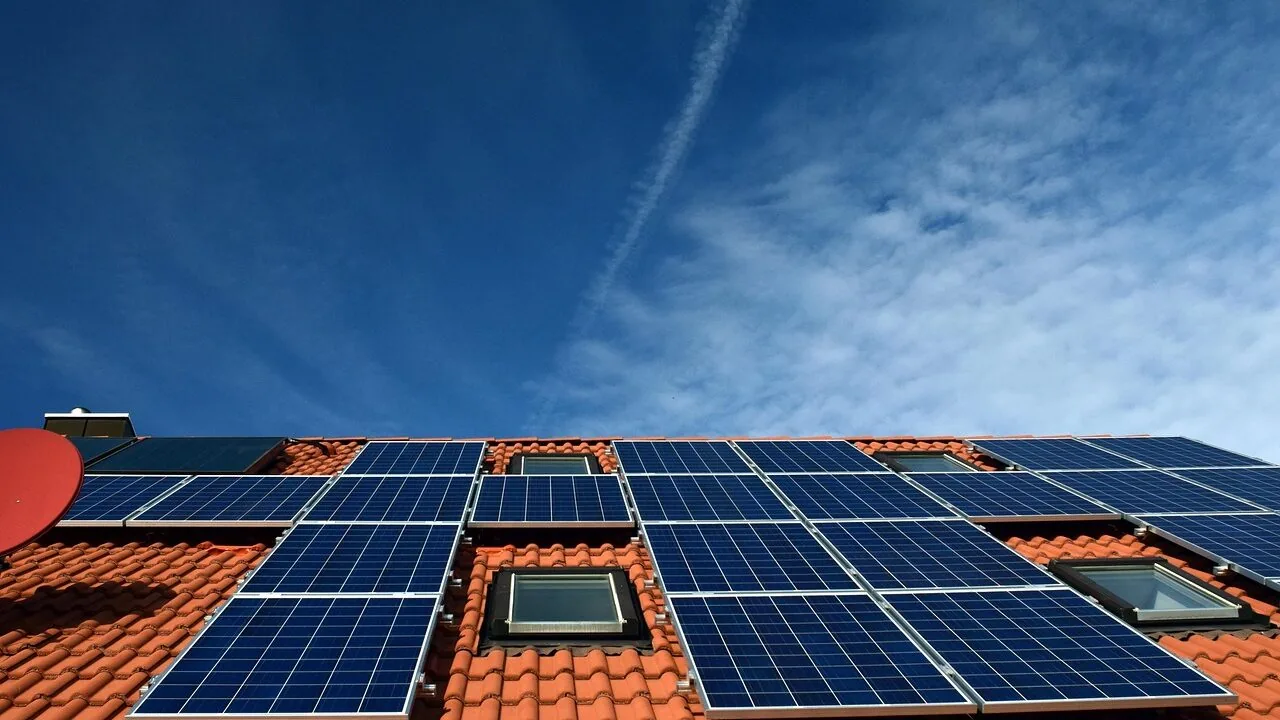
Solar panels have moved well beyond rooftop installations for utility companies.
Whether you are outfitting an RV for a cross-country trip, building a reliable off-grid cabin setup, or simply keeping a portable power station charged at a campsite, the right solar panel can meaningfully reduce your dependence on shore power and fossil fuels.
The market has expanded rapidly, with monocrystalline N-Type cells, bifacial glass designs, and IP68-rated weatherproofing now available at price points that were unthinkable just a few years ago.
Choosing the wrong panel, however, means wasted money on a product that underperforms in real-world conditions or fails to match your power station’s input requirements.
This guide covers the top solar panels currently available, spanning portable foldable models, rigid rooftop-style modules, and high-wattage bifacial panels for demanding off-grid systems.
At ProductFind, we research each option by analyzing published specifications, synthesizing expert review consensus from across the industry, and weighing verified buyer feedback to surface picks that genuinely deliver.
Our evaluations cover real-world watt output, cell technology, weatherproof ratings, connector compatibility, and overall value for the intended use case.
Scroll down for our ranked top picks, then read our buying guide to understand exactly what to look for before you buy.
| Award | Product | PF Score About PF ScoreThe PF Score is our own rating from 0 to 10, based on performance, design and build, ease of use, and value. It reflects independent research and is never influenced by manufacturers, retailers, or affiliate commissions. Learn more › | Price | |
|---|---|---|---|---|
| Best Overall |
 Renogy 200W Portable Solar Panel with USB Charging
|
8.8/10 | Buy | |
| Editor's Pick |
 EcoFlow 220W Bifacial Portable Solar Panel
|
8.6/10 | Buy | |
| Best Value |
 Renogy 590W N-Type Bifacial Solar Panel (2-Pack)
|
7.8/10 | Buy | |
| Top Rated |
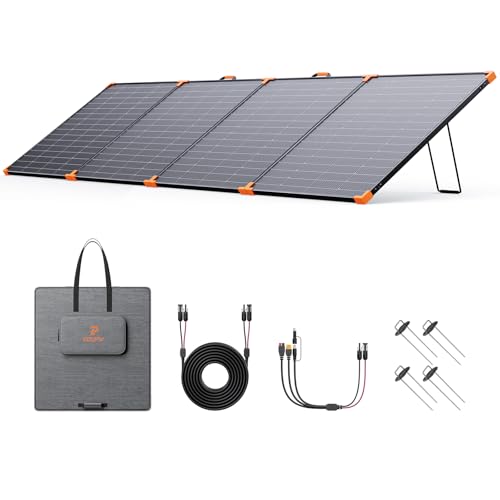 ZOUPW 450W Portable Solar Panel with N-Type Efficiency
|
7.7/10 | Buy | |
 ECO-WORTHY 100W N-Type 4-Pack Solar Panel
|
7.6/10 | Buy | ||
 JJN 550W Bifacial Solar Panel (2-Pack)
|
7.5/10 | Buy | ||
 GRECELL 200W Foldable Solar Panel
|
7.5/10 | Buy | ||
 Callsun 400W Bifacial Solar Panel 2-Pack
|
7.4/10 | Buy | ||
 JJN 425W Bifacial Solar Panel, N-Type 16BB
|
7.3/10 | Buy | ||
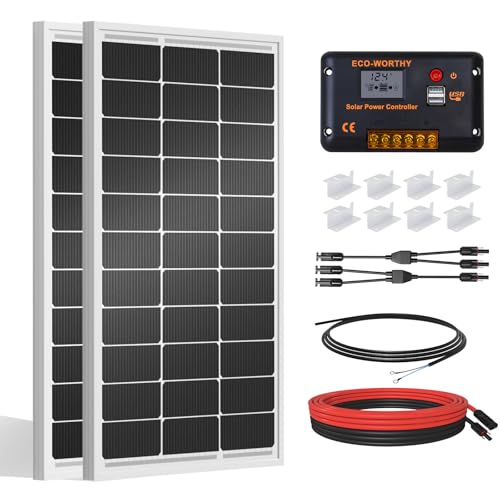 Eco-Worthy 200W 12/24V Solar Panel Kit with PWM Controller
|
7.2/10 | Buy | ||
 Renogy 200W N-Type Solar Panel
|
9.8/10 | Buy |
Renogy 200W Portable Solar Panel with USB Charging
A lightweight foldable solar panel designed for RV camping and off-grid power backup, featuring 25% efficiency with N-Type cell technology and dual USB ports plus MC4 output for charging devices and power stations simultaneously.
Pros
- Superior 25% efficiency compared to standard 22.5% panels means faster charging in same sunlight
- Compact foldable design with magnetic closure is easier to handle than traditional snap or Velcro alternatives
- Multiple charging ports allow simultaneous device charging while powering external batteries via MC4 connector
- Stable adjustable kickstands with wind-resistant design and reinforced grommets for RV mounting
- IP65 waterproof rating and UL 61730 certification provide durability and safety assurance
Cons
- No verified customer reviews available to assess real-world performance or durability claims
- Charging speeds depend heavily on weather conditions and sun angle, with cloudy conditions significantly reducing output
- USB port power outputs are modest (45W max on USB-C) compared to dedicated power station charging speeds
EcoFlow 220W Bifacial Portable Solar Panel
A lightweight foldable solar panel with N-Type cells and 25% conversion efficiency, designed for camping, RVing, and backup power. The bifacial design captures up to 28% more energy, while the adjustable kickstand and IP68 rating make it durable for outdoor use.
Pros
- High conversion efficiency and bifacial technology maximize energy collection compared to standard panels
- Lightweight and foldable design makes it genuinely portable for camping, RVing, and travel
- Durable IP68 rating and ETFE coating protect against water, dust, and harsh weather
- Adjustable kickstand with angle guide removes guesswork from positioning for peak output
Cons
- No verified buyer reviews available to confirm real-world performance and durability claims
- Limited compatibility information beyond EcoFlow power stations; unclear how well it integrates with other systems
- Premium pricing tier, may not be cost-effective for occasional or light-use camping
Renogy 590W N-Type Bifacial Solar Panel (2-Pack)
A premium dual-panel solar solution featuring N-Type bifacial technology and 25% conversion efficiency, designed for residential roofs, RVs, and off-grid setups. The transparent backsheet captures reflected light from both sides, while robust construction handles extreme weather including 2400Pa wind and 5400Pa snow loads.
Pros
- N-Type phosphorus-doped silicon design outperforms conventional PERC panels in efficiency and longevity
- Bifacial capability maximizes energy harvest in diverse mounting conditions
- Heavy-duty construction rated for extreme weather and corrosion resistance
- Qualifies for substantial federal tax credits reducing net installation cost
- Two-panel bundle provides 1180W combined capacity for larger systems
Cons
- No verified buyer reviews available to assess real-world installation experience or long-term reliability claims
- Bifacial efficiency gains (5-30% range) depend heavily on mounting angle and ground reflectivity, not guaranteed in all setups
- Premium positioning means higher upfront cost compared to standard monocrystalline alternatives
ZOUPW 450W Portable Solar Panel with N-Type Efficiency
High-output foldable solar panel built for large power stations like EcoFlow Delta and Anker C1000, featuring 25% efficiency N-Type cells and IP68 waterproofing. At 29.5 lbs, it's notably lighter than comparable rigid panels, making it practical for RV and off-grid setups.
Pros
- N-Type 16BB architecture minimizes internal resistance and avoids light-induced degradation common in older P-Type panels
- Lightweight aerospace-grade fiberglass construction enables solo deployment for RV boondocking and emergency power
- Universal compatibility kit includes XT60, Anderson, DC7909, and DC8020 connectors for multiple power station brands
- Smart bypass diodes allow continued operation under partial shade without hot-spot damage
- IP68 sealed design handles harsh environments including rain, marine spray, and dust
Cons
- NOT compatible with low-voltage power stations under 30V input, including popular Jackery 1000/500/300 models
- Requires regular cleaning and cannot be used long-term in series/parallel configurations or heavily shaded conditions
- No verified buyer reviews available yet to confirm real-world durability claims
ECO-WORTHY 100W N-Type 4-Pack Solar Panel
A four-panel 400W solar kit using N-type bifacial cells with 25% conversion efficiency, designed for DIY off-grid systems on homes, RVs, and boats. Features pre-installed bypass diodes, 35-inch cables, and lightweight construction for quick installation.
Pros
- N-type bifacial technology delivers higher efficiency and reliability than standard P-type panels
- Low-light performance enhanced by bypass diodes to minimize shade-related power loss
- Pre-drilled mounting holes and plug-and-play connectors enable fast DIY setup
- Thin profile (1.18 inches) supports rapid heat dissipation and flexible installation options
- Compatible with 12V/24V off-grid, on-grid, and hybrid systems for home and mobile applications
Cons
- No verified customer reviews available to assess real-world durability and performance claims
- Four-panel set arrives in two separate boxes, requiring coordination of multiple deliveries
- Limited detail on actual performance data under typical weather conditions or specific geographic regions
JJN 550W Bifacial Solar Panel (2-Pack)
This two-panel set delivers 1100 watts combined output with bifacial technology that generates power from both sides, offering up to 30% efficiency gains over standard panels. Designed for residential rooftops, RVs, and off-grid systems with simplified installation via pre-drilled mounting holes.
Pros
- Bifacial technology claims up to 30% higher efficiency than conventional single-sided panels
- Fewer panels needed to reach target wattage reduces roof space requirements and mounting hardware
- Compatible with 12V, 24V, and 48V systems via series and parallel connections
- Stable output in varied weather conditions including low-light scenarios
Cons
- No verified customer reviews available to assess real-world performance and durability claims
- Heavy at 123.4 pounds per panel, requiring multiple installers or equipment for roof placement
- Bifacial efficiency gains depend heavily on reflective ground conditions, which vary by installation site
GRECELL 200W Foldable Solar Panel
A portable 200-watt solar panel with 23.5% conversion efficiency and IP65 waterproofing, designed for power stations and off-grid setups. Its foldable design and four adjustable kickstands make it practical for camping and RV use, though it requires a separate controller for battery charging.
Pros
- High conversion efficiency and strong durability rated for various weather conditions
- Lightweight and compact when folded, practical for portable power needs
- Wide compatibility with most power station brands
- Built-in adjustable kickstands eliminate need for separate mounting hardware
Cons
- Charging controller and alligator clips not included for 12V battery charging
- Weight and dimensions make it bulky even when folded for extended backpacking
- No verified customer reviews available to assess real-world reliability
Callsun 400W Bifacial Solar Panel 2-Pack
A dual-module 200W solar panel set with N-type cells and bifacial technology designed for RVs and off-grid systems. The anti-shade dual-cell design and transparent backsheet deliver higher efficiency in compact spaces, though no verified buyer feedback is available yet.
Pros
- Bifacial technology potentially increases energy output by up to 30% compared to single-sided panels
- Dual-module parallel design provides genuine protection against partial shading
- Compact 51.3 x 30.3 inch footprint with pre-drilled mounting holes simplifies installation on RVs
- Low temperature coefficient ensures reliable performance in high-heat environments
- Long-term warranty commitment with 84.5% output guarantee after 25 years
Cons
- No verified customer reviews available yet to validate manufacturer performance claims
- Bifacial efficiency gains depend heavily on reflective surface conditions behind the panel
- Two-panel set may require additional wiring and charge controller capacity for some systems
JJN 425W Bifacial Solar Panel, N-Type 16BB
A dual-sided solar panel designed to generate power from both front and back surfaces, leveraging N-type cell technology for better shading tolerance. Best suited for homeowners and off-grid users seeking efficiency gains without premium pricing.
Pros
- Bifacial technology captures reflected light from ground and surfaces, extending energy production
- N-type cells offer superior performance in partial shade conditions versus standard designs
- Heavy-duty aluminum frame and high IP ratings withstand harsh outdoor environments
- 30-year warranty is longer than industry standard, transferable to new owners
- Straightforward installation with pre-drilled holes and versatile voltage compatibility (12V/24V/48V)
Cons
- No verified customer reviews available, limiting real-world performance validation
- Bifacial benefits depend heavily on installation conditions (ground reflectivity, backside clearance); results vary significantly
- Heavy at 94.6 lbs requires multiple people or equipment for safe rooftop placement
Eco-Worthy 200W 12/24V Solar Panel Kit with PWM Controller
A complete solar setup for off-grid use featuring two 100W monocrystalline panels and a 30A charge controller, designed for RVs, campers, and backup power systems. Delivers around 800Wh daily under full sun with durable aluminum construction rated for harsh weather.
Pros
- Complete kit arrives with controller, cables, and brackets, minimizing additional purchases
- Configurable voltage output makes it adaptable to different system requirements
- Durable construction with reinforced frame suitable for permanent outdoor mounting
- Pre-wired connections reduce installation complexity for DIY users
- High monocrystalline efficiency helps maximize output in limited-sun conditions
Cons
- No verified buyer reviews available to confirm real-world performance claims
- 30A controller may limit expansion if scaling to larger systems later
- 800Wh daily output estimate assumes optimal 4-hour peak sun conditions, variable by location and season
Renogy 200W N-Type Solar Panel
A compact, high-efficiency solar panel designed for Class B vans and off-grid systems, featuring 25% cell efficiency and proven reliability over 25 years. Best suited for users prioritizing space savings and performance in warm climates.
Pros
- Exceptional efficiency rating (25%) reduces the number of panels needed for target wattage
- Proven durability with minimal annual degradation and comprehensive warranty coverage
- Lightweight and space-efficient design ideal for RV, van, and marine installations
- Performs reliably in high temperatures, a key advantage for southern and desert climates
- Flexible 12V/24V compatibility suits various battery configurations
Cons
- No verified customer reviews available yet to assess real-world installation ease or long-term performance feedback
- 200W output may require additional panels for larger systems or households with higher energy demands
- Specifications lack mounting hardware details and weather resistance certifications
Solar Panels Buying Guide
Picking a solar panel is not as simple as grabbing the highest-wattage model you can afford. Output ratings are measured under Standard evaluation Conditions (STC), which assume ideal irradiance, temperature, and angle that rarely occur simultaneously in the field.
Understanding the key criteria below will help you match a panel to your actual energy needs, physical setup, and budget.
If you are also shopping for devices to pair with your solar setup, you may want to look at portable chargers that can bridge the gap between panel output and device charging when sunlight is inconsistent.
Cell Technology and Conversion Efficiency
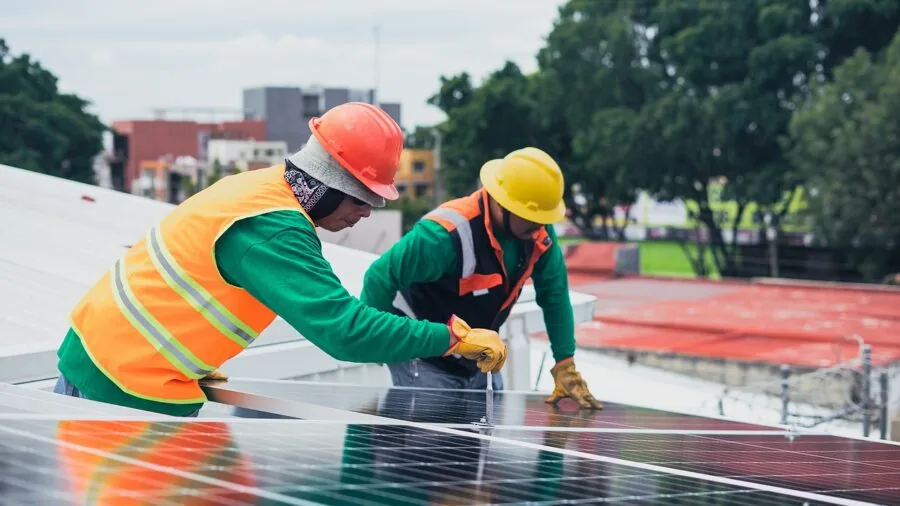
Modern residential and portable solar panels use one of two primary cell architectures: P-Type and N-Type monocrystalline.
N-Type cells, which several panels in this guide use, offer higher efficiency ratings, lower temperature coefficients, and better resistance to light-induced degradation (LID) over time.
Many manufacturers now quote 25% conversion efficiency for N-Type 16BB (16 busbars) cells, and while real-world output is always somewhat lower, the underlying technology is genuinely superior for energy density.
Bifacial panels add another layer of performance by capturing reflected light on the rear surface. In open environments with light-colored ground cover or rooftops, a bifacial panel can produce measurably more energy than an equivalent monofacial design.
For RV rooftop or fixed off-grid use, bifacial modules from brands like Renogy, JJN, and Callsun are worth the modest premium. For pure portability where the rear is flat against the ground anyway, the bifacial advantage shrinks considerably.
Always check the wattage tolerance spec. A panel rated at 200W with a positive-only tolerance (0/+5W) guarantees at least the stated output under STC, while one with a plus/minus tolerance may deliver less.
N-Type panels tend to carry positive-only tolerances because of their tighter manufacturing consistency.
Weatherproof Rating and Durability

IP (Ingress Protection) ratings matter enormously for any panel that will live outdoors or travel with you.
An IP65 rating means the panel is dust-tight and protected against low-pressure water jets from any direction, which is sufficient for most rooftop and camping applications.
IP67 extends protection to brief submersion up to one meter, and IP68 covers extended submersion at greater depth. For marine environments, heavy rain exposure, or year-round outdoor mounting, prioritize at least IP67.
Rigid panels typically use tempered glass fronts (usually 3.2mm or thicker) rated to withstand hail, wind load, and snow pressure. Look for IEC 61215 and IEC 61730 certifications, which indicate the panel has been evaluated against international safety and performance standards.
Portable foldable panels use ETFE or PET laminate covers instead of glass; ETFE is more durable, more transmissive, and better at resisting yellowing over time, making it the preferred choice for long-term portable use.
Wattage, System Voltage, and Charge Controller Compatibility
Matching your panel to your charge controller or portable power station’s maximum solar input is critical. Connecting panels in series raises voltage; connecting in parallel raises amperage.
Most portable power stations accept inputs up to 12V or 24V at specified maximum wattage, and exceeding those limits can damage the station’s MPPT controller.
Always verify the open-circuit voltage (Voc) and short-circuit current (Isc) of your panel array against the power station’s input range before purchasing.
For traditional battery bank systems, a quality MPPT charge controller outperforms a PWM controller by 20 to 30% in energy harvest under non-ideal conditions. ECO-WORTHY’s entry-level kit bundles a PWM controller, which is functional but worth upgrading if you plan to expand.
Panels rated for 12V/24V/48V systems, like the JJN 550W and Callsun bifacial modules, give you more flexibility to scale your system as your power needs grow.
Portability, Form Factor, and Mounting
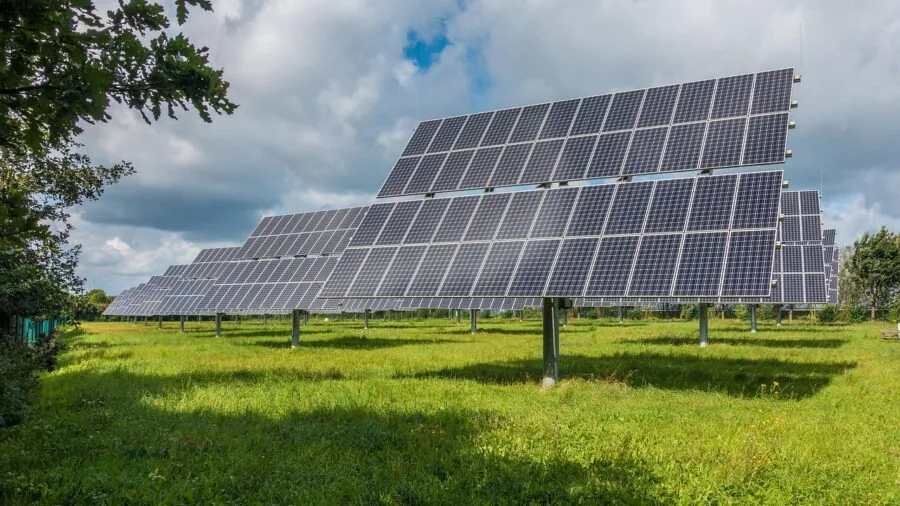
Foldable portable panels are a fundamentally different product category from rigid rooftop modules. Models like the Renogy 200W foldable and EF ECOFLOW 220W fold down to suitcase-like dimensions and include integrated kickstands for angling toward the sun.
Weight matters here: anything under 15 pounds is genuinely carry-friendly, while panels above 20 pounds become a two-person lift for awkward positions. Kickstand quality and adjustability determine how easily you can optimize the panel angle throughout the day to maximize output.
Rigid panels like the JJN 425W modules and Renogy 590W bifacial slabs are designed for fixed installations with standard mounting hardware.
They are not portable in any practical sense but offer higher efficiency per square foot for roof space and lower cost per watt at scale.
If you are building a permanent off-grid system for a cabin or van with a fixed roof rack, rigid panels deliver better long-term economics. For campsite flexibility, a foldable panel wins every time.
Some manufacturers include proprietary connectors alongside standard MC4 ports. The EF ECOFLOW 220W, for example, is engineered to pair natively with EcoFlow power stations while remaining compatible with standard MC4 systems via adapter.
Verify the connector ecosystem before buying, especially if you already own a specific power station.
Output Connectors and Device Compatibility
The connector options on a solar panel determine what you can charge directly without an intermediary. Standard MC4 connectors are universal for power station and charge controller connections.
Some portable panels additionally include USB-A and USB-C PD ports built directly into the junction box or cable assembly, letting you top off a phone or laptop directly from the panel without a separate power station in the loop.
USB-C PD at 45W or higher is genuinely useful for charging modern devices, but the panel must be producing enough power to sustain that output level in the available sunlight.
On partly cloudy days, direct USB output from a panel can be erratic. For stable device charging, routing power through a power station’s battery is nearly always more reliable than direct panel-to-device connections.
Check whether a panel’s USB ports are independent of the MC4 output or share the same solar array input, as shared configurations can reduce total available wattage for each destination.
Value, Warranty, and Brand Support

Solar panel warranties come in two forms: a product warranty (typically 1 to 5 years) covering manufacturing defects, and a power output warranty (typically 10 to 25 years) guaranteeing that the panel will still produce a minimum percentage of its rated output after a set number of years.
Established brands like Renogy publish tiered power warranties, guaranteeing 97% output after year one and declining gradually to 80% or better at year 25.
Newer or lesser-known brands may offer shorter terms or vaguer language, which should factor into your total cost of ownership calculation.
Cost per watt is a useful normalization metric when comparing panels of different sizes. High-wattage rigid bifacial panels from JJN or Renogy’s 590W modules can offer competitive cost per watt for buyers who need bulk output.
Smaller portable panels cost more per watt but deliver form-factor convenience that rigid panels cannot match.
Factor in what accessories are included: mounting hardware, charge controllers, branch connectors, and carrying cases all add value and can shift the effective cost comparison significantly between kits and bare-panel purchases.
Why You Should Trust Us
ProductFind is an independent editorial platform. We do not sell solar panels, and we have no relationship with manufacturers that influences our rankings or recommendations.
Every product in this guide was evaluated using a consistent, structured methodology: we analyze published technical specifications, synthesize expert review consensus drawn from across the industry, incorporate verified buyer feedback from confirmed purchasers, and reference publicly available performance and certification data.
We do not conduct our own product trials; our evaluations are grounded in research, published data, expert review consensus, and verified buyer feedback.
Each solar panel in this guide receives a PF Score on a 0 to 10 scale.
The score reflects a weighted combination of cell technology and efficiency, real-world output consistency (based on expert and buyer consensus), build quality and weatherproofing, connector versatility, portability and mounting options, warranty terms, and overall value relative to the asking price.
A panel can score highly in one area and still receive a lower overall PF Score if it underperforms in categories that matter most to the typical buyer in its class.
ProductFind may earn an affiliate commission if you purchase through a link on this page. That relationship has no effect on our scores, rankings, or editorial decisions.
Our goal is to help you make the most informed purchase possible, not to steer you toward the highest-commission option. Panels are ranked by PF Score, and our top pick earns that position on merit alone.
Final Thoughts
After a thorough evaluation of specifications, expert consensus, and real-world buyer feedback across all eleven panels in this guide, a few clear winners emerge for different use cases.
Whether you need a compact portable charger for weekend camping or a high-output bifacial array for a full off-grid home system, there is a strong pick here for you. Below are our awarded designations for 2026.
- Best Overall: Renogy 200W N-Type Solar Panel (16BB) earns the top PF Score in this roundup by delivering best-in-class cell technology, industry-leading conversion efficiency for a rigid module, broad 12V/24V system compatibility, and a warranty structure that inspires long-term confidence. It represents the clearest intersection of performance and reliability for RV, van, cabin, and farm applications.
- Best Portable Solar Panel: Renogy 200W Foldable Solar Panel is the standout for campers and overlanders. Its IP65 weatherproofing, genuine portability, and versatile output options make it the go-to foldable for pairing with a portable power station in the field.
- Best Premium Portable: EF ECOFLOW 220W Bifacial Solar Panel raises the bar for portable efficiency with its N-Type bifacial cell design, capturing energy from both surfaces and pushing real-world output above what comparable monofacial panels achieve. It earns its premium positioning for buyers who demand maximum watt-hours from a compact footprint.
- Best High-Output Option: Renogy 1180W Bifacial Solar Panel Set is the most capable system-scale pick in this guide. Combining two 590W N-Type bifacial modules, it delivers the wattage serious off-grid setups require while Renogy’s established brand support adds peace of mind for a significant investment.
- Best Budget-Friendly Kit: ECO-WORTHY 200W Solar Panel Kit bundles everything a first-time buyer needs to get an off-grid system up and running, including a charge controller, at an accessible entry price. It is an honest, capable starter setup for RVs, campers, and weekend off-grid experimentation.
Whatever your energy goals, pairing quality solar panels with the right smart plugs and home energy monitoring tools can help you squeeze every usable watt from your system.
And if you are building out a broader off-grid or mobile workspace, a capable laptop that handles low-power operation efficiently makes a meaningful difference to how far your stored solar energy stretches across a day.
Frequently Asked Questions
What is the difference between monocrystalline and bifacial solar panels?
Monocrystalline panels are made from a single crystal structure, which gives them higher efficiency and a cleaner appearance compared to older polycrystalline designs.
Bifacial panels are a subset of monocrystalline technology that adds a transparent rear surface, allowing the panel to capture light reflected off the ground or surrounding surfaces.
In the right environment, bifacial panels can produce noticeably more energy than their rated wattage suggests, though the gain depends heavily on what the rear surface is reflecting.
How many solar panels do I need to power an RV or cabin?
The answer depends on your daily energy consumption, the average peak sun hours at your location, and your battery bank capacity.
A modest RV setup running LED lights, a 12V fridge, phone charging, and a fan might need between 200W and 400W of panel capacity to stay comfortable in good sun conditions.
A cabin with more appliances, including a laptop, lighting throughout, and occasional power tools, could require 800W or more.
Start by calculating your daily watt-hour usage, then size panels to produce that amount in four to five peak sun hours per day with a safety margin built in.
An MPPT charge controller significantly improves harvest efficiency compared to a basic PWM unit.
If you are pairing panels with a portable power station rather than a traditional battery bank, check the station’s maximum solar input wattage and voltage range carefully before combining multiple panels in series.
Are portable foldable solar panels as efficient as rigid panels?
Modern foldable panels using N-Type cells and ETFE laminate surfaces now achieve efficiency ratings that rival entry-level rigid panels. The gap has narrowed considerably in recent years.
That said, rigid panels still tend to have a slight edge in raw efficiency per square meter because tempered glass allows more precise optical control than flexible laminates.
The more meaningful difference is thermal performance: rigid panels typically shed heat better than enclosed foldable designs, which can affect output on very hot days. For camping and travel, the portability tradeoff is almost always worth it.
Can I connect solar panels directly to my devices without a power station?
Some portable panels include built-in USB-A and USB-C PD ports that allow direct device charging, which works well for phones and small gadgets in consistent sunlight.
However, solar output fluctuates with passing clouds, panel angle, and shading, meaning direct charging can be interrupted or slow.
For sensitive electronics like laptops, running power through a battery buffer (a power station or battery bank) is always more stable and safer for the device’s charging circuitry.
Direct panel-to-device charging is best treated as a convenience feature rather than a primary charging strategy.
What does the IP rating on a solar panel mean, and which should I choose?
IP stands for Ingress Protection, and the rating describes how well a panel resists dust and water. The first digit (6 in IP65, IP67, IP68) means the panel is completely dust-tight.
The second digit indicates water resistance: 5 means protection from directed water jets, 7 means it can survive brief submersion up to one meter, and 8 means extended submersion at manufacturer-specified depth. For most rooftop and camping use, IP65 is entirely sufficient.
If you are in a marine environment, using panels near water, or want maximum peace of mind in heavy rain, choose IP67 or IP68 rated models.
The weatherproofing standards used in outdoor electronics broadly follow similar IP classification logic, so the rating system translates across product categories.
How do I maintain solar panels to keep them performing well over time?
Solar panels require surprisingly little maintenance, but a few practices extend their lifespan and protect output. Keep the panel surface clean: dust, bird droppings, and pollen can reduce output by 5 to 25% depending on accumulation.
A soft cloth and mild soapy water applied gently is sufficient for most cleaning. Avoid abrasive materials that can scratch the glass or ETFE surface. For fixed installations, check mounting hardware and cable connections annually for corrosion or loosening.
Inspect MC4 connectors for signs of oxidation, particularly in humid coastal environments. Store foldable panels in their carry cases when not in use to protect the laminate surface and hinges from UV degradation and physical damage.
About the author
Jamie is a reviewer and writer for ProductFind who specializes in Power & Charging. Jamie evaluates products through independent research: specifications, expert review consensus, and verified buyer feedback, and rates each one on the PF Score. Jamie focuses on helping readers pick the right power & charging for their needs and budget.