The 9 Best Portable Power Stations
From weekend camping to multi-day blackouts, the right portable power station makes all the difference. Our research covers capacity, recharge speed, and real-world reliability across nine top-rated models.
 By Vernon Jackson
Updated July 23, 2026
By Vernon Jackson
Updated July 23, 2026
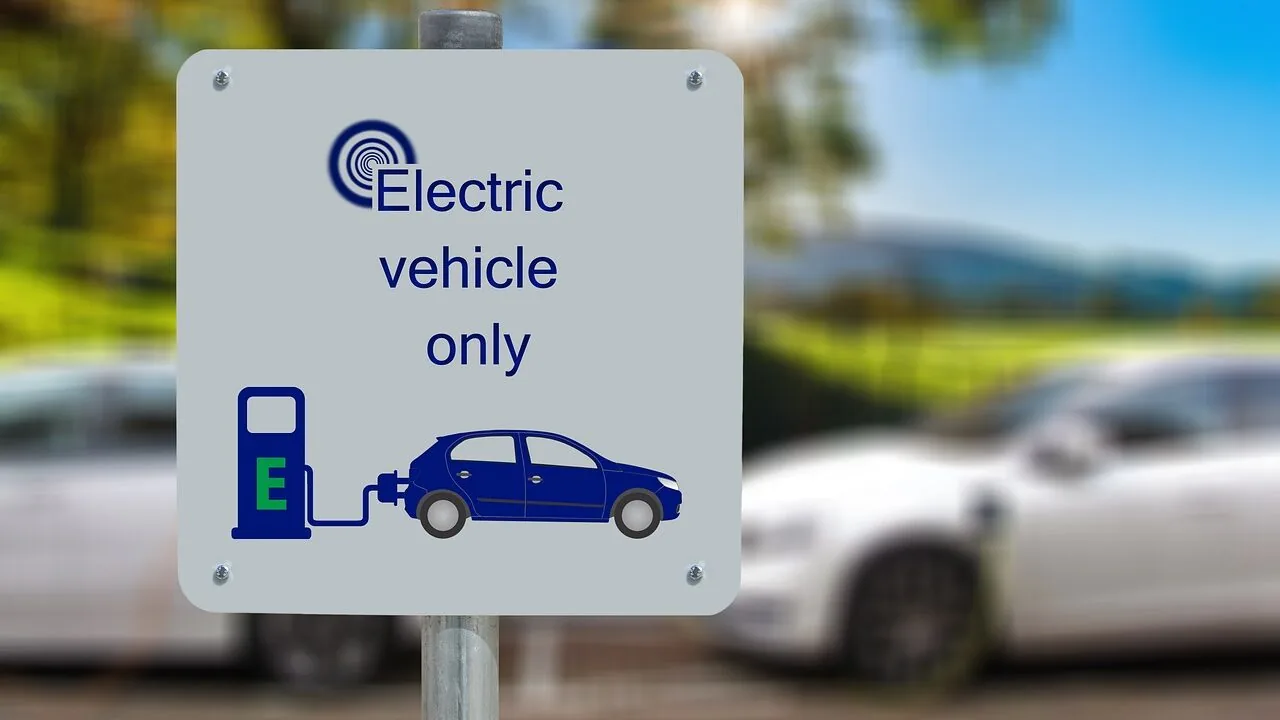
Power outages are becoming longer and less predictable, remote work has made a reliable electricity supply non-negotiable, and weekend adventurers have discovered that a clean, silent battery station is far more practical than a gas generator at a campsite.
The market for portable power stations has matured rapidly, with brands like Jackery, EF ECOFLOW, BLUETTI, and Anker now offering everything from sub-300Wh grab-and-go units to 2,000Wh-class home-backup workhorses.
Pairing any of them with quality solar panels can extend your off-grid range indefinitely on sunny days.
ProductFind researchers evaluated nine models spanning the full capacity spectrum, from compact entry-level stations to high-output units capable of running a refrigerator through a multi-day blackout.
Each was assessed by analyzing manufacturer specifications, synthesizing expert review consensus from across the industry, and reviewing verified buyer feedback to build an objective picture of real-world performance.
The ranked picks below match the right station to your actual needs and budget, whether you are heading into the backcountry for a weekend or preparing a home emergency kit.
| Award | Product | PF Score About PF ScoreThe PF Score is our own rating from 0 to 10, based on performance, design and build, ease of use, and value. It reflects independent research and is never influenced by manufacturers, retailers, or affiliate commissions. Learn more › | Price | |
|---|---|---|---|---|
| Best Overall |
 Jackery Explorer 1000 v2 1070Wh Portable Power Station
|
8.7/10 | Buy | |
| Editor's Pick |
 EcoFlow DELTA 2 1024Wh Portable Power Station
|
8.6/10 | Buy | |
| Best Value |
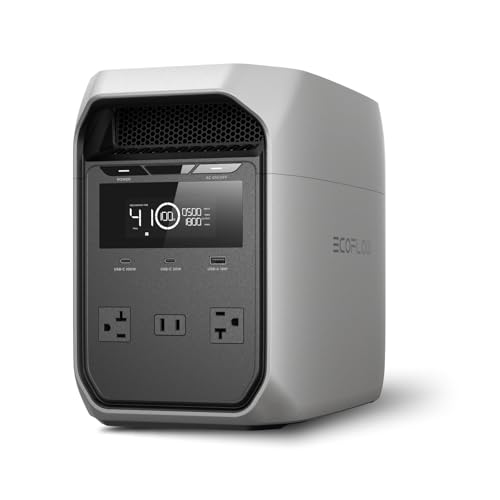 EcoFlow Delta 3 Classic 1024Wh Power Station
|
8.4/10 | Buy | |
| Top Rated |
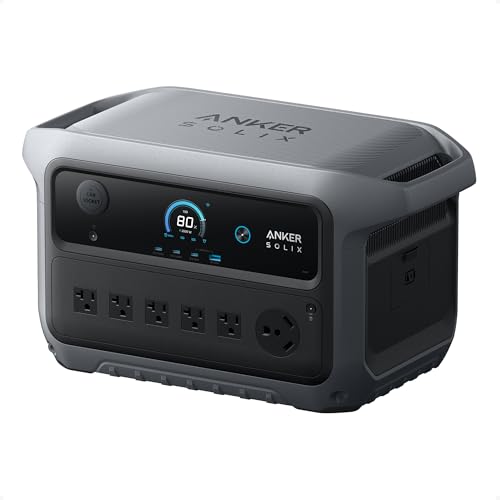 Anker SOLIX C2000 Gen 2 2048Wh Power Station
|
8.2/10 | Buy | |
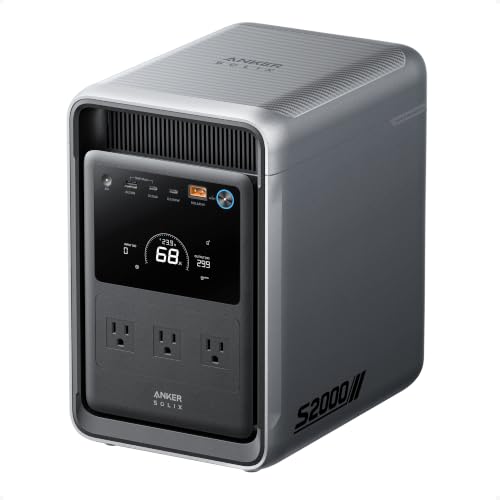 Anker SOLIX S2000 2kWh Portable Power Station
|
7.9/10 | Buy | ||
 Jackery Explorer 300 Portable Power Station
|
7.8/10 | Buy | ||
 Bluetti AC70 768Wh Portable Power Station
|
7.4/10 | Buy | ||
 Anker SOLIX C300 288Wh Portable Power Station
|
7.2/10 | Buy | ||
 Bluetti AC50B 448Wh Portable Power Station
|
7.1/10 | Buy |
Jackery Explorer 1000 v2 1070Wh Portable Power Station
A mid-range portable power station with 1500W AC output and LiFePO4 battery designed for camping, RVs, and emergency backup. Fast charging to full capacity in 1.7 hours (or 1 hour with app override) and app-controlled charging modes make it versatile, though it requires Jackery solar panels for solar compatibility.
Pros
- Durable LiFePO4 battery with exceptional cycle life and 10-year warranty potential
- Compact and lightweight design with foldable handle suits outdoor adventures and travel
- ChargeShield 2.0 technology optimizes charging speed and battery longevity
- App-controlled charging modes provide flexibility for different use scenarios
- Multiple simultaneous charging options with USB-C fast charging up to 100W
Cons
- Solar panel compatibility limited to Jackery brand panels only, reducing third-party options
- One-hour emergency charging requires manual activation via app each charging cycle
- No reviews available to verify real-world performance and long-term reliability claims
EcoFlow DELTA 2 1024Wh Portable Power Station
A mid-range portable power station with 1024Wh capacity and 1800W output, designed for home backup, camping, and RVs. LiFePO4 chemistry and expandable design offer long-term reliability, though lack of verified buyer feedback limits confidence in real-world performance claims.
Pros
- Rapid charging speed (80% in 50 minutes) makes it practical for emergency home backup
- Modular design allows capacity expansion from 1kWh to 3kWh without buying a new unit
- 1800W output and 15 outlets support simultaneous charging of multiple devices
- LiFePO4 chemistry with 3000+ cycles rated for years of regular use
Cons
- No verified customer reviews available to confirm manufacturer claims about reliability and performance
- Solar panels sold separately, adding to total cost for off-grid charging capability
- 27-pound weight may be cumbersome for frequent travel despite 'portable' classification
EcoFlow Delta 3 Classic 1024Wh Power Station
A mid-range portable power station with 1800W output and LiFePO4 battery rated for 10+ years of daily use. Fast 45-minute AC charging and optional solar recharging make it versatile for home backup, camping, and RVs, though it's moderately heavy at 26.7 pounds.
Pros
- Charges to 80% in just 45 minutes, practical for emergency backup
- LiFePO4 chemistry with EV-grade design offers durability and longevity
- Sub-10ms automatic battery switchover prevents data loss on critical devices
- Compact 7.9 x 11.1 x 15.7 inches fits most vehicle storage spaces
- Solar-ready design with 2.5-hour recharge option for off-grid flexibility
Cons
- 26.7-pound weight makes it less portable than smaller capacity units
- No customer reviews available yet to validate real-world performance claims
- Solar panel sold separately, adding to total system cost
Anker SOLIX C2000 Gen 2 2048Wh Power Station
A compact 2,400W portable power station with 2048Wh LiFePO4 battery that charges fully in 58 minutes and can expand to 4kWh capacity. Built for home backup, camping, and RV use with minimal standby power draw.
Pros
- Fast AC recharge and multiple charging options reduce downtime
- Lightweight and compact design for portability without sacrificing capacity
- Expandable battery system offers flexibility for increasing runtime without replacing unit
- Low standby power means efficient backup for extended appliance operation like fridges
- Handles demanding loads with 4,000W peak power output
Cons
- No customer reviews available yet, so real-world reliability unconfirmed
- Solar panels sold separately, adding to total cost
- 2,400W continuous output may limit running multiple high-wattage appliances simultaneously
Anker SOLIX S2000 2kWh Portable Power Station
A compact 2,010Wh LFP power station designed for home backup and camping, offering 1,500W continuous output with up to 35-hour fridge runtime. Its 10,000-cycle battery, dual-outlet setup, and six recharging options make it versatile for emergencies and off-grid use.
Pros
- Exceptional runtime: 35-hour fridge backup thanks to 6W idle draw and high efficiency design
- Durable LFP battery rated for 10,000 cycles with 15-year lifespan, avoiding degradation issues of older battery types
- Industry-leading form factor: 30% smaller and 25% lighter than comparable 2kWh systems at just 35.7 lbs
- Fast UPS switchover under 10ms for seamless home office protection during power loss
- Flexible recharging: Accepts up to 400W solar input plus five other charging methods for any scenario
Cons
- No 12V DC outlet, limiting compatibility with some car and RV accessories
- 1,500W continuous output may be insufficient for simultaneous high-draw appliances like air conditioners or large power tools
- Premium positioning in the 2kWh segment, so budget-conscious buyers may find more affordable alternatives
Jackery Explorer 300 Portable Power Station
A lightweight 292Wh portable power station weighing just 7.1 lbs, the Explorer 300 combines LiFePO4 durability with versatile connectivity for outdoor use. Its fast solar charging capability and multi-device output make it practical for camping, travel, and emergency backup, though capacity limits sustained high-power demands.
Pros
- 17% lighter than industry average while maintaining robust capacity
- Premium LiFePO4 chemistry ensures extended lifespan and reliability
- Diverse port selection handles laptops, drones, cameras, and CPAP devices
- Fast solar charging with optional Jackery panel compatibility
Cons
- 292Wh capacity may be insufficient for extended high-power device use
- Solar panels sold separately, increasing total system cost
- No reviews available yet to validate real-world performance claims
Bluetti AC70 768Wh Portable Power Station
The AC70 combines compact size with solid capacity, offering 768Wh storage and dual 1000W AC outlets for road trips and off-grid use. Fast AC charging reaches full capacity in 1.5 hours, though solar charging adds flexibility for extended outages.
Pros
- Fast AC recharge time (1.5 hours to full, 45 mins to 80%) makes it practical for frequent use
- Power lifting technology enables devices exceeding standard 1000W rating, up to 2000W peak
- Multiple input options (AC, car, solar) provide flexibility across different scenarios
- App control allows remote status monitoring and charge mode adjustment from phone
- Includes all necessary cables in box, no additional purchases required
Cons
- No user reviews available to verify real-world performance and reliability claims
- 768Wh capacity sits mid-range, suitable for essentials but limited for extended multi-day off-grid use
- Solar panel sold separately, adding to total cost for full renewable charging setup
Anker SOLIX C300 288Wh Portable Power Station
A compact 288Wh power station delivering 300W output with eight charging ports, making it versatile for camping, travel, and emergency backup. LiFePO4 battery technology and 140W two-way USB-C charging offer longevity and convenience, though solar panels are sold separately.
Pros
- Multiple charging options reduce downtime in varied environments
- LiFePO4 chemistry and 3,000-cycle rating provide reliable long-term performance
- Fast wall charging reaches 80% capacity in under an hour
- Compact, portable design without sacrificing substantial power output
Cons
- Solar panels sold separately, adding to overall cost
- Not compatible with older Anker SOLIX panel models or 5V/3A USB-C alternatives
- No customer reviews available to validate real-world durability claims
Bluetti AC50B 448Wh Portable Power Station
A lightweight 448Wh power station designed for campers and road trippers who need reliable backup power without the bulk. It offers dual 700W AC outlets, rapid 45-minute charging via turbo mode, and a 10-year lifespan thanks to LiFePO4 chemistry.
Pros
- Extremely portable at under 15 lbs with solid 448Wh capacity for phone, laptop, and small appliances
- Fast charging capability with 45-minute turbo mode and flexible input options
- Durable LiFePO4 battery rated for 3500+ cycles offers genuine long-term value
- Six diverse ports accommodate most device types and simultaneous charging
- Comprehensive safety features with AI-BMS prevent common battery issues
Cons
- No customer reviews available yet to validate real-world reliability or performance claims
- 700W per outlet limits power-hungry devices; total sustained output caps at 700W, not both outlets simultaneously at full capacity
- Solar panel sold separately, requiring additional purchase for off-grid charging
Best Portable Power Stations Buying Guide
Choosing a portable power station involves more trade-offs than most buyers expect. Capacity, continuous output wattage, battery chemistry, recharge speed, and port selection all interact in ways that determine whether a unit truly fits your situation.
The sections below break down every factor that matters so you can match a specification to your actual use case rather than paying for capability you will never use.
Capacity: How Much Power Do You Actually Need?
Battery capacity is measured in watt-hours (Wh) and tells you roughly how much total energy a station can store and deliver before needing a recharge.
A 288Wh to 300Wh station can charge a smartphone around 25 times, power a laptop for six to eight hours, or keep a small LED lantern glowing through the night.
Step up into the 1,000Wh range and you can run a mid-size refrigerator for 12 to 20 hours, sustain a CPAP machine across several nights, or keep a home office functional through a full-day outage.
Units above 2,000Wh begin to overlap with short-term whole-home backup territory.
If you rely on medical equipment, pairing your station with a dedicated uninterruptible power supply adds a true zero-transfer-delay safety net that most power stations cannot provide on their own.
A practical sizing method: list every device you plan to run, note its wattage from the label or spec sheet, and estimate how many hours per day you need it.
Multiply watts by hours to get watt-hours, then add 20 to 25 percent to account for inverter conversion losses. That final figure is your realistic minimum capacity target.
Buyers who skip this step frequently find themselves recharging mid-use, which defeats the entire purpose of a backup power source.
Keep in mind that rated capacity and usable capacity are not the same number. Real-world discharge efficiency for lithium iron phosphate (LiFePO4) cells typically falls between 85 and 92 percent, so a 1,024Wh station realistically delivers around 870 to 940Wh at the wall.
For short camping trips with phones and a laptop, a compact 288Wh to 300Wh station is perfectly sensible. For multi-day outages or RV living, target 1,000Wh or more.
Output Wattage and Inverter Quality

Capacity tells you how long a station can run; output wattage tells you what it can run at any given moment.
A station rated at 300W continuous output cannot start a device requiring more than 300W even if its battery is fully charged. Most household electronics list both a running wattage and a peak or surge wattage.
Motorized appliances like refrigerators, air compressors, and power tools can draw two to three times their running wattage for a fraction of a second at startup, so your station’s surge rating needs to comfortably cover that spike.
For appliances and tools you already own, a reliable set of electrical tools can help you verify wiring and load ratings before committing to a specific station size.
Virtually all reputable stations today use a pure sine-wave inverter, which produces smooth, clean AC power safe for sensitive electronics, motor-driven appliances, and medical equipment.
Modified sine-wave inverters, found in older or very budget-priced units, can cause buzzing in audio equipment and potential damage to certain appliances. Always confirm that any station you consider explicitly states pure sine-wave output.
Every model in our ranked lineup meets this requirement.
Some models also feature a “power lifting” or X-Boost mode that electronically manages load so the station can power certain appliances slightly above its rated continuous output.
These modes can reduce efficiency and are best treated as a safety net rather than a primary strategy for running heavy loads. For high-draw applications, corroborate manufacturer claims against expert review consensus before assuming a borderline appliance will run reliably.
Battery Chemistry: LiFePO4 vs. NMC
The two dominant battery chemistries in portable power stations are lithium iron phosphate (LiFePO4, also called LFP) and nickel manganese cobalt (NMC). LiFePO4 has become the clear preference among serious buyers, and every model in our lineup uses it.
The reason is cycle life: LFP cells are typically rated for 3,000 to 3,500 charge cycles before capacity drops to 80 percent, compared to roughly 500 to 800 cycles for NMC under similar conditions.
That translates to a decade or more of regular use for an LFP station versus two to four years for NMC.
LiFePO4 is also inherently more thermally stable and far less prone to thermal runaway, which is why it is the chemistry of choice when safety and longevity matter most.
The practical trade-off is slightly lower energy density, meaning an LFP station tends to weigh a bit more than an NMC unit of the same capacity.
For a station that will live in a garage, RV, or home closet and come out during emergencies, that weight difference is rarely a concern.
For ultralight backpacking scenarios, it may matter, but the durability advantage almost always outweighs the weight penalty for most buyers.
Recharge Speed and Input Options

A portable power station that takes ten hours to recharge is far less useful during an emergency than one that reaches full capacity in under two hours. Recharge speed depends on the maximum AC input wattage the unit accepts.
Entry-level stations often cap at 200 to 300W of AC input, meaning a full charge from a wall outlet can take four to six hours or more.
Mid-range and premium units increasingly support 1,000W or higher AC input, enabling sub-two-hour full charges. Several models in our list achieve a full recharge in under 60 minutes, which is a meaningful differentiator when preparedness is the priority.
Beyond wall charging, consider how well a station integrates with solar input. Solar charging compatibility is defined by the maximum solar wattage accepted and the open-circuit voltage (Voc) and short-circuit current (Isc) limits of the built-in MPPT charge controller.
Mismatching panels to a station by exceeding those Voc limits can permanently damage the unit, so always verify compatibility before purchasing panels separately.
If you are building a complete solar charging setup, our coverage of solar generators explores bundled panel-plus-station kits in detail.
Car charging via a 12V cigarette lighter or DC port is a third option, though typically the slowest, usually delivering only 60 to 120W. It is most practical for slow top-ups between campsites rather than full recharges.
A quality USB car charger handles phones and tablets efficiently in the same scenario, freeing your station’s outlets for higher-draw devices.
Port Selection and Connectivity

The number and variety of output ports determine how many devices you can run simultaneously and whether niche devices can be powered at all.
A well-rounded station should offer at minimum two to four AC outlets (standard three-prong), at least one USB-C port rated at 60W or higher (ideally 100W for fast-charging laptops), two or more USB-A ports, and a 12V DC car port for devices like coolers or CPAP machines that require it.
Higher-tier stations often add additional USB-C ports, Anderson power ports, or even 30A RV outlets.
USB-C Power Delivery at 100W is particularly valuable because it can directly fast-charge most modern laptops, eliminating the AC brick entirely and reducing conversion losses.
When evaluating a station’s USB-C specification, confirm the wattage is 100W PD and not a lower-wattage implementation, since some budget models advertise USB-C while delivering only 18 or 30W.
Also check how total output wattage is shared across ports: some stations limit combined USB output, meaning running multiple high-wattage USB-C devices simultaneously may throttle individual port speeds.
For managing multiple loads across a home setup, a smart power strip lets you monitor individual outlet draw and helps you stay within your station’s continuous output limit during an extended outage.
Protecting your station and connected appliances from grid fluctuations when shore power returns is also worth considering, and a good surge protector is an inexpensive safeguard for that scenario.
Portability, Display Quality, and App Connectivity

“Portable” covers a wide range of realities in this product category. A 288Wh to 300Wh station weighing under 8 pounds can be carried one-handed like a lunch box, making it genuinely backpack-friendly.
A 2,000Wh station pushing 50 to 60 pounds requires two people or built-in wheels to move practically.
Before buying, honestly assess how you will transport the unit: will it stay in a closet and come out for emergencies only, or will you carry it to a campsite every weekend?
Weight and handle ergonomics matter far more for the latter.
Display quality affects day-to-day usability more than most buyers anticipate. A clear, backlit LCD showing remaining battery percentage, real-time input wattage, output wattage, and estimated runtime at current load gives you actionable information at a glance.
Stations that show only a vague four-bar LED indicator are frustrating to manage when you are rationing power during a prolonged outage.
The best displays also show input and output simultaneously, so you can monitor solar charging and device draw at the same time.
App connectivity via Bluetooth or Wi-Fi adds a useful layer of control for units that see frequent or complex use, allowing you to set charge limits, monitor consumption history, and receive low-battery alerts remotely.
For RV setups, pairing your station with a quality battery charger designed for vehicle batteries can help you maintain your entire 12V system alongside your portable station.
Why You Should Trust Us
ProductFind is an independent review publication with no manufacturer relationships that influence our rankings or editorial decisions.
Every portable power station in this guide was assessed using our structured research methodology: we analyzed published specifications from manufacturer data sheets, synthesized expert review consensus from across the industry, and carefully reviewed verified buyer feedback from confirmed purchasers to surface real-world strengths and failure points that specification sheets do not reveal.
We do not conduct our own product trials; our evaluations are grounded in research, published data, expert review consensus, and verified buyer feedback.
Each product is scored on our 0 to 10 PF Score scale, which weights performance, value, reliability, and user experience against consistent criteria applied uniformly across every model in a category.
A unit with impressive raw specifications but widespread buyer complaints about premature battery management system failures or poor post-purchase support will score lower than a unit with more modest specs and outstanding long-term reliability data.
This approach surfaces genuinely trustworthy picks rather than simply rewarding the most aggressively marketed products.
ProductFind may earn an affiliate commission if you purchase through links in this article. That relationship has no bearing on which products we include, how we rank them, or the scores they receive. Our recommendations are editorially independent and determined solely by our research findings.
Final Thoughts
After comprehensive research across all nine models, clear leaders emerge in each use-case tier. Here are the standout picks, each linked to its Amazon listing for your reference:
- Best Overall: Jackery Explorer 1000 v2 earns the top PF Score in this lineup by delivering an outstanding combination of one-hour fast charging, robust 1,500W output, and proven LiFePO4 longevity in a carry-friendly form factor. It suits both emergency preparedness and regular outdoor use equally well.
- Best Mid-Range Value: EF ECOFLOW DELTA 2 offers a compelling mix of 1,800W AC output, broad solar compatibility, and rapid recharging at a mid-range price. It represents strong value for buyers who need genuine home-backup capability without stepping into the premium tier.
- Best New-Generation Pick: EF ECOFLOW DELTA 3 Classic brings one-hour fast charging and a refined feature set to the proven 1,024Wh DELTA platform, making it the sharpest choice for buyers who want current-generation performance at a competitive price.
- Best High-Capacity Option: Anker SOLIX C2000 Gen 2 stands out for buyers who need 2,048Wh of LiFePO4 storage, a peak 4,000W surge rating, and a full recharge in under 60 minutes. It is the most capable option in this guide for multi-day home backup and heavy-load scenarios.
- Best Compact Entry Point: Jackery Explorer 300 remains one of the most polished lightweight stations available, with a durable build, thoughtful port selection, and a weight that makes it genuinely grab-and-go for day hikes, car camping, and small-scale emergency kits.
Whichever capacity tier fits your situation, every model above uses LiFePO4 chemistry for long cycle life and produces pure sine-wave AC output.
If your needs extend to permanent home integration, an uninterruptible power supply adds seamless switchover protection that portable stations alone cannot match.
For RV campers, an RV-rated surge protector is a worthwhile companion purchase to safeguard your station and appliances at a shore-power hookup.
And if you are planning a solar charging setup, reviewing compatible solar panels before buying ensures your input and output specifications align correctly from day one.
Frequently Asked Questions
What Is the Difference Between a Portable Power Station and a Gas Generator?
A portable power station is a battery-based device that stores electricity and delivers it through AC outlets, USB ports, and DC ports. It produces no exhaust, operates near-silently, and can be used safely indoors.
A gas or propane generator produces electricity on demand by burning fuel, which means it cannot be used indoors due to carbon monoxide risk and is significantly louder.
Power stations recharge from wall outlets, solar panels, or car ports, while generators require a continuous fuel supply. For most emergency preparedness, camping, and remote work scenarios, a power station is the safer, more practical, and lower-maintenance choice.
If your power needs exceed what even a 2,000Wh station can handle, a dedicated solar generator system with expandable battery capacity may bridge the gap.
Can a Portable Power Station Run a Full-Size Refrigerator?
Yes, but runtime depends heavily on both the station’s capacity and the refrigerator’s actual energy consumption. A typical full-size household refrigerator draws roughly 100 to 200W when running, with a surge of up to 600W or more at compressor startup.
A 1,000Wh station can realistically keep a standard refrigerator running for eight to fifteen hours depending on cycling frequency, ambient temperature, and how full the fridge is. A 2,000Wh station roughly doubles that window.
Compact 12V camping coolers and mini-fridges are far more efficient and are a better match for smaller stations in the 300 to 500Wh range. Always check a specific refrigerator’s listed wattage and surge rating against your station’s continuous and peak output before assuming compatibility.
How Long Does Solar Charging Take for a Portable Power Station?
Solar recharge time depends on three variables: the station’s maximum solar input wattage, the total wattage of panels connected, and available sunlight.
A 200W panel array charging a station that accepts up to 200W of solar input will take roughly five to seven hours of direct peak sunlight to fully charge a 1,000Wh unit.
Cloudy conditions, suboptimal panel angle, shading, and cable losses can increase that time significantly.
Larger stations with higher maximum solar input ports can accept multiple panels in series or parallel to reduce recharge times.
Always verify that your panel combination’s open-circuit voltage and short-circuit current fall within the station’s MPPT controller limits, since exceeding them can cause permanent damage. Our guide to solar panels covers pairing strategy and compatibility checks in detail.
Is It Safe to Leave a Portable Power Station Plugged In All the Time?
Most modern LiFePO4 portable power stations include a battery management system (BMS) that prevents overcharging and regulates cell temperature, making them safe to leave plugged in for extended periods.
However, manufacturer guidance varies: some brands recommend keeping the unit at roughly 80 percent charge for long-term storage rather than 100 percent, since this reduces cell stress and extends overall cycle life.
If you plan to use a station primarily as an always-on backup device, check whether the model supports a storage mode or adjustable charge limit, as this feature significantly extends battery longevity over years of continuous use.
For applications requiring true zero-transfer-delay protection, a dedicated uninterruptible power supply is engineered specifically for that purpose and is a better fit for protecting desktop computers, networking gear, or sensitive medical equipment.
What Are the Most Important Tiebreakers When Comparing Stations at Similar Capacities?
When two or more stations offer similar capacity and output ratings, the tiebreakers in order of importance are: recharge speed (faster AC input wattage is a meaningful quality-of-life advantage in emergencies), port variety and USB-C wattage (100W USB-C Power Delivery is increasingly essential for modern laptops), cycle life warranty (the number of charge cycles the manufacturer guarantees before capacity drops to 80 percent), and ecosystem support (whether the brand offers compatible expansion batteries, solar panels, or smart home integration).
Verified buyer feedback on long-term reliability and customer support responsiveness is also a strong signal that specification sheets cannot capture.
A station from a brand with poor post-purchase support creates real problems two years into ownership, well outside any return window.
If you are managing power consumption across a complex home setup, monitoring individual outlet loads with a smart power strip can help you understand your real draw before committing to a capacity tier.
Can I Charge Devices While the Station Is Also Recharging?
Yes. Nearly all portable power stations support simultaneous input and output, commonly called pass-through charging.
You can plug the station into a wall outlet or solar panel to recharge it while running devices from its output ports at the same time.
Some manufacturers note that continuous pass-through use over long periods generates slightly more internal heat, which can theoretically affect long-term cell health, but for typical use patterns this is not a meaningful concern.
Where pass-through behavior matters most is the transfer delay when grid power suddenly fails: most power stations take between 20 and 100 milliseconds to switch from pass-through to battery output.
This is fast enough for most consumer electronics, but not sufficient for computers or medical equipment requiring truly uninterrupted power.
For those applications, a properly rated uninterruptible power supply bridges that gap seamlessly and is the correct tool for the job.
About the author
Vernon is a reviewer and writer for ProductFind who specializes in Camping & Hiking. Vernon evaluates products through independent research: specifications, expert review consensus, and verified buyer feedback, and rates each one on the PF Score. Vernon focuses on helping readers pick the right camping & hiking for their needs and budget.