The 12 Best Board Games
From fast party card games to deep strategy titles, finding the right board game depends on your group size, experience level, and how long you want to play. Here are the picks worth buying.
 By Pat Wheeler
Updated July 23, 2026
By Pat Wheeler
Updated July 23, 2026

Board games have made a genuine comeback in recent years, and for good reason.
In a world dominated by screens and notifications, sitting around a table with friends or family and actually playing together offers something streaming services and video games simply cannot replicate.
Whether you want a quick card game for a party, a meaty strategy experience for game night, or a classic that spans generations, the right game transforms an ordinary evening into something memorable.
The market, however, is crowded with hundreds of titles spanning wildly different player counts, age ranges, complexity levels, and price points, which makes picking the right one surprisingly tricky.
This guide cuts through the noise. The team at ProductFind researched dozens of titles across multiple categories, synthesizing expert review consensus, verified buyer feedback, and published specifications to identify the standout picks at every tier.
Our selections cover everything from budget-friendly classics the whole family already knows to award-winning modern strategy games that hold up after dozens of plays.
Read on for our top picks, then use the buying guide below to find the game that fits your group’s style and experience level.
| Award | Product | PF Score About PF ScoreThe PF Score is our own rating from 0 to 10, based on performance, design and build, ease of use, and value. It reflects independent research and is never influenced by manufacturers, retailers, or affiliate commissions. Learn more › | Price | |
|---|---|---|---|---|
| Best Overall |
 Asmodee Splendor Board Game, 2-4 Players
|
8.2/10 | Buy | |
| Editor's Pick |
 Asmodee Azul Board Game 2-4 Players
|
6.8/10 | Buy | |
| Best Value |
 CATAN Board Game 6th Edition
|
6.6/10 | Buy | |
| Top Rated |
 USAOPOLY Hues and Cues Color Guessing Board Game
|
7.3/10 | Buy | |
 Big Potato Chameleon Social Deduction Game
|
8.2/10 | Buy | ||
 USAOPOLY Blank Slate Word Association Game, 3-8 Players
|
6.8/10 | Buy | ||
 Taco Cat Goat Cheese Pizza Card Game, 2-8 Players
|
7.2/10 | Buy | ||
 Mattel Games UNO Card Game, Color Blind Accessible
|
8.4/10 | Buy | ||
 Yahtzee Classic Dice Game for 2+ Players
|
5.9/10 | Buy | ||
 Lucky Egg Grab The Mic Karaoke Board Game
|
6.8/10 | Buy | ||
 Hasbro Trouble Board Game for Kids Ages 5+
|
5.8/10 | Buy | ||
 Hasbro Sorry! Board Game for Ages 6+
|
6.8/10 | Buy |
Asmodee Splendor Board Game, 2-4 Players
Splendor is a gem-trading strategy game that combines economic engine-building with quick 30-minute sessions, making it accessible for families and serious gamers alike. Players race to 15 prestige points by collecting gem tokens and purchasing development cards, with enough strategic depth to reward planning without overwhelming newcomers.
Pros
- Straightforward rules with only three possible actions per turn make it quick to learn
- Interactive open-information design keeps all players engaged regardless of player count
- Perfect playtime for casual game nights without commitment to lengthy sessions
- Balanced gameplay encourages multiple viable strategies rather than single dominant path
Cons
- No user reviews available to confirm long-term quality or durability
- Limited to 4 players maximum, which excludes larger game groups
- Early game can feel similar across sessions since starting positions are identical
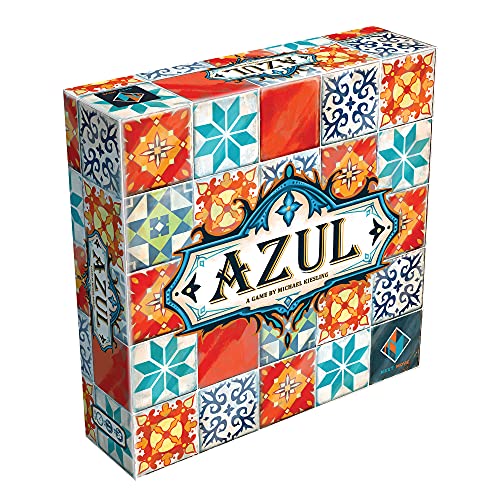
Asmodee Azul Board Game 2-4 Players
Azul is a tile placement strategy game that won the 2018 Spiel des Jahres, combining simple rules with engaging mosaic-building mechanics. It works equally well for casual family nights and experienced board gamers seeking tactical depth across 2 to 4 players.
Pros
- Accessible rules make it playable within minutes despite tactical complexity
- Excels in both 2-player competitive duels and multi-player games
- Draft and deny mechanics create satisfying strategic tension
- Portuguese mosaic theme brings visual appeal to gameplay
- Consistent replayability from randomized tile setups each round
Cons
- No user reviews available to validate quality claims or player experience
- Limited to 4 players maximum, excluding larger group play
- Box size (10.25 x 10.25 inches) may not fit compact shelves
CATAN Board Game 6th Edition
The classic strategy board game where players gather resources, build settlements and cities, and compete to reach 10 victory points across a modular hexagonal island. With a variable board layout that changes each game, CATAN delivers genuine replayability for family game nights and strategy-focused groups of 3-4 players.
Pros
- Modular board design ensures no two games play identically, driving genuine replayability
- Accessible rule set for ages 10+ while offering depth for experienced strategy players
- Trading mechanic encourages direct player interaction and negotiation
- Compact storage footprint relative to component count
Cons
- Limited to 3-4 players, excluding larger groups without expansions
- 60-90 minute playtime may feel lengthy for younger players at the lower age range
- No reviews provided to evaluate component durability or quality consistency in this listing
USAOPOLY Hues and Cues Color Guessing Board Game
A color-based party game where players give one or two-word clues to guide teammates toward specific hues from a board of 480 color squares. Works for 3-10 players ages 8 and up with straightforward rules that encourage creative thinking and quick rounds.
Pros
- Large player count range (3-10) makes it flexible for different group sizes
- No two games are the same thanks to the extensive color palette
- Easy to learn mechanics keep setup and teaching time minimal
- Creative clue system fosters engaging team interaction
Cons
- No verified buyer reviews yet to confirm real-world gameplay experience
- Requires color perception and vocabulary skill, which may disadvantage younger players at the lower age range
Big Potato Chameleon Social Deduction Game
A bluffing party game where one player secretly doesn't know the word everyone else does, and must be caught before escaping. Quick setup and 15-minute gameplay make it accessible for mixed-age groups, with multiple award recognition supporting its design quality.
Pros
- Fast-paced gameplay keeps energy high and sessions replayable
- Works across wide player range without complex rule overhead
- Hidden role mechanic creates genuine tension and laughter
- Proven award credentials indicate solid design fundamentals
Cons
- No user reviews available to confirm real-world player experience
- Limited to 8 players maximum, restricting larger group gatherings
- Social deduction relies heavily on player engagement, which varies by group dynamics
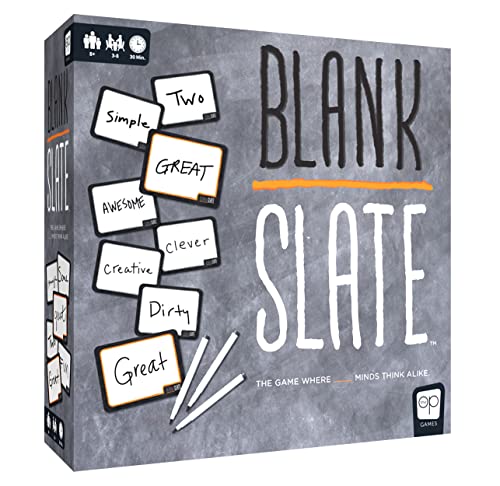
USAOPOLY Blank Slate Word Association Game, 3-8 Players
A word association party game where players write single words to complete phrases and score by matching others' answers without hints. Quick to learn and play in 20-35 minutes, making it accessible for family game nights with ages 8 and up.
Pros
- Supports large groups and small gatherings with flexible 3-8 player count
- Dry-erase slates and substantial card deck enable repeated play without wear concerns
- Fast gameplay respects time constraints for busy families
- Prediction-based mechanics reward reading others' thinking patterns rather than knowledge
Cons
- No verified buyer reviews available to assess real-world durability or gameplay satisfaction
- Thin box profile may indicate minimal storage solution if cards become damaged
- Requires dry-erase markers not included in the box
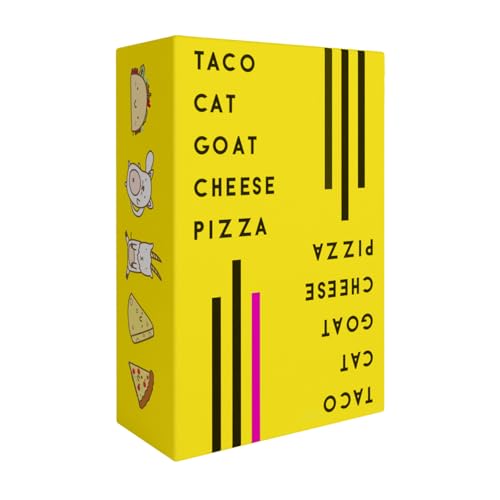
Taco Cat Goat Cheese Pizza Card Game, 2-8 Players
A fast-paced party card game that plays in 10-15 minutes and requires minimal setup. Works for mixed-age groups looking for quick, laugh-out-loud entertainment without complex rules.
Pros
- Quick to learn and teach, minimal rules overhead
- Compact, take-anywhere format for travel or casual gatherings
- Fast game length keeps energy high without commitment
- Broad age appeal for mixed-group entertainment
Cons
- No verified user reviews available to assess long-term durability or play experience details
- Limited replay value may depend on group enjoyment of the core mechanic
- Card-based format durability unclear from specifications alone
Mattel Games UNO Card Game, Color Blind Accessible
The classic UNO card game featuring graphic symbols on each card to make it accessible for players with color blindness. Supports 2-10 players ages 7 and up, includes three blank customizable Wild Cards for house rules, and comes in a compact portable format ideal for family game nights and travel.
Pros
- Inclusive design with graphic symbols ensures all players, including those with color blindness, can identify cards without relying on color alone
- Customizable blank cards add replayability and let groups create their own rule variations
- Wide player range (2-10) and age accessibility make it suitable for multiple group sizes and mixed-age gatherings
- Lightweight and compact packaging fits easily in bags for travel
Cons
- No user reviews available to verify real-world durability or card quality
- Requires external tracking method or scorepad for keeping score to 500
- Standard deck size may be difficult to manage for very young players or those with dexterity issues
Yahtzee Classic Dice Game for 2+ Players
Yahtzee is a fast-paced dice game that combines luck and strategy, playable by 2 or more players ages 8+. Players roll dice to build combinations like straights, full houses, and five-of-a-kind for the highest score, making it a straightforward pick for family game nights.
Pros
- Simple rules and quick gameplay make it accessible for kids and adults alike
- Strategic depth balances chance with decision-making about when to push for higher rolls
- Works with any number of players (2+), adapting to different group sizes
- Compact size makes it portable for travel or casual gatherings
- Classic format appeals as a gift option for families
Cons
- No reviews available to assess real-world durability or component quality
- Limited gameplay variety compared to modern strategy board games
- Relies heavily on dice rolls, so outcomes can feel random regardless of player skill
Lucky Egg Grab The Mic Karaoke Board Game
A fast-paced party game that trades singing ability for laughs, featuring 120 word cards and multiple game modes to keep groups of 2-10 entertained. Built for players who enjoy music and humor over vocal talent.
Pros
- Fast gameplay mechanics ensure constant engagement and quick turn times
- Multiple game modes and board configurations extend replay value
- Inclusive design that makes non-singers feel comfortable performing
- Complete all-in-one package with microphone, board, cards, and tokens included
Cons
- Limited to 120 word cards, which may require expansions for frequent players
- No verified buyer reviews available to validate gameplay experience claims
- Requires familiarity with song lyrics across different genres to fully enjoy
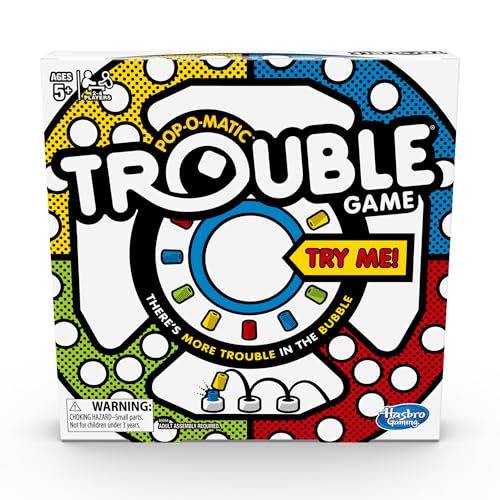
Hasbro Trouble Board Game for Kids Ages 5+
A timeless family board game built around the satisfying Pop-o-Matic bubble die roller mechanic. Best for casual game nights with kids and adults, offering both classic rules and optional Power Up Spaces for added challenge.
Pros
- Familiar, easy-to-learn gameplay appeals to both kids and adults
- Pop-o-Matic mechanism eliminates lost dice and adds tactile fun
- Power Up Spaces option adds replayability for longer engagement
- Affordable, nostalgic choice for family game nights
Cons
- Relies heavily on die rolls, so outcomes can feel random rather than skill-based
- No customer reviews available to validate long-term durability or gameplay balance
- Gameplay may feel repetitive for older kids or adults seeking strategic depth
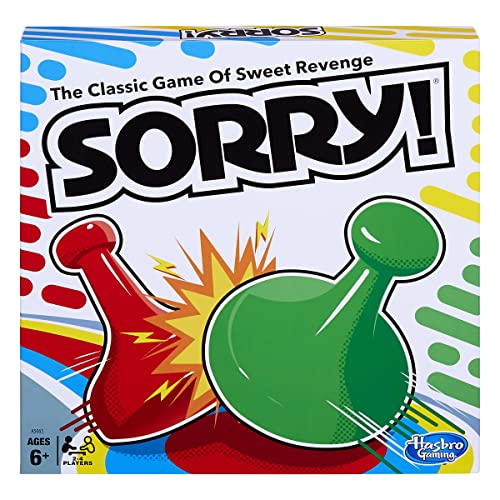
Hasbro Sorry! Board Game for Ages 6+
The classic Sorry! board game returns with familiar slide-and-send-back gameplay that works for families and casual players. It's straightforward fun built on card draws and strategic pawn movement, though the experience hinges entirely on luck and player count.
Pros
- Easy to learn with straightforward turn-based card play
- Sweet revenge mechanic keeps all players engaged throughout
- Works as both nostalgia play for adults and introduction for kids
- Compact and portable for travel or storage
Cons
- Outcome heavily dependent on card luck rather than deep strategy
- No reviews provided to assess real-world durability or component quality
- Limited gameplay depth may not sustain interest for strategy-focused players
Board Games Buying Guide
Buying a board game is not like buying a kitchen appliance where you can compare watts and dimensions.
The right pick depends on who is playing, how much time you have, and how much patience your group has for reading rulebooks. These six criteria will help you narrow things down before you commit.
Player Count and Group Composition
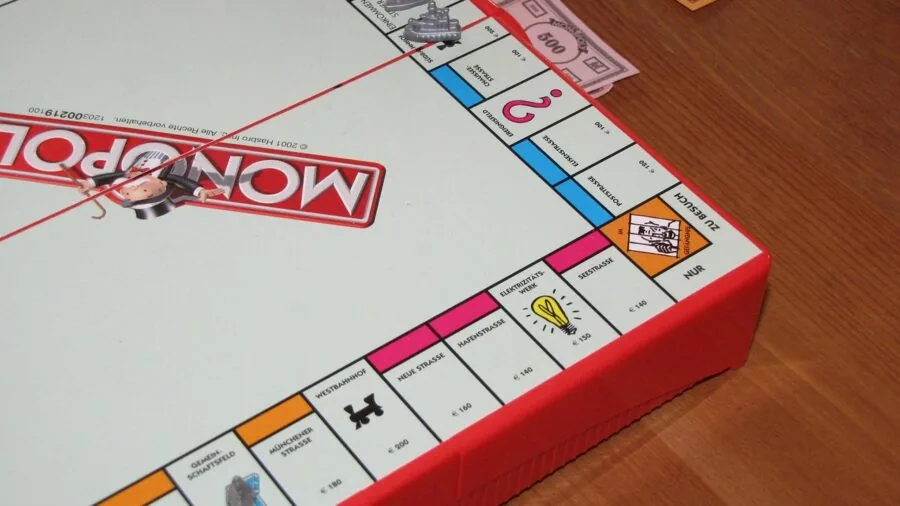
The single most important spec on any game box is the player count.
A game designed for two to four players can become awkward or broken when a fifth person joins, and a party game rated for eight loses its energy when only three people show up.
Always check the minimum and maximum counts, and pay attention to whether the game has a sweet spot.
Many modern designs note an “ideal” count inside the rulebook or in verified buyer reviews because the box range is often generous for marketing purposes.
Group composition matters as much as headcount. A family with younger kids needs a different game than a group of competitive adults who want genuine strategic depth.
Mixed-age gatherings, common during holidays, benefit enormously from games with low rules overhead but enough interesting decisions to keep adults engaged.
Think about the least experienced player at your table before buying, because a game that loses one participant to boredom or confusion defeats the entire purpose of playing together.
If you also spend evenings with younger household members, a look at craft kits for kids can round out your family activity rotation nicely.
Rules Complexity and Learning Curve

Rules complexity is where many otherwise excellent games fail their audience. A game can have a profound strategic experience locked behind twenty minutes of rulebook reading, and some groups will never get there.
The concept of a “gateway game” exists specifically to address this: these are titles with simple enough rules to explain in five minutes but enough interesting gameplay to leave players wanting a rematch.
Splendor and Azul are textbook examples, both are consistently praised by expert reviewers for being easy to teach without feeling shallow.
On the other end of the spectrum, more complex titles like CATAN reward groups who invest time in learning.
CATAN has a steeper first-game learning curve than most classics, but the trading mechanics and variable board setup give it extraordinary replay value once players are comfortable.
If your group tends to play the same game repeatedly over months, a higher upfront complexity investment usually pays off.
If you only gather a few times a year, stick with games that can be up and running in under ten minutes. Look for games that include a quick-start guide or tutorial first round built into the rules.
Replayability and Gameplay Variety
Replayability is the difference between a game that collects dust after three plays and one that stays on your shelf for years.
It comes from several sources: variable setup (different starting conditions each game), player-driven decision trees, social dynamics like bluffing or negotiation, and meaningful asymmetry between players or roles.
CATAN’s randomized map tiles, HUES and CUES’ massive 480-color grid, and The Chameleon’s rotating secret identities all create different experiences game after game without requiring expansion packs.
Simpler classics like Trouble, Sorry, and Yahtzee rely more on social familiarity and dice luck than strategic variety, which limits their long-term replay depth but makes them excellent picks for casual family gatherings where the game itself is secondary to the company.
If high replayability is your primary criterion, prioritize titles with variable setup, large card pools, or social deduction elements.
Word-association games like BLANK SLATE also benefit from the natural variety that different player groups introduce, since no two sessions produce the same answers.
Strategic Depth vs. Casual Accessibility

Strategic depth describes how much your decisions actually matter over the course of a game. At one end sits pure-luck games like Trouble, where the dice largely determine outcomes.
At the other end sits engine-building games like Splendor, where every card purchase shapes a long-term resource strategy and experienced players will measurably outperform newcomers. Neither extreme is wrong; they serve different purposes.
The sweet spot for most families is what reviewers often call “low rules, deep play.” Azul is a prime example: the rules fit on a single page, yet tile-placement decisions create genuine tension and strategic planning.
For groups that include both competitive and casual players, look for games with a “catch-up” mechanic or a natural balance where luck softens skill gaps enough to keep non-strategists engaged.
UNO and Taco Cat Goat Cheese Pizza lean heavily on speed and reaction, which can actually level the playing field between kids and adults.
This kind of broad accessibility is the same reason coding toys for kids are designed in graduated difficulty tiers, the best experiences scale with the player.
Session Length and Setup Time

Session length is a practical constraint that many buyers overlook. A game advertised as 60 to 90 minutes with four players, like CATAN, can stretch longer during a first play.
Meanwhile, Taco Cat Goat Cheese Pizza and UNO can be finished in fifteen minutes and restarted immediately. Match session length to your actual game night.
If everyone is gathering after dinner for a couple of hours, a medium-weight game is perfect. If you need something to fill twenty minutes between activities, a fast card game wins every time.
Setup time is often the hidden killer of game night momentum. Some strategy games require sorting dozens of tiles, shuffling multiple decks, and distributing components, which can add fifteen minutes before a single card is played.
Check verified buyer reviews specifically for setup time complaints, as they often surface practical details the box art does not advertise.
Games that store components in molded inserts or include player aids to speed setup consistently earn higher satisfaction scores in long-term buyer feedback.
If your household values low-friction family activities, fast-setup games and activities like matching family pajamas for a cozy game night share the same appeal: easy, enjoyable, and ready in minutes.
Component Quality and Value

Component quality correlates directly with long-term satisfaction. Cardboard tokens that warp after a few plays, flimsy cards that shuffle poorly, and poorly printed color references all degrade the gameplay experience over time.
Modern hobby games from publishers like Asmodee, Big Potato, and USAOPOLY have raised the bar considerably with linen-finish cards, chunky plastic or resin pieces, and bold graphic design that holds up to repeated handling.
Value is not just about price. A budget game that gets played twenty times a year delivers far more value than a mid-range game that sits unused.
Expert reviewers and verified buyers consistently flag component quality as a key driver of whether a game earns long-term shelf space or ends up donated.
For budget picks in classic formats like dice and card games, small compromises in component quality are generally acceptable.
For premium strategy games commanding higher prices, component quality should meet a higher bar, and the picks on this list were assessed with that standard in mind.
Think of it the way you might evaluate any durable household item: the initial price matters less than how long and how often it actually gets used.
Why You Should Trust Us
ProductFind is an independent review publication with no affiliation to any retailer or manufacturer. Every product in this guide was evaluated using our structured PF Score system, a proprietary 0 to 10 scale that weights consistent criteria across the category.
For board games, those criteria include rules accessibility, strategic depth, replayability, player count flexibility, component quality, and overall value for the price tier.
We do not conduct our own product trials; our evaluations are grounded in research, published data, expert review consensus, and verified buyer feedback.
Our researchers analyze specifications published by manufacturers, synthesize scoring and commentary from multiple expert review sources, and cross-reference patterns from verified purchaser reviews to surface strengths and weaknesses that single-source assessments can miss.
Every PF Score reflects this multi-layer analysis applied consistently across all products in the roundup.
ProductFind may earn a commission when you purchase through links in this article. That affiliate relationship has no influence on rankings, PF Scores, or which products appear in our guides.
Our selections are driven entirely by research quality and buyer benefit, not commission rates. We do not sell products, manage orders, or handle returns; for those matters, please contact the retailer or manufacturer directly.
Final Thoughts
After evaluating the full lineup, a few standout picks deserve special recognition based on their PF Scores and the specific needs they serve best.
- Best Overall: Asmodee Splendor earns the top spot with the highest PF Score in this roundup, delivering a rare combination of fast rules, genuine engine-building strategy, and strong replayability that appeals equally to new and experienced players.
- Best Strategy Game: CATAN 6th Edition is the definitive modern strategy board game for families and adults, with a deep trading and building system backed by decades of proven gameplay and one of the strongest PF Scores in the category.
- Best for Families with Mixed Ages: Asmodee Azul strikes the ideal balance between accessibility and strategic depth, making it a consistent hit at tables that mix kids, teens, and adults without anyone feeling left out or unchallenged.
- Best Party Game: HUES and CUES shines in larger groups, using color perception and creative clue-giving to generate laughter and conversation across a broad age range with almost no learning curve.
- Best Social Deduction Pick: The Chameleon is the strongest bluffing and deduction game in this lineup, consistently praised for generating intense table dynamics in short, fast-paced rounds that keep everyone engaged between turns.
Whatever your game night looks like, the board games in this guide represent the strongest options across every major format and occasion available right now.
Start with your group size and experience level, match to session length, and let the PF Scores guide your confidence in the pick.
And if you are building out a full family activity setup, pairing a great game with bath bombs for a spa night or setting the mood with a quality floor lamp for the living room can make the whole experience feel more intentional.
Frequently Asked Questions
What is a good board game for adults who have never really played modern games?
Gateway games are designed exactly for this situation.
Splendor and Azul are the most consistently recommended entry points by expert reviewers because both have simple rules you can explain in five minutes but enough strategic texture to stay interesting after multiple plays.
Either works well as a first modern game purchase for adults coming from classic titles like Monopoly or Scrabble.
Which game works best for large groups of eight or more people?
For groups of eight or more, you need a game specifically designed for that count. Taco Cat Goat Cheese Pizza supports up to eight players and works best with a crowd.
HUES and CUES supports up to ten players and is consistently praised for scaling well at high player counts without slowing down. BLANK SLATE and the Grab The Mic karaoke game also accommodate larger groups effectively.
Standard strategy games like CATAN and Splendor cap out at four players and should be avoided for large gatherings unless you have multiple copies running simultaneously.
Are classic games like Trouble and Sorry still worth buying, or should I get something newer?
Classic games like Trouble, Sorry, and Yahtzee hold genuine value for specific situations: young children, multigenerational gatherings where everyone already knows the rules, and casual play where the social experience matters more than strategic depth.
Their PF Scores reflect the fact that they do not compete on strategy or replayability with modern designs, but they remain reliable picks for their intended audience.
If you are buying for kids under eight or want a no-explanation-needed holiday game, classics still deliver. If you want something that holds adult interest over dozens of sessions, a modern gateway game is the better investment.
How long does it typically take to learn CATAN?
Most verified buyer accounts suggest the first game of CATAN takes roughly twice as long as subsequent games, with players often needing one full session to internalize trading rules, port bonuses, and development card timing.
The rulebook is thorough but not overwhelming, and the 6th Edition includes updated reference cards that help new players. By the second session, most groups report flowing through turns comfortably.
Expert consensus consistently recommends planning a dedicated learning session rather than trying to rush a first play, especially with the full four-player count.
Can board games be a good gift for people who mainly play video games?
Absolutely, and the overlap between the audiences is larger than many assume.
The Chameleon and Azul in particular resonate with video game players because both reward the kind of pattern recognition and strategic thinking common in digital games, just applied in a social, physical format.
CATAN also appeals to fans of city-building and resource-management video games. The shared-table social dynamic is often what converts video game players into board game enthusiasts, since it offers something no single-player or online experience can replicate.
For households with children, pairing board games with toy cars and other physical play options makes for a well-rounded gift set.
Do any of these games work well for two players?
Several picks in this lineup work well at two players, though some shine brighter with more. Splendor and Azul are both specifically noted by reviewers as excellent two-player experiences, with tight, direct competition at low player counts.
UNO and Taco Cat Goat Cheese Pizza technically support two players but feel much better with three or more. CATAN’s box supports three to four players, and its two-player variant requires a house-rule expansion.
If you are buying primarily for a two-player household, Splendor and Azul are the safest choices from this list.
For other gift ideas suited to paired activities, canvas wall art or a Halloween costume for a themed game night are fun ways to build an experience around the game itself.
About the author
Pat is a reviewer and writer for ProductFind who specializes in Board Games, Puzzles & Tabletop. Pat evaluates products through independent research: specifications, expert review consensus, and verified buyer feedback, and rates each one on the PF Score. Pat focuses on helping readers pick the right board games, puzzles & tabletop for their needs and budget.