The 10 Best Shop Stools
Shop stools range from bare-bones pneumatic rollers to heavy-duty mechanic seats with tool storage. Here's what actually separates a stool worth buying from one that wears out fast.
 By Dave Robinson
Updated July 23, 2026
By Dave Robinson
Updated July 23, 2026
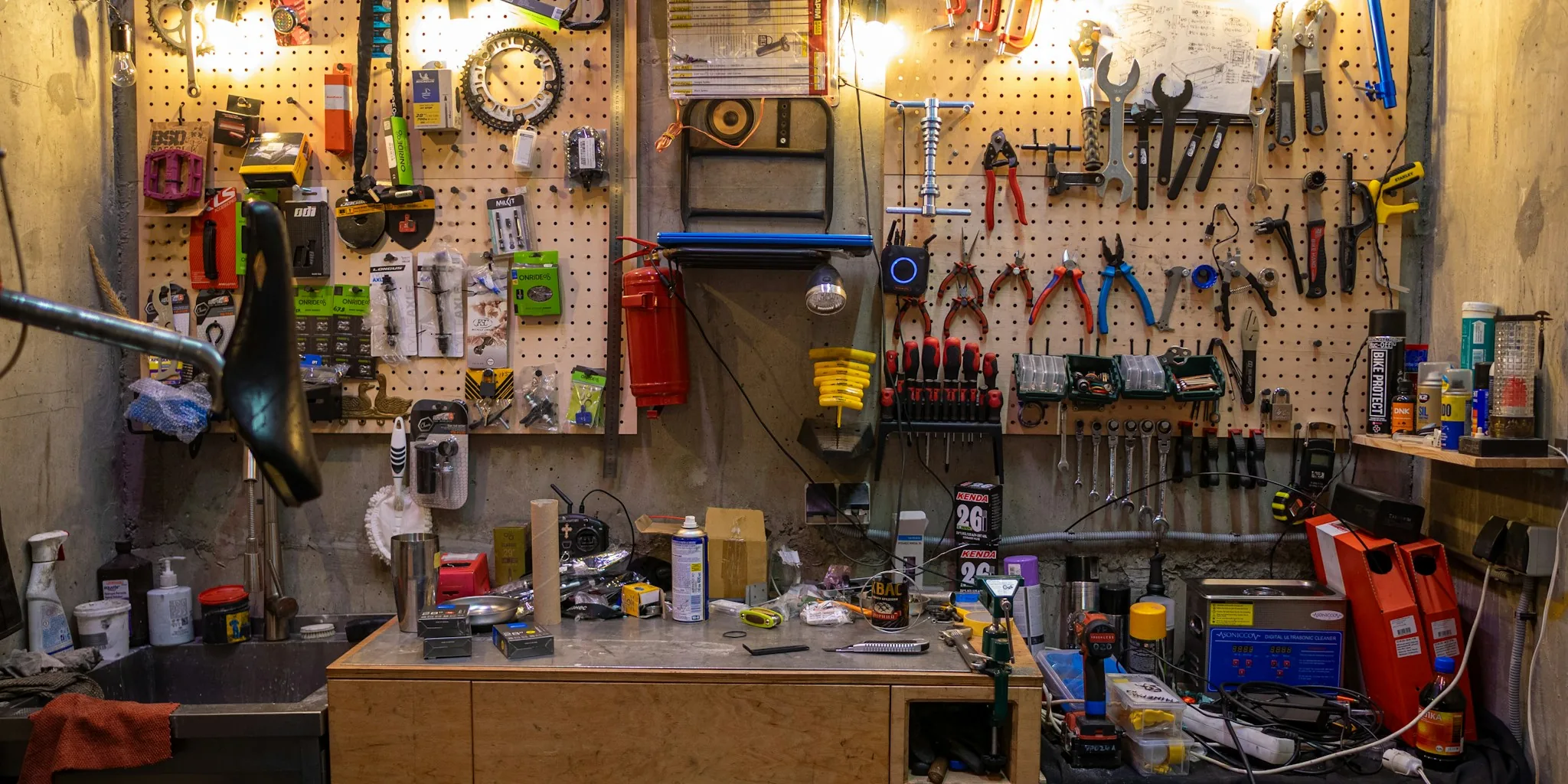
A good shop stool is one of those workshop essentials that only gets appreciated after you’ve spent an hour crouching next to a car or hunching over a low workbench.
Whether you’re doing an oil change, sorting hardware, or finishing detailed work at a garage workbench, the right stool keeps you comfortable, mobile, and at the correct working height without fighting your posture the entire time.
The market is crowded with options ranging from bare-bones budget rollers to feature-heavy mechanic seats with built-in tool storage, and the differences in quality are not always obvious from a product photo.
ProductFind researched the shop stools in this guide by analyzing manufacturer specifications, comparing expert review consensus across multiple published sources, and reviewing verified buyer feedback from confirmed purchasers.
We looked at models across several categories, including classic hydraulic stools, pneumatic rollers, drafting-style task chairs, and heavy-duty mechanic seats with tool tray storage, so there’s a practical option here regardless of your workspace and budget.
Scroll down for our ranked top picks.
| Award | Product | PF Score About PF ScoreThe PF Score is our own rating from 0 to 10, based on performance, design and build, ease of use, and value. It reflects independent research and is never influenced by manufacturers, retailers, or affiliate commissions. Learn more › | Price | |
|---|---|---|---|---|
| Best Overall |
 LWADALN Mechanic Stool with Backrest, 20-26 inch Adjustable
|
8.3/10 | Buy | |
| Editor's Pick |
 Northern Tool Shop Stool with Backrest, 300-Lb Capacity
|
8.1/10 | Buy | |
| Best Value |
 Big Red Pneumatic Shop Stool, Adjustable 26.5-31 Inches
|
8.0/10 | Buy | |
| Top Rated |
 WEN 73012T Pneumatic Rolling Mechanic Stool, 300-Lb
|
7.6/10 | Buy | |
 VEVOR Mechanic Stool 300 LBS Capacity
|
7.5/10 | Buy | ||
 SUPERJARE Drafting Chair with Adjustable Footrest
|
7.4/10 | Buy | ||
 ACCUCRAFT Rolling Mechanic Stool, 22-26 inch
|
7.3/10 | Buy | ||
 Sunex Tools 8516 Hydraulic Shop Stool, 250 lb
|
7.2/10 | Buy | ||
 Alera Industrial Metal Shop Stool 24 Inch
|
6.8/10 | Buy | ||
 VEVOR Rolling Creeper Stool, 250 lbs Capacity
|
5.9/10 | Buy |
LWADALN Mechanic Stool with Backrest, 20-26 inch Adjustable
A heavy-duty rolling workshop chair designed for mechanics and auto repair professionals, featuring padded lumbar support, height adjustment up to 26 inches, and integrated tool storage trays. The ergonomic backrest and swivel base make it practical for garage work, though it lacks verified buyer feedback to confirm real-world durability claims.
Pros
- Seat height adjusts from 20 to 26.1 inches with 330-pound load capacity, covering most user heights
- Includes three removable storage trays with partitions for organizing small tools and parts
- PU leather seat and backrest are waterproof and easy to clean for workshop environments
- Footrest adjusts independently and braked casters prevent rolling during precision tasks
- Arrives with assembly tools and completes setup in about 10 minutes
Cons
- No verified customer reviews available yet to validate durability and comfort claims in real use
- Seat dimensions appear small (14.2 x 17.3 inches) which may limit comfort for larger frames despite 330-pound weight rating
- Specified primarily for auto work but listed as multi-purpose, suggesting unclear primary design intent
Northern Tool Shop Stool with Backrest, 300-Lb Capacity
A sturdy work stool designed for garage and shop use, featuring a dual bar backrest with depth adjustment and a solid 300-pound weight capacity. The anti-slip floor caps provide stability on various surfaces, making it practical for extended sitting during detailed tasks.
Pros
- Dual bar backrest with adjustable depth for customizable lumbar support
- 300-pound weight capacity handles most users and heavy-duty applications
- Anti-slip floor caps prevent sliding on workshop floors
- Compact footprint at 30 x 20 x 25 inches fits tight work spaces
- Relatively lightweight at 19.2 pounds for repositioning
Cons
- No rolling casters mentioned, limiting mobility compared to dedicated roller seats
- Limited feedback from verified buyers due to zero customer reviews available
- Backrest adjustment mechanism details not specified in product documentation
Big Red Pneumatic Shop Stool, Adjustable 26.5-31 Inches
A heavy-duty pneumatic stool built for garage and workshop use, with 360-degree swivel, adjustable height, and 300-pound weight capacity. The steel frame and easy assembly make it practical for mechanics and DIYers, though buyer feedback is limited.
Pros
- Durable steel construction rated for 300-pound capacity, suitable for heavy-duty garage use
- Pneumatic height adjustment offers smooth, tool-free positioning across a 4.5-inch range
- 360-degree swivel base with footrest provides comfort and mobility while working
- Non-slip caps and included shims prevent wobbling and floor scratches
- Simple assembly without specialized tools or instructions
Cons
- No verified customer reviews available to assess real-world durability and comfort
- Footrest is square-shaped only, limiting foot positioning options compared to round designs
- Limited documentation on whether pneumatic adjustment mechanism is rebuildable or replaceable
WEN 73012T Pneumatic Rolling Mechanic Stool, 300-Lb
A steel-frame shop stool designed for mechanics and workshop users who need mobility and tool storage in one piece. Height adjusts from 15 to 20 inches, and the padded vinyl seat accommodates up to 300 pounds.
Pros
- Sturdy steel construction rated for heavy users up to 300 pounds
- Integrated tool storage keeps frequently used items within arm's reach
- Quick-adjust pneumatic height lever allows smooth transitions between sitting positions
- Five-caster base enables smooth omnidirectional movement across workshop floors
- Thick multi-layered vinyl padding provides cushioning during long work sessions
Cons
- No verified customer reviews available to assess real-world durability or long-term performance
- Tool storage capacity and organization not detailed in product specifications
- Limited height range of 15 to 20 inches may not suit all user preferences or work heights
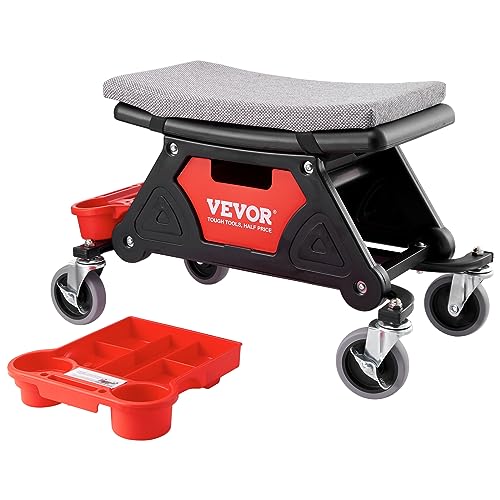
VEVOR Mechanic Stool 300 LBS Capacity
A rolling garage seat designed for automotive work with storage built in. The 300-pound weight capacity, tool trays, and brake casters make it practical for mechanics and DIY enthusiasts working under vehicles in tight spaces.
Pros
- Substantial weight capacity and stable steel construction for long-term durability
- Integrated tool storage with card slot trays keeps equipment organized and accessible
- Brake casters and silent shock absorber wheels allow controlled movement without floor damage
- Ergonomic cushioned seat and optimal 15.4-inch height reduce strain during extended work
Cons
- No customer reviews available yet to verify real-world performance and comfort claims
- Specifications show conflicting dimensions, creating uncertainty about actual footprint and storage capacity
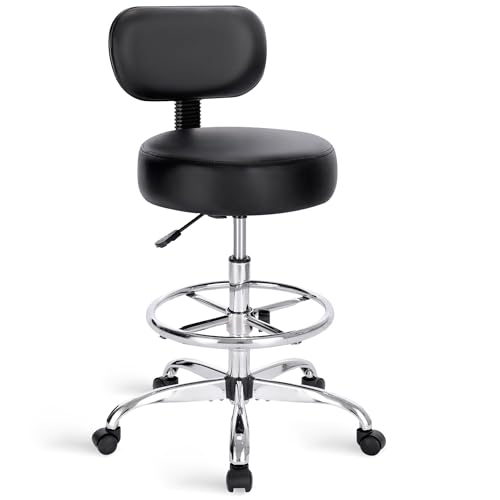
SUPERJARE Drafting Chair with Adjustable Footrest
A versatile drafting stool with removable backrest and adjustable footrest, designed for professionals in creative and medical fields. Height adjusts from 23.6" to 32.2", supports up to 300 lbs, and features a 4-inch foam cushion with waterproof PU leather.
Pros
- Removable backrest and footrest provide flexible configuration for different work styles and spaces
- Heavy-duty construction with 300 lbs capacity and wobble-free stability suitable for intensive daily use
- Easy-to-maintain waterproof PU leather resists oil and stains common in studios, salons, and kitchens
- Quiet operation with dual-wheel nylon casters won't disturb professional environments
- Wide height range (8.6" stroke) accommodates various table levels and user preferences
Cons
- No customer reviews available yet to verify real-world durability and comfort claims
- PU leather may not appeal to users seeking natural or premium upholstery materials
- Removable parts increase setup complexity slightly compared to fixed-backrest chairs
ACCUCRAFT Rolling Mechanic Stool, 22-26 inch
Heavy-duty garage stool built for mechanics and technicians who need reliable support during long repair sessions. All-steel construction with 330 lb capacity, adjustable height, backrest, and tool tray make it a practical shop essential.
Pros
- Sturdy all-steel construction designed to handle heavy daily use without deformation
- Smooth pneumatic height adjustment accommodates different user heights and workshop tasks
- Lockable wheels provide stability when needed, while casters roll easily over uneven floors
- Integrated tool tray keeps frequently used items within arm's reach
- Contoured backrest with high-density foam padding reduces fatigue during extended work
Cons
- No verified customer reviews available yet to assess long-term durability or real-world comfort
- 19-pound weight makes it less portable if frequent relocation between workspaces is needed
- PU leather seat may show wear patterns over extended use in high-friction environments
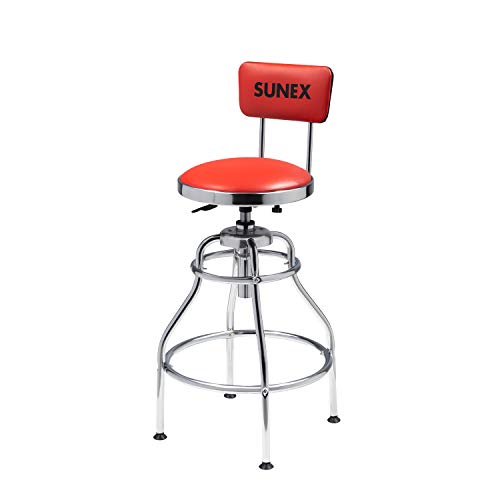
Sunex Tools 8516 Hydraulic Shop Stool, 250 lb
A chrome-finished hydraulic shop stool designed for mechanics and technicians who need adjustable seating in tight workspaces. The seat height ranges from 29 to 34 inches with padded vinyl backrest support, though it carries a 4.5-star rating with no verified buyer reviews available yet.
Pros
- Hydraulic adjustment mechanism allows quick seat height changes without tools
- High-polished chrome resists rust and looks professional in shop environments
- Padded vinyl seat and backrest provide cushioning for extended sitting
- Slip-resistant feet help maintain stability on uneven workshop floors
- 250-pound capacity accommodates most users
Cons
- No verified customer reviews available to assess real-world durability or comfort
- Compact dimensions may feel tight for larger individuals despite weight rating
- Chrome finish requires regular cleaning to maintain appearance in dusty workshop settings
Alera Industrial Metal Shop Stool 24 Inch
Heavy-duty steel shop stool built for workshops, garages, and industrial spaces where durability is non-negotiable. The powder-coated frame and riveted Masonite seat resist wear, while the integrated foot ring and floor glides provide stability and protection.
Pros
- Industrial-grade construction with durable powder-coated steel frame
- Riveted Masonite seat board resists warping, cracking, and chipping
- Integrated foot ring and floor glides provide ergonomic support and floor protection
- Compact 24-inch height fits standard work surfaces
Cons
- No customer reviews available to verify real-world durability claims
- Limited color option (grey only), restricting aesthetic choices
- No adjustable height or padding on seat for extended use comfort
VEVOR Rolling Creeper Stool, 250 lbs Capacity
A compact mechanic's stool with a 250 lb weight capacity and built-in tool tray storage for organized workspace access. The padded PU seat resists oil and water, while four swivel casters enable smooth movement across garage floors and tight work areas.
Pros
- Heavy-duty tubular steel construction resists deformation with repeated use
- Large padded seat and tool storage compartment reduce workflow interruptions
- PU seat surface cleans easily and handles messy repair environments
- Ball-bearing casters with wear-resistant design move smoothly on various surfaces
- Versatile for vehicle repairs, furniture work, and household projects
Cons
- No verified customer reviews available to confirm real-world durability claims
- Fixed caster design means wheels cannot be locked in place for stationary work
- Limited height at 14.2 inches may not suit taller users or elevated work surfaces
Shop Stools Buying Guide
Choosing the right shop stool comes down to understanding exactly how and where you’ll use it.
A pneumatic roller that’s perfect for an automotive bay may be poorly suited to a woodworking bench, and a drafting-style chair with a footrest may feel out of place in a grease-stained garage.
The sections below walk through each major decision point so you can match the right stool to your workflow.
Weight Capacity and Frame Construction

Weight capacity is not just a spec to skim past.
Shop stools are frequently used in dynamic, leaning positions where your center of gravity shifts away from the center of the seat, placing more stress on the frame and casters than your static body weight alone.
For most adults, a stool rated to 250 lb offers adequate headroom for everyday use, but if you’re working with tools in your lap, leaning heavily to one side, or simply want a comfortable safety margin, look for models rated to 300 lb or more.
Several picks in this guide, including models from WEN, VEVOR, and ACCUCRAFT, hit that 300-lb-plus mark.
Frame material matters just as much as the rated number. Heavy-gauge steel frames with welded joints outperform thin-walled tubing that relies on bolted connections under repeated use.
Check whether the base and legs are powder-coated or polished chrome, since both finishes resist shop chemicals reasonably well, though chrome tends to show scratches from debris on the floor more readily.
A heavier stool is generally a sign of denser steel rather than poor design, so don’t shy away from a model that feels substantial when you lift it.
Height Adjustment Mechanism

The two most common adjustment systems in this category are hydraulic and pneumatic (gas-lift).
Hydraulic mechanisms, like the one found on the Sunex Tools 8516, use a foot-activated pump to raise and lower the seat and are known for holding position reliably under load without the slow drift that can affect cheaper pneumatic cylinders.
Pneumatic gas-lift systems, used on the WEN 73012T and the Big RED stool, allow faster one-handed height changes but depend heavily on cylinder quality. Poorly made pneumatic cylinders can lose pressure over time, causing the seat to slowly sink mid-task.
Think about your typical adjustment frequency. If you set the stool once and leave it, either system works fine.
If you constantly switch between sitting low to reach under a vehicle and sitting higher to work at a bench, a well-built pneumatic stool with a smooth lever release will feel more convenient.
Pay attention to the published height range as well. Ranges of roughly 22 to 26 inches cover most standard workbench heights, but taller benches or counter-height work surfaces may require a stool with a higher maximum reach.
Mobility: Casters, Swivel, and Floor Compatibility
Caster quality separates a genuinely useful rolling stool from one that fights you every time you try to reposition. Dual-wheel casters roll more smoothly over uneven concrete and debris than single-wheel designs, and larger-diameter wheels handle floor imperfections better.
The ACCUCRAFT model’s five-wheel anti-tip base is a thoughtful design for anyone working on sloped garage floors or frequently reaching to one side.
If your shop has both concrete and rubber mat sections, confirm that the caster material is rated for hard floors without marking or snagging on mat edges.
Swivel range is equally important. A full 360-degree swivel lets you pivot to grab a tool or turn toward the vehicle without standing up, which reduces fatigue during long sessions.
Some stools, particularly stationary bar-stool-style designs like the Alera industrial model, do not swivel or roll, making them better suited for fixed workstations where you stay in one spot rather than moving around a project.
If your work style involves constantly repositioning, prioritize a rolling base over a stationary one regardless of other features.
Seat and Backrest Comfort

Seat padding density and cover material affect both immediate comfort and long-term durability. Thin foam covered in cheap vinyl compresses quickly, leaving you sitting on a barely padded platform within a few months of regular use.
Look for thick, high-density foam with a vinyl or PU leather cover that resists cuts, oil, and cleaning solvents, all of which are common in shop environments.
The SUPERJARE drafting chair stands out in this guide for its generous seat cushion and adjustable footrest, features that matter if you’re using the stool for extended seated work rather than quick repositioning tasks.
A backrest is worth prioritizing if you’ll be seated for more than 20 to 30 minutes at a stretch.
The LWADALN and Northern Tool models both include backrests designed specifically for shop use, offering lumbar support without the bulky upholstered frame of an office chair that would get destroyed by a dirty workshop environment.
For shorter, task-focused sessions, a backrest-free pneumatic stool may actually be preferred, since it allows more freedom of movement and takes up less space when not in use.
Pair the right stool with proper automotive tools and you’ll cover the full range of garage maintenance tasks without fatigue setting in.
Tool Storage Integration

Several shop stools in this guide double as mobile tool caddies by incorporating trays, drawers, or slide-out storage beneath the seat.
The VEVOR mechanic stool with three slide-out trays and a drawer is the most storage-capable option here, letting you keep frequently used sockets, wrenches, and fasteners within reach without walking back to your main tool chest after every step.
This kind of integrated storage is especially valuable in tight shop spaces where rolling a full tool chest alongside a project isn’t practical.
For anyone interested in expanding their shop organization, pairing a storage-capable stool with the right fastener assortment kit keeps the most commonly needed hardware sorted and portable.
That said, built-in storage adds weight and bulk to the stool, which can make it harder to move quickly around a workspace.
If you use your stool primarily for positioning rather than as a rolling workstation, a simpler design without trays will maneuver more easily.
Consider whether the storage capacity of the tray is sized for what you actually use rather than just the fact that a tray is present.
Shallow, open trays are fine for small parts during a specific job but won’t keep tools organized between sessions the way a lockable drawer would.
Use Case: Garage, Bar, or Multi-Purpose

Not every stool in this roundup is purpose-built for mechanical work.
The Big RED pneumatic stool, for instance, carries a heavy-duty steel frame and 300-lb capacity but is designed with a cleaner aesthetic that suits a home bar, kitchen island, or hobby room just as well as a garage.
Similarly, the SUPERJARE drafting chair works well in home offices, standing-desk setups, and kitchen workstations in addition to light shop use.
If you need a stool that pulls double duty between a workshop and a living space, pay attention to the visual design and whether the seat cover material is easy to clean before it gets dragged inside.
Dedicated mechanic stools like the WEN 73012T and ACCUCRAFT rolling chair are optimized for workshop use and may look out of place in a kitchen or bar setting, but they offer a level of durability and practical features that lifestyle stools can’t match.
Think about where the stool will live 90 percent of the time and let that guide the category you shop in rather than trying to find one product that compromises on everything.
Why You Should Trust Us
ProductFind is an independent review platform. Every product in this guide was evaluated using a consistent, research-driven methodology: we analyze published specifications, compare expert review consensus drawn from multiple authoritative sources, and assess verified buyer feedback from confirmed purchasers.
We do not conduct our own product trials; our evaluations are grounded in research, published data, expert review consensus, and verified buyer feedback.
Each stool in this roundup received a PF Score on a 0 to 10 scale based on the same weighted criteria, including build quality and capacity, seat comfort and adjustability, mobility and caster performance, and overall value within the price segment.
ProductFind may earn a commission when you purchase through a link in this article. That affiliate relationship has no influence on which products are included, how they are ranked, or what PF Score they receive.
Recommendations are determined solely by research quality and how well each product performs against our criteria. We have no commercial relationship with Sunex Tools, WEN, VEVOR, Northern Tool, LWADALN, ACCUCRAFT, Big RED, SUPERJARE, or Alera.
ProductFind does not sell products, process orders, or handle returns or warranty claims.
Final Thoughts
After analyzing all ten shop stools in this guide, a few clear standouts emerge across different use cases and budgets. Here are our named picks based on PF Score and real-world suitability:
- Best Overall: LWADALN Garage Mechanic Stool with Backrest. This model earns the top PF Score in the roundup by combining a height-adjustable heavy-duty swivel frame, integrated tool tray storage, and a proper backrest into one coherent package. It’s the most complete shop stool here for buyers who want a single seat that handles extended sessions without compromise.
- Best Mid-Range Pick: Northern Tool Shop Stool with Backrest. The Northern Tool stool earns the second-highest PF Score in this group and delivers a well-balanced combination of 300-lb capacity, a supportive backrest, and solid rolling mobility at a mid-range price point. It’s a practical choice for serious hobbyists who want durability without paying for premium features they won’t use.
- Best Budget Pick: WEN 73012T Pneumatic Rolling Mechanic Stool. For buyers who need a reliable, no-frills rolling stool at an affordable price, the WEN 73012T is the strongest value in this roundup. Its 300-lb capacity and pneumatic height adjustment punch well above its price segment, making it a go-to recommendation for first-time shop stool buyers.
- Best for Extended Seated Work: SUPERJARE Drafting Chair with Back and Footrest. If you sit for longer stretches at a drafting table, standing desk, or elevated workstation, this chair’s thick cushion, adjustable footrest ring, and ergonomic back support make it the most comfortable option in the group for sustained use.
- Best for Heavy-Duty Tool Storage: VEVOR Mechanic Stool with Tool Trays and Drawer. Three slide-out trays plus a dedicated drawer set this VEVOR apart as the most capable mobile tool caddy in the roundup. It’s the right call for mechanics and DIYers who want their most-used hardware rolling with them around the project rather than sitting at a stationary chest.
Whatever your shop setup looks like, a quality rolling stool is one of the most practical upgrades you can make to your workspace.
Pair it with a solid workbench and organized storage, and you’ll notice the difference in how efficiently and comfortably you work through even the most involved projects.
Frequently Asked Questions
What weight capacity should I look for in a shop stool?
For most adults, a stool rated to 300 lb provides a comfortable safety margin that accounts for dynamic loads created by leaning, reaching, and sitting with tools in your lap. Stools rated to 250 lb are adequate for lighter-duty or occasional use.
If you work in an environment where multiple people might use the same stool, or if you frequently lean heavily to one side while seated, the higher capacity rating is worth prioritizing.
Several models in this guide from WEN, VEVOR, and ACCUCRAFT all hit the 300-lb mark or above.
Are pneumatic and hydraulic shop stools the same thing?
No. Pneumatic stools use a compressed gas cylinder, usually activated by a lever, to adjust seat height quickly with one hand. Hydraulic stools use an oil-filled mechanism, often activated by a foot pump, to raise and lower the seat.
Hydraulic systems tend to hold their position more reliably under heavy loads and are less likely to develop a slow drift over time. Pneumatic systems allow faster adjustment and are more common in the mid-range price segment.
Both types are represented in this roundup, so your choice depends on how often you adjust height and how much load stability matters in your workflow.
Can I use a shop stool at a standard workbench or counter height?
Yes, provided the stool’s maximum height adjustment reaches your working surface. Standard workbenches typically sit between 34 and 38 inches from the floor, while counter-height surfaces run closer to 36 inches.
Most rolling mechanic stools in this guide top out between 24 and 26 inches of seat height, which is more appropriate for low automotive work than for standing-height benches.
The SUPERJARE drafting chair and the ACCUCRAFT rolling stool offer taller height ranges better suited to bench and counter applications. Always check the published adjustment range against your actual surface height before purchasing.
A dedicated workshop workbench setup is worth considering alongside your stool choice to ensure the two work at compatible heights.
Do shop stools work on concrete floors?
Most rolling shop stools are specifically designed for hard floor surfaces like concrete and sealed garage floors. Twin-wheel casters and hard nylon or polyurethane wheels roll well on concrete without marking or damaging the surface.
If your garage floor has rubber anti-fatigue mats in some areas, confirm that the caster type transitions smoothly over mat edges without catching. Stools with larger-diameter wheels handle surface transitions and small debris better than those with small, narrow casters.
If your shop floor is uneven or has expansion joints, models with a wide, five-wheel base like the ACCUCRAFT stool offer better stability than a narrow four-wheel base.
Is a backrest worth it on a shop stool?
It depends almost entirely on how long you typically sit in one position. For quick task repositioning during automotive work where you’re constantly shifting, standing, and crouching, a backrest can actually limit freedom of movement and feel unnecessary.
For extended seated work such as electronics repair, bench work, or assembling components over 30 minutes or more, a backrest provides meaningful lower-back support and reduces fatigue considerably.
If you’re unsure, consider how much of your shop time is spent seated versus actively moving around your project, and let that ratio guide whether you pay extra for the backrest option.
How do shop stools differ from regular office chairs or gaming chairs?
Shop stools are built for workshop environments, which means they use materials that resist oil, chemicals, and debris.
Their seat covers are typically vinyl or PU leather rather than mesh or fabric, their bases are usually heavier steel rather than aluminum or plastic, and their caster designs are optimized for hard floors rather than carpet.
Office chairs and gaming chairs generally offer more ergonomic adjustability and cushioning for long sedentary sessions, but their materials would degrade quickly in a shop environment.
Bringing a fabric office chair into a greasy garage typically ruins it within a season.
If you want genuine ergonomic support for extended shop sessions, the SUPERJARE drafting chair in this roundup bridges that gap reasonably well while using materials that hold up better to workshop conditions.
About the author
Dave is a reviewer and writer for ProductFind who specializes in Workshop & Shop Equipment. Dave evaluates products through independent research: specifications, expert review consensus, and verified buyer feedback, and rates each one on the PF Score. Dave focuses on helping readers pick the right workshop & shop equipment for their needs and budget.