The 8 Best Gaming Headsets
Sound quality, mic clarity, and wireless reliability separate great gaming headsets from frustrating ones. Here are the top picks across every budget, from wired value champions to premium wireless flagships.
 By Pat Shelton
Updated July 22, 2026
By Pat Shelton
Updated July 22, 2026
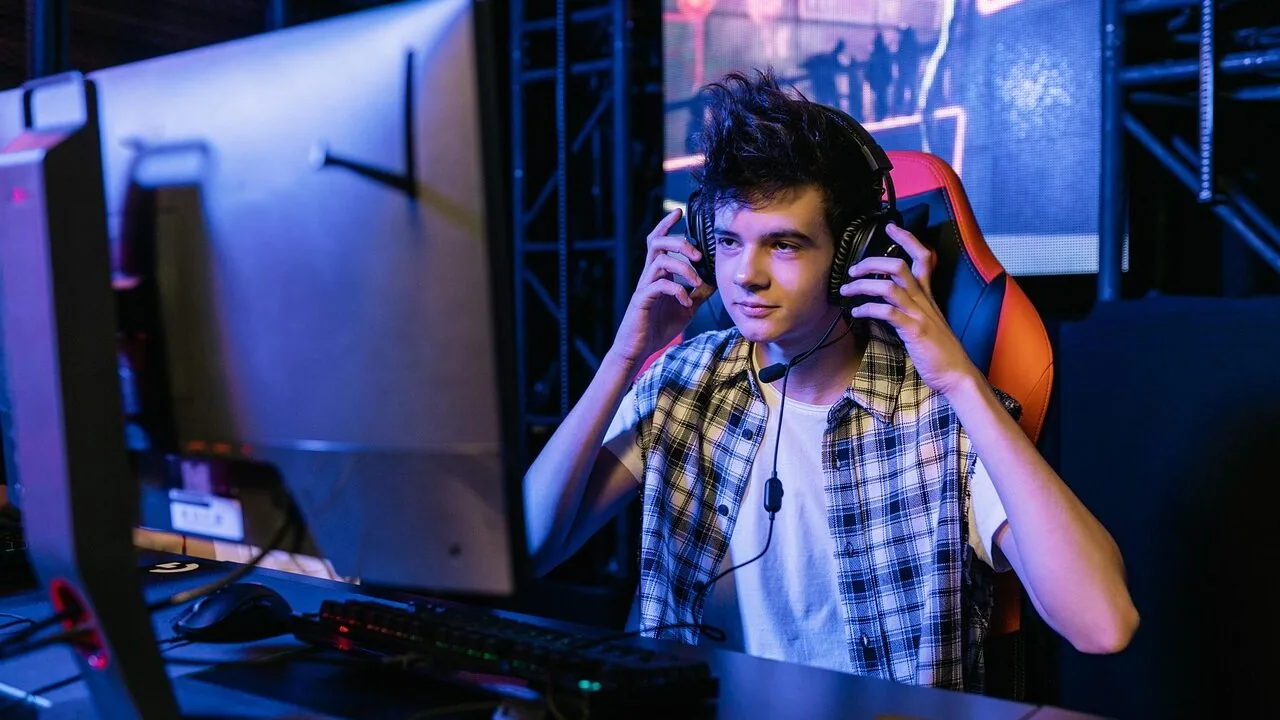
A great gaming headset can be the difference between hearing a flanking enemy before they reach you and getting eliminated without warning.
Whether you game competitively on PC, kick back on a console, or bounce between platforms, the right headset delivers clear positional audio, a microphone teammates can actually understand, and enough comfort to survive multi-hour sessions without fatigue.
With so many options spanning wired budget picks to premium wireless flagship models from HyperX, SteelSeries, Razer, Logitech G, and Corsair, narrowing down the field takes real research. Here are the top picks our team has identified after extensive evaluation.
At ProductFind, we assess every model through comprehensive research: analyzing published specifications, synthesizing expert review consensus from across the industry, and weighing verified buyer feedback from confirmed purchasers. We do not conduct our own product trials.
Each headset earns a PF Score on a 0 to 10 scale reflecting overall value across sound quality, microphone performance, wireless reliability, comfort, and platform compatibility.
If you want context on how gaming audio compares to everyday listening, our guide to over-ear headphones worth buying is a useful companion read. Scroll down to see which gaming headsets topped our rankings.
| Award | Product | PF Score About PF ScoreThe PF Score is our own rating from 0 to 10, based on performance, design and build, ease of use, and value. It reflects independent research and is never influenced by manufacturers, retailers, or affiliate commissions. Learn more › | Price | |
|---|---|---|---|---|
| Best Overall |
 SteelSeries Arctis Nova 5 Wireless Gaming Headset
|
8.7/10 | Buy | |
| Editor's Pick |
 HyperX Cloud Alpha Wireless Gaming Headset
|
8.5/10 | Buy | |
| Best Value |
 Razer BlackShark V3 Wireless Gaming Headset
|
8.3/10 | Buy | |
| Top Rated |
 HyperX Cloud Alpha Over-Ear Gaming Headset
|
8.2/10 | Buy | |
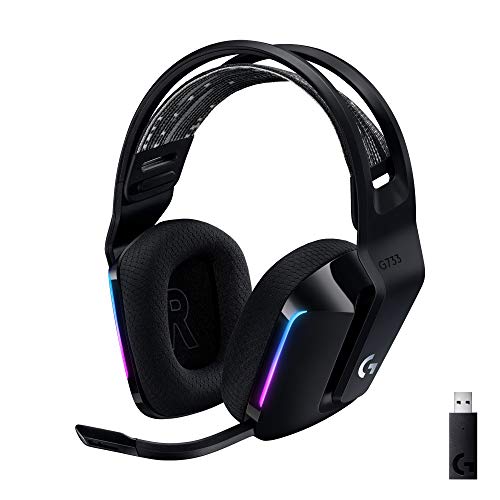 Logitech G733 Lightspeed Wireless Gaming Headset
|
7.1/10 | Buy | ||
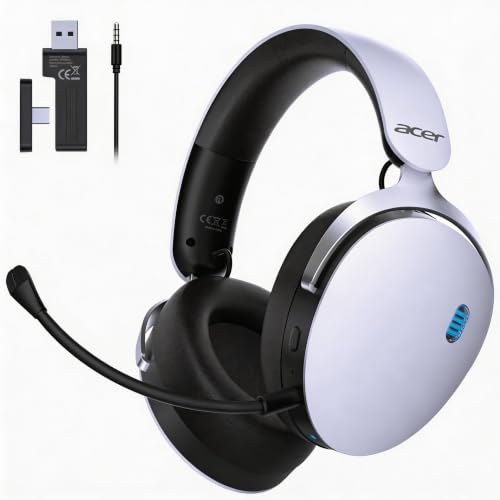 Acer Tri-Mode Gaming Headset with 50mm Drivers
|
7.0/10 | Buy | ||
 Sony INZONE H6 Air Open-Back Gaming Headset
|
6.9/10 | Buy | ||
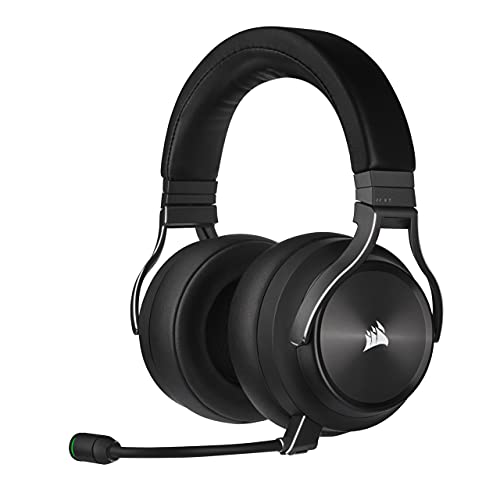 Corsair Virtuoso RGB Wireless XT Gaming Headset
|
6.8/10 | Buy |
SteelSeries Arctis Nova 5 Wireless Gaming Headset
A multi-platform wireless headset built for gamers who want seamless switching between devices without sacrificing battery life. The 60-hour battery, dual connectivity (2.4GHz and Bluetooth), and 100+ game audio presets address serious gaming needs, though the lack of verified reviews means real-world durability remains unproven.
Pros
- Exceptional battery endurance eliminates frequent recharging and suits extended gaming sessions
- Dual wireless modes allow instant toggling between competitive 2.4GHz gaming and Bluetooth calls without cable dependency
- Comprehensive game-specific audio presets deliver tailored sound profiles for popular titles
- Fully retractable mic with upgraded clarity handles both gaming and communication effectively
- Compact USB-C dongle simplifies multi-device use across platforms
Cons
- Zero verified customer reviews available, limiting insight into long-term reliability and real-world performance
- Premium pricing reflects feature set, not budget-conscious gaming choice
- No mention of active noise cancellation, which some competitors in this segment offer
HyperX Cloud Alpha Wireless Gaming Headset
A wireless gaming headset built for endurance with up to 300 hours of battery life per charge and dual chamber drivers that separate mids/highs from bass. Memory foam ear cups and lightweight aluminum frame prioritize comfort during extended sessions, though no verified buyer feedback is available yet.
Pros
- Exceptional 300-hour battery life reduces frequent charging
- Dual chamber driver architecture tuned for both clarity and bass control
- Lightweight at 0.71 pounds with memory foam for marathon gaming sessions
- Aluminum frame construction designed for durability across years of use
- DTS spatial audio adds precise sound localization for competitive gaming
Cons
- No verified buyer reviews available to assess real-world reliability or audio quality claims
- Limited color option (red only in this listing)
- No information on wireless range limitations or interference resistance
Razer BlackShark V3 Wireless Gaming Headset
Multi-platform gaming headset with low-latency 2.4 GHz wireless, THX spatial audio, and 70-hour battery life. Designed for competitive players who need cross-device connectivity and game-tuned sound profiles.
Pros
- Triple connectivity options: 2.4 GHz, Bluetooth 5.3, and USB for flexible setup
- Titanium-coated 50mm drivers deliver clear positional audio cues
- Simultaneous dual-device audio mixing via 2.4 GHz and Bluetooth
- Customizable EQ with cloud storage for on-the-fly adjustments
- Extended 70-hour battery enables weeks of use between charges
Cons
- Not compatible with Xbox Series X/S or Xbox One, limiting console versatility
- Premium positioning with no user reviews yet to validate real-world performance claims
- Super Wideband mic requires detachment for non-gaming use, adding extra steps
HyperX Cloud Alpha Over-Ear Gaming Headset
HyperX's Cloud Alpha delivers multi-platform compatibility and signature comfort in a wired package. Dual chamber drivers and detachable microphone make it a solid choice for PC and console gamers seeking reliable audio without breaking the bank.
Pros
- Extensive platform compatibility via 3.5mm connection
- Lightweight design (0.66 lbs) with reinforced aluminum construction
- Detachable components allow for easy maintenance and replacements
- Wide frequency response (15Hz-25,000Hz) suitable for gaming and music
Cons
- Wired connection limits mobility compared to wireless alternatives
- No active noise cancellation, only passive isolation through ear cup design
- Limited review data available to assess real-world durability claims
Logitech G733 Lightspeed Wireless Gaming Headset
A wireless gaming headset built for PC, PlayStation, and Nintendo Switch with a 20-meter range and up to 29 hours of battery life. The suspension headband and PRO-G drivers deliver comfort and clear audio, while customizable RGB lighting and Blue VO!CE mic filtering add versatility for streamers and competitive gamers.
Pros
- Exceptional battery life supports extended gaming sessions without recharging
- PRO-G drivers deliver precise, consistent sound quality with minimal distortion
- Comfortable suspension headband design reduces fatigue during long use
- Advanced Blue VO!CE mic customization improves voice clarity for streaming and comms
- Wide platform compatibility across major gaming ecosystems
Cons
- No verified buyer reviews available to assess real-world reliability and durability
- Stereo-only audio on PS4 limits immersive surround sound experience
- Earbud tips require manual adjustment for optimal sound quality, adding setup friction
Acer Tri-Mode Gaming Headset with 50mm Drivers
This Acer wireless headset covers multiple connection options (2.4GHz, Bluetooth 5.3, 3.5mm wired) and promises 40-hour battery life with ultra-low latency gaming performance. It's built for cross-platform use across PS5, PS4, PC, and Switch with a detachable noise-canceling mic and memory foam cushions.
Pros
- Exceptional battery longevity at 40 hours per charge, minimizing daily charging needs
- Three connection modes in one device eliminates the need for multiple headsets across platforms
- Low-latency performance (≤20ms) specified for responsive gaming audio
- Removable, flexible noise-canceling mic suitable for gaming and professional calls
- Lightweight design with memory foam comfort for extended wear sessions
Cons
- No verified buyer reviews available to assess real-world durability and performance consistency
- Rating of 4.8 stars appears default with zero reviews, providing no authentic user feedback on actual reliability
- Limited detail on sound profile characteristics beyond 'stereo sound,' making it unclear if audio suits specific genres or competitive titles
Sony INZONE H6 Air Open-Back Gaming Headset
Sony's lightweight open-back headset delivers wide soundstage and spatial audio tuned for gaming, with 40mm drivers adapted from studio monitors. Built for long sessions at under 200g, it pairs well with PC and PS5 setups that prioritize acoustic clarity over noise isolation.
Pros
- Open-back acoustic design reduces internal reflections for realistic, creator-intended game sound
- Extremely lightweight at 199g with balanced headband design, suited for marathon gaming sessions
- Studio-grade 40mm drivers deliver deep bass and detailed treble across music and games
- Detachable mic with built-in volume and mute controls for quick in-game adjustments
- PlayStation-tuned spatial audio adds immersion for compatible titles
Cons
- Open-back design provides zero sound isolation, unsuitable for noisy environments or shared spaces
- No user reviews available yet, limiting real-world feedback on durability and long-term reliability
- Requires USB-C audio box for full 360 Spatial Sound feature, adding an extra cable to your setup
Corsair Virtuoso RGB Wireless XT Gaming Headset
Premium dual-wireless gaming headset with SLIPSTREAM technology and Bluetooth aptX HD, delivering 24bit/48KHz audio across PC, Mac, PS5, PS4, Switch, and mobile. Built for comfort with memory foam earpads and machined aluminum construction, ideal for competitive gamers and streamers who demand both sound quality and multi-platform flexibility.
Pros
- Dual connectivity allows seamless switching between wireless gaming and Bluetooth mobile without disconnecting
- 50mm neodymium drivers with extended frequency range deliver detailed sound well beyond typical gaming headsets
- Premium build quality with machined aluminum and memory foam construction supports extended play sessions
- Broadcast-grade detachable microphone offers professional-grade clarity for streaming and team communication
- Verified 4.8 rating indicates strong customer satisfaction with performance and durability
Cons
- No verified user reviews provided yet, limiting real-world performance feedback on battery life and connection stability
- Lightweight design at 0.84 lbs means less isolation, which may not block ambient noise as effectively as heavier headsets
- Premium positioning places this in the high-end price category, making it a significant investment compared to mid-range alternatives
Gaming Headsets Buying Guide
Choosing the right gaming headset comes down to more than brand recognition or flashy RGB lighting.
The criteria below reflect what actually matters during long gaming sessions: how the audio positions enemies, how clearly your voice comes through, how long the headset lasts on a charge, and whether it fits your platform setup.
Use this guide to match your priorities to the right pick.
Sound Stage and Driver Quality

The driver is the core engine of any headset, converting electrical signal into the sound you hear.
Larger drivers, typically 40mm to 50mm, generally move more air and reproduce a wider frequency range, which helps with both bass impact in explosions and the subtle high-frequency cues like footsteps on hard floors.
Dual-chamber driver designs, as seen in the HyperX Cloud Alpha lineup, physically separate bass from mids and highs to reduce bleed between frequencies, resulting in a cleaner, more layered sound stage.
Sound stage width matters enormously in competitive play. A headset that renders directional cues accurately lets you pinpoint whether a sound came from two o’clock or ten o’clock, which translates directly to in-game awareness.
Look for headsets that reproduce spatial audio formats like DTS Headphone:X or Dolby Atmos without muddying the midrange where most critical game audio lives.
If you also enjoy music and film through the same cans, pairing your setup with a quality listening environment matters too, much like choosing a soundbar that fits your room.
Expert reviewers consistently flag frequency response consistency across the full range as more important than raw driver size alone. A well-tuned 40mm driver outperforms a poorly tuned 50mm one.
When evaluating published measurements and consensus reviews, we prioritize headsets that deliver flat-to-slightly-V-shaped response curves without artificial bass bloat that masks footstep frequencies.
Microphone Clarity and Noise Rejection

Your teammates hear you through the microphone, not through the headphone drivers, so mic quality deserves equal weight in your decision.
The best gaming headset microphones capture voice clearly, reject keyboard clatter and fan noise from your setup, and avoid the hollow, distant quality that plagues many boom mics at the budget end.
Broadcast-grade microphones, such as those in the Corsair Virtuoso RGB Wireless XT, narrow the gap between dedicated desktop mics and headset mics significantly.
Noise-canceling microphone technology uses cardioid polar patterns or active processing to suppress ambient sounds. This matters more if you game in a shared space, near an HVAC vent, or with mechanical switches on your keyboard.
Verified buyer reviews across multiple platforms consistently identify mic intelligibility as the top complaint category for headsets that otherwise score well on audio quality, so weigh real-world mic reports carefully before committing.
Detachable microphones add flexibility. If you want to use the headset casually while commuting or exercising, a removable boom mic keeps the form factor clean. Models like the HyperX Cloud Alpha offer this, making them versatile beyond the desk.
Super-wideband microphone technology, featured in newer models like the Razer BlackShark V3 Wireless, captures a broader vocal frequency range and reduces the compressed, radio-effect quality of narrowband mics.
Wireless Connectivity and Latency
Modern 2.4GHz wireless gaming headsets have largely closed the latency gap with wired alternatives. Top brands now deliver wireless latency under 20ms, which is imperceptible to human hearing in most gaming contexts.
The practical advantage of going wireless is freedom of movement without managing cable drag across a mousepad or snagging on your chair.
If you are building a clean gaming setup, a well-organized gaming desk pairs naturally with a wireless headset that eliminates cable clutter.
Bluetooth connectivity adds convenience for switching between your PC, phone, or console without re-pairing, but most dedicated gaming Bluetooth implementations introduce slightly more latency than 2.4GHz dongles.
Many premium models, including the SteelSeries Arctis Nova 5 Wireless and the Razer BlackShark V3 Wireless, offer simultaneous 2.4GHz and Bluetooth connections, letting you take a call on your phone while still hearing game audio.
This tri-mode flexibility has become a major differentiator at the mid-range price tier.
Battery life is a practical constraint that expert reviewers flag consistently. A headset advertising 60 to 100 or more hours of battery life means you charge it weekly rather than daily, removing one maintenance friction point.
The HyperX Cloud Alpha Wireless is cited across multiple independent publications for its exceptional standby battery performance, while the SteelSeries Arctis Nova 5 Wireless hits a strong balance between battery life and feature set at its price point.
Comfort and Build Quality for Long Sessions

Comfort is the most personal and difficult criterion to evaluate remotely, but structural design signals are reliable proxies.
Suspension headbands distribute clamping force across the top of the head rather than concentrating pressure on the crown, which reduces fatigue during extended sessions. The Logitech G733 Lightspeed uses this design.
Aluminum frames add rigidity and weight distribution over budget plastic constructions, and the HyperX Cloud Alpha’s aluminum build has earned consistent long-term durability praise from verified buyers since its original release.
Ear cushion material affects both comfort and isolation. Memory foam covered in leatherette creates better passive sound isolation but traps heat; fabric-covered foam breathes better but leaks more audio.
For console gaming in a living room where audio spill is a concern, closed-back leatherette cups are generally preferred.
For audiophile-adjacent gaming where sound stage width is paramount, open-back designs like the Sony INZONE H6 Air trade isolation for a more natural, spacious presentation.
Weight matters more than many buyers anticipate. A headset that feels comfortable for fifteen minutes may become fatiguing after two hours.
Published weight specs combined with ergonomic design signals like swivel ear cups and adjustable headband tension give a reliable read on long-session wearability, and verified buyer reviews over time confirm which models hold up and which develop creaking or headband fatigue.
Platform Compatibility and Connectivity

Gaming headsets increasingly need to work across multiple platforms.
If you play on PC and PS5 interchangeably, or switch between a console and a Nintendo Switch, a headset with universal USB dongle compatibility and a 3.5mm analog fallback covers every scenario.
Most headsets in this roundup support PC, PS5, PS4, and Nintendo Switch; Xbox compatibility sometimes requires a separate USB adapter since Microsoft’s wireless protocol differs from the 2.4GHz standards most brands use.
Software ecosystems add value if you invest the time. Logitech G Hub, SteelSeries GG, and Razer Synapse allow per-game EQ profiles, mic monitoring adjustments, and side-tone settings.
For competitive players who want to optimize audio for specific titles, these tools matter. For casual gamers, headsets that sound excellent out of the box without requiring software configuration offer a lower-friction experience.
Value Across Price Tiers
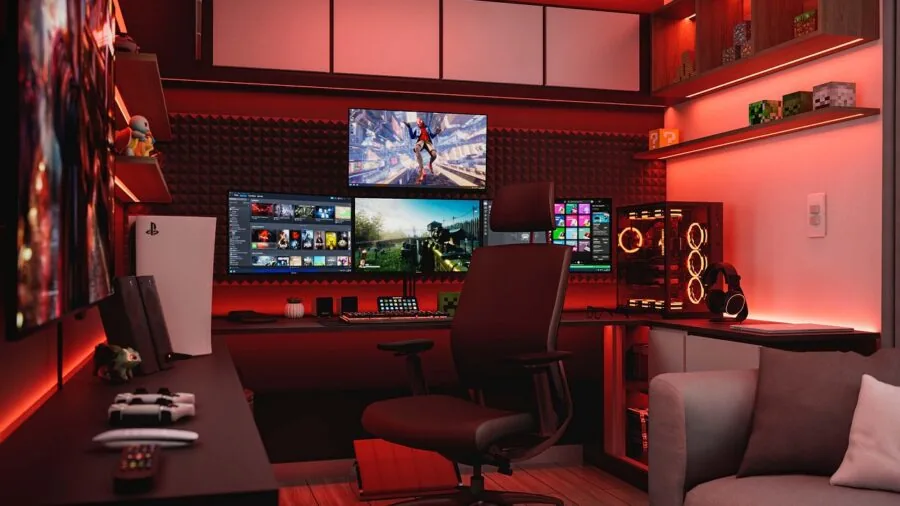
The gaming headset market spans a wide range from entry-level budget options to flagship premium models with active noise cancellation and swappable batteries.
At the budget end, wired headsets deliver the most consistent value because there are no wireless components to drive up manufacturing cost.
The HyperX Cloud Alpha has remained a consensus best-value wired recommendation across expert publications for years because its dual-chamber driver design and aluminum build punch significantly above its price tier.
Mid-range wireless models around the $65.00 – $199.99 tier represent the sweet spot for most gamers. At this price, you get 2.4GHz low-latency wireless, solid mic quality, and enough battery life to last a week of daily use without anxiety.
The SteelSeries Arctis Nova 5 Wireless and the Razer BlackShark V3 Wireless both compete aggressively at this level and are frequently cited by expert reviewers as the best value-per-feature headsets currently available.
Buying a capable gaming chair alongside a mid-range headset typically yields a better overall session experience than over-spending on audio alone at the expense of posture support.
Premium headsets justify their price through features like active noise cancellation, hi-res audio certification, dual-wireless connectivity, or broadcast-quality microphones. These are worth the investment for streamers, content creators, or serious audiophiles who also game.
For most recreational players, the performance ceiling of mid-range wireless models is more than sufficient and leaves budget for other peripherals.
For comparison, the world of everyday listening also rewards careful research, as our coverage of noise cancelling headphones and wireless earbuds shows how quickly the market has matured.
Why You Should Trust Us
ProductFind is an independent review publication. We do not work for any headset manufacturer, accept sponsored placements, or let advertiser relationships influence our rankings.
Every product in this roundup was assessed using our consistent PF Score methodology: a 0 to 10 scale that weighs audio quality, microphone performance, wireless latency and reliability, comfort and build quality, platform compatibility, and overall value.
We do not conduct our own product trials; our evaluations are grounded in research, published data, expert review consensus, and verified buyer feedback.
Our research process draws on publicly available specifications from manufacturers, consensus findings synthesized from multiple independent expert publications, and patterns identified across verified buyer reviews from confirmed purchasers on major retail platforms.
When expert reviewers and verified buyers converge on the same strengths or weaknesses for a given product, that consensus carries significant weight in our scoring.
Where expert and buyer sentiment diverge, we investigate why and note the discrepancy in our analysis.
ProductFind may earn an affiliate commission when you purchase through links on this page. That relationship has no bearing on which products are included, how they are ranked, or what PF Score they receive.
Our editorial independence is the foundation of the trust readers place in our recommendations, and we protect it rigorously. If a product no longer represents good value, we update our rankings accordingly regardless of affiliate economics.
Final Thoughts
After evaluating the full lineup across sound quality, microphone clarity, wireless performance, comfort, and value, the field breaks down into clear roles.
Whether you need the most feature-complete wireless package, the longest battery life in the category, or the best wired value you can buy, there is a strong pick here for your use case.
Here are our top category awards based on PF Score and verified performance consensus:
- Best Overall: SteelSeries Arctis Nova 5 Wireless earns the top overall spot with the highest PF Score in this roundup, combining tri-mode wireless connectivity, an extensive library of audio presets, ClearCast Gen 2.X mic technology, and excellent multi-platform compatibility in a package that expert reviewers and verified buyers consistently praise for its out-of-the-box audio tuning.
- Best for Battery Life: HyperX Cloud Alpha Wireless is the consensus pick for gamers who refuse to think about charging, with extraordinary standby battery performance that multiple expert publications cite as a category benchmark, backed by dual-chamber driver audio quality and a noise-canceling detachable mic.
- Best for Multi-Platform Flexibility: Razer BlackShark V3 Wireless delivers simultaneous 2.4GHz and Bluetooth connectivity alongside super-wideband microphone technology and wide platform support including PC, PS5, Nintendo Switch, and mobile, making it the most versatile pick for gamers who move between devices throughout the day.
- Best Wired Value: HyperX Cloud Alpha remains a benchmark wired pick with a dual-chamber driver design and durable aluminum frame that punches well above its budget price tier, earning strong long-term reliability ratings from verified buyers across years of ownership.
- Best for Open-Back Audiophile Sound: Sony INZONE H6 Air takes a fundamentally different approach with its open-back wired design, prioritizing a natural, spacious sound stage over isolation, appealing to gamers who want audiophile-adjacent presentation and are willing to trade passive noise blocking for a wider, more immersive stereo image.
Regardless of which tier fits your budget, the gaming headset market in 2026 offers genuinely strong options at every level.
For most players, a mid-range wireless model with solid mic quality, at least 40 hours of battery, and multi-platform support will cover every gaming context without compromise.
If your setup is still coming together, a well-chosen ergonomic gaming chair and a dedicated gaming surface make long sessions far more sustainable than audio gear alone can achieve.
Frequently Asked Questions
Are Wireless Gaming Headsets Good Enough for Competitive Play?
Yes, for the vast majority of competitive players. Top-tier 2.4GHz wireless gaming headsets now deliver latency under 20ms, which is well below the threshold of human auditory perception.
The latency difference between wired and 2.4GHz wireless is practically irrelevant at the amateur and semi-professional level.
Only players competing at the highest professional tiers where every millisecond counts should consider wired exclusively, and even then, the consensus among competitive professionals has shifted significantly toward wireless in recent years.
Bluetooth, however, is a different story. Standard Bluetooth audio introduces more latency than 2.4GHz and is best reserved for casual listening or taking calls rather than active gaming.
Models with simultaneous 2.4GHz and Bluetooth support give you the best of both worlds without compromising in-game responsiveness.
Do I Need Virtual Surround Sound for Gaming?
Virtual surround sound processing, such as DTS Headphone:X or Dolby Atmos for Headphones, can enhance perceived directionality and spatial depth in supported titles, particularly in open-world games and cinematic single-player experiences.
For competitive FPS titles, however, many experienced players and audio engineers argue that well-tuned stereo audio with a wide sound stage provides more accurate positional cues than virtual surround processing, which can smear transients and reduce the precision of directional localization.
The best approach is choosing a headset that supports both modes and toggling between them based on game type. Most premium and mid-range models now offer this flexibility through companion software or onboard controls.
If you are also investing in broader audio gear for your home, a quality Bluetooth speaker covers casual listening outside gaming sessions.
What Is the Difference Between Open-Back and Closed-Back Gaming Headsets?
Closed-back headsets seal the ear cup against your head, providing passive noise isolation and preventing audio from leaking into your microphone.
This makes them the practical choice for most gaming environments, especially shared spaces or anywhere microphone bleed would be disruptive. The tradeoff is a more intimate, sometimes slightly compressed sound stage.
Open-back headsets use perforated or grille-covered ear cups that allow air and sound to pass freely. This creates a wider, more natural sound stage that audiophiles prize but at the cost of isolation.
You hear your environment clearly, and people near you hear your audio.
The Sony INZONE H6 Air in this roundup is a rare open-back gaming headset, and it appeals to a specific niche of gamers who prioritize sound stage over everything else.
For most players in typical gaming setups, closed-back remains the right default choice.
How Do I Know If a Gaming Headset Works with My Console?
Platform compatibility depends on the connection method. Headsets using a 3.5mm analog jack work universally across PS5, PS4, Xbox Series X/S, Xbox One, Nintendo Switch, and mobile devices as long as the controller or device has a 3.5mm port.
USB-connected headsets using a wireless dongle typically support PC and PlayStation natively; Xbox requires either a dedicated Xbox USB-A port adapter or a headset explicitly certified for Xbox wireless protocol.
Before purchasing, verify the specific platform list in the product description rather than assuming universal USB compatibility. All eight headsets in this roundup include platform compatibility details in their product listings.
If you want to explore how gaming headsets compare to general-purpose audio gear for similar budgets, our coverage of over-ear headphones provides useful context on what you gain and give up by choosing a gaming-specific model.
Is RGB Lighting Worth Paying For in a Gaming Headset?
RGB lighting on a gaming headset is purely aesthetic and contributes nothing to audio performance, microphone quality, or comfort. Whether it is worth the cost premium depends entirely on whether the visual effect matters to your setup.
Headsets with RGB, like the Logitech G733 Lightspeed, often carry a slight premium that funds the lighting hardware and software integration rather than audio component quality.
If budget is a consideration, prioritizing driver quality, microphone performance, and battery life over RGB will consistently return better gaming audio value. RGB makes more sense as a secondary consideration once core performance criteria are satisfied.
For gamers investing in a full aesthetic setup, coordinating lighting across peripherals can be satisfying, but it should never drive the purchase decision at the expense of the criteria that directly affect your gaming experience.
About the author
Pat is a reviewer and writer for ProductFind who specializes in Audio & Headphones. Pat evaluates products through independent research: specifications, expert review consensus, and verified buyer feedback, and rates each one on the PF Score. Pat focuses on helping readers pick the right audio & headphone for their needs and budget.