The 10 Best Podcast Microphones
Choosing a podcast microphone means matching capsule type, connection, and controls to your actual recording space. Here are the strongest picks across every tier.
 By Pat Shelton
Updated July 23, 2026
By Pat Shelton
Updated July 23, 2026
A good microphone can be the single biggest upgrade you make to your podcast. Even a modest improvement in audio quality, fewer room echoes, cleaner vocal reproduction, keeps listeners engaged and signals professionalism before you’ve said a word.
The market now spans everything from plug-and-play USB mics for bedroom creators to broadcast-grade dynamic capsules built for serious studios, with options from Shure, Audio-Technica, FIFINE, and MAONO covering every skill level and budget.
Knowing which features actually matter for your recording environment, and which are marketing noise, can save you from an expensive mistake.
At ProductFind, we researched the current landscape of podcast microphones by synthesizing published specifications, expert review consensus from audio professionals, and verified buyer feedback across thousands of real-world recording setups.
The result is a shortlist of the strongest performers across price tiers, connection types, and use cases. Whether you record solo commentary, roundtable interviews, or live streams, the picks below give you a clear starting point.
| Award | Product | PF Score About PF ScoreThe PF Score is our own rating from 0 to 10, based on performance, design and build, ease of use, and value. It reflects independent research and is never influenced by manufacturers, retailers, or affiliate commissions. Learn more › | Price | |
|---|---|---|---|---|
| Best Overall |
 Shure MV7+ Dynamic Podcast Microphone with USB-C & XLR
|
9.1/10 | Buy | |
| Editor's Pick |
 Shure MV7 USB/XLR Dynamic Microphone
|
8.7/10 | Buy | |
| Best Value |
 MAONO PD200W Hybrid Wireless Podcast Microphone
|
8.4/10 | Buy | |
| Top Rated |
 Shure MV6 USB-C Gaming Microphone
|
7.9/10 | Buy | |
 FIFINE K688 USB/XLR Dynamic Microphone with Boom Arm
|
7.3/10 | Buy | ||
 Audio-Technica AT2035 Cardioid Condenser Microphone
|
7.2/10 | Buy | ||
 FIFINE K688 Dynamic Microphone with XLR/USB
|
7.1/10 | Buy | ||
 FIFINE AM8 USB/XLR Dynamic Microphone
|
7.0/10 | Buy | ||
 MAONO A04 USB Condenser Mic, 192kHz/24Bit
|
6.8/10 | Buy | ||
 ZealSound K66 USB Podcast Microphone with Noise Reduction
|
5.9/10 | Buy |
Shure MV7+ Dynamic Podcast Microphone with USB-C & XLR
The MV7+ is a dual-output dynamic mic designed for podcasters and streamers who need flexible connectivity and built-in audio processing. It combines OBS certification, real-time noise reduction, and a customizable LED panel to simplify setup across different broadcasting platforms.
Pros
- Dual USB-C and XLR outputs eliminate need for external interfaces or adapters
- Advanced noise reduction and voice isolation reduce ambient distractions in untreated rooms
- Auto Level Mode simplifies gain management without manual adjustment during recording
- LED touch interface provides visual feedback and intuitive mute control
- OBS integration certification ensures seamless streaming compatibility
Cons
- No verified buyer reviews available to assess real-world reliability and performance consistency
- Auto Level Mode may not suit users who prefer manual gain control in all situations
- Requires MOTIV Mix app for full feature access, adding software dependency
Shure MV7 USB/XLR Dynamic Microphone
A dual-interface dynamic mic built for podcasters, streamers, and content creators who need both USB and XLR connectivity. Features onboard DSP voice isolation, headphone monitoring, and all-metal construction for durability.
Pros
- Dual USB and XLR outputs for flexible setup and future upgrading
- Built-in headphone output with adjustable gain for direct monitoring
- Onboard DSP with voice-isolating technology reduces background noise
- All-metal construction designed for longevity
- TeamSpeak certified for streaming and gaming applications
Cons
- No customer reviews available to validate real-world performance claims
- Relatively heavy at 1.3 pounds may require sturdy boom arm or stand
- Premium pricing typical for professional-grade USB/XLR hybrid mics
MAONO PD200W Hybrid Wireless Podcast Microphone
A versatile dynamic microphone offering three connectivity options (wireless, USB, XLR) with studio-quality sound and dual-mic support for podcast interviews. Built-in noise cancellation and a 60-hour battery make it practical for content creators working without soundproof spaces.
Pros
- Hybrid connectivity eliminates cable constraints while maintaining professional XLR option
- Dual-mic recording to separate tracks simplifies podcast and interview post-production
- Extended 60-hour battery life reduces frequent charging needs
- Three-stage noise cancellation handles untreated rooms effectively
- MaonoLink app provides accessible sound tuning without requiring audio interface knowledge
Cons
- Camera and Lightning accessories for video sync sold separately, adding extra cost
- No verified buyer reviews available to assess real-world reliability
- Wireless range of 60m requires clear line-of-sight, may not work reliably through walls in larger spaces
Shure MV6 USB-C Gaming Microphone
A plug-and-play USB-C microphone designed for streamers and podcasters, the MV6 combines Shure's cardioid capsule with voice isolation technology to minimize background noise. Real-time DSP features like auto-leveling and a tap-to-mute button make it straightforward for gaming and streaming setups.
Pros
- Built-in voice isolation and noise reduction make it effective in untreated spaces without extra gear
- Zero-latency monitoring lets you hear yourself in real time while streaming or gaming
- Smart DSP processing (auto-level, denoiser, popper stopper) handles audio balancing automatically
- MOTIV Mix app provides granular control over monitoring mix and microphone settings
Cons
- No verified buyer reviews available to confirm real-world performance in different environments
- Cardioid pattern may require careful mic placement to avoid capturing side noise in tight desk setups
- USB-C only; no analog XLR output for professional recording chains or mixer integration
FIFINE K688 USB/XLR Dynamic Microphone with Boom Arm
A dual-connectivity podcast mic designed for streaming and voice work, combining USB convenience with professional XLR options. The cardioid pattern and included boom arm with shock mount help minimize background noise and vibrations for cleaner recordings.
Pros
- Flexible connectivity allows seamless switching between USB for gaming and XLR for mixer-based setups
- Durable metal construction on boom arm and suspension system reduces unwanted vibrations during recording
- Cardioid pattern and included noise suppression tools (windscreen, shock mount) deliver noticeably cleaner vocal capture
- Headphone jack with volume control enables real-time monitoring without external hardware
- Straightforward controls for USB mode make it accessible to beginners while supporting professional workflows
Cons
- Function keys on the microphone are disabled when using XLR connection; all control must happen via the mixer or audio interface instead
- Optimal recording distance of 2 to 6 inches requires microphone discipline and proximity awareness to maintain consistent input levels
- No reviews available yet to validate real-world performance in various recording environments and setups
Audio-Technica AT2035 Cardioid Condenser Microphone
A large-diaphragm condenser mic built for studio, podcast, and streaming work with cardioid isolation and high SPL handling. The included shock mount and switchable high-pass filter make it practical for home setups seeking professional sound without extensive gear.
Pros
- Cardioid pattern effectively rejects off-axis noise for cleaner recordings
- Large diaphragm produces smooth, natural tone suited to vocals and instruments
- Custom shock mount included, eliminating need for separate purchase
- High-pass filter and pad switches offer useful control without external gear
- High SPL capacity handles loud sources without distortion
Cons
- No user reviews available yet to assess real-world performance and reliability
- Requires XLR audio interface or mixer, not a plug-and-play USB option
- Specifications lack detail on frequency response range and exact SPL threshold
FIFINE K688 Dynamic Microphone with XLR/USB
A dual-connection dynamic mic built for podcast and vocal recording with cardioid noise rejection and 130dB SPL handling. Best suited for home studio users who want both XLR stability and USB convenience without investing in separate gear.
Pros
- Clean metal construction with directional cardioid pattern for vocal clarity
- Both XLR and USB outputs eliminate need to buy multiple microphones
- Real-time monitoring and headphone volume control for voice-over work
- Includes windscreen and shock mount to manage plosives and desk vibration
- Long 8.2ft USB cable enables flexible desk positioning
Cons
- Boom arm, mic stand, and XLR cable sold separately despite frequent home studio use
- Mute, gain control, and monitoring features only work via USB connection, not XLR
- No verified buyer reviews available to assess real-world durability or audio performance
FIFINE AM8 USB/XLR Dynamic Microphone
A dual-connection dynamic mic designed for podcasters, streamers, and content creators who want flexibility between USB plug-and-play and XLR studio setups. Features cardioid pickup, RGB lighting, and monitoring controls, though some conveniences are USB-only.
Pros
- Balanced frequency response (50Hz-16KHz) suitable for vocals and speech
- USB connection requires no audio interface or mixer setup, ideal for beginners
- Controllable RGB with saved preferences eliminates repeated setup
- Headphone monitoring jack allows real-time audio feedback during recording
- Works with PS5 via USB-A connection on console
Cons
- RGB lighting, mute button, headphone jack, and gain controls are inactive when using XLR connection
- XLR cable not included, requires separate purchase and audio interface or mixer
- No verified customer reviews available to assess real-world performance
MAONO A04 USB Condenser Mic, 192kHz/24Bit
A budget-friendly USB condenser microphone designed for podcasters, streamers, and remote workers who want studio-quality audio without extra hardware. Ships with a complete accessory bundle including boom arm, shock mount, and pop filter.
Pros
- All-in-one package eliminates need for separate accessories
- High sampling rate and flat frequency response suited for podcast and voice work
- True plug-and-play setup works across multiple operating systems
- Strong anti-interference design with shielded cable and magnet ring
- Sturdy boom arm and shock mount provide stable, hands-free positioning
Cons
- Not compatible with Xbox despite PS4/5 support
- Does not work with Maono Link software, limiting advanced feature access without upgrading to A04 Gen2
- Rating shown as 4.6 stars with zero verified reviews, so real-world performance data is limited
ZealSound K66 USB Podcast Microphone with Noise Reduction
A cardioid USB microphone built for podcasters and streamers, featuring intelligent noise reduction, zero-latency monitoring, and plug-and-play compatibility across Windows, Mac, and mobile devices. The K66 includes physical controls for gain, monitoring volume, and echo adjustment, plus a complete accessory kit for immediate setup.
Pros
- Comprehensive accessory package and multi-device compatibility eliminate setup friction for creators switching between desktop and mobile
- Physical control knobs allow real-time audio adjustments without software, useful for live streaming and quick level corrections
- Noise Reduction Mode specifically addresses common home office distractions like keyboard and fan noise
- Zero-latency monitoring lets you catch audio issues before recording, reducing post-production fixes
- Compact, stable design with rotatable positioning suits various desk setups and recording angles
Cons
- No verified customer reviews available to assess real-world performance or reliability feedback
- Echo control is analog and may require experimentation to dial in for different voice types and spaces
- Limited to cardioid pattern with no option for omnidirectional or figure-8 modes, constraining flexibility for multi-speaker recording
Podcast Microphones Buying Guide
Picking a podcast microphone involves more nuance than most people expect.
The “best” mic is always the one that matches your voice, your room, and your workflow, not the one with the highest price tag or the most impressive spec sheet.
The sections below walk through the criteria that matter most, so you can match each feature to your actual recording situation.
USB vs. XLR: Choosing the Right Connection Type

This is the first decision every new podcaster faces. USB microphones connect directly to a computer or tablet with no extra gear required, which makes them ideal for solo creators working at a desk.
They have onboard analog-to-digital converters, and modern options from Shure and MAONO deliver surprisingly clean results straight out of the box.
If you’re just starting out or record from a single location, a USB mic removes a lot of friction from your workflow.
XLR microphones output an analog signal and require an audio interface or mixer to feed audio into your computer.
The trade-off is real flexibility: you can upgrade your interface independently of your microphone, add multiple inputs for co-hosted shows, and access more granular gain and EQ control in hardware.
Many of the mics in this guide, including several FIFINE models and the Shure MV7+, support both USB and XLR outputs simultaneously, which is a smart middle ground for podcasters who want room to grow without committing to a full studio setup on day one.
If you already own a decent audio interface or plan to expand into multi-person recording, a dedicated XLR mic or a dual-output model will give you more long-term value. For everyone else, USB is the practical default.
Dynamic vs. Condenser: Capsule Type and Room Sensitivity
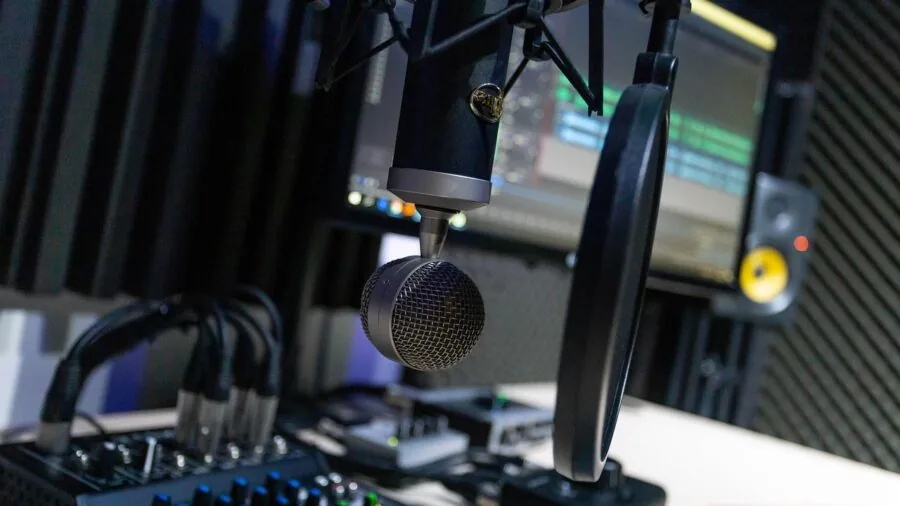
Dynamic microphones use a moving coil to convert sound to signal and are considerably less sensitive to ambient noise.
That makes them the go-to choice for untreated home offices, spare bedrooms, and anywhere with live road noise, HVAC hum, or reverb-heavy walls.
The Shure MV7+ and MV6, along with several FIFINE models, use dynamic capsules precisely because most podcasters don’t record in acoustically treated studios.
A dynamic mic rewards you for speaking close to the capsule while naturally rolling off distant room noise.
Condenser microphones, such as the Audio-Technica AT2035, use a charged diaphragm and are far more sensitive. They capture extraordinary detail and airiness in a controlled environment, which is why they dominate voiceover studios and broadcast booths.
That sensitivity becomes a liability in untreated spaces, where the mic will pick up every keyboard click, fan, and distant street noise with equal enthusiasm.
A straightforward rule: if your recording space is acoustically treated or quiet enough to sit in silence for ten seconds without noticing a background sound, a condenser mic is worth considering.
If it’s not, a dynamic capsule will almost always produce cleaner final recordings.
Just as you’d think carefully about pairing gaming headsets with the right platform, matching your mic type to your room is the single most impactful compatibility decision you’ll make.
Polar Pattern and Rejection: What the Mic Hears
Almost every podcast microphone uses a cardioid polar pattern, which captures sound in a heart-shaped zone directly in front of the capsule and rejects audio arriving from the sides and rear.
This is the right pattern for solo recording and for minimizing room reflections. When you see terms like “voice isolation” or “hypercardioid,” the manufacturer is describing a tighter version of this front-focused pickup that rejects even more off-axis sound.
For roundtable podcasts with multiple guests, some creators opt for omnidirectional mics or bidirectional figure-8 patterns, but these require a treated room to work well. For everything in this guide, cardioid is the practical standard.
Where voice-isolating technology is called out by a brand, verify whether it’s achieved through capsule design, DSP processing, or both, as DSP-based isolation can introduce latency or artifacts if pushed aggressively.
Built-In Controls and Monitoring
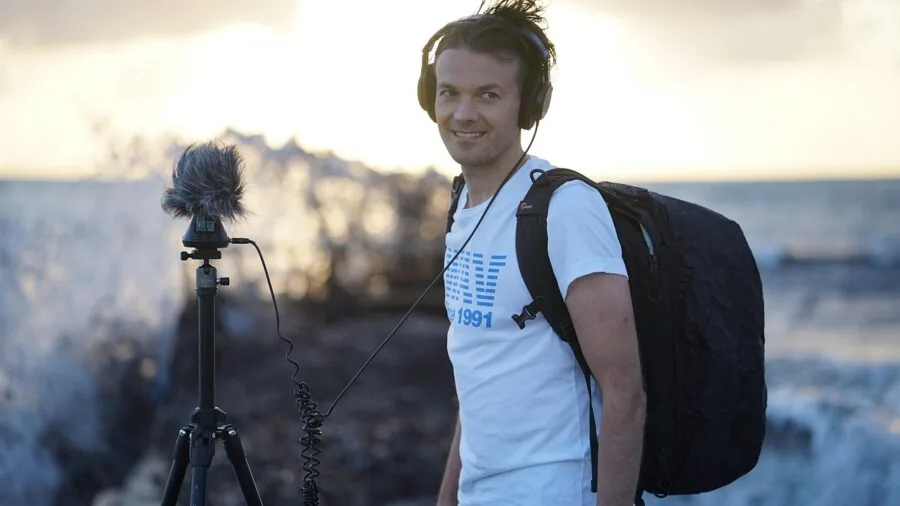
Zero-latency headphone monitoring is a feature worth prioritizing.
It lets you hear your own voice directly from the microphone without the delay introduced by routing audio through software, which makes a real difference when you’re recording long-form episodes and want natural feedback on your delivery.
Several mics in this guide include a headphone jack for this purpose, and it’s a feature that matters more in practice than most spec comparisons suggest.
Physical mute buttons and gain knobs on the mic body are similarly practical. Reaching into software to mute mid-recording is clunky; a tactile mute switch on the microphone body is faster and more reliable.
The Shure MV7+ goes a step further with a touch-sensitive LED panel that handles gain, mute, and headphone volume directly on the mic.
For FIFINE’s AmpliGame AM8, the addition of RGB lighting is mainly cosmetic, but the physical controls underneath it are genuinely useful for streaming setups where you may be managing multiple inputs at once.
Auto Level Mode, available on Shure’s MV7+ and MV6, is worth mentioning separately.
It continuously adjusts gain to keep your vocal level consistent even if you shift position or vary your delivery, which is a meaningful quality-of-life feature for solo podcasters who don’t want to monitor levels throughout a session.
Companion Software and DSP Processing
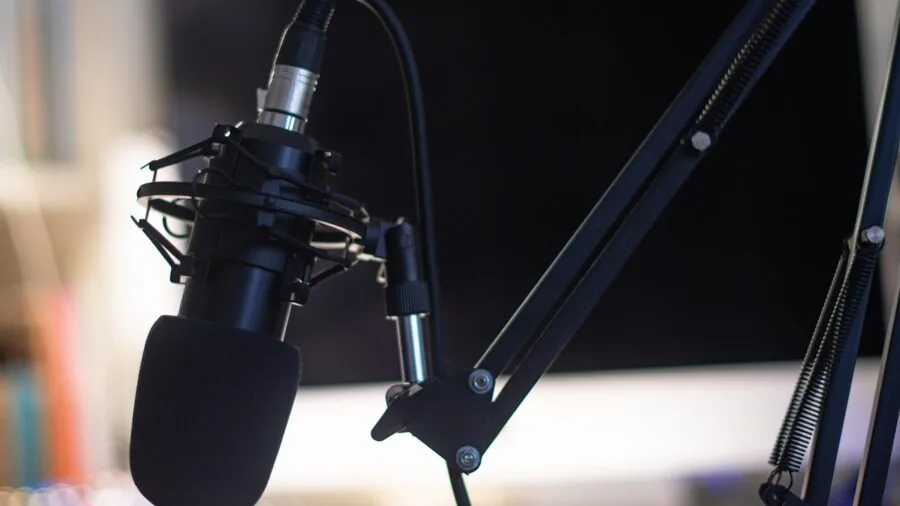
Several microphones in this guide ship with companion apps that extend hardware controls into software.
Shure’s MOTIV app and ShurePlus MOTIV platform, MAONO’s Maono Link, and similar tools offer parametric EQ, compression, limiting, and noise cancellation settings that you can dial in once and save as a preset.
For podcasters who want a consistent sound across sessions without manual adjustments, these apps reduce the need for post-production processing in your DAW or editing software.
That said, software-based noise cancellation can introduce artifacts if over-applied, especially on voices with sibilance or low fundamental frequencies.
The safer approach is to use hardware noise rejection (tight polar pattern, close-mic technique) as your first line of defense and treat software DSP as a polish layer, not a fix for a bad recording environment.
Think of it the same way you’d approach noise cancelling headphones: the algorithm works best when paired with a fundamentally good acoustic situation.
Build Quality, Stand Configuration, and Wireless Options
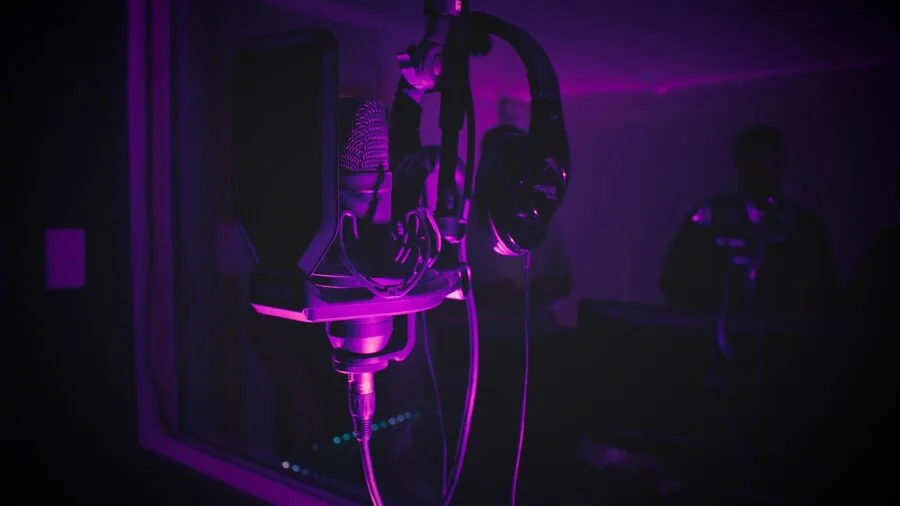
An all-metal chassis is more than an aesthetic preference. It resists the micro-vibrations that travel through a desk, reduces handling noise, and survives years of regular use.
Shure has built its reputation on durable construction, and both the MV7+ and MV6 carry that tradition forward.
FIFINE’s K688 and AmpliGame AM8 punch above their price tier with largely metal builds that feel more substantial than the plastic competition in the same budget range.
For mobile recording, the MAONO PD200W introduces a 2.4GHz wireless connection alongside USB-C and XLR outputs, with a battery rated for extended sessions.
Wireless podcast recording is still a niche use case, but for creators who move between locations or want to record without a cable tethered to a laptop, it addresses a real gap in the market.
A boom arm bundle (like the FIFINE K688CT kit) is worth considering if you plan to mount the mic off your desk entirely, as this eliminates a major source of vibration and keystroke noise and keeps your workspace clearer.
Pairing a solid mic with well-organized audio gear at your gaming desk or workstation can make long recording sessions significantly more comfortable.
Why You Should Trust Us
ProductFind is an independent review publication. We do not accept products from brands for review consideration, and we do not allow advertising relationships to influence editorial decisions.
Every microphone in this guide was assessed using the same consistent framework across four dimensions: technical specifications and published acoustic data, expert review consensus drawn from audio professionals and industry publications, verified buyer feedback from confirmed purchasers across major retail platforms, and pricing and value analysis relative to competing options in the same tier.
Each product receives a PF Score on a 0 to 10 scale that reflects its overall standing across these dimensions.
We do not conduct our own product trials; our evaluations are grounded in research, published data, expert review consensus, and verified buyer feedback.
That methodology means our assessments are not influenced by how a product performs for a single reviewer in a single acoustic environment, but rather by the weight of consistent findings across many independent sources.
ProductFind may earn a commission when you purchase through links in this article. That affiliate relationship has no effect on rankings, PF Scores, or which products are included. Our editorial selections reflect research quality, not commission rates.
We cover a wide range of audio and personal technology categories, from over-ear headphones to wireless earbuds, with the same independent standard applied throughout.
Final Thoughts
The podcast microphone market in 2026 offers genuinely strong options at every price tier, and the picks in this guide reflect that. Below are the standout performers by category, based on PF Score and the research criteria described above.
- Best Overall: Shure MV7+ earns the top PF Score in this roundup by delivering broadcast-grade dynamic performance through both USB-C and XLR outputs, with a touch LED control panel, Auto Level Mode, and OBS certification that makes it equally at home in a podcast studio or a live streaming setup.
- Best Versatile Mid-Range Pick: Shure MV7 remains one of the most recommended podcast microphones at its tier, combining a voice-isolating dynamic capsule, USB and XLR dual outputs, and Shure’s proven build quality into a package that suits creators ready to invest in a setup that will last. The MV7 consistently earns high marks from audio professionals and long-term users alike.
- Best Wireless Podcast Microphone: MAONO PD200W stands out as the only option in this guide offering 2.4GHz wireless alongside USB-C and XLR connections, backed by companion software with a 5-band EQ, limiter, and compressor. It scores strongly for creators who need mobile flexibility without sacrificing studio-quality monitoring or a reliable power solution on the go.
- Best for Streamers and Gamers: Shure MV6 pairs dynamic voice isolation with Auto Level Mode, DSP audio control, and USB-C connectivity in a compact form factor built for desk setups. Its combination of automatic gain management and zero-latency headphone monitoring makes it a natural fit for streamers who need consistent audio without manual intervention during a session.
- Best Budget-Friendly Dynamic Mic: FIFINE K688 delivers a genuine dynamic capsule with USB/XLR dual output, a physical mute button, and headphone monitoring at a budget-accessible price. Verified buyer feedback consistently highlights its punchy vocal reproduction and solid all-metal chassis relative to its cost, making it the strongest entry-level recommendation for podcasters recording in untreated rooms.
Across the full list, the right pick depends on your recording environment, your connection preferences, and how much post-production you’re willing to do.
A dynamic mic in a noisy room will almost always beat a condenser mic in the same space.
If your audio chain is still coming together, pairing your microphone with quality monitoring headphones or earbuds with accurate reproduction will help you catch recording issues before they become editing problems.
Frequently Asked Questions
Do I need an audio interface to use a podcast microphone?
Not if you choose a USB microphone. USB mics have onboard converters and connect directly to a computer or tablet. If you choose an XLR-only microphone, you will need an audio interface or mixer to convert the analog signal.
Several mics in this guide, including the Shure MV7, MV7+, and multiple FIFINE models, offer both USB and XLR outputs so you can start without an interface and add one later.
Is a dynamic or condenser microphone better for podcasting at home?
For most home recording environments, a dynamic microphone is the better starting point. Dynamic capsules reject ambient noise, room reflections, and background hum far more aggressively than condenser mics, which are considerably more sensitive to everything in the environment.
Condenser microphones shine in acoustically treated spaces and can capture more detail and air in a controlled room, but they’ll expose every imperfection in a typical home office or bedroom setup.
What is zero-latency monitoring and why does it matter for podcasters?
Zero-latency monitoring lets you hear your own voice through a headphone jack on the microphone itself, bypassing the delay introduced when audio travels through your computer’s processing chain.
That round-trip delay (even a few milliseconds) can be distracting during long recording sessions and affects your natural delivery.
Microphones with a direct headphone jack, like the FIFINE K688 and the Shure MV7+, let you monitor in real time without any audible lag, which is particularly valuable when recording interview-style episodes or narration that requires consistent pacing.
Can I use a podcast microphone for streaming and gaming?
Yes. Most of the microphones in this guide are explicitly designed for dual use across podcasting, streaming, and gaming. The Shure MV7+ holds OBS certification and is widely used by streamers.
The FIFINE AmpliGame AM8 includes RGB lighting and a mute button designed for streaming desks. The Shure MV6 was built with streamers as a primary audience.
If you also use a headset for gaming sessions, our coverage of gaming headsets can help you decide whether a standalone mic or an integrated headset solution fits your setup better.
How do I reduce background noise without expensive acoustic treatment?
The most effective low-cost approach is microphone technique. Speaking close to a dynamic cardioid capsule (roughly a fist’s width away) maximizes direct vocal pickup and puts ambient noise well below the mic’s detection threshold.
A boom arm that isolates the mic from desk vibrations helps significantly. Hanging heavy curtains, recording in a walk-in closet lined with clothing, or placing soft furnishings behind your recording position all reduce reflections meaningfully.
Software DSP tools (available in the companion apps for MAONO and Shure mics) can remove residual noise in post, but they work best as a finishing layer rather than a primary fix.
Good noise cancelling headphones during editing also help you catch problems before publishing.
What should I look for in a podcast microphone kit?
A good microphone kit bundles the mic with a boom arm, shock mount, and sometimes a pop filter or windscreen.
The main benefit is that a boom arm decouples the microphone from your desk surface, which eliminates typing and surface vibration noise that a standard desktop stand transmits directly to the capsule.
The FIFINE K688CT kit is the standout bundle in this guide, pairing the K688’s solid dynamic capsule with a functional boom arm at a price that remains accessible for first-time podcasters.
When evaluating kits, prioritize the quality of the boom arm’s tension mechanism and the mic’s own specifications over the marketing language around the bundle.
About the author
Pat is a reviewer and writer for ProductFind who specializes in Audio & Headphones. Pat evaluates products through independent research: specifications, expert review consensus, and verified buyer feedback, and rates each one on the PF Score. Pat focuses on helping readers pick the right audio & headphone for their needs and budget.