The 8 Best Surround Sound Systems
Channel count, Dolby Atmos support, and subwoofer quality all shape which surround sound system actually delivers. Here are the top picks across every budget and setup type.
 By Pat Shelton
Updated July 23, 2026
By Pat Shelton
Updated July 23, 2026
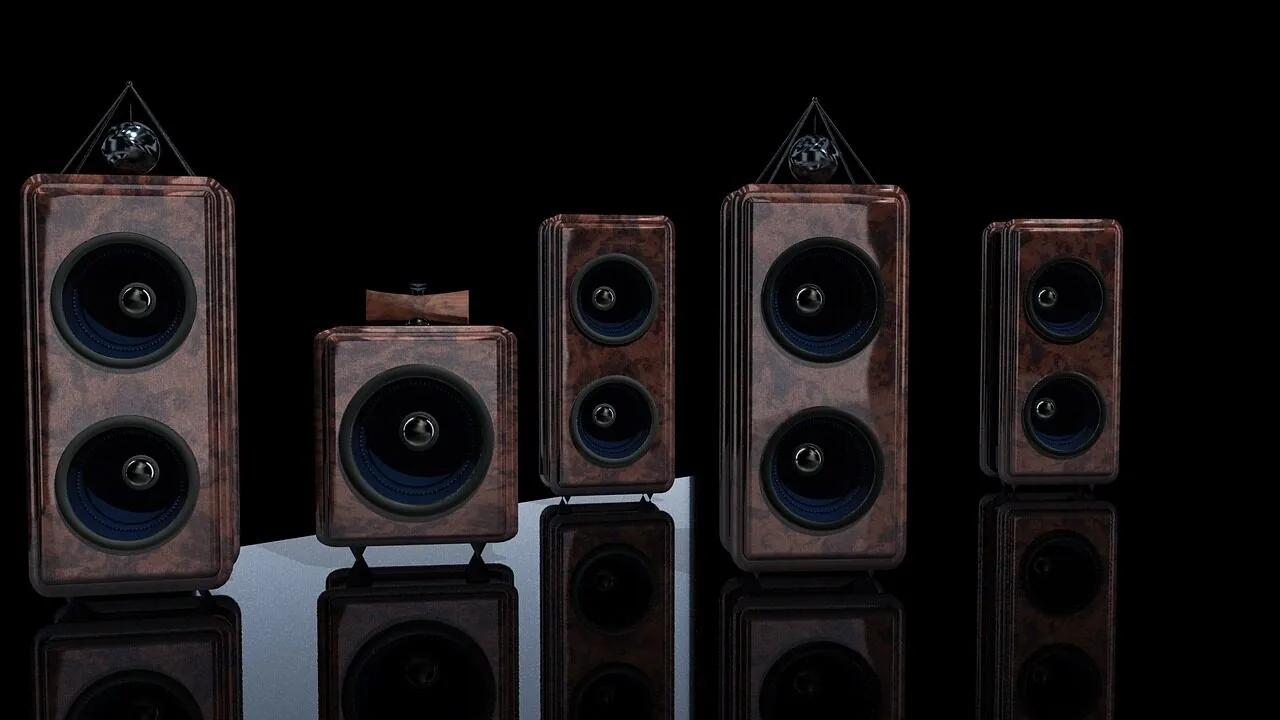
A great surround sound system transforms your living room into a genuine home cinema, placing you inside the action rather than simply listening to it from a distance.
Whether you are after the room-filling immersion of a full 5.1 channel speaker package with an AV receiver, or the cleaner installation of a soundbar system with wireless rear speakers and a subwoofer, the options available right now span every budget and room size.
The category has matured considerably, with Dolby Atmos and DTS:X support now accessible at mid-range price points, and wireless connectivity making cable management far less painful than it once was.
At ProductFind, we researched every major configuration, from compact all-in-one soundbar bundles to dedicated multi-channel component systems, by analyzing manufacturer specifications, synthesizing expert review consensus across audio publications, and weighing verified buyer feedback to surface the picks that genuinely deliver on their promises.
If you have already decided on a simpler two-channel setup, our coverage of soundbars for every room and budget might be the better starting point.
Otherwise, scroll down for our ranked top picks, each evaluated and scored on the ProductFind PF Score scale.
| Award | Product | PF Score About PF ScoreThe PF Score is our own rating from 0 to 10, based on performance, design and build, ease of use, and value. It reflects independent research and is never influenced by manufacturers, retailers, or affiliate commissions. Learn more › | Price | |
|---|---|---|---|---|
| Best Overall |
 Yamaha YHT-5960U 5.1 Home Theater System with 8K HDMI
|
8.6/10 | Buy | |
| Editor's Pick |
 Sony BRAVIA Theater System 6 5.1ch Soundbar
|
8.5/10 | Buy | |
| Best Value |
 Nakamichi Shockwafe 9.2.4 Dolby Atmos Soundbar
|
8.4/10 | Buy | |
| Top Rated |
 JBL Bar 800 5.1.2 Soundbar with Wireless Subwoofer
|
8.3/10 | Buy | |
 Yamaha YHT-4950U 5.1 Home Theater System
|
7.8/10 | Buy | ||
 ULTIMEA Skywave F40 5.1.2ch Soundbar with Dolby Atmos
|
7.4/10 | Buy | ||
 ULTIMEA Aura A60 7.1ch Dolby Atmos Soundbar
|
7.2/10 | Buy | ||
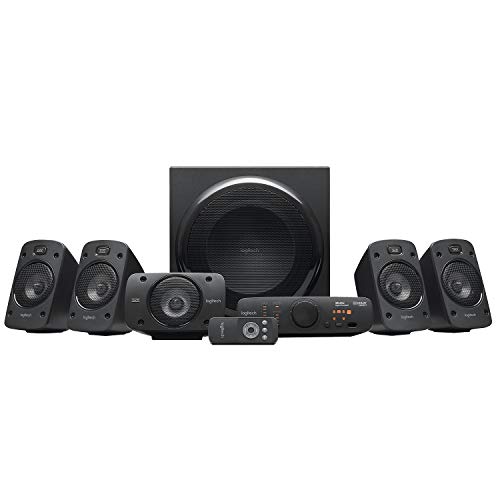 Logitech Z906 5.1 Surround Sound Speaker System
|
6.5/10 | Buy |
Yamaha YHT-5960U 5.1 Home Theater System with 8K HDMI
Yamaha's 5.1-channel system delivers 80 watts of surround sound with modern connectivity via 8K60 and 4K120 HDMI 2.1 support, plus gaming features like ALLM and VRR. YPAO automatic calibration simplifies setup for mixed-use living rooms.
Pros
- Future-proof HDMI 2.1 connectivity with 8K60, 4K120AB, and eARC support
- Gaming-ready with ALLM (Auto Low Latency Mode) and VRR (Variable Refresh Rate)
- YPAO automatic room calibration handles speaker placement acoustics
- Dolby Vision and Dolby Atmos support for premium streaming and disc content
- Matched speaker wire included for each channel
Cons
- No user reviews available to assess real-world reliability or performance consistency
- 5.1 configuration lacks height channels for immersive Dolby Atmos object-based audio
- 80-watt output may require supplemental subwoofer for larger rooms
Sony BRAVIA Theater System 6 5.1ch Soundbar
A full 5.1 surround setup that integrates seamlessly with Sony BRAVIA TVs, delivering cinematic sound with Dolby Atmos and DTS:X support. Best suited for home theater enthusiasts who want a complete system without separate purchases.
Pros
- All-in-one package eliminates need for separate component purchases
- BRAVIA TV integration offers seamless control and Voice Zoom 3 for dialogue enhancement
- Supports premium audio formats for streaming services and cinema content
- Music upscaling feature restores acoustic detail across different content types
Cons
- No verified user reviews available to confirm real-world performance and reliability
- Requires compatible BRAVIA TV to unlock full integration features
- Wireless connectivity limited to Bluetooth only, no mention of WiFi or other streaming protocols
Nakamichi Shockwafe 9.2.4 Dolby Atmos Soundbar
A premium 9.2.4 surround system with dual 10-inch wireless subwoofers and four modular satellite speakers delivering 360-degree immersion. Best suited for dedicated home theater setups with space for multiple components and cable runs between speakers and subs.
Pros
- Dual subwoofer design minimizes bass localization and fills room more evenly than single-sub alternatives
- Full 9.2.4 configuration with genuine surround speakers rather than simulated surround effects
- HDMI eARC with 4K HDR and Dolby Vision pass-through preserves video quality
- Flexible speaker configuration allows customization for different room layouts
Cons
- Satellite speakers connect via RCA cables to subwoofers, not wireless, requiring cable management planning
- Substantial footprint and weight distribution across five components makes placement planning essential
- No verified customer reviews available to assess real-world reliability or user satisfaction
JBL Bar 800 5.1.2 Soundbar with Wireless Subwoofer
A premium soundbar system delivering true Dolby Atmos 3D sound through up-firing drivers and detachable wireless surrounds, plus a 10-inch subwoofer for theater-grade bass. Built-in Wi-Fi, voice control integration, and 720W output make it suited for serious home theater setups.
Pros
- True Dolby Atmos implementation with dedicated up-firing drivers for authentic 3D height channels
- Wireless surround speakers offer flexibility without cable clutter, powered by internal batteries
- Robust 720W system output provides substantive power for movies and music across room sizes
- Comprehensive streaming ecosystem built-in (AirPlay, Alexa Multi-Room, Chromecast) with 300+ service compatibility
- HDMI eARC connection simplifies setup while supporting 4K video passthrough
Cons
- No verified user reviews available to assess real-world reliability or long-term performance
- Detachable surrounds require battery management and occasional recharging for uninterrupted use
- Premium positioning may limit appeal to budget-conscious buyers despite feature set
Yamaha YHT-4950U 5.1 Home Theater System
A complete 5.1 surround setup from Yamaha with 4K HDMI support and Bluetooth streaming, designed for straightforward living room installation. Includes receiver, five speakers, and subwoofer with room optimization calibration.
Pros
- Complete all-in-one system eliminates separate purchasing decisions
- Automatic room optimization through YPAO calibration
- Low standby power consumption at 0.2W maximum
- 4K passthrough supports modern video sources
Cons
- No wireless speaker functionality, all connections require cables
- No waterproof rating limits placement flexibility
- Zero verified buyer reviews limit real-world performance data
ULTIMEA Skywave F40 5.1.2ch Soundbar with Dolby Atmos
A premium soundbar system featuring 5.1.2 channels with upward-firing Atmos speakers and dual rear surrounds for immersive overhead sound. Best suited for home theater enthusiasts seeking multi-dimensional audio without separate component installation.
Pros
- True 5.1.2 channel setup delivers genuine overhead sound effects through dedicated height drivers
- Advanced spatial algorithms and dual rear speakers create convincing 360° surround field
- HDMI eARC preserves more audio detail than standard ARC, with CEC TV sync functionality
- Extensive app-based customization including surround level adjustment and 121 EQ presets
- Bluetooth 5.4 offers faster pairing and stronger interference resistance than previous generations
Cons
- No user reviews available yet, limiting real-world performance validation for the 2026 model
- Not compatible with DTS audio format, limiting source material options
- Requires separate app for full customization rather than physical controls for EQ adjustments
ULTIMEA Aura A60 7.1ch Dolby Atmos Soundbar
A 7.1-channel soundbar system with four surround speakers and Dolby Atmos that delivers immersive home theater audio. The Ultimea App provides extensive EQ customization with 121 presets, and HDMI-eARC ensures lossless audio transmission for compatible TVs.
Pros
- Complete surround system in one package with rear wireless speakers reducing cable management
- Extensive audio tuning options across 121 presets and customizable EQ modes for different content types
- HDMI-eARC support ensures highest-quality audio transmission compared to standard ARC
- Dolby Atmos creates genuinely immersive 3D soundscape for home theater environments
Cons
- No customer reviews yet to verify real-world performance and build quality
- Setup complexity with four surround speakers may require wall mounting or placement planning
- Recommended for spaces 108-270 sq ft, limiting suitability for very large or small rooms
Logitech Z906 5.1 Surround Sound Speaker System
THX-certified 5.1 surround system delivering 500 watts continuous power with THX certification for home theater quality. Supports multiple input types and six simultaneous device connections, making it versatile for PC gaming, movies, and console play.
Pros
- THX certification ensures calibrated cinema-grade sound reproduction
- Powerful subwoofer and satellite configuration delivers rich bass and immersive surround
- Exceptional flexibility with six input types and multi-device switching capability
- Supports Dolby Digital and DTS formats without additional processing required
- Signal-to-noise ratio exceeds 95dB for clean audio output
Cons
- No customer reviews available to verify real-world reliability and setup ease
- Heavy system at 33 pounds requires substantial desk or furniture space and careful placement
- Non-waterproof design limits placement flexibility in temperature-sensitive environments
Surround Sound Systems Buying Guide
Choosing the right surround sound setup comes down to more than peak wattage or channel count. Room layout, source devices, preferred content types, and tolerance for installation complexity all shape which system will actually work best for you.
The sections below cover the factors that matter most, drawn from our research across specifications, audio expert consensus, and real-world buyer experience.
System Type: Speaker Package vs. Soundbar System

The fundamental fork in the road is whether you want a traditional discrete speaker package (typically an AV receiver paired with floor-standing or bookshelf speakers, a centre channel, surrounds, and a subwoofer) or a soundbar-based system that bundles most of the hardware into fewer, simpler components.
Traditional speaker packages offer the highest ceiling for audio fidelity and long-term upgrade flexibility, making them the preferred choice for dedicated home cinema rooms.
Systems like the Yamaha YHT-5960U and YHT-4950U represent this category well, delivering calibrated multi-channel performance with proper room correction in a relatively approachable package.
Soundbar-based surround systems, such as the JBL Bar 800, Sony BRAVIA Theater System 6, and Nakamichi Shockwafe 9.2.4, trade a small measure of stereo separation for dramatically easier setup.
Wireless rear speakers and a wireless subwoofer eliminate most of the cable runs that make traditional installs daunting in open-plan living rooms.
If your priority is a clean look and a genuinely immersive result without routing cables under rugs, a premium soundbar system is a very credible alternative.
For apartment listening where volume is a constraint, you might also consider pairing a solid soundbar with a quality set of Bluetooth speakers for secondary rooms.
Budget-friendly bundles like the ULTIMEA Aura A60 and Skywave F40 sit in a third tier: genuine multi-channel layouts at accessible price points, with some compromises in driver quality and dynamic range.
They are worth considering if you want Dolby Atmos in a smaller room without a large outlay.
Channel Configuration and Dolby Atmos / DTS:X

Channel notation like 5.1, 5.1.2, or 9.2.4 tells you a lot about what a system can do. The first number is the count of horizontal speakers (front left, centre, front right, surround left, surround right). The second number is subwoofers.
The third number, when present, refers to height channels, either up-firing drivers or overhead speakers, which are required for object-based audio formats like Dolby Atmos and DTS:X.
If you watch a lot of modern streaming content or Blu-ray releases, Atmos support is increasingly worth prioritising. The format adds genuine height cues, so a thunderstorm sounds like it is above you rather than simply around you.
The Nakamichi Shockwafe 9.2.4 is the most ambitious configuration in our list, with four height channels and dual subwoofers, making it one of the most spatially capable soundbar systems at this price tier.
The JBL Bar 800 and Sony BRAVIA Theater System 6 both offer 5.1.2 Atmos configurations with detachable or dedicated rear speakers, striking a balance between channel count and practical installation.
For gaming specifically, Atmos and DTS:X also improve directional accuracy in competitive titles. If gaming audio is a priority alongside movies, consider pairing your setup with a good set of gaming headsets for late-night sessions where speaker volume would be disruptive.
Subwoofer Performance and Bass Management
Bass output is one of the most viscerally impactful elements of a home cinema system, and subwoofer quality varies enormously across price points.
Driver size, enclosure type, and amplifier power all affect how low a sub will reach and how cleanly it handles transients.
Larger drivers (10 inches and up) generally extend lower in frequency and move more air, which is why systems with 10-inch or 12-inch subwoofers command a premium.
The Nakamichi Shockwafe 9.2.4 ships with dual 10-inch subwoofers, which is unusual at any price and delivers a notably physical low-end experience confirmed across expert reviews.
The Yamaha YHT-5960U and YHT-4950U include tuned subwoofers matched to their receiver’s bass management presets, providing clean and controlled output rather than maximum slam.
If you live in an apartment or share walls with neighbours, a system with adjustable crossover and subwoofer volume is worth prioritising over raw power, since you need to tune the sub down without losing midrange coherence.
Wireless subwoofers, offered by the JBL Bar 800, Sony BRAVIA Theater System 6, and the ULTIMEA systems, remove one of the most frustrating aspects of surround setup: running a cable from the AV rack to a corner of the room.
Most wireless subs pair automatically and maintain a latency-free connection, though placement flexibility remains subject to power outlet availability.
Connectivity: HDMI eARC, Bluetooth, and Wi-Fi

HDMI eARC (enhanced Audio Return Channel) is the single most important connection standard to check for in 2026.
It allows a modern TV to send lossless Dolby Atmos and DTS:X audio back to your soundbar or receiver over a single HDMI cable, replacing the older optical connection that stripped away object-based audio metadata.
If your TV has an HDMI eARC port (most sets released in the last few years do), confirm that your chosen surround system supports it. All of the soundbar systems in our list include HDMI eARC.
Wi-Fi integration, available on the JBL Bar 800, Sony BRAVIA Theater System 6, and the Yamaha receiver-based systems, adds multi-room audio, streaming service access, and voice assistant compatibility.
The JBL Bar 800 supports Apple AirPlay, Google Chromecast, and Alexa Multi-Room Music simultaneously, making it one of the most versatile in terms of ecosystem integration.
Bluetooth is present across the entire list and is useful for casual music playback from a phone, though it typically does not carry lossless audio.
For those building a broader connected home audio setup, a surround system with Wi-Fi can serve as the anchor for portable Bluetooth speakers in other rooms, routing audio from the same source across the house.
Room Size, Placement, and Acoustic Considerations

Output power matters in context rather than in isolation. A 300W system in a small apartment listening room can be overkill, while a 1,000W+ system in a large, acoustically untreated space might still struggle to fill the room evenly.
Before focusing on wattage, consider the square footage of your space, ceiling height, and how much soft furnishing (sofas, curtains, rugs) is present to absorb reflections.
Traditional speaker packages like the Yamaha YHT-5960U include automatic room calibration, which uses a microphone to measure your room’s acoustic response and adjust frequency curves accordingly.
This is especially valuable in irregular room shapes or in spaces with hard, reflective surfaces.
Soundbar systems typically offer a more curated set of equalizer presets (movie, music, game, night modes) rather than full parametric room correction, which means placement and surface treatment have a larger effect on the final result.
If you are setting up a dedicated viewing space, think about how the surround system integrates with the rest of the room. A tidy cable management plan and the right furniture layout matter as much as the speakers themselves.
A well-chosen ergonomic chair positioned at the proper listening distance from your screen, with speakers at ear level, will do more for perceived audio quality than chasing marginal spec differences between models at the same price point.
Budget Tiers: What to Expect at Each Price Level

Entry-level surround systems in our list, specifically the two ULTIMEA models, sit at an accessible budget price point and offer genuine multi-channel Dolby Atmos layouts with wireless subwoofers and app control.
Expert consensus and verified buyer feedback confirm they are a meaningful step up from a basic two-channel soundbar, though dynamic range and overall refinement trail the premium picks.
They suit smaller rooms and listeners who are new to surround sound and want to experience the format before committing to a larger investment.
The mid-range tier, anchored by the Yamaha YHT-4950U and JBL Bar 800, represents the best balance of performance, features, and value for most buyers.
These systems handle demanding film content convincingly, integrate well with modern TVs via eARC, and include enough connectivity to stay relevant as streaming platforms expand their immersive audio libraries.
The Logitech Z906, while aimed at PC desktop use rather than a living room cinema, remains a capable 5.1 desktop system with THX certification for listeners who want surround audio at their workstation.
The premium tier, covering the Sony BRAVIA Theater System 6, Nakamichi Shockwafe 9.2.4, and Yamaha YHT-5960U, commands a higher outlay and rewards it with noticeably improved resolution, dynamics, and feature sets.
If you are investing at this level, it is also worth thinking about the overall listening environment, since speakers at this quality tier will reveal room acoustic issues that cheaper systems mask.
For outdoor audio to complement an indoor cinema setup, waterproof Bluetooth speakers are a practical companion for patio or garden use.
Why You Should Trust Us
ProductFind is an independent review platform. We do not manufacture, sell, or distribute any of the products we cover, and our editorial team operates separately from our commercial relationships.
Every product in this article was assessed using a consistent research framework: we analyzed technical specifications from manufacturer and retailer data, synthesized expert review consensus from audio-focused publications, and incorporated verified buyer feedback from confirmed purchase reviews to understand real-world performance beyond what spec sheets reveal.
We do not conduct our own product trials; our evaluations are grounded in research, published data, expert review consensus, and verified buyer feedback.
Each product receives a PF Score on a scale of 0 to 10, generated by weighting criteria relevant to the category, including channel configuration, codec support, connectivity, subwoofer quality, room calibration, and value relative to the competition.
Products are ranked by PF Score so that the strongest overall option appears first.
ProductFind may earn an affiliate commission when you purchase through links in this article. That commercial relationship has no influence on which products are included, how they are ranked, or what PF Score they receive.
Our recommendations are editorially independent and based solely on the quality of each product relative to its peers.
Final Thoughts
After evaluating every system in this lineup against consistent criteria, the right choice depends heavily on what kind of listener you are and what your room demands. Here is how we would assign the key distinctions across the group:
- Best Overall: Yamaha YHT-5960U Home Theater System earns the top PF Score in this lineup for combining 8K-ready HDMI passthrough, MusicCast multi-room networking, calibrated 5.1 channel performance, and a feature set that positions it well above comparable receiver-based alternatives. It is the most complete home theater package in the group for buyers who want a long-term investment.
- Best Premium Soundbar System: Sony BRAVIA Theater System 6 delivers Sony’s mature audio processing in a 5.1 channel soundbar bundle with dedicated rear speakers and a subwoofer. Expert consensus singles out its dialogue clarity and seamless integration with BRAVIA TVs, making it the strongest soundbar pick for Sony TV owners and anyone who wants premium sound without a traditional receiver setup.
- Best for Maximum Immersion: Nakamichi Shockwafe 9.2.4 stands apart for its dual-subwoofer, four-height-channel configuration, which is genuinely unusual at this price. Buyers who want the most spatially ambitious soundbar system available, with Dolby Atmos and DTS:X handled by a 9.2.4 layout, will find it hard to match elsewhere in the mid-to-upper price tier.
- Best Mid-Range Pick: JBL Bar 800 earns recognition for balancing a competitive 5.1.2 Atmos layout with detachable surround speakers, a wireless 10-inch subwoofer, and one of the widest ecosystem connectivity options in its class, including AirPlay, Chromecast, and Alexa. It suits buyers who want flexibility without stepping into premium pricing.
- Best Budget Entry Point: ULTIMEA Aura A60 7.1ch offers the most channels and spatial audio coverage for listeners working with a modest budget. It is not without compromises in refinement, but for a first proper surround sound experience in a small-to-medium room, it delivers genuine value and Dolby Atmos support at a price most competitors cannot match.
Whichever tier you are shopping in, the systems here represent the strongest options available based on our research. If your audio journey extends beyond the living room, our coverage of over-ear headphones and noise cancelling headphones covers personal listening in equal depth.
Frequently Asked Questions
What is the difference between a 5.1 and a 5.1.2 surround sound system?
A 5.1 system has five horizontal speakers (front left, centre, front right, and two surround channels) plus one subwoofer. A 5.1.2 system adds two height channels, either up-firing drivers built into the soundbar or separate overhead speakers.
Those height channels are what enable Dolby Atmos and DTS:X to render audio as three-dimensional objects above you rather than simply around you.
If you watch a lot of Atmos-encoded streaming or Blu-ray content, the .2 height layer makes a meaningful difference to immersion.
Do I need an AV receiver, or can a soundbar system match it?
An AV receiver with discrete speakers still holds the ceiling for audio fidelity, long-term upgradeability, and room calibration sophistication. However, premium soundbar systems have closed the gap considerably.
For most living room setups where complete cable installation is impractical, a well-chosen soundbar system with wireless rear speakers and a wireless subwoofer will deliver a genuinely cinematic result without the complexity.
The Yamaha YHT-5960U represents the receiver-based approach done accessibly; the Sony BRAVIA Theater System 6 and Nakamichi Shockwafe 9.2.4 show how capable the soundbar-based route has become.
Is HDMI eARC necessary, or can I use an optical cable instead?
Optical connections are limited to compressed audio formats and cannot carry lossless Dolby Atmos or DTS:X.
If your content source and TV both support HDMI eARC, using it is strongly recommended because it passes the full uncompressed audio signal to your surround system. All soundbar systems in our list include HDMI eARC.
If your TV only has an older ARC port (not eARC), you can still connect and receive Dolby Atmos in its compressed Dolby Digital Plus form, which is a noticeable step down from the lossless version but still far better than stereo optical output.
How important is subwoofer size for a home cinema setup?
Driver size directly affects how low a subwoofer can reach and how much air it can move. Larger drivers (8 to 12 inches) generally produce deeper, more physical bass without excessive distortion at high volumes.
For large rooms or for listeners who watch action-heavy content, a 10-inch or larger sub makes a real difference.
In smaller apartments, an 8-inch driver with a well-tuned enclosure can be more practical, since excessive bass energy in a small reflective space creates more problems than it solves.
Always check whether the system allows subwoofer volume and crossover adjustments so you can tune it to your room.
Can I use a surround sound system for music as well as movies?
Yes, and systems with Wi-Fi streaming built in (the JBL Bar 800, Sony BRAVIA Theater System 6, Yamaha YHT-5960U) make music playback particularly convenient via AirPlay, Chromecast, or a companion app.
Traditional receiver-based systems excel at stereo music playback because they handle the signal chain more transparently. Soundbar systems with dedicated music modes typically apply EQ tuning to compensate for the format’s inherent limitations in stereo separation.
For critical music listening in particular, pairing a surround system with a quality set of wireless earbuds for personal sessions gives you the best of both worlds.
What should I look for if I am setting up surround sound in a small apartment?
In a compact space, prioritise a system with a night mode or dialogue enhancement feature, adjustable subwoofer output, and wireless rear speakers so you avoid cable runs across a small floor plan.
Systems with wall-mount compatibility for the rear units are also worth seeking out. The ULTIMEA Skywave F40 and Aura A60 are specifically suited to smaller rooms given their output levels and compact footprints.
Avoid over-specifying on peak wattage for a small room, since you will rarely use more than a fraction of the maximum output, and a well-calibrated mid-power system in a small space will always sound better than an oversized system pushed to low volume.
About the author
Pat is a reviewer and writer for ProductFind who specializes in Audio & Headphones. Pat evaluates products through independent research: specifications, expert review consensus, and verified buyer feedback, and rates each one on the PF Score. Pat focuses on helping readers pick the right audio & headphone for their needs and budget.