The 11 Best Action Cameras
From helmet cams to 360 rigs, action cameras have never been more capable. Here are the top picks for ruggedness, stabilization, and video quality across every budget.
 By Marian Wheeler
Updated July 23, 2026
By Marian Wheeler
Updated July 23, 2026

Action cameras have transformed how adventurers, travelers, and everyday creators capture their world.
Whether you’re mounting one to a helmet on a mountain bike trail, clipping it to a surfboard, or using it as a compact vlogging companion on a city trip, today’s action cameras deliver image quality and stabilization that would have seemed extraordinary just a few years ago.
The market has never been more competitive, with standout options from DJI, Insta360, GoPro, and AKASO covering every budget and use case from entry-level to professional-grade 8K spherical video.
This guide cuts through the noise to help you find the right action camera for your specific needs.
ProductFind’s editorial team researched specifications, analyzed expert review consensus from across the industry, and synthesized verified buyer feedback to assemble a ranked list of the best action cameras available right now.
Each pick below has been carefully vetted and scored using our PF Score system. Scroll down to see our top picks.
| Award | Product | PF Score About PF ScoreThe PF Score is our own rating from 0 to 10, based on performance, design and build, ease of use, and value. It reflects independent research and is never influenced by manufacturers, retailers, or affiliate commissions. Learn more › | Price | |
|---|---|---|---|---|
| Best Overall |
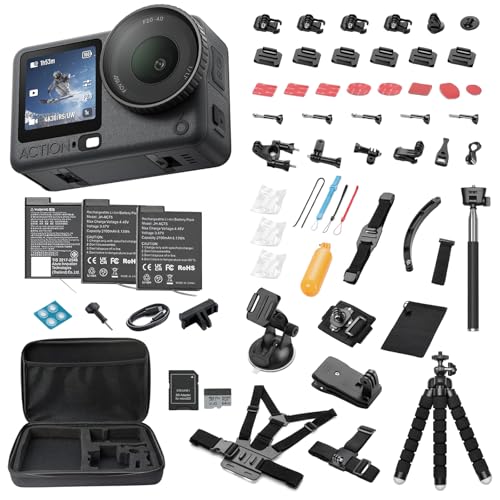 DJI Osmo Action 6 8K Waterproof Camera Bundle
|
9.3/10 | Buy | |
| Editor's Pick |
 Insta360 X5 8K 360° Action Camera
|
8.6/10 | Buy | |
| Best Value |
 Insta360 X5 8K 360° Action Camera
|
8.8/10 | Buy | |
| Top Rated |
 DJI Osmo Action 5 Pro Essential Combo 4K Camera
|
8.3/10 | Buy | |
 DJI Osmo Action 5 Pro Hiking Bundle
|
8.2/10 | Buy | ||
 GoPro Hero12 Black 5.3K Action Camera
|
8.2/10 | Buy | ||
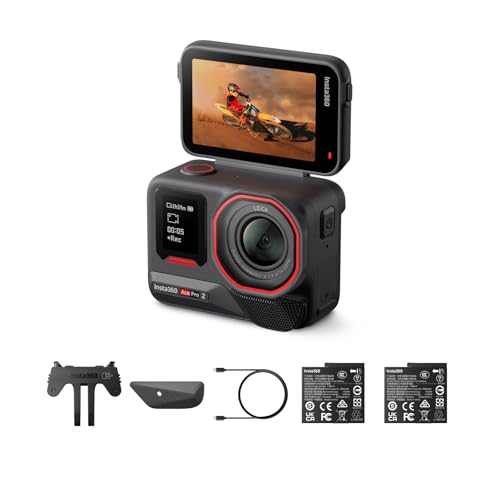 Insta360 Ace Pro 2 8K Action Camera with Leica Lens
|
8.1/10 | Buy | ||
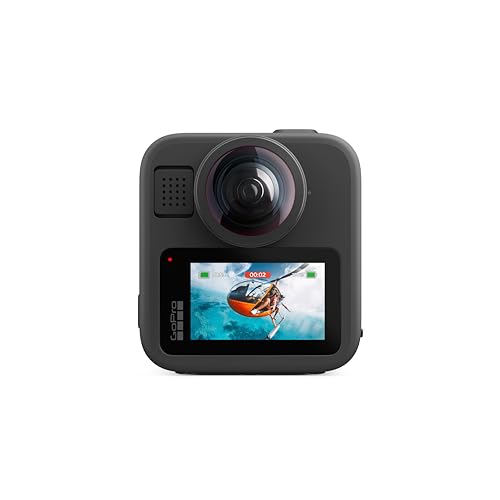 GoPro MAX2 8K 360 Action Camera
|
8.4/10 | Buy | ||
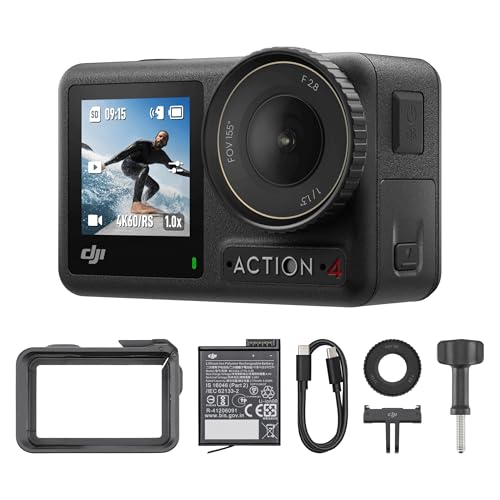 DJI Osmo Action 4 Essential Combo 4K Camera
|
7.9/10 | Buy | ||
 GoPro HERO10 Black 5.3K Action Camera
|
7.8/10 | Buy | ||
 AKASO EK7000 4K Action Camera with EIS
|
5.5/10 | Buy |
DJI Osmo Action 6 8K Waterproof Camera Bundle
This bundle pairs DJI's 8K action camera with two extra batteries, a 64GB card, and accessory kit for extended shooting sessions. Variable aperture and advanced stabilization suit vloggers and adventure creators, though the 4.6 rating reflects limited verified buyer feedback.
Pros
- 1/1.1-inch square sensor delivers sharp 8K detail with vibrant colors
- Multiple stabilization modes preserve motion feel while correcting horizon drift
- 4-hour battery life with cold-resistant design
- Built-in 50GB storage reduces memory card swaps during adventures
- Comprehensive bundle includes essentials for immediate use
Cons
- No verified buyer reviews available to validate real-world performance claims
- Requires additional DJI microphone transmitters for dual-audio feature
- 4K/60fps HorizonSteady limitation may not satisfy all stabilization needs
Insta360 X5 8K 360° Action Camera
A rugged 360-degree camera that shoots 8K30fps video with dual large sensors and excels in low-light conditions thanks to its triple AI chip design. Built-in stabilization, replaceable lenses, and AI-powered reframing make it ideal for adventure filmmakers and content creators who want flexible post-production editing.
Pros
- Exceptional 8K resolution in 360 degrees captures immersive detail with strong color and dynamic range
- Superior low-light performance through triple AI chip design reduces noise in dim or night conditions
- FlowState Stabilization and full Horizon Lock deliver smooth footage without requiring a gimbal
- Innovative invisible selfie stick and AI reframing allow flexible composition choices during post-production
- Fully replaceable lenses enable quick repairs and extended durability in rugged use
Cons
- No verified buyer reviews available to confirm real-world reliability or user experience
- 3-hour battery life may limit extended shooting sessions without spare batteries
- Steep learning curve for maximizing AI reframing and InstaFrame mode features
Insta360 X5 8K 360° Action Camera
A waterproof 360-degree camera with 8K resolution, advanced stabilization, and AI-powered editing tools designed for action sports and adventure content creators. The invisible selfie stick effect and replaceable lenses offer creative flexibility, though it requires separate purchase of a microSD card.
Pros
- Dual large sensors and triple AI processing deliver strong low-light performance and detailed 360° footage
- FlowState stabilization plus 360° horizon lock eliminates the need for external gimbals during action
- Invisible selfie stick and AI reframing allow you to choose perspectives during editing rather than live
- Waterproof rating of 49 feet enables diving and water sports without additional cases
- Replaceable lenses extend camera lifespan and reduce replacement costs versus fixed-lens designs
Cons
- No verified buyer reviews available, making real-world performance assessment difficult at launch
- MicroSD card sold separately adds to total cost and setup complexity
- Camera bundle weight of 3.1 pounds may feel substantial for extended handheld or drone mounting use
DJI Osmo Action 5 Pro Essential Combo 4K Camera
DJI's Osmo Action 5 Pro pairs a 1/1.3-inch sensor with 360-degree horizon stabilization and dual OLED touchscreens for vlogging and action sports. The Essential Combo offers a compact entry point, though it lacks the extra batteries and rod included in higher tiers.
Pros
- Large 2.4 µm pixels and 13.5-stop dynamic range excel in challenging lighting and high-contrast scenes
- Industry-leading 360-degree stabilization eliminates roll-axis shake, ideal for cycling and motorcycle footage
- Dual OLED screens on front and back enable easy composition and parameter tweaking without removing the camera
- Direct wireless mic connectivity eliminates receiver hassle for solo and vlogging workflows
- All-weather durability with IP68 rating, cold-weather performance, and reliable 4-hour runtime
Cons
- Essential Combo lacks curved adhesive base, extension rod, and extra batteries found in Standard and Adventure tiers
- No verified buyer reviews available yet to validate real-world performance claims
- Voice command effectiveness limited to one-meter range in noisy environments
DJI Osmo Action 5 Pro Hiking Bundle
A premium waterproof action camera with a 1/1.3" sensor and 360° stabilization, designed for vlogging and adventure capture. The hiking bundle includes extra battery, extension rod, and backpack mount for extended outdoor use.
Pros
- Exceptional low-light and dynamic range imaging with 2.4 μm pixels, suitable for hiking in varying conditions
- Advanced subject tracking keeps moving subjects centered in frame automatically
- Comprehensive accessories bundle adds value and readiness for outdoor adventures
- Dual touchscreens provide intuitive control and real-time frame preview
- Voice command capability enables hands-free operation during active use
Cons
- No user reviews available yet, limiting real-world performance validation
- 4-hour battery life may require the included extra battery for full-day hiking sessions
- Requires DJI Mic 2 or Mic mini as separate purchase for wireless audio upgrade
GoPro Hero12 Black 5.3K Action Camera
GoPro's flagship action camera delivers 5.3K60 video with Emmy-winning stabilization and up to 70 minutes of battery life, making it versatile for adventure sports and travel vlogging. The rugged, waterproof build and 360° horizon lock handle extreme conditions without a gimbal.
Pros
- Exceptional stabilization in shaky conditions, proven Emmy award winner
- Extended battery runtime with improved efficiency ideal for long shoots
- High resolution output captures fine detail across video and stills
- Waterproof design eliminates need for separate protective housing
- Generous field of view captures immersive POV footage
Cons
- No verified user reviews yet limit real-world reliability assessment
- Premium pricing puts it in high-end segment for casual users
- Slow-motion modes are limited to 2.7K resolution, not full 5.3K
Insta360 Ace Pro 2 8K Action Camera with Leica Lens
A premium action camera built with Leica optics and dual AI chips for processing power that delivers sharp 8K footage and impressive low-light performance. Best suited for adventure athletes and content creators who prioritize image quality and need professional-grade stabilization across demanding conditions.
Pros
- Dual AI chip setup delivers measurably stronger image processing and noise reduction compared to previous Insta360 models
- Leica optics and 13.5 stops of dynamic range produce noticeably sharp, color-accurate footage in varied lighting
- PureVideo mode for 4K60fps low-light shooting is a genuine strength for action cameras typically weak in darkness
- Flip touchscreen handles durability demands well, with 70% higher pixel density for better outdoor visibility
- Comprehensive bundle includes dual batteries, wind guard, and mounting accessories for immediate use
Cons
- No user reviews yet available to validate real-world performance claims or identify potential durability issues
- Premium positioning likely commands higher cost compared to standard action cameras, which may limit appeal to budget-conscious buyers
- Wind Guard and advanced AI features add processing complexity, raising questions about battery life under sustained 8K recording
GoPro MAX2 8K 360 Action Camera
A dual-mode 360 and traditional action camera that captures true 8K spherical video with the ability to reframe footage into standard 4K videos after shooting. The replaceable lens design and invisible mounting capability make it versatile for creative POV shots, though the lack of verified buyer reviews limits real-world performance insight.
Pros
- Captures everything in 360 without framing requirements, then reframe creatively in post
- Replaceable lenses save money and allow continued use in harsh conditions
- Invisible mounting creates unique perspective options impossible with standard cameras
- HyperSmooth stabilization with adjustable horizon correction after filming
- Compact and lightweight at 0.86 pounds with included battery and mounting accessories
Cons
- No verified buyer reviews available to assess real-world durability and performance
- 360 video workflow requires additional software step in GoPro Quik app for traditional output
- Premium-tier pricing may limit appeal for casual users only needing standard action footage
DJI Osmo Action 4 Essential Combo 4K Camera
A compact waterproof action camera with a large 1/1.3-inch sensor for clean low-light footage and 4K 120fps capture at 155 degrees. The Essential Combo skips the curved mount, making it ideal for vlogging and casual adventure recording at a lighter price point than the Standard version.
Pros
- Large sensor and pixel size eliminate grainy low-light footage common in smaller action cameras
- Dual full-color touchscreens eliminate guesswork when framing shots or adjusting settings
- Pre-Rec feature captures 5-60 seconds of footage before you press record, useful for spontaneous moments
- Cold-resistant battery and 18-meter waterproofing handle harsh outdoor conditions without additional cases
- Three stabilization modes keep vlogging and cycling footage smooth without gimbal setup
Cons
- No curved adhesive base included in Essential Combo, limiting mounting flexibility compared to Standard or Adventure versions
- Zero verified buyer reviews available to validate real-world performance claims
- Dual touchscreens increase power draw, potentially offsetting the 150-minute battery claim under active use
GoPro HERO10 Black 5.3K Action Camera
GoPro's latest flagship pairs a new GP2 processor with 5.3K60 video capture and dual LCD screens for smooth, high-resolution action footage. The HyperSmooth 4.0 stabilization and improved low-light performance make it a solid choice for adventure and sports videography, though there are no verified buyer reviews yet to validate real-world performance.
Pros
- 5.3K60 video at 23MP stills delivers notably higher resolution than previous HERO models
- GP2 processor enables double the frame rate and snappier touch controls
- HyperSmooth 4.0 stabilization with horizon leveling and low-light improvements
- Front and rear LCD screens for easier framing and monitoring
- Cloud storage integration with unlimited auto-upload via Quik app
- Compact at 0.7 pounds with waterproof design and hydrophobic lens cover
Cons
- No verified customer reviews available to assess durability or real-world reliability
- Premium pricing positions it above budget action cameras
- Requires separate purchase of accessories and mounts for most use cases
AKASO EK7000 4K Action Camera with EIS
Budget-friendly 4K action camera with electronic image stabilization, 131-foot waterproofing, and built-in Wi-Fi for quick sharing. Best suited for casual outdoor adventures and water sports where durability matters more than advanced features.
Pros
- Solid 4K video and 20MP photo capabilities at entry-level price point
- EIS technology reduces shakiness during fast movement or action scenes
- Strong waterproof rating makes it suitable for swimming, diving, and water sports
- Wi-Fi and app integration streamline content transfer and editing
- Lightweight and compact form factor for portability
Cons
- Wireless remote control is not waterproof, limiting underwater usability
- Wi-Fi range limited to 10 meters, restricting remote monitoring distance
- MicroSD card not included, requiring separate purchase for storage
- Zero verified customer reviews make real-world performance difficult to assess
Action Cameras Buying Guide
Choosing an action camera is more nuanced than picking the one with the highest resolution or the most recognizable brand.
The right camera depends on your activity type, how you plan to edit and share footage, and how much you want to spend. The six criteria below are what our research consistently identifies as the most consequential for real-world use.
If you’re also building out a broader adventure kit, pairing your camera with a quality adventure-ready backpack makes carrying all your gear significantly more comfortable on longer outings.
Video Resolution and Frame Rate
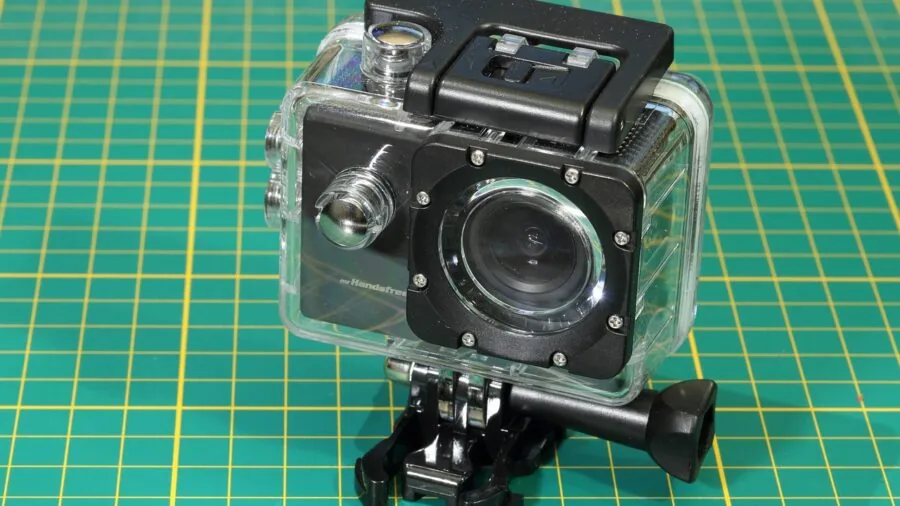
Resolution and frame rate are the headline specs, but understanding what they mean in practice is what matters. 4K at 30fps is widely considered the baseline for sharp, shareable footage today.
If you want smooth slow-motion, look for cameras that offer high frame rates at lower resolutions, such as 4K at 120fps or 1080p at 240fps, which gives you real flexibility in post-production.
8K video, now available on premium models from DJI and Insta360, is primarily useful for reframing and cropping in post, since most playback screens cannot display 8K natively.
If your goal is simply sharing footage on social platforms, 4K is more than sufficient and keeps file sizes manageable.
Where 8K earns its place is in cinematic projects or 360-degree capture, where the extra resolution compensates for the wide field of view and allows meaningful reframing.
For 360-degree cameras specifically, resolution requirements are even higher because the image wraps around an entire sphere before being projected flat. This is why top-tier 360 models like the Insta360 X5 push into the 8K range to maintain acceptable sharpness after projection.
Image Stabilization

Stabilization is arguably the single most important practical specification in an action camera, more so than raw resolution for most users. If your footage is unusably shaky, no amount of megapixels will save it.
All serious action cameras now include electronic image stabilization (EIS), but the quality varies enormously between brands and generations.
GoPro’s HyperSmooth and DJI’s RockSteady are widely recognized by expert reviewers as the two most effective EIS implementations on the market.
Both systems can handle walking, running, and even rough off-road cycling without producing the characteristic jello effect seen in weaker systems.
Insta360’s FlowState stabilization is similarly capable, particularly in 360-degree mode where the camera can draw on additional algorithmic data from the spherical image.
One important tradeoff to understand: aggressive EIS crops into the frame, reducing your effective field of view. Some cameras offer a “boost” or “max” stabilization mode that crops further in exchange for even smoother results.
Knowing when to dial stabilization up or down is a meaningful advantage for experienced users.
Waterproofing and Ruggedness
Most modern action cameras are waterproof to a meaningful depth without a housing, typically in the 10m to 20m range depending on the model. This makes them genuinely suitable for swimming, snorkeling, surfing, and kayaking without any additional accessories.
For diving beyond those depths, a dedicated dive housing is still required.
Beyond waterproofing, consider how the camera handles physical impacts and extreme temperatures.
Verified buyer feedback consistently highlights that lens protection is a real-world concern: scratched or cracked lenses are among the most common complaints, and cameras with replaceable lens covers or modular lens systems offer a meaningful long-term advantage here.
DJI and Insta360 both offer lens guard accessories, while Insta360’s replaceable lens design on the X5 is particularly well-regarded.
Low-Light Performance and Sensor Size

Action cameras have historically struggled in low light due to their small sensors, but recent generations have made meaningful strides.
Sensor size is the underlying driver of low-light capability: a physically larger sensor captures more light, which reduces noise in dim conditions.
The shift from the very small sensors of earlier action cameras to the 1/1.9-inch and 1/1.3-inch sensors now found in premium models represents a genuine qualitative improvement.
If you shoot at dawn, dusk, indoors, or in shadowed terrain like forest trails, low-light performance should be a primary consideration rather than an afterthought.
Expert reviewers consistently note that the gap between budget and premium action cameras is most visible in challenging light.
The Insta360 Ace Pro 2, co-engineered with Leica, is specifically noted for its leading low-light performance among traditional-style action cameras in this guide.
Traditional vs. 360-Degree Format
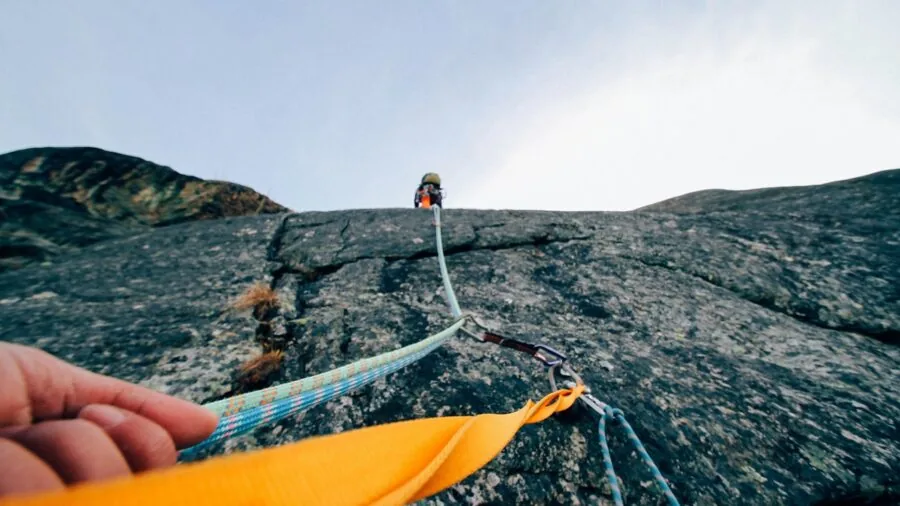
This is a choice that fundamentally reshapes how you capture and edit footage, and it’s worth thinking through carefully before buying. Traditional action cameras shoot a fixed field of view facing one direction, much like a conventional camera.
They are simpler to operate, produce files that are easier to edit on any platform, and tend to have slightly better image quality per dollar at equivalent price points because all sensor performance is focused on one lens.
360-degree cameras capture the entire environment simultaneously using dual fisheye lenses, which means you can choose your framing and camera angle after the fact in editing.
This is especially powerful for solo creators who cannot control where the camera is pointing during an activity. The “invisible selfie stick” effect, where the mount disappears in post-processing, is a popular creative tool.
The tradeoff is that editing 360 footage requires more powerful hardware and software, and the workflow is more complex for beginners.
Our guide to compact point-and-shoot cameras covers situations where an action camera format may not be the best fit, such as travel photography where image quality and versatility matter more than ruggedness.
Battery Life, Ecosystem, and Accessories
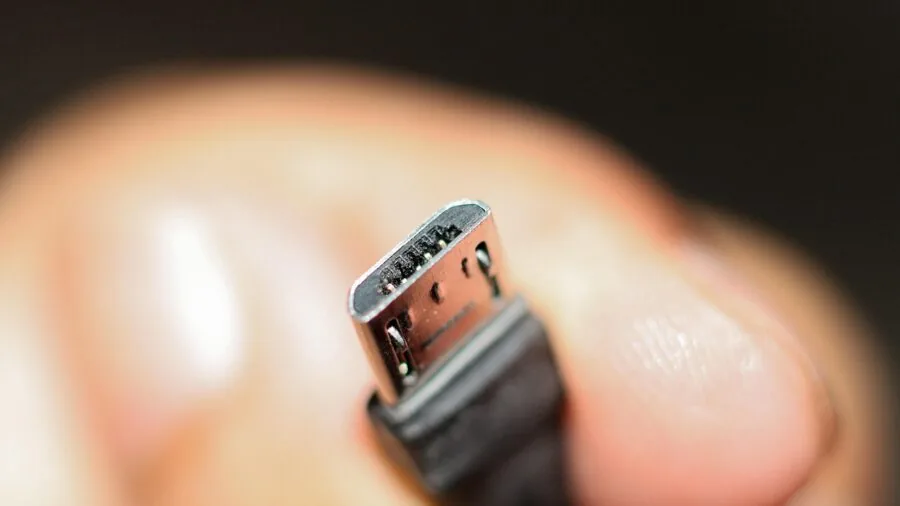
Battery life is one of the most practically important specs that gets underplayed in headline comparisons.
Most action cameras deliver between 70 and 150 minutes of continuous recording on a single charge under typical conditions, though shooting in high-resolution modes or in cold weather significantly reduces this.
If your activities run longer than an hour, the availability of spare batteries or a charging case is essential, not optional.
The accessory ecosystem matters more with action cameras than with almost any other camera category because the mount system, additional lenses, waterproof cases, and media mods directly determine what you can do with the camera.
GoPro has the broadest third-party accessory ecosystem by a wide margin, which is a genuine practical advantage. DJI and Insta360 have built out strong first-party ecosystems.
Budget brands like AKASO typically use standard mounting systems for basic compatibility but lack brand-specific premium accessories.
Also consider mobile app quality. All major brands offer companion apps for wireless transfer and basic editing, but the polish and reliability varies considerably.
Insta360’s app is widely praised in verified buyer reviews for its AI-assisted editing features, while GoPro’s Quik app has improved significantly in recent generations.
If you want to pair your adventures with activities tracked by other wearables, you might also be interested in how your trail running gear integrates into your broader kit.
Why You Should Trust Us
ProductFind is an independent editorial platform. We do not manufacture, sell, or distribute any of the products we cover, and we have no commercial relationship with any brand that influences our rankings or scores.
Every product in this guide is assessed using our PF Score system, a consistent 0-to-10 scale applied uniformly across the category.
Our evaluations draw on a structured research process: we analyze manufacturer specifications and published technical data, synthesize expert review consensus from credible industry sources, and incorporate verified buyer feedback to understand real-world ownership experience over time.
We do not conduct our own product trials; our evaluations are grounded in research, published data, expert review consensus, and verified buyer feedback.
This approach allows us to assess a broad range of products systematically and update our recommendations as new data emerges, rather than relying on a single point-in-time evaluation. When we identify clear performance tiers, we say so plainly.
When the differences between two products are marginal, we explain the specific scenarios where one may outperform the other.
ProductFind may earn a commission if you purchase through links in this article. This affiliate relationship has no bearing on which products are included, how they are ranked, or what PF Score they receive. Our editorial independence is not for sale.
Final Thoughts
The action camera market in 2026 offers genuinely excellent options at every price point, from capable budget picks to feature-packed flagship cameras with 8K video and advanced AI-assisted editing.
After evaluating every model in this guide against consistent criteria, here are our standout recommendations by use case:
- Best Overall: DJI Osmo Action 6 8K Waterproof Action Camera Bundle earns the top PF Score in this roundup with a combination of 8K video, class-leading stabilization, and a polished all-round feature set that makes it the most versatile action camera available right now.
- Best 360 Camera: Insta360 X5 Essentials Bundle is the definitive 360-degree action camera for creators who want the invisible selfie stick effect, outstanding low-light performance, a rugged replaceable lens design, and three-hour battery life in a single package.
- Best Traditional Action Camera Runner-Up: DJI Osmo Action 5 Pro Essential Combo delivers flagship-tier performance and a strong battery life story at a notably more accessible price than the top pick, making it an excellent choice for most users.
- Best for Low-Light and Audio: Insta360 Ace Pro 2 Dual Battery Bundle stands out for its Leica co-engineered optics and superior audio capture, making it the top pick for creators who frequently shoot in challenging light or need better-than-average on-camera sound.
- Best Budget Pick: AKASO EK7000 4K Action Camera is the most accessible entry point in this roundup, offering 4K recording, WiFi connectivity, and basic EIS at a budget-friendly price point that suits first-time action camera buyers or casual use cases.
Whichever model you choose, the best action camera is ultimately the one you’ll actually bring with you.
A premium camera left at home because it’s too bulky or complicated is worth less than a mid-range camera that rides in your pocket on every adventure.
Think through your primary use case, your typical shooting conditions, and how much post-processing you’re willing to do, then match those answers to the picks above.
You may also find it useful to round out your adventure photography kit with a reliable set of durable checked luggage for travel, or a pair of capable portable Bluetooth speakers to play back your footage at camp.
Frequently Asked Questions
What is the difference between a traditional action camera and a 360 action camera?
A traditional action camera shoots in a fixed forward-facing direction, much like a conventional camera. A 360-degree camera uses two back-to-back fisheye lenses to capture everything around it simultaneously.
The main advantage of 360 capture is that you can choose your framing after the fact in editing, which is especially useful for solo creators who cannot control the camera direction during an activity.
The tradeoff is a more complex editing workflow and, at equivalent price points, slightly lower per-lens image quality compared to a dedicated traditional camera.
Do I need an 8K action camera, or is 4K enough?
For most users sharing content on social media or streaming platforms, 4K at high frame rates is more than enough and produces smaller, more manageable files.
8K is most useful when you want to reframe, crop, or stabilize footage heavily in post-production without losing visible detail, or when working on cinematic projects.
In 360-degree cameras, 8K is more practically meaningful because the resolution is spread across an entire sphere, so more pixels directly translates to a sharper final image after projection.
How deep can I take an action camera underwater without a housing?
Most flagship action cameras are rated for waterproofing without any additional housing, typically to depths between 10m and 20m. The DJI Osmo Action 5 Pro, for example, is rated to 20m, while GoPro’s recent models are rated to 10m.
For recreational snorkeling and surface water sports, these ratings are more than adequate without any accessories. For scuba diving at greater depths, a dedicated dive housing is still necessary.
Always check the manufacturer’s current rating for your specific model and verify that seals are undamaged before submerging.
Is GoPro still worth buying when DJI and Insta360 are so competitive?
GoPro remains a genuinely excellent choice, particularly if accessory ecosystem breadth matters to you.
No brand has a wider range of third-party mounts, cases, and add-ons than GoPro, which is a real practical advantage for users who own existing GoPro accessories or shoot in specialized setups.
That said, DJI and Insta360 have closed the performance gap considerably, and in some areas, such as battery life and low-light performance, they hold a measurable edge over current GoPro flagship models.
The best choice depends on your priorities rather than brand loyalty.
Can action cameras replace a dedicated vlogging or travel camera?
For many creators, yes. Modern action cameras offer strong stabilization, wide-angle lenses suited to selfie-style framing, compact form factors, and increasingly capable audio. They work particularly well for active or outdoor vlogging where a larger camera would be impractical.
However, for situations that demand shallow depth of field, low-light portraiture, or optical zoom, a dedicated point-and-shoot camera or mirrorless body will still outperform any action camera.
Many creators carry both, using an action camera for mounting and active shots and a larger camera for static or narrative footage.
How important is the companion app and software ecosystem?
More important than many buyers realize before purchase. The companion app is how you transfer footage wirelessly, update firmware, control the camera remotely, and in many cases do basic edits before sharing.
Insta360’s app is consistently praised in verified buyer feedback for its AI-assisted reframing and highlight reel features, which significantly reduce the editing burden for 360-degree footage. GoPro’s Quik app is solid for basic editing and organization.
DJI’s Mimo app handles well for straightforward transfers and settings adjustment. If you are not comfortable with desktop video editing software and plan to edit primarily on your phone, factor app quality heavily into your decision.
About the author
Marian is a reviewer and writer for ProductFind who specializes in Cameras & Photography. Marian evaluates products through independent research: specifications, expert review consensus, and verified buyer feedback, and rates each one on the PF Score. Marian focuses on helping readers pick the right cameras & photography for their needs and budget.