The 12 Best Zinc Supplements
Zinc form matters more than label claims. We evaluated twelve options by bioavailability, dose safety, and certification to find the picks that actually deliver.
 By Patsy Dunn
Updated July 23, 2026
By Patsy Dunn
Updated July 23, 2026
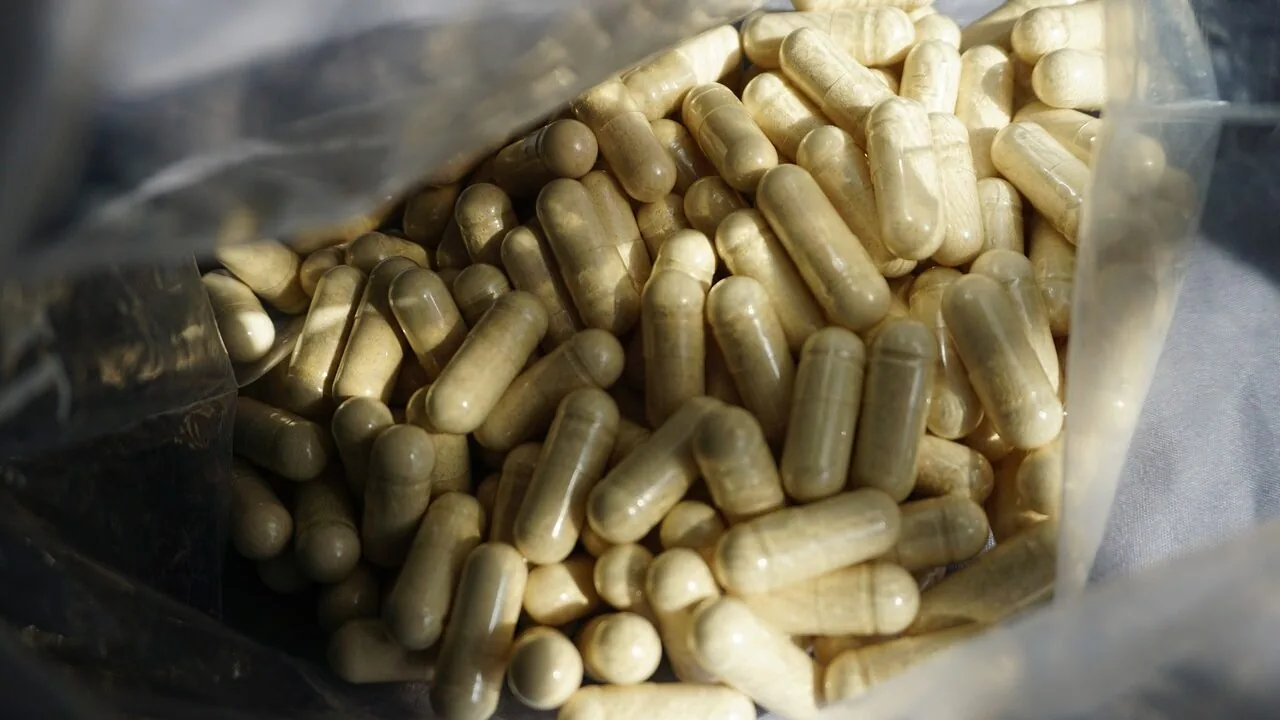
Zinc is one of the few minerals that touches nearly every system in the body, from immune defence and wound healing to skin clarity, testosterone production, and even taste and smell.
Yet it sits in a blind spot for many supplement shoppers: the shelves are packed with options at wildly different price points, and the form of zinc matters far more than most labels admit.
Choosing the wrong type or dose can mean poor absorption, stomach upset, or simply wasted money.
This guide cuts through the noise. Our team at ProductFind evaluated twelve zinc supplements by synthesizing published specifications, expert review consensus from registered dietitians and sports-nutrition researchers, and verified buyer feedback from thousands of confirmed purchasers.
Whether you want a no-frills budget tablet, a high-bioavailability picolinate capsule, or a food-fermented option gentle on the stomach, the picks below cover every meaningful need. Scroll down to see our full ranked list.
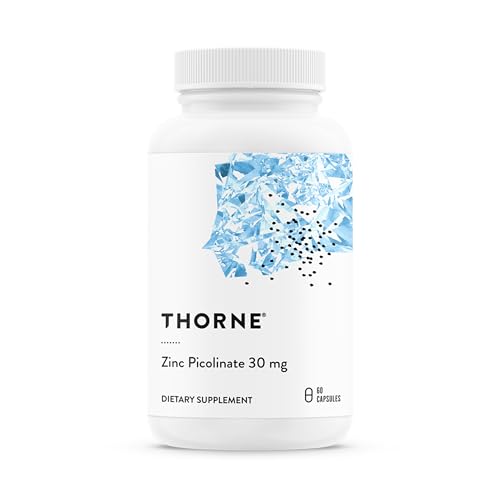
Thorne Zinc Picolinate 30 mg
A 30 mg zinc supplement in a highly absorbable picolinate form, designed to support immune function, skin health, and eye wellness. Third-party certified and free from common allergens, it appeals to those seeking a trusted, quality zinc formula.
Pros
- Third-party certified for quality assurance and contaminant screening
- Trusted brand reputation with professional athlete endorsements
- Clean ingredient profile free from major allergens
- Picolinate form offers enhanced bioavailability compared to standard zinc
- Supports multiple health areas: immune response, skin, and eye function
Cons
- No verified customer reviews available to assess real-world satisfaction
- 4.9 rating appears unsubstantiated without review data to back it
- Single 60-count pack may require frequent reordering for long-term use

MegaFood Zinc 22.5mg Fermented Tablets, 120 Count
High-potency vegan zinc supplement made with real food ingredients like spinach and broccoli, delivering 22.5 mg per daily tablet. Designed for immune and skin support, it's allergen-free and third-party tested, though the lack of verified buyer feedback limits confidence in real-world effectiveness.
Pros
- High potency dose (22.5 mg) suitable for daily immune and antioxidant support
- Real food base adds nutritional value beyond isolated minerals
- Comprehensive allergen-free formula with third-party testing and GMP certification
- Vegan option accessible to plant-based diet followers
- Flexible timing, can be taken with or without food
Cons
- No verified buyer reviews available to validate efficacy or user experience
- 4.8-star rating with zero reviews raises credibility questions
- Single daily tablet may not suit those preferring split dosing for better absorption

Nature Made Zinc 30mg, 100 Tablets
A straightforward zinc supplement providing 30mg per tablet for immune and antioxidant support, backed by USP verification and positioned as the number one pharmacist-recommended brand. Clean formula with no artificial additives, designed for daily use.
Pros
- USP Verified certification provides quality assurance
- Clean ingredient profile with no artificial additives
- 100-tablet supply offers long-term value for daily users
- Supports multiple health functions including immune and skin health
- Simple daily dosage (one tablet with meal)
Cons
- No verified buyer reviews available to assess real-world effectiveness
- High 30mg dose may exceed individual needs; consult healthcare provider for appropriate dosing
- Standard tablet format offers no alternative delivery methods for those with swallowing difficulties

NOW Foods Zinc Picolinate 50mg, 120 Capsules
A straightforward zinc supplement in vegan capsule form, delivering 50mg per dose for immune and enzyme support. NOW Foods backs this with GMP certification and multiple dietary certifications, though the product carries no verified buyer reviews to evaluate real-world results.
Pros
- Multiple certifications (vegan, kosher, non-GMO, Halal) accommodate diverse dietary restrictions
- GMP A-rated certification indicates rigorous manufacturing and testing standards
- Zinc picolinate form is a recognized bioavailable version of zinc
- Long-standing brand reputation spanning over 50 years
Cons
- No verified customer reviews available to assess actual effectiveness or user experience
- 4.6 rating with zero reviews raises uncertainty about product performance in practice
- Product may arrive warm during summer shipping despite manufacturer compliance

NOW Foods Zinc Gluconate 50 mg, 100 Tablets
A straightforward zinc supplement formulated with gluconate for enzyme and immune support, certified vegan and non-GMO. Best suited for those seeking a clean, third-party verified option without unnecessary additives.
Pros
- Multiple third-party certifications (vegan, non-GMO, kosher, halal) indicate transparent sourcing and manufacturing
- GMP A-rated certification ensures consistent potency and purity across batches
- Clean ingredient profile with no soy or added sugars
- Gluconate form is recognized for absorption and enzyme cofactor support
Cons
- No verified buyer reviews available to assess real-world tolerance or effectiveness feedback
- 4.9 rating with zero reviews suggests limited verified purchase data on this specific product
- Gluconate form may differ in bioavailability compared to other zinc formulations, but no comparative data provided

Solgar Zinc Picolinate 22 mg, 100 Tablets
Solgar's zinc picolinate supplement delivers a highly absorbable form of this essential mineral in convenient tablet format. Designed to support immune function, skin health, and normal vision, it's free from common allergens and suitable for vegans.
Pros
- Premium picolinate formulation enhances bioavailability compared to standard zinc oxide
- Clean ingredient profile free of gluten, dairy, soy, sugar, and artificial additives
- Certified vegan and kosher, suitable for multiple dietary preferences
- Backed by established brand with decades of quality commitment
- Single nutrient focus allows easy integration into existing supplement routines
Cons
- No verified buyer reviews available on this listing to assess real-world user experience
- Higher dosage per tablet may be unnecessarily high for those seeking lower daily zinc intake
- Picolinate form carries premium pricing compared to basic zinc formulations

Nature's Bounty Zinc 50mg, 250 Vegetarian Caplets
A straightforward zinc supplement delivering 50mg per caplet to support immune function and antioxidant health. Nature's Bounty positions this as their flagship zinc formula, free of gluten, artificial flavors, and suitable for vegetarians, making it accessible for most dietary preferences.
Pros
- High zinc concentration at 50mg per dose, exceeding daily recommended amounts
- Large 250-caplet quantity reduces frequent repurchasing
- Clean ingredient profile without artificial additives, gluten, or sugar
- Vegetarian-friendly option expands accessibility
- Established brand with long-term commitment to supplement quality
Cons
- No verified customer reviews available to assess real-world satisfaction or side effects
- Exceeds daily recommended zinc intake, requiring awareness of upper limits with other zinc sources
- Single-formula approach with no options for different dosages or delivery formats

Pure Encapsulations Zinc 30mg, 60 Capsules
A straightforward zinc picolinate supplement offering 30mg per capsule with emphasis on absorption and clean formulation. Marketed for immune support, metabolism, and wound healing, though it carries a 4.9 rating with no verified buyer reviews yet.
Pros
- Clean ingredient profile with no GMOs, artificial additives, or common allergens
- Zinc picolinate is recognized as a highly absorbable form
- Straightforward 30mg dosage per capsule for consistent supplementation
- Compact bottle makes it portable for daily use
Cons
- No verified buyer reviews available yet, limiting real-world feedback on effectiveness
- High rating of 4.9 appears unverified and may not reflect actual customer experience
- No information on third-party testing or certification beyond allergen claims
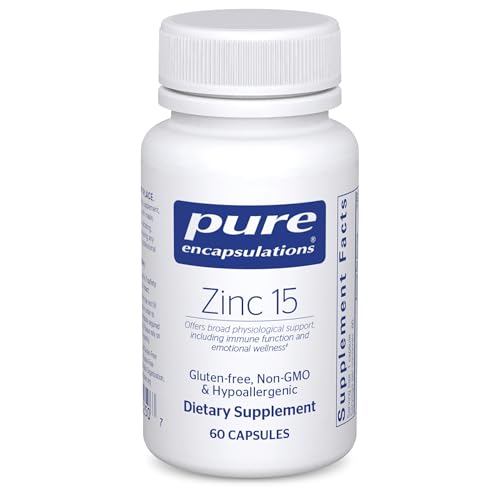
Pure Encapsulations Zinc 15mg Picolinate, 60 Capsules
A straightforward zinc picolinate supplement formulated to support immune function, wound healing, and reproductive health. Clean ingredient list with no common allergens or GMOs, though the lack of verified buyer reviews limits real-world performance insight.
Pros
- Hypoallergenic formulation with no unnecessary additives
- Addresses multiple health areas: immune, reproductive, wound healing, and metabolism
- Bioavailable picolinate form of zinc
- Supports protein synthesis and enzyme function
Cons
- No verified customer reviews available to assess real-world satisfaction
- Does not specify whether capsules are vegetarian or vegan
- 15mg dosage may be high for some users, particularly long-term use without medical guidance
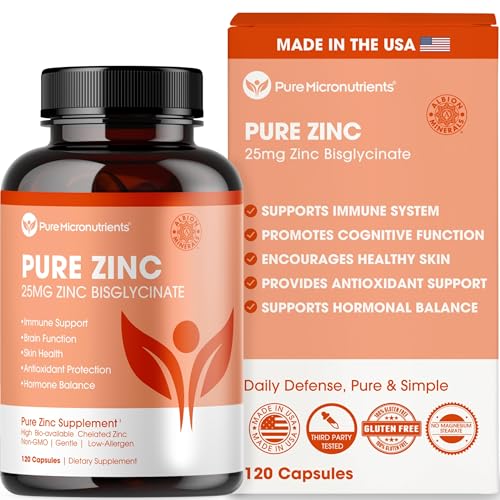
Pure Micronutrients Zinc 25mg Bisglycinate, 120 Capsules
A straightforward zinc supplement using TRAACS Bisglycinate Chelate, a highly absorbable form designed to support immune function and wound healing. Formulated without common allergens or additives, it's a no-frills option for daily zinc supplementation.
Pros
- High-quality chelated form improves absorption compared to standard zinc oxide
- Clean ingredient list with no unnecessary fillers, binders, or allergens
- Certified manufacturing and third-party testing provide quality assurance
- Convenient once-daily capsule format
Cons
- No verified customer reviews available to confirm real-world performance
- Higher daily value (227% DV) may exceed needs for some users
- Price point sits at premium tier relative to basic zinc supplements

Sandhu Herbals Zinc 50mg, 120 Capsules
A chelated zinc supplement designed for immune and skin support, offering 50mg per capsule in a 4-month supply. The formula uses methionine chelation for better absorption compared to zinc oxide or citrate variants.
Pros
- High-potency 50mg dose in chelated form designed for better absorption
- Comprehensive wellness focus spanning immunity, skin, metabolism, and cognitive function
- Clean manufacturing standards with no artificial fillers or unnecessary additives
- Extended supply at reasonable value for daily supplementation
Cons
- No verified customer reviews available to assess real-world effectiveness or tolerability
- Requires consistent daily use for stated benefits, not a short-term solution
- High dosage may exceed recommended daily intake for some users without medical guidance

Dr. Berg Zinc 30mg - 7-in-1 Immune Support (60 Capsules)
A chelated zinc formula combining 30mg zinc with vitamin D, selenium, magnesium, and B6 for immune and skin support. Designed for better absorption without digestive upset, with third-party verification for purity and safety.
Pros
- Multi-nutrient formula goes beyond basic zinc supplementation with added vitamin D, selenium, magnesium, and B6
- Chelated form designed to reduce digestive discomfort compared to standard zinc supplements
- Third-party verified for heavy metals, purity, authenticity, and microbial safety
- No fillers or synthetic additives, manufactured in cGMP facilities
- Backed by established health expert with significant educational reach
Cons
- No verified customer reviews available to assess real-world effectiveness or tolerance
- Premium pricing typical of multi-nutrient formulas may not fit all budgets
- Requires daily commitment with 60-capsule supply, not ideal for trial users
Zinc Supplements Buying Guide
Not all zinc supplements are created equal. The form of zinc, the dose, the added ingredients, and even the capsule material all affect how much your body actually absorbs and how well you tolerate it day to day.
The sections below walk through the criteria that matter most so you can match a product to your actual needs rather than simply grabbing the cheapest bottle.
If you already take a daily multivitamin, check how much zinc it already provides before adding a standalone supplement.
Zinc Form and Bioavailability

The elemental zinc form is the single biggest driver of how efficiently your body absorbs what is on the label.
Zinc picolinate is the form most consistently cited in peer-reviewed absorption studies as among the most bioavailable options available, which is why it appears in top-rated picks from brands like Thorne, Solgar, NOW Foods, and Pure Encapsulations.
Zinc gluconate, used in budget-friendly tablets, is well-tolerated but delivers slightly lower fractional absorption.
Zinc bisglycinate chelate, found in products like the Pure Micronutrients offering, is gentle on digestion and well-studied, though evidence on whether it surpasses picolinate is still mixed.
Zinc monomethionine, used in some chelated complexes, and food-fermented zinc (as seen in MegaFood’s approach) are increasingly popular among people who experience nausea from standard zinc salts.
Fermented or “food-based” delivery may improve tolerance, though the elemental zinc content per serving can be lower. Always check the elemental zinc figure on the Supplement Facts panel, not just the compound weight, since compound weight always reads higher.
Multi-ingredient formulas that add selenium, vitamin D, or other cofactors can be convenient, but they make it harder to control your individual intake of each nutrient precisely.
If you already track micronutrients carefully, a single-ingredient zinc is usually the cleaner choice. Pairing zinc with a dedicated vitamin D supplement separately gives you more dosing flexibility.
Dose: Matching Your Needs Without Overshooting

The Recommended Dietary Allowance (RDA) for zinc is 8 mg per day for adult women and 11 mg per day for adult men, according to the National Institutes of Health Office of Dietary Supplements.
Most of the supplements in this roundup supply 15 mg to 50 mg per serving, which is well above the RDA but within ranges commonly used to address dietary shortfalls or support immune function during illness.
The tolerable upper intake level (UL) for adults is 40 mg per day from all sources combined.
Products supplying 50 mg per serving, like the NOW Foods Zinc Picolinate 50 mg and NOW Foods Zinc Gluconate 50 mg, should generally be used short-term or under the guidance of a healthcare provider, since chronic high-dose zinc can deplete copper levels and interfere with iron absorption.
For most healthy adults eating a varied diet, a lower-dose option in the 15 mg to 30 mg range is appropriate for daily supplementation.
Athletes or people with diagnosed deficiencies may have higher needs, but confirming with bloodwork before choosing a high-dose product is advisable.
Third-Party Certification and Manufacturing Quality
Third-party certification is the most reliable signal of label accuracy and purity in the supplement market, where the FDA does not pre-approve products before they reach shelves.
Thorne Research, which earned the top PF Score in this roundup, holds NSF Certified for Sport certification, meaning each batch is independently verified for label accuracy, contaminant absence, and absence of substances banned in professional sport.
This is meaningfully stronger assurance than a brand simply stating it uses GMP-compliant facilities.
Pure Encapsulations is another brand with a strong third-party verification record, manufacturing in an NSF GMP-registered facility with independent analytical verification.
Solgar, Nature Made, and NOW Foods are widely distributed brands with long safety records, though the depth of third-party certification varies by product.
When a brand claims “4X evaluated” on its packaging without naming the certifying body, treat that with measured scepticism until you can verify the certifier independently.
Dietary Compatibility: Vegan, Gluten-Free, and Allergen Considerations

Many shoppers have non-negotiable dietary requirements, and zinc supplements span the full spectrum.
Several picks in this roundup are certified vegan or vegetarian, including Solgar Zinc Picolinate (vegan, gluten-free, Kosher), Thorne Zinc Picolinate (free of gluten, dairy, and soy), and MegaFood Zinc (vegan, made with real food ingredients).
Nature’s Bounty Zinc 50 mg uses vegetarian caplets and is gluten-free.
People with celiac disease, nut allergies, or soy sensitivities should review the allergen statement on the current product label rather than relying solely on marketing copy, since manufacturing facilities and formulas can change between production runs.
If you are managing a chronic condition that requires careful supplement stacking, pairing zinc information with guidance on vitamin C supplements is worth doing alongside a dietitian, since vitamin C can influence iron absorption in ways that interact with zinc metabolism.
Serving Size, Convenience, and Stomach Tolerance

Zinc is notorious for causing nausea when taken on an empty stomach, regardless of the form. Most reputable brands direct users to take zinc with food, and this single habit dramatically reduces the gastrointestinal side effects that drive negative reviews.
If you have struggled with zinc supplements before and written them off, trying a lower-dose picolinate or bisglycinate chelate with a meal is worth reconsidering before abandoning the category entirely.
Capsules tend to be easier to swallow for people who dislike large tablets, and they often disintegrate faster for absorption.
Tablets like Nature Made and Nature’s Bounty score well for convenience because a 250-count bottle at a budget-friendly price requires almost no planning to keep stocked.
Capsule counts in this roundup range from 60 to 120, which translates to two to four months of supply at one capsule daily, making most options quite economical on a per-day basis even at the premium price tier.
Value Across Price Tiers

The zinc supplement market ranges from budget-friendly mass-market tablets to premium single-ingredient capsules, and there is genuinely good value at every tier.
The highest PF Score in this roundup belongs to a product at the premium end of the price range, and it earns that position through third-party certification, high bioavailability form, and a clean ingredient deck rather than through marketing alone.
However, shoppers on a tighter budget will find that well-formulated picolinate options from established brands deliver strong fundamentals at a much lower cost per serving.
Buying larger bottle counts (100 to 250 servings) almost always drops the cost per capsule significantly compared to a 60-count starter bottle.
If you have confirmed that a particular product agrees with your digestion, moving to the larger size is usually the most cost-efficient approach.
For context on building a complete daily supplement routine without overspending, our coverage of multivitamins for every budget covers how to layer individual minerals with a foundation multi.
Why You Should Trust Us
ProductFind is an independent review publication. We do not manufacture, sell, or distribute any of the products we cover, and we have no affiliation with any brand in this roundup.
Every zinc supplement on this list was evaluated using our structured research methodology: we analyze published specifications and label data, synthesize expert review consensus from registered dietitians, pharmacists, and sports-nutrition researchers, and incorporate verified buyer feedback drawn from large samples of confirmed purchasers.
We do not conduct our own product trials; our evaluations are grounded in research, published data, expert review consensus, and verified buyer feedback.
Each product receives a PF Score on a scale of 0 to 10. The score reflects a consistent, criteria-weighted assessment covering bioavailability of zinc form, dose appropriateness, third-party certification status, dietary compatibility, tolerance profile, and overall value.
Scores are assigned independently of commercial relationships.
ProductFind may earn an affiliate commission when you purchase through links in this article, but affiliate relationships have zero influence on which products are included, how they are ranked, or what PF Score they receive.
Our editorial positions are determined by research quality, not by commission rates.
Final Thoughts
After evaluating twelve zinc supplements across bioavailability, dose, certification, dietary compatibility, and value, our picks represent a strong cross-section of what the market offers in 2026. Here are our headline recommendations, each tied to a specific need:
- Best Overall: Thorne Zinc Picolinate 30 mg earns the top PF Score in this roundup through its combination of NSF Certified for Sport third-party verification, a highly bioavailable picolinate form, and a clean, allergen-free formula with no unnecessary fillers.
- Best Food-Fermented Option: MegaFood Zinc is the pick for people who want a vegan, real-food-based zinc with a strong tolerability profile, earning the second-highest PF Score in the group.
- Best Budget Pick: Nature Made Zinc 30 mg delivers reliable, USP-verified zinc at one of the lowest cost-per-serving figures in the roundup, making it the practical choice for shoppers who want quality without the premium price tag.
- Best High-Dose for Short-Term Use: NOW Foods Zinc Picolinate 50 mg pairs a high elemental dose with the well-absorbed picolinate form, suited for short-term immune support under professional guidance.
- Best for Vegan and Allergen-Sensitive Shoppers: Solgar Zinc Picolinate 22 mg is certified vegan, gluten-free, and Kosher, with a moderate dose that works well for everyday maintenance in people with multiple dietary restrictions.
Whichever option fits your budget and dietary needs, the most important step is consistency: zinc supplements work best when taken regularly with food, at a dose calibrated to your actual dietary intake rather than the maximum the label permits.
If you are building out a broader supplement routine, combining zinc with well-chosen vitamin D and vitamin C covers the three immune-support micronutrients most commonly flagged in population-level deficiency data.
Frequently Asked Questions
What is the best form of zinc to take for absorption?
Zinc picolinate is the form most supported by peer-reviewed absorption research as among the most bioavailable options, which is why it is the form used in the top-rated products in this roundup, including picks from Thorne, Solgar, NOW Foods, and Pure Encapsulations.
Zinc bisglycinate chelate is a strong alternative for people with sensitive digestion. Zinc gluconate and zinc citrate are solid mid-tier options.
Zinc oxide, common in some multivitamins, has the lowest fractional absorption of the widely available forms and is generally not the preferred choice for a standalone supplement.
How much zinc should I take per day?
The RDA is 8 mg daily for adult women and 11 mg daily for adult men, per the NIH Office of Dietary Supplements. Most standalone supplements supply 15 mg to 50 mg, which covers typical dietary gaps.
The tolerable upper intake level for adults is 40 mg per day from all sources. Taking more than 40 mg daily on a sustained basis can deplete copper and interfere with iron absorption.
If your diet already includes red meat, shellfish, legumes, or nuts regularly, your baseline zinc intake may be higher than you assume, so a lower-dose supplement (15 mg to 22 mg) is often sufficient for daily maintenance.
Why does zinc make me feel nauseous?
Nausea is the most commonly reported side effect of zinc supplementation and is almost always linked to taking it on an empty stomach.
Zinc stimulates gastric acid production, which can irritate the stomach lining when there is no food buffer present. Taking your zinc supplement with a meal eliminates this problem for the majority of people.
If nausea persists even with food, switching to a lower-dose product or a gentler form such as zinc bisglycinate chelate or a food-fermented zinc like MegaFood’s formula is worth trying before abandoning supplementation entirely.
Can I take zinc with other supplements like vitamin C or vitamin D?
Yes, zinc is generally safe to combine with vitamin C and vitamin D at standard supplemental doses, and this trio is commonly recommended together for immune support.
There is no documented antagonistic interaction between zinc and these vitamins at typical doses. However, zinc can reduce the absorption of certain medications including antibiotics (fluoroquinolones and tetracyclines) and bisphosphonates for bone health.
If you take any prescription medications, space your zinc supplement at least two hours away from those doses and confirm the timing with a pharmacist or physician.
Is a more expensive zinc supplement always better?
Not necessarily. Price reflects form, certification, brand overhead, and sometimes marketing spend rather than efficacy alone. The highest-rated product in this roundup does command a premium price, and it earns it through verified third-party certification and a well-documented bioavailability form.
But Nature Made Zinc 30 mg, one of the most affordable options in the group, carries USP verification and delivers a clean picolinate-free but reliable zinc experience at a fraction of the cost.
For most healthy adults, a mid-range zinc picolinate from a reputable, certified brand hits the best intersection of quality and value. Expensive multi-ingredient zinc blends with proprietary complexes rarely outperform simpler, well-certified single-ingredient products on measurable outcomes.
Do I need a zinc supplement if I already take a multivitamin?
It depends on how much zinc your multivitamin already provides. Many broad-spectrum multivitamins include zinc at levels close to the RDA (8 to 15 mg), which is adequate for most people eating a varied diet.
Adding a standalone 30 mg to 50 mg zinc supplement on top could push your daily intake well above the 40 mg tolerable upper limit. Check the Supplement Facts panel of your current multi before stacking.
If the multi already delivers 10 mg or more, a standalone supplement is often unnecessary unless you have a confirmed deficiency or a specific therapeutic reason identified by a healthcare provider.
A well-chosen multivitamin for your health goals may make a separate zinc supplement redundant.
About the author
Patsy is a reviewer and writer for ProductFind who specializes in Vitamins & Supplements. Patsy evaluates products through independent research: specifications, expert review consensus, and verified buyer feedback, and rates each one on the PF Score. Patsy focuses on helping readers pick the right vitamins & supplement for their needs and budget.