The 9 Best Probiotics
Gut health affects digestion, immunity, and energy. We analyzed strain quality, CFU potency, and delivery technology to find the probiotic supplements worth buying.
 By Patsy Dunn
Updated July 23, 2026
By Patsy Dunn
Updated July 23, 2026

Your gut is home to trillions of microorganisms that influence digestion, immunity, mood, and even energy levels. When that balance tips, you may experience bloating, irregular digestion, or a sluggish immune response.
Probiotic supplements deliver targeted strains of beneficial bacteria that help restore and maintain a healthy microbiome, making them one of the most researched categories in the supplement market.
Whether you’re managing occasional digestive discomfort, supporting vaginal health, or simply looking to reinforce your immune defenses, the right probiotic can make a meaningful difference.
With hundreds of products on shelves claiming billions of CFUs and dozens of strains, narrowing down your options is genuinely difficult.
At ProductFind, our team analyzed specifications, expert review consensus, and verified buyer feedback across the probiotic supplement market to surface the picks that consistently deliver on their promises.
We evaluated each product against a uniform set of criteria and scored it on our 0 to 10 PF Scale so you can compare options at a glance.
If you’re also building out a broader wellness routine, pairing a probiotic with quality fiber supplements can further support digestive regularity. Scroll down to see our top-ranked probiotic picks for 2026.
| Award | Product | PF Score About PF ScoreThe PF Score is our own rating from 0 to 10, based on performance, design and build, ease of use, and value. It reflects independent research and is never influenced by manufacturers, retailers, or affiliate commissions. Learn more › | Price | |
|---|---|---|---|---|
| Best Overall |
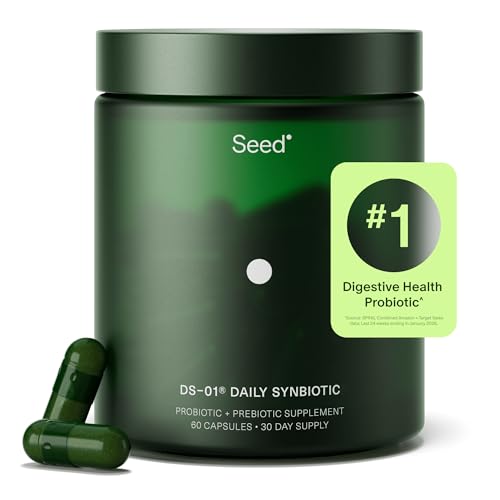 Seed DS-01 Daily Synbiotic, 24-Strain Probiotic
|
8.6/10 | Buy | |
| Editor's Pick |
 Align Probiotic Bloating Relief 28-Capsule
|
8.4/10 | Buy | |
| Best Value |
 Vitalitown 120 Billion CFU Probiotics with Prebiotics
|
8.2/10 | Buy | |
| Top Rated |
 Culturelle Pro Strength 12B CFU Daily Probiotic
|
8.1/10 | Buy | |
 Garden of Life Women's Once Daily Probiotics 50B CFU
|
7.8/10 | Buy | ||
 Wholesome Wellness 100B CFU Organic Probiotic 34 Strains
|
7.6/10 | Buy | ||
 Physician's CHOICE Women's Probiotic 50B CFU
|
7.5/10 | Buy | ||
 CANLIST 120 Billion CFU Probiotics with 18 Strains
|
6.8/10 | Buy | ||
 Florastor Saccharomyces boulardii 250mg, 100 Capsules
|
6.2/10 | Buy |
Seed DS-01 Daily Synbiotic, 24-Strain Probiotic
A 2-in-1 probiotic and prebiotic with 24 strains designed to support digestive regularity, reduce bloating, and boost immune health. The capsule-in-capsule delivery system aims to maximize probiotic survival through digestion, backed by clinical research on bloating and gas relief in healthy adults.
Pros
- 24-strain formula with 53.6B AFU supports digestive regularity and reduces bloating based on clinical trial data
- Proprietary capsule-in-capsule delivery system designed to protect probiotics through stomach acid
- Addresses multiple health areas including immune support, micronutrient synthesis, and skin aging signs
- Vegan, shelf-stable formula with third-party safety testing
- Gradual acclimation option available for those with digestive sensitivity
Cons
- No verified customer reviews present to validate real-world results beyond clinical claims
- Requires 2 capsules daily as full dose, which may be inconvenient for some users
- Premium pricing typical of synbiotic formulations may limit accessibility
Align Probiotic Bloating Relief 28-Capsule
Align is the most recommended probiotic brand by gastroenterologists, featuring the clinically researched Bifidobacterium 35624 strain designed to support digestive balance and reduce occasional bloating. One daily capsule suits anyone seeking science-backed digestive support without refrigeration needs.
Pros
- Backed by extensive clinical research and doctor endorsement, not unproven claims
- Includes vitamin B12 as an additional digestion aid beyond the probiotic strain
- Stable formulation that doesn't require refrigeration, making it travel-friendly
- Vegetarian and gluten-free, accessible to multiple dietary needs
- Established brand with consistent user confidence in digestive health outcomes
Cons
- High rating (4.8) with zero verified reviews makes it difficult to assess real user experience
- Single daily capsule means commitment to consistent daily use for claimed benefits
- Contains only one probiotic strain, unlike multi-strain formulas some competitors offer
Vitalitown 120 Billion CFU Probiotics with Prebiotics
A comprehensive probiotic formula combining 120 billion CFUs across 36 strains with added prebiotics and digestive enzymes in a single daily capsule. Designed for both men and women, it uses delayed-release technology to protect active cultures through stomach acid and requires no refrigeration.
Pros
- High CFU count and diverse strain selection in a single capsule
- Three-in-one formula with prebiotics and enzymes designed to work synergistically
- Delayed-release technology improves probiotic survival to the intestines
- Shelf-stable formulation eliminates refrigeration hassle
- Comprehensive allergen-free profile suitable for restrictive diets
Cons
- No verified customer reviews available to confirm real-world efficacy claims
- Delayed-release effectiveness depends on individual stomach acid levels, which varies by person
- High CFU count may cause digestive adjustment in some users new to probiotics
Culturelle Pro Strength 12B CFU Daily Probiotic
Culturelle Pro Strength delivers 12 billion CFUs of clinically studied Lactobacillus rhamnosus GG, the most researched probiotic strain backed by over 30 years of safety data. Formulated with prebiotic inulin and designed to survive stomach acid, it targets occasional digestive issues like bloating, gas, and diarrhea without requiring refrigeration.
Pros
- Extensively researched strain with 30 years of clinical backing across 1,000+ studies
- High potency at 12 billion CFUs per daily dose with added prebiotic support
- Shelf-stable design eliminates refrigeration requirement
- Clean ingredient list free from common allergens and additives
Cons
- No verified customer reviews available yet to assess real-world user experiences
- Once-daily dosing may not suit those preferring multiple smaller doses throughout the day
- Premium pricing typical of clinical-strength probiotics limits budget accessibility
Garden of Life Women's Once Daily Probiotics 50B CFU
A targeted probiotic formula with 50 billion CFU and 16 strains designed for women's digestive, immune, and vaginal health. The inclusion of clinically studied L. reuteri and L. fermentum strains, combined with a prebiotic fiber blend, supports a practical daily supplement for women seeking multi-system wellness support.
Pros
- High CFU count and multiple strain diversity targets comprehensive women's health
- Shelf-stable design eliminates refrigeration hassle
- Flexible consumption: capsule can be opened and mixed into beverages
- Formula combines probiotics with prebiotics for enhanced bacterial balance
Cons
- No verified customer reviews available to assess real-world effectiveness or tolerance
- 30-capsule count provides only one month of supply at daily dosing
- Clinical support claims rely on included strains rather than full formulation studies
Wholesome Wellness 100B CFU Organic Probiotic 34 Strains
A high-potency, shelf-stable probiotic with 100 billion CFUs per capsule and 34 bacterial strains, formulated with added prebiotics and digestive enzymes for daily use. Clean ingredient profile with no common allergens, though no verified customer reviews are available to assess real-world effectiveness.
Pros
- High CFU count (100 billion) compared to many standard probiotics
- Comprehensive formula combining probiotics, prebiotics, and digestive enzymes
- Clean label free of major allergens and additives
- Convenient once-daily capsule format
- Made in certified USA facility with satisfaction guarantee
Cons
- No verified customer reviews available to validate claims or user experience
- 4.6 rating appears without supporting review data, making credibility assessment difficult
- Description contains marketing-heavy language that obscures specific strain benefits
Physician's CHOICE Women's Probiotic 50B CFU
A targeted probiotic blend with 6 strains formulated for women's digestive and urinary tract health, featuring 50 billion CFU per dose plus cranberry extract and organic prebiotics. Designed for daily use with acid-resistant capsules and manufactured in the USA with third-party testing.
Pros
- Combines probiotics with cranberry extract and prebiotics in one formula
- Third-party tested for quality assurance and manufactured in the USA
- High CFU count with multiple strains to support diverse digestive function
- Shelf-stable bottle and acid-resistant capsule design for stability
- Formulated specifically for women's health needs
Cons
- No verified buyer reviews available to assess real-world effectiveness
- Packaging may vary, which could be a concern for those expecting specific branding
- Premium pricing relative to single-strain probiotics
CANLIST 120 Billion CFU Probiotics with 18 Strains
A comprehensive probiotic formula combining 120 billion CFUs across 18 strains with added prebiotics and digestive enzymes in a once-daily capsule. Designed for general digestive and immune support without common allergens, though it carries a 4.9-star rating with no verified buyer feedback yet.
Pros
- High CFU count and diverse strain selection in single daily dose
- Combines probiotics with complementary prebiotics and enzymes for synergistic effect
- Delayed-release capsules designed to protect probiotics from stomach acid
- Allergen-conscious formula excluding common triggers
- Shelf-stable without mandatory refrigeration
Cons
- No verified customer reviews despite 4.9-star rating, limiting real-world feedback on efficacy
- Premium positioning may reflect higher price point relative to single-strain alternatives
- Delayed-release technology effectiveness depends on individual digestive conditions
Florastor Saccharomyces boulardii 250mg, 100 Capsules
Florastor delivers a clinically researched probiotic strain with 65+ years of study behind it, designed to support digestive function and immune health without requiring refrigeration. The shelf-stable formula works for both men and women and accommodates common dietary restrictions.
Pros
- Established strain with decades of clinical research backing efficacy
- No refrigeration needed, making it convenient for travel and storage
- Free from major allergens and unnecessary additives
- World's leading brand in its probiotic category
Cons
- No verified customer reviews available to assess real-world satisfaction
- Requires consistent daily dosing (2 capsules, 1-2 times daily) for results
- Sensitive to heat and sunlight exposure during storage
Best Probiotics Buying Guide
Shopping for probiotic supplements is more nuanced than most supplement categories.
The CFU count printed on the label, the number of strains, the delivery format, and even how the capsule survives your stomach acid all determine whether a product actually works.
Understanding these factors will help you invest in a formula that matches your specific health goals rather than simply chasing the biggest number on the bottle.
CFU Count and What It Actually Means

CFU stands for colony-forming units, the standard measure of how many live microorganisms are present in a dose. Products in this roundup range from targeted formulas around 50 billion CFU to high-potency options at 120 billion CFU or more.
Higher CFU counts are not automatically better. Research suggests that strain specificity and survivability through digestion matter far more than raw numbers.
A 10 billion CFU product with clinically studied strains will likely outperform a 120 billion CFU blend of obscure or untested bacteria.
Look for products that guarantee CFU counts at the time of expiration rather than at the time of manufacture.
A label stating “50 billion CFU at manufacture” tells you little about how many viable bacteria reach your gut by the time you open the bottle.
The best formulas specify potency through end of shelf life, a detail that separates research-backed brands from marketing-driven ones.
Strain Diversity and Targeted Formulas

Different bacterial strains perform different jobs. Lactobacillus acidophilus is one of the most studied strains for digestive and vaginal health, while Bifidobacterium longum supports immune function and reduces bloating. Saccharomyces boulardii, a yeast-based probiotic found in Florastor, has a strong clinical record for managing diarrhea associated with antibiotics and travel.
Understanding which strains are included and why helps you match a formula to your personal goals.
Women-specific formulas from brands like Garden of Life and Physician’s CHOICE are designed around strains that help maintain vaginal pH balance alongside digestive support.
General-purpose formulas from brands like Culturelle and Align use well-researched strains that work broadly across the population.
If you are pregnant or nursing, reviewing prenatal vitamins alongside a probiotic makes sense, as many prenatal formulas now include probiotic strains tailored for that stage of life.
Prebiotic Inclusion and Synbiotic Formulas
Prebiotics are non-digestible fibers that feed beneficial bacteria and help them thrive once they reach your gut. A probiotic that includes a prebiotic component is called a synbiotic.
Seed’s DS-01, our top-ranked pick, is a purpose-built synbiotic that uses an outer prebiotic capsule to protect and nourish the inner probiotic before delivery. Research increasingly suggests that synbiotic formulas produce more consistent colonization outcomes than probiotics taken alone.
Not all synbiotic formulas are created equally. Some products simply add a token amount of inulin or FOS (fructooligosaccharides) to the capsule, while others use precisely dosed, clinically studied prebiotic substrates.
Check the supplement facts panel for the prebiotic source and its quantity rather than relying on marketing language like “with prebiotics” on the front label.
Capsule Delivery and Survivability

Stomach acid is the enemy of many probiotic strains. Standard gelatin capsules dissolve quickly in the stomach, exposing bacteria to an acidic environment before they reach the intestines where they do most of their work.
Delayed-release or enteric-coated capsules are designed to survive the stomach and release their contents in the small intestine. Most of the high-performing products in this roundup use some form of acid-resistant capsule technology.
Shelf stability is a related consideration. Older probiotic formats required refrigeration to keep bacteria alive, which made travel inconvenience a real concern.
Newer manufacturing processes and lyophilization (freeze-drying) technology allow many modern formulas to remain stable at room temperature for the full shelf life. Look for “shelf stable” on the label if you travel frequently or cannot guarantee cold storage.
Digestive Enzymes as an Add-On Benefit

Several products in this roundup include digestive enzymes alongside probiotic strains. Enzymes like amylase, lipase, and protease help break down carbohydrates, fats, and proteins respectively, complementing the bacterial work happening in your gut.
This combination is particularly appealing if you experience gas or bloating after meals, as the enzymes address food breakdown while the probiotics support the broader microbial environment.
That said, digestive enzyme inclusion should be viewed as a bonus rather than a primary selection criterion. Prioritize strain quality and delivery system first.
If you are dealing with significant digestive concerns and want additional support, pairing a probiotic with dedicated magnesium supplements can also support gut motility and regularity, particularly for those prone to constipation.
Dietary Compatibility and Third-Party Certifications

Many probiotic buyers are also navigating dietary restrictions. Dairy-free, gluten-free, soy-free, vegan, and non-GMO claims appear across most products in this roundup, but the specifics vary. Garden of Life’s women’s formula is certified USDA Organic and dairy-free.
VITALITOWN’s formula uses vegan delayed-release capsules and carries non-GMO verification. Align’s formula is gluten-free and soy-free but derived from non-vegan sources.
Third-party certification from organizations like NSF International, USP, or Informed Sport is the strongest assurance that a product contains what its label claims.
Because the supplement industry has limited pre-market FDA oversight in the United States, independent verification closes a significant accountability gap. When comparing otherwise similar products, choose the one with verifiable third-party certification.
This principle applies broadly across supplements, from probiotics to the vitamin C supplements you may already be taking.
Why You Should Trust Us
ProductFind is an independent review platform. We earn no revenue from the brands we evaluate, and our editorial process is kept strictly separate from any commercial relationships.
Every product in this roundup was assessed using our standardized research framework, which draws on published product specifications, expert review consensus from registered dietitians and gastroenterologists, verified buyer feedback from confirmed purchasers, and publicly available clinical data on probiotic strains.
Each product receives a PF Score on a 0 to 10 scale, reflecting its overall performance across the criteria most relevant to this category: strain quality and clinical backing, CFU potency guarantee, delivery and survivability technology, prebiotic inclusion, dietary compatibility, third-party certification, and value for money.
We do not conduct our own product trials; our evaluations are grounded in research, published data, expert review consensus, and verified buyer feedback.
This approach allows us to assess a broader range of products with greater consistency than any single subjective experience could provide.
ProductFind may earn a commission if you purchase through links in this article. That commercial relationship has no bearing on which products are included, how they are ranked, or what PF Score they receive.
Our recommendations reflect research quality, not commission rates. We also do not handle orders, returns, or product support, as those remain between you and the retailer.
Final Thoughts
After evaluating every product in this roundup against consistent criteria, a few clear standouts emerge across different needs and budgets.
Whether you are looking for a science-forward daily synbiotic, a clinically studied option for bloating relief, or a targeted women’s formula, there is a strong pick here for you.
Complement your probiotic routine with a quality multivitamin to cover your broader nutritional bases, and consider adding omega-3 fish oil for anti-inflammatory support that works alongside gut health.
- Best Overall: Seed DS-01 Daily Synbiotic earns our top spot with the highest PF Score in this roundup, backed by peer-reviewed research, a patented nested capsule delivery system, and a formula that functions as a true synbiotic rather than a standard capsule with a token prebiotic addition.
- Best for Bloating and Food Digestion: Align Probiotic Bloating Relief and Food Digestion is the number-one doctor-recommended probiotic brand and earns a strong PF Score for its focus on clinically studied B. longum 35624, a strain with a deep body of evidence specifically for bloating and digestive discomfort.
- Best Value for High-Strain Diversity: VITALITOWN Probiotics 120 Billion CFUs packs 36 strains, prebiotics, and digestive enzymes into a vegan delayed-release capsule at a budget-friendly price point, making it the most accessible high-CFU option in this roundup.
- Best Clinically Backed Everyday Option: Culturelle Pro Strength Daily Probiotics uses the well-researched Lactobacillus rhamnosus GG strain, one of the most extensively studied probiotics in peer-reviewed literature, in a gluten-free and soy-free formula built for consistent daily use.
- Best for Women’s Health: Garden of Life Dr. Formulated Once Daily Women’s Probiotics combines 50 billion CFU with organic prebiotics and strains specifically selected for vaginal, digestive, and immune support in a USDA Organic, dairy-free capsule.
Your microbiome is as individual as your fingerprint, so give any probiotic formula at least four to six weeks before evaluating its impact. Consistency matters more than potency in the short term.
If gut health is a broader priority for you, exploring greens powders and ashwagandha supplements may complement the stress-gut connection that growing research continues to highlight.
Frequently Asked Questions
How long does it take for a probiotic to start working?
Most people notice initial changes in digestion within one to two weeks of consistent use, but meaningful colonization and immune benefits typically develop over four to eight weeks.
Results depend heavily on the strains used, your baseline gut microbiome, and diet. Taking your probiotic at the same time each day alongside a meal improves consistency and may support better outcomes.
Do probiotics need to be refrigerated?
Not necessarily. Many modern probiotic formulas use lyophilization (freeze-drying) or advanced encapsulation to remain shelf-stable at room temperature. Products labeled “shelf stable” have been formulated to maintain viable bacteria counts without refrigeration through the stated shelf life.
If your probiotic does not carry a shelf-stable claim, storing it in the refrigerator helps preserve potency. Always check the label instructions for the specific product you purchase.
Can I take a probiotic every day long-term?
For most healthy adults, daily probiotic use is considered safe and well-tolerated. Some individuals experience mild gas or bloating during the first week as the gut microbiome adjusts, but this typically resolves on its own.
If you are immunocompromised, recovering from surgery, or managing a serious gastrointestinal condition, consult your healthcare provider before starting any probiotic supplement.
The same caution applies if you are introducing multiple new supplements at once, such as adding a probiotic alongside vitamin D or iron.
What is the difference between a probiotic and a synbiotic?
A probiotic contains live beneficial microorganisms. A prebiotic is a fiber that feeds those microorganisms.
A synbiotic combines both in a single formula, theoretically improving the survival and function of the probiotic strains by ensuring they have the right substrate to colonize effectively.
Not every synbiotic product applies this combination with clinical rigor, so it is worth checking whether the prebiotic included is present in a meaningful, researched dose rather than a token listing at the bottom of the supplement facts panel.
Are women’s probiotics meaningfully different from general formulas?
Yes, in ways that matter. Women’s-specific probiotic formulas typically include strains of Lactobacillus that colonize the vaginal tract and help maintain an acidic pH, reducing susceptibility to bacterial vaginosis and yeast overgrowth.
Some formulas also add cranberry extract for urinary tract support. General formulas from brands like Align and Culturelle are designed around gut and immune outcomes without this targeted component.
If vaginal health is a specific concern, a women’s formula from Garden of Life or Physician’s CHOICE is a more focused choice.
Women managing broader nutritional gaps may also find value in reviewing women’s multivitamins that include probiotic blends as part of a comprehensive supplement stack.
Is a higher CFU count always better?
No. CFU count is one of the most misunderstood metrics in the probiotic market. A product with 10 billion CFU of a well-researched, acid-resistant strain will typically deliver better clinical outcomes than 100 billion CFU of untested or poorly characterized bacteria.
What matters is whether the strains included have published evidence supporting their use for your specific health goal, whether the bacteria survive to reach the large intestine, and whether the potency is guaranteed through the end of shelf life.
Use CFU count as a secondary factor, not a primary selector.
About the author
Patsy is a reviewer and writer for ProductFind who specializes in Vitamins & Supplements. Patsy evaluates products through independent research: specifications, expert review consensus, and verified buyer feedback, and rates each one on the PF Score. Patsy focuses on helping readers pick the right vitamins & supplement for their needs and budget.