The 9 Best Ashwagandha Supplements
Ashwagandha quality varies wildly by extract type, withanolide content, and certification. We researched nine supplements to help you find the right pick for stress, energy, or sleep support.
 By Patsy Dunn
Updated July 23, 2026
By Patsy Dunn
Updated July 23, 2026

Ashwagandha has become one of the most widely researched adaptogenic herbs in the world, and for good reason.
Decades of clinical studies published in journals such as the Journal of the International Society of Sports Nutrition and Medicine suggest that standardized ashwagandha root extracts may help the body manage cortisol, support healthy energy levels, and promote a calmer stress response.
With interest in adaptogens growing rapidly, the supplement aisle now overflows with options ranging from bare-bones root powder capsules to premium extracts standardized to specific withanolide concentrations, making it genuinely difficult to know what you are actually buying.
This guide cuts through the noise.
Our team at ProductFind researched the ashwagandha category by synthesizing published specifications, expert review consensus, and verified buyer feedback from confirmed purchasers to identify the standout options from brands including THORNE, Horbäach, Youtheory, Nutricost, Pure Encapsulations, Garden of Life, NaturaLife Labs, Himalaya, and Nature Made.
Whether you prioritize a highly concentrated extract with third-party certification, a budget-friendly daily capsule, or a formula blended with complementary ingredients like GABA or ginger, the ranked picks below give you a clear starting point.
| Award | Product | PF Score About PF ScoreThe PF Score is our own rating from 0 to 10, based on performance, design and build, ease of use, and value. It reflects independent research and is never influenced by manufacturers, retailers, or affiliate commissions. Learn more › | Price | |
|---|---|---|---|---|
| Best Overall |
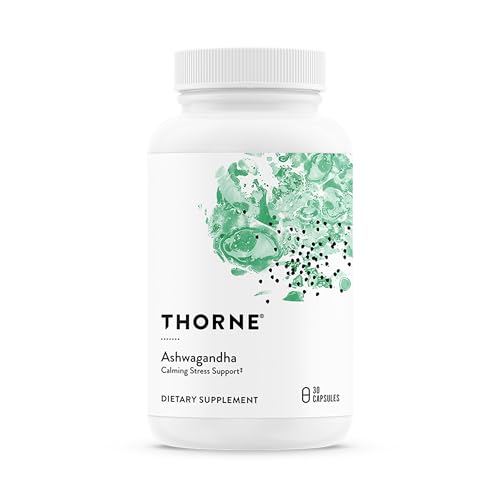 Thorne Ashwagandha 35% Withanolides, 30 Capsules
|
8.4/10 | Buy | |
| Editor's Pick |
 Horbäach Ashwagandha Max Strength 120 Capsules
|
8.1/10 | Buy | |
| Best Value |
 Youtheory Ashwagandha + GABA 60 Capsules
|
7.6/10 | Buy | |
| Top Rated |
 Nutricost Ashwagandha 600mg, 120 Capsules
|
7.4/10 | Buy | |
 Pure Encapsulations Ashwagandha 500mg, 60 Capsules
|
7.2/10 | Buy | ||
 Garden of Life Organic Ashwagandha, 60 Tablets
|
6.9/10 | Buy | ||
 NaturaLife Labs Organic Ashwagandha 2100 mg, 100 Capsules
|
6.8/10 | Buy | ||
 Himalaya Ashwagandha Root 670mg, 60 Caplets
|
6.5/10 | Buy | ||
 Nature Made Ashwagandha 125mg Capsules, 60-Day Supply
|
5.8/10 | Buy |
Thorne Ashwagandha 35% Withanolides, 30 Capsules
Thorne's ashwagandha formula delivers a concentrated extract standardized to 35% withanolides in a once-daily capsule format. Designed for stress management and mental clarity, it's backed by the brand's multi-round quality verification process and recommended by health practitioners.
Pros
- High standardization (35% withanolides) ensures consistent active compound levels
- Minimal dosing requirement of just one capsule daily
- Comprehensive quality assurance with 4 rounds of testing from raw materials to finished product
- Established brand reputation with widespread adoption by sports teams and healthcare practitioners
Cons
- No verified buyer reviews available to assess real-world effectiveness or tolerability
- Premium price positioning typical of clinical-grade supplement brands
- Limited quantity per container (30 capsules) may require frequent reordering
Horbäach Ashwagandha Max Strength 120 Capsules
A max-strength ashwagandha supplement formulated with pure root extract and free from common allergens. Positioned as a budget-friendly option for users seeking stress and wellness support through a straightforward herbal formula.
Pros
- Clean ingredient profile with no gluten, soy, dairy, or artificial sweeteners
- Max strength formulation targets users wanting concentrated ashwagandha support
- 120-capsule count provides extended supply for daily use
- Backed by manufacturer quality guarantee
Cons
- No verified customer reviews available to assess real-world effectiveness or user experience
- Limited detail on ashwagandha root extraction method or standardization level
- No information on third-party certification beyond manufacturer testing claims
Youtheory Ashwagandha + GABA 60 Capsules
A stress-support supplement combining KSM-66 ashwagandha, GABA, and ginger in a 30-day supply. Formulated as an adaptogenic blend to support mood and energy levels with third-party quality assurance.
Pros
- Uses established KSM-66 ashwagandha extract, the most researched form
- Multi-ingredient formula addresses stress, mood, and energy in one product
- GMP-certified manufacturing with in-house quality control
- Vegetarian capsules suit various dietary preferences
- Reasonably priced per-dose for a multi-ingredient blend
Cons
- No verified buyer reviews available to assess real-world effectiveness
- GABA absorption efficacy when taken orally remains debated in supplement science
- Limited ingredient transparency on exact dosages per capsule
Nutricost Ashwagandha 600mg, 120 Capsules
A straightforward ashwagandha supplement offering 600mg per capsule with a 120-serving supply, manufactured in NSF-certified and GMP-compliant facilities. Best suited for those seeking a no-frills herbal support option at budget-friendly pricing.
Pros
- Strong dose at 600mg per capsule with third-party testing backing quality claims
- Generous 120-capsule bottle provides extended supply relative to most competitors
- Manufactured under multiple quality certifications (NSF, GMP, FDA registered)
- Gluten-free formulation accommodates dietary restrictions
Cons
- No verified customer reviews available to assess real-world efficacy or tolerability
- Limited product differentiation; extract type and sourcing details not specified
- Dosage guidance and usage instructions not detailed in available product information
Pure Encapsulations Ashwagandha 500mg, 60 Capsules
A straightforward ashwagandha supplement using the KSM-66 extract, formulated to support stress moderation, thyroid function, and immune health. Designed for those seeking a clean supplement without common allergens or artificial ingredients.
Pros
- Uses standardized KSM-66 extract with established efficacy history
- Clean formulation excluding common allergens, artificial ingredients, and GMOs
- Addresses multiple wellness areas: stress, metabolism, immune support
- Premium sourcing from trusted suppliers with quality verification
Cons
- No verified user reviews available to assess real-world effectiveness or tolerability
- Single extract option with no dosage flexibility for different needs
- Premium positioning may not suit budget-conscious buyers comparing basic ashwagandha options
Garden of Life Organic Ashwagandha, 60 Tablets
Organic ashwagandha supplement combining 600mg of ashwagandha root with probiotics and ginger for stress management and energy support. Certified organic, non-GMO, and vegan, making it suitable for those seeking clean supplementation without additives.
Pros
- Multiple certifications (USDA Organic, Non-GMO, Gluten Free, Vegan) provide transparency for ingredient quality
- Added probiotics and ginger support digestive health alongside stress relief
- Formulated to address both mental stress response and physical energy levels
- Comes in tablet form for easy daily dosing
Cons
- No verified customer reviews available to assess real-world effectiveness or user experience
- Probiotic blend listed as only 4mg, which is below typical probiotic dosages in standalone supplements
- Limited information on absorption rates or bioavailability of the ashwagandha extract
NaturaLife Labs Organic Ashwagandha 2100 mg, 100 Capsules
Full-spectrum ashwagandha combining organic root powder with standardized extract, delivering 2,100 mg per serving with added black pepper for absorption. USDA Certified Organic, Non-GMO, and vegan, making it suitable for those seeking clean, plant-based stress support without synthetic additives.
Pros
- Comprehensive full-spectrum approach combining both powder and standardized extract for complete withanolide profile
- High dosage per serving with transparent ingredient list free of common fillers and flow agents
- Strong certifications (USDA Organic, Non-GMO, vegan) appeal to health-conscious consumers
- Added black pepper supports nutrient absorption without additional synthetic enhancers
- Made in USA with GMP compliance provides manufacturing transparency
Cons
- No verified customer reviews available to assess real-world effectiveness or tolerability
- Premium positioning may not suit budget-conscious shoppers compared to basic ashwagandha options
- Capsule format requires swallowing multiple pills to reach the stated 2,100 mg serving
Himalaya Ashwagandha Root 670mg, 60 Caplets
USDA Organic ashwagandha supplement combining root powder and extract in a clinically studied formulation designed to support stress relief and mental clarity. Clean ingredients with no binders, fillers, or additives make it accessible for those with dietary restrictions.
Pros
- High potency formulation with both powder and extract rather than simple crushed root
- Clean label with USDA Organic, Non-GMO, vegan, and gluten-free certifications
- Clinically studied to support stress response and emotional balance
- No artificial binders, fillers, additives, or soy
- Reasonable 60-day supply per container
Cons
- No verified customer reviews available to assess real-world effectiveness
- Results depend on individual response, as with most herbal supplements
- Requires consistent daily use to potentially see benefits
Nature Made Ashwagandha 125mg Capsules, 60-Day Supply
Nature Made's Sensoril Ashwagandha offers a clinically studied adaptogen at a budget-friendly price point, backed by the brand's pharmacist recommendation status. Results typically appear within 4 to 8 weeks for stress reduction, though individual outcomes vary.
Pros
- Uses Sensoril, a researched ashwagandha extract with clinical backing
- Clean ingredient profile without artificial additives or preservatives
- Established brand with widespread pharmacist endorsement
- Convenient 60-capsule format aligns with recommended 4-8 week trial period
- Addresses both stress perception and cortisol support
Cons
- No verified customer reviews available to assess real-world effectiveness variation
- 125mg is a moderate dose; users seeking higher concentrations need alternatives
- Results require consistent 4-8 week use before noticeable impact
Ashwagandha Supplements Buying Guide
Choosing the right ashwagandha supplement is not simply a matter of picking the highest milligram count on the label.
Extract type, withanolide standardization, third-party certification, and the form of the capsule all affect how much bioactive compound you actually absorb and whether the product delivers the benefits research supports.
The subsections below walk through the criteria that matter most so you can match a product to your specific priorities.
Extract Type: Root Powder vs. Standardized Extract
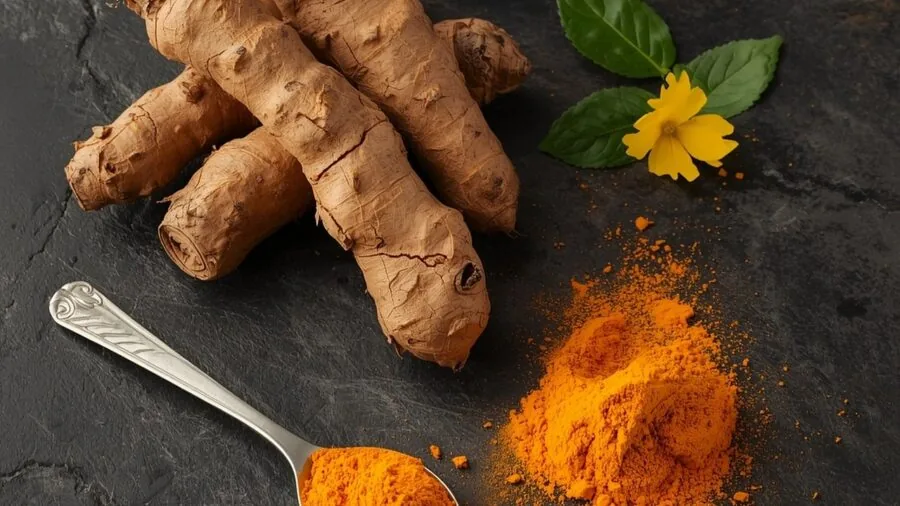
Ashwagandha products split into two broad categories: full-spectrum root powder and standardized extract. Root powder is the dried, ground whole root and preserves a broad range of naturally occurring compounds, including withanolides, alkaloids, and saponins.
Standardized extract, by contrast, is concentrated to guarantee a minimum percentage of withanolides, the active constituents most closely linked to ashwagandha’s adaptogenic effects in published research.
For general wellness and daily stress support, high-quality full-spectrum root powder capsules perform well and tend to cost less.
For targeted outcomes like cortisol modulation or physical performance support where specific withanolide levels matter, a standardized extract such as KSM-66 or Shoden is a more defensible choice because the active content is guaranteed batch to batch.
Some products, such as the NaturaLife Labs option in our list, combine both root powder and standardized extract in the same capsule to capture a broader phytochemical profile.
Thinking about broader supplement strategy? Pairing ashwagandha with foundational micronutrients makes sense for many people. A reliable multivitamin can fill nutrient gaps that affect how well the body responds to adaptogens in the first place.
Withanolide Concentration and Dosage

Withanolides are the steroid lactones that researchers most frequently associate with ashwagandha’s stress-relief, cognitive, and physical performance effects.
Clinical studies typically use extracts standardized to between 1.5% and 35% withanolides depending on the extract format, with doses ranging from roughly 120 mg of a highly concentrated extract up to 600 mg or more of a conventional root extract per serving.
A high milligram count does not automatically mean more effective. A product listing 2,100 mg of root powder will contain far fewer withanolides than a 120 mg capsule of Shoden extract, which is standardized to 35% withanolides per published data from Arjuna Natural.
Always check the label for the declared withanolide percentage and, where possible, compare that figure against the specific extract format cited in clinical literature.
As with vitamin D supplements, the effective dose for ashwagandha is a conversation worth having with a qualified healthcare provider before you commit to a product, particularly if you are managing an existing health condition or taking medications.
Third-Party Certification and Quality Assurance
The supplement industry is not subject to the same pre-market approval process as pharmaceuticals in the United States, which means label accuracy and contamination risk vary significantly between brands.
Third-party certification programs such as NSF International, USP, Informed Sport, and Banned Substances Control Group (BSCG) provide independent verification that a product contains what the label claims and is free from undeclared contaminants.
THORNE, for instance, carries NSF Certified for Sport certification, which is one of the most rigorous third-party programs available and is recognized by major professional sports organizations.
Pure Encapsulations is manufactured in a facility that follows pharmaceutical-grade cGMP standards and is third-party verified.
If you are an athlete subject to drug evaluation, or simply want the strongest quality assurance available, certification should be non-negotiable rather than a nice-to-have.
The same scrutiny applies when you evaluate vitamin C supplements or any other category where unverified label claims can lead to real health consequences.
Formula: Single-Ingredient vs. Blended Products
Ashwagandha is increasingly sold in combination with other ingredients. Some blends are well-reasoned: GABA is a calming neurotransmitter that complements ashwagandha’s stress-modulating effects, and ginger supports gastrointestinal tolerance, which can be an issue for some users with plain root powder.
Garden of Life adds probiotics alongside ginger in their formula, which may benefit users whose gut health affects nutrient absorption.
The tradeoff is dose dilution. In a blended capsule, the ashwagandha amount may be lower than in a single-ingredient product to accommodate the additional ingredients.
If your primary goal is maximizing ashwagandha intake, a single-ingredient standardized extract gives you the clearest picture of what you are consuming.
If you are looking for a broader adaptogenic or wellness formula in a single capsule, a thoughtfully designed blend can offer genuine added value.
Organic Certification and Dietary Suitability

USDA Organic certification on an ashwagandha product indicates that the root was cultivated without synthetic pesticides or herbicides, and that the manufacturing process meets organic handling standards. For consumers who prioritize clean agricultural sourcing, USDA Organic is a meaningful credential.
Himalaya’s offering in our list carries USDA Organic certification, as does Garden of Life’s tablet formula.
Dietary suitability is another practical filter. Vegan and vegetarian shoppers should check that the capsule shell is plant-based (typically hydroxypropyl methylcellulose, or HPMC) rather than gelatin-based. Gluten-free certification matters for those with celiac disease or gluten sensitivity.
Several products in this roundup, including Nutricost and NaturaLife Labs, are explicitly certified gluten-free and are produced in facilities that take allergen cross-contamination seriously.
Value: Cost per Effective Dose

Sticker price is a misleading metric for supplements. A bottle priced in the budget range might deliver 60 days of servings, while a pricier option might only provide a 30-day supply at a higher potency.
The most useful comparison is cost per effective dose, calculated by dividing the bottle price by the number of servings and then weighing that against the withanolide content and certification status.
Nutricost, for example, offers a high capsule count at a budget-friendly price per serving, making it an excellent entry point for users new to ashwagandha.
THORNE, on the other hand, uses a highly concentrated Shoden extract standardized to 35% withanolides, so even at a premium price point the cost per milligram of active withanolide is competitive when compared against lower-potency, less-certified alternatives.
Evaluate value holistically rather than by bottle price alone, much as you would when comparing multivitamin options across price tiers.
Why You Should Trust Us
ProductFind is an independent review platform. Every product in this roundup was evaluated and scored using our PF Score system, a 0 to 10 scale applied consistently across every ashwagandha supplement we assess.
Scoring draws on a structured research methodology that includes analysis of product specifications and extract standardization data, synthesis of expert review consensus from credentialed sources in nutrition and integrative medicine, verified buyer feedback from confirmed purchasers, and published clinical and quality-assurance data from sources such as the National Institutes of Health Office of Dietary Supplements, Arjuna Natural (the manufacturer of KSM-66 and Shoden extract), and NSF International.
We do not conduct our own product trials; our evaluations are grounded in research, published data, expert review consensus, and verified buyer feedback.
This approach allows us to assess a broader set of products with consistency and to update our ratings as new data becomes available, rather than relying on a single point-in-time experience with a single unit.
Transparency note: ProductFind may earn a commission if you purchase through links on this page. That affiliate relationship has no influence whatsoever on which products are included, how they are ranked, or what PF Score they receive.
Rankings are determined solely by our research criteria. We never accept payment for placement or score adjustments.
Final Thoughts
After synthesizing specifications, quality certifications, extract standardization data, and verified buyer feedback across the full field, a clear picture emerges: the best ashwagandha supplements in 2026 reward shoppers who look past milligram counts to examine withanolide content, third-party verification, and cost per effective dose.
The nine products in this roundup span a wide range of price points and formulation philosophies, so there is a strong fit for most needs. Here are our category-level verdicts.
- Best Overall: THORNE Ashwagandha (Shoden) earns the top PF Score in this roundup thanks to its highly concentrated Shoden extract standardized to 35% withanolides, third-party NSF certification, and a formulation specifically designed to support daytime energy and mental clarity without sedation.
- Best Budget Pick: Horbäach Ashwagandha Max Strength delivers the second-highest PF Score in the group at a price point that makes daily supplementation accessible, offering an impressive value-per-serving ratio that budget-conscious shoppers will appreciate.
- Best for Stress and Mood Support: Youtheory Ashwagandha + GABA pairs organic KSM-66 extract with GABA and ginger in a thoughtfully designed blend that targets the stress-relief and mood-support use case more directly than most single-ingredient products in this field.
- Best for Clean-Label Purists: Nutricost Ashwagandha 600 mg is a straightforward, gluten-free single-ingredient capsule that scores well for transparency and simplicity, making it an easy recommendation for users who want nothing but standardized root extract at a fair price.
- Best Organic Pick: Himalaya USDA Organic Ashwagandha stands out for consumers who prioritize certified organic sourcing and a trusted herbal brand with decades of phytopharmaceutical manufacturing experience behind it.
Whichever product you choose, consistency matters more than the specific formulation. Ashwagandha’s adaptogenic effects are cumulative and most published studies assess outcomes over 8 to 12 weeks of daily use.
Start with one of the verified picks above, give it adequate time, and consult a qualified healthcare provider if you have questions about dosage or interactions with existing medications.
Frequently Asked Questions
What is ashwagandha and what does it actually do?
Ashwagandha (Withania somnifera) is a root herb used for centuries in Ayurvedic medicine and classified in modern research as an adaptogen, meaning it is thought to help the body resist physiological and psychological stress.
Published studies suggest that standardized ashwagandha extracts may support healthy cortisol levels, promote relaxation, improve perceived stress and anxiety scores, and in some populations support physical endurance and recovery.
Effects vary by individual and are dose-dependent, which is why extract quality and withanolide standardization matter so much when choosing a product.
What is the difference between KSM-66, Shoden, and generic ashwagandha extract?
KSM-66 and Shoden are proprietary branded extract formats from Ixoreal Biomed and Arjuna Natural respectively. KSM-66 is a full-spectrum root extract standardized to a minimum of 5% withanolides and backed by a large body of peer-reviewed clinical research.
Shoden is a more concentrated extract standardized to 35% withanolides by HPLC analysis, meaning lower milligram doses can deliver equivalent or greater withanolide content.
Generic ashwagandha extract provides no branded standardization guarantee and the actual withanolide content can vary significantly between batches.
For users who want certainty about what they are consuming, branded standardized extracts backed by published clinical data offer a meaningful advantage over unbranded alternatives.
Is ashwagandha safe to take every day?
For most healthy adults, daily ashwagandha supplementation at doses studied in clinical research (typically 120 mg to 600 mg of standardized extract per day) is considered well-tolerated, with gastrointestinal discomfort being the most commonly reported side effect in published trials.
However, ashwagandha is not appropriate for everyone. Pregnant women, individuals with thyroid conditions, those taking immunosuppressants or sedative medications, and people with autoimmune diseases should consult a healthcare provider before starting.
Taking the supplement with food generally reduces the risk of stomach upset.
How long before I notice results from an ashwagandha supplement?
Most clinical studies that report statistically significant improvements in stress, sleep quality, or physical performance measure outcomes after 8 to 12 weeks of consistent daily use.
Some users report subjective improvements in sleep quality within the first two to four weeks, but the full adaptogenic effect typically requires sustained supplementation. Unlike caffeine or certain nootropics, ashwagandha does not produce acute or immediate effects.
Committing to a consistent 60 to 90-day trial with a standardized extract is the most reasonable way to evaluate whether a specific product is working for you.
Pairing it with other evidence-supported micronutrients, such as quality vitamin D supplements, may also support the overall wellness foundation you are building.
Should I take ashwagandha in the morning or at night?
Timing recommendations differ between extract types. Traditional Ayurvedic use and some clinical protocols favor evening dosing because of the herb’s association with promoting restful sleep.
However, newer highly concentrated extracts like Shoden are specifically formulated for daytime use to support energy and mental clarity without causing drowsiness.
Read the manufacturer’s label instructions as a starting point, and consider your primary goal: if sleep quality is your main concern, an evening dose may be more aligned with the research; if daytime focus and stress resilience are the priority, a morning dose with food is a common approach.
There is no universal consensus, so individual experimentation within a consistent daily routine is reasonable.
Can I take ashwagandha alongside other supplements?
Ashwagandha is commonly taken alongside other foundational supplements without reported interactions in the published literature. It is frequently combined with magnesium, zinc, and B vitamins in wellness stacks targeting stress and recovery.
If you are already taking a broad-spectrum vitamin C supplement or a comprehensive daily vitamin, adding ashwagandha is generally considered complementary rather than redundant.
That said, stacking multiple adaptogens or combining ashwagandha with prescription sedatives, thyroid medications, or immunosuppressants warrants a conversation with a pharmacist or physician before you proceed.
About the author
Patsy is a reviewer and writer for ProductFind who specializes in Vitamins & Supplements. Patsy evaluates products through independent research: specifications, expert review consensus, and verified buyer feedback, and rates each one on the PF Score. Patsy focuses on helping readers pick the right vitamins & supplement for their needs and budget.