The 11 Best Prenatal Vitamins
From methylated folate to DHA and choline, prenatal vitamins vary far more than their labels suggest. Here are the options that actually deliver on what pregnancy nutrition science recommends.
 By Patsy Dunn
Updated July 23, 2026
By Patsy Dunn
Updated July 23, 2026
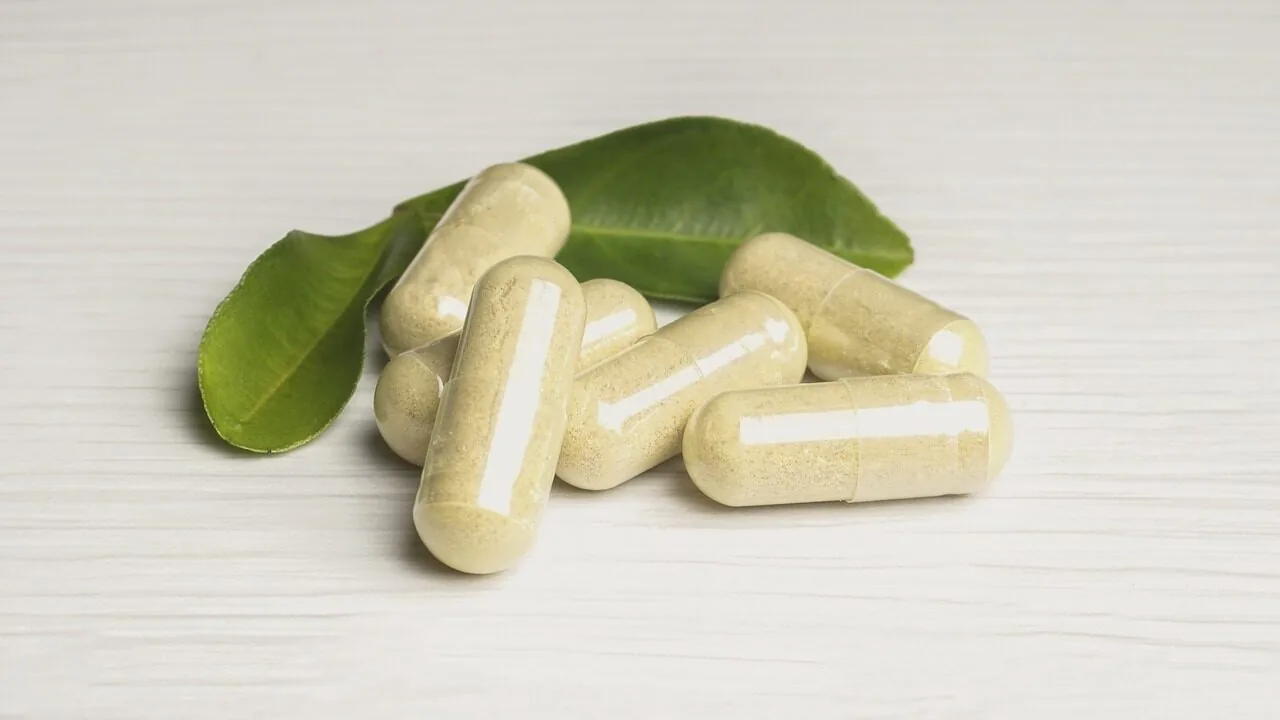
Choosing the right prenatal vitamin is one of the most important nutrition decisions you will make during pregnancy and even before conception.
The supplement market is flooded with options, from budget gummies to premium capsule systems, and the differences in nutrient forms, dosages, and third-party certifications can meaningfully affect how well your body actually absorbs and uses what is inside each pill.
Getting adequate folate (or folic acid), iron, choline, iodine, DHA, and vitamin D is critical for healthy fetal neural tube development, brain growth, and maternal wellbeing, yet many popular formulas fall short on at least one of these fronts.
This guide cuts through the noise. ProductFind’s editorial team synthesized manufacturer specifications, published clinical data on nutrient bioavailability, expert review consensus from registered dietitians and OB-GYN sources, and verified buyer feedback to surface the prenatal vitamins that truly deliver.
We did not rely on any single brand’s marketing claims. Whether you are planning a pregnancy, already in your first trimester, or breastfeeding, the ranked picks below reflect rigorous, research-grounded assessment so you can choose with confidence.
| Award | Product | PF Score About PF ScoreThe PF Score is our own rating from 0 to 10, based on performance, design and build, ease of use, and value. It reflects independent research and is never influenced by manufacturers, retailers, or affiliate commissions. Learn more › | Price | |
|---|---|---|---|---|
| Best Overall |
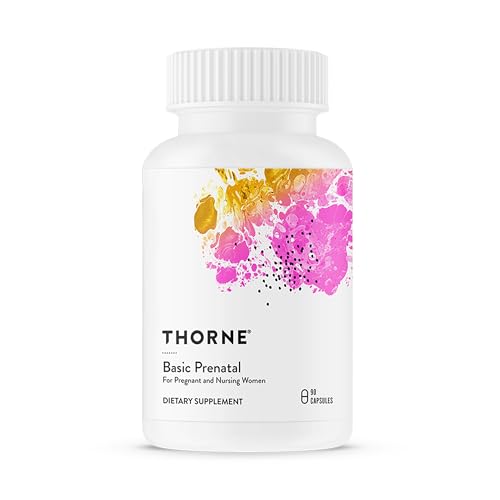 Thorne Basic Prenatal - 18 Nutrients with Active Folate
|
8.7/10 | Buy | |
| Editor's Pick |
 Ritual Women's Prenatal Multivitamin, 60 Capsules
|
8.4/10 | Buy | |
| Best Value |
 Nature Made Prenatal + Choline, 60-Day Supply
|
8.2/10 | Buy | |
| Top Rated |
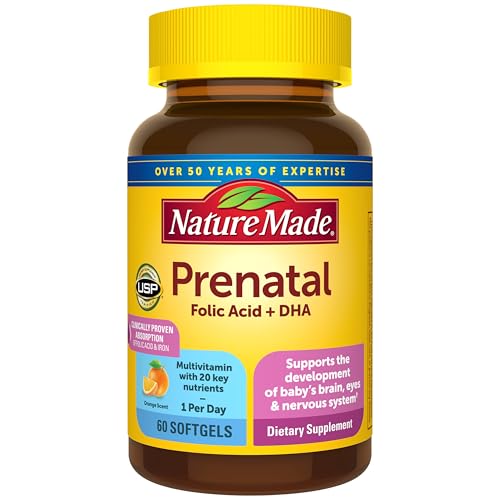 Nature Made Prenatal with DHA, 60-Day Supply
|
8.1/10 | Buy | |
 Pink Stork Total Prenatal with DHA, 60 Capsules
|
7.9/10 | Buy | ||
 Garden of Life Mykind Prenatal Once Daily, 30 Count
|
7.8/10 | Buy | ||
 One A Day Prenatal Advanced 120-Count
|
7.3/10 | Buy | ||
 OLLY Prenatal Multi Gummy, 60 Count
|
7.2/10 | Buy | ||
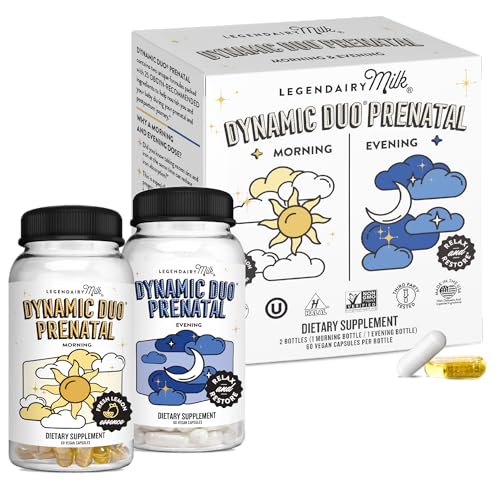 Legendairy Milk Dynamic Duo Prenatal Vitamins
|
6.8/10 | Buy | ||
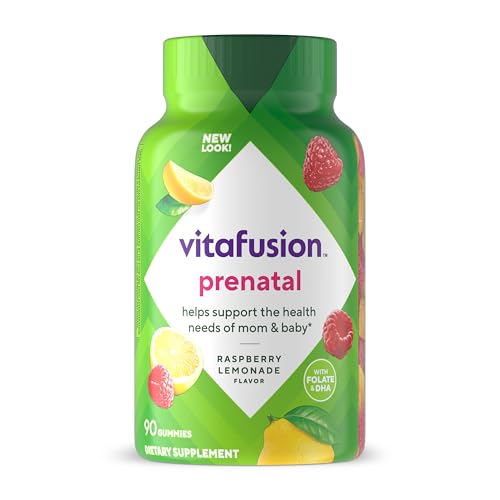 Vitafusion Prenatal Gummies, 90 Count
|
6.5/10 | Buy | ||
 Amazon Basics Prenatal & DHA Gummy, 90 Count
|
6.2/10 | Buy |
Thorne Basic Prenatal - 18 Nutrients with Active Folate
A prenatal multivitamin formulated with bioavailable 5-MTHF folate and 110 mg choline per serving to support fetal development and maternal health. The formula prioritizes gentle absorption and avoids common allergens, making it suitable for women planning pregnancy, currently pregnant, or nursing.
Pros
- Uses bioactive 5-MTHF folate rather than synthetic folic acid for better absorption, especially beneficial for women with genetic variations affecting folate processing
- Includes choline specifically dosed for prenatal needs, addressing a nutrient often missing from standard prenatals
- Clean formulation without unnecessary additives common in mainstream prenatal brands
- Designed to minimize digestive upset during pregnancy with stomach-friendly nutrient forms
Cons
- No verified customer reviews available to assess real-world tolerance or satisfaction
- Comes in 30-serving size, requiring careful planning for full pregnancy coverage
- Premium positioning may not fit all budgets compared to basic prenatal options
Ritual Women's Prenatal Multivitamin, 60 Capsules
A prenatal multivitamin formulated with traceable ingredients like methylated folate, omega-3 DHA, and choline for women planning or during pregnancy. The nested capsule technology separates fat and water-soluble nutrients in one daily serving, designed to dissolve in the small intestine for better absorption.
Pros
- Transparent sourcing with named ingredient origins and rigorous third-party testing
- Addresses multiple pregnancy-support needs in a single capsule without requiring multiple pills
- Formulated to be gentle on the stomach, which is relevant for prenatal use
- Comprehensive allergen-free profile accommodates various dietary restrictions
- Manufacturer offers direct 30-day refund guarantee beyond Amazon's policy
Cons
- No verified customer reviews available to assess real-world tolerance or effectiveness
- Nested capsule technology adds complexity, which may increase cost compared to standard prenatal vitamins
- Requires daily commitment to a single capsule regimen with no flexibility for individual nutrient dosing
Nature Made Prenatal + Choline, 60-Day Supply
A two-in-one prenatal formula combining softgels with DHA and folic acid alongside separate choline capsules for brain development support. Formulated for early pregnancy and beyond with clinically proven nutrient absorption and no synthetic dyes.
Pros
- Dual-formula approach separates prenatal vitamins from choline, allowing flexible dosing if needed
- Comprehensive nutrient profile covers fetal brain development and maternal health requirements
- Third-party absorption verification supports efficacy claims
- Free from common allergens and artificial colorants
Cons
- No verified customer reviews available to assess real-world experience or tolerability
- Requires taking two different supplement forms daily rather than a single tablet
- Product claims not evaluated by FDA, limiting regulatory assurance
Nature Made Prenatal with DHA, 60-Day Supply
A USP-verified prenatal multivitamin combining folic acid and 200mg DHA to support fetal development plus maternal nutrition with B vitamins and magnesium. Gluten-free softgels made in the USA, though the formula relies on standard ingredients without breakthrough differentiators.
Pros
- Includes 200mg DHA for brain and eye health support
- Contains full B-vitamin complex plus biotin for maternal wellness
- USP verified and FSA/HSA eligible
- Gluten-free with no synthetic dyes
- 60-day supply in one bottle for convenience
Cons
- No verified customer reviews available to assess real-world satisfaction
- Standard formula without unique nutritional advantages over competitors
- Orange scent may not appeal to all users experiencing pregnancy-related sensitivities
Pink Stork Total Prenatal with DHA, 60 Capsules
A comprehensive prenatal vitamin combining methylated folate, vegan algae-based DHA, and 14 OBGYN-recommended nutrients in an easy-to-swallow two-capsule daily dose. Formulated to be gentle on the stomach with added B6 for morning sickness support, though it carries a 4.7 rating with no verified buyer reviews available yet.
Pros
- Methylated folate and choline combination supports fetal neural development and cognitive function
- Vegan DHA eliminates need for separate fish-based supplement while avoiding fishy burps
- Thoughtful formulation for pregnancy comfort, including B6 for morning sickness and easy-to-digest ingredients
- Third-party tested with transparent clean label credentials and GMP manufacturing
- Small capsule format makes daily intake manageable even during early pregnancy nausea
Cons
- No verified buyer reviews currently available to assess real-world experiences or tolerability
- Requires commitment to take at least 3 months before conception for optimal benefit, limiting accessibility for those already pregnant
- Two-capsule daily requirement may be inconvenient compared to single-dose prenatal options
Garden of Life Mykind Prenatal Once Daily, 30 Count
A once-daily prenatal multivitamin made from over 30 organic fruits, vegetables, and herbs, designed to support healthy fetal development with whole food nutrition. Features 100 percent daily value folate, vegan D3, and 18mg non-constipating iron in a plant-based tablet that dissolves within 45 minutes.
Pros
- Whole food based formula that the body recognizes and absorbs naturally
- Comprehensive prenatal nutrients in a single daily tablet designed for digestive comfort
- Multiple third-party certifications provide transparency and safety assurance
- Non-constipating iron formulation addresses a common prenatal vitamin side effect
- Plant-based tablet technology dissolves quickly for better bioavailability
Cons
- No verified customer reviews available to assess real-world tolerability or effectiveness
- Single tablet format may be inconvenient for those who have difficulty swallowing larger pills
- Limited information on taste, smell, or other sensory aspects that affect compliance
One A Day Prenatal Advanced 120-Count
A prenatal vitamin combining four brain-supporting nutrients—choline, DHA, folic acid, and iron—in a dual-form softgel and tablet format. Designed for pregnant women seeking comprehensive nutritional support with no major allergens.
Pros
- Comprehensive formula with four key nutrients specifically for fetal neural development
- Allergen-free composition addresses sensitivities common in pregnancy
- Trusted brand with OB/GYN endorsement and long market presence
- Dual-form delivery (softgel and tablet) accommodates different absorption preferences
Cons
- Two-pill daily regimen may be less convenient than single-tablet alternatives
- No verified customer reviews available to assess real-world tolerance or effectiveness
- Requires taking with food, which adds a scheduling consideration
OLLY Prenatal Multi Gummy, 60 Count
A gummy prenatal vitamin combining folic acid, DHA, and essential vitamins A and D in a citrus-flavored format. Designed for expectant mothers seeking convenient daily nutrition support without the pill format.
Pros
- Comprehensive prenatal nutrient blend covering key vitamins and minerals for both mother and baby
- Gummy format eliminates water requirement, addressing common pregnancy-related nausea sensitivity
- Natural fruit flavors make daily supplementation more palatable than traditional pills
- Clear dosing guidance (two gummies daily) with convenient 30-day supply per bottle
Cons
- No verified customer reviews available to assess real-world satisfaction or tolerability
- Gummy format may contain added sugars not specified in provided product data
- Does not clarify complete nutrient profile or whether it meets full prenatal vitamin requirements independently
Legendairy Milk Dynamic Duo Prenatal Vitamins
A two-part prenatal vitamin system separating morning and evening doses to optimize nutrient absorption and address different needs throughout pregnancy. Formulated with methylated folate, vegan DHA, and 25 total nutrients designed for easier digestion.
Pros
- Separates nutrients by time of day to reduce absorption conflicts and address changing pregnancy needs
- Uses methylated folate, the most bioavailable form of folic acid for better utilization
- Includes clinically relevant amounts of DHA and choline specifically for fetal brain development
- Gentler iron formulation designed to reduce common digestive side effects
- Plant-based and chelated minerals support easier absorption
Cons
- No verified buyer reviews available to assess real-world experience or tolerability
- Two-capsule daily regimen may be less convenient than single-dose alternatives
- Premium pricing reflects specialized formulation but represents a higher upfront cost
Vitafusion Prenatal Gummies, 90 Count
Raspberry lemonade flavored prenatal gummies delivering folate, DHA, and essential vitamins in a chewable format designed for easier consumption than pills. Formulated without iron, artificial sweeteners, gluten, or dairy, making it accessible for women with common dietary restrictions.
Pros
- Comprehensive nutrient blend specifically formulated for pregnancy health support
- Clean ingredient list free from common allergens and artificial additives
- Palatable gummy format may improve adherence compared to larger prenatal pills
- No iron avoids gastrointestinal upset common with iron-containing prenatals
Cons
- No customer reviews available to verify real-world tolerability or efficacy reports
- Gummy format may be less suitable for women with nausea or difficulty swallowing due to texture
- Missing prenatal nutrients like calcium and magnesium that some formulations include
Amazon Basics Prenatal & DHA Gummy, 90 Count
A prenatal vitamin gummy formulated to support pregnancy wellness and infant development, featuring a softer jelly texture than typical fruit snacks. Budget-friendly option from Amazon's own brand with a 4.3-star rating, though delivery requires someone home to prevent heat damage.
Pros
- Easier to chew than standard fruit snacks, with softer jelly texture
- Formulated specifically for prenatal and infant health support
- Amazon brand pricing keeps costs accessible
- 90-count size provides month-long supply
Cons
- Requires customer presence during delivery due to heat/sunlight sensitivity that can cause melting or damage
- No verified customer reviews available to assess real-world satisfaction
- Heat vulnerability suggests storage and shipping limitations
Prenatal Vitamins Buying Guide
Not all prenatal vitamins are created equal. The label may say “complete prenatal,” but what matters is which nutrient forms are used, how many key micronutrients are included, and whether an independent party has verified the potency.
Understanding the following criteria will help you match a formula to your actual needs, dietary restrictions, and digestive tolerance. Pair your prenatal with a nutrient-rich diet and, ideally, guidance from your healthcare provider for the best outcomes.
If you are also exploring broader daily supplementation, our guide to multivitamins for every budget and health goal covers the overlap between prenatal and general-use formulas.
Folate vs. Folic Acid: Why the Form Matters

This is the single most debated ingredient in prenatal nutrition. Folic acid is the synthetic form found in most affordable prenatals; it must be converted by the body’s MTHFR enzyme into active 5-methyltetrahydrofolate (5-MTHF) before it can be used.
An estimated 40 to 60 percent of the population carries a variant of the MTHFR gene that slows this conversion, which means those individuals may not be absorbing as much folate as the label suggests.
Methylated folate (listed as methylfolate, 5-MTHF, or Metafolin on the label) bypasses this conversion step entirely, making it the preferred form for anyone with MTHFR variants or anyone who simply wants to maximize absorption.
Higher-end picks like Thorne Basic Prenatal and Ritual Women’s Prenatal Multivitamins use methylated folate, which is one reason they rank highly in our evaluation.
If you choose a formula with folic acid, look for at least 600 to 800 mcg DFE (dietary folate equivalents) to meet or exceed the American College of Obstetricians and Gynecologists (ACOG) recommendation.
Always confirm the folate form with your OB-GYN or midwife, especially if you have been screened for MTHFR variants or have had a previous pregnancy affected by neural tube defects.
DHA and Omega-3 Content

DHA (docosahexaenoic acid) is an omega-3 fatty acid that is foundational to fetal brain and eye development, particularly in the third trimester when neural growth accelerates sharply. ACOG recommends at least 200 mg of DHA per day during pregnancy.
Many prenatal vitamins include DHA in a combined softgel or a separate capsule, but the amounts vary widely and some budget formulas include as little as 50 mg, well below the target.
The source of DHA also matters. Algal-based DHA (derived from marine algae) is the same precursor that fish consume to make their omega-3s, making it an excellent vegan-friendly option without the risk of mercury contamination.
Fish oil-derived DHA is also safe and well-studied, but quality varies by purification method. Look for brands that publish a certificate of analysis (COA) or carry third-party certification confirming heavy metal evaluation.
Nature Made’s products, for example, carry USP verification, providing documented purity assurance.
If your prenatal does not include DHA, or includes a sub-therapeutic amount, consider adding a standalone vitamin D and omega-3 combination supplement under your provider’s guidance, since vitamin D and DHA absorption are linked to overall fat-soluble nutrient status.
Iron: Necessary but Potentially Problematic
Iron requirements nearly double during pregnancy, rising to 27 mg per day per the National Institutes of Health (NIH), because blood volume expands dramatically to support the growing placenta and fetus.
Iron deficiency anemia is one of the most common pregnancy complications and is associated with preterm birth and low birth weight. A quality prenatal should include at least 18 to 27 mg of elemental iron.
However, iron is also the nutrient most responsible for prenatal-related nausea and constipation. Ferrous bisglycinate chelate is a gentler form that tends to cause fewer GI side effects than ferrous sulfate, the cheaper form used in many mainstream formulas.
If you have already experienced digestive upset on prenatals containing iron, check whether the formula uses a chelated form before switching.
Women with certain conditions, such as hemochromatosis or those eating a diet already high in iron-rich animal proteins, may actually be advised by their doctor to take a lower-iron or iron-free prenatal. Never adjust iron intake outside of medical guidance.
Choline: The Underrated Nutrient

Choline has emerged as a critically important nutrient in prenatal nutrition research, yet it is absent from a surprising number of prenatal formulas.
The adequate intake for pregnant women is 450 mg per day, but surveys consistently show that fewer than 10 percent of pregnant women in the US meet this target through diet alone (per data published in the American Journal of Clinical Nutrition).
Choline is essential for neural tube closure, placental function, and fetal memory development.
When evaluating prenatals, check the supplement facts panel specifically for choline. Products like the One A Day Prenatal Advanced and the Nature Made Prenatal + Choline combination are explicitly formulated to address this gap.
Thorne Basic Prenatal also includes choline alongside 18 other vitamins and minerals. If your preferred formula omits choline, you will need to compensate through diet (eggs are among the richest food sources) or a separate choline supplement.
Third-Party Certification and Quality Verification

Dietary supplements in the United States are not reviewed by the FDA for safety or efficacy before reaching store shelves. This makes independent third-party certification one of the strongest proxies for quality available to consumers.
The main certifying bodies to look for are USP (US Pharmacopeia), NSF International, and Informed Sport. Each verifies that the product contains what the label claims, in the stated amounts, and is free from common contaminants.
Thorne holds NSF Certified for Sport status across its supplement line, a level of scrutiny that goes beyond standard quality audits. Nature Made products carry USP verification.
Garden of Life Mykind Prenatal is USDA Certified Organic, Non-GMO Project Verified, and NSF Certified Gluten-Free, catering to buyers who prioritize whole-food-based sourcing. Ritual publishes a traceable supply chain with visible ingredient sourcing for every nutrient.
Budget picks without certification are not automatically unsafe, but they carry more uncertainty.
If the supplement facts panel aligns with your needs and your budget is constrained, a reputable brand with a long market history (like Vitafusion or Nature Made’s core line) offers more confidence than an unknown label.
This mirrors the calculus we apply to vitamin C supplements, where third-party verification is similarly valuable but not always achievable at the lowest price points.
Form Factor: Gummies, Softgels, Capsules, and Two-Part Systems

The physical form of a prenatal vitamin affects both compliance and nutrient delivery. Gummies (like Vitafusion, OLLY, and Amazon Basics) are the easiest to tolerate, especially during first-trimester nausea, but they almost universally omit iron due to formulation constraints.
They also often contain added sugars. If iron deficiency is a concern, a gummy-only approach will leave a meaningful gap.
Softgels and capsules allow for a more complete nutrient profile but can be harder to swallow and may cause GI distress when taken on an empty stomach.
Taking them with a small meal or at bedtime is a common strategy to reduce nausea.
Two-part systems, such as the Legendairy Milk Dynamic Duo, split nutrients across a morning and evening dose to optimize absorption of iron and calcium (which compete for uptake) and to stagger fat-soluble vitamins that are best taken with food.
These systems require consistent twice-daily adherence to deliver their full benefit.
Consider your track record with supplement adherence honestly. The most nutritionally sophisticated prenatal is not the best choice if you will reliably skip half the doses.
Why You Should Trust Us
ProductFind is an independent editorial review platform. We do not manufacture, distribute, or sell any of the products we evaluate.
Every prenatal vitamin in this roundup was assessed through structured research synthesis: we analyzed manufacturer specifications, reviewed published clinical and nutritional science data, incorporated expert review consensus from healthcare professionals and nutrition researchers, and incorporated verified buyer feedback across major retail platforms.
We do not conduct our own product trials; our evaluations are grounded in research, published data, expert review consensus, and verified buyer feedback.
Each product receives a PF Score on a 0 to 10 scale, applied consistently across the same criteria: nutrient completeness, quality of ingredient forms, third-party certification, bioavailability evidence, and value relative to formulation depth.
Scores are determined by our editorial team and are not influenced by commercial relationships.
ProductFind may earn a commission when you purchase through links on this page. This affiliate relationship does not affect which products are selected, how they are ranked, or what PF Score they receive.
Our recommendations reflect quality assessment, not commission rates. We do not accept payment for placement, and no brand can purchase a higher ranking.
Final Thoughts
The prenatal vitamins in this roundup span a wide range of price points, formulation philosophies, and certifications. Here is how we would summarize the strongest picks by use case, each tied to its research-grounded PF Score ranking:
- Best Overall: Thorne Basic Prenatal earns the top position with the highest PF Score in this group, built on methylated folate, a choline inclusion, 18 essential vitamins and minerals, NSF certification, and verified suitability across preconception through nursing. It is a premium investment that delivers a genuinely comprehensive, research-backed formula.
- Best for Transparency-Focused Shoppers: Ritual Women’s Prenatal Multivitamins stand out for publishing a traceable supply chain for every nutrient, using methylated folate and algal DHA, and maintaining an easy-to-swallow delayed-release capsule format. The high PF Score reflects a formula that is honest about what it includes and why.
- Best for Iron and Choline Together: Nature Made Prenatal Vitamin Softgels + Choline Capsules directly address the two most commonly underdosed nutrients in prenatal formulas. USP verification adds documented potency assurance, and the combined system provides real nutritional depth at a mid-range price.
- Best Budget Softgel: Nature Made Prenatal Vitamins with Folic Acid + DHA offer USP-verified quality at an accessible price, making them one of the most defensible value options in the category. The PF Score reflects solid fundamentals even without the premium nutrient forms found in top-ranked picks.
- Best Gummy Option: OLLY Prenatal Multivitamin Gummy combines folic acid, omega-3 DHA, and vitamins A and D in a palatable format that is especially useful during periods of nausea. Buyers who understand the iron limitation and supplement accordingly will find it a practical, consistent-compliance choice.
Whatever your budget, the most important step is starting a prenatal before conception if possible and maintaining consistent daily intake throughout pregnancy and breastfeeding.
If you are building out a broader supplement routine alongside your prenatal, exploring well-sourced vitamin D supplements is a logical next step, since vitamin D deficiency is common in pregnancy and often not fully corrected by prenatal formulas alone.
Frequently Asked Questions
When should I start taking prenatal vitamins?
Ideally, you should begin taking a prenatal vitamin at least one to three months before conception. Neural tube formation occurs in the first 28 days after conception, often before a woman even knows she is pregnant.
ACOG and the CDC both recommend that women of reproductive age who could become pregnant take a daily supplement containing at least 400 mcg of folic acid or folate to reduce neural tube defect risk.
Starting early gives your body time to build adequate folate stores before the critical developmental window opens.
Can I take a regular multivitamin instead of a prenatal?
A standard daily multivitamin is not a reliable substitute during pregnancy. Prenatal-specific formulas are calibrated to the dramatically elevated demands of pregnancy, particularly for folate, iron, iodine, and DHA.
Most adult multivitamins contain lower amounts of these nutrients or omit DHA entirely.
Some also include nutrients at levels that are safe for general adult use but have not been specifically validated for pregnancy, such as vitamin A in retinol form, which can be teratogenic in high doses.
Stick with a product specifically labelled and formulated as a prenatal vitamin during pregnancy and breastfeeding.
Are gummy prenatal vitamins as effective as capsules or softgels?
Gummy prenatal vitamins are effective at delivering the nutrients they contain, but their formulation has meaningful structural limitations. Because iron reacts with the gummy base and degrades flavor and texture, virtually all gummy prenatals omit iron entirely.
They also tend to use folic acid rather than methylated folate and may include added sugars.
For women with borderline or low iron levels, a gummy-only prenatal creates a real nutritional gap that needs to be addressed through diet or a separate iron supplement under medical supervision.
For women whose iron levels are consistently healthy and who have difficulty tolerating pills, a quality gummy like OLLY or Vitafusion can be a practical, compliance-friendly option.
Do I need to take a prenatal vitamin while breastfeeding?
Yes. Nutrient demands during breastfeeding are in some respects even higher than during pregnancy, particularly for iodine, choline, and DHA, all of which transfer through breast milk and are critical for continued infant brain development.
Many prenatal vitamins are explicitly formulated and labelled for use through the nursing period. Thorne Basic Prenatal, for example, is designed for pregnant and nursing women.
Check your formula’s label to confirm it is appropriate for postpartum use, and discuss continuing supplementation with your healthcare provider at your postpartum visit.
What if my prenatal vitamin makes me nauseous?
Nausea from prenatal vitamins is most often linked to iron content or to taking the supplement on an empty stomach.
Try taking your prenatal with a meal, particularly one that contains some fat to support absorption of fat-soluble vitamins like A, D, E, and K.
Taking it at bedtime is another strategy that allows you to sleep through any residual queasiness.
If nausea persists, switching to a formula that uses ferrous bisglycinate chelate (a gentler iron form) rather than ferrous sulfate can reduce GI side effects significantly.
In severe cases, your provider may recommend a lower-iron formula or a gummy prenatal paired with a separate iron supplement at a different time of day. Baby care routines and maternal supplement tolerance are both highly individual, and there is no single solution that works for every pregnant woman.
How do I know if a prenatal vitamin is actually high quality?
Look for three things: third-party certification (USP, NSF, or Informed Sport seals on the label), the use of bioavailable nutrient forms (methylated folate, chelated minerals, algal or fish-oil-sourced DHA), and a complete nutrient panel that includes choline and iodine alongside the standard vitamins and minerals.
Price is not a perfect proxy for quality, but extremely inexpensive products rarely use premium ingredient forms.
Cross-referencing the supplement facts panel against published ACOG and NIH recommendations for pregnancy nutrition is a straightforward way to spot significant gaps before you buy.
About the author
Patsy is a reviewer and writer for ProductFind who specializes in Vitamins & Supplements. Patsy evaluates products through independent research: specifications, expert review consensus, and verified buyer feedback, and rates each one on the PF Score. Patsy focuses on helping readers pick the right vitamins & supplement for their needs and budget.