The 9 Best Running Belts
Bounce, bulk, and bad fit ruin more runs than most gear ever will. These running belts stay put, carry your essentials, and disappear once you hit your stride.
 By Clifford Baker
Updated July 23, 2026
By Clifford Baker
Updated July 23, 2026

Carrying a phone, keys, and a few energy gels on a run sounds simple until your shorts have no pockets, your armband slides around, and that one loose key somehow finds a way to jab you every other stride.
A well-designed running belt solves all of that in one lightweight, low-profile package.
The best ones stay put through tempo runs and long slow distances alike, hold everything you actually need, and vanish from your awareness within the first half mile.
Pair a great belt with a solid pair of road running shoes and your everyday kit is essentially complete.
To help you find the right fit, the ProductFind editorial team analyzed specifications, manufacturer data, verified buyer feedback across thousands of Amazon reviews, and expert review consensus from the broader running community.
We evaluated each model against consistent criteria covering bounce control, storage capacity, phone compatibility, build quality, and comfort against skin, then scored it on our 0 to 10 PF Score scale.
Whether you need a minimalist no-bounce waist pack, a hydration-ready belt for trail runs, or simply the most affordable option that still does the job, the picks below cover every major need.
| Award | Product | PF Score About PF ScoreThe PF Score is our own rating from 0 to 10, based on performance, design and build, ease of use, and value. It reflects independent research and is never influenced by manufacturers, retailers, or affiliate commissions. Learn more › | Price | |
|---|---|---|---|---|
| Best Overall |
 Nathan Zipster Max Running Belt, Medium
|
8.7/10 | Buy | |
| Editor's Pick |
 SPIbelt Dual Pocket Pro Running Belt
|
8.1/10 | Buy | |
| Best Value |
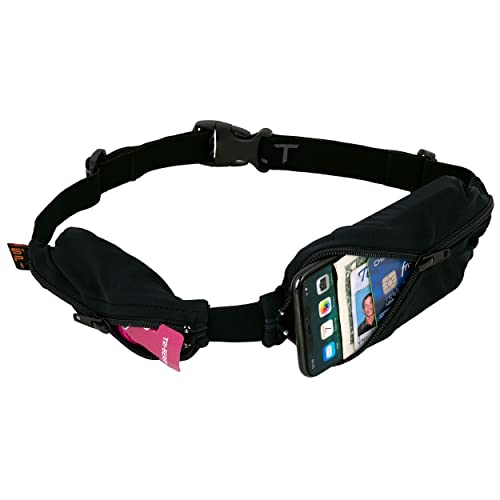 SPIbelt Double Pocket Running Belt
|
7.8/10 | Buy | |
| Top Rated |
 FlipBelt Zipper Medium Running Belt
|
7.6/10 | Buy | |
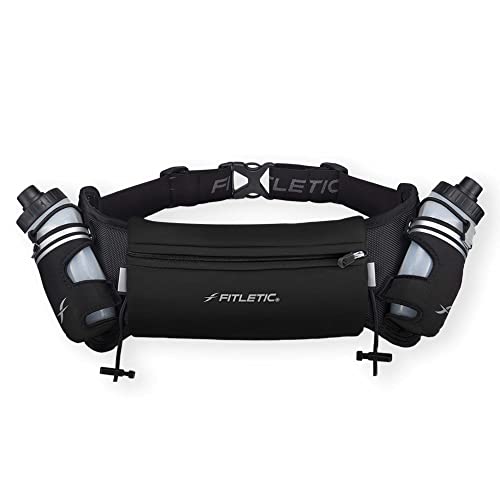 Fitletic Hydra 16 Running Belt with 2 Water Bottles
|
7.5/10 | Buy | ||
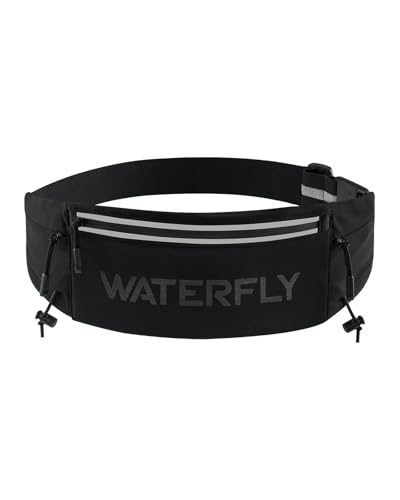 WATERFLY Running Belt with Bib Clip, Fits 30-39 Inch Waist
|
6.4/10 | Buy | ||
 WATERFLY Running Belt Fanny Pack for Phones
|
6.1/10 | Buy | ||
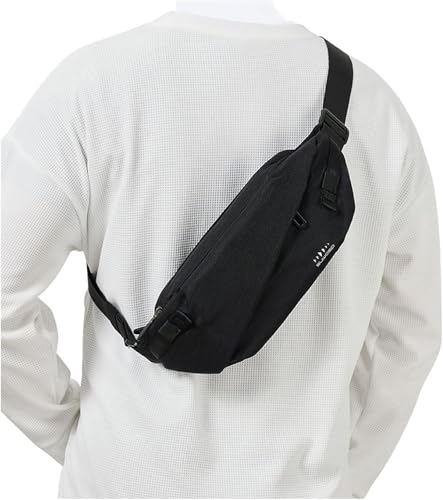 Suwasp Crossbody Waist Pack with Anti-Theft Pocket
|
5.8/10 | Buy | ||
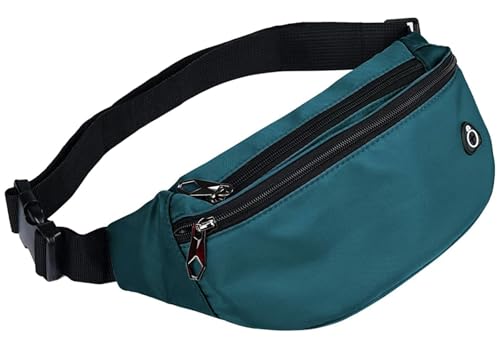 ZOORON Water-Repellent Waist Pack, 3-Pocket Design
|
5.2/10 | Buy |
Nathan Zipster Max Running Belt, Medium
A lightweight waist pack designed for runners and gym-goers who need phone and essentials storage without bounce. Features weather-resistant zippered pockets and fits all major smartphone brands.
Pros
- Multiple storage options with both zippered and side pockets for versatile carrying capacity
- Compatible with virtually all smartphone models and brands
- Soft stretch mesh material provides comfort without restrictive feeling
- Weather-resistant pockets help protect contents during outdoor activities
Cons
- No verified buyer reviews available to confirm real-world durability and performance claims
- Limited information on waist size range and adjustment mechanisms for the Medium size
- Reliance on size chart required to ensure proper fit, with no mention of return flexibility
SPIbelt Dual Pocket Pro Running Belt
A dual-pocket waist pack designed for runners and active users, offering expandable storage for phones, keys, and essentials with a secure, low-profile fit. The 1.5-inch elastic belt accommodates waist sizes 25 through 47 inches and is built to stay flat and bounce-free during activity.
Pros
- Two pockets with different capacities (8x4x2 inches and 3x3x2 inches) for organized storage
- Compatible with all phone models including iPhone and Samsung
- Stays flat and low-profile against the body for minimal movement
- Wide adjustable range fits most adult body types
Cons
- No verified user reviews available to assess real-world durability or comfort feedback
- Limited color options shown (only anthracite with black zipper)
- Expandable pockets may not compress fully when empty, affecting packability
SPIbelt Double Pocket Running Belt
A lightweight, low-profile waist pack with dual expandable pockets designed for runners and active users. The larger pocket fits most phones while the smaller pocket handles keys and accessories, all without bounce thanks to a secure 1-inch elastic belt.
Pros
- Two separate pockets accommodate phones, documents, keys, and small accessories without bulk
- Secure fit across wide waist range with comfortable 1-inch elastic that resists chafing
- Minimal bounce and low-profile design keeps gear stable during running or movement
- Durable construction with reliable buckle system suited for frequent, intense activity
Cons
- No customer reviews available to verify real-world performance and durability over time
- One-size-fits-all design may not work equally well for users at extreme waist measurements
- Limited color options listed, only black with black zipper available
FlipBelt Zipper Medium Running Belt
A straightforward waist pack designed for runners and fitness enthusiasts who need hands-free storage for essentials like phones, keys, and cash. Four openings provide quick access from both front and back, and the machine-washable design keeps maintenance simple.
Pros
- Dual front and back openings for convenient access without removing the belt
- Machine washable for easy care and maintenance
- Lightweight at 0.21 pounds, minimizing bounce during activity
- Available in multiple sizes to accommodate different body types
Cons
- No customer reviews available to validate real-world durability or comfort claims
- Limited information on material composition and water resistance
- Zipper design adds complexity compared to basic slide-opening alternatives
Fitletic Hydra 16 Running Belt with 2 Water Bottles
A bounce-free hydration belt designed with a contoured hip fit and water-resistant construction. Includes two 8oz quick-flow bottles, a phone pocket, and reflective accents for safety during runs.
Pros
- Contoured waist belt design minimizes bounce and movement during runs
- Quick-flow bottle caps allow hydration without stopping
- Water-resistant, sweat-wicking construction built for active conditions
- Organized main pocket with dedicated space for ID, cards, and phones
- BPA-free bottles are top-rack dishwasher safe for easy cleaning
Cons
- No verified customer reviews available to assess real-world durability and fit consistency
- Limited to S/M size range (24-34 inches), may not accommodate all body types
- 16 ounces of total hydration capacity may be insufficient for longer runs exceeding 90 minutes
WATERFLY Running Belt with Bib Clip, Fits 30-39 Inch Waist
A lightweight waist pack designed for runners and endurance athletes, featuring a breathable mesh design, three organized pockets, and a marathon bib clip. Best suited for those training for races who need hands-free storage without bulk.
Pros
- Multiple organized pockets keep essentials secure without bouncing
- Breathable mesh construction prevents sweat buildup during long runs
- Bib clip and reflective strips add practical race-day and safety features
- Fits a wide waist range with quick-adjust elastic band
- Minimal weight at 0.2 pounds adds no noticeable burden
Cons
- No verified buyer reviews available to assess real-world durability or fit consistency
- Phone pocket limited to devices up to 7 inches, excluding larger phones
- Limited color option currently shown as black only
WATERFLY Running Belt Fanny Pack for Phones
A lightweight waist pack designed for runners and active travelers, featuring a spacious main pocket that fits any phone size plus two additional pockets for essentials. The adjustable design accommodates waists 27-48 inches with minimal bounce, though it carries no verified buyer feedback to confirm real-world durability claims.
Pros
- Spacious multi-pocket design accommodates various essentials and any phone size
- Wide adjustable range (27-48 inch waists) fits most body types
- Lightweight technical fabric minimizes bulk during runs or travel
- Reflective elements and slip-proof buckle enhance safety
- Dedicated headphone port eliminates tangled cord issues
Cons
- No verified buyer reviews available to confirm stated durability and no-sag claims
- Reflective branding limited to logo only; may not provide full visibility for all body positions
- Stretch strap durability over extended use not yet validated by customers
Suwasp Crossbody Waist Pack with Anti-Theft Pocket
A versatile sling bag designed for both men and women, featuring multiple zippered compartments and a secure rear pocket for everyday carry. Made from durable, water-resistant recycled nylon with adjustable strap length, it adapts to running, travel, or casual urban use.
Pros
- Multiple compartments provide excellent organization without bulk
- Durable water-resistant material backed by 5-year warranty
- Highly adjustable strap system works for different body types and wear styles
- Dedicated rear anti-theft pocket adds security for valuables
Cons
- No verified customer reviews available to assess real-world durability and fit satisfaction
- Limited color options (black only in current listing)
- Medium size may feel constraining for users needing larger daily capacity
ZOORON Water-Repellent Waist Pack, 3-Pocket Design
A versatile fanny pack with three zippered compartments and multiple wearing options, designed for travel, hiking, and everyday activities. Water-resistant material and lightweight construction suit casual users who need hands-free storage for phones, keys, and essentials.
Pros
- Multiple wear options make it adaptable to different activities and preferences
- Back compartment provides dedicated security for valuables away from easy access
- Water-repellent exterior handles splashes and light moisture without weight penalty
- Spacious main pocket accommodates most modern smartphones and travel necessities
- Lightweight design minimizes fatigue during extended wear
Cons
- Water-resistant only against splashes; zippers allow water penetration, not suitable for submersion or heavy rain
- No customer reviews available to verify real-world durability and fit consistency
- Limited structural detail on padding or organizational features within compartments
Running Belts Buying Guide
Not every running belt is built for the same runner or the same run. A quick 5K around the neighborhood calls for something different than a two-hour trail run with water and fuel.
The sections below break down the criteria that actually separate a great belt from one you will abandon after two outings.
Bounce Control and Stability

Bounce is the single biggest complaint among runners who have tried and abandoned a waist pack. It happens when the belt is too loose, too stiff, or when its center of gravity shifts with every foot strike.
The best designs use elastic or stretchy fabric that compresses slightly against your midsection, keeping the load flush with your body rather than swinging away from it.
Look for belts with adjustable waistbands that let you fine-tune the fit rather than relying on small, medium, and large size jumps.
Some models, like the Nathan Zipster Max, use a no-tail zipper system that eliminates the flapping strap end that causes noise and distraction.
Others, like the FlipBelt Zipper, achieve stability through a compression-tube design that wraps flush against the waist rather than sitting on top of it.
Verified buyer feedback consistently highlights that stability improves dramatically when the belt sits just above the hip bones rather than at the natural waist.
If a belt rides up or migrates down during a run, no amount of tightening will fully fix it; the cut and placement of the band itself matters as much as the fastening system.
Storage Capacity and Pocket Layout

Storage needs vary enormously.
A runner carrying only a house key and a credit card needs very little space, while someone heading out for a long run needs room for a large smartphone, two or three gels, a folded emergency cash bill, and possibly earbuds.
Before buying, measure your phone against the listed pocket dimensions; many belts claim to fit “all smartphones” but struggle with newer, taller models.
Dual-pocket designs, such as those offered by the SPIbelt Dual Pocket Pro and the SPIbelt Double Pocket, let you separate wet or messy items like gels from electronics. This is a small detail that becomes genuinely useful on long efforts.
Expandable pockets made from stretchy spandex-blend fabric can accommodate a range of loads without the stiff bulge that rigid nylon pouches create.
Pocket access also matters. Front-facing zippered pockets are easiest to reach mid-run without breaking stride, while belts with pockets on the back require you to twist or stop.
For races, a quick-access card slot or open-top section lets you grab a gel without fighting a zipper at mile 18.
Phone Compatibility and Screen Access

Modern flagship smartphones are large. The iPhone 16 Pro Max, Samsung Galaxy S25 Ultra, and similar devices push past 6.7 inches, and many older belt designs simply were not built to accommodate them.
Always check the manufacturer’s listed pocket interior dimensions against your specific phone’s dimensions before purchasing, rather than relying on vague “fits most phones” marketing language.
Some belts position the phone window facing outward, allowing you to see your screen, tap navigation, or skip a track without removing the device.
Others are fully enclosed, which is more secure but requires you to pull the phone out entirely for any interaction.
If you rely on GPS maps or frequently adjust music on the go, a clear-window or outward-facing pocket is worth prioritizing.
Water resistance is a related consideration. A belt made from water-resistant or water-repellent fabric will protect your phone from light rain and sweat seepage, which matters on humid summer runs or in unpredictable weather.
Full waterproofing is rare at this price tier, but a DWR-coated exterior buys meaningful protection for everyday use.
Runners who also want to keep their feet protected on wet routes will find that the right trail running shoes pair naturally with a weather-resistant belt setup.
Comfort, Breathability, and Skin Contact

A running belt sits directly against skin for miles at a time, and that means fabric choice is not a minor detail. Rough seams, non-breathable materials, or overly thick neoprene panels all become irritants during longer efforts.
Verified buyers consistently flag chafing as the deciding factor in whether a belt gets used past the first week.
Lightweight spandex and moisture-wicking blends perform best in warm weather. Neoprene is durable and protective but traps heat, making it better suited to cooler conditions or short efforts.
Some premium designs line the body-contact surface with a soft-touch fabric while keeping the exterior structured enough to hold its shape under load.
Width is another comfort variable. Narrow belts (roughly one to two inches) sit unobtrusively and are easy to forget, but they also provide less surface area to distribute the load of heavier items.
Wider belts can carry more without digging in, though they can feel warm and restrictive during hot-weather runs.
Most runners find a band in the two-to-three-inch range offers the best balance across varied conditions.
Hydration Capability

For runs exceeding sixty to ninety minutes in warm conditions, carrying water becomes a genuine performance and safety consideration rather than a preference.
Dedicated hydration running belts like the Fitletic Hydra 16 include holders for small water bottles positioned at the sides or back, keeping weight balanced and hands free.
This is a meaningfully different category from a standard waist pack and worth considering separately if long runs or trail efforts are part of your regular rotation.
When evaluating hydration belts, look for bottle placement that does not interfere with arm swing, quick-flow valves that allow drinking without stopping, and insulation if you run in heat.
The Fitletic Hydra 16’s patented bounce-free design and water-resistant pouch represent solid execution at a mid-range price point, though the extra weight of loaded bottles is a trade-off that minimalist runners may find distracting.
If hydration is the priority, you may also want to consider a full running vest for ultramarathon training; but for most road and light trail use, a two-bottle belt strikes the right balance between capacity and pack weight.
Combining a hydration belt with purpose-built running shoes suited to your terrain covers the two biggest gear decisions for distance runners.
Value and Build Quality Across Price Tiers

Running belts range from budget options around ten dollars to premium designs that approach fifty dollars or more.
At the lower end, brands like ZOORON and suwasp offer functional water-repellent waist packs that work perfectly well for casual use, light travel, and hikes where bounce control is less critical.
Their zippers and stitching are less refined, and fabric quality tends to show wear sooner, but for occasional use the value proposition is real.
Mid-range and premium belts from Nathan, SPIbelt, FlipBelt, and Fitletic use higher-grade stretch fabrics, more robust zipper hardware, and better-engineered band systems.
The difference shows up most clearly on longer runs where a budget belt may shift or abrade while a quality design disappears entirely.
If you run more than three or four times per week, the durability and comfort gap between tiers is meaningful enough to justify spending more.
Race-day runners should also consider whether a belt doubles as a bib holder. The WATERFLY Runner Race Belt with Bib Clip addresses this niche directly and is worth considering for anyone who competes regularly.
Keeping your race kit light and organized matters just as much as having the right athletic footwear dialed in for race day.
Why You Should Trust Us
ProductFind is an independent editorial site. We do not sell products, fulfill orders, or manage returns. Our recommendations are produced by a dedicated research team that evaluates each product against a consistent, documented set of criteria before assigning a PF Score on a 0 to 10 scale.
We do not conduct our own product trials; our evaluations are grounded in research, published data, expert review consensus, and verified buyer feedback.
For running belts specifically, our scoring framework weighted bounce control and stability most heavily, followed by storage versatility, phone compatibility, comfort and breathability, build quality, and overall value.
Every product in this roundup was evaluated using the same framework so that scores are directly comparable.
ProductFind may earn an affiliate commission when you purchase through links on this page. That relationship has no influence on our rankings, scores, or product selection.
We include products because our research indicates they represent genuine value for readers, not because of margin or promotional arrangements. Our editorial independence is the foundation of everything we publish.
Final Thoughts
The running belt market covers a wide range of needs, and the picks in this guide reflect that diversity. After scoring all nine products across consistent criteria, here is how the top performers shake out by use case.
- Best Overall: Nathan Zipster Max Running Belt earned the highest PF Score in this roundup. Its extra-large zippered pocket, no-tail zipper system, and bounce-free performance across multiple run types make it the most versatile option for the widest range of runners.
- Best for Serious Training: SPIbelt Dual Pocket Pro Running Belt stands out for runners who need to separate storage, with expandable dual pockets and a refined adjustable waistband that earns high marks from verified long-distance buyers.
- Best for Everyday Runs: SPIbelt Double Pocket Running Belt offers a proven no-bounce design at a competitive mid-range price, making it a reliable daily driver for runners who carry a modest load.
- Best Pull-On Style: FlipBelt Zipper Running Belt takes a different approach with its compression-tube fit that wraps flush against the waist rather than clipping or buckling. Runners who prefer a seamless, no-hardware feel consistently rate it highly for comfort on longer efforts.
- Best for Hydration: Fitletic Hydra 16 Hydration Running Belt is the clear choice for runners who need on-board water. Its patented bounce-free design and dual quick-flow bottles address the core challenges of carrying liquids during a run without sacrificing comfort.
Budget-conscious runners are not left out either.
The WATERFLY and suwasp options in this guide prove that effective storage at a fraction of the premium price is genuinely achievable for casual or occasional use, even if they do not match the long-run durability of the top-tier picks.
Whatever your mileage and budget, there is a well-matched option in this list.
Frequently Asked Questions
How do I stop my running belt from bouncing?
The most effective fix is to tighten the belt so it sits snugly against your skin without restricting breathing. A belt that hangs even slightly loose will shift with every stride.
Position it just above the hip bones rather than at the natural waist; this is the narrowest point of the torso and naturally resists upward migration.
Belts made from stretchy, compressive fabric grip the body better than rigid nylon designs and are worth prioritizing if bounce has been a persistent issue for you.
Will a running belt fit my large smartphone?
Not automatically. Modern flagship phones are larger than the designs many classic belts were built around. Always check the listed interior pocket dimensions against your phone’s actual height, width, and thickness before purchasing.
Most product listings specify the maximum phone size they accommodate; if that information is absent, verified buyer reviews from people with the same device are your best reference.
The Nathan Zipster Max is widely cited in buyer feedback as accommodating large current-generation phones reliably.
Can I wear a running belt for hiking or travel as well as running?
Yes, most running belts translate well to light hiking and travel because their compact form factor and secure closures make them practical for any activity where you want hands-free access to essentials.
The ZOORON and suwasp models in this guide are explicitly marketed for travel and hiking use and perform well in those contexts. For more demanding trail outings, a hydration-capable belt like the Fitletic Hydra 16 adds meaningful utility.
Running belts are also useful for theme parks, concerts, and commutes where pickpocket-resistant secure storage matters.
What is the difference between a running belt and a regular fanny pack?
A running belt is purpose-engineered to minimize movement and stay flush against the body during high-impact activity.
Standard fanny packs use rigid pouches, heavier hardware, and non-stretch fabrics that are comfortable for walking or casual wear but shift noticeably during running.
Running-specific designs use stretch fabrics, elastic or bungee-style waistbands, and low-profile pocket construction to eliminate the bounce and chafe that conventional waist bags produce.
If you plan to actually run with it, a purpose-built running belt is worth the upgrade over a general-purpose fanny pack.
How should I clean and maintain my running belt?
Most running belts are hand-wash recommended. Use cool water and a mild detergent, gently work the fabric, rinse thoroughly, and air dry away from direct heat or sunlight, which can degrade elastic fibers over time.
Avoid machine washing unless the manufacturer explicitly permits it, and never tumble dry; the combination of heat and mechanical action accelerates wear on stretch fabric and zipper tape.
Wipe zippers periodically with a dry cloth to remove debris, and apply a small amount of zipper lubricant if they begin to snag. A well-maintained belt from a quality brand will typically outlast several seasons of regular running.
Do I need a separate belt if I already run with a hydration vest?
Probably not for the same run. A hydration vest handles water and storage simultaneously, so adding a waist belt would be redundant weight.
However, many runners who own a vest still keep a lightweight waist belt for shorter runs where the full vest is overkill.
For everyday road runs and races up to the half-marathon distance, a slim running belt offers everything most runners need without the bulk of a vest.
Saving the vest for longer trail efforts and relying on a belt for daily training is a practical division of gear that a large share of high-mileage runners settle on.
If you are still building your overall running kit, pairing a reliable belt with well-fitted road running shoes covers the essentials for most training environments.
About the author
Clifford is a reviewer and writer for ProductFind who specializes in Running Gear. Clifford evaluates products through independent research: specifications, expert review consensus, and verified buyer feedback, and rates each one on the PF Score. Clifford focuses on helping readers pick the right running gear for their needs and budget.