The 9 Best Sandboxes
Sand play builds creativity and motor skills, but not all sandboxes hold up outdoors. We researched materials, cover designs, and real-world durability to find the picks worth buying.
 By Susan Lewis
Updated July 23, 2026
By Susan Lewis
Updated July 23, 2026
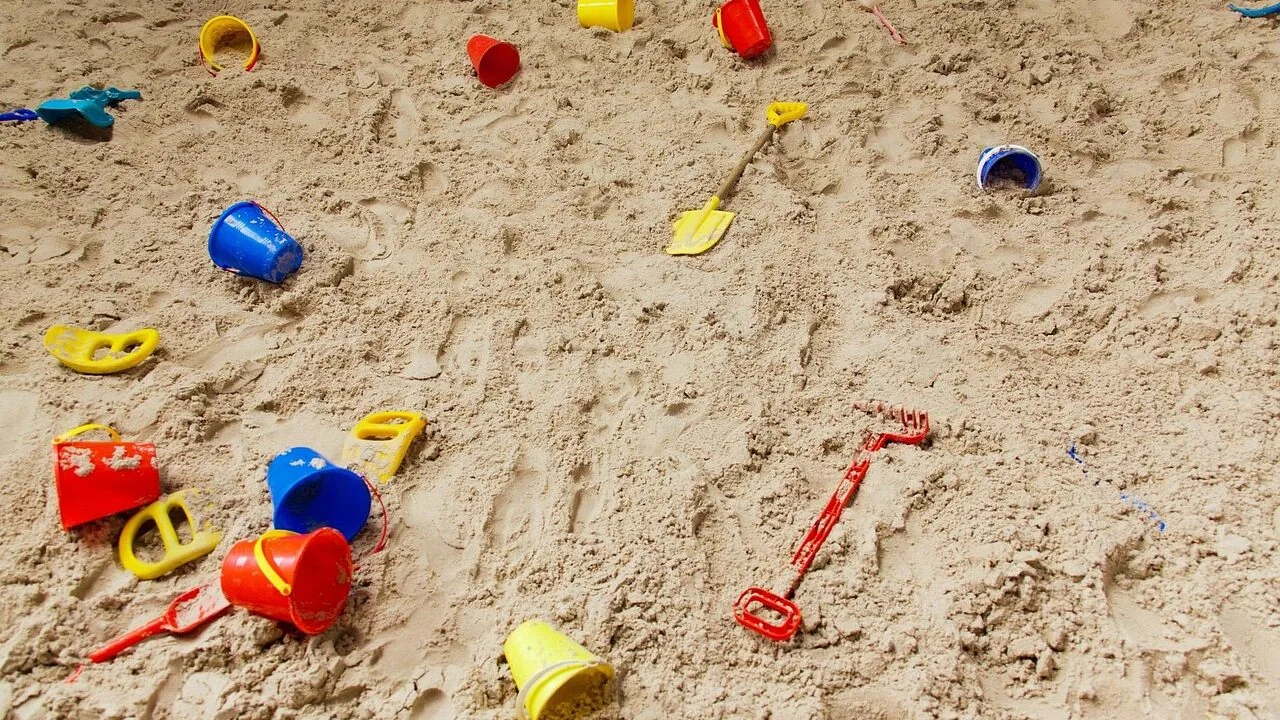
A good sandbox does more than hold sand.
It gives kids a dedicated space to dig, build, pour, and imagine, and research consistently shows that open-ended sensory play supports fine motor development, problem-solving, and creativity in children from toddler age through early grade school.
Whether you have a compact patio or a sprawling backyard, the right sandbox can become one of the most-used pieces of outdoor play equipment you ever buy.
Options range from simple plastic shells to feature-rich wooden structures with canopies, built-in benches, and protective liners, so there is genuinely something for every family and every outdoor space.
Finding the right model means weighing material durability, weather protection, ease of assembly, and how well a sandbox keeps sand clean between sessions.
Our team at ProductFind researched specifications, analyzed expert review consensus, and combed through thousands of verified buyer reports to surface the picks below.
If you are shopping for complementary outdoor play gear, pairing a sandbox with a quality balance bike or age-appropriate kids bike gives children a well-rounded active play setup.
Scroll down for our top-ranked sandboxes, followed by a detailed buying guide to help you match the right model to your yard and your child.
| Award | Product | PF Score About PF ScoreThe PF Score is our own rating from 0 to 10, based on performance, design and build, ease of use, and value. It reflects independent research and is never influenced by manufacturers, retailers, or affiliate commissions. Learn more › | Price | |
|---|---|---|---|---|
| Best Overall |
 PetsCosset Wooden Sandbox 47in with Rotatable Canopy
|
8.6/10 | Buy | |
| Editor's Pick |
 Agitree 47-Inch Wooden Sandbox with Canopy & Storage
|
8.4/10 | Buy | |
| Best Value |
 ROBUD Wooden Sandbox with 180° Adjustable Canopy
|
8.3/10 | Buy | |
| Top Rated |
 Pipleo 44-Inch Wooden Sandbox with Retractable Roof
|
8.1/10 | Buy | |
 Step2 Naturally Playful Sandbox II, 50" Sand Pit with Lid
|
7.8/10 | Buy | ||
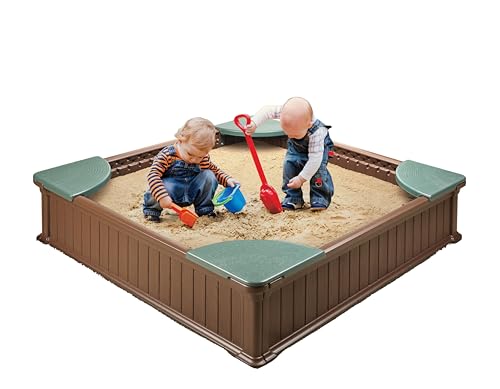 Badger Basket 2-in-1 Sandbox & Garden Planter 48.75 inch
|
7.5/10 | Buy | ||
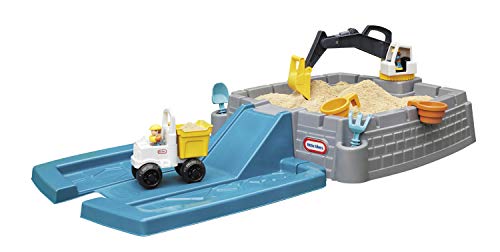 Little Tikes Dirt Diggers Excavator Sandbox
|
7.3/10 | Buy | ||
 Step2 Naturally Playful Sand Table, 36" x 26"
|
7.2/10 | Buy | ||
 Sun Joe PLYSAND50 50-Lb Play Sand
|
6.1/10 | Buy |
PetsCosset Wooden Sandbox 47in with Rotatable Canopy
A spacious wooden sandbox designed for ages 2-8, featuring a 180-degree rotatable canopy with adjustable height to shield kids from sun and rain. The sturdy construction includes foldable bench seating, bottomless drainage design, and assembles in roughly 30 minutes.
Pros
- Adjustable canopy height and rotation provide flexible protection from changing sun position throughout the day
- Foldable bench seats offer comfortable seating while playing and keep sand contained
- Bottomless design with included liner prevents water pooling and simplifies cleanup
- Sturdy wood construction and stable seating base support multiple children playing simultaneously
Cons
- No verified buyer reviews available to assess real-world durability or assembly experience
- 50-pound weight makes repositioning the sandbox a two-person task without assistance
- High-grade wood requires periodic maintenance to prevent weather-related degradation over time
Agitree 47-Inch Wooden Sandbox with Canopy & Storage
A 47-by-47-inch wooden sandbox designed for multiple children, featuring a weather-resistant canopy, foldable bench seats with storage compartments, and heat-treated fir construction. Best suited for backyards and outdoor play areas where kids aged 3+ can dig, sit, and store toys in one setup.
Pros
- Multifunctional design combines play space, seating, storage, and sun protection in one unit
- Durable construction uses environmentally friendly materials suitable for long-term outdoor use
- Weather-resistant canopy height is adjustable to follow sun position
- Generous 47-by-47-inch footprint accommodates multiple children simultaneously
- Foldable storage benches prevent sand contamination when not in use
Cons
- No verified buyer reviews yet, limiting real-world feedback on durability and assembly ease
- Bench seat weight capacity (200 lbs each) may limit use for older children or adolescents
- Large footprint requires significant backyard space, which may not suit smaller properties
ROBUD Wooden Sandbox with 180° Adjustable Canopy
A multi-feature sandbox combining play with practical design: funnels, slides, balance scale, and three-sided seating encourage creative sand play while the adjustable canopy and water-resistant liner address outdoor upkeep. Built from durable fir wood, it's designed for family backyard use rather than casual play.
Pros
- 180-degree adjustable canopy reduces UV exposure and adapts to sun movement
- Includes accessories (funnels, slides, buckets, balance scale) for varied play activities
- Three-sided seating accommodates multiple children and parent interaction
- Water-resistant bottom liner and canopy-cover system minimize debris and sand loss
- Durable fir wood construction with rounded edges rated for outdoor durability
Cons
- No verified buyer reviews available to confirm real-world performance and assembly difficulty
- Canopy requires manual adjustment throughout the day for optimal sun coverage
- Relatively heavy (28.6 lbs) and appears sizable, requiring dedicated backyard space
Pipleo 44-Inch Wooden Sandbox with Retractable Roof
A spacious wooden sandbox designed for backyard play, featuring a retractable UV-protective canopy and multiple activity accessories like a sand funnel and drawing board. Built from heat-treated fir wood with non-toxic paint and ASTM certification, though it requires sand purchase separately and assembly time.
Pros
- Comprehensive accessory package encourages multiple play activities beyond basic sand play
- Durable construction with weather-resistant materials and reinforced roof hinges rated for long-term use
- Integrated drawing board doubles functionality for creative play
- Adjustable canopy height allows customization for different sun positions throughout the day
Cons
- No customer reviews available to verify real-world durability or assembly difficulty claims
- Requires separate sand purchase and initial assembly with precut pieces
- Large footprint of 44x40.3 inches demands significant backyard space
Step2 Naturally Playful Sandbox II, 50" Sand Pit with Lid
A spacious sandbox designed for toddlers and small groups, featuring a sturdy lid, built-in seats, and molded roadways for imaginative play. The double-walled plastic construction and included 7-piece accessory set make it a practical choice for outdoor sensory activities.
Pros
- Durable double-walled plastic resists chipping, fading, cracking, and peeling over extended use
- Large capacity accommodates multiple toddlers with four built-in kid-sized seats
- Molded-in roadways on lid introduce STEM concepts through structured play
- Sturdy lid with elastic tie-downs keeps sand contained and simplifies cleanup
- Includes 7 sand accessories: shovel, rake, bucket, and additional tools for varied play
Cons
- Sand not included, requiring separate purchase for initial setup
- No verified buyer reviews available to assess real-world durability and user satisfaction
- Large footprint at 50.38 inches long requires significant yard space
Badger Basket 2-in-1 Sandbox & Garden Planter 48.75 inch
This dual-purpose sandbox converts into a raised garden bed, making it versatile for both sensory play and outdoor gardening. Built from durable, weather-resistant plastic wood with a protective cover and drainage liner included.
Pros
- Dual-purpose design adds flexibility for different outdoor activities
- Includes protective cover and drainage liner, saving additional purchases
- Durable plastic wood construction eliminates wood maintenance concerns
- Generous play area accommodates multiple children comfortably
- Simple assembly and lightweight for easy yard repositioning
Cons
- No customer reviews available to verify real-world durability claims
- 12-inch depth may be shallow for some gardening applications
- Plastic construction may not appeal to buyers preferring natural wood aesthetics
Little Tikes Dirt Diggers Excavator Sandbox
A construction-themed sandbox designed for kids ages 3 and up, featuring a working excavator toy and 6 sand accessories. The lid converts to a truck ramp, and the sandbox holds up to 100 lbs of sand for extended outdoor play.
Pros
- Functional excavator encourages active digging and motor skill development
- Convertible lid adds versatility to play scenarios
- Large sand capacity supports multiple children playing simultaneously
- Includes enough accessories for group play without additional purchases
- Made in the USA reflects domestic manufacturing
Cons
- Sand not included, requiring separate purchase
- No verified customer reviews available to confirm durability or assembly difficulty
- Limited to construction-themed play without accessories for other scenarios
Step2 Naturally Playful Sand Table, 36" x 26"
A spacious outdoor sensory table designed for multiple children with a 5-piece accessory set and molded-in roadways on the lid. Built from durable double-walled plastic and easy to clean, it accommodates various loose materials like kinetic sand or beans for open-ended play.
Pros
- Large 36" x 26" dimensions accommodate multiple children playing simultaneously
- Includes elastic tie-down straps on lid for easy covering and storage
- Double-walled construction engineered for durability and color retention
- Versatile play surface accepts different sensory materials beyond sand
- Molded roadways add themed play element without additional purchases
Cons
- Sand not included, requires separate purchase of fill material
- No customer reviews provided to verify long-term durability claims
- Large footprint requires significant outdoor space for placement
Sun Joe PLYSAND50 50-Lb Play Sand
Ultra-fine natural silica sand designed for sandboxes, sensory tables, and creative play with a smooth texture that's easy to mold. Versatile enough for both recreational and educational settings, though it requires proper dry storage to prevent clumping.
Pros
- Natural composition suitable for young children and sensory play
- Works across multiple applications beyond sandbox use
- Promotes developmental benefits through tactile engagement
- Large 50-pound quantity offers good value for extended use
- Easy to shape and mold for creative projects
Cons
- Requires dry, well-ventilated storage to prevent moisture and clumping
- No verified buyer reviews available to assess real-world performance
- Not suitable for sandblasting or industrial applications
Best Sandboxes Buying Guide
Shopping for a sandbox involves more trade-offs than most parents expect.
The choices you make around material, size, and protective features will determine how long the sandbox lasts, how much maintenance it demands, and how much fun your child actually gets out of it season after season.
The sections below walk through the criteria that matter most, in plain terms that translate directly to real purchasing decisions.
Material and Build Quality
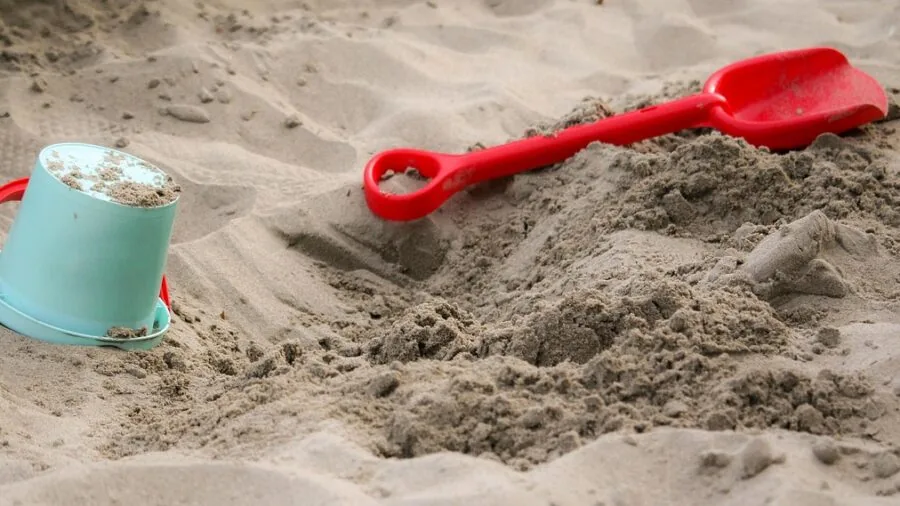
Sandboxes come in three primary materials: wood, plastic, and composite.
Wooden sandboxes, including the majority of our top picks from brands like PetsCosset, Agitree, and ROBUD, offer a natural aesthetic that blends well into garden settings and tends to be more rigid and stable than plastic alternatives.
The quality of the wood matters enormously. Look for models that specify cedar or similarly rot-resistant timber treated for outdoor use, as untreated pine can warp and crack within a single season of rain exposure.
Plastic sandboxes, such as the Step2 options in our lineup, are lighter, easier to move around the yard, and immune to moisture damage. They lack the premium look of wood but are practically maintenance-free.
The Badger Basket model bridges the gap with a woodgrain plastic finish that mimics the appearance of timber while keeping the durability benefits of a synthetic material.
Whichever material you choose, inspect reported thickness and joint construction in verified buyer reviews, because thin panels and poorly fitted corners are the most common failure points cited across the category.
Size and Sand Capacity
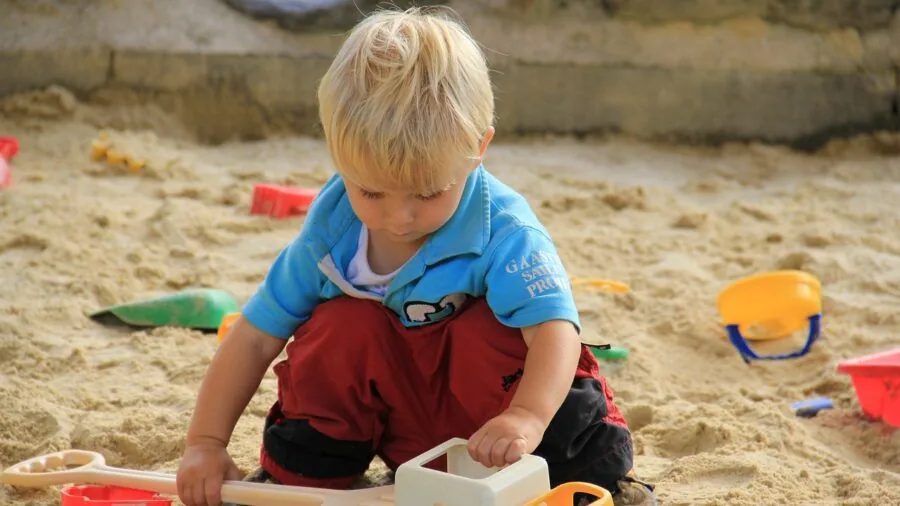
Interior play area and recommended sand volume are two of the most underestimated specifications in the sandbox category.
A sandbox that feels spacious in product photos may be frustratingly cramped once two or three children are playing at the same time.
Most of our top-rated wooden models sit at roughly 47 by 47 inches of exterior footprint, which translates to a workable interior for two to three young children simultaneously.
Smaller sensory table formats, like the Step2 Naturally Playful Sand Table, are better suited to solo toddler play and can be used indoors or on a covered porch.
Sand capacity is typically expressed in bags, and manufacturers often underestimate how much sand is needed to fill their product to a satisfying depth. Plan for at least 200 to 300 pounds of sand for a standard 47-inch wooden sandbox.
A dedicated play sand product, such as the Sun Joe Silica Play Sand included in our roundup, is specifically sized for sandbox use and is formulated to be free of dust and debris that could irritate young skin or airways.
Always check whether a sandbox ships with sand or accessories, as inclusions vary widely across price points.
Cover and Weather Protection
A sandbox without a cover is an open invitation for neighborhood cats, insects, fallen leaves, and rain to contaminate the sand. A cover is not optional; it is a fundamental feature. Models in our lineup offer several cover formats.
Some, like the PetsCosset and Agitree wooden sandboxes, include lid panels that fold down flat to enclose the sand entirely.
Others, like the Pipleo and ROBUD models, feature adjustable canopy roofs that shade children during play but leave the sides open.
The ideal configuration depends on your climate. In wetter regions, a solid folding lid that seals the sand is the priority.
In sunnier climates where play happens while the sandbox is in use, an adjustable canopy with UV resistance adds meaningful protection for children playing for extended periods.
Some models include both a canopy for shade during play and a tarp cover for when the sandbox is not in use, which is the most versatile combination available.
Keeping play areas safe is part of a broader child-safety mindset, and families who are active baby-proofers may also want to look at corner guards for high-traffic indoor areas alongside their outdoor setup.
Seating and Bench Design

Built-in bench seating is one of the most practical sandbox features, and the design details matter more than they first appear.
Foldable benches, which are standard on several of our top picks including the Agitree and ROBUD models, serve a dual purpose: they provide comfortable seating for children during play, and when folded flat they act as secondary lid panels that help cover and protect the sand when the sandbox is stored.
This dual function adds real everyday value at no extra cost.
Check the reported weight capacity of benches in verified buyer feedback, particularly if older children or supervising adults are likely to sit on them. Some budget models use thin board sections that crack under adult weight.
Also consider whether bench surfaces are smooth and splinter-free, which is a specific concern with wooden models that are not factory-sanded to a fine finish.
A sandbox with rough bench edges will need sanding before first use.
Bottom Liner and Ground Protection

A ground liner serves two purposes: it prevents sand from migrating into the soil below and it creates a barrier against weeds, ants, and other ground-level pests from entering the sandbox from underneath.
Most of our recommended models include a liner, but the quality varies. Look for a liner described as weed-barrier fabric or heavy-duty mesh rather than a thin plastic sheet, which tears quickly and provides limited drainage.
Drainage is a particular consideration if your sandbox will be left outdoors through rainy seasons without a watertight lid. A liner with perforated drainage prevents waterlogged sand, which becomes compacted and unhygienic.
Expert reviewers consistently flag poor liner quality as one of the fastest ways a sandbox degrades in real-world use, so it is worth checking buyer reviews specifically for liner durability before purchasing.
Assembly Complexity and Included Accessories
Assembly time and difficulty are among the most frequently mentioned topics in verified buyer reviews across the sandbox category, and the range is wide. Some models advertise tool-free assembly and deliver on that promise in under 30 minutes.
Others ship with dozens of hardware pieces and instruction booklets that buyers describe as confusing, adding two or more hours to setup.
Since sandboxes are often purchased for birthdays or holidays with an expectation of same-day play, assembly complexity is a practical concern worth researching before you buy.
Included accessories add tangible play value. The Step2 Naturally Playful Sandbox II ships with a seven-piece water toy set, while the Little Tikes Dirt Diggers Excavator Sandbox includes a lid and sand play accessories integrated into its excavator-themed design.
The ROBUD model goes further with a balance scale and funnels built into the play experience, which supports early STEM engagement.
Consider whether accessories are genuinely useful for your child’s age group or primarily decorative before letting them factor into your decision.
Why You Should Trust Us
ProductFind is an independent review publication. We do not sell sandboxes, we do not manufacture them, and we have no affiliation with any of the brands featured in this article.
Every product in our roundups is evaluated through a rigorous research process: we analyze manufacturer specifications, cross-reference expert review consensus from across the web, assess verified buyer feedback at scale, and consult published safety and material standards data.
We do not conduct our own product trials; our evaluations are grounded in research, published data, expert review consensus, and verified buyer feedback.
Each sandbox in this article receives a PF Score on a scale of 0 to 10.
The PF Score is calculated from a weighted combination of criteria including build quality, weather protection, sand containment, ease of assembly, value relative to price, and real-world durability as reported by verified purchasers.
The score is designed to be consistent and comparable across all products in the category, not influenced by brand size or marketing spend. ProductFind may earn a commission if you purchase through links in this article.
That affiliate relationship has no bearing on rankings, scores, or editorial selection. Products are ranked on merit, and our goal is to help you find the right sandbox for your family, not to steer you toward the most profitable option.
Final Thoughts
The sandbox market is more varied than it looks at first glance, spanning everything from compact plastic sensory tables for toddlers to feature-rich wooden structures with canopies, benches, and STEM-oriented accessories.
The right choice depends on your yard size, your child’s age, your climate, and how much setup and maintenance you are willing to accept.
After evaluating every model in this roundup against consistent criteria, here are our standout picks by category.
- Best Overall: PetsCosset Wooden Sandbox with Lid and Canopy earns the top spot with the highest PF Score in our roundup, combining UV-resistant adjustable canopy coverage, foldable bench seats that double as a sand cover, and a 47-by-47-inch footprint that suits most backyard spaces. It delivers a compelling mix of weather protection, play usability, and build quality that no other model in the category matches at its price tier.
- Best Feature Set: Agitree Kids Wooden Outdoor Sandbox with Canopy and Foldable Storage Bench Seats is the most complete sandbox in our lineup, adding a protective bottom liner and generous interior dimensions alongside its canopy and bench design. Buyers who want every practical detail addressed in a single purchase will find this model the most thorough option available.
- Best for Active Learners: ROBUD Kids Wooden Outdoor Sandbox with Adjustable Canopy and Balance Scale integrates a balance scale and funnels directly into the play structure, making it the strongest choice for families who want sandbox play to do double duty as sensory and early science engagement. Its three-sided seating accommodates group play comfortably.
- Best Budget Wooden Pick: Pipleo Large Wooden Sandbox with Roof and Drawing Board delivers a canopy, funnel accessories, and a built-in drawing board at a mid-range price, making it the most creative value proposition in the wooden sandbox segment for families who want more than a bare frame.
- Best for Toddlers: Step2 Naturally Playful Sandbox II is purpose-built for children from age one and up, shipping with a seven-piece water toy accessory kit and a durable plastic shell that is easy to hose down and store. It is the most practical entry-level sandbox for households with children under three.
Whichever model you choose, pairing your sandbox with the right play sand makes a measurable difference in play quality and ease of cleanup. The Sun Joe Silica Play Sand in our roundup is a purpose-formulated option worth considering alongside any of the structures above.
Frequently Asked Questions
How much sand does a standard backyard sandbox need?
Most 47-by-47-inch wooden sandboxes require between 200 and 300 pounds of sand to reach a play depth of four to six inches, which is the minimum that allows meaningful digging and building.
Manufacturers often publish a recommended sand weight in their product listings, but verified buyer feedback frequently indicates that the manufacturer figure is on the low side.
Plan to purchase slightly more than recommended and fill to a depth that feels generous rather than shallow.
Specialty play sand, which is washed, dried, and sized for sandbox use, is preferable to coarse construction sand, which can contain silica particles and debris unsuitable for young children.
What is the safest sandbox material for young children?
Both untreated natural wood and BPA-free plastic are broadly considered safe for sandbox construction, provided they are properly finished. Wooden sandboxes should be sanded smooth before first use and periodically checked for splinters, warping, and exposed fasteners.
Plastic models should be confirmed as BPA-free and UV-stabilized so that prolonged sun exposure does not cause surface degradation or color leaching.
Regardless of material, inspect any sandbox regularly for sharp edges, loose hardware, or structural damage that could pose a hazard during play.
Families focused on child safety at home may also find value in reading about baby-proofing corner guards as part of a broader childproofing approach.
How do I keep sandbox sand clean between play sessions?
Consistent use of a cover is the single most effective way to keep sandbox sand clean.
A solid lid or weighted tarp prevents animals from using the sand as a litter area, keeps fallen leaves and debris out, and reduces moisture accumulation that leads to mold or compaction.
Raking the sand lightly before each play session helps aerate it and surface any foreign objects. Sand should be replaced entirely at least once per season, or immediately if contamination from animal waste is suspected.
Avoid leaving sand wet for extended periods; if your sandbox does not have drainage in the liner, tilt the cover to allow airflow after rain.
Is a canopy or a lid more important on a sandbox?
Canopies and lids serve different functions, and the better option depends on your climate and how you use the sandbox.
A canopy provides shade for children during active play, which is meaningful in regions with intense summer sun, and can be UV-rated for additional protection.
A lid or cover, by contrast, protects the sand when the sandbox is not in use. The most versatile models include both, offering a canopy for shading during playtime and a tarp or folding lid for storage.
If you can only have one, prioritize a solid cover for the sake of sand hygiene and pest prevention, then use a nearby umbrella or shade sail to address sun exposure during play sessions.
At what age can children start using a sandbox?
Most developmental guidelines suggest that supervised sandbox play is appropriate from around 18 months, when children have developed enough motor control to explore sensory materials intentionally without putting large quantities in their mouth.
Sensory table formats, which elevate the sand to standing height and use smaller sand volumes, are particularly well suited to children in the 18-month to three-year range. Traditional ground-level sandboxes are appropriate from age two onward for most children.
For older children, sandboxes with structured accessories like balance scales, funnels, and water channels extend the developmental value of the activity well into grade school.
Outdoor active play at this age pairs naturally with kids bikes and other movement-based toys that build coordination and confidence alongside sensory play.
About the author
Susan is a reviewer and writer for ProductFind who specializes in Outdoor & Active Play. Susan evaluates products through independent research: specifications, expert review consensus, and verified buyer feedback, and rates each one on the PF Score. Susan focuses on helping readers pick the right outdoor & active play for their needs and budget.