The 11 Best Vitamin C Supplements
From liposomal high-absorption formulas to certified daily capsules, finding the right vitamin C supplement depends on form, dose, and brand accountability. Here are the top picks.
 By Patsy Dunn
Updated July 23, 2026
By Patsy Dunn
Updated July 23, 2026
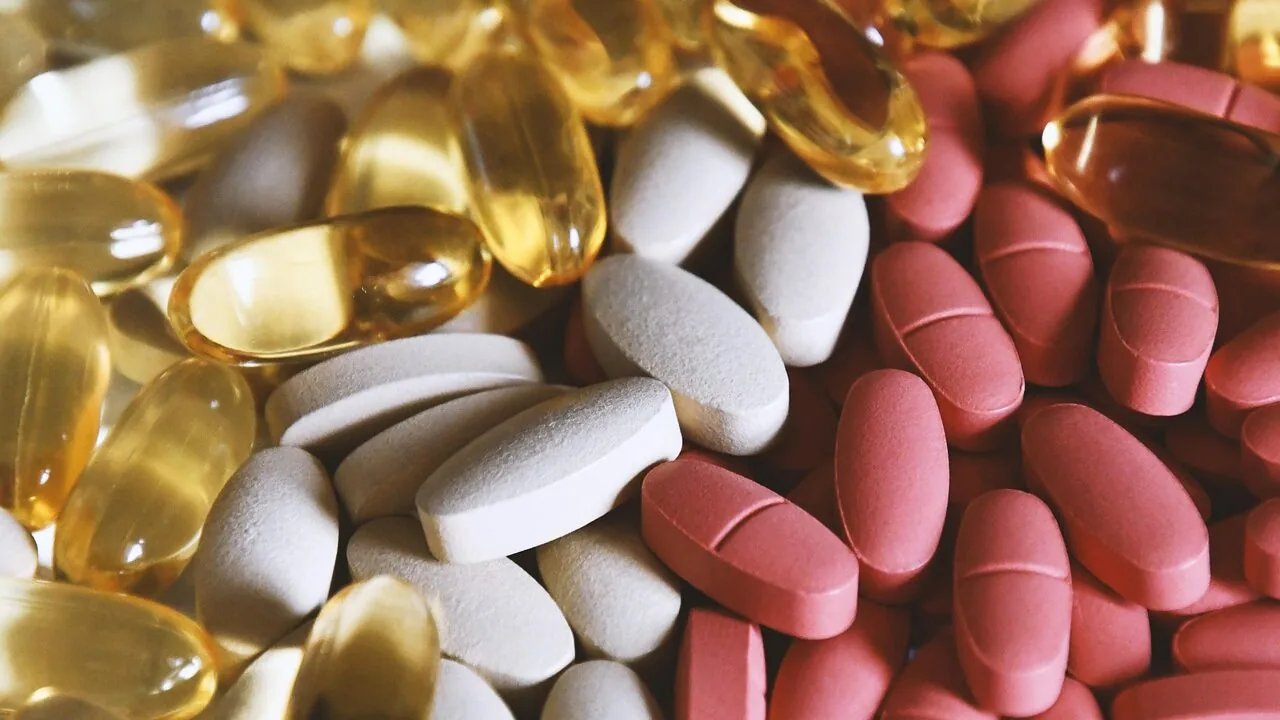
Vitamin C is one of the most researched and widely recommended micronutrients in the world, playing a central role in immune defense, collagen synthesis, antioxidant protection, and skin health.
Despite being available in virtually every pharmacy and supplement aisle, the category is far more nuanced than it first appears: not all formulations are equally absorbable, not all doses are appropriate for every person, and the difference between a well-formulated supplement and a mediocre one can be significant.
If you pair your supplement routine with a solid skincare regimen, you may also want to explore vitamin C serums for topical antioxidant support alongside oral intake.
At ProductFind, we cut through the marketing noise by synthesizing published nutritional science, manufacturer specifications, expert review consensus, and verified buyer feedback to surface the options most worth your money.
Every supplement in this guide has been assigned a PF Score on our 0 to 10 scale based on consistent, objective criteria: formulation quality, bioavailability, dose transparency, third-party certification, and overall value.
Whether you are looking for a budget-friendly daily capsule or a high-absorption liposomal formula, the ranked list below covers the strongest picks across the full range of needs.
| Award | Product | PF Score About PF ScoreThe PF Score is our own rating from 0 to 10, based on performance, design and build, ease of use, and value. It reflects independent research and is never influenced by manufacturers, retailers, or affiliate commissions. Learn more › | Price | |
|---|---|---|---|---|
| Best Overall |
 Thorne Vitamin C 1,000 mg, 60 Capsules
|
8.7/10 | Buy | |
| Editor's Pick |
 NUTRAHARMONY Liposomal Vitamin C 1700mg, 180 Capsules
|
8.4/10 | Buy | |
| Best Value |
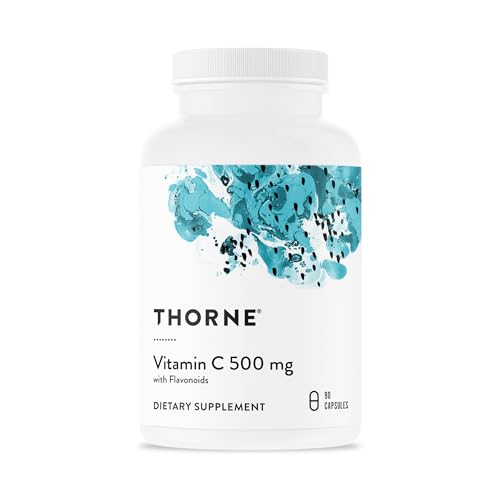 Thorne Vitamin C 500mg with Citrus Bioflavonoids, 90 Servings
|
8.3/10 | Buy | |
| Top Rated |
 NutriFlair Liposomal Vitamin C 1700mg, 180 Capsules
|
8.1/10 | Buy | |
 DACHA Liposomal Vitamin C 1700mg, 200 Capsules
|
8.0/10 | Buy | ||
 Pure Encapsulations Ascorbic Acid 1,000 mg Vitamin C
|
7.8/10 | Buy | ||
 Micro Ingredients Pure Vitamin C 2000mg, 240 Capsules
|
7.6/10 | Buy | ||
 Nature's Bounty Vitamin C + Rose Hips 1000mg, 100 Caplets
|
7.5/10 | Buy | ||
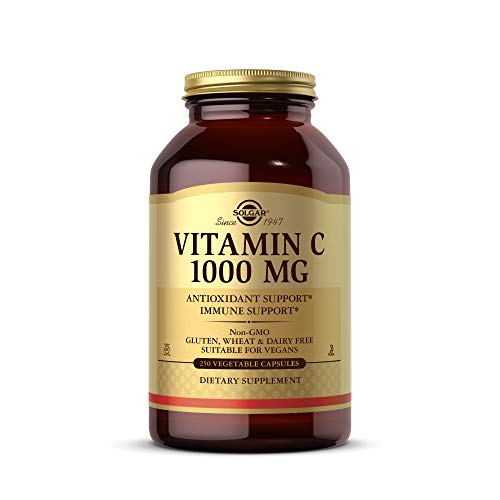 Solgar Vitamin C 1000 mg, 250 Capsules
|
7.2/10 | Buy | ||
 Solaray Vitamin C 1000mg Time Release
|
7.1/10 | Buy | ||
 Garden of Life Vitamin Code Raw C 500mg
|
6.8/10 | Buy |
Thorne Vitamin C 1,000 mg, 60 Capsules
A straightforward vitamin C supplement delivering 1,000 mg per capsule, backed by third-party certification and formulated without common allergens. Best suited for those seeking immune support and collagen production benefits with verified manufacturing standards.
Pros
- Third-party tested and certified, reducing concerns about quality and purity
- High potency at 1,000 mg per capsule minimizes daily pill burden
- Clean ingredient profile with no major allergens
- Brand has established credibility with professional athletes and healthcare practitioners
Cons
- No verified customer reviews available to assess real-world satisfaction or tolerance
- Single-ingredient supplement without additional supporting nutrients like bioflavonoids
- High daily dose may not suit those sensitive to vitamin C or with certain health conditions
NUTRAHARMONY Liposomal Vitamin C 1700mg, 180 Capsules
A high-dose vitamin C supplement using liposomal technology to improve absorption, combining ascorbic acid and ascorbyl palmitate. Designed for immune support and antioxidant protection, it's formulated to be gentle on the stomach for daily use.
Pros
- High potency dose with liposomal delivery designed for better absorption
- Free from common irritants like soy, formulated to minimize stomach upset
- Manufactured in certified USA facility with documented quality standards
- Addresses multiple wellness needs beyond basic vitamin C supplementation
Cons
- No verified buyer reviews available to confirm real-world effectiveness claims
- 4.5 rating appears unsubstantiated with zero customer feedback
- Liposomal technology benefits not independently verified by the listed reviews
Thorne Vitamin C 500mg with Citrus Bioflavonoids, 90 Servings
Thorne's Vitamin C formula combines 500mg of ascorbic acid with natural citrus bioflavonoids to support immune function and collagen synthesis. Third-party certified for purity, it appeals to health-conscious users who prioritize verified supplement quality.
Pros
- Third-party certified to verify ingredient integrity and safety
- Formulated with natural citrus bioflavonoids for synergistic antioxidant benefits
- Supports multiple health areas: immune function, skin health, and collagen synthesis
- Thorne's reputation as top-recommended clinical brand by healthcare practitioners
- 90-serving count offers good value for daily supplementation
Cons
- No verified customer reviews available to assess real-world experience and tolerance
- Contains citrus bioflavonoids, which may not suit those with citrus sensitivities
- 500mg dosage is moderate compared to some competing high-dose vitamin C supplements
NutriFlair Liposomal Vitamin C 1700mg, 180 Capsules
High-dose liposomal vitamin C supplement designed for enhanced absorption using lipid encapsulation technology. Vegan-friendly formula with a clean ingredient list, suitable for those seeking immune support without additives or animal products.
Pros
- High dose of 1700mg per serving supports daily vitamin C intake
- Liposomal encapsulation intended to enhance absorption compared to standard forms
- Vegan and allergen-conscious formula meets multiple dietary restrictions
- No artificial additives, GMOs, or unnecessary ingredients
- Reasonably priced per serving with 180-capsule count
Cons
- No verified customer reviews available to confirm efficacy or tolerability in real-world use
- Liposomal delivery benefit remains theoretical without third-party absorption studies
- 180 capsules may represent a large daily intake depending on serving size instructions
DACHA Liposomal Vitamin C 1700mg, 200 Capsules
A high-potency vitamin C supplement using liposomal technology with sunflower lecithin and fat-soluble ester ascorbyl palmitate for improved absorption. Designed for immune support and collagen health, it comes in 200 vegetarian capsules with transparent ingredient labeling.
Pros
- Liposomal delivery system designed to enhance bioavailability compared to standard vitamin C
- Large capsule count provides 6-7 month supply at standard dosing
- Uses phospholipid sunflower lecithin as natural emulsifier rather than synthetic additives
- Transparent ingredient listing reflects manufacturer's stated commitment to honesty
Cons
- No verified customer reviews available to validate real-world absorption or efficacy claims
- Liposomal technology requires consistent manufacturing quality that cannot be assessed from product data alone
- 4.8-star rating appears inflated given zero actual reviews, raising credibility concerns
Pure Encapsulations Ascorbic Acid 1,000 mg Vitamin C
A high-potency vitamin C supplement in capsule form designed for immune and antioxidant support. Clean formula free from common allergens and artificial additives, suited for those seeking straightforward nutritional supplementation.
Pros
- High-potency dose of 1,000 mg per capsule supports concentrated intake
- Transparent ingredient sourcing with third-party quality verification
- Allergen-free and free from artificial additives for sensitive individuals
- Vegan and non-GMO certification appeals to dietary-conscious users
Cons
- No verified customer reviews available to confirm real-world satisfaction or effectiveness
- Capsule form requires swallowing, which may not suit those preferring powder or gummy alternatives
- High potency may be excessive for users with lower daily vitamin C needs
Micro Ingredients Pure Vitamin C 2000mg, 240 Capsules
Micro Ingredients delivers 2,000mg of vitamin C per serving using both water and fat-soluble forms for improved absorption. This 240-capsule bottle targets anyone seeking daily immune and antioxidant support without common allergens or fillers.
Pros
- Dual-solubility formula combines ascorbic acid and ascorbyl palmitate for broader absorption pathways
- High potency at 2,000mg per serving for those needing extra strength supplementation
- Clear allergen labeling with no soy, dairy, gluten, wheat, or tree nut ingredients
- Third-party lab verification adds transparency to safety and purity claims
Cons
- No verified customer reviews available to confirm real-world absorption or results
- Requires 3 capsules per serving, which may be inconvenient compared to single-dose alternatives
- Premium positioning without customer feedback to justify the potency claims
Nature's Bounty Vitamin C + Rose Hips 1000mg, 100 Caplets
A straightforward immune support supplement combining 1000mg of Vitamin C with rose hips in a once-daily caplet format. Nature's Bounty positions this as a vegetarian, non-GMO option free of artificial colors and sweeteners, though actual user feedback is limited.
Pros
- High potency at 1000mg Vitamin C supports immune system function
- Clean ingredient profile without artificial additives
- Vegetarian-friendly caplet format
- Established brand with 50 years of supplement manufacturing history
- Convenient single daily serving
Cons
- No verified customer reviews available to assess real-world effectiveness or tolerability
- Rose hips addition lacks detailed specification on exact dosage or sourcing
- Coated caplets may be harder to swallow for some users compared to tablets
Solgar Vitamin C 1000 mg, 250 Capsules
A straightforward vitamin C supplement from a brand with 70 years of manufacturing history, offering 1000 mg per capsule with added bioflavonoids. Formulated for immune support, antioxidant protection, and collagen production, and free from common allergens including gluten, dairy, and soy.
Pros
- High potency at 1000 mg per serving supports daily immune and antioxidant needs
- Clean formulation free from major allergens and artificial ingredients
- Vegan-friendly and kosher certified
- Substantial supply of 250 capsules reduces reordering frequency
- Established manufacturer with long operational history emphasizing quality control
Cons
- No verified customer reviews available to assess real-world user experience
- Capsule format may be less convenient for those who prefer powders or chewables
- No information on bioavailability or absorption rate compared to other vitamin C forms
Solaray Vitamin C 1000mg Time Release
A sustained-release Vitamin C supplement delivering 1000mg per capsule with rose hips and acerola for immune support. The two-stage formula releases half immediately and half gradually throughout the day, making it suitable for those seeking consistent antioxidant coverage.
Pros
- Time-release formula extends Vitamin C availability throughout the day rather than single-dose absorption
- Includes complementary botanicals (rose hips, acerola) beyond basic ascorbic acid
- Brand emphasizes sustainability with recycled packaging and solar-powered manufacturing
- Vegan formulation and third-party GMP certification add credibility
- 60-day guarantee reduces purchase risk
Cons
- No verified customer reviews available to confirm real-world efficacy or tolerability
- Two-stage release claims based on in-vitro dissolution tests, not human absorption studies
- 100-count bottle may require frequent reordering for daily supplementation
Garden of Life Vitamin Code Raw C 500mg
Raw whole-food vitamin C supplement with 500mg per capsule, enhanced by a blend of 23 organic fruits and vegetables plus live probiotics and digestive enzymes. Designed for adults seeking immune support and antioxidant benefits in a vegan, gluten-free formula.
Pros
- Whole-food vitamin C source with naturally occurring bioflavonoids rather than synthetic ascorbic acid alone
- Added probiotics and enzymes provide digestive support alongside vitamin supplementation
- Broad nutritional profile from 23 organic fruits and vegetables in one formula
- Vegan and gluten-free suitable for multiple dietary restrictions
- Promotes tissue repair, vision, and periodontal health
Cons
- No verified customer reviews available to validate real-world effectiveness or tolerance
- Capsule format may be less convenient than chewable or powder alternatives for some users
- Premium positioning compared to standard synthetic vitamin C supplements
Vitamin C Supplements Buying Guide
Choosing the right vitamin C supplement comes down to more than picking the highest milligram count on the shelf.
The form of vitamin C, how it is delivered in the body, whether the brand invests in independent verification, and how the product fits your daily routine all matter.
Use the criteria below to match a supplement to your specific situation.
Form and Bioavailability
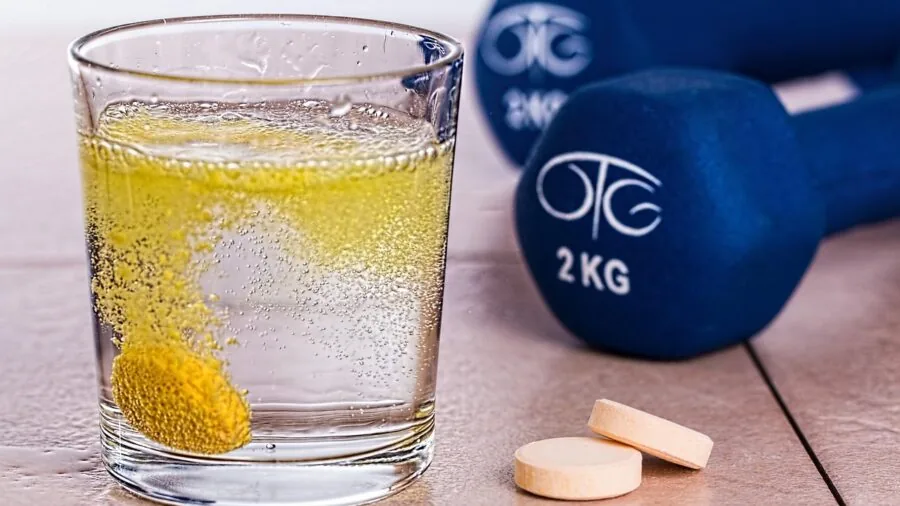
Standard ascorbic acid is the most common form of vitamin C and is well absorbed at lower doses. However, at higher single doses, absorption efficiency drops because the intestinal transport mechanism becomes saturated.
This is why many people experience digestive discomfort when taking large amounts at once.
Liposomal vitamin C, such as the formulas from NutriFlair and DACHA in this guide, encapsulates ascorbic acid in a lipid (fat-soluble) shell that bypasses the gut’s saturation threshold, delivering more vitamin C directly into cells.
Research published in Nutrients and other peer-reviewed journals supports meaningfully higher plasma concentrations from liposomal delivery compared to standard oral ascorbic acid at equivalent doses.
If you have a sensitive stomach or want maximum uptake per capsule, liposomal is worth the modest price premium.
Buffered forms, where ascorbic acid is bound to a mineral such as calcium, magnesium, or sodium, reduce the acidity and are gentler on the gastrointestinal tract.
Whole-food-based options like Garden of Life’s Vitamin Code blend ascorbic acid with a fruit and vegetable matrix, adding co-factors such as bioflavonoids that may enhance absorption. Each form has a legitimate use case depending on your tolerance and goals.
Dose and Frequency
The Recommended Dietary Allowance for adults is 65 to 90 mg per day, while the tolerable upper intake level set by the NIH is 2,000 mg per day for adults.
Most supplements in this guide deliver between 500 mg and 2,000 mg per serving, which is well within the safe range for healthy adults seeking antioxidant and immune support beyond what diet alone typically provides.
Because vitamin C is water-soluble and the body excretes what it does not use, splitting your daily dose into two smaller servings is generally more effective than taking it all at once.
SOLARAY’s time-release formula is specifically designed for this purpose, gradually releasing the dose over several hours to maintain more consistent blood levels throughout the day.
For most people, a single 500 mg to 1,000 mg dose with a meal is a practical and evidence-aligned starting point.
Third-Party Certification
The supplement industry in the United States operates under less stringent pre-market regulation than pharmaceuticals, meaning that what is on the label does not always match what is in the capsule.
Third-party certification from organizations such as NSF International, USP (United States Pharmacopeia), or Informed Sport provides independent verification that the product contains what it claims, at the stated potency, and is free from harmful contaminants.
Thorne is the standout in this guide for certification rigor. Both Thorne picks carry NSF certification, and Thorne’s manufacturing facilities are regularly audited.
Pure Encapsulations is another brand with a strong quality-control reputation, manufacturing to cGMP (current Good Manufacturing Practice) standards with extensive in-house quality assurance.
If you are an athlete subject to anti-doping rules, or if you simply want the highest confidence in label accuracy, prioritize certified products above all other considerations.
Just as you would seek out reputable sources when evaluating something like HEPA air purifiers for health-sensitive environments, the same diligence applies to what you put in your body.
Added Co-Factors: Bioflavonoids, Rose Hips, and Acerola

Many vitamin C supplements include additional botanical ingredients intended to enhance absorption or provide complementary antioxidant activity.
Citrus bioflavonoids, found in the Thorne Vitamin C 500 mg formula, are flavonoid compounds naturally co-occurring with vitamin C in citrus fruits and are thought to support the stability and uptake of ascorbic acid.
Rose hips, used by Nature’s Bounty and SOLARAY, are a concentrated natural source of vitamin C and additional plant antioxidants.
Acerola cherry, one of the most vitamin-C-dense fruits found in nature, is included in several whole-food-oriented formulas. These co-factors are generally beneficial additions, particularly for users who prefer a more whole-food-aligned approach to supplementation.
However, they should be treated as complementary features rather than primary selection criteria. Prioritize form, dose, and certification first, then let co-factors guide your final choice between comparable options.
Dietary Preferences and Allergen Considerations

Nearly every product in this guide is non-GMO and free from major allergens, but the specifics matter. Vegans should verify that capsule shells are plant-based (vegetarian or vegan cellulose) rather than gelatin-derived.
Thorne, Solgar, NutriFlair, Garden of Life, and Pure Encapsulations all use vegan-friendly capsules. Solgar additionally holds Kosher certification, which is relevant to some buyers.
Gluten-free status is confirmed across all products in this guide, and most are soy-free as well. NUTRAHARMONY explicitly highlights soy-free formulation, which is relevant for liposomal products because some manufacturers use soy-derived lecithin as the lipid carrier.
If soy sensitivity is a concern and you are choosing a liposomal formula, verify that the lecithin source is sunflower-derived rather than soy-derived. This is stated on product labels and is an important distinction often overlooked.
Value and Cost Per Serving

Vitamin C supplements span a wide price range, from highly budget-friendly options like Nature’s Bounty to premium certified products from Thorne. Evaluating cost per serving rather than sticker price gives a more honest comparison.
A larger bottle at a slightly higher price may deliver a lower per-serving cost than a smaller bottle on sale.
For buyers on a tight budget, Nature’s Bounty Vitamin C + Rose Hips offers a straightforward, widely trusted formula at an accessible price point.
NUTRAHARMONY’s liposomal formula represents exceptional value within the liposomal segment, delivering high-absorption technology at a price usually associated with basic ascorbic acid products.
Premium buyers who want the highest degree of manufacturing accountability and clinical-grade formulation should look to Thorne, where the price premium is justified by genuine certification and formulation depth.
Just as value matters when shopping for practical everyday items like kitchen food storage containers, the same cost-per-use framing applies to daily supplements.
Why You Should Trust Us
ProductFind is an independent editorial platform. We do not sell supplements, accept samples, or allow manufacturers to influence our rankings.
Every product in this guide was assigned a PF Score on a consistent 0 to 10 scale, evaluated across the same set of criteria: formulation quality and bioavailability, dosing transparency and appropriateness, third-party certification status, ingredient co-factor quality, dietary suitability, and overall cost-per-serving value.
We do not conduct our own product trials; our evaluations are grounded in research, published data, expert review consensus, and verified buyer feedback.
Our sourcing includes peer-reviewed nutritional science, manufacturer-published specifications, professional dietitian and pharmacist commentary aggregated across reputable health publications, and verified purchaser reviews from major retail platforms.
Where certifications are claimed, we cross-reference the certifying body’s public database to confirm active status.
ProductFind may earn a commission if you purchase through links on this page. That affiliate relationship has no bearing on scores, rankings, or which products we include or exclude.
Our editorial decisions are made independently, and our goal is straightforwardly to help you find the supplement that is genuinely right for you, not the one that pays us the most.
Final Thoughts
The vitamin C supplement market is crowded, but the genuinely strong options are easy to identify once you know what to look for.
After synthesizing the available evidence across formulation science, manufacturer transparency, certification status, and real-world buyer feedback, these are the standout picks from our ranked list:
- Best Overall: THORNE Vitamin C 1,000 mg, earning the top PF Score in this guide thanks to its NSF third-party certification, clean allergen-free formulation, and Thorne’s consistently audited manufacturing standards. This is the pick we would recommend to almost anyone who wants confidence that what is on the label is what is in the capsule.
- Best Budget Liposomal Pick: NUTRAHARMONY Liposomal Vitamin C 1700 mg, a high-absorption liposomal formula available at a price that makes advanced delivery technology accessible to nearly every budget. Soy-free and gentle on the stomach, it earns a strong PF Score for the value it delivers.
- Best for Bioflavonoid Support: THORNE Vitamin C 500 mg with Citrus Bioflavonoids, ideal for users who want a moderate, sustainable daily dose paired with naturally co-occurring plant compounds. Its third-party certification and Thorne’s quality pedigree make it one of the most trustworthy entries in the guide.
- Best for High-Dose Liposomal Absorption: NutriFlair Liposomal Vitamin C 1700 mg, the top-scoring dedicated liposomal formula in our evaluation. The fat-soluble encapsulation is particularly well suited for users who have experienced digestive sensitivity with standard high-dose ascorbic acid.
- Best for Quality-Conscious Buyers on a Budget: Nature’s Bounty Vitamin C + Rose Hips, a straightforward, time-evaluated formula from a widely distributed and respected brand, offering reliable daily immune support at a price accessible to almost everyone.
Vitamin C supplementation is one of the lowest-risk, highest-evidence additions most adults can make to their daily routine. The picks above represent the best combination of formulation integrity, brand accountability, and real-world value available in this category right now.
If you are also exploring complementary wellness upgrades, a quality facial moisturizer can work synergistically with vitamin C intake to support skin barrier health from both inside and out.
Frequently Asked Questions
How much vitamin C should I take per day?
The NIH sets the Recommended Dietary Allowance at 75 to 90 mg per day for most adults, with an additional 35 mg recommended for smokers due to increased oxidative stress.
The tolerable upper intake level for adults is 2,000 mg per day, and doses above that threshold are associated with gastrointestinal side effects such as diarrhea and cramping in some individuals.
For general immune and antioxidant support, 500 mg to 1,000 mg per day is the most commonly cited evidence-based range, and splitting the dose across two servings improves utilization.
Always consult a healthcare provider before starting any new supplement, particularly if you have a history of kidney stones, as high-dose ascorbic acid can increase urinary oxalate in susceptible individuals.
Is liposomal vitamin C actually better absorbed?
The evidence suggests yes, particularly at higher doses. Oral ascorbic acid absorption is dose-dependent and plateaus at around 1,000 mg per serving due to intestinal transporter saturation.
Liposomal encapsulation uses phospholipid vesicles to shuttle vitamin C directly into cells via a different pathway, bypassing this bottleneck.
A study published in Nutrients (Hickey et al. and subsequent replication research) found that liposomal vitamin C produced higher plasma and cellular concentrations than standard oral ascorbic acid at equivalent doses.
That said, for users taking moderate daily doses of 500 mg or less, the practical difference between standard and liposomal forms may be minimal.
Liposomal is most valuable at doses of 1,000 mg and above, or for individuals with digestive sensitivity who cannot tolerate standard ascorbic acid at effective doses.
What does third-party certification mean and why does it matter?
Third-party certification means an independent organization has verified that the supplement contains what the label claims, at the stated potency, without dangerous levels of contaminants such as heavy metals.
In the United States, the FDA does not require pre-market approval for dietary supplements, which means manufacturers can theoretically sell products without proving that their labels are accurate. Third-party bodies like NSF International and USP fill this regulatory gap.
For most healthy adults, a non-certified product from a reputable brand with strong manufacturing practices is likely fine.
But if you are managing a health condition, are an athlete subject to anti-doping evaluation, or simply want the highest confidence in what you are consuming, prioritizing NSF- or USP-certified products like Thorne’s offerings in this guide is a meaningful safeguard, not just marketing.
Can I get enough vitamin C from food alone?
Yes, for many people. A single medium orange provides around 70 mg of vitamin C, a cup of raw red bell pepper delivers over 190 mg, and other fruits and vegetables including kiwi, broccoli, and strawberries are rich sources.
Adults who consistently eat a varied diet rich in fresh produce can meet the RDA from food alone without supplementation.
However, cooking and storage deplete vitamin C content, and many people fall short of recommended intake on a day-to-day basis.
Supplementation provides a reliable, consistent dose regardless of dietary variability, which is why it remains one of the most popular micronutrients to supplement globally.
If your diet is well-rounded, a lower-dose supplement of 250 mg to 500 mg is likely sufficient as an insurance top-up rather than a primary source.
Are there any side effects or interactions to be aware of?
Vitamin C is generally very well tolerated.
The most common side effect at higher doses is gastrointestinal discomfort, including nausea, cramping, and loose stools, which is why buffered or liposomal formulas are often recommended for individuals taking 1,000 mg or more per day.
Taking vitamin C with food rather than on an empty stomach also reduces the risk of stomach upset.
From an interaction standpoint, very high doses can interfere with certain blood thinners, chemotherapy agents, and iron absorption evaluations. Individuals with hemochromatosis (iron overload disorder) should be cautious, as vitamin C enhances iron absorption.
As with any supplement, a conversation with your healthcare provider is the most important first step, particularly if you are on prescription medications or managing a chronic condition.
About the author
Patsy is a reviewer and writer for ProductFind who specializes in Vitamins & Supplements. Patsy evaluates products through independent research: specifications, expert review consensus, and verified buyer feedback, and rates each one on the PF Score. Patsy focuses on helping readers pick the right vitamins & supplement for their needs and budget.