The 10 Best Camera Flashes
Flash compatibility, TTL support, battery life, and wireless range all affect which speedlight is right for your camera system. Here are the top picks across every budget.
 By Marian Wheeler
Updated July 23, 2026
By Marian Wheeler
Updated July 23, 2026
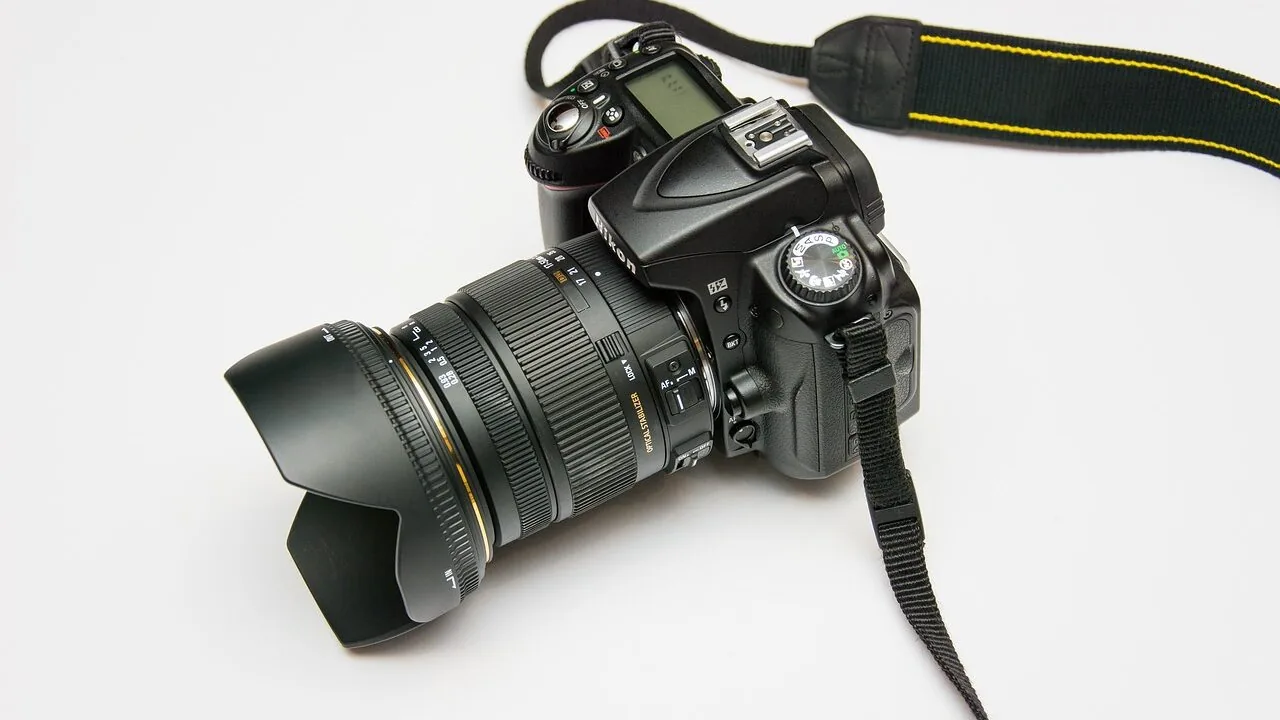
A capable external flash is one of the most transformative tools a photographer can add to their kit.
Whether you shoot portraits, events, street scenes, or product photography, the right speedlight gives you control over light that your camera’s built-in pop-up flash simply cannot match.
The market spans everything from ultra-affordable manual flashes to full-featured TTL units with high-speed sync, wireless radio control, and built-in lithium batteries.
Sorting through the options takes real effort, especially when spec sheets from brands like Godox, Nikon, Neewer, Viltrox, and Ulanzi all promise professional results at very different price points.
At ProductFind, we cut through the noise by researching each model across published specifications, expert review consensus from working photographers, and verified buyer feedback gathered across thousands of real-world purchases.
We do not conduct our own product trials; every rating reflects rigorous comparative analysis so you get honest, actionable guidance.
The picks below represent the best camera flashes across budgets and use cases, from a budget-friendly entry point to a premium Fujifilm-specific powerhouse. Scroll down to see our full ranked list.
| Award | Product | PF Score About PF ScoreThe PF Score is our own rating from 0 to 10, based on performance, design and build, ease of use, and value. It reflects independent research and is never influenced by manufacturers, retailers, or affiliate commissions. Learn more › | Price | |
|---|---|---|---|---|
| Best Overall |
 Godox TT600 2.4G Wireless Flash Speedlite
|
7.8/10 | Buy | |
| Editor's Pick |
 Godox TT600 GN60 Shoe Mount Flash
|
7.8/10 | Buy | |
| Best Value |
 Godox V480F Fujifilm Flash, GN50 with HSS
|
7.6/10 | Buy | |
| Top Rated |
 Nikon SB-700 Speedlight Flash
|
7.5/10 | Buy | |
 Godox iT32 TTL Flash with Interchangeable X5 Hotshoe
|
7.4/10 | Buy | ||
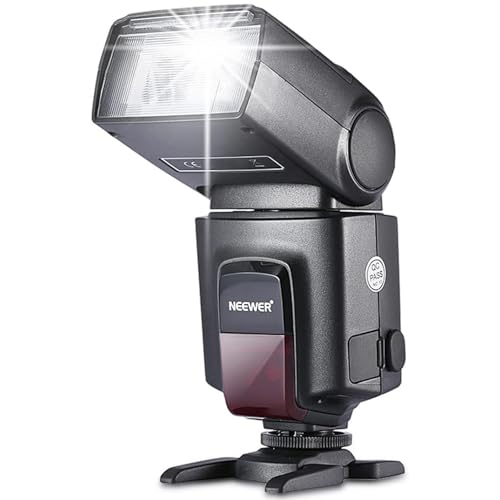 Neewer TT560 Manual Flash GN38
|
7.2/10 | Buy | ||
 VILTROX Z2-C Mini Foldable TTL Flash for Canon
|
6.3/10 | Buy | ||
 Neewer Z160 22Ws Compact Camera Flash
|
6.2/10 | Buy | ||
 ULANZI SL03 Mini Flash GN8 with 90° Adjustment
|
6.0/10 | Buy | ||
 ULANZI SL01 Mini Flash Speedlite, GN8 6500K
|
5.8/10 | Buy |
Godox TT600 2.4G Wireless Flash Speedlite
A budget-friendly wireless flash with built-in 2.4G trigger system and GN60 guide number, compatible across major camera brands. Best suited for photographers seeking affordable off-camera flash control without breaking the bank.
Pros
- Built-in wireless trigger eliminates need for separate receiver on slave units
- Broad camera compatibility covers most major DSLR and mirrorless brands
- Decent flash output and recycling speed for general purpose use
- 100-meter transmission range provides flexibility in studio and location work
- Multi-channel and group control allows complex lighting setups
Cons
- Cannot achieve high-speed sync when mounted on camera hot shoe, only when used as wireless slave
- Requires separate Godox TTL trigger purchase (X1T, X2T, XPro) for HSS and advanced TTL features
- Four AA batteries required but not included, adding ongoing operating costs
Godox TT600 GN60 Shoe Mount Flash
The Godox TT600 is a budget-friendly speedlite offering GN60 output with 2.4G wireless control and 1/8000s high-speed sync capability when paired with compatible triggers. It delivers 230 full-power flashes per charge and works with most DSLR cameras using standard hotshoes, making it a practical choice for photographers stepping up from on-camera flash.
Pros
- Affordable entry-level wireless flash with solid GN60 performance
- Reliable 2.4G wireless system integrates with broader Godox ecosystem
- Quick recycling time and manual/auto zoom flexibility for varied shooting scenarios
- Stable color temperature maintains consistent white balance across power range
- Works with standard hotshoe on most DSLR and mirrorless camera brands
Cons
- High-speed sync only available when using external triggers, not with direct hotshoe mounting
- Requires optional Godox triggers (X1T, X2T, XPro) to unlock high-speed sync capability, adding to total cost
- No verified user reviews available to assess real-world durability and performance consistency
Godox V480F Fujifilm Flash, GN50 with HSS
A compact Fujifilm-native speedlight with GN50 output, 1/8000s HSS, and built-in 2.4GX wireless TTL for multi-flash setups. The touchscreen interface and 650 full-power shots per charge suit working photographers, though real-world performance data from verified buyers is currently limited.
Pros
- Fast 1.7s recycle time and 650 full-power pops reduce workflow interruptions
- Built-in 2.4GX wireless TTL reaches 100m and supports multi-flash arrangements without external triggers
- Touchscreen interface makes parameter adjustments intuitive compared to menu-diving on traditional flashes
- USB-C charging minimizes downtime for all-day shoots
- Direct Fujifilm X-series compatibility without adapter workarounds
Cons
- No verified buyer reviews published yet, so real-world reliability and actual output consistency cannot be assessed
- Compact design may compromise grip comfort for extended handheld use compared to larger professional flashes
- Limited information on flash color accuracy and consistency across the 650-shot battery cycle
Nikon SB-700 Speedlight Flash
A portable flash unit built for Nikon DSLRs with i-TTL autofocus control and flexible positioning. Works via hot shoe mount or wireless trigger, making it suitable for both on-camera and off-camera setups.
Pros
- i-TTL flash control ensures accurate exposure metering with Nikon DSLRs
- Wireless operation allows off-camera flash placement for creative lighting
- Full flash head rotation and tilt for bounce and directional control
- Compact and lightweight for portability across shoots
Cons
- No customer reviews available to assess real-world reliability or ease of use
- Limited color and finish options
- Requires Nikon DSLR compatibility, not universal across all camera brands
Godox iT32 TTL Flash with Interchangeable X5 Hotshoe
A Canon-compatible shoe mount flash built around an innovative interchangeable hotshoe system that lets you switch between camera brands magnetically. The dual-function X5 module works as both a camera mount and wireless trigger, streamlining multi-light setups within the Godox 2.4GHz ecosystem.
Pros
- Magnetic mounting is genuinely fast and more secure than traditional wheels
- Universal hotshoe system eliminates need for separate flash units per camera brand
- Seamless integration with Godox wireless lighting ecosystem for off-camera work
- Intelligent auto-detection and real-time status feedback reduce setup confusion
Cons
- No verified buyer reviews available to assess real-world durability or performance consistency
- X5 module must be detached and reconfigured separately to function as a wireless trigger, adding extra steps
- Compatibility limited to Godox 2.4GHz system, not universal with third-party flashes
Neewer TT560 Manual Flash GN38
A budget-friendly manual flash offering GN38 output with 8 power levels and wide compatibility across Canon, Nikon, Sony, and Fujifilm cameras. Best suited for photographers comfortable with manual exposure control and willing to work around its lack of TTL and HSS features.
Pros
- Manual operation gives full control over flash output without camera dependency
- Extensive compatibility list covers most DSLR and mirrorless systems
- Optical slave and PC sync enable off-camera flash setups
- Adjustable head for bounce and directional lighting
- Reliable performance when sync speed set to 1/200s or slower
Cons
- No TTL, HSS, or automatic exposure metering requires manual calculation and testing
- Electronic shutter won't trigger the flash on mirrorless cameras, limiting shooting modes
- Requires 4 AA batteries (not included) and longer recycling times compared to powered models
- Limited effectiveness with newer Sony models (incompatible with ZV-1F, A9III, A99) and some Canon/Fuji variants
VILTROX Z2-C Mini Foldable TTL Flash for Canon
A pocket-sized flash that folds to earbud case dimensions while delivering TTL metering and manual control. The elevated flash head design prevents lens shadows, making it practical for creators wanting compact lighting without setup complexity.
Pros
- Compact and portable at 1.8 oz, folds to fit easily in camera bag or pocket
- Elevated flash head lifts 2.4 inches above hot shoe to eliminate lens blockage and harsh shadows
- Automatic TTL metering with intelligent pre-flash for balanced exposure without manual adjustment
- Manual mode with 5 adjustable power levels for creative control in portraits and specialty photography
- Dual-mode operation balances simplicity for beginners with flexibility for experienced shooters
Cons
- No user reviews available yet to verify real-world performance and durability claims
- Mini form factor may limit flash power output compared to full-size alternatives
- Canon-specific model requires separate purchase for other camera brands
Neewer Z160 22Ws Compact Camera Flash
A lightweight, palm-sized speedlight with 22Ws output and 6000K color temperature, designed for travel and street photography. Compatible with most Canon, Nikon, Sony, and other major DSLR hot shoes, though some newer Sony and Fuji models are excluded.
Pros
- Compact and lightweight design ideal for on-the-go and street photography
- Fast 1.5-second recycle time and ample full-power shot count per charge
- Dual shooting modes (Auto with exposure compensation, Manual with precise 1/128 to 1/1 adjustments)
- Includes diffuser and USB-C cable; integrates 0.5W modeling light for preview
- Broad hot shoe compatibility across Canon, Nikon, Panasonic, Olympus, Pentax, and Fujifilm
Cons
- Limited power output (22Ws) suitable mainly for close-range and fill flash rather than primary illumination
- Not compatible with several recent Sony models (A9III, A99, A77, A350, ZV-1F) and select Canon/Fuji entry-level bodies
- No verified user reviews available; rating based on manufacturer specs only
ULANZI SL03 Mini Flash GN8 with 90° Adjustment
A compact manual flash with 4 brightness levels and dual flash/fill-light modes, designed for Sony, Canon, Nikon, Fuji, and other single-contact hotshoe cameras. Best for photographers who understand manual flash operation and don't rely on TTL automation.
Pros
- Portable and lightweight compared to full-size speedlites, ideal for travel photography
- Built-in rechargeable battery with USB-C charging eliminates need for AA batteries
- Integrated fill light provides auxiliary light for focusing and soft fill in dim conditions
- Adjustable tilt and multiple power levels offer creative control in manual mode
- Reasonable output (GN8 at ISO 100) adequate for close subjects and indoor work
Cons
- No TTL or automatic metering, requires full manual exposure calculation and adjustment
- Incompatible with many current entry-level models (Canon 200DII, Sony A9III, Fuji X-A3) due to single-contact hotshoe requirement
- Lower power index (GN8) limits effective range compared to professional speedlites, works best within 5-10 feet
ULANZI SL01 Mini Flash Speedlite, GN8 6500K
A compact, lightweight shoe-mount flash with GN8 output and manual control across 40+ camera models. Fast USB-C charging delivers 500+ flashes per charge, making it practical for travel and documentary work, though it lacks TTL automation and isn't compatible with some newer entry-level cameras.
Pros
- Extremely portable design at 0.07 lbs, ideal for travel and run-and-gun shooting
- Fast USB-C charging with 500+ flashes per battery cycle and simultaneous charge-and-shoot capability
- Wide camera compatibility spanning multiple major brands and extensive model range
- Accurate color reproduction at 6500K with 97+ CRI for consistent color grading
- Straightforward manual controls reduce learning curve for beginners
Cons
- Manual-only operation with no TTL automation requires metering experience and manual power adjustment
- Incompatible with popular entry-level models including Canon 3000D/1500D, Sony ZV1, and Fujifilm X-A3
- Charger and USB-C cable sold separately, adding extra cost
Camera Flashes Buying Guide
Choosing a speedlight involves more than picking the highest guide number on the shelf. The right flash depends on your camera system, the way you shoot, how much you want to automate, and whether you plan to use multiple lights.
The sections below break down the criteria that matter most, so you can match the right unit to your actual workflow rather than overspending on features you will never use.
Guide Number and Power Output
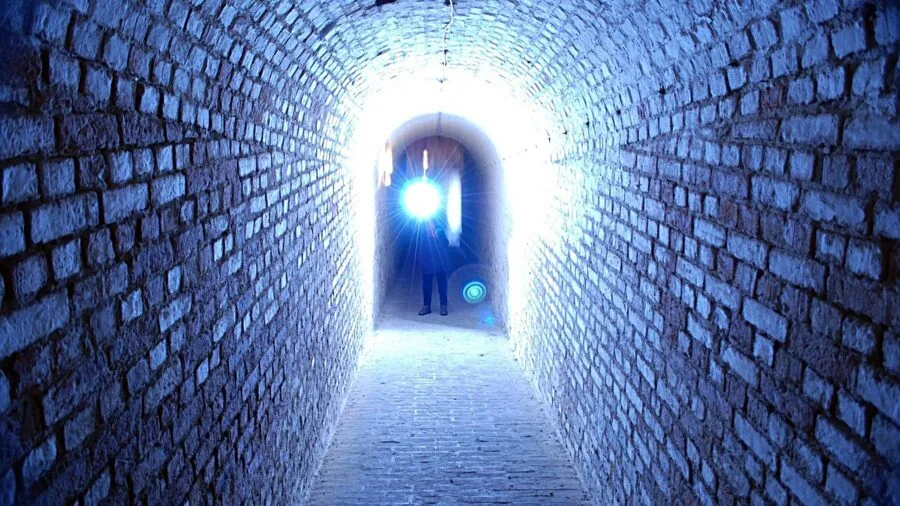
Guide number (GN) is the standardized measure of a flash’s maximum output, expressed in meters at ISO 100. A higher GN means more reach and more flexibility when working in large rooms, outdoors, or through modifiers like softboxes and umbrellas.
For most indoor and portrait work, a GN in the 40 to 60 meter range is more than adequate.
Chasing the highest possible guide number matters more for event photographers who need to throw light across a large venue or overpower bright ambient light on a sunny afternoon.
Keep in mind that guide number alone does not tell the whole story. A flash that recycles slowly or that loses color consistency at higher power settings can undermine an impressive GN rating.
Look at how a unit behaves across its full power range, not just at maximum output.
Many photographers find they rarely fire a speedlight at full power anyway, making recycle time and color temperature stability more meaningful in day-to-day shooting than raw peak output.
TTL vs. Manual Mode
TTL (Through The Lens) metering lets the flash communicate with your camera to automatically calculate the correct exposure for each shot.
It is invaluable for fast-moving subjects, run-and-gun event coverage, or any situation where you do not have time to dial in power manually between shots.
Cameras from Nikon, Canon, Sony, and Fujifilm each use proprietary TTL protocols, so you need to confirm that a flash supports your specific system before buying. A flash that lists “TTL” generically may only support certain brands.
Manual mode puts full control in your hands, which many portrait and studio photographers prefer because it gives perfectly repeatable exposures across a series of frames.
Budget units like the Neewer TT560 offer only manual control, which is a reasonable trade-off at their price point. More advanced models support both, letting you switch modes depending on the assignment.
If you are just starting out with off-camera flash, a manual-only unit is an excellent and cost-effective way to learn the fundamentals before investing in TTL automation.
High-Speed Sync (HSS)
Most camera shutters have a maximum flash sync speed, typically around 1/200s to 1/250s.
High-speed sync breaks that barrier by pulsing the flash rapidly as the shutter curtain travels across the sensor, allowing you to shoot at shutter speeds up to 1/8000s.
This is critical for outdoor portrait photographers who want to use a wide aperture in bright sunlight without blowing out the background, and for action photographers who need fast shutter speeds regardless of flash.
HSS does carry a trade-off: effective flash power drops significantly at higher shutter speeds because the flash pulse is stretched rather than fired as a single burst.
The practical implication is that you may need a more powerful flash, or you need to position it closer to your subject, to compensate.
For photographers who work primarily indoors or in controlled light, HSS is a nice-to-have rather than a must. For outdoor portrait and lifestyle photographers, it quickly becomes essential.
If you are shopping for a vlogging camera setup that includes on-camera flash for run-and-gun content, HSS is less critical than portability and battery life.
Wireless System and Multi-Flash Triggering
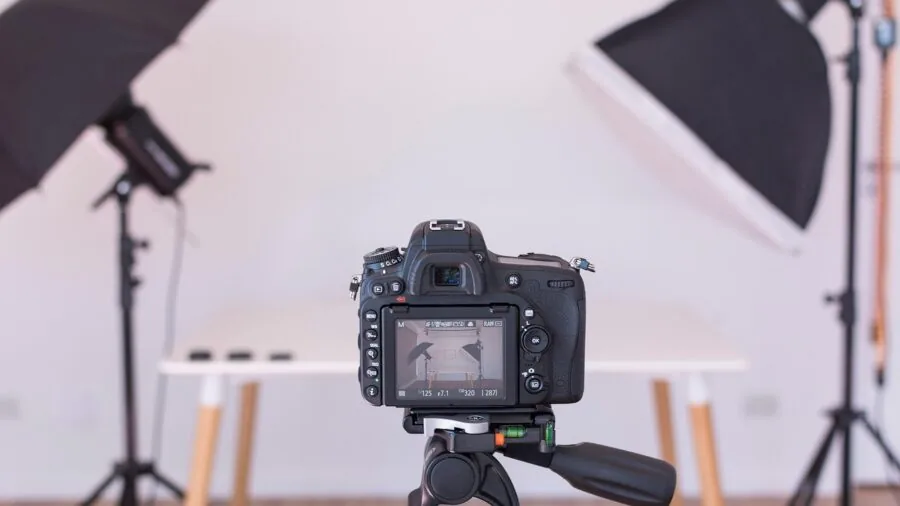
The ability to trigger a flash off-camera opens up a world of creative lighting.
Radio-based wireless systems, like the 2.4G system built into the Godox TT600 and many other Godox units, are far more reliable than older optical slave triggers because they work through walls, around corners, and in bright ambient light.
Within a compatible ecosystem, you can mix and match flashes, receivers, and triggers from the same manufacturer, which is a significant advantage of committing to one brand’s wireless protocol.
Optical slave modes are a useful secondary option for simple setups where all your flashes are in line-of-sight. They are standard on most flashes and cost nothing extra.
For photographers building a multi-light portrait or product photography studio, investing in a radio trigger system from the start saves a lot of frustration later.
Consider how you plan to grow your lighting setup before buying a flash that locks you into a proprietary wireless protocol with limited expansion options.
A solid 360 camera rig or an action camera setup benefits from simpler lighting solutions, but still-image portrait work rewards a well-thought-out wireless flash system.
Battery Type and Recycling Speed

Most speedlights run on AA batteries, which are convenient because you can buy them anywhere in the world and swap them out mid-shoot in seconds.
The downside is that AA-powered flashes typically have slower recycle times and shorter battery life than units with built-in lithium-ion packs.
At full power, a good AA-powered flash might recycle in 2 to 3 seconds, while a lithium-ion model can cut that to under 2 seconds and sustain higher output longer.
Lithium-ion flashes like the Godox V480 and others in that tier are more convenient for heavy professional use, but they require you to remember to charge the battery before a shoot.
Running out of charge mid-wedding is a worse situation than swapping a set of AA batteries. For most photographers, the right choice comes down to shooting volume.
If you regularly fire hundreds of flashes in a single session, a lithium-ion model is worth the premium. For occasional and hobbyist use, a quality AA-powered flash is simpler and more forgiving.
Camera System Compatibility and Hot Shoe Type

Hot shoe compatibility is more complicated than it used to be. The standard ISO hot shoe fits most DSLR and mirrorless cameras, but some manufacturers have added proprietary multi-pin contacts that enable advanced functions.
Sony’s multi-interface shoe, Canon’s multi-function shoe, and Nikon’s ISO-standard variants all have nuances that affect whether a third-party flash will support full TTL, HSS, and wireless control, or only basic firing.
Always check compatibility lists for your specific camera body, not just the brand name.
Third-party brands like Godox have invested heavily in building out ecosystem support, releasing dedicated firmware and adapters that restore full TTL and HSS function across Canon, Nikon, Sony, Fujifilm, and other systems.
This has made the value proposition of third-party flashes far stronger than it was even a few years ago.
Nikon shooters, for example, can consider the Nikon SB-700 for guaranteed first-party compatibility and the refined i-TTL experience, or a well-supported Godox model for significantly more features at a lower price point.
Photographers building out a complete camera kit, perhaps pairing a speedlight with one of the top action cameras for behind-the-scenes coverage, will appreciate flashes that work seamlessly across multiple bodies.
Why You Should Trust Us
ProductFind is an independent review publication. We have no affiliation with any camera flash manufacturer, retailer, or distributor. Every recommendation on this page is the result of structured comparative research, not sponsored placement or brand relationships.
Each product on our list is scored using the PF Score system, a 0 to 10 rating scale applied consistently across the category.
Our evaluations draw on published technical specifications, consensus from expert reviewers across the photography community, verified buyer feedback from confirmed purchasers, and publicly available data including manufacturer documentation and independent analysis.
We do not conduct our own product trials; our evaluations are grounded in research, published data, expert review consensus, and verified buyer feedback.
This approach allows us to assess a broader range of products more rigorously and without the conflicts of interest that can arise when review programs are sponsored by the brands being covered.
ProductFind may earn an affiliate commission when you purchase through links on this page. That relationship does not influence our rankings, PF Scores, or editorial decisions in any way.
Products are ranked on the merit of our research findings, not on commission rates. We disclose this transparently so you can evaluate our recommendations with full context.
Our goal is straightforward: help you spend money wisely on camera flashes that will genuinely improve your photography.
Final Thoughts
The best camera flash for you depends entirely on how you shoot, which camera system you use, and how much automation you want in the field.
The picks in this guide cover the full range from compact and affordable units designed for beginners to sophisticated lithium-powered flashes built for professionals shooting demanding assignments. Here is how we summarize the standouts.
- Best Overall: Godox TT600 2.4G Wireless Flash Speedlite earns our top overall recommendation for its combination of strong output, built-in 2.4G wireless triggering, broad camera system compatibility, and an accessible price point that punches well above its tier. It carries the highest PF Score in this roundup alongside its variant listing, making it the most versatile starting point for photographers who want reliable off-camera flash capability without overspending.
- Best for Fujifilm Users: Godox V480 Flash for Fujifilm is purpose-built for Fujifilm mirrorless shooters who want full TTL, HSS, and a built-in lithium battery in a single, well-engineered package. Its high GN output and fast recycle time make it a natural choice for Fujifilm photographers moving into more demanding professional work.
- Best First-Party Flash for Nikon: Nikon SB-700 AF Speedlight remains the definitive recommendation for Nikon DSLR and compatible mirrorless users who prioritize guaranteed i-TTL performance, Nikon’s Creative Lighting System wireless support, and the peace of mind that comes with buying from the camera manufacturer itself.
- Best Budget Pick: Neewer TT560 Camera Flash Speedlite is the most cost-effective entry point in this roundup and a strong recommendation for beginners who want to learn manual flash fundamentals with a universal hot shoe design that fits most DSLRs and mirrorless bodies without requiring any specific TTL protocol.
- Best Compact Option for Beginners: Ulanzi SL03 Mini Flash Speedlite offers an adjustable flash head and video light functionality in a genuinely pocketable form factor, making it a sensible first flash for photographers who also shoot short-form video content or want something lightweight for travel.
Whichever model you choose, adding an external flash to your kit is one of the most impactful upgrades you can make to your image quality.
If you are still building out your camera system, you might also find our coverage of point and shoot cameras and home security cameras useful for rounding out your photography and imaging setup.
Frequently Asked Questions
Do I Need a Flash That Matches My Camera Brand?
Not necessarily. First-party flashes like the Nikon SB-700 guarantee full native TTL and wireless system support within their brand ecosystem.
However, reputable third-party brands, especially Godox, have developed dedicated firmware versions for Canon, Nikon, Sony, Fujifilm, and other systems that restore full TTL, HSS, and wireless compatibility. Many professional photographers use third-party flashes without any functional compromise.
The key is to buy the correct version of the flash for your specific camera brand rather than a generic universal model that may only support basic optical triggering.
What Is the Difference Between On-Camera and Off-Camera Flash?
On-camera flash mounts directly to your hot shoe and fires from the same position as your lens, which produces flat, direct light.
Off-camera flash is triggered wirelessly or via a sync cable from a position away from the camera, giving you the ability to sculpt light from any angle. Most speedlights support both modes.
Off-camera use, especially with modifiers like a small softbox or umbrella, produces dramatically more flattering portraits and more interesting images across nearly every genre.
If you are interested in portrait and lifestyle photography, learning off-camera flash is worth prioritizing early in your development.
Can I Use a Camera Flash for Video?
Traditional camera flashes fire a single burst and are not designed for continuous video illumination.
However, some compact models like the Ulanzi SL03 include a continuous LED video light mode alongside the standard flash function, making them useful for simple video work or vlogging.
For dedicated video lighting, a purpose-built LED panel is generally a better solution.
Photographers who shoot both stills and video content often find that pairing a speedlight for photo work with a compact LED for video covers both needs efficiently without requiring multiple specialized light sources.
How Many Camera Flashes Do I Need?
One flash mounted on-camera or used off-camera with a single modifier will take care of the vast majority of portrait, event, and everyday photography needs.
A two-light setup, typically a key light and a background or fill light, is the entry point for more controlled studio-style work. Professional event and wedding photographers often carry two to three speedlights for redundancy and creative flexibility.
Start with one quality unit and learn to get the most out of it before expanding. Building within a single wireless ecosystem, such as the Godox 2.4G system, makes adding lights later straightforward and cost-effective.
Are Cheap Camera Flashes Worth Buying?
Budget flashes have improved significantly and can deliver solid results for photographers who are learning or who shoot casually.
The main trade-offs at lower price points are typically build quality, slower recycle times, less consistent color temperature, and the absence of TTL or HSS.
For a beginner who wants to understand how flash works before committing to a premium model, an affordable manual flash is a sensible and low-risk starting point. As your needs grow, upgrading to a full-featured TTL unit becomes worthwhile.
At the premium end, you are paying for reliability, ecosystem support, and features like HSS and fast recycle times that pay dividends in professional or high-volume shooting scenarios.
What Accessories Should I Buy With a Camera Flash?
A wireless flash trigger is the first accessory worth considering if your flash does not have a built-in radio system, since it lets you move the light off camera immediately.
A small collapsible diffuser or bounce card softens harsh direct flash and is inexpensive. For portrait work, a compact softbox or shoot-through umbrella that mounts to a light stand transforms a bare flash into a much more flattering light source.
Extra batteries or a fully charged lithium-ion pack are essential for any extended shoot.
Photographers who are building out a complete imaging setup might also want to explore options like dedicated vlogging cameras that pair well with compact on-camera flash units for content creation work.
About the author
Marian is a reviewer and writer for ProductFind who specializes in Cameras & Photography. Marian evaluates products through independent research: specifications, expert review consensus, and verified buyer feedback, and rates each one on the PF Score. Marian focuses on helping readers pick the right cameras & photography for their needs and budget.