The 11 Best Door Locks
Securing your front door starts with picking the right hardware. We researched deadbolts, smart locks, and keyed knobs from Schlage, Wyze, eufy, Philips, and Kwikset to find the most reliable options.
 By Penny Wagner
Updated July 23, 2026
By Penny Wagner
Updated July 23, 2026
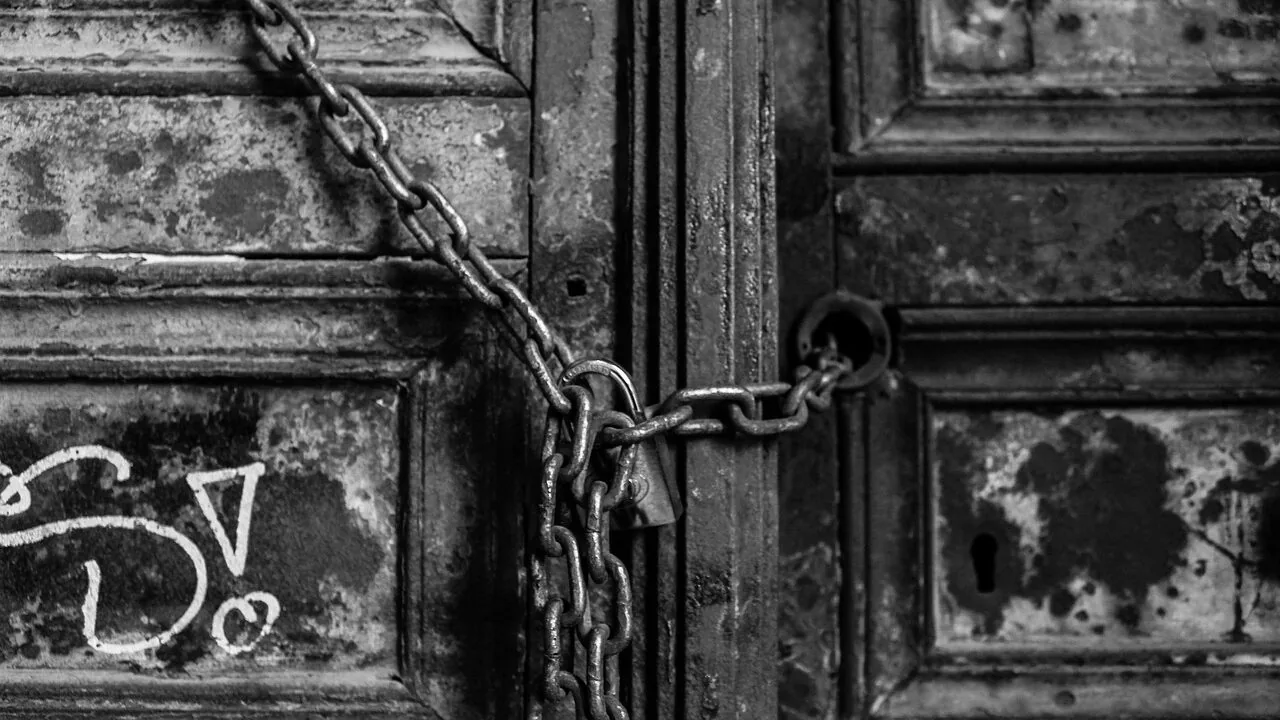
Your front door is the first line of defence between your home and the outside world, yet many households still rely on factory-installed hardware that offers minimal resistance to forced entry.
Whether you live in a busy urban apartment or a suburban house, choosing the right door lock can meaningfully reduce your exposure to break-ins, while modern smart options add the convenience of keyless access, remote monitoring, and integration with your home automation setup.
The market spans everything from no-frills keyed deadbolts to biometric palm-vein readers, and the price and feature gap between categories is wider than most buyers expect.
At ProductFind, we researched the door lock category by analyzing published specifications, synthesizing expert review consensus from credentialed security writers, and combing through thousands of verified buyer reports.
The result is a ranked shortlist covering the strongest picks across deadbolts, keyed knobs, smart locks, and reinforcement hardware, from budget-friendly options by Schlage and Kwikset to feature-loaded smart locks from eufy Security, Philips, and Wyze.
Scroll down to see our top picks, then read the buying guide for practical guidance on what actually separates a reliable lock from a liability.
| Award | Product | PF Score About PF ScoreThe PF Score is our own rating from 0 to 10, based on performance, design and build, ease of use, and value. It reflects independent research and is never influenced by manufacturers, retailers, or affiliate commissions. Learn more › | Price | |
|---|---|---|---|---|
| Best Overall |
 eufy Security C220 Smart Lock with Fingerprint
|
7.6/10 | Buy | |
| Editor's Pick |
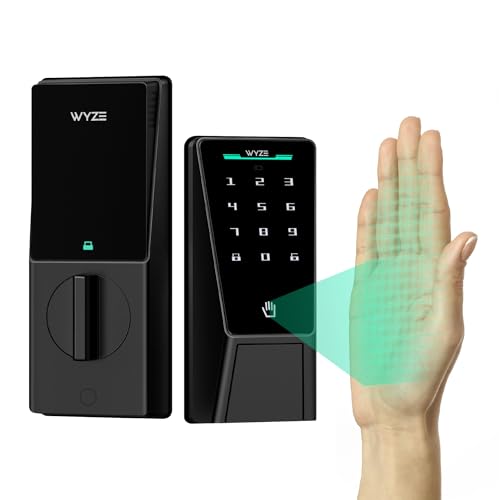 Wyze Palm Lock Smart Door Lock with Palm Vein Recognition
|
8.4/10 | Buy | |
| Best Value |
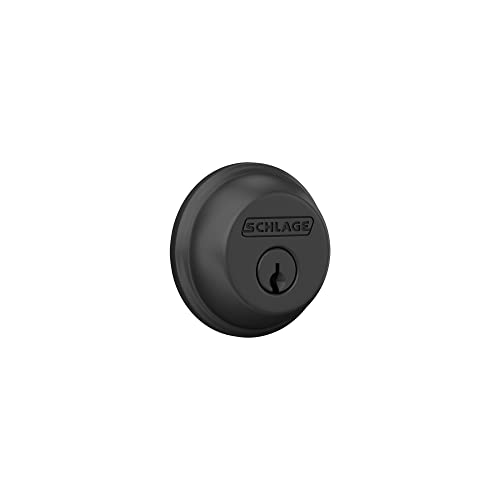 Schlage B60 N622 Grade 1 Deadbolt, Keyed 1-Side
|
8.3/10 | Buy | |
| Top Rated |
 Kwikset Tylo Keyed Entry Door Knob, Satin Nickel
|
7.9/10 | Buy | |
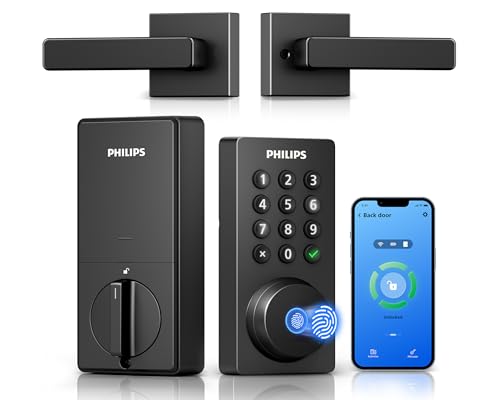 Philips 4200 Series WiFi Keypad Door Lock with Fingerprint
|
7.5/10 | Buy | ||
 Philips Wi-Fi Smart Door Lock with Fingerprint & Voice Control
|
7.4/10 | Buy | ||
 LOCKSTAR Smart Door Lock with Fingerprint & Keypad
|
6.2/10 | Buy | ||
 Veise VE06-H Smart Deadbolt with Keypad
|
6.9/10 | Buy | ||
 Amazon Basics Exterior Door Knob with Key Lock
|
6.8/10 | Buy | ||
 TEEHO TE001 Keyless Deadbolt with Keypad
|
6.5/10 | Buy | ||
 Husfunov 2-Pack Door Lock, 800 lbs Reinforcement
|
5.2/10 | Buy |
eufy Security C220 Smart Lock with Fingerprint
A Wi-Fi-enabled deadbolt that combines fingerprint recognition with multiple unlock methods, including app control and voice assistant compatibility. The self-learning fingerprint sensor improves accuracy over time, and 8-month battery life reduces frequent maintenance needs.
Pros
- Multiple unlock options provide flexibility for different situations and users
- Built-in Wi-Fi eliminates need for a separate hub or bridge device
- Extended battery life reduces need for frequent replacements
- Fast fingerprint unlock under 1.5 seconds once recognized
- IP53 waterproofing handles outdoor exposure and temperature range from -30°C to 70°C
Cons
- No verified user reviews yet to validate real-world performance and durability
- Fingerprint recognition improvement relies on repeated use, which may be slow for infrequent users
- Compatibility limited to standard US and Canadian deadbolts
Wyze Palm Lock Smart Door Lock with Palm Vein Recognition
Wyze's Palm Lock brings biometric security to your front door using contactless palm vein recognition, eliminating the need for fingerprints or traditional keys. The dual battery system with emergency USB-C charging, auto-lock detection, and integration with Alexa and Google Assistant make it a comprehensive smart lock for homeowners seeking modern access control.
Pros
- Unique palm vein recognition is faster and more reliable than fingerprints
- Intelligent battery management with millimeter wave radar prevents unnecessary power drain
- Emergency charging via USB-C power bank ensures you're never locked out
- Comprehensive alarm system detects tampering and ajar doors
- Flexible access with 50 customizable codes plus mechanical key backup
Cons
- No existing buyer reviews available to assess real-world reliability and user experience
- Palm vein recognition requires proximity and proper hand positioning, which may be slower than simple keypad entry
- Setup and integration with Wyze ecosystem and third-party smart home platforms not detailed in available specifications
Schlage B60 N622 Grade 1 Deadbolt, Keyed 1-Side
A Grade 1/AAA certified deadbolt engineered for exterior doors with a 1-inch hardened steel bolt, anti-drill plates, and anti-pick pins. Self-aligning installation and universal fit for standard backsets make it straightforward to upgrade existing double bore hole doors.
Pros
- Grade 1/AAA BHMA certified for highest residential security rating
- 1-inch hardened steel deadbolt with anti-drill and anti-pick protection
- Self-aligning screw holes and tool-free universal latch for easy DIY installation
- Fits standard backsets (2-3/8" or 2-3/4") and door thicknesses 1-3/8" to 1-7/8"
- Includes integrated strike reinforcer with 3" screws to resist kick-in attacks
- Limited lifetime mechanical and finish warranty
Cons
- No user reviews available to assess real-world performance or reliability feedback
- Requires doors with existing double bore holes, not compatible with single bore installations
- Backset and door thickness measurements needed before purchase to ensure fit
Kwikset Tylo Keyed Entry Door Knob, Satin Nickel
A Grade 3 BHMA certified keyed entry knob designed for exterior doors and bedrooms, featuring Kwikset's SmartKey rekey technology that lets you change the lock yourself without a locksmith. Straightforward DIY installation with adjustable latch backset and Microban antimicrobial treatment.
Pros
- SmartKey rekey capability eliminates locksmith costs for rekeying
- Grade 3 BHMA certified, indicating reliable security and durability standards
- Complete installation kit included with detailed guide and all hardware needed
- Microban antimicrobial treatment provides lasting surface protection
- Lifetime warranty backs the mechanical components and finish
Cons
- No verified customer reviews available to assess real-world reliability
- Limited to standard door thickness range, may require adapter for non-standard installations
- Requires understanding of SmartKey tool usage for rekeying benefits
Philips 4200 Series WiFi Keypad Door Lock with Fingerprint
A WiFi-enabled deadbolt that combines keypad entry, fingerprint recognition, and smartphone control without requiring a separate hub. Best suited for homeowners seeking flexible access management across family members, guests, and short-term rentals.
Pros
- No hub needed; connects directly to 2.4GHz WiFi for straightforward setup
- Fingerprint recognition unlocks in 0.3 seconds and stores multiple profiles for family members
- Versatile passcode management ideal for Airbnb hosts, housekeepers, and guests
- Voice compatibility with Alexa and Google Assistant adds hands-free convenience
- Complete handle set included reduces need for additional hardware purchases
Cons
- WiFi dependency means lock becomes inaccessible if router or internet goes down; requires 33 ft proximity to router
- Auto-lock feature defaults to OFF and must be manually enabled via app; no physical backup access mentioned
- Batteries not included; requires standard 1.5V alkaline batteries only (no rechargeables), and 6-month life may feel short for infrequently replaced items
Philips Wi-Fi Smart Door Lock with Fingerprint & Voice Control
A versatile smart deadbolt offering multiple unlock methods including app, fingerprint, passcode, and voice commands via Alexa or Google Assistant. Built-in Wi-Fi enables remote control without a hub, though it requires 2.4GHz networks and AA batteries not included.
Pros
- Multiple unlock options accommodate different preferences and accessibility needs
- No separate hub required for Wi-Fi connectivity and remote access
- Fingerprint storage for multiple users provides convenient keyless entry
- Customizable passcodes with one-time or scheduled access for guests
- Away Mode adds security layer when you're not home
Cons
- Requires 4-8 AA alkaline batteries, not included with purchase
- Only supports 2.4GHz networks and works best within 65 feet of router
- No door sensor for detecting whether door is physically closed or open
- Zero verified customer reviews available to assess real-world reliability
LOCKSTAR Smart Door Lock with Fingerprint & Keypad
A multi-method deadbolt offering app control, fingerprint access, keypad code, card fob, and traditional key entry in one unit. DIY installation comes with all necessary tools, making it practical for renters and homeowners seeking flexible access without professional help.
Pros
- Multiple access options (app, fingerprint, keypad, fob, key) provide flexibility
- WiFi gateway bundled in the box, no separate purchase needed
- Complete event history with phone notifications for security monitoring
- Simple DIY setup requiring minimal tools
- Works on virtually any door without major modifications
Cons
- No verified customer reviews available to confirm real-world performance and durability
- Fingerprint and app reliability depend on quality of door frame and network stability, which cannot be guaranteed across all installations
- Battery life and maintenance requirements not specified in product data
Veise VE06-H Smart Deadbolt with Keypad
A versatile smart lock offering five access methods (app, code, fobs, key, thumb turn) with support for 250+ user codes and remote management. Best suited for landlords, property managers, and households wanting flexible guest access without the need for a separate gateway.
Pros
- Multiple access methods eliminate reliance on single entry point, useful for shared properties
- Generous user code capacity with flexible scheduling supports complex access scenarios like house sitters and short-term guests
- Anti-peeping and anti-hacking keypad design addresses common smart lock vulnerabilities
- Adjustable installation fits existing door holes, reducing need for professional setup
Cons
- Smart home integration (Alexa, Google Home, remote access) requires separate gateway purchase
- No verified customer reviews available to assess real-world reliability and durability
- Requires three pre-drilled holes with specific spacing, limiting retrofit options on some doors
Amazon Basics Exterior Door Knob with Key Lock
A straightforward keyed-alike exterior door knob combining a functional deadbolt and entry lock in one unit. Brass construction with adjustable latch makes it adaptable to most standard door thicknesses, backed by Amazon's 1-year warranty.
Pros
- Keyed alike system with four keys included for convenience
- Adjustable latch accommodates doors 2-3/8 to 2-3/4 inches thick
- Brass body with steel internal components offers durability
- Fits standard door thickness range of 1-3/8 to 1-3/4 inches
- Detailed installation instructions provided
Cons
- No customer reviews available to assess real-world reliability and ease of installation
- Limited to KW1 keyway, reducing compatibility with other key systems
- Amazon Basics warranty is 1-year only, shorter than some competitors
TEEHO TE001 Keyless Deadbolt with Keypad
A battery-powered keypad deadbolt offering 20 access codes, one-time guest codes, and auto-lock features for convenient home entry. Quick installation and straightforward operation make it accessible for most homeowners, though it requires compatible door holes and AA battery replacements.
Pros
- Multiple code management options allow family access without key distribution
- Long battery life minimizes maintenance interruptions throughout the year
- Simple installation process requires no special tools or professional help
- Weather-resistant construction with aluminum alloy build for durability
- Low battery alert prevents lockout situations
Cons
- Only compatible with 2-1/8 inch door holes, limiting compatibility with 38mm holes
- No battery included in the box despite year-long runtime claim requiring 4 AA batteries
- Product has zero verified buyer reviews, limiting real-world feedback on reliability
Husfunov 2-Pack Door Lock, 800 lbs Reinforcement
A metal flip-lock door reinforcement designed for inward-opening doors, offering childproofing and forced-entry resistance through a 3-inch stop mechanism. Installation takes roughly 5 minutes with basic tools, making it practical for renters and homeowners seeking additional security layers.
Pros
- Substantial reinforcement rating (800 lbs force threshold) backed by metal build and 4-screw mounting
- Dual functionality balances security with childproofing and emergency accessibility
- Includes both long and short screws to accommodate varying door frame depths
- Installation manual and minimal tooling requirements reduce setup friction
Cons
- Incompatible with French doors, garage doors, outward-opening doors, and frames with gaps under 0.07 inches, limiting use cases
- Zero verified buyer reviews available, so real-world durability and ease-of-use cannot be validated beyond manufacturer claims
- Requires proper door alignment and correct installation for 800 lbs rating to be effective
Door Locks Buying Guide
Buying a door lock is not as simple as matching a finish to your door hardware. Security ratings, lock type, installation complexity, and smart-home compatibility all interact in ways that can trip up even experienced buyers.
The sections below walk through the criteria that matter most, so you can match the right lock to your door, your lifestyle, and your threat model.
If you are also upgrading other parts of your home workshop, our workbench guide covers sturdy surfaces that make hardware installations easier, and a quality caulking gun is useful for sealing gaps around a new door frame.
Lock Type and Security Grade
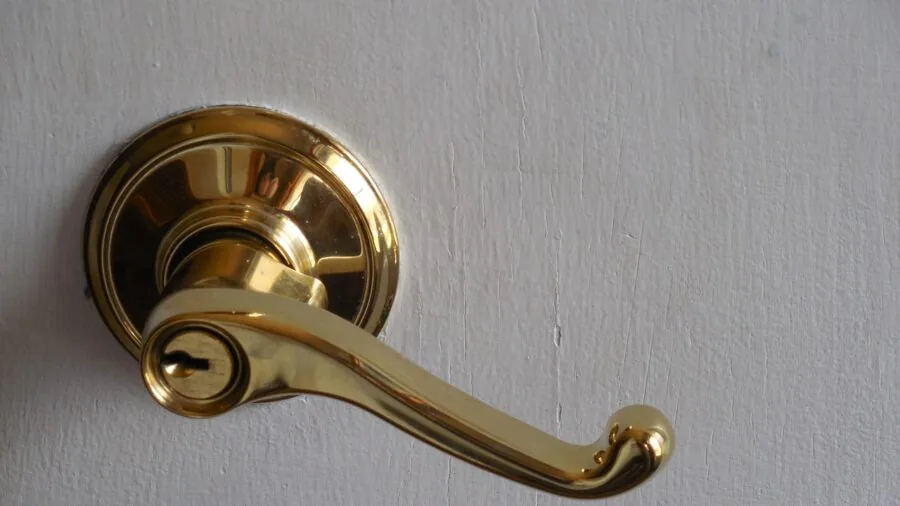
Door locks fall into a few broad categories: deadbolts, keyed knobs and levers, smart deadbolts, and supplemental reinforcement latches. For exterior front doors, a grade-1 or grade-2 deadbolt is the security baseline recommended by most residential security authorities.
ANSI/BHMA grades rate locks on bolt throw, strike-plate pull resistance, and cycle durability. Grade 1 is commercial-grade and the toughest; Grade 2 covers most quality residential deadbolts; Grade 3 is entry-level.
Keyed knob locks, while common, are structurally weaker than deadbolts because their latch bolt can be sheared with a wrench. They work best as a secondary lock paired with a deadbolt, or on interior and low-risk doors.
Supplemental reinforcement hardware, such as door-bar latches, adds a layer of physical resistance that is particularly useful for inward-swinging doors where kick-in attacks are a concern.
One often-overlooked factor is the strike plate.
Many failures in forced-entry scenarios happen at the strike plate rather than the lock cylinder itself, because manufacturers frequently include short screws that only bite into the door casing rather than the structural stud behind it.
Swapping in a reinforced strike plate with 3-inch screws is a low-cost upgrade that dramatically improves kick resistance regardless of which lock you choose.
Pick and Drill Resistance
Physical security credentials matter beyond the ANSI grade label.
Look for locks that carry an ANSI/BHMA pick-resistance or a UL 437 certification, which indicates the cylinder has been evaluated against standard picking, bumping, and drilling attack methods.
Brands like Schlage publish their anti-pick pin technology under names such as SecureKey, while Kwikset markets SmartKey cylinders that are rekeyable and bump-resistant.
Bump keys remain one of the most accessible break-in tools available, and standard pin-tumbler cylinders without security pins are vulnerable.
If your existing lock has never been upgraded, replacing the cylinder alone, or choosing a lock with patented security pins, can close that gap without a full hardware replacement.
Drilling attacks, where the attacker destroys the cylinder with a drill, are mitigated by hardened steel inserts inside the lock body; check the spec sheet for anti-drill pins or a hardened steel cylinder guard.
Smart Lock Features and Connectivity
Smart locks add convenience but also introduce new considerations around connectivity, battery life, and software security.
The main connectivity options are Bluetooth-only (shorter range, no remote access without a hub), Wi-Fi built-in (remote access from anywhere, higher battery drain), and Z-Wave or Zigbee (requires a compatible smart-home hub but is more power-efficient).
Models like the eufy Security Smart Lock C220 and the Philips Wi-Fi door lock include built-in Wi-Fi, meaning no separate hub is needed for remote control.
Authentication methods on smart locks now go well beyond keypads. Fingerprint readers, NFC card fobs, and Wyze’s palm-vein recognition represent different points on the convenience-versus-reliability spectrum.
Fingerprint readers can struggle with wet or dirty fingers; palm-vein recognition uses near-infrared imaging of vascular patterns beneath the skin, which is harder to spoof and less affected by surface conditions.
Consider how many people need access and whether the lock supports multiple user credentials and access logs.
Voice assistant compatibility, specifically with Alexa and Google Assistant, is a convenience add-on worth noting if you already have a smart-home ecosystem.
Auto-lock timers, low-battery alerts pushed to your phone, and temporary access codes for guests or service workers are features that genuinely save friction in daily use.
Just make sure the companion app is actively maintained; a smart lock whose app has been abandoned by its developer is a security and usability risk.
Installation Complexity and Door Compatibility
Most residential deadbolts and smart locks are designed to fit a standard 2-1/8-inch bore on a door 1-3/8 to 2 inches thick, but it is worth measuring before you buy.
Some smart locks, particularly those with larger motorized assemblies, require a thicker door or additional adapter kits.
Models that replace only the interior thumb-turn, called retrofit or overlay locks, are the easiest to install because they mount over your existing deadbolt and do not require any drilling.
Full deadbolt replacements typically involve removing the old lock, feeding the new bolt mechanism through the door, and aligning the strike plate, a process most handy homeowners can complete in 30 minutes with a screwdriver.
Lever-handle combination sets, such as the Veise VE06-H, replace both the deadbolt and the lever in one assembly and require a bit more alignment care but still fall within DIY territory.
If your door hardware is non-standard or you are installing into a metal or fiberglass door, consulting a locksmith for the physical installation while sourcing your own hardware is a reasonable approach.
Keeping a reliable caulking gun and cordless glue gun on hand helps with any weatherstripping or trim work around the door frame after installation.
Battery Life and Power Backup
Smart locks are powered by AA or AAA batteries, with claimed battery life ranging from three months to over a year depending on usage frequency and connectivity method.
Always-on Wi-Fi draws more power than Bluetooth, so Wi-Fi-integrated locks generally have shorter battery cycles unless they incorporate low-power standby modes.
The eufy C220 claims roughly eight months of battery life; the Wyze Palm Lock ships with a dual-battery design that is intended to extend time between changes.
Critically, every smart lock should include a physical key override and, ideally, an external 9-volt battery terminal that lets you power the lock temporarily if the internal batteries die while you are locked out.
Verify both features before purchasing, especially for primary exterior doors.
Some budget smart locks omit the external terminal, which is a meaningful inconvenience if you return home to a dead battery.
Weather Resistance and Finish Durability

Exterior locks are exposed to humidity, rain, UV, and in many climates, freezing temperatures.
IP53 is a commonly cited rating on smart locks (the eufy C220 and Wyze Palm Lock both carry it), meaning the device is protected against dust and water spray from any direction.
It is not submersion-proof, but it is adequate for covered entryways and most residential climates. For very exposed doors, such as those in coastal regions or areas with heavy rainfall, look for IP65 or better.
Finish durability affects both appearance and corrosion resistance. Matte black and satin nickel are the two most popular residential finishes and both are available across the price spectrum.
Powder-coated and PVD finishes hold up better to daily contact than plated finishes.
If finish matching across your home’s hardware is important to you, check that the lock manufacturer offers a consistent finish line so your deadbolt, knob, and hinges can coordinate.
Why You Should Trust Us
ProductFind is an independent review publication.
Every product in this roundup was evaluated using a consistent, multi-source research methodology: we analyze manufacturer specifications and certification claims (ANSI/BHMA grade, IP rating, UL listings), synthesize expert review consensus from credentialed security and smart-home writers, and assess verified buyer feedback at scale to surface real-world reliability patterns that specifications alone do not reveal.
Each product receives a PF Score on a 0-to-10 scale reflecting its overall performance against the criteria that matter in this category, including physical security credentials, build quality, ease of installation, smart features where applicable, and value relative to the competition.
We do not conduct our own product trials; our evaluations are grounded in research, published data, expert review consensus, and verified buyer feedback.
This approach lets us cover a wider range of products with greater consistency than any single reviewer evaluating units one at a time, and it means our assessments are not skewed by the idiosyncrasies of a single review sample.
ProductFind may earn an affiliate commission if you purchase through a link on this page. That relationship does not influence rankings, PF Scores, or which products are included or excluded.
Our editorial selections are made independently, and a higher commission rate has never moved a product up or down our list.
We are not affiliated with any retailer, manufacturer, or home security service and do not offer purchase support, warranty assistance, or returns.
Final Thoughts
The door lock market in 2026 is broader and more capable than it has ever been, from sub-budget reinforcement latches to palm-vein smart locks that rival commercial access control systems.
After evaluating every product in this roundup against consistent criteria, here are the standout picks worth highlighting:
- Best Overall: Wyze Palm Lock earns the top spot with the highest PF Score in this roundup, combining cutting-edge palm-vein biometric recognition with built-in Wi-Fi, BHMA certification, IP53 weather resistance, and Alexa and Google compatibility in a single package that represents genuine innovation at a mid-to-high price point.
- Best Traditional Deadbolt: Schlage B60 N 622 Deadbolt is the benchmark for residential keyed security, carrying Schlage’s highest residential security rating, an ANSI Grade 1 equivalent build, and anti-pick pin technology in a matte black finish that suits most modern door hardware. It earns the second-highest PF Score in the roundup and costs a fraction of any smart lock here.
- Best Smart Lock for Most People: eufy Security Smart Lock C220 offers built-in Wi-Fi, fingerprint keyless entry, app remote control, roughly eight months of claimed battery life, and IP53 weather resistance at a mid-range price, making it the most well-rounded smart deadbolt for buyers who want connectivity without complexity.
- Best Budget Keyed Lock: Kwikset Tylo Entry Knob is the most affordable pick in the roundup and punches above its price with SmartKey rekey technology, Microban antimicrobial finish, and pick-resistant cylinder design, making it a sensible choice for interior doors or secondary entry points where a full deadbolt is not required.
- Best Wi-Fi Lock with Handle: Philips WiFi Keypad Door Lock with Handle bundles deadbolt and lever hardware into one connected set with fingerprint, voice, app, and keypad entry, auto-lock, and built-in Wi-Fi, a strong option for buyers replacing both lock and handle at once.
Whichever direction you go, pairing your new lock with a reinforced strike plate and 3-inch screws is one of the highest-return security upgrades you can make regardless of which model you choose.
For related home improvement projects, paint sprayers can help refresh your door and frame after hardware replacement, completing the upgrade cleanly.
Frequently Asked Questions
What is the most secure type of door lock for a front door?
For residential front doors, an ANSI Grade 1 deadbolt is the gold standard.
Grade 1 deadbolts are engineered to resist picking, bumping, and kick-in forces well beyond what most residential break-ins involve. Pairing a Grade 1 deadbolt with a reinforced strike plate and 3-inch screws addresses the most common point of failure in forced-entry scenarios.
Smart deadbolts certified to BHMA Grade 2 or higher, such as the Wyze Palm Lock, offer a practical balance between digital convenience and physical security for most homeowners.
Are smart locks as secure as traditional deadbolts?
A smart lock is only as physically secure as its underlying deadbolt mechanism. High-quality smart locks use the same bolt and cylinder hardware as traditional deadbolts and carry ANSI or BHMA ratings accordingly.
The incremental risk of a smart lock comes from the digital attack surface: weak app passwords, unencrypted Bluetooth pairing, or outdated firmware can introduce vulnerabilities that a keyed lock does not have.
Choosing a smart lock from a brand with a track record of regular firmware updates and strong encryption protocols, and enabling two-factor authentication on the companion app, mitigates most of these risks.
Can I install a smart lock myself, or do I need a locksmith?
Most smart deadbolts marketed for residential use are designed for DIY installation and require only a Phillips screwdriver. The process typically takes 20 to 45 minutes on a standard door with an existing 2-1/8-inch bore.
Where professional help is worthwhile is when the door is non-standard in thickness or bore size, when you are installing into a metal or fiberglass door that may need drilling, or when you want the cylinder professionally keyed to match other locks in your home.
If your door frame has signs of previous damage or rot, having a carpenter inspect the frame before installing a new lock is a good precaution regardless of the lock type.
What happens to a smart lock when the batteries run out?
Most smart locks will alert you via app notification and audible beep when battery level falls below a threshold, typically around 20 percent.
If the batteries are completely depleted, you should still be able to use the physical key that comes with the lock, as all the picks in this roundup include a mechanical key override.
Some models also feature an external 9-volt terminal on the outside of the lock that lets you press a battery against the contacts to power the lock just long enough to enter with a code and replace the internal batteries.
Confirm this feature is present on any smart lock you buy for a primary entry door.
What is the difference between a deadbolt and a door knob lock?
A deadbolt uses a square or rectangular bolt that extends directly into the door frame and requires a deliberate key or thumb-turn action to retract. It has no spring mechanism, which means it cannot be pushed or shimmed open.
A door knob or lever lock uses a spring-loaded latch that retracts automatically when the knob is turned, making it convenient but physically weaker.
Knob locks can be forced open by snapping the knob with a wrench, a method that takes only seconds.
For any exterior door, a deadbolt should be your primary lock; a knob lock adds convenience but should not be relied upon as standalone security.
Interior doors, bedroom closets, and low-risk utility doors are appropriate applications for keyed knob locks used on their own.
How do I choose between fingerprint, keypad, and palm-vein smart locks?
Keypad locks are the most universally reliable entry method because they work regardless of hand moisture, cleanliness, or lighting conditions, and codes can be shared with guests without handing over a physical key.
Fingerprint readers add convenience for household members who use the door repeatedly, but accuracy can drop with wet, dirty, or aging fingerprints.
Palm-vein recognition, as seen on the Wyze Palm Lock, uses near-infrared scanning of vascular patterns beneath the skin, which is harder to spoof and performs more consistently across different hand conditions.
For most households, a smart lock that combines keypad access with at least one biometric method and a physical key backup covers all realistic use cases without over-engineering the solution.
If your home air purifier keeps interior air quality high, that is one less reason for dusty hands to affect sensor performance.
About the author
Penny is a reviewer and writer for ProductFind who specializes in Hardware & Home Improvement. Penny evaluates products through independent research: specifications, expert review consensus, and verified buyer feedback, and rates each one on the PF Score. Penny focuses on helping readers pick the right hardware & home improvement for their needs and budget.