The 12 Best Filament Dryers
Wet filament causes stringing, bubbling, and failed prints. Find the right filament dryer for your setup, from compact single-spool units to four-spool drying stations for engineering materials.
 By Gabriella Thompson
Updated July 23, 2026
By Gabriella Thompson
Updated July 23, 2026
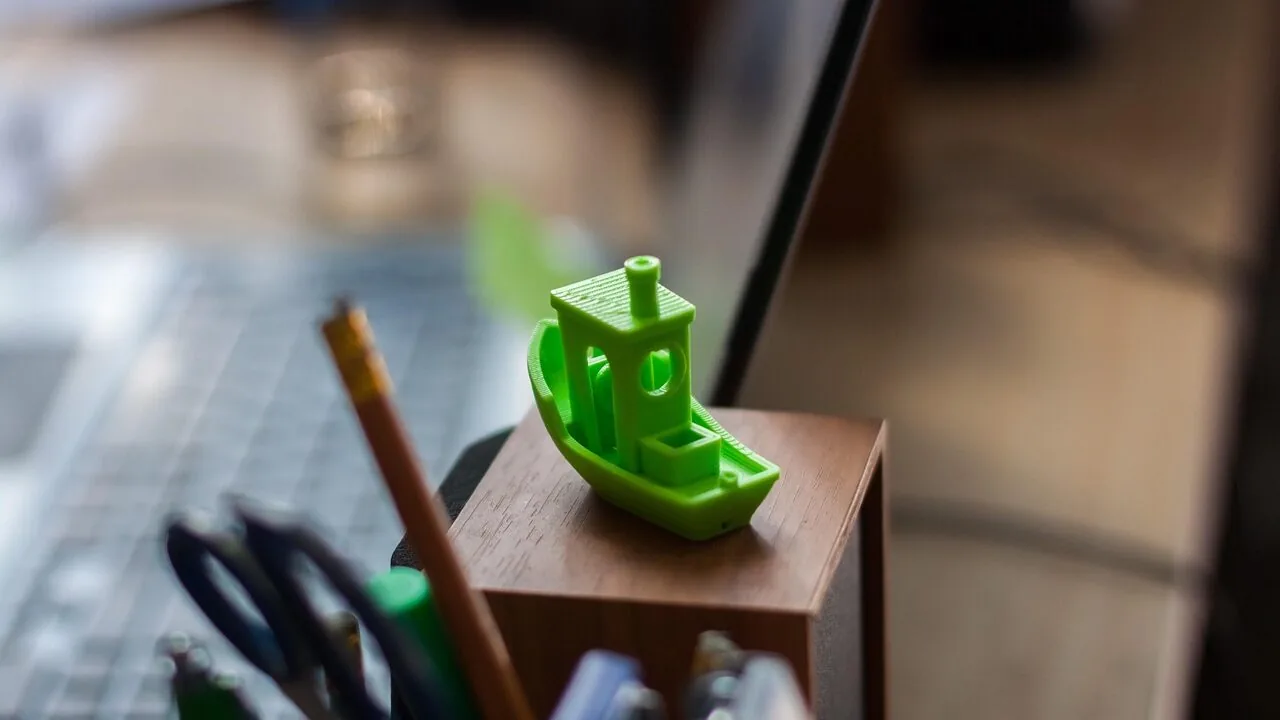
Moisture is the silent enemy of consistent 3D printing.
When filament absorbs humidity from the air, the results are hard to miss: popping and hissing from the hot end, unwanted stringing, brittle layer adhesion, and surface bubbling that ruins hours of work. Not every material is equally at risk.
PLA behaves well in most home environments when stored properly, but PETG, TPU, Nylon, and carbon-fibre composites absorb moisture so quickly that a dedicated filament dryer pays for itself in failed prints avoided.
As the 3D printing community has expanded and engineering materials have become more accessible, the filament dryer market has grown from a niche accessory into a practical necessity for anyone printing beyond casual PLA use.
This guide covers twelve filament dryers across every meaningful category, from passive storage boxes and compact single-spool units to four-spool drying stations capable of reaching 85°C for demanding engineering filaments.
Our team at ProductFind researched each model through a synthesis of published specifications, expert review consensus, and verified buyer feedback, then scored every pick on our 0 to 10 PF Score scale.
Whether you print occasionally on a single machine or run multiple printers around the clock, the picks below will help you find the right dryer for your setup. Scroll down to see our full ranked list.

Creality Space PI Plus Dual-Spool Filament Dryer
A dual-spool filament dryer with PTC heating technology that circulates hot air 360 degrees for uniform drying across multiple filament types. Features a 3.7-inch touch screen, 12 preset filament profiles, adjustable temperature range of 45-70°C, and up to 48-hour timer for consistent moisture control.
Pros
- PTC heater design provides more uniform drying than standard heating pad alternatives
- One-key presets for 12 filament types simplifies operation for different materials
- Wide temperature range (45-70°C) accommodates various filament types
- Extended 48-hour timer allows for thorough drying cycles
- Touch screen interface with temperature unit switching for convenience
Cons
- No verified customer reviews available to validate real-world performance claims
- Specification data incomplete (dimensions listed as 0.39 x 0.39 x 0.39 inches appears inconsistent for a dual-spool dryer)
- Limited information on noise level, power consumption details, or warranty coverage

SUNLU S4 4-Spool Filament Dryer
A spacious drying chamber designed for multi-spool workflows, the S4 holds up to four 1kg spools with eight exit holes for flexible printer setups. Built-in 350W PTC heating and three circulation fans maintain even temperatures across 35-70C for PLA, PETG, ABS, TPU, and other common materials.
Pros
- Large capacity and multiple exit holes eliminate filament path conflicts for users running parallel prints
- PTC heater design prioritizes safety over traditional heating elements
- Comprehensive accessory kit included (PTFE tubes, clips, silicone plugs, power cable)
Cons
- No verified customer reviews available to assess real-world durability or actual drying performance
- Large footprint (460 x 220 x 310mm) requires significant workspace real estate
- Temperature and timer adjustments likely via basic controls, lacking advanced features or app connectivity found on premium alternatives
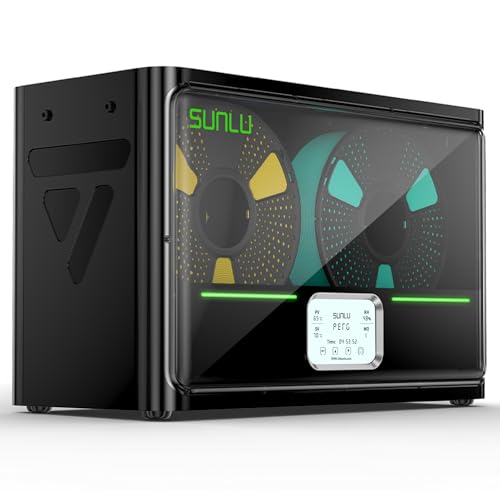
SUNLU S4 4-Spool Filament Dryer
A multi-spool filament dryer designed for users running multiple 3D printers simultaneously. The S4 combines fast heating, triple-fan circulation, and smart humidity control to maintain consistent drying conditions across four 1KG spools.
Pros
- Large capacity supports multi-color and multi-machine workflows without changing spools
- Fast heating and three-fan design ensure uniform drying across all positions
- Auto humidity control prevents both under and over-drying by stopping at 25% humidity threshold
- Multiple safety layers reduce risk of temperature-related damage
Cons
- No verified buyer reviews available to validate real-world performance claims
- Size and power requirements may limit placement options in smaller workspaces
- Humidity control requires manual mode selection, not fully autonomous operation

Creality SpacePi X4 Filament Dryer, 4-Spool Dual Chamber
A dual-chamber filament dryer designed for high-volume 3D printing setups, holding up to 4 standard spools with independent 200W heating zones and touchscreen temperature control. Best suited for makers who regularly print with moisture-sensitive materials like ABS and nylon.
Pros
- Dual heating chambers enable 30% faster drying compared to single-chamber alternatives
- Touchscreen interface allows material-specific temperature customization for PLA, PETG, TPU, ABS, and advanced polymers
- Large capacity accommodates multi-material workflows without frequent reloads
- 24/7 humidity retention through sealed design reduces filament waste over time
- Illuminated window enables quick spool checks without breaking the seal
Cons
- High upfront cost positions it as a premium solution rather than budget-friendly option
- Requires electrical outlet access and takes up significant shelf space, limiting portability
- No verified user reviews available yet to assess real-world durability and long-term performance reliability
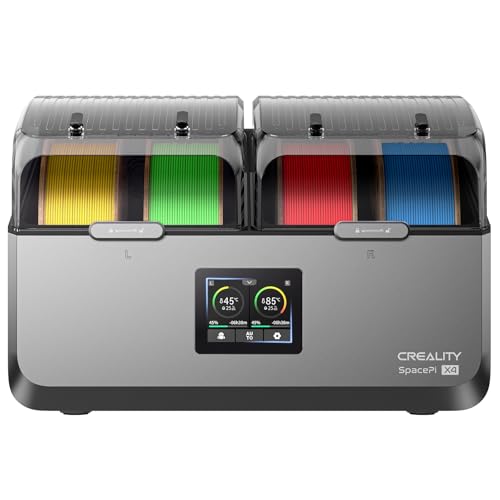
Creality Space Pi X4 Filament Dryer, 85°C Dual Chamber
A 4-spool filament dryer with dual independent heating chambers, each reaching 85°C, designed for simultaneous drying of different material types. Supports engineering filaments like PA and PAHT while offering single or dual chamber modes to balance drying needs with energy consumption.
Pros
- Independent temperature control per chamber allows drying different filament types simultaneously
- Insulated dual chambers with 400W combined heating power enables faster and more efficient drying
- Flexible operation modes (single or dual chamber) adapt to different project needs and energy budgets
- Supports a wide range of engineering-grade materials beyond standard PLA/PETG
- Eight filament holes enable multi-printer setup with simultaneous drying and printing
Cons
- Requires Creality RFID filament and compatible plastic trays for safe operation, limiting flexibility with third-party spools
- No verified customer reviews available to assess real-world durability and performance consistency
- Maximum 85°C temperature may be limiting for certain high-temperature engineering materials
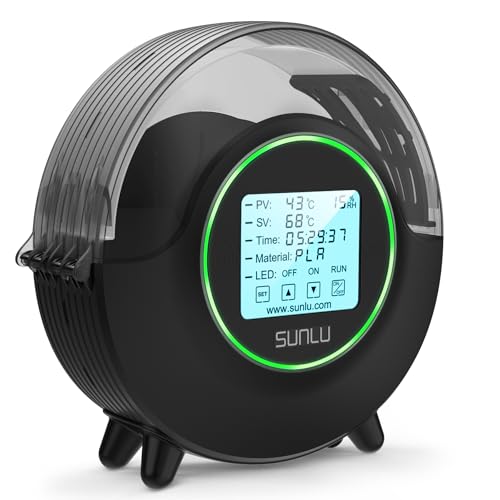
SUNLU S2 Filament Dryer with 360° Heating
A mid-range filament drying box designed for 3D printing enthusiasts working with PLA, PETG, ABS, and other materials. Features dual heating sheets, a 4.6-inch LCD touch screen, and adjustable temperature up to 70°C to combat moisture-related print issues.
Pros
- 360-degree circular heating with dual heating sheets speeds up drying by 30% compared to standard designs
- Large 4.6-inch LCD touch screen displays temperature, humidity, filament type, and countdown timer in real time
- Accommodates multiple filament diameters (1.75, 2.85, 3.00mm) and is compatible with major 3D printer brands
- Adjustable temperature and time settings allow customization for different filament types and environmental conditions
- One-click operation with LED indicator simplifies day-to-day use
Cons
- No verified buyer reviews available yet, limiting real-world performance data
- Maximum capacity of 210x85mm may limit simultaneous drying of multiple larger spools
- Relies on accurate manual settings, which could be challenging for users unfamiliar with optimal drying parameters for specific materials

Comgrow SH03 4-Spool Filament Dryer with Dual Chambers
A dual-chamber filament dryer designed for serious 3D printing workflows, offering independent temperature control for multiple material types and automatic humidity management. The 200W dual heating system reaches 85°C with 360-degree air circulation, though it lacks verified user feedback to confirm real-world performance.
Pros
- Dual chambers with independent controls allow drying incompatible materials concurrently, ideal for multi-material workflows
- PTC heating elements offer self-regulating efficiency and eliminate fire/scald hazards compared to traditional heating tubes
- Automatic mode with humidity threshold detection and post-drying countdown optimizes energy consumption
- Four-layer safety monitoring and active temperature regulation prevent filament degradation and equipment damage
- Extended 98-hour maximum runtime supports unattended overnight or weekend drying cycles
Cons
- No verified customer reviews available to validate claimed drying performance, temperature accuracy, or durability in actual use
- 4-spool capacity limits scalability for production-level operations despite dual-chamber design
- Touchscreen interface and multiple control modes may require learning curve for setup and optimization of different filament types

Polymaker PolyDryer Filament Dryer & Storage Box
An integrated drying and storage solution for 3D printer filament that combines heated drying, sealed containment, and desiccant protection to reduce moisture-related printing issues. Supports multiple filament types (PA Nylon, PLA, PETG, ABS, TPU) and common diameters (1.75mm-3.00mm), making it practical for users managing varied material libraries.
Pros
- All-in-one system handles drying, storage, and monitoring in one compact unit
- Wide material and size compatibility covers most common 3D printing filaments
- Maintains sealed conditions between print sessions to preserve filament quality
- Built-in hygrometer removes guesswork from humidity assessment
Cons
- No verified buyer reviews available to confirm real-world performance consistency
- Designed specifically for 1kg spools, limiting compatibility for larger industrial sizes
- Requires desiccant refills over time, adding ongoing maintenance costs

Creality Space Pi SE Filament Dryer Box, 45-65°C
A compact filament dehydrator designed for 1KG spools with PTC heating that reaches 65°C in 15 minutes and maintains even temperature via 360-degree air circulation. Best for users dealing with moisture-related print failures like warping, clogging, or poor adhesion across multiple filament types.
Pros
- Adjustable temperature and time settings accommodate different filament types and environmental conditions
- Quick heating and efficient 360-degree air distribution addresses moisture-related print failures
- Wide filament compatibility covers most common 1KG spool formats and material types
- Built-in display with timer removes guesswork from drying duration
- Thermal insulation adds practical safety during operation
Cons
- No user reviews currently available to validate real-world performance claims
- Requires vacuum bag storage after drying for optimal filament preservation, adding extra cost and step
- Limited to 1KG spools, not suitable for larger or specialty spool formats

Comgrow 3D Filament Dryer Box, 2kg Capacity
A heated storage box designed to remove moisture from 3D printer filaments and prevent printing defects caused by dampness. Features a 2-inch LCD display, adjustable temperature settings up to 50°C, and can accommodate two 1kg spools of PLA, ABS, or silk filament.
Pros
- Spacious interior dimensions (9.29 x 6.49 x 9.13 inches) accommodate standard spool sizes
- Good seal quality with snap button structure and drainage control for moisture removal
- Clear LCD screen and intuitive controls for temperature and duration settings
- Wide filament compatibility across common diameters and material types
- 24-hour customer support for technical issues
Cons
- Maximum temperature of 50°C is relatively low for aggressive drying compared to some competitors
- No user reviews available to verify real-world performance and reliability
- Requires manual filament loading and positioning for optimal feed

Polymaker PolyDryer 1kg Filament Storage Box
An airtight filament storage solution combining sealed enclosure design with desiccant support and built-in hygrometer to monitor moisture levels. Designed for 3D printer users who need reliable long-term storage for PLA, PETG, ABS, ASA, and other common filament types, with the practical advantage of allowing prints without breaking the seal.
Pros
- Airtight design with desiccant support reduces moisture-related printing issues like stringing and clogging
- Built-in hygrometer allows real-time humidity monitoring without guesswork
- Supports printing while sealed, maintaining moisture protection during pauses and storage
- Compatible with multiple filament types and spool sizes up to 1kg
- Compact workspace-friendly dimensions
Cons
- No reviews available to verify real-world performance and long-term durability
- Desiccant cartridge replacement costs and availability not specified in product data
- Storage box only; desiccant cartridge inclusion status unclear from available information

OCEYVI 3D Printer Filament Dry Box 5.8L 2-Pack
A dual-container storage system designed to keep 3D printer filament dry and organized with built-in hygrometers, reusable desiccant, and ball-bearing spool holders. The 2-pack setup with dual cable outlets works well for multi-material printing workflows, though the 4.9 rating lacks verified buyer feedback to validate real-world performance.
Pros
- Generous 5.8L capacity per container fits most standard 1kg spools with organized multiple-material storage
- Dual cable ports on side and top allow flexible placement without disrupting print setups
- Ball-bearing spool holders provide smoother filament feed than standard plastic designs, reducing tension issues
- Reusable desiccant system stays cost-effective long-term with simple heat restoration
- Clear labeling system with included pen reduces need to open containers during printing
Cons
- No verified customer reviews available to confirm durability and seal longevity under extended use
- Footprint of 9.5 x 5.9 x 10.2 inches per unit requires significant bench or shelf space, especially for 2-pack setup
- Hygrometer and desiccant effectiveness depend on proper maintenance and timely desiccant regeneration
Filament Dryers Buying Guide
Choosing the right filament dryer comes down to matching the machine’s capabilities to your printing habits.
A four-spool high-temperature station is overkill if you print PLA on a single machine a few times a week, and a basic passive storage box will let you down the moment you switch to Nylon or PC.
The criteria below cover every decision point that separates a genuinely useful dryer from one that collects dust on a shelf.
Keep these factors in mind alongside the cards above, and you will be well positioned to make a confident choice.
If you are still deciding on the printer itself, our guide to 3D printers for every maker and budget is a good place to start.
Maximum Temperature and Material Compatibility
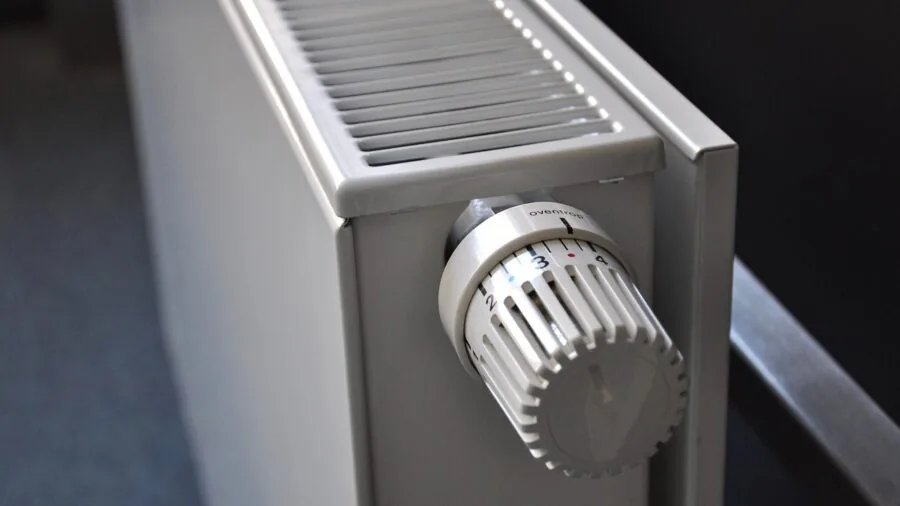
Temperature ceiling is the single most important specification on any filament dryer, because it determines which materials the unit can actually process. PLA and PLA+ dry adequately at 45°C to 50°C.
PETG and TPU require 55°C to 65°C for reliable results. Nylon, ASA, ABS, and carbon-fibre composites need 65°C to 75°C, and high-performance engineering materials such as PC and PA-CF can require 80°C or above.
A dryer rated to 65°C or 70°C covers the vast majority of hobbyist use cases. If you regularly print PA-CF, PC, or similar materials, look for units that reach 80°C or higher.
Accuracy matters as much as the rated ceiling. A dryer that claims 70°C but runs 10°C hot in practice can warp spools, while one that runs cold will not pull moisture effectively.
Units with PTC (Positive Temperature Coefficient) heating elements tend to maintain stable temperatures more reliably than traditional coil heaters, and models with dedicated temperature sensors rather than estimated readings give you more confidence that the displayed temperature matches what the spool is actually experiencing.
Pay attention to preset filament profiles as well.
Dryers like the Creality Space Pi Plus and Space Pi X4 include one-touch presets for common materials including PLA-CF, PETG-CF, and PA-CF, which removes the guesswork from dialling in time and temperature for each session.
This is a meaningful convenience feature rather than a marketing gimmick, especially if you swap between several material types regularly.
Spool Capacity and Form Factor

Single-spool dryers are compact, affordable, and sufficient for makers who run one printer at a time with a single active material. They work well as a first dryer and are easy to move between machines.
The limitation is clear: if you print with two colours simultaneously, feed two machines from one location, or simply want to keep a backup spool conditioned while the first is in use, a single-spool unit creates a bottleneck.
Dual-spool dryers represent the sweet spot for most home and small-studio setups. They typically include two filament exit ports so you can feed two printers simultaneously or dry one spool while the other is actively printing.
Four-spool units such as the SUNLU S4 and the Creality Space Pi X4 are the right answer for multi-material rigs, Bambu AMS configurations, or production environments where downtime from a wet spool is a real cost.
Check that the unit accommodates the spool diameter and width you use most, since some older or specialty spools fall outside the standard 1 kg geometry.
Physical footprint also matters on a crowded workbench. A four-spool dryer positioned next to a full-size printer takes up meaningful real estate.
If bench space is limited, weigh whether a compact dual-spool unit serving one printer at a time is a better fit than a wide four-spool station.
Stackable or wall-mounted configurations exist as well, though they are less common at mainstream price points.
Airflow Design and Drying Effectiveness
Heat alone does not dry filament efficiently. Moving air carries moisture away from the spool surface and replaces it with drier, warmer air.
Dryers that use passive convection move air slowly and unevenly, which means outer layers of a spool may dry adequately while the inner core remains damp.
Active fan-assisted circulation dramatically reduces drying time and produces more consistent results across the full depth of the spool.
360-degree airflow designs, found on the Creality Space Pi series in particular, circulate heat from all directions simultaneously rather than relying on a single heat source at one end of the chamber.
Expert consensus from the 3D printing community consistently rates this approach as more effective for dense or tightly-wound spools.
For engineering filaments that absorb moisture deeply into the strand, thorough airflow coverage is not optional: it is the difference between a print-ready spool and one that still pops and hisses after a six-hour drying session.
Multi-spool units with dual independent heating chambers, such as the Space Pi X4 and the Comgrow SH03, allow each chamber to operate at a different temperature.
This means you can dry a Nylon spool at 70°C in one chamber while conditioning a TPU spool at 55°C in the other, without compromising either material.
It is a significant practical advantage for shops that regularly juggle multiple material types.
Humidity Monitoring and Display
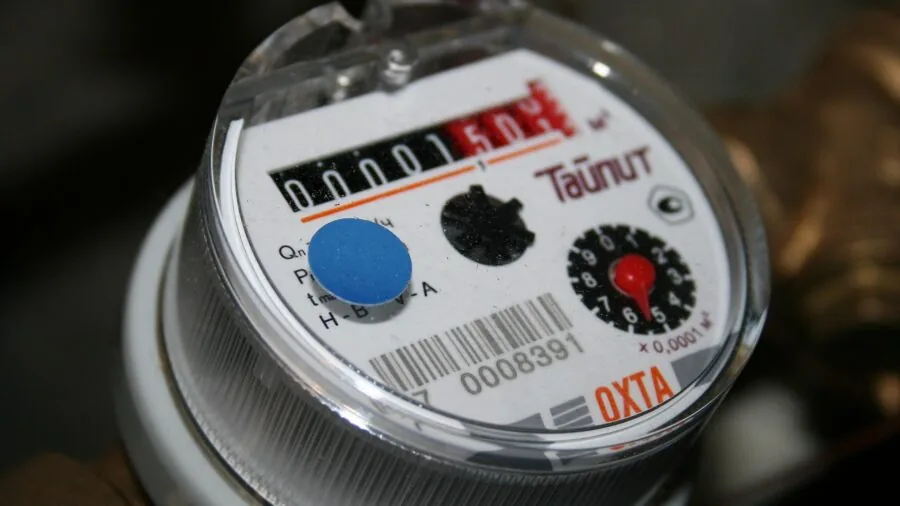
A humidity sensor tells you two things: how damp the spool was when you loaded it, and whether the dryer has brought the internal environment to a sufficiently low level. Without a humidity reading, you are guessing at both.
Basic entry-level dryers omit this sensor entirely and rely on preset timers, which works well enough for predictable materials like PLA but leaves you uncertain with moisture-sensitive filaments.
Real-time humidity monitoring, paired with a clear display, allows you to watch the drying process progress and pull the spool only when the internal humidity has actually dropped to target levels rather than when a timer runs out.
The Creality Space Pi Plus stands out here with a 4-inch colour touchscreen that shows both temperature and humidity simultaneously.
Smaller displays on units like the SUNLU S2 provide the core readout without the touchscreen convenience, while the most basic budget models display temperature only.
Active Drying vs. Passive Storage

A filament dryer and a filament storage box are not the same thing, and conflating the two leads to disappointing results. Active dryers apply heat and airflow to remove absorbed moisture from a spool that is already damp.
Passive storage boxes, including desiccant-sealed containers like the OCEYVI dry box, maintain a low-humidity environment to prevent moisture absorption in the first place. Both serve a purpose, but they are not interchangeable.
If your workflow involves buying filament in bulk and storing it long-term before use, airtight storage with hygrometers and reusable desiccant is a cost-effective complement to a dryer.
Store new spools in a sealed box, and reach for the dryer when a spool has been left open, shows signs of moisture absorption, or is a material type that degrades quickly in ambient conditions.
The Polymaker PolyDryer lineup straddles this line by offering both a sealed storage version and an active drying version of the same enclosure design.
For makers who want one device to handle both storage and active drying, look for units that can run at low temperatures for extended periods without running up electricity costs.
Some models include an eco or standby mode that maintains a dry environment at minimal power draw between active drying cycles.
Print-While-Drying Capability
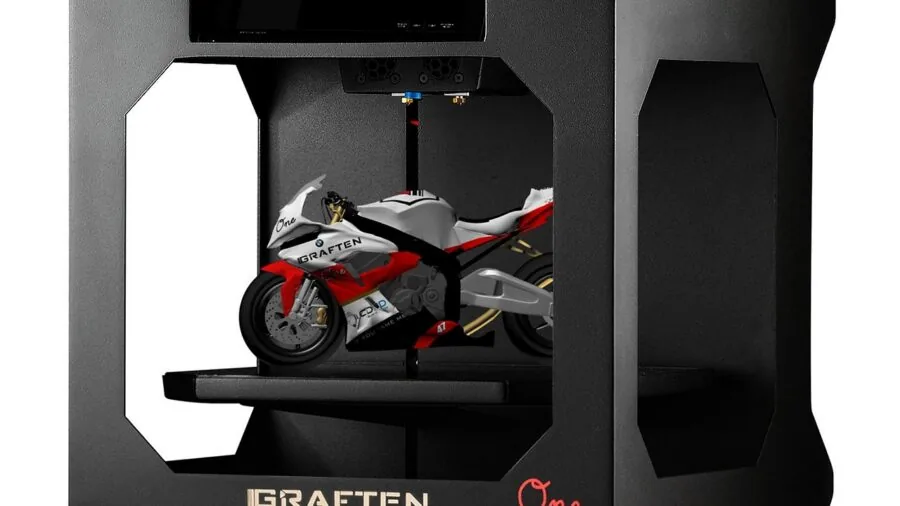
One of the most underrated features of a quality filament dryer is the ability to print directly from inside the drying chamber.
This requires a filament exit port, usually fitted with a PTFE tube guide, that routes the strand cleanly from the heated enclosure to your printer without introducing sharp bends or friction that could cause tangles or inconsistent feeding.
Not every dryer is designed with this in mind.
If you print moisture-sensitive materials like Nylon or TPU, removing the spool from the dryer and loading it onto an open spool holder even briefly can reintroduce measurable humidity.
Print-while-drying eliminates this exposure window entirely and is worth prioritising if you regularly work with hygroscopic filaments.
Verify that the exit port diameter is compatible with your filament size, and check whether the port accommodates 2.85 mm if you use that format.
Pairing a dryer with properly chosen filament materials makes the investment worthwhile.
For context on which filament types are most moisture-sensitive and how they compare in print quality, our guide to 3D printer filaments for every project and budget covers the full range of materials in detail.
Why You Should Trust Us
ProductFind is an independent review publication. We do not sell products, manage orders, or have any relationship with manufacturers beyond what is disclosed below.
Every product in this guide was evaluated through our structured research process: we analyze published specifications, synthesize expert review consensus from the broader 3D printing and maker community, review verified buyer feedback at scale, and cross-reference published data from multiple independent sources.
We do not conduct our own product trials; our evaluations are grounded in research, published data, expert review consensus, and verified buyer feedback.
Each product is scored using our PF Score system on a 0 to 10 scale.
The PF Score reflects a weighted assessment across consistent criteria applied to every product in the category: temperature range and accuracy, spool capacity and form factor, airflow design, humidity monitoring, build quality, and value relative to price.
Scores are assigned independently of commercial relationships and are not adjusted based on which products earn higher affiliate commissions.
ProductFind may earn a commission when you purchase through links on this page. That affiliate relationship does not influence which products are included, how they are ranked, or what scores they receive.
Our recommendations reflect our honest assessment of each product’s merits based on the criteria above. If a pick has a meaningful limitation, we say so.
Final Thoughts
The filament dryer market in 2026 covers a wide range of budgets and use cases, and the right choice depends almost entirely on what you print, how much you print, and how many machines you run.
For most makers, the decision comes down to spool capacity and maximum temperature.
Entry-level passive storage boxes serve a real purpose for dry storage, but anyone printing PETG, TPU, or Nylon regularly will benefit from a dedicated active dryer with fan-assisted circulation and a reliable temperature sensor.
Below are our top picks by category, each linked directly to the product listing.
- Best Overall: Creality Space Pi Plus Dual-Spool Filament Dryer earns the top spot with dual-spool capacity, 360-degree PTC airflow, a 4-inch touchscreen with 12 filament presets, and real-time humidity monitoring that together deliver the most complete feature set in the lineup.
- Best Multi-Spool Value: SUNLU S4 Filament Dryer is the community consensus pick for four-spool setups, making it a natural choice for multi-material rigs and makers who feed several printers simultaneously.
- Best for Engineering Materials: Creality Space Pi X4 reaches 85°C with dual independent heating chambers, giving it the temperature range and flexibility needed for PC, PA-CF, and other demanding filaments.
- Best Mid-Range Single-Spool: SUNLU FilaDryer S2 delivers reliable single-spool performance with active circulation and a no-fuss control interface at a mid-range price that suits hobbyists stepping up from basic storage.
- Best Budget Pick: Creality Space Pi SE brings high-efficiency PTC heating and a precision sensor to a competitive price point, offering genuine active drying performance for makers who want functionality without a premium outlay.
Frequently Asked Questions
Do I actually need a filament dryer, or is proper storage enough?
It depends on what you print and how you store it. PLA stored in a sealed container with desiccant can often be printed without active drying, especially in low-humidity climates.
PETG, TPU, Nylon, ASA, and composite materials absorb moisture quickly enough that even well-stored spools benefit from an active drying session before a long print.
If you are hearing popping or hissing from the hot end, or seeing unexpected stringing and surface bubbling, wet filament is almost certainly the cause, and a dryer will resolve it.
How long does it take to dry a spool of filament?
Drying time depends on the material, how wet the spool is, and how effective the dryer’s airflow design is. PLA typically dries in two to four hours at 45°C to 50°C.
PETG and TPU usually need four to six hours at 55°C to 65°C.
Nylon and PA materials can require eight hours or more at 65°C to 75°C, particularly if the spool has been left open in a humid environment for an extended period.
Units with 360-degree fan-assisted airflow reach target humidity levels faster than passive or single-directional designs.
Can I print directly from inside a filament dryer?
Yes, if the dryer includes a filament exit port, which most active dryers in this guide do.
Printing directly from inside the heated chamber keeps the filament at low humidity all the way to the extruder, which is particularly valuable for hygroscopic materials like Nylon and TPU.
Look for a port fitted with a PTFE guide tube and confirm it supports your filament diameter. For very moisture-sensitive materials, print-while-drying is preferable to drying in advance and then loading onto an open spool holder.
What temperature should I use for each filament type?
As a general reference: PLA and PLA+ perform well at 45°C to 50°C; PETG, ABS, and TPU typically need 55°C to 65°C; Nylon, ASA, and most carbon-fibre composites benefit from 65°C to 75°C; and high-performance materials like PC and PA-CF often require 80°C or above.
Always verify the specific recommendation for your filament brand, since formulations vary. Dryers with built-in filament presets, like the Creality Space Pi series, remove the guesswork by automatically setting time and temperature for common material profiles.
Is there a difference between a filament dryer and a filament storage box?
Yes, and the distinction matters. An active dryer applies heat and airflow to remove moisture that has already been absorbed into the filament.
A passive storage box, like the OCEYVI airtight containers in this guide, uses desiccant and a sealed enclosure to prevent moisture from being absorbed in the first place. Both serve a role in a well-organised filament management system.
Passive storage is excellent for keeping new or freshly-dried spools in good condition long-term, while an active dryer is the tool you reach for when a spool is already damp and needs rescue before printing.
Some products, such as the Polymaker PolyDryer range, are designed to function as both, though their active drying performance differs from dedicated heating units.
Are four-spool dryers worth it for home use?
For single-printer hobbyists who print one material at a time, a four-spool dryer is likely more than you need.
Where four-spool units like the SUNLU S4 and the Creality Space Pi X4 genuinely earn their keep is in multi-printer setups, multi-colour printing configurations including Bambu AMS rigs, or production environments where having multiple materials conditioned and ready simultaneously saves meaningful time.
The dual independent heating chambers found on the X4 also let you dry two different materials at different temperatures at once, which is a real workflow advantage for shops juggling engineering and standard filaments side by side.
For a broader look at how dryers fit into a full 3D printing workspace, consider what kind of printer you are building around, whether a compact desktop unit or a larger machine that benefits from a matched sturdy workspace surface for your setup.
About the author
Gabriella is a reviewer and writer for ProductFind who specializes in 3D Printing. Gabriella evaluates products through independent research: specifications, expert review consensus, and verified buyer feedback, and rates each one on the PF Score. Gabriella focuses on helping readers pick the right 3d printing for their needs and budget.