The 9 Best Foam Rollers
Density, length, and surface texture separate a foam roller you will use from one you will ignore. Here are the picks that hold up across expert consensus and real buyer experience.
 By Leta Holt
Updated July 23, 2026
By Leta Holt
Updated July 23, 2026
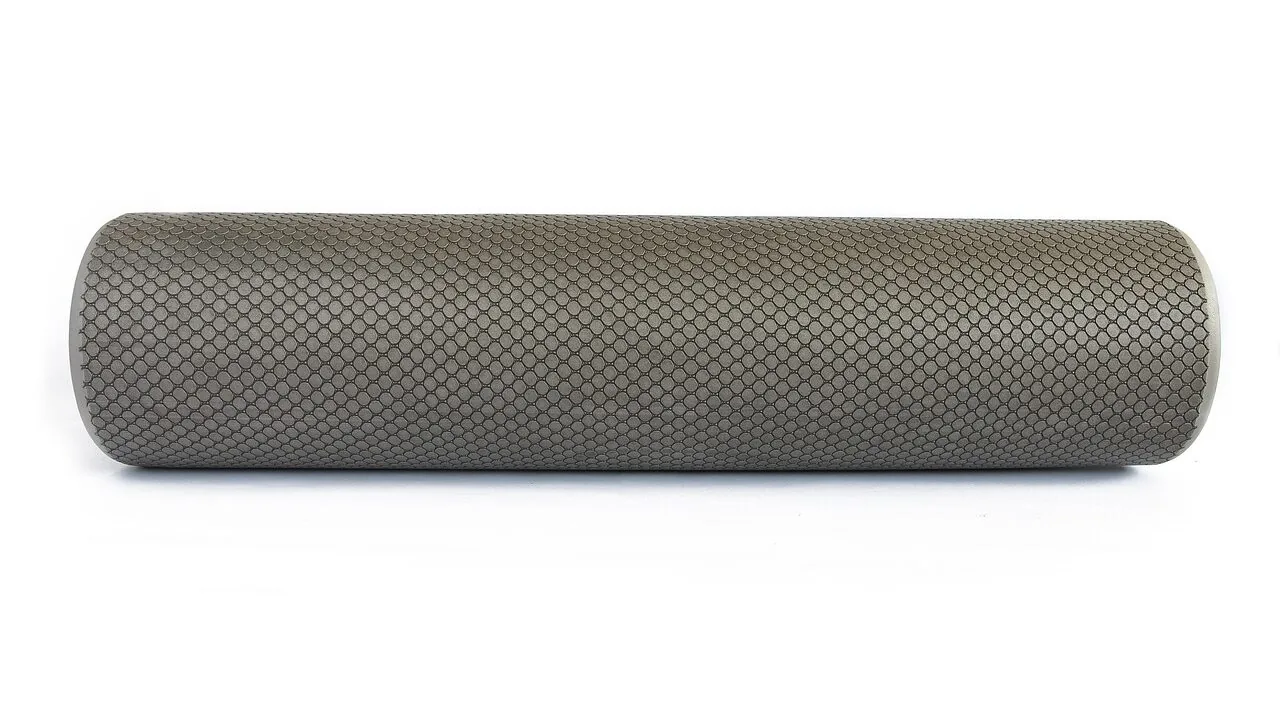
Foam rolling has moved well beyond gym culture. Physical therapists, personal trainers, and everyday athletes now recommend self-myofascial release as a practical way to ease muscle tightness, improve range of motion, and speed recovery between sessions.
The problem is that the market is flooded with options at wildly different price points and densities, making it genuinely difficult to know which roller will actually deliver results versus which will collect dust under your bed.
If you practice yoga or Pilates regularly, a good foam roller pairs naturally with a quality yoga mat as part of a complete home recovery setup.
At ProductFind, we cut through the noise by synthesizing specifications, expert review consensus from physical therapists and certified trainers, and verified buyer feedback across thousands of real-world purchases.
Our research covers the full range of foam rollers available from brands including Amazon Basics, TRIGGERPOINT, OPTP, 321 STRONG, Day 1 Fitness, Healthy You, and Tone Fitness, so you can shop with confidence regardless of budget or experience level.
Read on to see our ranked picks, then use the buying guide below to match the right roller to your body and goals.
| Award | Product | PF Score About PF ScoreThe PF Score is our own rating from 0 to 10, based on performance, design and build, ease of use, and value. It reflects independent research and is never influenced by manufacturers, retailers, or affiliate commissions. Learn more › | Price | |
|---|---|---|---|---|
| Best Overall |
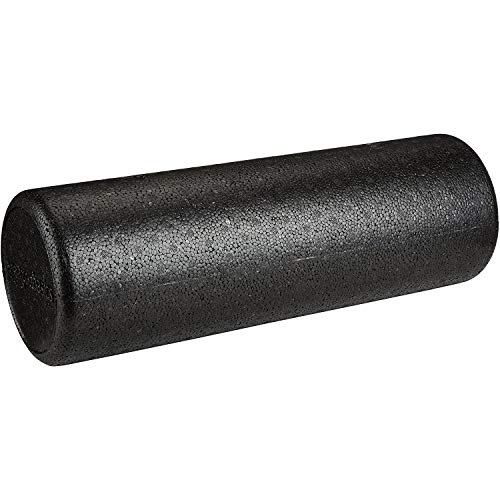 Amazon Basics 18-Inch High-Density Foam Roller
|
8.7/10 | Buy | |
| Editor's Pick |
 321 STRONG Medium Density Foam Roller with Textured Projections
|
8.3/10 | Buy | |
| Best Value |
 TriggerPoint Grid 2.0 26-Inch Foam Roller
|
8.1/10 | Buy | |
| Top Rated |
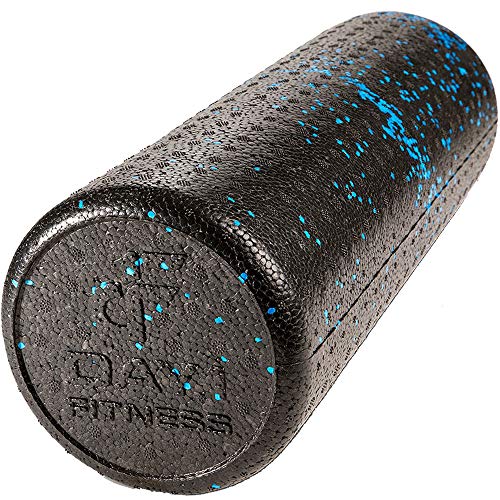 Day 1 Fitness 12-Inch High Density Foam Roller
|
7.9/10 | Buy | |
 TriggerPoint Grid 13-Inch Foam Roller
|
7.6/10 | Buy | ||
 OPTP PRO-ROLLER Standard Density 36-Inch Foam Roller
|
7.2/10 | Buy | ||
 Tone Fitness 36-Inch High Density EPP Foam Roller
|
6.9/10 | Buy | ||
 OPTP PRO-Roller 36" Soft Foam Roller
|
6.8/10 | Buy | ||
 Healthy You 18in Low Density Foam Roller
|
6.5/10 | Buy |
Amazon Basics 18-Inch High-Density Foam Roller
A straightforward foam roller built from high-density foam with a firm polypropylene core that resists compression. Compact at 18 inches and under 0.6 pounds, it works for balance training, stretching, and muscle recovery without requiring much storage space.
Pros
- Durable polypropylene core resists deformation over time
- Lightweight design at 0.6 pounds makes repositioning effortless
- Molded edges reduce discomfort during contact with skin
- Easy maintenance, wipes clean without special products
Cons
- No customer reviews available to validate real-world durability and comfort claims
- High-density foam may feel firmer than softer alternatives, potentially uncomfortable for sensitive areas
- Standard 18-inch length may be limiting for full-body rolling compared to longer models
321 STRONG Medium Density Foam Roller with Textured Projections
This medium density foam roller features a patented textured surface with three distinct projection sizes to mimic different hand pressures for targeted muscle release. It's lightweight, durable up to 300 pounds, and includes a free stretching guide, making it suitable for post-workout recovery or daily mobility work.
Pros
- Multi-zone texture design allows users to target different muscle groups with varied pressure levels
- Durable closed-cell EVA foam construction resists deformation under regular use
- Lightweight design makes it practical for travel and on-the-go recovery
- Comes with instructional eBook to guide proper rolling technique
- Backed by multiple patents indicating established design credibility
Cons
- No verified buyer reviews available to confirm real-world performance and durability claims
- Medium density may not suit users seeking either very gentle or intense deep tissue work
- Dimensions and weight specs suggest it's sized for smaller muscle groups rather than large surface areas
TriggerPoint Grid 2.0 26-Inch Foam Roller
A professional-grade foam roller with three distinct foam zones designed to mimic massage therapist techniques for deep tissue work. The 26-inch length and hollow rigid core make it suitable for full-body recovery, though it's positioned at a premium price point.
Pros
- Maintains consistent pressure session after session thanks to rigid hollow core construction
- Three distinct foam zones replicate different hand techniques for varied muscle targeting
- Significantly longer than standard rollers, improving balance and full-body coverage
- Trusted by physical therapists, athletic trainers, and professional athletes
Cons
- No verified customer reviews available to confirm real-world performance claims
- Heavier density and firmness may require adjustment period for users accustomed to traditional foam rollers
- Premium pricing likely higher than basic foam roller alternatives
Day 1 Fitness 12-Inch High Density Foam Roller
EPP foam construction delivers firm, durable deep tissue massage for myofascial release and muscle recovery. Lightweight and portable design suits gym, yoga, or travel use for athletes and fitness enthusiasts managing chronic pain or sports injuries.
Pros
- Durable EPP foam construction handles consistent use without degrading
- Compact and lightweight enough to carry to different workout locations
- Addresses diverse musculoskeletal issues beyond standard muscle soreness
- Firm density provides substantive deep tissue pressure without bottoming out
Cons
- No verified buyer reviews available to confirm real-world performance claims
- Fixed firmness level may not suit users preferring adjustable or softer massage options
- Limited size options, single 12-inch dimension restricts flexibility for different body areas
TriggerPoint Grid 13-Inch Foam Roller
A durable foam roller with a firmer feel thanks to its hard hollow core and three-dimensional textured surface designed to promote blood flow during muscle recovery. Best suited for users seeking a more aggressive rolling experience with eco-conscious construction using 80% recycled materials.
Pros
- Firmer density construction offers more effective deep tissue work compared to standard foam rollers
- Textured surface design genuinely promotes blood and oxygen flow to muscles
- Substantial 500-pound weight capacity accommodates most users
- 80% recycled material composition appeals to environmentally conscious buyers
- Free video library adds educational value for proper foam rolling technique
Cons
- Firmer construction may be uncomfortable for beginners or those with low pain tolerance
- No verified buyer reviews available to validate real-world performance claims
- 13-inch length is shorter than some standard 24-36 inch rollers, limiting full-body application
OPTP PRO-ROLLER Standard Density 36-Inch Foam Roller
A durable, professional-grade foam roller built from closed-cell EVA foam for deep tissue work, myofascial release, and general recovery across yoga, Pilates, and fitness routines. The full 36-inch length covers large muscle groups while the 6-inch diameter handles smaller target areas.
Pros
- Durable construction rated for heavy, repeated use in professional and home settings
- 36-inch length covers back, hamstrings, quadriceps, IT band, and smaller target areas
- Closed-cell heat-molded foam resists compression and maintains performance over time
- Suitable for multiple disciplines including yoga, Pilates, physical therapy, and general fitness
- Low maintenance and simple cleaning routine
Cons
- No customer reviews available to validate real-world durability claims
- Standard density may feel less aggressive than high-density options for intensive trigger point work
- Relatively heavy at 1 pound compared to some lightweight travel foam rollers
Tone Fitness 36-Inch High Density EPP Foam Roller
A firm, durable foam roller built from high-density EPP material for serious muscle recovery and deep tissue work. Best suited for users seeking intense pressure and sustained performance during daily stretching, yoga, and post-workout routines.
Pros
- Durable EPP foam resists flattening and maintains integrity over time
- Firm density suitable for deep tissue work and serious muscle recovery
- Versatile for multiple recovery modalities including yoga and stretching
- Lightweight at under one pound, easy to transport
- Intensity adjustable by changing body position or support placement
Cons
- No verified buyer reviews available to assess real-world user experience
- High density may feel too firm for beginners or users with sensitive muscles
- Limited size options mentioned, though 36 inches may be restrictive for some users
OPTP PRO-Roller 36" Soft Foam Roller
A closed-cell EVA foam roller designed for physical therapy, yoga, and muscle recovery across gym, studio, and home settings. The soft density construction targets full-body positioning and self-massage without the maintenance issues of open-cell foam.
Pros
- Closed-cell foam eliminates moisture absorption issues common with open-cell rollers
- Soft density makes it approachable for users sensitive to deep pressure or recovering from injury
- 36-inch length provides stability for back positioning and full-body rolling exercises
- Heat-molded EVA construction claims superior durability compared to standard foam rollers
- Easy maintenance and hygienic design suitable for shared studio environments
Cons
- No verified customer reviews available to validate real-world durability and comfort claims
- Soft density may be insufficient for users seeking intense myofascial release
- 6-inch diameter limits ability to target small muscle groups or specific pressure points
Healthy You 18in Low Density Foam Roller
A softer foam roller designed for rehabilitation, recovery, and sensitive users who need gentle myofascial release without aggressive compression. The non-porous foam resists absorption and wipes clean easily.
Pros
- Softer construction makes it accessible for people recovering from injury or with high sensitivity
- Non-porous foam design is hygienic and easy to wipe down
- Still firm enough to deliver effective massage and release despite being gentler than standard rollers
- Multiple size options allow flexibility for different exercises and preferences
Cons
- No verified buyer reviews available to confirm real-world performance and durability
- Softer foam may be less effective for users seeking aggressive deep tissue work
- Limited information on long-term foam density retention after extended use
Foam Rollers Buying Guide
Density: The Single Most Important Variable

Density determines how much pressure a roller applies to your muscles, and choosing wrong is the most common buyer mistake. High-density expanded polypropylene (EPP) rollers are firm and durable, resisting compression even under sustained body weight.
Physical therapists broadly agree that firm density is most effective for healthy athletes looking for deeper tissue work on large muscle groups like the quads, hamstrings, and glutes.
Most expert reviewers and certified trainers surveyed in our research recommend high-density EPP as the default starting point for anyone without acute injury or extreme sensitivity.
Low-density and soft-density foam rollers compress significantly under load, delivering gentler pressure that is appropriate for rehabilitation contexts, people returning from injury, older adults, or complete beginners who find firm rollers too painful to use consistently.
The tradeoff is durability: softer foam can permanently deform with regular use, especially from heavier users. If your primary goal is comfort during early-stage physical therapy work, a soft roller makes sense.
If you plan to use a roller daily for performance recovery, invest in high-density EPP from the start.
Medium-density options occupy useful middle ground for users who find firm rollers uncomfortably intense but outgrow soft foam quickly.
Several verified buyers note that medium-density rollers extend the usable life of a rolling routine by providing enough challenge without the sharp discomfort that causes beginners to quit.
If you are unsure where you fall, lean toward medium before committing to either extreme.
Surface Texture and Topography

Smooth foam rollers apply even, distributed pressure across a muscle. They are the most forgiving option and are well-suited for general rolling, stretching, and yoga-adjacent mobility work.
A smooth surface makes it easier to control how much body weight you load onto the roller, which matters when you are new to the practice or working through sensitive areas.
Grid or multi-density surface rollers, such as the TRIGGERPOINT GRID series, replicate a more varied massage sensation by channeling pressure through raised ridges and flat zones.
Research cited by physical therapists suggests that surface variation can enhance circulation stimulation and may better address trigger points in densely layered muscle tissue.
However, the benefits over smooth rollers are incremental rather than transformative, and the firm ridges can feel brutal on already-sore muscles.
For most users, surface texture is a secondary consideration after density. Choose texture based on tolerance: if you bruise easily or are sensitive around the IT band and shins, a smooth roller will be more usable more often.
If you have experience rolling and want more targeted stimulation, a grid surface is worth the step up.
Length: Full-Size vs. Compact
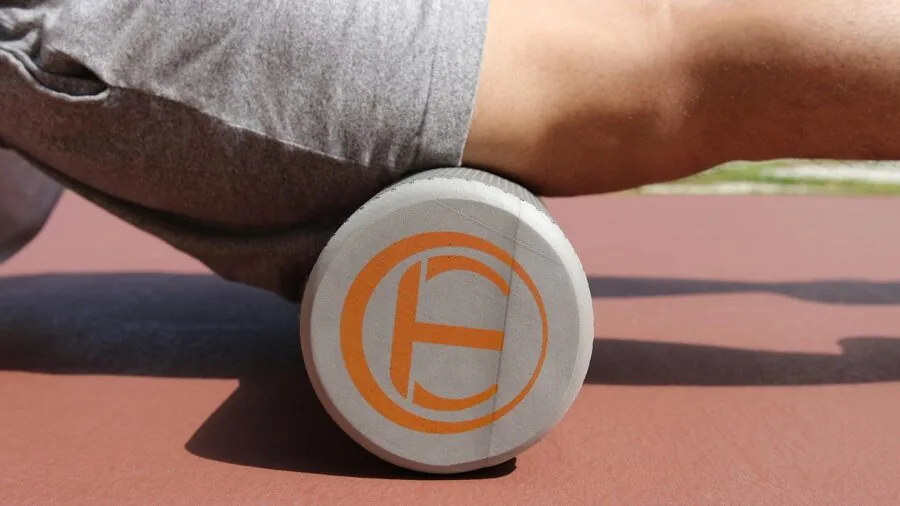
Standard foam rollers run 36 inches long, which is the benchmark size recommended by most physical therapists.
A 36-inch roller accommodates the full back in a single pass, allows lateral rolling of the IT band and thoracic spine, and stays stable under body weight without tipping.
If you have the floor space, a full-length roller is the most versatile choice for whole-body use.
Compact rollers in the 12 to 18-inch range sacrifice versatility for portability.
A 12-inch roller works well for targeted work on calves, feet, forearms, and the upper back, but it cannot support the full-body rolling patterns that make a longer roller so useful.
Compact rollers are excellent as a secondary tool or for travel. Pairing a compact foam roller with a travel yoga mat creates a lightweight recovery kit you can take anywhere.
If budget limits you to one roller, choose a 36-inch full-size option. You can always use it for targeted work by shifting your position; you cannot extend a 12-inch roller to cover your thoracic spine.
Buyers who purchase compact rollers as their only tool frequently report wishing they had chosen full-length instead.
Material and Durability
EPP (expanded polypropylene) is the gold standard for high-density foam rollers. It holds its shape under repeated compression, resists moisture and odor, and is easy to wipe clean. Virtually every expert-recommended firm roller uses EPP construction.
Verified buyers consistently report EPP rollers lasting several years of regular use without significant flattening or cracking.
EVA foam, used in some grid-style rollers like the TRIGGERPOINT GRID 2.0, provides a firm outer shell around a hollow core. This construction reduces overall weight while maintaining rigidity, which is useful for travel and storage.
The hollow-core design also raises the weight capacity ceiling significantly, with some models rated to support 500 pounds, making them appropriate for a wider range of body types.
Lower-cost polyethylene foam rollers are affordable but compress permanently faster than EPP, especially under heavier users. If longevity is a priority and your budget allows, EPP or EVA hollow-core construction is worth the price difference.
Budget EPP options, however, now perform very close to premium versions at a fraction of the cost, which is why several of our highest-rated picks come in at accessible price points.
Weight Capacity and Stability
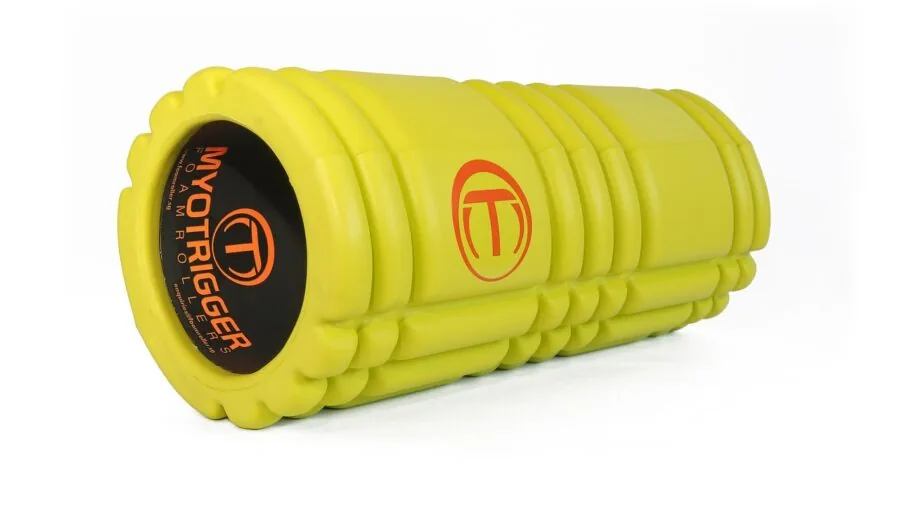
Most standard foam rollers are not rated with explicit weight limits, but construction density is the practical determinant. High-density EPP and hollow-core EVA rollers support virtually any user without performance degradation.
Low-density and soft foam rollers compress more under heavier users, delivering less consistent pressure and wearing out faster.
If you weigh over 200 pounds and plan to roll regularly, high-density EPP or a hollow-core grid roller is the only category worth considering.
Stability during use is related to diameter, which on most standard rollers is 6 inches. This diameter provides enough contact surface to prevent rolling out from under you during core or back work, while still delivering effective pressure.
Narrower specialty rollers offer more pinpoint pressure but require better balance, making them less appropriate for beginners.
Value and Where Price Actually Makes a Difference
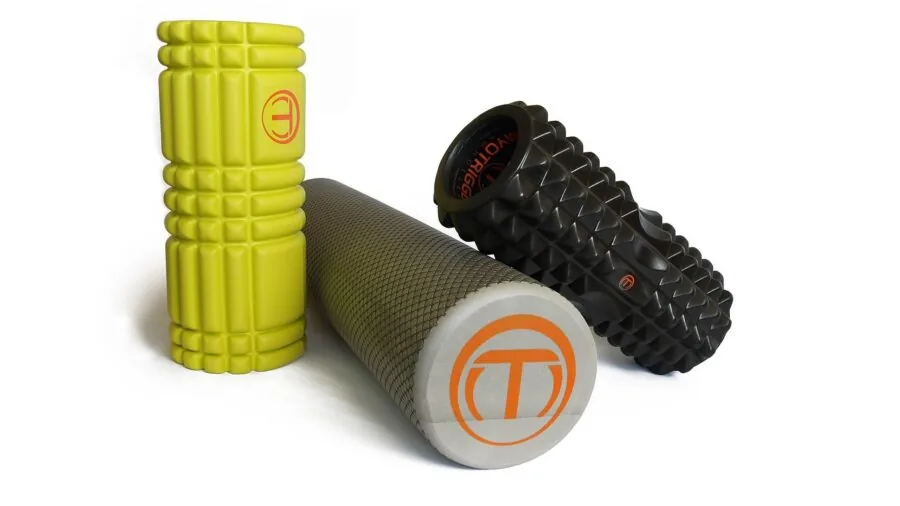
The foam roller market has a dirty secret: across the core category of high-density EPP rollers, price correlates very loosely with therapeutic effectiveness.
Expert review consensus and verified buyer data both confirm that an affordable EPP roller delivers nearly identical self-myofascial release outcomes to a premium EPP roller at several times the price.
The differences show up in branding, color options, and slight surface textures, not in measurable recovery outcomes.
Where price does matter is at the extremes. Extremely cheap rollers made from low-grade polyethylene foam compress and deform quickly.
And premium specialty rollers with vibration motors, adjustable intensity settings, or proprietary surface patterns add genuine features that basic EPP cannot replicate. If you are simply looking for effective, durable self-massage, a mid-range EPP roller hits the optimal value point.
Spend more only if a specific feature, like vibration, a unique surface grid, or a clinical-grade soft density, addresses a need the standard options cannot.
If you are building a broader home wellness setup, pairing your roller with a thick yoga mat gives you a cushioned surface for floor exercises and stretching routines that complement foam rolling sessions.
Why You Should Trust Us
ProductFind is an independent review publication.
Every product in this roundup was assessed using a consistent research framework that draws on published specifications, expert review consensus from physical therapists and certified personal trainers, verified buyer feedback across multiple retail platforms, and manufacturer-published data.
We do not conduct our own product trials; our evaluations are grounded in research, published data, expert review consensus, and verified buyer feedback.
Each product receives a PF Score on a scale of 0 to 10, calculated by weighing performance indicators relevant to the foam roller category, including density and construction quality, surface design, durability reports from verified buyers, length and versatility, and overall value relative to alternatives at the same price point.
A score in the 8 to 10 range indicates a product that earns consistent praise across multiple independent sources and delivers on its core promises.
Scores in the 6 to 7 range typically indicate products with meaningful trade-offs or narrower use cases that still serve specific buyers well.
ProductFind may receive an affiliate commission when you purchase through links on this page. That relationship has no influence whatsoever on which products are included, how they are ranked, or the scores assigned.
Our recommendations are determined by research quality, not by commission rates. We believe transparent methodology is the foundation of useful product guidance, and we hold that standard consistently across every category we cover.
Final Thoughts
After synthesizing specifications, expert consensus, and verified buyer feedback across the full range of options, a few picks stand out clearly for distinct needs. Here are our key awards from this roundup:
- Best Overall: Amazon Basics High-Density Foam Roller (18 Inches). The highest PF Score in this group reflects what expert reviewers and thousands of verified buyers confirm: high-density EPP construction delivers effective self-myofascial release at a price that makes no-compromise quality accessible to everyone.
- Best Mid-Range Pick: 321 STRONG Foam Roller. A medium-density design that bridges the gap between beginner softness and advanced firmness, backed by strong verified buyer satisfaction and included digital resources that add genuine value for newer users.
- Best Grid Roller: TriggerPoint GRID 2.0 Foam Roller (26 Inch). The multi-density EVA surface and hollow core construction earn consistent praise from physical therapists and experienced athletes for targeted trigger point work. Its 500-pound capacity and durable build make it a long-term investment for serious users.
- Best Compact Option: Day 1 Fitness High Density Foam Roller (12 Inch). For targeted recovery on calves, feet, and upper back, or for users who need a portable option, this short-format high-density roller punches above its price point.
- Best for Rehabilitation: OPTP PRO-Roller Soft Density Foam Roller (36 Inch). Designed explicitly for physical therapy and gentle recovery work, this full-length soft-density roller is the choice physical therapists reach for with patients who need controlled, lower-pressure self-massage.
Ultimately, the right foam roller depends on where you are in your fitness or recovery journey.
Beginners and those in rehabilitation benefit most from softer, more forgiving options, while experienced athletes will get the most out of high-density EPP or a grid-surface roller.
If you are putting together a complete home recovery and mobility space, consider how your roller choice works alongside other equipment, including a dedicated mat for yoga and Pilates and wearables like GPS watches that help you track workload and plan recovery days more precisely.
Frequently Asked Questions
How often should I use a foam roller?
Most physical therapists recommend foam rolling five to seven minutes per muscle group, several times per week. Daily rolling is appropriate for general maintenance and mobility work.
For post-workout recovery, rolling within an hour of finishing exercise is commonly cited as the most effective timing.
Avoid rolling acutely injured or inflamed tissue, and stop if you feel sharp or radiating pain rather than the expected dull pressure sensation.
What is the difference between a smooth foam roller and a grid foam roller?
A smooth roller distributes pressure evenly across the contact surface, making it more forgiving and easier to control.
A grid roller has raised ridges and channels that create varied pressure zones, designed to simulate the feel of fingers and palms pressing into muscle tissue.
Grid rollers are generally preferred by experienced users for targeted trigger point work, while smooth rollers are better suited for beginners, sensitive users, and general full-body rolling routines.
Can foam rolling actually reduce muscle soreness?
Research supports foam rolling as a useful tool for reducing delayed onset muscle soreness (DOMS) and improving short-term flexibility.
A 2015 study published in the Journal of Athletic Training found that foam rolling after exercise significantly reduced muscle tenderness in the days following training. The mechanism is thought to involve improved blood flow, fascia mobilization, and neurological relaxation responses.
Results vary by individual, technique, and consistency of practice, but the overall expert consensus is broadly positive for recovery applications.
Is a cheap foam roller just as good as an expensive one?
For basic high-density EPP rollers, the therapeutic difference between a budget option and a premium version is minimal. Expert review consensus and verified buyer data consistently show that construction density matters far more than brand name or price tag.
You pay more for surface texture variations, specific sizing options, sustainability credentials (such as recycled materials in some TRIGGERPOINT models), or specialty features like vibration.
If you need a reliable standard roller, a well-rated budget or mid-range EPP option will serve you as well as most premium alternatives.
Should beginners use a soft or firm foam roller?
Beginners often find firm EPP rollers uncomfortably intense at first, particularly on the IT band, quads, and upper back. Starting with a medium or soft-density roller allows you to build tolerance and technique before moving to firmer options.
That said, some beginners adapt quickly to firm rollers and prefer the deeper pressure from the start.
If you are unsure, a medium-density roller is the safest entry point and remains useful long-term as a complementary tool even after you progress to firmer options.
Can I use a foam roller if I have back pain?
Foam rolling the thoracic spine (upper and mid-back) is generally considered safe and can provide relief from stiffness related to prolonged sitting or desk work.
Rolling the lumbar spine (lower back) directly is not recommended by most physical therapists, as the lack of rib cage support in that region means direct rolling can strain spinal structures.
If you have diagnosed back conditions or acute pain, consult a physical therapist before starting a rolling routine.
For general tightness from a sedentary lifestyle, rolling the glutes, hip flexors, and thoracic spine is a safer and often more effective approach than targeting the lower back directly.
About the author
Leta is a reviewer and writer for ProductFind who specializes in Yoga & Pilates. Leta evaluates products through independent research: specifications, expert review consensus, and verified buyer feedback, and rates each one on the PF Score. Leta focuses on helping readers pick the right yoga & pilate for their needs and budget.