The 12 Best Portable Dacs
Sound quality bottlenecked by your phone or laptop? A portable DAC fixes noisy circuitry, adds output power, and unlocks lossless audio. Here are the top picks across every budget.
 By Pat Shelton
Updated July 23, 2026
By Pat Shelton
Updated July 23, 2026

A portable DAC (digital-to-analog converter) is one of the highest-impact upgrades you can make to your listening setup without replacing your headphones or earphones.
Whether you’re streaming lossless audio from your phone, connecting a high-impedance pair of over-ear headphones to a laptop, or simply escaping the noisy internal circuitry found in most consumer devices, a quality portable DAC transforms the signal chain in ways that are immediately audible.
The market has matured quickly, and today’s options range from ultra-compact USB-C dongles barely larger than a coin to feature-rich Bluetooth receivers with parametric EQ and balanced outputs.
ProductFind researched this category by synthesizing published hardware specifications, expert review consensus across the audiophile and consumer electronics press, and verified buyer feedback from confirmed purchasers.
Each model was evaluated against a consistent set of criteria and assigned a PF Score on a 0 to 10 scale.
Whether you’re pairing sensitive in-ear monitors with a smartphone or driving demanding over-ear headphones on the go, the picks below represent the strongest options across every budget and use case right now.
| Award | Product | PF Score About PF ScoreThe PF Score is our own rating from 0 to 10, based on performance, design and build, ease of use, and value. It reflects independent research and is never influenced by manufacturers, retailers, or affiliate commissions. Learn more › | Price | |
|---|---|---|---|---|
| Best Overall |
 FiiO BTR17 Bluetooth 5.4 USB DAC/Amp
|
8.7/10 | Buy | |
| Editor's Pick |
 iFi Hip-dac 3 Portable USB DAC Amplifier
|
8.6/10 | Buy | |
| Best Value |
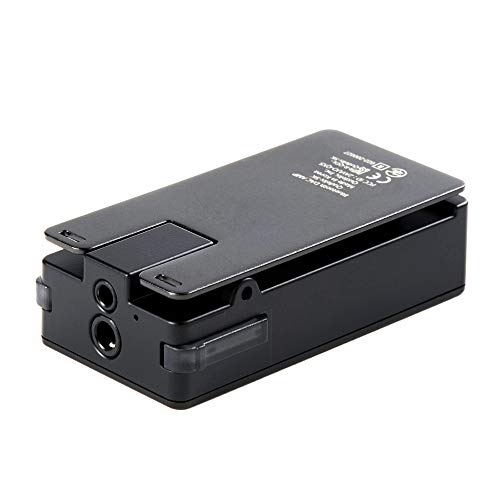 Qudelix-5K Bluetooth USB DAC Amp
|
8.5/10 | Buy | |
| Top Rated |
 FiiO QX13 Portable DAC Amp with ES9027PRO
|
8.3/10 | Buy | |
 FiiO KA15 Portable DAC and Headphone Amplifier
|
8.2/10 | Buy | ||
 FiiO KA13 Portable USB-C DAC with Dual Outputs
|
7.8/10 | Buy | ||
 CrinEar Protocol Max Portable DAC-Amplifier
|
7.6/10 | Buy | ||
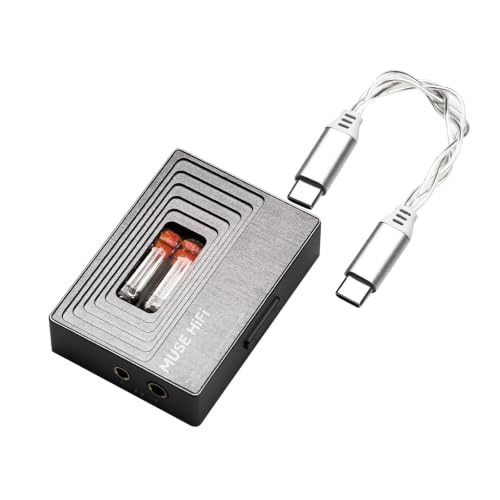 HiFiGo M3 Ultra Portable Tube DAC Amp
|
7.4/10 | Buy | ||
 Fosi Audio DS2 USB-C DAC Headphone Amp
|
6.8/10 | Buy | ||
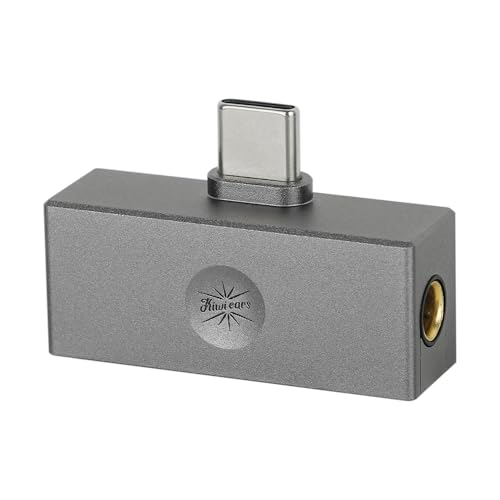 Kiwi Ears Allegro Mini Portable USB-C DAC Amplifier
|
6.2/10 | Buy | ||
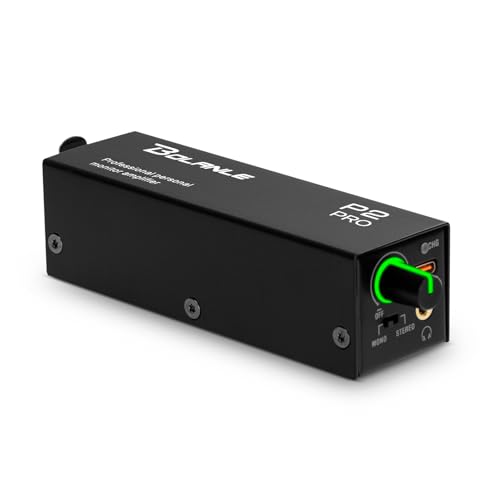 Bolanle P2 Portable In-Ear Monitor Amplifier
|
5.9/10 | Buy | ||
 KB EAR USB-C to 3.5mm DAC Adapter
|
4.1/10 | Buy |
FiiO BTR17 Bluetooth 5.4 USB DAC/Amp
A portable DAC/amp combining Bluetooth 5.4 with dual ES9069Q DACs and THX AAA amplifiers, supporting high-resolution codecs like LDAC and aptX Lossless. Built for audiophiles seeking versatile connectivity across desktop, smartphone, and Bluetooth sources with 10-band PEQ tuning.
Pros
- Comprehensive codec support including LDAC and aptX Lossless for high-resolution wireless audio
- Dual flagship DACs deliver low noise floor (130dB dynamic range) and transparent sound quality
- Flexible three-mode operation accommodates desktop, smartphone, and Bluetooth streaming workflows
- 650mW output with dedicated power input enables powerful amplification without draining device battery
- Granular 10-band PEQ tuning via app/web for personalized sound shaping
Cons
- No verified buyer reviews available to assess real-world reliability and user experience
- Premium positioning likely places it at higher price point compared to standard portable DAC/amps
- Three-mode switching adds complexity that casual users may find unnecessarily involved
iFi Hip-dac 3 Portable USB DAC Amplifier
A compact USB DAC and headphone amp designed for audiophiles seeking hi-res audio playback on the go. Combines native bit-perfect decoding up to 32-bit/384kHz with tuning tools like PowerMatch and iEMatch to adapt output across different headphone types.
Pros
- Comprehensive hi-res audio support including MQA decoding
- Flexible output options with balanced 4.4mm connector for audiophile-grade cabling
- Adaptive gain controls (PowerMatch and iEMatch) accommodate sensitive in-ears and power-hungry headphones
- Separate USB-C ports for audio and power eliminate charging conflicts during use
- Revised internal power supply reportedly reduces noise
Cons
- No verified user reviews available to assess real-world performance and reliability
- Gain adjustment requires manual switching, not automatic based on headphone impedance
- Premium positioning means higher cost than basic DAC solutions without advanced tuning features
Qudelix-5K Bluetooth USB DAC Amp
A compact Bluetooth receiver and DAC designed for wired headphones, featuring dual ES9219 DACs with balanced and unbalanced outputs, plus support for high-quality codecs like LDAC and aptX Adaptive. Best for audiophiles wanting to upgrade existing wired gear without switching to wireless headphones.
Pros
- Supports premium Bluetooth codecs (LDAC, aptX Adaptive, aptX HD) for better wireless audio quality
- Dual balanced (2.5mm) and unbalanced (3.5mm) outputs with solid power delivery (240mW and 80mW respectively)
- Long battery life (6-20 hours) with lightweight, portable design (25g with clip)
- USB DAC mode allows connection to computers with up to 96kHz/24-bit support
- Built-in dual-precision equalizer for audio tuning
Cons
- No Bluetooth transmission capability; works only with wired headphones, not wireless buds
- No verified customer reviews available to assess real-world reliability and longevity
- Limited output power compared to dedicated desktop amplifiers may not drive demanding headphones adequately
FiiO QX13 Portable DAC Amp with ES9027PRO
Desktop-grade portable DAC amplifier featuring the flagship ESS ES9027PRO 8-channel chip and dual TI op-amps delivering 900mW per channel. The rare 1.99-inch color touchscreen and magnetic ecosystem make it a premium option for audiophiles seeking portable studio-quality sound.
Pros
- Desktop-level audio components in a portable form factor with professional DAC architecture
- Powerful 900mW per channel output suitable for demanding headphone loads
- Advanced color display with touchscreen interface, rare in portable amps
- Dual ultra-low-noise regulators reduce jitter and ensure precise channel matching
- Magnetic ecosystem allows expansion with optional power bank and combo cases
Cons
- No verified buyer reviews yet; real-world performance consensus unavailable
- Premium pricing tier, positioning it as a high-end product rather than budget-friendly option
- Expandable accessories like E-Stick Power Bank sold separately
FiiO KA15 Portable DAC and Headphone Amplifier
A compact USB-C audio dongle featuring dual CS43198 DACs, 10-band PEQ, and a retro-styled 0.96-inch LCD screen. The KA15 delivers desktop-class power in pocket size, supporting up to 768kHz/32bit and DSD256, making it ideal for audiophiles who demand high-res audio on mobile devices.
Pros
- Exceptional headroom for both low and high-impedance headphones via Desktop Mode
- Sophisticated PEQ engine with curve import/export and community sharing features
- Compact form factor without compromising on audio components or features
- Supports SPDIF output for connecting external decoders
- Intelligent sleep mode and real-time power monitoring extend phone battery life
Cons
- App-based EQ control limited to Android; iOS users cannot adjust PEQ through mobile
- No verified user reviews available yet, making real-world performance feedback limited
- Dual CS43198 DACs and powerful amplification come at a premium price point
FiiO KA13 Portable USB-C DAC with Dual Outputs
A compact USB-C DAC dongle that packs dual CS43131 DACs and impressive 550mW desktop power into a 9cm cube, supporting PCM 384kHz and DSD256 across 3.5mm and 4.4mm outputs. Best suited for users who need versatile connectivity and high power delivery without sacrificing portability.
Pros
- Dual headphone outputs (3.5mm and 4.4mm) in a tiny form factor, eliminating adapter swaps
- 550mW balanced output power handles both low and high-impedance headphones effectively
- Supports hi-res audio up to PCM 384kHz/32bit and DSD256 despite miniature size
- App control via FiiO Control app for RGB lighting, SPDIF output, and audio filter adjustments
- Dual DAC and op-amp design (CS43131 + SGM8262) for low-noise, efficient performance
Cons
- No user reviews available yet, limiting real-world performance and reliability feedback
- Compact size may make dual outputs cramped in practice, risking accidental connector damage
- Desktop mode power benefit requires additional setup, not optimized for mobile-only use
CrinEar Protocol Max Portable DAC-Amplifier
A compact portable DAC-amplifier combining dual Cirrus Logic CS43198 chips with 600mW balanced output and a 10-band parametric equalizer. Designed for audiophiles who need flexible EQ customization and high power delivery in a travel-friendly format.
Pros
- Powerful balanced amplification supports both sensitive IEMs and full-size headphones
- Flexible 10-band EQ accessible via PC browser without additional apps
- Multiple output options (4.4mm balanced and 3.5mm single-ended) for device compatibility
- Eco and Boost power modes provide flexibility between battery longevity and peak performance
Cons
- No verified user reviews available yet to confirm real-world performance claims
- Browser-based EQ configuration may be inconvenient without constant PC access
- Compact size suggests potential trade-offs in build durability compared to larger desktop units
HiFiGo M3 Ultra Portable Tube DAC Amp
A pocket-sized DAC amplifier that combines a military-grade JAN6418 vacuum tube with solid-state precision, delivering 460-480mW of power across 3.5mm and 4.4mm outputs. Designed for audiophiles and casual listeners who want tube warmth without desktop bulk, with support for high-resolution audio up to DSD256.
Pros
- Genuine vacuum tube delivers organic, warm tone while maintaining low distortion clarity
- Impressive power output for its size, sufficient for both sensitive IEMs and demanding headphones
- Patented triple noise reduction addresses tube sensitivity to vibration and handling
- Comprehensive connectivity with both single-ended and balanced outputs
- Supports high-resolution formats including DSD256
Cons
- No verified customer reviews available yet to confirm real-world durability and consistent performance
- Vacuum tube operation adds complexity compared to solid-state portable amps, requiring awareness of handling and eventual tube replacement
- Limited information on battery life and charging specifications in provided data
Fosi Audio DS2 USB-C DAC Headphone Amp
A dual-output portable DAC and headphone amplifier with dual CS43131 chips, supporting high-resolution audio up to DSD256 and delivering 170mW per channel. Designed for iPhone 15, iPad, Android phones, and computers with a compact metal build and independent volume controls.
Pros
- Dual balanced and single-ended outputs allow flexibility with different headphone types
- Comprehensive codec support up to DSD256 and PCM 384kHz covers high-resolution audio needs
- Low noise floor and high SNR specifications indicate clean audio reproduction for critical listening
- Universal compatibility across iOS, Android, and desktop platforms
- Solid metal construction provides durability for portable use
Cons
- No user reviews available yet to validate real-world performance claims
- Compact size may make physical controls challenging for users with large hands
- Requires separate high-resolution audio files or compatible streaming services to realize full codec capabilities
Kiwi Ears Allegro Mini Portable USB-C DAC Amplifier
A compact desktop-grade DAC amplifier that brings high-resolution audio (up to 32bit/384kHz) to mobile and desktop setups via USB-C. Built with an all-aluminum body and dual output options (3.5mm and 4.4mm), it's designed for audiophiles who prioritize portability without sacrificing sound quality.
Pros
- Studio-quality sound reproduction in a pocket-sized form factor
- Flexible output options accommodate both standard and balanced headphones
- Exceptional technical performance with minimal distortion for transparent audio
- Premium build quality with aluminum construction adds durability
Cons
- No verified user reviews available yet to assess real-world reliability
- Limited to Android 5.1+ for USB-C connection, requires separate solution for other platforms
- Premium pricing typical for audiophile-grade gear may be prohibitive for casual listeners
Bolanle P2 Portable In-Ear Monitor Amplifier
A compact, dual-powered monitor amp designed for live performers who need flexible input options and reliable stage monitoring. Accepts both XLR and TRS inputs with stereo/mono switching, making it practical for keyboardists, drummers, and other musicians in small to mid-sized venues.
Pros
- Multiple power sources ensure you're never stranded without monitoring mid-performance
- Professional input compatibility eliminates need for converters or adapters
- Lightweight, durable construction designed specifically for road use and daily gigging
- Stereo/mono toggle adds flexibility for different venue sizes and monitoring needs
Cons
- No verified buyer reviews available to confirm real-world reliability or sound quality claims
- Single channel only, limiting stereo width options compared to dual-channel alternatives
- Battery runtime specifications not provided in available data
KB EAR USB-C to 3.5mm DAC Adapter
A USB-C audio adapter with built-in amplifier designed to enhance headphone output and deliver clearer audio across iPhone, Samsung, iPad, and other USB-C devices. The 8-core silver-plated cable and premium internal components aim to improve sound detail and drive demanding wired headphones without requiring drivers.
Pros
- Amplifier boosts output power to drive demanding IEMs and wired headphones
- Broad device compatibility covers latest flagship and budget USB-C phones
- Durable braided cable design resists daily wear
- No software installation required for immediate use
Cons
- No verified customer reviews available to confirm real-world audio quality claims
- Limited to devices with USB-C audio output support
- Amplifier effectiveness depends on headphone impedance and sensitivity specifications not detailed
Portable DACs Buying Guide
Choosing a portable DAC involves more variables than most buyers anticipate. The chip inside matters, but so does output power, connectivity, form factor, and how the device handles the specific headphones or earphones you already own.
The sections below walk through every criterion worth considering before you spend your money.
DAC Chip and Measured Performance

The DAC chip is the heart of any converter, and the differences between silicon vendors are real.
ESS Technology chips (ES9219, ES9027PRO, ES9069Q) are prized for their extremely low total harmonic distortion plus noise (THD+N) figures and tend toward a detail-forward, slightly analytical presentation.
Cirrus Logic parts (CS43131, CS43198) are known for smooth, musical output that pairs exceptionally well with bright or revealing IEMs. AKM chips occupy a middle ground that many listeners describe as natural.
None of these choices is universally superior; the right chip depends on your transducers and your taste.
Beyond the chip name, look at the published signal-to-noise ratio (SNR), dynamic range, and THD+N measurements. An SNR above 120 dB and a THD+N below -110 dB are markers of genuinely high-fidelity output.
The FiiO BTR17, for example, runs dual ES9069Q chips and achieves reference-class measured performance in a pocketable Bluetooth form factor. If measured transparency is your priority, focusing on multi-chip or flagship-chip implementations makes a meaningful difference.
Independent measurement databases such as Audio Science Review publish objective scores that complement subjective listening impressions, and we cross-reference those findings when building our rankings.
A unit that measures brilliantly and receives consistent praise from verified buyers carries significantly more confidence than one that measures well on paper alone.
Output Power and Headphone Compatibility

Output power is the variable most buyers underweight, and it is the one most likely to cause disappointment.
Sensitive in-ear monitors with impedances around 16 to 32 ohms need very little power, typically under 20 mW, but they also expose background noise more readily, so low output impedance matters as much as raw wattage.
Planar magnetic IEMs and most over-ear dynamic headphones sit in the 32 to 150 ohm range and benefit from 100 to 300 mW of clean headroom.
Full-size planars and high-impedance studio headphones (250 ohm and above) genuinely need 300 mW or more at the balanced output to reach adequate loudness without distortion at the volume ceiling.
Pay attention to whether the quoted power figure is from the 3.5 mm unbalanced output or the 4.4 mm / 2.5 mm balanced output, as balanced outputs typically deliver two to four times more power.
The FiiO QX13 posts 900 mW per channel from its balanced output, making it one of the most powerful portable options currently available.
If you pair demanding planars with a dongle rated at 50 mW unbalanced, you will hit the volume ceiling before achieving satisfying loudness.
Connectivity: USB, Bluetooth, and Codec Support
Portable DACs broadly split into two categories: wired USB dongles and standalone Bluetooth receivers with an integrated battery.
Wired dongles draw power from the host device and introduce zero wireless compression artifacts, making them the cleaner choice for critical listening at a desk or during seated transit.
Bluetooth receivers add freedom of movement and typically accept audio from any source wirelessly, but their sound quality depends heavily on the codec negotiated between the source device and the receiver.
LDAC transmits up to 990 kbps and is the current practical ceiling for wireless hi-res audio. AptX Adaptive goes further with variable bitrate up to 1 Mbps and lower latency, which matters if you watch video as well as listen to music.
AptX Lossless, found on the FiiO BTR17, transmits CD-quality audio bit-perfectly over Bluetooth when both devices support it.
If your source device is an Android phone with LDAC support, a Bluetooth DAC with LDAC is a significant upgrade over a standard aptX or AAC connection.
Apple devices output AAC over Bluetooth, so if you primarily use an iPhone, a high-quality AAC implementation or a wired USB-C dongle is the more practical choice.
For broader listening contexts, also consider that wireless earbuds handle the Bluetooth connection themselves, so a wired dongle DAC is the better pairing with wired IEMs plugged into a phone.
Output Jacks: Balanced vs. Unbalanced

Balanced audio outputs (4.4 mm Pentaconn or 2.5 mm TRRS) use separate positive and negative signal paths per channel, which cancels common-mode noise and doubles the voltage swing available to the headphone driver.
In practice this translates to lower crosstalk, higher output power, and a wider perceived soundstage on headphones with balanced cables.
If you own IEMs or headphones with detachable cables and are willing to buy a balanced cable, a DAC with a 4.4 mm balanced output offers a tangible performance uplift.
Unbalanced 3.5 mm outputs remain entirely adequate for sensitive IEMs and for users who do not own balanced cables. Most budget dongles offer only a 3.5 mm output, which is fine for everyday use.
Mid-range and premium options almost universally offer both outputs, so you are not locked in. The Qudelix-5K, for instance, provides both 3.5 mm and 2.5 mm outputs at a budget-friendly price point, making it an accessible entry into balanced listening.
EQ, DSP, and App Control
Parametric equalisation has moved from a nice-to-have into a near-essential feature for serious listeners.
A 10-band PEQ lets you correct headphone frequency response curves, apply IEM-specific tuning profiles, and even compensate for room acoustics when the DAC is driving desktop headphones.
The FiiO BTR17 and the CrinEar Protocol Max both ship with 10-band PEQ, and the Qudelix-5K is renowned for its companion app that gives access to granular equaliser controls beyond what most smartphone apps can provide.
App ecosystems vary significantly in quality. FiiO’s companion app is polished and regularly updated, while some smaller brands ship with minimal or unreliable software.
If DSP matters to you, verify that the companion app is available for your operating system (iOS, Android, Windows, macOS) before purchasing.
Units without dedicated apps can still sound excellent, particularly the best-measuring dongle DACs that let the source device handle equalisation through a third-party app.
Form Factor, Battery Life, and Build Quality
Dongle DACs are the smallest and lightest category, typically consisting of a short cable terminated with USB-C (or USB-A with an adapter) on one end and the headphone jack on the other.
They add virtually no bulk to a pocket and are the most discreet option for commuters. The downside is that they draw power from the host device, which can reduce smartphone battery life noticeably during extended listening sessions.
Standalone Bluetooth DAC-amps add an internal battery, a physical volume control, and often a small display. Battery life ranges from around 8 hours on compact models to 12 to 15 hours on larger units.
Build quality is usually higher in this category; metal chassis construction dominates the mid-range and premium segments.
If you frequently travel or prefer to keep your phone in your bag rather than your hand, the added bulk of a standalone unit is an acceptable trade-off.
The iFi Hip-dac 3 and FiiO BTR17 both represent strong options in the standalone Bluetooth DAC-amp space at different price points.
Why You Should Trust Us
ProductFind is an independent review publication. We do not manufacture, distribute, or sell the products we cover, and we have no commercial relationship with any brand that influences our editorial conclusions.
Every portable DAC in this roundup was scored using our PF Score system, a 0 to 10 scale applied consistently across the category.
Scoring incorporates published hardware specifications, measurements from credible third-party sources, expert review consensus drawn from the broader enthusiast and professional audio press, and verified buyer feedback from confirmed purchasers.
We do not conduct our own product trials; our evaluations are grounded in research, published data, expert review consensus, and verified buyer feedback.
This approach lets us cover a broader range of products with greater consistency than single-reviewer assessments, and it means our scores are not subject to unit-to-unit variation or reviewer fatigue.
When expert consensus and buyer sentiment diverge, we note the discrepancy and weight it into the final score rather than papering over it.
ProductFind may earn an affiliate commission when you purchase through links on this page. That relationship does not influence which products appear in our roundups, the order in which they are ranked, or the PF Score assigned to any model.
Our rankings reflect editorial judgment based on quality and value, not commission rates.
If a product we recommend loses competitive standing due to a price increase, a discontinued firmware, or a superior replacement entering the market, we update the article accordingly.
Final Thoughts
The portable DAC market in 2026 is genuinely competitive at every price tier, from single-digit dongle adapters to feature-loaded Bluetooth receivers with balanced outputs and onboard DSP.
After evaluating every model in this roundup against the criteria above, a few clear winners emerge across the most common use cases.
- Best Overall: FiiO BTR17 earns the top spot with the highest PF Score in the roundup, combining dual flagship ESS chips, AptX Lossless Bluetooth 5.4, a 10-band PEQ, and THX AAA amplification in a single pocketable unit. It is the most complete portable DAC-amp package currently available at its price tier.
- Best Wired Bluetooth Alternative: iFi Hip-dac 3 is the premium pick for listeners who want a standalone USB DAC-amp without Bluetooth dependency. Its robust build quality and strong measured performance give it excellent long-term value.
- Best Compact Bluetooth DAC: Qudelix-5K remains one of the most beloved products in the portable audio community thanks to its dual outputs, LDAC support, and the best companion app in the category for EQ enthusiasts, all at a budget-friendly price.
- Best High-Power Dongle: FiiO QX13 delivers an extraordinary amount of driving power for its size, making it the right choice for planar magnetic IEMs and demanding over-ear headphones that need real headroom from a USB-C source.
- Best Budget Dongle DAC: FiiO KA13 punches well above its price with dual output jacks and PCM 384 kHz support, making it a natural first upgrade for anyone escaping their phone’s internal audio circuitry without spending much.
Whatever your starting point, the portable DAC category rewards incremental investment. Pairing any of the models above with a quality set of noise cancelling headphones or sensitive IEMs yields a listening experience that competes with setups costing many times more.
Frequently Asked Questions
Do I actually need a portable DAC if my phone already has a headphone jack?
Most built-in headphone jacks rely on DAC circuitry integrated into the main SoC, which shares a noisy electrical environment with the CPU, GPU, radio modules, and power management components.
The result is elevated background noise floors, limited output power, and compromised dynamic range, particularly when driving anything above 32 ohms. A dedicated external DAC moves audio conversion outside that noisy environment entirely.
Even a modestly priced dongle DAC typically measures significantly cleaner than the average smartphone headphone output, and the difference is audible on any transducer sensitive enough to reveal background noise.
That said, if you use Bluetooth earbuds exclusively or your listening is primarily background music during commutes, the practical difference will be small. The benefit scales with headphone quality and listening attentiveness.
What is the difference between a DAC dongle and a Bluetooth DAC receiver?
A DAC dongle connects physically via USB-C (or USB-A) to your source device and converts the digital audio signal to analog in real time.
It draws power from the host and requires a wired connection, but it introduces no wireless compression and typically achieves lower noise floors than Bluetooth alternatives at the same price.
A Bluetooth DAC receiver pairs wirelessly with your phone or computer, receives a compressed or near-lossless audio stream depending on the codec, and converts it to analog through its own circuitry while running on an internal battery.
The Bluetooth option adds battery life management and the freedom to leave your phone in a bag, but even high-quality codecs like LDAC involve some compression. For pure audio fidelity, wired dongles hold a technical edge.
For everyday convenience and real-world usability, Bluetooth receivers often win.
Is a balanced 4.4 mm output worth it for IEMs?
For sensitive IEMs in the 16 to 32 ohm range, the primary advantage of a balanced output is not raw power (you rarely need it) but rather lower crosstalk between channels and a slightly blacker noise floor on some implementations.
Listeners who prioritise wide stereo imaging and instrument separation often report a meaningful improvement with balanced IEM cables. However, the benefit is only realised if you also own or purchase a balanced cable for your specific IEM, which adds cost.
If you already use a balanced cable or plan to invest in one, a DAC with a 4.4 mm output is a worthwhile choice.
If you are content with stock cables, an unbalanced 3.5 mm output from a well-implemented DAC is entirely satisfying.
Can a portable DAC improve audio quality when gaming or watching video on a laptop?
Yes, and often quite dramatically. Laptop audio circuitry is frequently among the noisiest in consumer electronics because thin chassis leave no physical separation between the audio codec and the power delivery components.
Plugging a USB-C DAC into a laptop bypasses the onboard audio entirely and routes the digital signal to cleaner external conversion hardware.
The result is typically lower background hiss, more defined bass, and clearer high-frequency detail in both music and game audio. The improvement is audible on any decent pair of headphones, including gaming headsets with 3.5 mm connections.
If you use a gaming headset primarily through USB, the DAC inside the headset handles conversion, so an external DAC adds nothing in that scenario.
How important is the companion app for a portable DAC?
It depends entirely on how you intend to use the device. If you want to apply parametric EQ corrections, switch between IEM tuning profiles, or adjust the gain stage for different headphones, a robust companion app is essential.
The Qudelix-5K built its reputation largely on this foundation, and FiiO’s app ecosystem is among the most mature in the category.
If you simply want cleaner audio out of your phone without any configuration, a dongle DAC without an app is perfectly sufficient and arguably simpler.
The Fosi Audio DS2 and the Linsoul Kiwi Ears Allegro Mini, for example, are plug-and-play options that deliver solid results with zero software involvement.
As your collection of headphones grows and your preferences become more defined, EQ capability tends to become increasingly valuable.
Do portable DACs work with iPhones?
USB-C DAC dongles work natively with iPhone 15 and later models, which use USB-C. Earlier iPhones (Lightning connector) require a Lightning-to-USB-C adapter or a dongle with a dedicated Lightning connector.
Most modern USB-C dongle DACs are plug-and-play on iOS with no additional drivers required, though some high-power units may display a warning about accessory power draw on older hardware.
Bluetooth DAC receivers work with any iPhone via AAC, which Apple prioritises as its high-quality wireless audio codec.
LDAC and aptX are not supported on Apple devices over Bluetooth, so if your primary source is an iPhone, focus on AAC quality or opt for a USB-C wired dongle for the cleanest result.
If you are also comparing options in adjacent categories, wireless earbuds and dedicated over-ear headphones handle their own DAC and amplifier circuits internally when connected over Bluetooth.
About the author
Pat is a reviewer and writer for ProductFind who specializes in Audio & Headphones. Pat evaluates products through independent research: specifications, expert review consensus, and verified buyer feedback, and rates each one on the PF Score. Pat focuses on helping readers pick the right audio & headphone for their needs and budget.