The 9 Best Powered Speakers
From studio desktops to live stages, powered speakers pack the amplifier inside so you can plug in and play. Our research covers nine models across every budget and use case.
 By Pat Shelton
Updated July 23, 2026
By Pat Shelton
Updated July 23, 2026
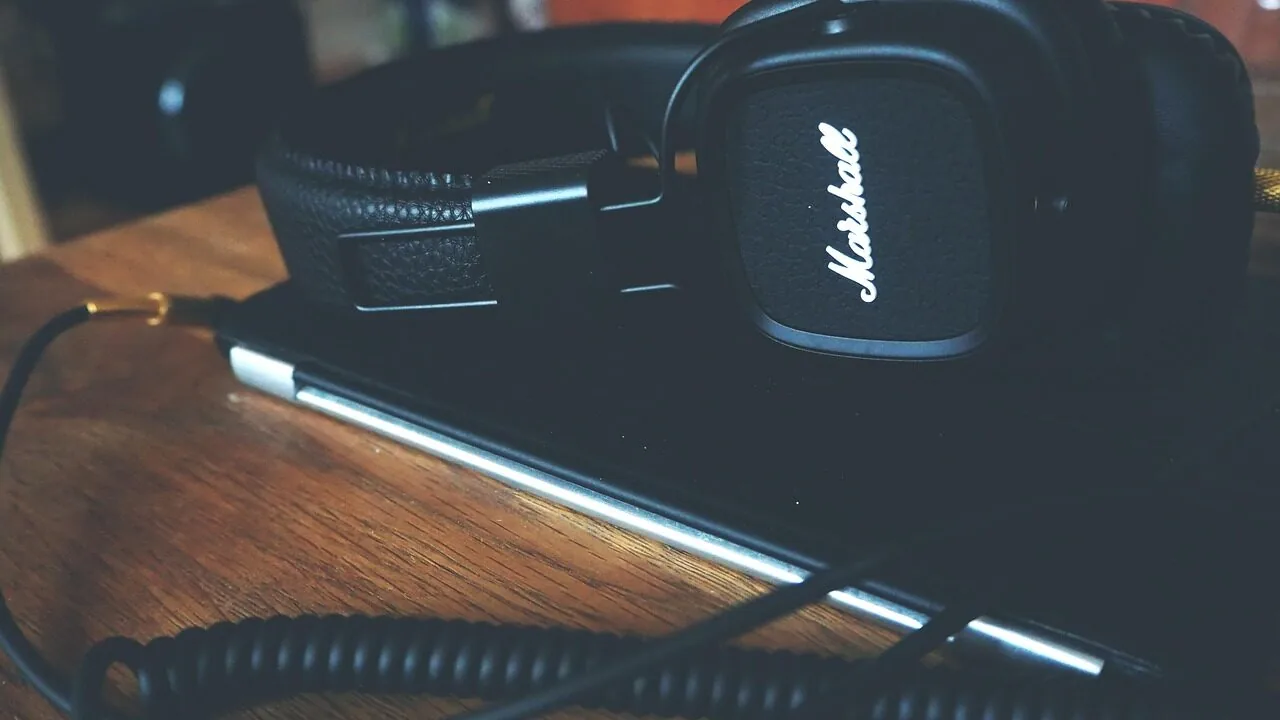
Powered speakers have quietly become the smart default for anyone who wants real audio quality without the headache of matching a separate amplifier to a pair of passive cabinets.
Whether you are building a home listening room, upgrading a studio desktop, running sound at a weekend gig, or just want music to fill a backyard gathering, an active speaker puts the amplifier exactly where it belongs: inside the cabinet, voiced to match the drivers.
The result is a complete, plug-and-play system that sounds intentional rather than assembled.
Brands like Bose, JBL, Klipsch, QSC, Mackie, Alto, and Yamaha cover every corner of this market, from compact studio monitors to full-strength PA towers, and choosing the wrong category wastes money fast.
This guide is built on ProductFind’s research-based evaluation process: we analyze published specifications, assess expert review consensus from across the audio industry, and weigh verified buyer feedback against real-world use cases to give every model a PF Score on a 0-to-10 scale.
The nine picks below span studio monitoring, home hi-fi, portable PA, and professional live sound, so there is a right answer here regardless of your budget or venue.
Scroll through the ranked list to find your match, then read the buying guide below before you commit.
| Award | Product | PF Score About PF ScoreThe PF Score is our own rating from 0 to 10, based on performance, design and build, ease of use, and value. It reflects independent research and is never influenced by manufacturers, retailers, or affiliate commissions. Learn more › | Price | |
|---|---|---|---|---|
| Best Overall |
 JBL PRX935 15-Inch Powered Speaker
|
8.8/10 | Buy | |
| Editor's Pick |
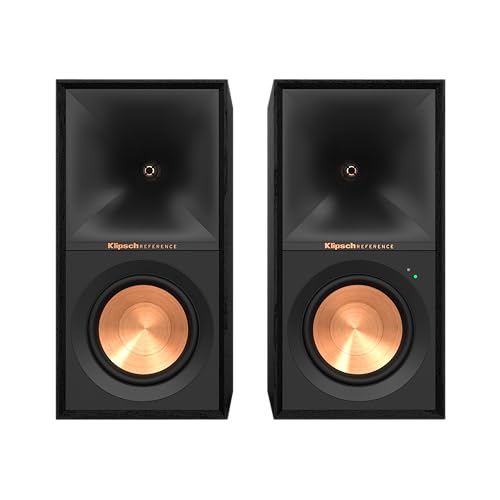 Klipsch R-50PM Powered Speakers with 5.25" Woofers
|
8.6/10 | Buy | |
| Best Value |
 Mackie Thump12v4 12-Inch Powered Speaker
|
8.1/10 | Buy | |
| Top Rated |
 JBL 305P MkII 5-Inch Studio Monitor Pair
|
7.8/10 | Buy | |
 QSC K12.2 12-Inch Powered Speaker
|
7.5/10 | Buy | ||
 ALTO TS415 15-Inch 2500W Powered PA Speaker
|
7.2/10 | Buy | ||
 Yamaha DBR10 10-Inch Powered Speaker
|
6.5/10 | Buy | ||
 Alto TX410 10-Inch 350W Powered PA Speaker
|
6.2/10 | Buy | ||
 Bose S1 Pro+ Portable PA Speaker
|
9.9/10 | Buy |
JBL PRX935 15-Inch Powered Speaker
A professional-grade portable speaker built for touring musicians and venues, the PRX935 delivers 2000W of power through a three-way design with sophisticated DSP controls and app management. Its robust construction and extensive warranty appeal to semi-pro and full-time operators who demand reliability on the road.
Pros
- Professional-grade DSP with 24 automatic feedback suppression filters and 100ms speaker delay for precision tuning
- Durable road-ready construction with patented protective coating and thermistor-based thermal management
- Flexible connectivity and control options spanning analog I/O, BLE, and app-based management for up to 10 units
- Acoustic engineering includes flared port design and patented waveguide for reduced distortion
- Substantial 7-year warranty backed by authorized dealer support
Cons
- No verified customer reviews available to assess real-world reliability or user satisfaction
- High weight at 80.7 pounds limits portability despite 'portable' classification; requires two people or equipment to transport
- Premium positioning means substantial investment for small venues or solo performers with modest budgets
Klipsch R-50PM Powered Speakers with 5.25" Woofers
Self-contained powered speakers with Klipsch's signature Tractrix horn design and copper-spun woofers, requiring no receiver or complex setup. Delivers wider soundstage and clarity at higher volumes through 1-inch aluminum tweeters, ideal for desktop listening or small room audio.
Pros
- True plug-and-play design: connect to power and each other, no receiver needed
- Klipsch's proven Tractrix horn technology provides detailed, wider soundstage performance
- Rigid copper woofer design and aluminum tweeter suspension deliver accurate bass and minimal distortion
- Flexible aesthetics with removable black grilles to show or hide copper cones
- Compact 10.8 x 7 x 14-inch footprint suits desktops and small spaces
Cons
- No user reviews available to assess real-world reliability or long-term performance
- Powered speaker format limits flexibility to swap components or upgrade drivers later
- Limited information on connectivity options beyond Bluetooth and audio line inputs
Mackie Thump12v4 12-Inch Powered Speaker
A portable powered PA speaker built for gigging musicians and DJs, the Thump12v4 delivers high SPL output with Mackie's SoundCheck DSP for quick setup. Bluetooth connectivity and the Thump Connect 2 app provide wireless flexibility, though it's a heavier piece of kit at 33.5 pounds.
Pros
- SoundCheck DSP with preset voicing modes simplifies live setup and tuning
- Bluetooth and app control reduce cable clutter and enable wireless flexibility
- Versatile connectivity supports microphones, DJ gear, instruments, and aux devices
- High SPL output suitable for venue gigging and larger live sound applications
- Compact portable design relative to its power class
Cons
- 33.5-pound weight makes it less ideal for frequent mobile solo performers
- No customer reviews available to assess real-world reliability or long-term durability
- Premium positioning may exceed budget requirements for casual or small-venue use
JBL 305P MkII 5-Inch Studio Monitor Pair
A pair of compact powered studio monitors designed for music production, podcasting, and mixing work. The 305P MkII delivers precise imaging through JBL's waveguide technology and includes room-tuning controls to adapt to different acoustic spaces.
Pros
- Patented Image Control Waveguide provides wide sweet spot and precise stereo imaging
- Dual 41-watt Class-D amplifiers with 5-inch woofer deliver dynamic range and controlled bass
- Boundary EQ and HF Trim controls allow acoustic adjustment for different room sizes and treatments
- XLR and TRS inputs provide flexible connectivity for various studio setups
- Compact 5-inch design suits smaller production spaces and desks
Cons
- No user reviews available to assess real-world performance consistency
- Room tuning controls require manual calibration without built-in measurement tools
- Limited information on noise floor or distortion specifications for critical evaluation
QSC K12.2 12-Inch Powered Speaker
QSC's K12.2 is a 2000-watt powered loudspeaker designed for professional audio applications, combining robust amplification with preset scene recall for quick setup across different venues. Built-in digital controls and a variable-speed fan system keep operation straightforward and noise-managed.
Pros
- 2000-watt Class-D amplifier provides substantial power for medium to large installations
- Factory presets and savable scenes enable fast configuration for common applications
- Low-noise, variable-speed fan maintains thermal control without excessive sound
- Digital display offers intuitive function control and selection
Cons
- 47.8 pounds weight requires sturdy positioning or dedicated rigging infrastructure
- No user reviews available to assess real-world reliability or long-term durability
- Substantial size (26 x 19 x 19 inches) limits portability for smaller venues or mobile setups
ALTO TS415 15-Inch 2500W Powered PA Speaker
A versatile 2500W powered speaker with integrated 3-channel mixer, Bluetooth streaming, and app-based DSP control. Well-suited for mobile DJs, bands, and event professionals who need plug-and-play functionality without external equipment.
Pros
- Built-in mixer and Bluetooth eliminate need for additional hardware
- App-based DSP customization allows sound optimization for weddings, conferences, and spoken word
- Wireless stereo pairing capability for expanded coverage without running cables
- Multiple mounting configurations accommodate various venue setups
- Reasonable weight at 46 pounds for a 2500W system
Cons
- No user reviews available to validate real-world performance and reliability
- Steep learning curve for app features may require setup time before events
- Limited to iOS and Android apps for advanced control; no physical buttons for quick EQ adjustments
Yamaha DBR10 10-Inch Powered Speaker
A compact bi-amped powered speaker delivering 700 watts and 129 dB SPL, designed for both main and monitor applications. FIR-X tuning and a 55 Hz to 20 kHz frequency range make it suitable for small to mid-size venues and mobile setups.
Pros
- Bi-amped design with 700 watts of clean digital power
- High SPL output at 129 dB for projection in moderate spaces
- Extended 7-year warranty provides long-term peace of mind
- FIR-X tuning technology for optimized frequency response
- Lightweight at 21 pounds, portable for touring and events
Cons
- No verified customer reviews available to assess real-world reliability
- 10-inch woofer may require external subwoofer for full-range bass in larger venues
- Limited connectivity details provided in specifications
Alto TX410 10-Inch 350W Powered PA Speaker
A mid-sized powered PA speaker built for bars, rehearsal spaces, and small venues, the TX410 combines a 10-inch woofer with a titanium compression driver for punchy output that cuts through crowd noise. Its built-in 2-channel mixer and Bluetooth connectivity make it practical for DJs, bands, and live musicians who need flexible audio inputs without extra gear.
Pros
- Capable 350W output handles larger rooms and venues without distortion at max volume
- Integrated mixer eliminates need for separate audio interface or console in basic setups
- Dual Bluetooth connectivity allows simultaneous streaming from multiple devices (e.g., mic plus backing track)
- Portable design with ergonomic handles and 10-inch size suitable for mobile DJs and touring bands
- Wide dispersion pattern ensures consistent sound coverage across venue
Cons
- No customer reviews available to verify real-world performance or durability claims
- 110-120V only limits international portability to regions with compatible power standards
- Built-in mixer is basic (2-channel) and lacks professional-grade effects or EQ depth for complex sound design
Bose S1 Pro+ Portable PA Speaker
A lightweight, battery-powered PA system designed for musicians, presenters, and small events who need wireless audio without fixed infrastructure. Four positioning modes and integrated mixing make it adaptable to different venues, though real-world battery life varies significantly based on volume and content.
Pros
- Versatile positioning flexibility adapts to performance spaces without fixed audio setup
- Integrated wireless RF receivers eliminate cable clutter when using optional transmitters
- Rechargeable battery removes dependence on wall power for mobile performances
- Built-in 3-channel mixer simplifies multi-source audio without external equipment
- App-based control provides remote adjustment of EQ presets and reverb settings
Cons
- Battery life drops to 5 hours at performance volume levels, significantly less than the 11-hour claim under ideal listening conditions
- Optional wireless transmitters sold separately, adding to overall system cost
- No customer reviews available to validate real-world performance and durability claims
Powered Speakers Buying Guide
Powered speakers span an enormous range of form factors and intended roles. A studio reference monitor, a living-room hi-fi pair, and a touring PA cabinet are all technically “powered speakers,” but they are engineered around fundamentally different priorities.
Getting clear on your use case before shopping saves you from overspending on power you will never use or underspending on a speaker that cannot keep up with your room.
The criteria below are the same ones our research team weighs when scoring every model in this category.
Use Case and Intended Environment
The single most important question is where and how the speaker will be used. Studio reference monitors are designed for a flat, accurate frequency response so producers and engineers can make mixing decisions that translate to other playback systems.
Home hi-fi powered speakers prioritize musicality, imaging, and aesthetics for daily listening. PA and live-sound cabinets are built around projection, coverage angle, and durability under continuous high-SPL operation.
Portable PA systems like the Bose S1 Pro+ add battery power and multi-position design for buskers, small venues, and rehearsal spaces where mains power is inconvenient.
Mixing these categories is a common and expensive mistake. A studio monitor pointed at a backyard crowd will sound thin and underpowered.
A high-SPL PA cab in a small bedroom produces fatiguing, hyped sound that obscures the nuance you need for mixing decisions.
If your needs genuinely overlap, say you rehearse at home and also play small gigs, look for models with DSP voicing modes that let you switch between a neutral monitor curve and a live-sound preset.
The Mackie Thump12v4 and Alto TS415 both include this kind of flexibility.
Amplifier Power and Headroom
Wattage figures on powered speakers are frequently misread. Peak or program power ratings, often quoted in marketing copy, can be two to four times higher than continuous RMS power, which is the figure that actually matters for sustained output.
A speaker rated at 2,500 watts peak may deliver 500 to 700 watts RMS continuously, which is still substantial but nowhere near the headline number.
When comparing models, look for RMS or continuous power ratings, and treat peak figures as a rough ceiling rather than an operating expectation.
For home listening and desktop monitoring, 50 to 200 watts RMS per side is typically more than enough for any reasonable room.
For live PA and larger venues, 500 watts RMS and above per cabinet provides the headroom needed to stay clean at performance levels.
Headroom matters as much as raw wattage: a well-engineered amplifier running at 60 percent capacity sounds significantly cleaner than an undersized amp pushed to its thermal limits.
Expert reviewers consistently flag clipping and thermal throttling as the most audible quality differentiators between budget and mid-range PA amplifiers.
Driver Configuration and Frequency Response
Most powered speakers use a two-way design: a woofer handles low and mid frequencies, and a tweeter covers the highs.
Three-way designs, like the JBL Professional PRX935, add a dedicated midrange driver, which reduces each driver’s workload and generally produces a more coherent midrange.
This matters most for speech reproduction and complex musical arrangements where the midrange carries the majority of musical information. The tradeoff is cabinet size, weight, and cost.
Woofer diameter is a practical proxy for low-frequency extension and maximum SPL. A five-inch studio monitor like the JBL 305P MkII pair produces detailed, accurate sound down to around 43 Hz but will not pressurize a large room.
A twelve-inch PA cabinet like the Mackie Thump12v4 or a fifteen-inch unit like the JBL PRX935 can reach much higher SPLs and move more air at lower frequencies.
If deep bass is a priority for a home system without a separate subwoofer, a twelve-inch or larger woofer and a speaker with an extended low-frequency response rating below 50 Hz will serve you better than a compact bookshelf unit.
Those investing in a home audio setup may also want to explore soundbars as an alternative for TV-centric rooms where a single bar simplifies cable management.
Connectivity and Input Options
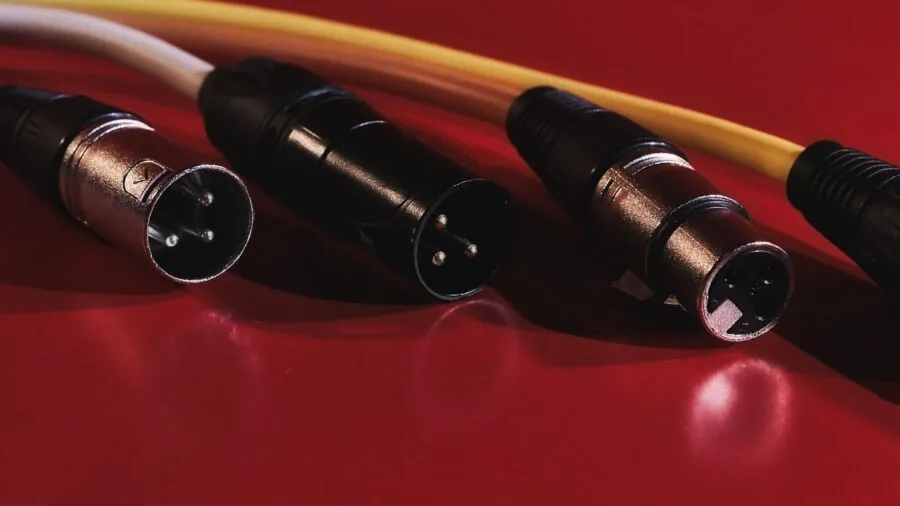
A powered speaker’s connectivity suite determines how easily it fits into your existing setup. For studio work, balanced XLR and TRS inputs are essential for eliminating interference over long cable runs.
For home use, phono preamp inputs (for turntables), optical digital inputs, and Bluetooth aptX or LDAC support add genuine convenience. The Klipsch R-50PM includes all three, which is why it scores so strongly in our home hi-fi category.
For PA and live sound, look for XLR/TRS combo jacks, a built-in two- or three-channel mixer, and link output so you can daisy-chain a second cabinet without an external mixer.
Bluetooth streaming is now nearly universal even in mid-range PA speakers. The Alto TS415 and Mackie Thump12v4 both support wireless linking between cabinets over Bluetooth, which reduces cable runs on stage.
The QSC K12.2 uses QSC’s proprietary DEEP DSP and offers network-based system control for more complex installations.
If wireless portability is your primary need, rather than a portable PA, you might also consider portable Bluetooth speakers designed specifically for on-the-go use, which sacrifice SPL for battery life and carry convenience.
DSP and Voicing Controls
Digital signal processing has become one of the most meaningful differentiators in powered speakers at every price point.
Modern DSP allows manufacturers to precisely tune the crossover frequency, apply equalization curves, manage limiter behavior, and protect drivers from thermal and excursion damage, all without analog circuitry that adds noise and component count.
At the user level, DSP manifests as voicing presets, room correction filters, and app-based control.
The Mackie Thump12v4’s SoundCheck DSP and companion app, the QSC K12.2’s DEEP and LIMIT algorithms, and the JBL PRX935’s BLE app control all represent serious engineering investment in this area.
Expert reviewers note that well-implemented DSP can make a mid-range driver section perform above its price class, while poorly implemented limiting can make an otherwise powerful cabinet sound compressed and lifeless at high levels.
For home listeners who want a simpler experience, the Klipsch R-50PM offers a straightforward tone control rather than a deep DSP menu, which suits casual listeners who do not want to spend an evening calibrating a speaker.
Portability and Build Quality

PA and live-sound speakers live a harder life than home audio components. Road-worthy build quality includes a reinforced enclosure (typically polypropylene or birch plywood), recessed input panels to protect connectors during transport, integrated handles, and pole-mount cups for stand mounting.
The Yamaha DBR10 and QSC K12.2 are both touring-grade in their construction, while the Alto TX410 and Alto TS415 represent more budget-conscious builds aimed at rehearsals, smaller venues, and occasional events rather than nightly touring.
The Bose S1 Pro+ sits in its own category: it is a battery-powered, multi-position all-in-one designed for maximum positioning flexibility rather than raw SPL.
Its tilted kickstand lets it fire upward as a floor monitor, and its handle doubles as a tilt mechanism.
Verified buyers consistently highlight the S1 Pro+’s runtime and sound consistency across positions as its strongest attributes, though they note it cannot compete with a full PA cabinet in a large room.
If you need genuine outdoor durability rather than PA performance, waterproof Bluetooth speakers designed for outdoor exposure are a better fit for beach or poolside environments.
Why You Should Trust Us
ProductFind is an independent review publication. We do not sell the products we cover, and we have no relationship with manufacturers that influences our editorial conclusions.
Every model in this guide was evaluated using ProductFind’s structured research methodology: we analyze published technical specifications, assess expert review consensus drawn from across the professional audio industry, and incorporate verified buyer feedback to understand real-world ownership experiences.
We do not conduct our own product trials; our evaluations are grounded in research, published data, expert review consensus, and verified buyer feedback.
Each speaker in this guide received a PF Score on a consistent 0-to-10 scale, weighted across sound quality, feature set, connectivity, build quality, and value.
Scores are assigned by our editorial team and are not influenced by price, brand relationships, or affiliate revenue potential. ProductFind may earn a commission if you purchase through a link on this page.
That relationship has no bearing on which products appear in our rankings, what scores they receive, or what we write about their strengths and weaknesses. Our obligation is to the reader, not to any retailer or manufacturer.
Readers who want to explore adjacent audio categories can find similarly structured evaluations in our coverage of over-ear headphones, noise cancelling headphones, and wireless earbuds, all scored under the same methodology.
Final Thoughts
After evaluating every model against our full scoring criteria, here is how the top picks break down by role and buyer profile:
- Best Overall: Bose S1 Pro+ All-in-One PA Speaker earns the top PF Score in this roundup thanks to its exceptional versatility, premium build quality, and consistent expert praise for real-world usability across multiple positioning configurations and battery-powered operation.
- Best for Professional Live Sound: JBL Professional PRX935 is the pick for musicians and sound engineers who need serious output, a three-way driver configuration, and app-based DSP control at a professional installation level.
- Best for Home Hi-Fi: Klipsch R-50PM Powered Speakers deliver the combination of phono preamp, Bluetooth, optical input, and Klipsch’s signature horn-loaded tweeter efficiency that makes them a standout choice for home listeners who want a single pair to handle every source.
- Best Studio Monitors: JBL 305P MkII (pair) offer reference-grade accuracy and imaging in a compact footprint, making them the most consistently recommended entry-level studio monitors by audio engineering professionals.
- Best Mid-Range PA Speaker: Mackie Thump12v4 combines serious SPL capability, SoundCheck DSP voicing modes, wireless linking, and a companion control app at a price that suits working musicians and venue owners on a realistic budget.
No single powered speaker is right for every listener, which is why this guide covers nine distinct models across four categories. If your priority is accurate studio monitoring, the JBL 305P MkII pair is where to start.
If you need a speaker that goes everywhere, runs on battery, and sounds polished at a cocktail party or a small acoustic gig, the Bose S1 Pro+ has no peer in this group.
And if you are building a home system around a turntable and want connectivity to match, the Klipsch R-50PM earns its place as the most complete home hi-fi powered speaker at its tier.
Readers considering a gaming or home-theater audio upgrade may also find useful context in our coverage of gaming headsets for immersive positional audio that complements a speaker system.
Frequently Asked Questions
What is the difference between a powered speaker and a passive speaker?
A powered (or active) speaker has a built-in amplifier, so it connects directly to a power outlet and an audio source. A passive speaker has no internal amplification and requires a separate amplifier or receiver to drive it.
Powered speakers simplify setup and eliminate amplifier-matching guesswork, which is why they are preferred by musicians, podcasters, and listeners who want a clean, minimal system.
Passive speakers can offer more upgrade flexibility over time but require more components and cabling knowledge to set up correctly.
Can I use a PA speaker as a home stereo speaker?
Technically yes, but it is rarely a satisfying experience for casual home listening. PA speakers are voiced for projection and intelligibility in large rooms, often with a hyped high-mid presence that helps vocals cut through background noise.
In a living room at normal listening volumes, that voicing can sound harsh or fatiguing.
Some PA speakers include a music or hi-fi voicing mode in their DSP that tames the live-sound character, but a dedicated home hi-fi powered speaker like the Klipsch R-50PM will almost always sound more musical and natural at domestic listening levels.
Do powered speakers need a subwoofer?
It depends on the speaker’s woofer size and your bass expectations. Compact five-inch studio monitors and small bookshelf powered speakers typically roll off below 50 to 60 Hz and benefit meaningfully from a subwoofer for full-range music playback or home theater use.
Twelve-inch and fifteen-inch PA cabinets reach lower and can often serve as standalone full-range solutions for live sound, though a dedicated subwoofer still adds significant impact at bass-heavy events.
For home hi-fi, many listeners find that a quality twelve-inch powered speaker satisfies their bass needs without a sub, while monitor users mixing music almost always add one to hear the sub-bass content of their recordings accurately.
How important is Bluetooth connectivity in a powered speaker?
For home and portable use, Bluetooth is now a genuine quality-of-life feature rather than a gimmick. Modern Bluetooth 5.0 with aptX or AAC support delivers audio quality that most listeners cannot distinguish from a wired connection in typical listening environments.
For professional studio monitoring, however, Bluetooth introduces latency that makes it unsuitable for real-time recording or mixing.
PA speakers increasingly include Bluetooth for playback from a phone or tablet between sets, but sound engineers running a live mix will always prefer a wired signal chain for reliability and zero latency.
If Bluetooth streaming is your primary use case and you want something compact and battery-powered, it is worth comparing a purpose-built Bluetooth speaker against a portable PA before committing.
Is a higher wattage rating always better in a powered speaker?
Not necessarily. Wattage determines headroom and maximum clean output, but driver sensitivity and cabinet tuning have an equally large effect on how loud and how cleanly a speaker plays.
A 700-watt speaker with high-sensitivity drivers can easily outperform a 2,000-watt speaker with inefficient drivers at the same listening distance. Always compare sensitivity ratings (measured in dB SPL at one meter with one watt of input) alongside wattage.
Expert reviewers in professional audio consistently note that marketing wattage figures, especially peak ratings, are among the most commonly misunderstood specifications in consumer and prosumer speaker purchasing decisions.
What inputs should I look for if I want to connect a turntable to a powered speaker?
A turntable’s cartridge outputs a very low-level phono signal that requires preamplification before it can be fed into a standard line-level input.
You need either a powered speaker with a built-in phono preamp (like the Klipsch R-50PM, which includes one), or a separate phono preamp between the turntable and the speaker.
Some turntables include a built-in preamp with a switchable line-level output, in which case any line-level input on the speaker will work.
If you are building a turntable-based system and want to keep the component count low, choosing a powered speaker with an onboard phono stage is the cleanest solution.
About the author
Pat is a reviewer and writer for ProductFind who specializes in Audio & Headphones. Pat evaluates products through independent research: specifications, expert review consensus, and verified buyer feedback, and rates each one on the PF Score. Pat focuses on helping readers pick the right audio & headphone for their needs and budget.