The 12 Best Reciprocating Saws
Cordless or corded, brushed or brushless, one-handed or full-size: picking the right reciprocating saw comes down to your platform, workload, and how often you reach for the tool.
 By Lydia Gordon
Updated July 23, 2026
By Lydia Gordon
Updated July 23, 2026
Reciprocating saws are among the most versatile power tools you can own, capable of cutting through wood, metal, PVC, drywall, and even nails buried inside framing lumber.
Whether you are demolishing a wall, pruning overgrown tree limbs, or tackling a plumbing renovation, the right reciprocating saw turns a brutal chore into a controlled, manageable task.
The market spans everything from compact one-handed cordless models to heavy-duty brushless kits with XR battery packs, which makes narrowing down your options genuinely difficult without a clear framework.
At ProductFind, we researched the full field of reciprocating saws available in 2026 by analyzing manufacturer specifications, synthesizing expert review consensus from professional tool publications, and combing through verified buyer feedback across thousands of real-world purchase records.
Every model in this list has been scored on our 0 to 10 PF Score scale, so you can compare them at a glance.
Scroll down for our top picks across every budget and use case, from professional Milwaukee and Makita brushless models to budget-friendly options from RYOBI and BLACK+DECKER.

DeWalt DCS384WW1 20V MAX Cordless Reciprocating Saw
A brushless reciprocating saw designed for fast cutting performance, delivering up to 102 cuts per charge with a 1-1/8 inch stroke. The keyless blade clamp enables quick changes, making it practical for users tackling heavy-duty demolition and framing work.
Pros
- Fast cutting speed with 1-1/8 inch stroke length for efficient material removal
- Brushless motor provides durable power for demanding applications
- Up to 102 cuts per charge demonstrates solid runtime efficiency
- Keyless lever-action blade clamp simplifies blade changes on the job
- Battery and charger included in the kit
Cons
- No user reviews available yet to validate real-world durability and reliability claims
- Reciprocating saws have inherent vibration and noise, which may fatigue users during extended use
- Limited stroke length may not be ideal for cutting through extremely thick materials compared to some competitors

Makita XRJ05Z 18V Brushless Reciprocating Saw
A compact, lightweight cordless reciprocating saw built around Makita's brushless motor technology and variable 2-speed control for cutting flexibility. The tool-less blade change and 8.2 lb weight make it practical for extended use, though you'll need to purchase a compatible 18V LXT battery and charger separately.
Pros
- Lightweight design at 8.2 lbs minimizes operator fatigue during prolonged cutting tasks
- Tool-less blade change system streamlines workflow and increases productivity
- Dual-speed brushless motor delivers 2,300-3,000 strokes per minute for versatile cutting
- Variable speed trigger allows fine-tuned control based on material and application
Cons
- Battery and charger not included, requiring separate purchase to make the tool operational
- No customer reviews available to assess real-world performance and durability
- Tool-only configuration adds to the overall cost of entry
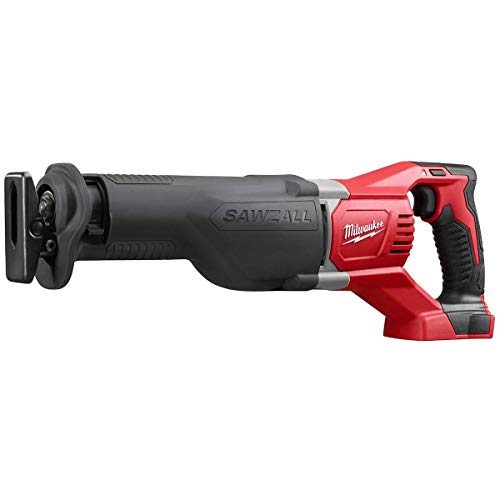
Milwaukee 2621-20 M18 Cordless Reciprocating Saw
Milwaukee's M18 reciprocating saw delivers 3,000 RPM cutting speed with a durable all-metal gearbox and quick-change blade system. Built for contractors and serious DIYers who value reliability and cross-platform battery compatibility.
Pros
- Quick-change Quik Lok blade clamp speeds up switching between applications
- All-metal gearbox construction protects internal components from drops and impacts
- Counter balance mechanism reduces vibration during heavy-duty cutting through thick lumber
- RedLink intelligence prevents overheating and optimizes battery communication for longer runtime
- M18 battery platform compatible with multiple Milwaukee battery models
Cons
- Bare tool only, requiring separate M18 battery and charger purchase
- 4.9 rating with no verified buyer reviews limits real-world performance validation
- 7.67 pounds may feel heavy for extended overhead cutting applications

DeWalt DCS369B 20V MAX Reciprocating Saw
A compact, lightweight cordless reciprocating saw built around one-handed operation and portability. The brushless motor and variable-speed trigger make it suitable for general cutting tasks, though it's tool-only and lacks the runtime details needed to assess job-site endurance.
Pros
- Compact 12.5-inch depth makes it maneuverable in tight spaces
- 37% lighter than the DCS367 model, reducing user fatigue
- Brushless motor delivers consistent performance
- Tool-free blade release speeds up blade swaps
- Pivoting shoe increases stability and contact points
Cons
- Tool-only format means you must purchase battery and charger separately
- No battery runtime or amp-hour specs provided to evaluate work duration
- Zero verified reviews available to confirm real-world reliability

DEWALT DCS382B 20V Cordless Reciprocating Saw
A compact cordless reciprocating saw built around a brushless motor and variable-speed trigger for controlled cutting through multiple materials. Best suited for users already invested in the DEWALT 20V ecosystem who need a lightweight, maneuverable saw for general demolition and remodeling work.
Pros
- Brushless motor delivers consistent cutting power with good efficiency
- Compact and lightweight design enables high range of motion in tight spaces
- Variable-speed trigger gives operator control over cutting pace
- Keyless twist-style blade clamp speeds up blade swaps without tools
- Pivoting shoe stabilizes the saw during cuts and reduces vibration transfer
- Onboard LED illuminates dark work areas
Cons
- Batteries and charger sold separately, adding to initial cost
- No customer reviews available to verify real-world performance and durability claims
- Weight specification appears incomplete or may reflect data error (0.000625 lbs is implausibly light)

RYOBI PCL515B 18V Cordless Reciprocating Saw
A compact 18V reciprocating saw from RYOBI's ONE+ battery ecosystem, delivering variable speed up to 3,400 SPM for general cutting tasks. Designed as a tool-only model, it suits users already invested in the RYOBI platform who need a lightweight alternative to corded saws.
Pros
- Variable speed lets you adjust performance for different materials
- Part of established RYOBI ONE+ system with wide accessory support
- Lightweight and compact design reduces user fatigue on extended cuts
- 1-inch stroke provides adequate reach for most household and light commercial applications
Cons
- Battery and charger sold separately, adding to total cost
- No verified customer reviews available to assess real-world reliability
- 18V power may be limited for heavy-duty demolition or thick material cutting

BLACK+DECKER BDCR20C 20V Cordless Reciprocating Saw
A lightweight cordless reciprocating saw built for DIY users and homeowners tackling cutting tasks without the hassle of gas or cords. Tool-free blade changes and variable speed control make it practical for general-purpose cutting, though it's positioned as an entry-level option rather than a heavy-duty professional tool.
Pros
- Tool-free blade change system for quick bit swaps
- Variable speed trigger allows users to adjust cutting pace for different materials
- Pivoting shoe improves stability and control during cuts
- Cordless design eliminates cord management and gas refueling
- Compact and lightweight at 4.5 pounds for extended handheld use
Cons
- No customer reviews available to verify real-world performance and battery life claims
- Limited to 20V power, which may struggle with heavy-duty or extended cutting tasks
- International product labeling and documentation may vary from local versions
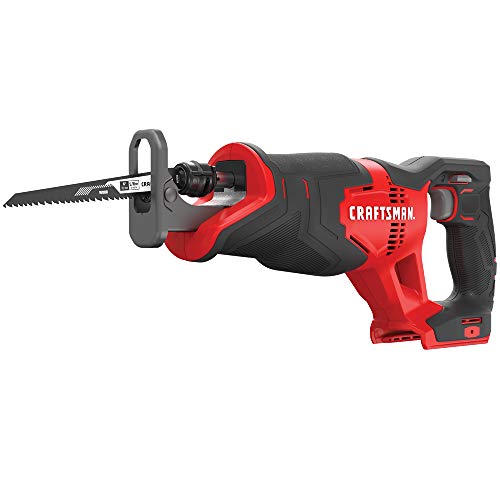
Craftsman V20 Reciprocating Saw (CMCS300B)
A compact cordless reciprocating saw built around Craftsman's V20 battery ecosystem, delivering 3,000 RPM variable speed and tool-free blade changes. Best suited for DIYers and contractors who already own V20 batteries and value portability in confined spaces.
Pros
- Variable speed trigger provides flexibility across different cutting materials and applications
- Compact length enables access to confined spaces where larger saws can't reach
- Tool-free blade change system speeds up workflow without needing separate keys or tools
- Integrates into existing V20 platform, eliminating need for proprietary batteries if you own other V20 tools
- Lightweight at 4.4 pounds reduces user fatigue during overhead or extended cutting
Cons
- Bare tool only, requiring separate purchase of V20 battery and charger adds upfront cost
- No verified buyer reviews available to assess real-world durability and performance consistency
- 1-inch stroke length not specified as competitive advantage, potentially limiting cutting depth versus larger models

SOARFLY 21V Cordless Reciprocating Saw, 3500 SPM
A cordless reciprocating saw with a brushless motor delivering 3500 strokes per minute, designed for cutting wood, metal, and plastic with minimal noise. Comes with two 4.0Ah batteries, eight blades, and a full accessory kit, making it practical for DIY and professional use.
Pros
- High cutting speed at 3500 SPM handles multiple materials efficiently
- Dual battery system with quick charging supports extended work sessions
- Eight replacement blades and full accessory set provide immediate utility
- Compact, portable design suits overhead work and tight spaces
- Versatile cutting depth specifications cover common renovation and piping tasks
Cons
- No verified buyer reviews yet to assess real-world durability and performance
- Battery runtime of 60 minutes may require frequent recharging on larger projects
- Noise reduction claim lacks independent verification or decibel ratings
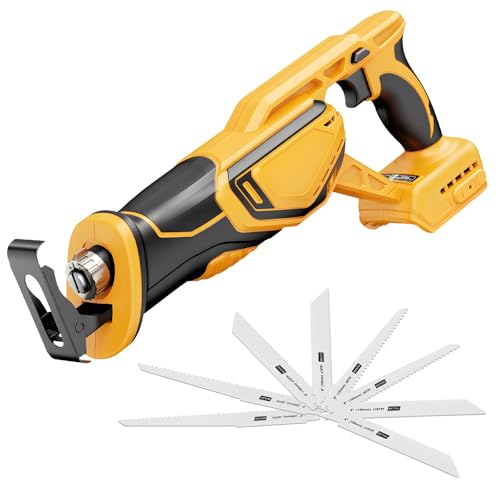
SINGTIP Cordless Reciprocating Saw 3500 SPM
A brushless cordless reciprocating saw that works with DeWalt 20V MAX batteries, delivering up to 3,500 strokes per minute with variable speed control. Includes 8 cutting blades for wood, metal, and PVC, making it practical for DIY demolition and precision cutting tasks.
Pros
- Cordless design eliminates tangled cords and enhances portability
- Brushless motor requires minimal maintenance and delivers consistent power
- Comes with 8 blades covering wood, metal, and plastic cutting needs
- Variable speed trigger adapts to different materials and cutting requirements
- Multi-layer safety features including lock button and thermal protection
Cons
- Battery sold separately; requires separate DeWalt 20V MAX purchase
- No verified buyer reviews available to assess real-world durability and performance
- Limited stroke length at 28mm compared to some full-size reciprocating saws

EZUVITA 7 Amp Reciprocating Saw, 2800 SPM
A corded reciprocating saw with a 7-amp motor, 2800 SPM, and rotating handle designed for wood, metal, PVC, and pruning work. Comes bundled with six blades, a carry bag, and replacement brushes, making it a complete kit for renovation and demolition projects.
Pros
- Complete bundle includes six blades and carry bag, reducing additional purchase costs
- Rotating handle (180 degrees total) improves access to tight corners and overhead cuts
- Tool-free adjustable shoe helps maximize blade utility and reduce wear patterns
- Quick-change chuck eliminates need for additional tools during blade changes
Cons
- Corded design limits portability and requires proximity to power outlet
- No verified buyer reviews available to assess real-world durability or performance
- Relatively heavy and bulky compared to compact reciprocating saws

Muylux 20V Cordless Reciprocating Saw with 2 Batteries
A cordless reciprocating saw designed for DIY homeowners and occasional users, offering variable speed control up to 3500 SPM and tool-free blade changes. Comes with two batteries, a charger, and four cutting blades for wood, metal, and PVC work.
Pros
- Includes dual batteries and charger, reducing upfront cost for users without existing Muylux tools
- Tool-free blade change streamlines workflow between different cutting tasks
- Adjustable speed range accommodates both wood and harder materials like metal
- Cordless convenience eliminates cord management issues for smaller projects
Cons
- No verified buyer reviews available to assess real-world performance and durability claims
- Variable speed motor may lack the sustained power of corded saws for heavy-duty professional use
- Battery runtime and recharge time not specified in product data
Reciprocating Saws Buying Guide
Choosing the right reciprocating saw depends on more than just brand loyalty or price.
The factors below are the ones that actually determine whether a saw will handle your specific jobs well, stay comfortable over long sessions, and hold up to regular use.
Work through each section to build a clear picture of what matters most for your situation before committing to a purchase.
Corded vs. Cordless Power Source
The first decision is whether you need a corded or cordless design. Corded models like the EZUVITA 7 Amp unit deliver consistent power without worrying about runtime, which suits stationary workshop use or extended demolition sessions near an outlet.
The tradeoff is tethering yourself to a power source, which limits mobility on a job site or when working up on a ladder.
Cordless reciprocating saws have become the dominant category because lithium-ion batteries from established platforms like DEWALT 20V MAX, Milwaukee M18, Makita 18V LXT, RYOBI ONE+, and CRAFTSMAN V20 now deliver serious runtime and power.
If you already own batteries from one of these ecosystems, buying a bare tool compatible with your existing platform is usually the smartest financial decision.
Models from DEWALT, Milwaukee, and Makita in this list all support bare-tool purchasing for exactly that reason.
For those starting from scratch, kits that bundle a battery and charger, such as the DEWALT DCS384WW1 XR POWERPACK, eliminate the extra shopping step and often provide better overall value than buying components separately.
Budget-oriented cordless saws from lesser-known brands like SOARFLY and Muylux include batteries and blades in the box, which lowers the barrier to entry significantly.
However, these proprietary battery ecosystems do not expand the way major platform tools do, so factor in long-term versatility when comparing total cost of ownership.
If you are building out a broader tool kit, investing in a recognized platform from the start pays dividends.
You might also find it useful to reference how we approach multi-tool research in our guide to 3D printers and other precision equipment, where platform compatibility plays a similarly important role in long-term value.
Motor Type: Brushed vs. Brushless
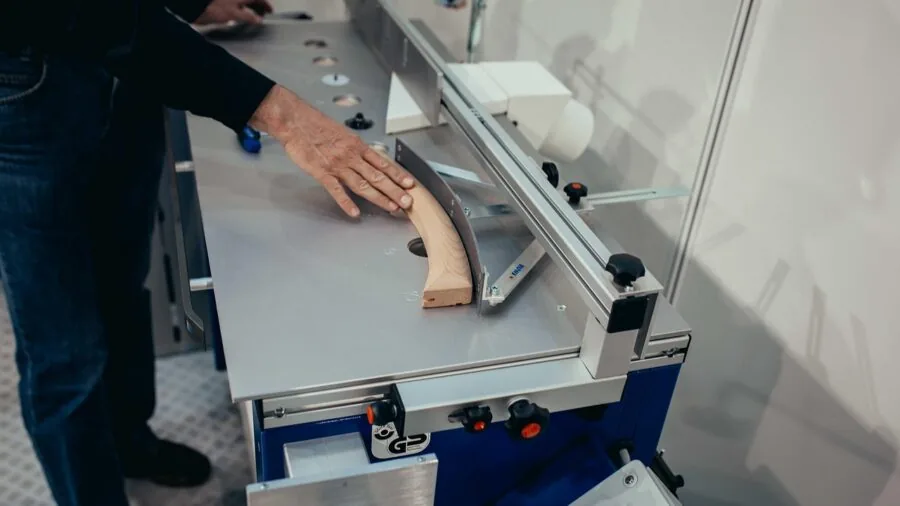
Brushless motors are meaningfully superior to brushed motors in reciprocating saws, and that gap matters in daily use.
A brushless motor, like the ones in the Makita XRJ05Z and the DEWALT DCS384WW1, adjusts power delivery electronically based on cutting resistance.
That means the saw runs cooler, draws less battery power during light cuts, and channels maximum torque only when the blade meets tough material.
The practical result is longer battery runtime and a motor that can last significantly longer before needing service.
Brushed motors, found in models like the Milwaukee 2621-20 M18 and many budget-tier options, are not a dealbreaker for occasional users. They are simpler, often cheaper to produce, and still cut effectively.
For a homeowner who reaches for a reciprocating saw a handful of times per year, a capable brushed model will serve well.
For contractors or serious DIYers who use the tool regularly, the efficiency and longevity gains from a brushless motor justify the higher price point.
When precision engineering matters in a tool purchase decision, it is often worth applying the same logic we use when evaluating caulking guns and other hardware tools where build quality directly affects job-site reliability.
Strokes Per Minute and Stroke Length
SPM (strokes per minute) tells you how fast the blade moves, and stroke length tells you how far it travels with each motion. Both numbers together determine cutting speed and aggression.
Most full-size cordless reciprocating saws in this lineup reach 3,000 to 3,500 SPM, with stroke lengths ranging from 1 inch to 1-1/8 inches. Higher SPM allows faster cuts through soft materials like wood and PVC.
More stroke length moves more material out of the cut per cycle, which helps with thick stock or metal.
Variable speed triggers are a critical feature. Being able to ramp from slow and controlled to full speed gives you precision at the start of a cut and maximum aggression once you are established in the material.
Every model on our list includes a variable speed trigger, but the quality of the trigger feel and the range of speed control varies between entry-level and professional-grade saws.
The DEWALT ATOMIC DCS369B one-handed model is specifically engineered for tight-space cutting where you need precise speed management, while the RYOBI PCL515B prioritizes raw SPM at its price tier.
Blade Clamp and Blade Compatibility
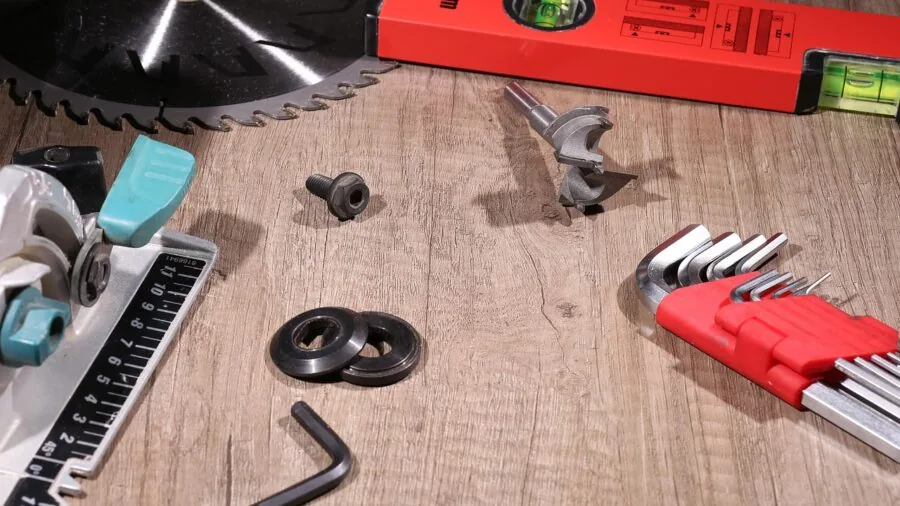
A tool-free blade clamp is a standard expectation on any reciprocating saw above the entry-level tier, and for good reason.
When you are switching from a wood-cutting blade to a metal-cutting blade mid-project, fumbling for a wrench costs time and disrupts workflow.
Milwaukee’s Quik-Lok system, found on the M18 2621-20, is widely regarded by professional users as one of the fastest and most secure blade changes on the market.
DEWALT’s keyless clamp system on the DCS382B and DCS369B is similarly reliable.
All reciprocating saws use the universal shank standard, meaning blades from any major brand will fit any saw on this list. That universality is useful because blade selection matters as much as saw selection.
Use a bi-metal blade for general wood and occasional nail cutting, a dedicated metal-cutting blade for pipe and conduit, and a carbide-grit blade for tile or fiberglass.
Budget saws like the SOARFLY and Muylux models often include starter blade assortments in the box, which is a genuine convenience for buyers who do not already have a blade collection.
Size, Weight, and Ergonomics

Full-size reciprocating saws are typically heavier, with more powerful motors and larger battery housings, which is appropriate for sustained cutting through dense materials.
If your work involves overhead cuts, working in confined spaces like inside wall cavities, or extended use where arm fatigue accumulates, a compact or one-handed model becomes significantly more appealing.
The DEWALT ATOMIC DCS369B is the clearest example of this category on our list, designed specifically for one-handed use in tight quarters.
Grip design and vibration damping also differ meaningfully between price tiers. Professional-grade saws from Milwaukee and Makita incorporate anti-vibration systems and ergonomic rubber over-molding that reduce fatigue during long cuts.
Budget models may lack these refinements, which becomes noticeable after extended use. If you are planning to use the saw heavily, holding the actual tool in your hand at a hardware store before buying is worth the trip.
If purchasing online, pay particular attention to verified buyer reviews that mention vibration and comfort over time. Similar ergonomic considerations apply when we assess trail cameras and other gear meant for extended hands-on use in demanding environments.
Orbital Action and Pivoting Shoe
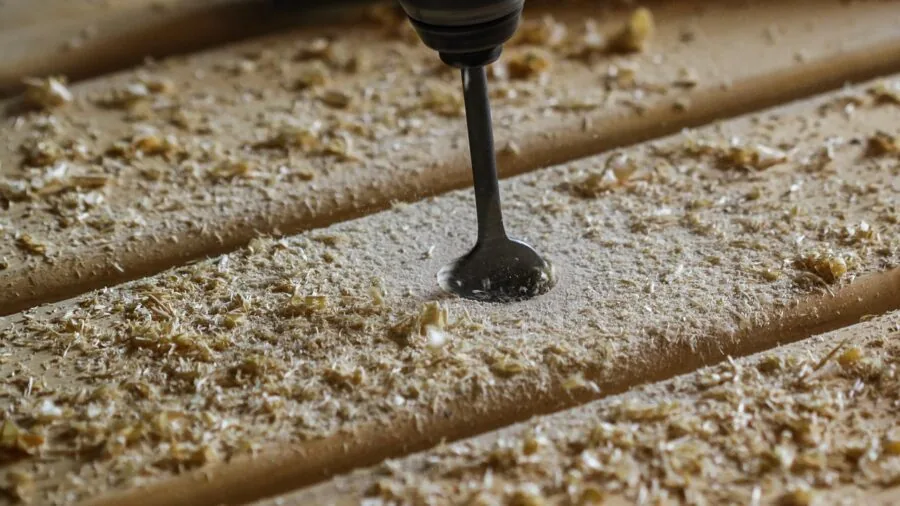
Orbital action adds a slight elliptical motion to the blade’s stroke, which aggressively clears sawdust and debris from the cut.
This speeds up cuts through wood dramatically, though it is generally disabled when cutting metal, where a straight reciprocating stroke produces cleaner results.
Not all saws in this list include orbital action, so if fast wood demolition is a primary use case, check whether your target model includes that feature before purchasing.
A pivoting or adjustable shoe lets you extend or retract the foot of the saw against the workpiece, which controls how much blade is exposed and helps you keep stable contact during the cut.
Some models, like the EZUVITA corded saw, feature a 180-degree rotating handle that adds positioning flexibility on top of the standard shoe adjustment. For general use, a sturdy adjustable shoe is sufficient.
For precision applications or awkward-angle cuts, the additional flexibility of a rotating handle can be genuinely useful.
Matching the tool’s mechanical features to your actual workflow, rather than just the spec sheet, is a principle we apply consistently across every category we cover, from santoku knives and kitchen tools to power equipment like this.
Why You Should Trust Us
ProductFind is an independent review publication. We do not sell products, fulfill orders, or have any relationship with retailers or manufacturers beyond the affiliate arrangements disclosed below.
Every recommendation on this page is the result of our own research process, not advertising spend or brand relationships.
Each reciprocating saw in this roundup was evaluated against a consistent set of criteria: motor technology, SPM and stroke length, blade clamp quality, battery platform compatibility, ergonomics, and overall value relative to competing models at the same price tier.
We do not conduct our own product trials; our evaluations are grounded in research, published data, expert review consensus, and verified buyer feedback.
Every product receives a PF Score on a 0 to 10 scale, which reflects how well it performs across all criteria relative to the field. A score in the 8.0 to 10 range indicates a standout product with few meaningful weaknesses.
A score in the 7.0 to 7.9 range indicates a solid performer with specific tradeoffs worth knowing. Scores below 7.0 indicate products that serve a niche or budget purpose but have limitations that buyers should understand before purchasing.
ProductFind participates in affiliate programs, including Amazon Associates. If you purchase a product through a link on this page, we may receive a commission at no additional cost to you.
Affiliate relationships have no influence on product selection, PF Score assignments, or editorial rankings. Products are ranked by research-driven merit, period.
This same standard of independence applies across every category we cover, whether we are reviewing motorcycle helmets or precision tools like reciprocating saws.
Final Thoughts
After evaluating the full field of reciprocating saws across power, efficiency, ergonomics, and value, a few models stand out clearly for different buyers. Here are our editorial picks by use case, each linked directly to the product’s purchase page for easy reference:
- Best Overall: DEWALT 20V MAX XR Cordless Reciprocating Saw Kit (DCS384WW1) earns the top spot with the highest PF Score in this roundup. It bundles a brushless XR motor, a battery, and a charger into a single package, delivering professional-grade cutting performance and runtime without requiring any additional purchases. It is the most complete out-of-the-box solution for serious users.
- Best Brushless Bare Tool: Makita XRJ05Z 18V LXT Brushless Recipro Saw is the top choice for anyone already invested in the Makita LXT platform. Its brushless motor delivers exceptional efficiency and longevity, and its build quality reflects Makita’s professional-tool heritage. Buyers who already own Makita batteries will find this an outstanding investment.
- Best for Professional Jobsite Use: Milwaukee 2621-20 M18 Sawzall remains a trusted workhorse for contractors who rely on the M18 ecosystem. Its all-metal gearbox and Quik-Lok blade clamp are built to withstand heavy daily use in demanding conditions. Milwaukee’s reputation for jobsite durability is well-documented across verified professional user communities.
- Best One-Handed Compact Model: DEWALT ATOMIC 20V MAX One-Handed Reciprocating Saw (DCS369B) is purpose-built for tight spaces, overhead applications, and situations where a full-size saw is simply impractical. Its compact form factor and one-handed design make it uniquely useful rather than just a smaller version of the same tool.
- Best Budget Pick: RYOBI ONE+ 18V Cordless Reciprocating Saw (PCL515B) offers the best combination of capability and affordability in this roundup. At a budget-friendly price point and compatible with RYOBI’s extensive ONE+ battery platform, it gives homeowners and light-duty DIYers a capable tool without overcommitting financially.
If you are still building out your workshop, pairing a capable reciprocating saw with other reliable hardware tools makes your setup more versatile.
Precision work often calls for a sharp, well-maintained cutting edge regardless of the material, and having the right supporting tools on hand separates efficient workspaces from frustrating ones.
Whatever your application, the picks in this roundup cover the full range from weekend DIY to daily professional use, and each one has earned its place through consistent, merit-based research.
Frequently Asked Questions
What is a reciprocating saw best used for?
Reciprocating saws excel at demolition work, rough cutting, and any application where precision is less important than speed and aggression. Common uses include cutting through wall framing, plumbing pipe, conduit, tree limbs, nails embedded in lumber, drywall, and PVC.
They are sometimes called Sawzalls after Milwaukee’s trademarked name for its reciprocating saw line. The tool is not well-suited to fine finish work, where a circular saw, jigsaw, or miter saw would produce cleaner results.
Should I buy a brushed or brushless reciprocating saw?
For occasional home use, a brushed model is often sufficient and comes at a lower price.
For regular or professional use, a brushless motor is worth the premium because it runs cooler, extends battery runtime, and lasts longer before needing maintenance.
If you are investing in a major battery platform like DEWALT 20V MAX or Makita 18V LXT, choosing a brushless saw future-proofs your investment. The efficiency gains compound over time, especially if you use the saw frequently on demanding material.
Can I use any reciprocating saw blade in any reciprocating saw?
Yes. The reciprocating saw industry uses a universal shank standard, meaning virtually every blade from every major manufacturer, including DEWALT, Milwaukee, Makita, Diablo, and Bosch, will fit any reciprocating saw on this list.
That interoperability is a significant advantage because it means you can build a single blade collection that works across multiple saws.
Choose blades based on the material you are cutting: bi-metal for wood with nails, high-speed steel for clean wood cuts, carbide-tipped for hardwood and fiber cement, and fine-tooth metal-cutting blades for pipe and conduit.
How do I reduce vibration and fatigue when using a reciprocating saw?
Use the pivoting shoe firmly against the workpiece whenever possible, which transfers cutting energy into the material rather than back into your arm.
Professional-grade saws from Milwaukee and Makita include built-in anti-vibration systems that reduce transmitted vibration noticeably compared to budget tools. Keeping blades sharp is equally important since a dull blade forces the motor to work harder and causes more vibration.
For extended sessions, consider a saw with rubberized grip over-molding and take short breaks between cuts.
Applying the same attention to ergonomics that you would when selecting outdoor seating or any other equipment meant for long-duration use will help you work more comfortably and safely over time.
Is a corded or cordless reciprocating saw better for heavy demolition work?
Corded models deliver unlimited runtime and consistent power, which suits sustained heavy demolition near a power source.
However, modern brushless cordless saws from professional platforms like DEWALT XR and Milwaukee M18 have closed the performance gap dramatically, and many contractors now work entirely cordless even on demanding sites.
The practical consideration is often site access: if you are demoing a structure far from outlets or working on multiple floors, cordless freedom outweighs the marginal power advantage of a corded tool.
For workshop use or stationary applications, a corded model remains a perfectly rational choice and typically costs less for a given power output.
Much like choosing between wired and wireless peripherals, as explored in our coverage of wireless mice, the right answer depends on your specific workflow rather than a universal rule.
Are budget reciprocating saws from brands like SOARFLY or Muylux worth buying?
Budget saws from less-established brands can be a reasonable choice for light, infrequent use when the primary goal is cost minimization.
The SOARFLY 21V brushless model and the Muylux 20V unit both include batteries and blades in the box, which provides immediate out-of-the-box utility.
The tradeoffs include proprietary battery ecosystems that do not expand to other tools, less rigorous quality control relative to professional-grade tools, and limited long-term support.
Verified buyer feedback on these models reflects satisfaction for occasional home projects but concerns about durability under sustained use.
If reciprocating saws are going to be a regular part of your work, investing in a recognized platform delivers better long-term value.
About the author
Lydia is a reviewer and writer for ProductFind who specializes in Power Tools. Lydia evaluates products through independent research: specifications, expert review consensus, and verified buyer feedback, and rates each one on the PF Score. Lydia focuses on helping readers pick the right power tool for their needs and budget.