The 11 Best Ski Jackets
Waterproofing, warmth, and fit matter most when choosing a ski jacket. Our research across Helly Hansen, The North Face, Spyder, and Oakley helps you find the right match for your skiing style and budget.
 By Vickie Foster
Updated July 23, 2026
By Vickie Foster
Updated July 23, 2026
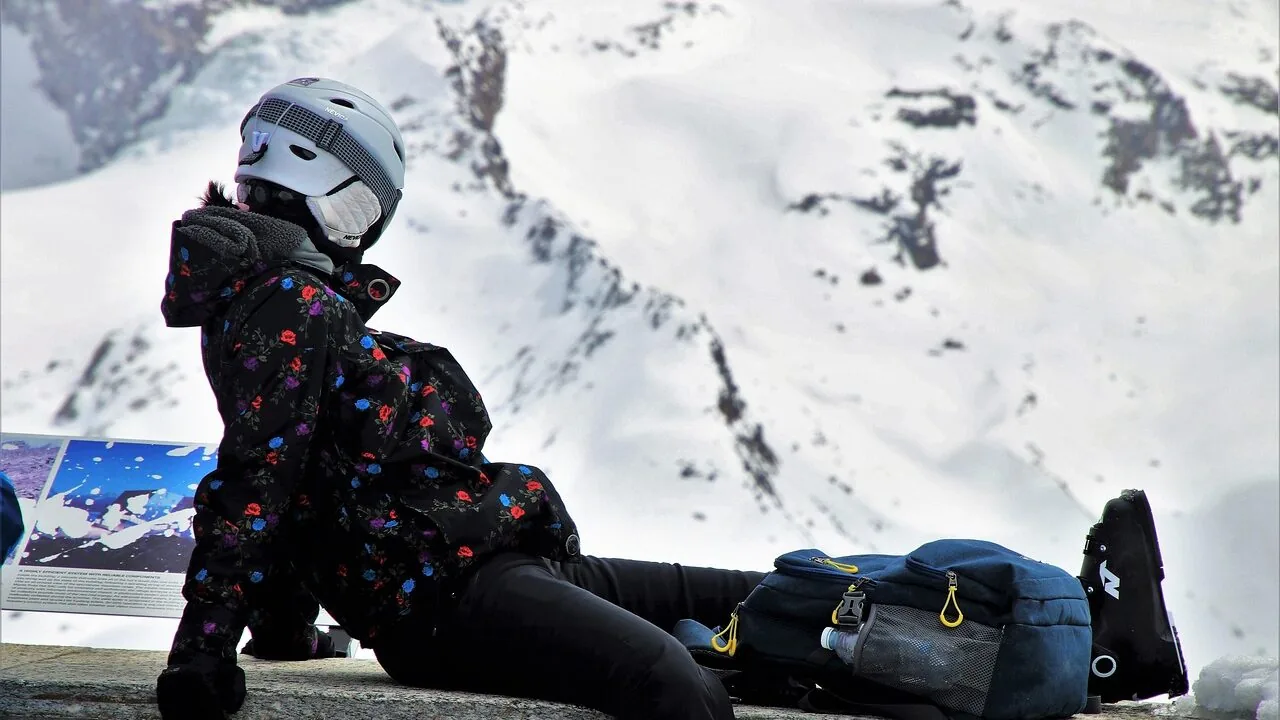
A great ski jacket is one of the most important pieces of gear you can own on the mountain.
Whether you’re carving groomed runs on a bluebird day or grinding through a wet, wind-driven storm at elevation, your outerwear is the first and last line of defense between you and the elements.
The market is packed with options spanning insulated resort jackets, waterproof shells, and versatile 3-in-1 systems, each built for a different type of skier and a different set of conditions.
Choosing the wrong one means either sweating through spring corn or shivering on a chairlift when temperatures drop.
At ProductFind, we cut through the noise by synthesizing manufacturer specifications, published performance data, expert review consensus from seasoned ski writers, and verified buyer feedback from thousands of real-world skiers.
Our research spans options from brands including Helly Hansen, The North Face, Spyder, and Oakley, covering price points from budget-friendly to premium technical outerwear. Every jacket in this guide has been scored on our 0 to 10 PF Score.
Read on for our top picks and the buying guide that will help you match the right jacket to your skiing style.
| Award | Product | PF Score About PF ScoreThe PF Score is our own rating from 0 to 10, based on performance, design and build, ease of use, and value. It reflects independent research and is never influenced by manufacturers, retailers, or affiliate commissions. Learn more › | Price | |
|---|---|---|---|---|
| Best Overall |
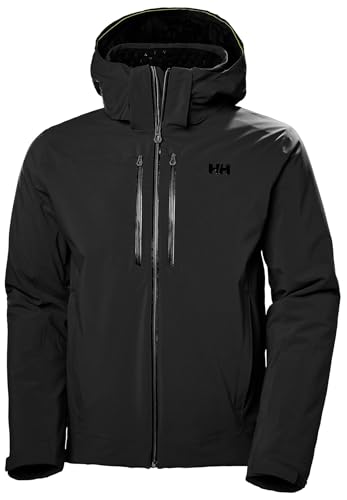 Helly Hansen Alpha LIFALOFT Insulated Ski Jacket
|
8.8/10 | Buy | |
| Editor's Pick |
 Helly Hansen Alpha 4.0 Ski Jacket
|
8.7/10 | Buy | |
| Best Value |
 Helly Hansen Garibaldi 2.0 Insulated Ski Jacket
|
8.5/10 | Buy | |
| Top Rated |
 The North Face ThermoBall Snow Triclimate Jacket
|
8.2/10 | Buy | |
 The North Face Freedom Insulated Jacket
|
7.9/10 | Buy | ||
 Spyder Vertex Insulated Ski Jacket, Aether Blue
|
7.6/10 | Buy | ||
 Spyder Leader Insulated Jacket, Black
|
7.5/10 | Buy | ||
 Helly Hansen Lifaloft Insulator Ski Jacket
|
7.2/10 | Buy | ||
 Oakley Core Divisional RC Insulated Jacket
|
6.8/10 | Buy | ||
 Oakley TNP TBT Insulated Jacket
|
6.5/10 | Buy | ||
 MOERDENG Women's Waterproof Ski Jacket
|
6.1/10 | Buy |
Helly Hansen Alpha LIFALOFT Insulated Ski Jacket
A purpose-built ski jacket combining LIFALOFT insulation with practical features like RECCO Rescue System integration and ski pass pocket access. Best suited for serious winter sports enthusiasts and outdoor professionals seeking reliable cold-weather protection.
Pros
- RECCO Rescue System adds genuine safety value for backcountry and slope users
- Practical design with ski pass pocket and LIFE POCKET+ charging capability
- Water-resistant construction handles typical winter weather exposure
- Detachable hood provides flexible protection options
Cons
- No verified buyer reviews available to assess real-world durability and fit consistency
- Water-resistant (not fully waterproof) limits performance in heavy or prolonged precipitation
- Premium positioning suggests higher price point compared to general winter jackets
Helly Hansen Alpha 4.0 Ski Jacket
A performance ski jacket built for variable mountain conditions with fully seam-sealed HELLY TECH construction, H2FLOW ventilation, and PrimaLoft Aerogel insulation. Designed for resort skiing through backcountry touring, with practical features like RECCO safety integration and helmet-compatible hood.
Pros
- Comprehensive weather protection with 4-layer construction and DWR treatment suitable for unpredictable conditions
- Advanced insulation using PrimaLoft Aerogel, including recycled ocean plastic material
- Practical design elements including fold-away hi-vis brim, brushed hand pocket linings, and ski pass pocket
- RECCO avalanche transceiver compatibility for backcountry safety
- Regular fit accommodates layering without excess bulk
Cons
- No customer reviews available to validate real-world performance and durability claims
- Premium positioning may not suit budget-conscious skiers
- Regular fit may feel restrictive for some body types despite accommodation for midlayers
Helly Hansen Garibaldi 2.0 Insulated Ski Jacket
Helly Hansen's Garibaldi 2.0 combines fully waterproof protection with insulated warmth and breathable ventilation for serious skiers and winter sports enthusiasts. The jacket features reinforced seams and adjustable fit, though it arrives with no verified buyer feedback to validate real-world durability claims.
Pros
- Fully waterproof design keeps you dry in heavy snow and rain
- Advanced insulation maintains warmth without excessive bulk
- Breathable ventilation prevents sweat accumulation during active use
- Adjustable fit adapts to different body types and layering needs
- Reinforced seams built for frequent skiing and alpine conditions
Cons
- No verified customer reviews available to assess long-term durability or fit accuracy
- Specifications lack details on insulation type, fill weight, or temperature rating
- Limited color options shown (718 Sepia only in listing)
The North Face ThermoBall Snow Triclimate Jacket
A 3-in-1 ski jacket designed for variable mountain conditions, combining a waterproof DryVent shell with a removable insulated liner for customizable warmth. Built with 75% recycled materials and packed with functional details like helmet-compatible hood, powder skirt, and goggle wipe.
Pros
- Genuine 3-in-1 versatility adapts to temperature swings without buying multiple jackets
- High recycled content meets sustainability standards without compromise on performance
- Thoughtful snow-specific features: goggle wipe, powder skirt, internal hem cinch-cord, packable design
- Modular layering system compatible with other North Face pieces for extended flexibility
- Seam-sealed waterproof shell with breathable lining
Cons
- No verified buyer reviews available to assess real-world durability and fit consistency
- 3-in-1 complexity means more bulk when packing the full system versus single-jacket alternatives
- Premium price positioning typical for technical ski outerwear may limit appeal to casual snow users
The North Face Freedom Insulated Jacket
A waterproof ski jacket built for variable mountain conditions with a helmet-compatible hood, powder skirt, and synthetic insulation rated for wet cold. Best suited for intermediate to advanced skiers and snowboarders who prioritize functional design over minimalist aesthetics.
Pros
- DryVent 2L waterproof shell with non-PFC DWR keeps moisture out in heavy snow
- Powder skirt with gripper elastic and underarm vents add practical snow management and temperature control
- Thoughtful pocket layout includes goggle wipe, ticket loop, and internal mesh storage for ski essentials
- Helmet-compatible hood and standard fit accommodate layering without excess bulk
- 80g synthetic insulation balances warmth and packability in wet conditions
Cons
- No verified buyer reviews available to assess real-world durability or fit consistency
- Synthetic insulation may not match down performance in very dry, extreme cold environments
- Standard fit may feel restrictive for users seeking a roomier silhouette
Spyder Vertex Insulated Ski Jacket, Aether Blue
Spyder's Vertex combines recycled polyester construction with EXO THERMO insulation (100g body, 80g sleeves) for serious cold-weather skiing. The helmet-compatible hood and PFAS-free treatment appeal to environmentally conscious skiers seeking a mid-range alpine jacket.
Pros
- EXO SHIELD 10K laminate provides solid waterproofing and stretch for mobility
- Layered insulation strategy (100g/80g/60g) balances warmth and packability
- YKK AquaGuard zippers resist water penetration at critical points
- PFAS-free construction meets modern environmental standards
- Helmet-compatible hood with adjustable opening for custom fit
Cons
- No verified customer reviews available to assess real-world durability or fit consistency
- Recycled polyester may require more frequent DWR reapplication than premium synthetic alternatives
- Weight specification (1.2 lbs) not typical descriptor for ski jackets, limiting comparison context
Spyder Leader Insulated Jacket, Black
A recycled polyester ski jacket built with 30K waterproofing, PrimaLoft Black ECO insulation, and comprehensive ventilation features for serious snow days. Best suited for riders who prioritize eco-conscious materials and helmet-compatible hood design.
Pros
- PFAS-free construction with 100% recycled polyester outer shell aligns with sustainable gear priorities
- Comprehensive ventilation system including underarm zippers and mesh padding for temperature control
- Helmet-compatible removable hood with adjustable opening adds versatility
- Multiple specialized pockets including goggle pocket and data card pocket for organized carry
- Sealed seams and 30K waterproofing paired with DWR treatment for reliable weather protection
Cons
- No verified buyer reviews available to assess real-world durability or fit consistency
- 4.6 star rating lacks review volume to validate performance claims in varied conditions
- Removable powder skirt and hood are additional components to manage and potentially lose
Helly Hansen Lifaloft Insulator Ski Jacket
Helly Hansen's Lifaloft jacket combines Primaloft insulation with a quilted design to deliver warmth without bulk, making it suitable for winter sports and cold-weather activities. The PFC-free water-repellent coating and windproof front placket provide practical weather protection for skiers and outdoor enthusiasts.
Pros
- Lightweight insulation via Lifaloft technology reduces bulk while maintaining warmth
- PFC-free DWR treatment offers water resistance without harsh chemicals
- Quilted construction keeps insulating fibers stable and prevents shifting
- Windproof inner front zipper placket blocks cold air effectively
- Zippered handwarmer pockets provide secure storage for essentials
Cons
- No verified buyer reviews available to confirm real-world durability and fit consistency
- Limited information on how water-repellent coating performs after multiple washes
- Lacks detail on temperature rating or warmth level comparison to other insulated jackets
Oakley Core Divisional RC Insulated Jacket
Oakley's insulated jacket combines practical storage with heat retention through critically taped seams, making it suitable for outdoor activities in variable weather. Multiple pocket options including RFID pass pocket cater to modern traveler and sports enthusiast needs.
Pros
- Critically taped seams for enhanced heat retention and comfort
- Multiple storage solutions with both Velcro and zip chest pockets
- RFID pass pocket for secure device and card storage
- Lightweight at 2.1 pounds for easy packing and layering
- Recognized Oakley brand with established quality standards
Cons
- No verified buyer reviews available to assess real-world durability and fit accuracy
- Limited color options with only New Dark Brush colorway mentioned in available data
- No information on material composition or care instructions provided
Oakley TNP TBT Insulated Jacket
A waterproof insulated jacket built with FNDry10K laminate and O Protect DWR treatment for reliable weather resistance. Best suited for outdoor enthusiasts seeking a lightweight, packable layer without premium pricing.
Pros
- FNDry10K laminate provides waterproof protection
- O Protect DWR treatment adds water-repellent durability
- Full zip design with interior flap for easy ventilation
- Waterproof zip chest pocket keeps essentials dry
- Available in classic Black/Bright Blue colorway
Cons
- No verified customer reviews available to assess real-world performance
- Limited information on insulation type or warmth rating
- No details on weight, packability, or breathability specifications
MOERDENG Women's Waterproof Ski Jacket
A waterproof, windproof winter jacket designed for skiing, snowboarding, and cold-weather sports. Features adjustable cuffs, fluff lining, and quick-dry material for reliable performance in snow and rain.
Pros
- Waterproof coating combined with windproof soft shell provides solid weather protection
- Adjustable cuffs help trap warmth and seal out drafts
- Quick-dry material aids moisture management during active use
- Relaxed fit accommodates layering for variable conditions
Cons
- No verified buyer reviews available to confirm real-world durability or fit accuracy
- Limited color options (only Denim Blue noted in specs)
- Soft shell lining may not provide insulation comparable to down or synthetic fill in extreme cold
Ski Jackets Buying Guide
Shopping for ski outerwear involves a set of trade-offs that go far beyond price. Warmth, weatherproofing, fit, ventilation, and packability all pull in different directions depending on how and where you ski.
The sections below break down the most important criteria so you can make a confident decision.
If you are also putting together a full layering system, pairing your jacket with the right moisture-wicking base layers makes a measurable difference in on-mountain comfort.
Waterproofing and Seam Sealing
Waterproofing is typically expressed as a hydrostatic head rating, measured in millimeters. A rating of 10,000 mm is considered the entry point for meaningful ski use; serious all-mountain and backcountry riders should look for 20,000 mm or higher.
Most quality ski jackets use a durable water repellent (DWR) finish on the outer fabric, which causes water to bead and roll off rather than saturate the shell.
DWR degrades over time and can be refreshed at home, but the underlying waterproof membrane is what matters most for extended exposure in heavy snow or rain.
Seam sealing is equally critical. Fully taped seams prevent moisture from wicking through needle holes in the stitching, while critically taped seams protect only the highest-stress areas. For resort skiing in moderate conditions, critically taped seams are usually adequate.
If you ski long hours in variable weather or spend time in the backcountry, fully taped construction is worth the added cost.
Jackets like the Helly Hansen Alpha models in this guide offer robust waterproofing paired with precise seam construction that holds up through sustained storms.
Insulation Type and Warmth
Ski jackets fall into two broad thermal categories: insulated and shell.
Insulated jackets combine a waterproof outer layer with a built-in fill, either down or synthetic, and are the most convenient choice for cold-weather resort skiers who want one garment to manage everything.
Down insulation delivers exceptional warmth-to-weight ratio but loses effectiveness when wet; synthetic fills like Helly Hansen’s proprietary LIFALOFT fiber retain warmth even in damp conditions, which matters on the hill.
The North Face uses synthetic fill across their ThermoBall and Freedom lines precisely for this reliability in variable mountain weather.
Shell jackets offer no insulation of their own; instead, they rely on a mid-layer system underneath.
This approach gives you far more flexibility to regulate temperature through the day, making shells the preferred choice for high-output skiers, backcountry travelers, and anyone who runs warm.
A 3-in-1 design like The North Face ThermoBall Snow Triclimate bridges both worlds by pairing a waterproof outer shell with a removable insulated liner that can also be worn standalone.
If warmth management during aerobic activity is a priority, layering your jacket over quality athletic base layers gives you the most control.
Fit, Range of Motion, and Layering Room
Ski jackets are cut differently from everyday outerwear. Look for articulated patterning through the shoulders and elbows, which allows you to reach and plant poles without the jacket riding up or restricting your upper body.
A slightly longer back hem protects your lower back when you’re bent in an athletic stance, and underarm gussets contribute to unrestricted lateral movement.
If you plan to wear a fleece mid-layer or a thick insulating piece underneath, size up rather than buying to a bare-chest measurement.
Powder skirts, also called snow skirts, are an interior cinch-band that creates a seal between your jacket and pants to block snow from entering if you take a fall or ski through deep powder.
Not every jacket has one, but it’s a worthwhile feature for off-piste skiing or anywhere snow conditions are deep.
Helmets have also changed how hoods fit; look for a helmet-compatible hood with volume adjustment so it seats cleanly over your helmet without gaps or excess flapping at speed.
Ventilation and Breathability

Breathability, often expressed as a moisture-vapor transmission rate (MVTR), determines how efficiently a jacket moves perspiration away from your body during high-output skiing.
A jacket with low breathability will trap heat and moisture, leaving you clammy inside even when the exterior is perfectly dry.
Pit zips, the underarm ventilation zippers found on technical ski jackets, let you dump heat rapidly on warm spring days or on uphill touring segments without fully removing your jacket.
For resort skiers who stay mostly on groomed runs, a breathability rating of 10,000 to 15,000 g/m² over 24 hours is typically adequate. More aggressive skiers, those doing long mogul runs or skinning in the backcountry, benefit from ratings above 20,000 g/m².
Spyder’s Vertex and Leader jackets are designed with breathability in mind for active resort skiers who don’t want to overheat during sustained runs, while still offering meaningful wind and water resistance when conditions deteriorate.
Pockets and Features
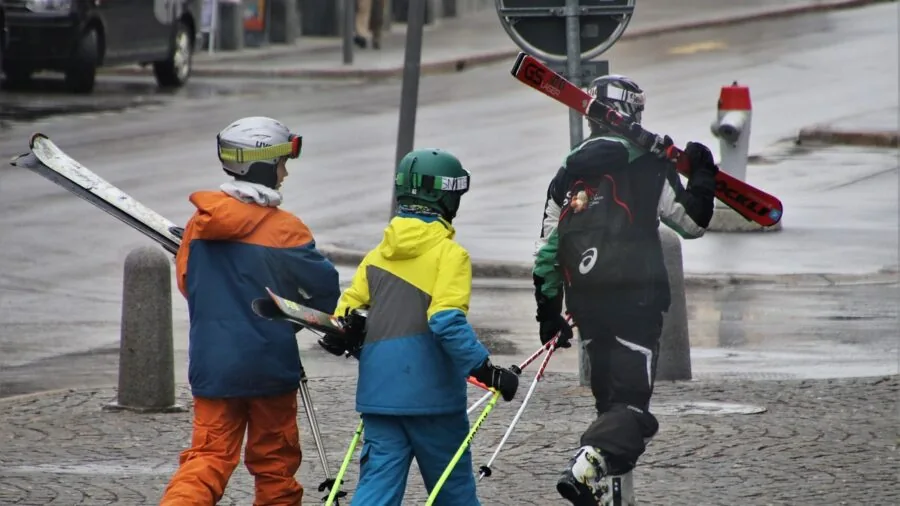
Pocket placement on a ski jacket is thoughtful engineering, not an afterthought. Hand warmer pockets should sit above the waist so they remain accessible when you’re wearing a hip-belt pack or a harness.
Chest pockets with waterproof zippers are ideal for storing goggles, a phone, or a lift ticket.
Internal media pockets with cable routing, goggle wipe cloths sewn into a pocket, and ski-pass windows on a sleeve are all features that distinguish purpose-built ski outerwear from general outdoor jackets re-purposed for the hill.
Wrist gaiters and cuffs matter more than most buyers realize. An inner tricot cuff or velcro-adjustable outer cuff seals out snow and cold air at your wrist gap.
Jacket-to-pant interface systems, where jacket hem loops clip to compatible pants, help keep the snow out during falls. These small details collectively determine whether a jacket feels like it was designed for skiing or adapted from a general outdoor shell.
Helly Hansen’s Garibaldi and Alpha lines integrate several of these ski-specific details at a premium price point that reflects their mountain-focused development.
Budget vs. Premium: Where to Draw the Line
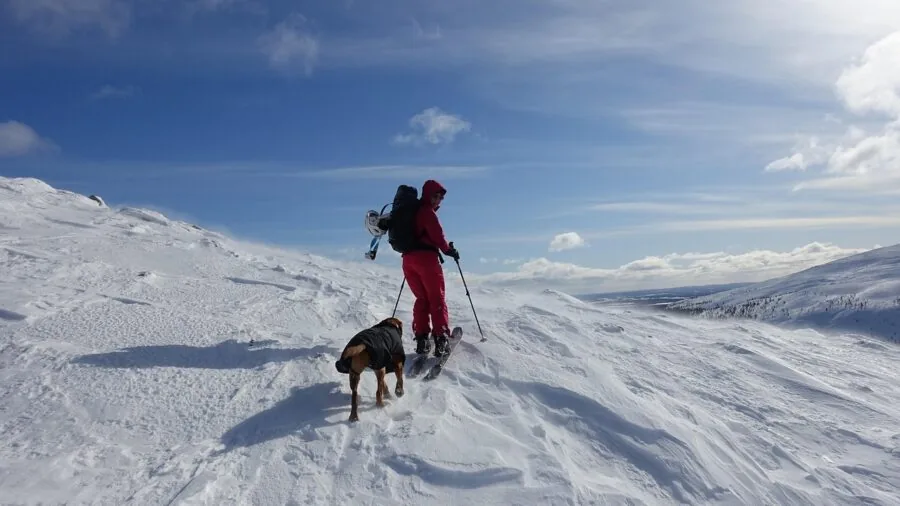
At the budget end of the ski jacket market, you can find functional waterproofing and basic insulation without spending heavily.
Options like the MOERDENG Women’s Waterproof Ski Jacket prove that entry-level pricing doesn’t have to mean zero protection; it does, however, mean trade-offs in durability, breathability, and feature set.
A budget jacket is perfectly reasonable for occasional skiers who hit the mountain a handful of times each season in mild conditions.
Mid-range and premium jackets from Helly Hansen, The North Face, Spyder, and Oakley justify their higher prices through superior membrane technology, construction quality, longer useful lifespan, and features refined by years of athlete feedback.
If you ski more than ten days a season or regularly encounter demanding weather, the cost-per-use math generally favors a premium jacket that will perform and last.
For those building out a complete winter wardrobe, women’s puffer jackets offer a useful complement for apres-ski or travel days when you want warmth without the full ski-specific feature set.
Why You Should Trust Us
ProductFind is an independent review publication. We do not conduct our own product trials; our evaluations are grounded in research, published data, expert review consensus, and verified buyer feedback.
Every ski jacket in this guide was assessed against a consistent set of criteria covering waterproofing performance, insulation type, fit and layering compatibility, ventilation, feature set, and long-term durability reputation.
Each jacket received a PF Score on a 0 to 10 scale based on how well it performs across those criteria relative to comparable options at a similar price point.
Our research draws on manufacturer-published specifications, technical documentation from fabric and membrane suppliers, and aggregate feedback from verified purchasers who have used these jackets across multiple ski seasons.
We cross-reference performance claims against the broader expert review consensus from experienced outdoor journalists and professional ski instructors who have written about these products in depth.
No brand pays for placement in our rankings, and no jacket earns a higher PF Score because of affiliate relationship.
ProductFind may receive a commission when you purchase through a link in this guide, but that relationship has no bearing on which jackets appear, their order, or their scores.
Our only goal is to help you find the jacket that is genuinely right for your skiing.
Final Thoughts
The ski jacket market in 2026 covers an impressive range of price points, technologies, and intended use cases. After scoring every option in this guide on our PF Score scale, a few clear standouts emerge across different buyer profiles.
- Best Overall: Helly Hansen Alpha LIFALOFT Insulated Ski Jacket earns the top spot with the highest PF Score in the group. Its combination of LIFALOFT synthetic insulation, robust waterproofing, and ski-specific feature execution makes it the most well-rounded jacket in this entire roundup for serious resort skiers.
- Best Premium Upgrade: Helly Hansen Alpha 4.0 Jacket is the natural step up for skiers who want the latest generation of the Alpha platform, with a PF Score that reflects its refined weatherproofing and modern fit.
- Best High-End Technical Option: Helly Hansen Men’s Garibaldi 2.0 Insulated Ski Jacket stands out for skiers who prioritize mountain-specific construction details and are prepared to invest in a jacket built to last multiple seasons of hard use.
- Best Versatile 3-in-1 System: The North Face Men’s ThermoBall Snow Triclimate Jacket is the strongest pick for skiers who travel frequently or need one jacket that adapts from cold resort mornings to warmer spring conditions, earning one of the higher PF Scores in the guide.
- Best Budget Pick: MOERDENG Women’s Waterproof Ski Jacket is the most accessible entry point in this guide for occasional skiers who need functional protection without a significant outlay. Its PF Score reflects honest performance expectations for its price tier.
No single jacket is right for every skier. The best approach is to match your pick to how many days you ski per season, what weather you typically encounter, and whether you run warm or cold on the mountain.
Any of the picks above represent a well-researched starting point for making that decision confidently.
For skiers who also train or travel, rounding out your active wardrobe with quality men’s gym shorts and women’s workout tops ensures you’re equipped from the gym to the gondola.
Frequently Asked Questions
What is the difference between a ski jacket and a regular winter jacket?
Ski jackets are engineered specifically for the demands of skiing: high activity output, exposure to wind-driven snow, and repeated falls. They feature higher waterproof ratings, better breathability, articulated patterning for athletic movement, powder skirts, helmet-compatible hoods, and strategically placed pockets.
A regular winter jacket is built for everyday urban use and will typically fall short in wet or sustained mountain conditions, both in protection and in the fit details that matter when you’re moving aggressively.
Should I choose an insulated jacket or a shell for skiing?
The right answer depends on your skiing intensity and how much you feel the cold. Insulated jackets are simpler and warmer out of the box, making them ideal for resort skiers in cold climates who want convenience.
Shell jackets paired with a mid-layer give you far greater temperature regulation across changing conditions, which is why they’re preferred by aggressive skiers, backcountry travelers, and anyone who heats up quickly.
A 3-in-1 system like the North Face ThermoBall Triclimate is a practical middle ground for those who want both options without buying two separate jackets.
How important is the waterproof rating on a ski jacket?
Waterproof ratings matter significantly on the mountain because snow, especially wet spring snow or rain-on-snow conditions, can saturate a poorly rated jacket in a short period. A minimum of 10,000 mm hydrostatic head is a reasonable floor for ski-specific use.
For skiers who regularly encounter storms or plan to ski in the Pacific Northwest, the Pacific ranges of Canada, or similar wet climates, a rating of 20,000 mm or above will deliver noticeably better long-term protection.
Seam sealing and DWR maintenance are equally important; a high-rated membrane with failed DWR will feel wet even if it is technically waterproof underneath.
How should a ski jacket fit?
A ski jacket should allow a full range of motion without feeling loose or baggy enough to catch wind.
You should be able to raise both arms overhead, reach forward in a ski tuck, and crouch without the jacket pulling up and exposing your lower back. If you plan to layer a mid-layer underneath, account for that when sizing.
A helmet-compatible hood should fit snugly over your helmet without leaving a gap at the back of your neck, and cuffs should seal at the wrist when wearing gloves.
When in doubt between two sizes, sizing up is safer for skiing than sizing down.
How do I care for and maintain a ski jacket over time?
Most ski jackets should be washed with a technical outerwear cleaner rather than standard detergent, which can clog the membrane and degrade DWR. After washing, tumble dry on low heat, as heat reactivates the DWR treatment.
You can also reapply DWR spray or wash-in treatment when you notice water no longer beading cleanly off the surface.
Store your jacket uncompressed in a cool, dry place between seasons; hanging it is better than folding it into a stuff sack long-term.
Inspect zippers and seams annually and address any delamination or zipper wear early to extend the jacket’s useful life considerably.
Are premium ski jackets worth the investment compared to budget options?
For frequent skiers, the answer is generally yes. Premium jackets from brands like Helly Hansen, The North Face, and Spyder use superior membranes, better construction, and more durable hardware that hold up over many seasons of hard use.
The cost-per-use on a premium jacket that lasts five to eight seasons can actually be lower than replacing a budget jacket every two to three years.
For casual skiers who get on the mountain only a few times a season in benign conditions, a well-chosen mid-range option delivers very good value without the full investment of a top-tier technical jacket.
It’s a similar logic to investing in durable work boots versus cheaper alternatives: quality pays off through longevity when the product sees serious use.
About the author
Vickie is a reviewer and writer for ProductFind who specializes in Winter Sports. Vickie evaluates products through independent research: specifications, expert review consensus, and verified buyer feedback, and rates each one on the PF Score. Vickie focuses on helping readers pick the right winter sport for their needs and budget.