The 12 Best Men’s Work Boots
Work boots can make or break a long shift. We researched top-rated options from Wolverine, Timberland PRO, Irish Setter, and Carhartt to match your job site, safety requirements, and budget.
 By Daryl Knight
Updated July 23, 2026
By Daryl Knight
Updated July 23, 2026

Finding the right pair of men’s work boots is one of the most important gear decisions a worker can make.
The wrong boot doesn’t just cause blisters; it contributes to knee strain, back pain, and fatigue that compounds across a ten-hour shift.
Whether you’re on a construction site, working a warehouse floor, or spending long days outdoors in unpredictable conditions, the right pair of work boots balances protection, comfort, and durability in a way that genuinely makes your job easier.
Options from Wolverine, Timberland PRO, Irish Setter, Carhartt, and BRUNT each take a different approach to that balance, and sorting through the specs and tradeoffs takes real time.
At ProductFind, we analyzed specifications, expert review consensus, and verified buyer feedback across dozens of models to narrow the field down to the picks below. Every selection reflects consistent evaluation criteria, not sponsored placement.
If you’re also looking for footwear for off-duty hours, our guides to walking shoes for men and running shoes for men cover those needs in detail. Scroll down to see our top-ranked men’s work boots, ordered by PF Score.

Wolverine Floorhand Waterproof 6" Work Boot
A full-grain leather work boot designed for industrial settings, offering waterproof protection and all-day cushioning. Best suited for construction workers and trade professionals who need reliable traction and weather resistance.
Pros
- Full-grain waterproof leather keeps feet dry in wet job site conditions
- Rubber outsole provides dependable grip on slippery surfaces
- Cushioned footbed supports comfort during long shifts
- Established Wolverine brand reputation for work boot durability
Cons
- No customer reviews available yet to validate real-world performance claims
- Limited detail on break-in period or specific comfort features beyond basic cushioning
- No information on insulation rating or cold weather performance

Timberland PRO Boondock 6-Inch Composite Safety Toe Work Boot
Heavy-duty industrial boot built for construction and electrical hazard environments, combining lightweight composite safety protection with waterproof construction and anti-fatigue cushioning. Best suited for workers needing reliable all-weather traction and impact protection on job sites.
Pros
- Composite toe is lighter than steel while meeting full safety standards
- Waterproof protection plus electrical hazard certification covers multiple job site hazards
- TPU outsole formula maintains grip in wet, frosted, oily, and abrasive conditions
- Anti-fatigue geometry designed for all-day standing and walking comfort
- Meets multiple ASTM safety standards for comprehensive workplace protection
Cons
- No verified buyer reviews available yet to assess real-world durability and comfort consistency
- Premium industrial boot positioning suggests higher price point than basic work boots
- Limited size availability shown (only size 10.5 in listing), may affect selection

Timberland PRO Keele Ridge Steel Toe Waterproof Hiker
Heavy-duty industrial hiker built for construction and electrical work sites, featuring steel safety toe protection, waterproof membrane, and heat-resistant rubber outsole. Incorporates recycled materials without compromising on ASTM-certified safety standards.
Pros
- Comprehensive safety certifications cover impact, compression, and electrical hazard protection in one boot
- Waterproof construction keeps feet dry in wet industrial conditions
- Slip and oil-resistant outsole performs well on construction sites and factory floors
- Sustainable design using recycled materials aligns with eco-conscious workplace standards
Cons
- No verified buyer reviews available yet to validate real-world comfort and longevity claims
- Weight of 1.6 pounds per boot may feel heavy for extended shifts compared to lighter alternatives
- Steel toe adds bulk, which some workers find restrictive initially

Irish Setter Marshall 11" Waterproof Steel Toe Work Boot
A rugged pull-on work boot built for industrial environments, the Marshall combines waterproof full-grain leather with steel safety toe protection and ASTM-certified hazard resistance. The Goodyear Welt construction and RPM composite sole deliver durability and comfort for all-day wear on job sites.
Pros
- Comprehensive safety certifications meet multiple ASTM standards for diverse hazard protection
- Waterproof design with Goodyear Welt construction prevents water intrusion and adds durability
- RPM technology balances protection with reduced weight for all-day comfort
- Resoleable sole extends product lifespan and value
- Pull-on design offers convenience without lace adjustments
Cons
- No verified buyer reviews available to confirm real-world durability and fit consistency
- Steel safety toe adds weight compared to non-safety alternatives
- Limited color options beyond brown for workplace aesthetic preferences

Carhartt 6-Inch Rugged Flex Composite Toe Boot
A work boot built for safety-critical jobs, featuring a composite safety toe rated to ASTM F2413-24 standards and electrical hazard protection up to 18,000 volts. FastDry lining and cushioned insoles target all-day comfort in industrial environments.
Pros
- Dual safety certifications (composite toe + electrical hazard protection) cover multiple job site hazards
- FastDry lining and cushioned insoles address practical comfort needs for 8+ hour workdays
- Oil and chemical resistance provides protection beyond typical safety boots
- Carhartt's reputation for rugged construction suggests long-term durability
Cons
- No verified buyer reviews available to assess real-world fit, break-in comfort, or long-term durability claims
- Composite toe may not suit workers in extreme compression environments where steel toe is mandated
- Weight of 4.4 pounds per boot is moderately heavy for extended standing or walking jobs

New Balance Cremorne Composite Toe Work Shoes
A mid-cut safety shoe combining athletic comfort with workplace protection through composite toe technology and Fresh Foam cushioning. Designed for workers who need reliable hazard protection without sacrificing all-day wearability.
Pros
- Meets multiple ASTM safety certifications including electrical hazard protection
- Fresh Foam technology provides exceptional cushioning for extended wear
- TSA-friendly design eliminates hassle for commuting workers
- Slip-resistant sole engineered to workplace safety standards
Cons
- No verified user reviews available to assess real-world durability and fit consistency
- Limited color options listed (Black/Grey only)
- Composite toe may feel bulkier than steel alternatives for some users

BRUNT Marin Soft Toe 6" Work Boot
An unlined, breathable work boot designed for warm environments and indoor use, featuring a heat-resistant outsole rated to 572°F and an adjustable width system for custom fit. Built with US leather and triple-layer cushioned insoles, though it carries no verified buyer reviews yet.
Pros
- Heat-resistant sole up to 572°F exceeds typical work boot standards
- Adjustable width system offers flexibility without buying multiple pairs
- Triple-layer insole construction balances cushioning with breathability
- Comprehensive ASTM certifications for slip, oil, and chemical resistance
- Reinforced stress-point stitching suggests durability in demanding work
Cons
- No verified customer reviews available to validate real-world performance claims
- Unlined design, while breathable, provides less insulation for cooler conditions
- 4.8-pound weight per boot may feel heavier than some competitors
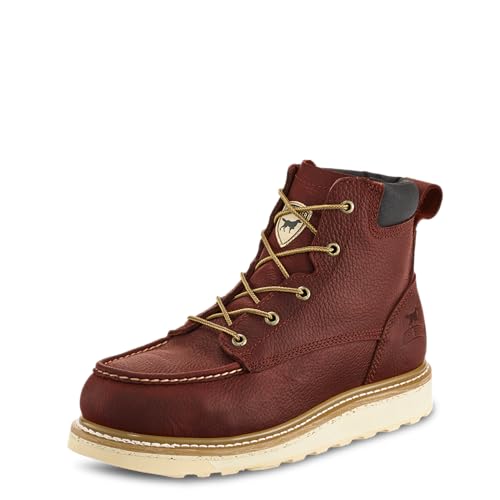
Irish Setter Ashby 6" Aluminum Safety Toe Work Boot
Built for industrial work with full grain leather and aluminum safety toe protection, this boot meets multiple ASTM safety standards including heat and electrical hazard resistance. The Goodyear Welt construction and resoleable sole offer durability for long-term use on job sites.
Pros
- Comprehensive safety certifications for heat, slip, impact, and electrical hazards
- Resoleable construction extends boot lifespan and reduces replacement costs
- Heat resistant sole suitable for high-temperature work environments
- Full grain leather construction provides durability and longevity
- Goodyear Welt design prevents water intrusion
Cons
- No verified customer reviews available to assess real-world comfort and durability claims
- Limited information on break-in period or fit guidance for different foot types
- Aluminum toe may add weight compared to composite alternatives
Irish Setter Ashby 6" Soft Toe Work Boot
A safety-certified work boot built for industrial environments, featuring oiled full grain leather, heat-resistant soles rated to 475°F, and Goodyear Welt construction for resoling. Best suited for workers in construction, manufacturing, or other hazardous worksites who need ASTM-compliant protection.
Pros
- Comprehensive safety certifications make it suitable for regulated industrial worksites
- Heat-resistant sole handles high-temperature surfaces without compromising integrity
- Resoleable Goodyear Welt design extends boot life and reduces replacement costs
- Full grain leather construction provides durability and natural aging characteristics
- Removable footbed allows customization for individual comfort preferences
Cons
- No verified customer reviews available to assess real-world comfort or durability claims
- Soft toe design offers less impact protection than steel or composite toe alternatives
- Limited information on break-in period or initial fit adjustment needed

Columbia Newton Ridge Plus II Waterproof Hiking Boot
Columbia's Newton Ridge Plus II combines waterproof full-grain leather with a lightweight midsole and OMNI-GRIP traction system designed for multi-terrain hiking. Built for hikers who prioritize weather protection and grip on variable surfaces without sacrificing everyday wearability.
Pros
- Advanced traction rubber sole with OMNI-GRIP system engineered for diverse terrain types
- Full waterproof design with breathable mesh keeps feet dry and ventilated
- Dual-zone winter tread provides confident footing on slippery surfaces
- Lightweight construction reduces fatigue on extended hikes
- Durable mesh tongue enhances breathability during active use
Cons
- No verified buyer reviews available to assess real-world durability and fit consistency
- Weight specification listed appears incomplete or erroneous (0.0022 lbs is unrealistic for hiking boot)
- Black/Black colorway offers limited style versatility compared to contrasting alternatives

Skechers Cankton Steel Toe Work Shoe
A safety-certified work shoe combining steel toe protection with memory foam comfort and athletic styling. Designed for long shifts in workplace environments requiring electrical hazard protection.
Pros
- Meets official workplace safety standards for impact and compression
- Memory foam cushioning and roomy fit support all-day comfort
- Mesh panels improve breathability compared to solid leather work boots
- Flexible outsole and lace-up design offer better mobility than traditional steel-toe boots
- Electrical hazard rated for added workplace protection
Cons
- No verified customer reviews available to assess real-world durability or fit consistency
- Athletic styling may not meet dress code requirements for formal industrial settings
- Duraleather material durability in heavy-duty construction environments unconfirmed

Furuian Steel Toe Work Boots Pioneer Series
Unisex safety boots with ASTM F2413-18 certified steel toe protection and puncture-resistant multi-layer sole design. Built for workers needing reliable foot protection with slip-resistant grip and easy-to-clean suede upper.
Pros
- Meets European standard safety certification for work environments
- Multi-layer sole construction resists puncture injuries from sharp objects
- Slip-resistant design reduces accident risk on wet or uneven surfaces
- Suede and microfiber composite resists dirt buildup for easier maintenance
Cons
- No verified customer reviews available to assess real-world durability or comfort
- Weight of 3.35 pounds per boot may feel heavy for extended wear periods
- Limited color option (brown only) reduces style versatility
Men’s Work Boots Buying Guide
Buying a pair of work boots without understanding your job’s specific demands is a fast way to waste money.
The criteria below reflect the real decisions that separate a boot you’ll wear every day from one that sits in the corner of your truck.
Use this guide alongside the picks above to match the right boot to your actual worksite conditions.
Safety Toe Type: Steel, Composite, or Aluminum
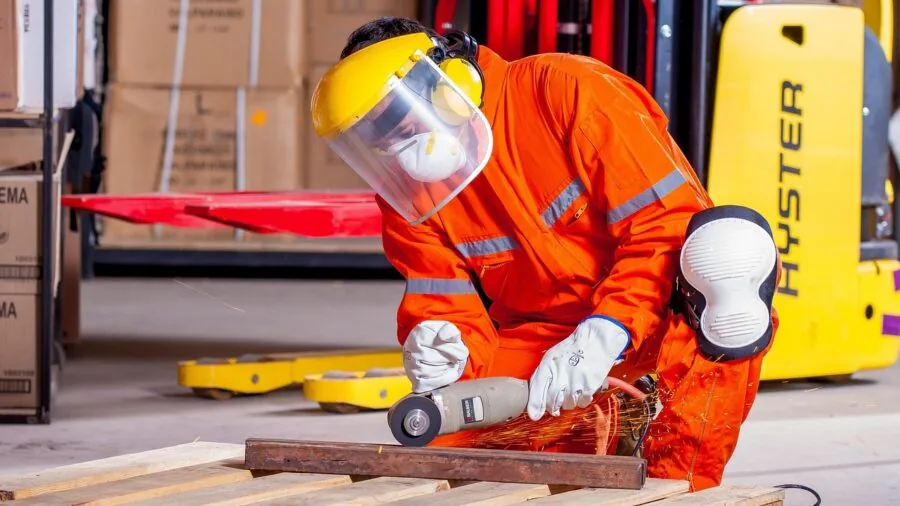
Safety toe protection is the first spec to get right, and the differences between materials matter in practice.
Steel toe caps offer the highest impact resistance and are the traditional standard for heavy industrial environments, but they add weight and conduct temperature, which means they get cold in winter and warm in summer.
If you work around electrical equipment, confirm the boot carries an EH (electrical hazard) rating in addition to the steel toe, since the toe cap alone does not provide electrical protection.
Composite toe caps, made from materials like carbon fiber, Kevlar, or thermoplastic, are lighter than steel and do not conduct temperature or electricity, making them a strong choice for workers who move around a lot or work in environments where metal detection is required.
Aluminum toe caps split the difference: lighter than steel but with a thinner profile, though they tend to be less widely available.
If your job site does not mandate a specific toe type, composite is often the most versatile daily choice for comfort without sacrificing meaningful protection.
For workers with no overhead impact hazards, soft toe work boots remain a legitimate option. They are significantly lighter, allow more natural foot movement, and are appropriate for environments where comfort and slip resistance matter more than crush protection.
Models like the BRUNT Marin Unlined illustrate how soft toe boots can still carry EH ratings and meaningful slip resistance for job sites where the risks are different from heavy construction.
Waterproofing and Weather Resistance

Waterproofing is not a luxury on most job sites. If you work outdoors regularly, in landscaping, construction, utilities, or agriculture, wet feet are not just uncomfortable but can lead to skin breakdown and contribute to slips.
Look for boots that specify a waterproof membrane (Gore-Tex or a proprietary equivalent) rather than just water-resistant leather, since the latter will eventually saturate in sustained wet conditions.
The Wolverine Floorhand Waterproof and the Irish Setter Marshall both use waterproof construction designed for sustained outdoor exposure. The Timberland PRO Boondock and Keele Ridge lines also emphasize waterproof performance with updated construction for 2026.
That said, waterproofing adds weight and can reduce breathability, so workers in hot or dry climates should weigh whether full waterproofing is worth the tradeoff. Water-resistant leather with quality seam sealing may be sufficient for occasional exposure.
Also consider the boot height in relation to your typical conditions.
A six-inch boot keeps most surface water and debris out for general outdoor work, while an eleven-inch pull-on like the Irish Setter Marshall provides substantially more coverage for workers standing in mud, snow, or shallow water regularly.
Height also affects ankle support, which matters on uneven terrain.
Outsole Construction and Slip Resistance
The outsole is the part of the boot that actually contacts the ground, and its design determines how well the boot performs on your specific surface.
For workers on oily or wet floors, a slip-resistant outsole rated to ASTM F2913 or marked SR on the label provides a meaningful baseline.
Oil-and-slip-resistant compounds, often used in industrial and food service settings, are different from the aggressive lug patterns more appropriate for outdoor terrain.
Lug depth and pattern determine traction on soft ground, gravel, and mud.
Deep, widely spaced lugs shed debris well and grip soft surfaces, while shallower tread suits hard floors and reduces fatigue on flat surfaces because the foot doesn’t rock from side to side.
Wedge soles, common on logger-style and some general work boots, are popular with workers who spend most of their day on flat hard surfaces because the continuous contact area distributes pressure more evenly across the foot.
Outsole material also affects heat resistance. Workers near hot surfaces, welding environments, or foundry floors should look for outsoles rated to withstand elevated temperatures, a specification often listed in the product’s safety compliance data.
Standard rubber compounds degrade rapidly under sustained heat exposure that specialized compounds handle without issue.
Upper Material and Construction Quality
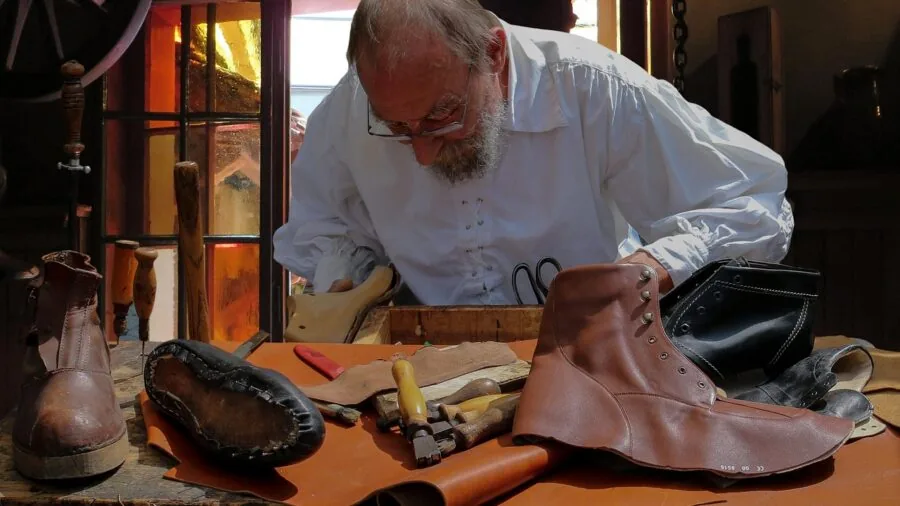
Full-grain leather remains the most durable upper material for heavy-duty work boots. It resists abrasion, develops a protective patina over time, and can be conditioned to maintain water resistance.
The tradeoff is break-in time: quality leather boots typically require several days of wear before they conform to the foot comfortably. Cheaper split-grain leathers save weight and cost but sacrifice long-term durability and water resistance.
Nubuck and oiled leathers, common across Irish Setter and Wolverine models, offer a middle ground with good abrasion resistance and a softer hand that speeds up the break-in process.
Some modern work boots incorporate nylon or synthetic panels for weight reduction, which is appropriate for lighter-duty use but generally not suited to environments with significant abrasion hazards.
BRUNT’s approach with the Marin Unlined uses water-resistant leather with an emphasis on immediate out-of-the-box comfort, which verified buyer feedback consistently confirms.
Welt construction, particularly Goodyear welt, means the upper, insole, and outsole are stitched together in a way that allows resoling when the outsole wears out.
This dramatically extends the usable life of a boot and is worth paying for if you wear boots heavily.
Cemented (glued) construction is lighter and initially more flexible but cannot be resoled, making it more appropriate for boots in the budget tier or for workers who replace boots frequently.
Fit, Comfort, and All-Day Wearability
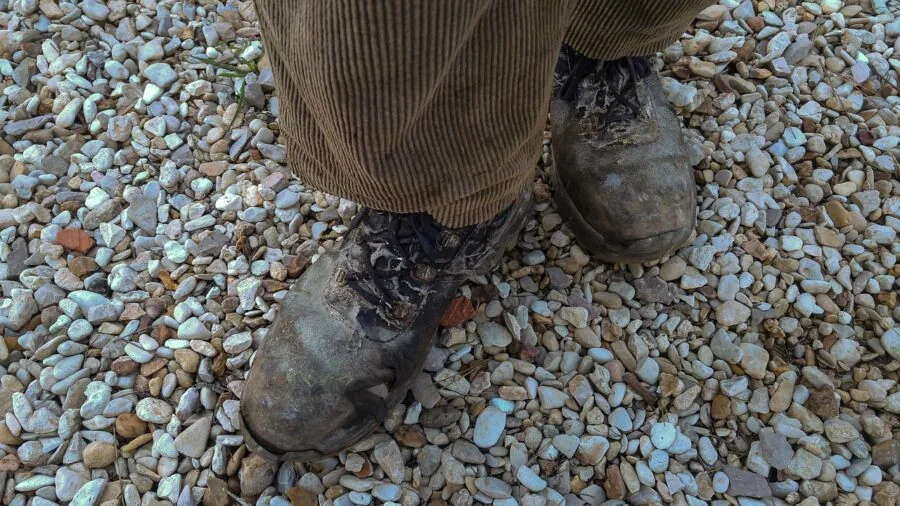
Comfort over a full shift is where many technically solid work boots fail in practice. Key factors include the quality of the footbed, the amount of arch support, and how the boot accommodates different foot shapes.
Memory foam footbeds, used in the Skechers Cankton, reduce initial fatigue but can compress over time and may not provide the structured support that workers with high arches or plantar fasciitis need.
Removable footbeds allow you to insert custom orthotics, which is a significant advantage for workers with specific support needs.
Width availability is undervalued in the work boot category. A boot that fits well in length but is too narrow will cause pressure points that worsen over a long day.
New Balance’s work-oriented footwear, including the Composite Toe Cremorne, applies the brand’s established fit philosophy to a safety boot context, addressing the wide-foot market that traditional work boot brands have historically underserved.
The BRUNT Marin also incorporates an adjustable width system that verified buyers highlight as a differentiator.
Weight matters more than many buyers anticipate. The difference between a heavy traditional steel toe boot and a lighter composite toe alternative accumulates significantly across a ten-hour shift.
Workers who cover a lot of ground or climb ladders and scaffolding regularly should weight-compare their options seriously.
Buyers transitioning from athletic footwear to safety boots for the first time often find the Carhartt Rugged Flex line or the New Balance Cremorne more manageable in this regard.
Safety Certifications and Compliance
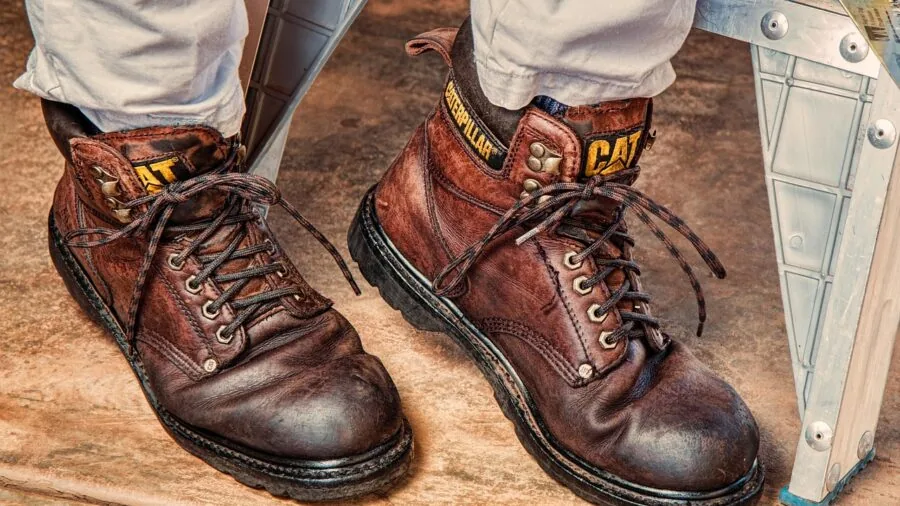
Work boots sold in the United States that claim safety ratings should reference ASTM International standards, specifically ASTM F2412 (evaluation methods for foot protection) and ASTM F2413 (performance requirements).
These cover impact resistance, compression resistance, metatarsal protection, puncture resistance, and electrical hazard ratings, among others.
Employers in regulated industries are often required to specify which protections workers must wear, so confirming your boot meets those standards before purchasing is essential.
EH (electrical hazard) ratings are relevant for electricians, utility workers, and anyone working near live circuits.
An EH-rated boot provides secondary protection against accidental contact with live electrical circuits under dry conditions but is not a substitute for insulated gloves or other primary protective equipment.
Several picks in this roundup, including the BRUNT Marin Unlined and the Skechers Cankton, carry EH ratings despite being positioned as lighter-duty options, which expands their applicable use cases.
Just as door locks need to meet security standards appropriate for their environment, work boots need certification that matches your actual job site hazards.
Why You Should Trust Us
ProductFind is an independent review publication. We do not sell the products we evaluate, and we have no financial relationship with any brand featured in this roundup.
Our editorial team researched and assessed each work boot in this guide by analyzing published specifications, synthesizing expert review consensus from multiple authoritative sources, and reviewing verified buyer feedback from confirmed purchasers across major retail platforms.
Every product in this article is assigned a PF Score on a scale of 0 to 10, reflecting consistent evaluation across categories including safety protection, construction quality, comfort, waterproofing, outsole performance, and value relative to price.
We do not conduct our own product trials; our evaluations are grounded in research, published data, expert review consensus, and verified buyer feedback.
This methodology allows us to assess a wider field of products than any single evaluator could physically wear, and it anchors every recommendation in patterns of real-world user experience rather than a single use case.
ProductFind may earn a commission if you purchase through a link in this article. That affiliate relationship does not influence which products we include, how we rank them, or what PF Score they receive.
Our rankings are determined entirely by research quality and the criteria described above.
Final Thoughts
The men’s work boot market spans a wide range of price points, use cases, and construction philosophies. After evaluating the full field, here is how our top picks break down by use case and overall merit:
- Best Overall: Wolverine Men’s Floorhand Waterproof 6″ Work Boot earns the top PF Score in this roundup with a combination of genuine waterproof protection, reliable construction, and versatile performance across a wide range of job site conditions, all at a price point that makes it accessible without compromise.
- Best for Composite Toe Protection: Timberland PRO Men’s Boondock 6 Inch Composite Safety Toe Waterproof Work Boot combines updated waterproof construction with a composite safety toe that passes ASTM standards while keeping weight down, making it the strongest all-around composite toe pick in this group.
- Best for Rugged Outdoor Terrain: Timberland PRO Men’s Keele Ridge Steel Safety Toe Waterproof Industrial Hiker Work Boot takes a trail-hiker approach to industrial safety footwear, with a lug outsole and waterproof upper that suit workers who cover uneven ground as part of a regular shift.
- Best for Extended Height and Coverage: Irish Setter Marshall Men’s 11″ Waterproof Steel Safety Toe Pull-On Work Boot stands apart with its taller shaft, waterproof construction, and pull-on convenience, a combination that verified buyers in agriculture, outdoor utility, and logging consistently recommend for demanding wet conditions.
- Best Budget Pick: Carhartt Men’s 6 Inch Rugged Flex Composite Toe Boot delivers composite toe protection and the brand’s reputation for jobsite durability at a budget-friendly price that makes it the strongest value option for buyers who need reliable safety footwear without a premium spend.
Whichever direction you go, prioritize the safety certifications your job requires first, then optimize for comfort and fit within that constraint.
A boot that meets your site’s safety requirements and fits well on day one is always a better investment than a premium model that doesn’t address your actual working conditions.
If you spend your off-hours on your feet as well, pairing your work boots with quality running shoes built for active recovery can reduce cumulative fatigue significantly.
Frequently Asked Questions
What is the difference between steel toe and composite toe work boots?
Steel toe caps offer maximum impact and compression resistance and are the traditional standard for heavy industrial environments.
Composite toe caps, made from materials like carbon fiber or thermoplastic, meet the same ASTM impact and compression standards as steel but are lighter, do not conduct temperature, and will not trigger metal detectors.
Steel toe boots are generally preferred for the heaviest-duty environments; composite toe boots suit workers who prioritize weight reduction or work in environments with metal detection requirements.
How important is an EH rating on a work boot?
An EH (electrical hazard) rating is critical for electricians, utility workers, and anyone whose job involves potential contact with live circuits under dry conditions.
An EH-rated boot provides secondary electrical insulation through the sole and heel, reducing the risk of completing a circuit through the body.
It is not a replacement for primary insulating equipment like rubber gloves, but it is a meaningful safety layer. If your employer or job site safety requirements specify EH-rated footwear, confirm your boot’s ASTM F2413 compliance before purchasing.
How long should a quality pair of work boots last?
With daily heavy use, a quality pair of work boots made with full-grain leather and durable outsoles typically lasts between one and three years, depending on the severity of the environment.
Goodyear-welted boots can be resoled when the outsole wears out, which significantly extends the usable life of the upper. Boots with cemented construction cannot be resoled and should be replaced when the outsole degrades.
Regular cleaning, conditioning the leather, and using boot-specific waterproofing treatments will extend service life for any construction type.
Can I wear work boots for walking or hiking off the job?
Many work boots, particularly hiking-inspired models like the Timberland PRO Keele Ridge, are comfortable enough for casual outdoor use.
However, purpose-built walking shoes for men are generally lighter, more flexible, and optimized for the biomechanics of walking rather than standing or working. Heavy-duty work boots worn recreationally can cause unnecessary foot fatigue on casual terrain.
If you need footwear that transitions between the job site and off-hours activity, lighter composite toe models or soft toe EH-rated boots strike the best balance.
Are expensive work boots worth it compared to budget options?
It depends on how often you wear them and how demanding your environment is.
For workers who wear boots five or more days a week in physically demanding conditions, a higher-priced boot with Goodyear welt construction, full-grain leather, and a quality footbed will typically outlast and outperform multiple budget replacements.
For workers with lighter-duty needs or those who rotate multiple pairs, a mid-range option like the Carhartt Rugged Flex Composite Toe provides strong value without the premium investment.
The worst outcome is buying the cheapest available option for a genuinely demanding job, since poor fit and inadequate protection compound into real costs over time.
How do I break in new work boots without foot pain?
Leather work boots typically require a break-in period of several days to a few weeks, depending on the leather stiffness and construction. Wearing thick wool or cushioned socks during the first few wears reduces friction and pressure points.
Some workers alternate new boots with an established pair during the break-in period rather than committing to a full shift in stiff new footwear immediately.
Conditioning the leather with an appropriate boot oil or conditioner before first wear can soften the upper slightly and speed up the process. Synthetic and modern composite materials generally require shorter break-in periods than traditional full-grain leather.
About the author
Daryl is a reviewer and writer for ProductFind who specializes in Shoes. Daryl evaluates products through independent research: specifications, expert review consensus, and verified buyer feedback, and rates each one on the PF Score. Daryl focuses on helping readers pick the right shoe for their needs and budget.