The 11 Best Water Filters
From pitcher filters to countertop RO systems, finding the right water filter means matching filtration tech to your actual water concerns. Here are the top picks across every category.
 By Vernon Jackson
Updated July 23, 2026
By Vernon Jackson
Updated July 23, 2026

Clean drinking water is one of the most fundamental needs in any household, yet tap water quality varies dramatically by region, source, and season.
Contaminants ranging from lead and chlorine to PFAS compounds and microplastics have driven millions of Americans to seek reliable home filtration solutions.
Whether you’re dealing with hard water, off-putting taste, or documented municipal water issues, the right water filter can meaningfully improve what comes out of your tap every day.
This guide covers the full spectrum of home water filtration, from affordable pitcher filters and faucet mounts to high-performance countertop reverse osmosis systems from brands including Philips, Waterdrop, Big Berkey, Brita, ZeroWater, PUR, and Bluevua.
ProductFind’s recommendations are built on comprehensive research: we analyze published specifications, synthesize expert review consensus, and weigh verified buyer feedback to give every product a PF Score on a 0 to 10 scale. Scroll down for our ranked top picks.
| Award | Product | PF Score About PF ScoreThe PF Score is our own rating from 0 to 10, based on performance, design and build, ease of use, and value. It reflects independent research and is never influenced by manufacturers, retailers, or affiliate commissions. Learn more › | Price | |
|---|---|---|---|---|
| Best Overall |
 Philips Countertop Reverse Osmosis Water Filter
|
8.6/10 | Buy | |
| Editor's Pick |
 Berkey Big Berkey 2.25-Gallon Gravity Water Filter
|
8.4/10 | Buy | |
| Best Value |
 Brita Elite 27-Cup Water Dispenser
|
8.2/10 | Buy | |
| Top Rated |
 Waterdrop G3P600 600 GPD Tankless RO System
|
8.1/10 | Buy | |
 Bluevua RO100ROPOT-UV 6-Stage Countertop RO Filter
|
7.9/10 | Buy | ||
 ZeroWater 10-Cup Water Filter Pitcher with TDS Meter
|
7.8/10 | Buy | ||
 DREO 3L Countertop RO Water Filter System
|
7.5/10 | Buy | ||
 Brita Elite Pitcher Filter Replacements, 2-Pack
|
7.2/10 | Buy | ||
 Glacier Fresh XWFE Refrigerator Water Filter with Chip
|
6.8/10 | Buy | ||
 PUR Plus Vertical Faucet Mount Filter
|
6.5/10 | Buy | ||
 Clearsource Whole Home Water Filter System
|
6.1/10 | Buy |
Philips Countertop Reverse Osmosis Water Filter
A plug-and-play countertop RO system with 5-stage filtration and Aquaporin technology that removes contaminants down to 0.0001 microns. Compact enough for kitchens, dorms, or RVs, though it produces water at 9 oz per minute, which is slower than standard tap but typical for countertop RO units.
Pros
- 5-stage filtration with Aquaporin technology effectively removes chlorine, lead, calcium, and reduces TDS by filtering particles as small as 0.0001 microns
- No installation required. Compact design (5x13x14 inches) works on any countertop, kitchen counter, dorm desk, RV, or office
- Independent certifications (NSF/ANSI/CAN 372, NSF/ANSI 58, SGS) provide third-party assurance on safety and water quality
- Integrated filter lasts up to 12 months with straightforward maintenance routine
- Comes complete with dispenser unit, replacement RO filter, glass bottle, and manual
Cons
- Water production rate of 9 oz per minute is slower than standard tap water, requiring patience for larger volumes
- No verified customer reviews available to assess real-world reliability and long-term performance
- Requires source water to be clear; cannot filter visibly cloudy or contaminated water sources
Berkey Big Berkey 2.25-Gallon Gravity Water Filter
A countertop gravity-fed system that filters water without electricity or installation. The included Black Berkey Elements claim to reduce over 250 contaminants and last up to 6,000 gallons per pair, making it practical for kitchens and offices seeking chemical-free filtration.
Pros
- Simple gravity design requires no electricity or installation, making it accessible for renters and those without plumbing access
- Filter elements are independently tested by accredited labs and rated for extended use before replacement
- Economical long-term cost, filtering water at pennies per gallon over thousands of gallons per element pair
- Authentic Black Berkey Elements are proprietary and designed to work together more effectively than generic carbon filters
Cons
- No customer reviews provided, limiting real-world performance insights and user experience feedback
- Filtration speed is slower than powered systems due to gravity-only operation, requiring patience for larger quantities
- Requires regular filter replacement monitoring and timely reordering to maintain contaminant reduction effectiveness
Brita Elite 27-Cup Water Dispenser
A large-capacity countertop filter that reduces 99% of lead and 30+ contaminants using Advanced Carbon Core Technology, certified to NSF/ANSI standards. Best for households seeking to cut plastic waste and lower filter replacement costs with a 6-month filter lifespan.
Pros
- WQA NSF/ANSI certified, reducing lead, microplastics, chlorine, pharmaceuticals, and pesticides
- Extended 6-month filter life reduces replacement frequency and overall cost
- Large 27-cup capacity minimizes refilling for families and works in fridge or countertop
- Eliminates chlorine taste and odor from tap water
- Significant plastic waste reduction equivalent to 1,800 single-use bottles yearly
Cons
- No verified customer reviews available to assess real-world durability or filter performance consistency
- Large footprint may be impractical for small kitchens or apartments despite space-efficient design claims
- Contaminant reduction depends on local water quality, substances reduced may not be present in all users' water
Waterdrop G3P600 600 GPD Tankless RO System
A compact reverse osmosis system that delivers 600 gallons daily without requiring under-sink storage, making it practical for kitchens with limited cabinet space. NSF-certified filtration addresses common contaminants including PFAS, chromium, and fluoride, with a smart display faucet that monitors water quality and filter life.
Pros
- Substantial space savings with sleek tankless design ideal for compact kitchens
- Efficient water usage at 2:1 waste-to-pure ratio minimizes environmental impact
- Multiple NSF certifications and third-party SGS testing provide credibility on contaminant reduction
- Smart faucet display with real-time TDS monitoring and filter tracking removes guesswork
- Quick water flow and simple maintenance support everyday convenience
Cons
- Requires under-sink electrical outlet, limiting placement flexibility
- No customer reviews available to assess real-world reliability and longevity
- Cabinet dimensions must be verified beforehand (18.12"L x 5.67"W x 17.72"H) to ensure fit
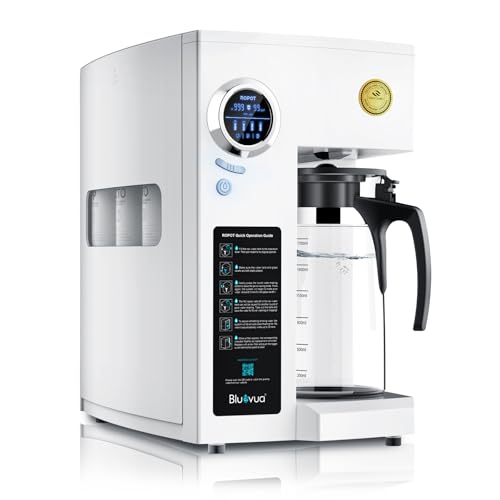
Bluevua RO100ROPOT-UV 6-Stage Countertop RO Filter
A portable reverse osmosis system that requires no installation and sits on your counter with a glass carafe instead of plastic. It combines a 6-stage filtration process with UV light and remineralization to reduce contaminants while adding back minerals, though it demands regular filter replacements every 12-24 months.
Pros
- No installation needed, works immediately on any countertop with a power outlet
- Premium glass carafe instead of plastic eliminates concerns about chemical leaching
- WQA certification and SGS testing validate reductions in lead, PFOA, PFOS, chlorine, fluoride, and arsenic
- Efficient water usage with 2:1 ratio means less drain waste for household use
- Built-in filter life monitor removes guesswork from maintenance timing
Cons
- No verified buyer reviews currently available to assess real-world reliability and customer satisfaction
- Requires regular filter replacement every 12-24 months, adding ongoing maintenance costs and hassle
- Bulky countertop footprint at 10.9 x 15.4 x 14.3 inches may not fit smaller kitchens
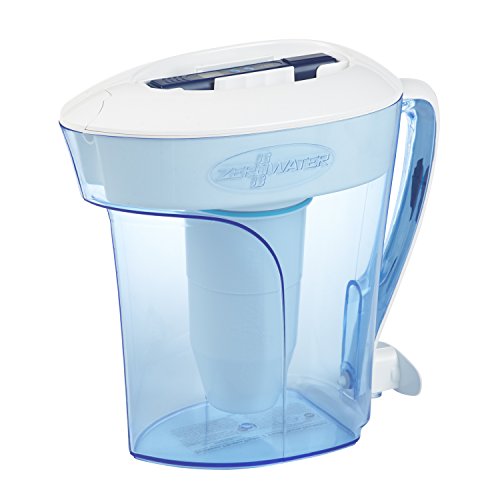
ZeroWater 10-Cup Water Filter Pitcher with TDS Meter
This 10-cup pitcher uses a 5-stage ion exchange filter to remove dissolved solids and is IAPMO certified to reduce lead, chromium, PFOA, and PFOS. It includes a built-in TDS meter so you know exactly when to replace the filter, making it practical for households wanting cleaner-tasting water without single-use bottles.
Pros
- TDS meter provides real-time feedback on water purity and filter effectiveness
- IAPMO certification confirms reduction of serious contaminants including forever chemicals
- Large 10-cup capacity minimizes refilling frequency
- Substantial environmental benefit compared to bottled water consumption
Cons
- No verified buyer reviews available to assess real-world performance and durability
- Filter replacement costs and frequency not disclosed in product data
- Pitcher dimensions and weight suggest limited counter space flexibility
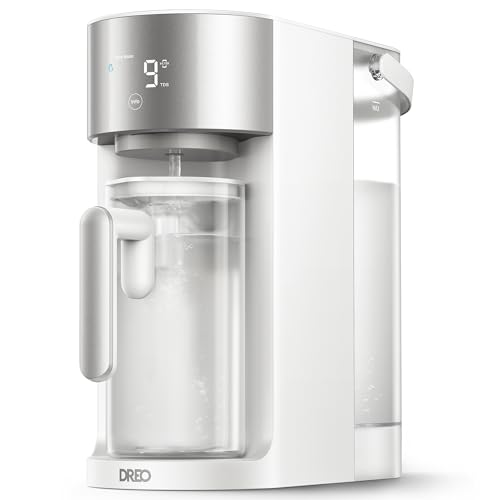
DREO 3L Countertop RO Water Filter System
This countertop reverse osmosis system removes over 1,000 impurities including PFOA and PFOS with a 3:1 pure-to-drain ratio, making it efficient for small households. It includes real-time TDS monitoring, auto-fill pitcher, and self-cleaning features, though it requires countertop space and produces some wastewater.
Pros
- Efficient 3:1 pure-to-drain ratio minimizes water waste for an RO system
- Real-time TDS display and filter life indicators simplify maintenance
- Auto-fill pitcher and self-cleaning tubes reduce manual upkeep
- Low per-liter cost once filters are factored in
- Installation-free countertop design works without plumbing modifications
Cons
- Requires dedicated countertop space and regular water refilling for 1-2 person households
- Still produces wastewater despite improved efficiency ratio
- No verified customer reviews available to confirm real-world durability and performance claims
Brita Elite Pitcher Filter Replacements, 2-Pack
Brita Elite filters reduce 99% of lead and outperform standard Brita filters by filtering over 3x more contaminants. They last six months or 120 gallons per filter, making them compatible with most Brita pitchers except Stream models.
Pros
- Superior contaminant reduction compared to standard Brita filters and longer lasting than competing brands like Pur and ZeroWater
- Easy installation with pull-top cap and no presoaking needed
- Reduces household plastic waste significantly over time
- BPA-free construction and blue color for easy identification
- Works across Brita's full pitcher lineup with broad compatibility
Cons
- Not compatible with Brita Stream pitchers, limiting options for some users
- Product rating reflects zero verified buyer reviews, making real-world performance harder to assess
- Effectiveness claims marked with asterisks and footnotes, suggesting comparisons may not apply universally
Glacier Fresh XWFE Refrigerator Water Filter with Chip
A third-party replacement for GE XWFE filters that reduces chlorine, odors, and lead through NSF/ANSI 42 certification. Tool-free installation fits most GE side-by-side models, though no verified buyer reviews are available yet.
Pros
- Wide model compatibility across GE side-by-side refrigerators
- Lab-verified reduction of chlorine, lead, odors, and taste issues
- Simple no-tool installation process
- Clear maintenance schedule (6 months or 200 gallons)
Cons
- No verified customer reviews available to assess real-world performance
- Third-party brand with no direct GE manufacturing backing
- Replacement required every 6 months, which adds ongoing cost
PUR Plus Vertical Faucet Mount Filter
A WQA-certified faucet filter that reduces lead and NSF-certified to tackle microplastics and chlorine in tap water. Installation takes minutes with no tools, though it's limited to standard vertical faucets and lasts about 100 gallons before needing a replacement.
Pros
- Multiple certifications (WQA, NSF) provide credibility for contaminant reduction
- Quick tool-free installation fits most standard faucets
- Built-in indicator light removes guesswork on filter replacement timing
- 3-month or 100-gallon filter life offers reasonable longevity for a faucet model
Cons
- Not compatible with pull-out or handheld faucet models, limiting compatibility
- No verified buyer reviews available to assess real-world performance and durability
- Filter replacement costs add up over time with 100-gallon capacity
Clearsource Whole Home Water Filter System
A three-stage whole home filtration system that combines 5-micron sediment removal, coconut carbon filtration, and Clearsource's VirusGuard technology to target bacteria, viruses, cysts, and chemical contaminants. Best suited for homeowners wanting comprehensive water protection beyond standard filtration.
Pros
- Virus removal capability sets it apart from standard whole-home filters on the market
- Three-stage approach handles multiple contaminant types in one system
- Sleek, space-efficient design compared to typical bulky filtration systems
- Addresses taste and odor issues while protecting against serious contaminants
Cons
- No verified customer reviews available to assess real-world reliability or longevity
- Higher maintenance cost likely due to multi-stage filter replacement requirements
- Installation complexity and professional setup costs not addressed in product information
Water Filters Buying Guide
Choosing the right water filter comes down to understanding your water quality concerns, your daily volume needs, and how much installation effort you’re willing to invest.
The market spans everything from gravity-fed pitchers that require zero installation to sophisticated under-sink and countertop reverse osmosis units that can strip water down to near-zero total dissolved solids.
Use the criteria below to match the right system to your home and lifestyle.
Filtration Type and Contaminant Coverage

The single most important factor is what you actually need to remove.
Activated carbon filters, the kind found in Brita pitchers and most faucet mounts, excel at reducing chlorine taste, odor, and some volatile organic compounds, but they are limited against heavy metals and dissolved solids.
If lead, nitrates, or PFAS are a documented concern in your area, you need either a certified multi-stage carbon block filter or, ideally, a reverse osmosis system.
Reverse osmosis systems push water through a semi-permeable membrane that removes up to 99% of dissolved contaminants including lead, arsenic, fluoride, chromium, and PFOA/PFOS.
Countertop RO units like the Philips and Waterdrop models in our lineup deliver this level of purification without cutting into under-sink cabinet space.
ZeroWater’s 5-stage pitcher goes further than standard carbon pitchers by incorporating an ion-exchange resin to reach 0 TDS (total dissolved solids), which is useful for anyone concerned about heavy metals but does not equal RO-level pathogen removal.
Look for third-party certifications: NSF/ANSI Standard 53 covers health-related contaminant reduction, Standard 58 covers reverse osmosis systems, and IAPMO or WQA certification marks verify that claims have been independently validated. Certifications matter more than marketing language on the box.
Daily Capacity and Flow Rate

A pitcher or gravity-fed system suits singles and couples who can plan ahead, but a family of four or five will quickly find a 10-cup pitcher frustrating during peak use.
Gravity-fed countertop systems like the Big Berkey hold 2.25 gallons and can serve households that want high-volume output without plumbing connections, though fill time is slower than a pressurized system.
Tankless RO systems are worth considering for larger households. The Waterdrop G3P600 is rated at 600 gallons per day, meaning virtually no wait between draws. Tanked or pitcher-based systems refill over minutes to hours depending on filter media and gravity.
If your household runs through filtered water quickly, pay close attention to rated daily output rather than just reservoir size.
Flow rate also affects convenience at the faucet level. Faucet mount filters like the PUR Plus divert flow through the filter on demand, but the restricted flow can feel noticeably slower than unfiltered tap output.
For households that cook and drink large volumes, a dedicated countertop or under-sink RO unit with a separate dispensing tap is a more comfortable long-term solution.
Installation Requirements and Portability
One of the biggest practical dividers in home water filtration is whether you need professional installation or can set things up yourself in minutes. Pitchers and gravity-fed countertop systems require no tools whatsoever.
Faucet mount filters like the PUR Plus attach to most standard external-aerator faucets with hand-tightened hardware and swap back out when you move. Renters and apartment dwellers should weight this category heavily.
Installation-free countertop RO systems, such as the Bluevua ROPOT and the DREO model, plug into a standard outlet and connect to no plumbing at all. They store a small pressurized reservoir internally and dispense on demand.
This design has expanded access to RO-quality water to renters and those without under-sink space, though the trade-off is a smaller reservoir compared to plumbed systems.
Just as a reliable smart plug can automate household appliances without rewiring anything, installation-free RO units bring advanced filtration into the kitchen without a plumber.
Whole-home systems like the Clearsource require dedicated line installation and are best suited to homeowners who want point-of-entry coverage across every tap, shower, and appliance.
The upfront investment and installation complexity are significant, so whole-home filtration makes the most sense where water quality issues affect more than just drinking and cooking.
Filter Lifespan and Ongoing Cost

The purchase price of a water filter is only part of the total cost of ownership.
Filter cartridges must be replaced on a schedule that varies widely: the PUR Plus faucet filter is rated at 100 gallons (roughly two to three months for an average household), the Brita Elite replacement cartridge covers up to 120 gallons or six months, and RO membrane elements typically last one to two years.
Black Berkey gravity elements are rated for an extraordinarily long lifespan before replacement, which partly explains the Big Berkey’s premium price point.
Calculate the annual replacement cartridge cost before committing to any system.
Budget-friendly pitchers can become expensive over a year if their cartridges need replacement every few weeks, while a higher upfront investment in a long-life RO system may cost less per gallon over time.
Some countertop RO units, like the DREO, display real-time filter life and TDS readings on a built-in screen, which helps you replace cartridges only when genuinely needed rather than on a fixed calendar.
This kind of resource-smart approach mirrors the convenience considerations that shoppers weigh when comparing kitchen appliances built for everyday ease of use.
Keep replacement filter availability in mind as well. Large brands like Brita and PUR have cartridges available at virtually every grocery and hardware store.
Proprietary RO membrane sets from newer brands should be confirmed as readily available before purchase, since a filter you cannot replace is a system that stops working.
Remineralization and Water Quality Considerations
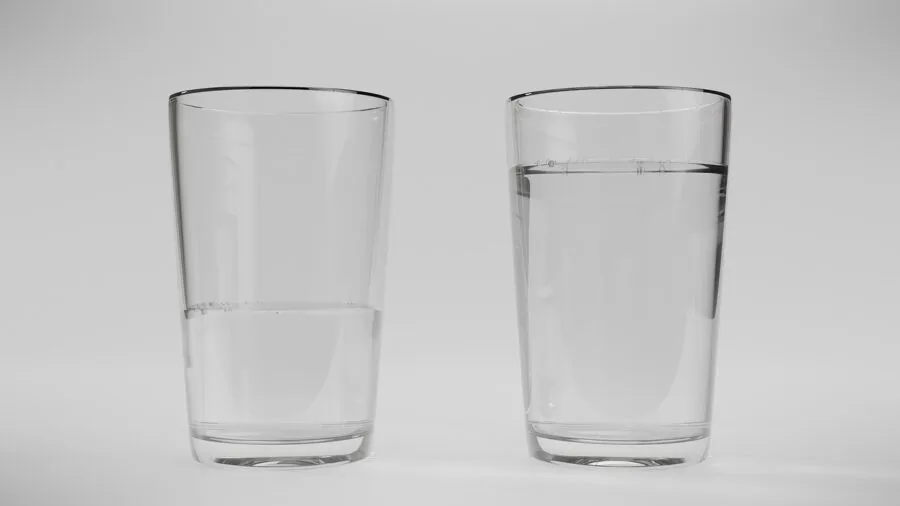
Reverse osmosis removes contaminants very effectively, but it also strips out beneficial minerals like calcium and magnesium that contribute to taste and, for some, daily mineral intake.
If you rely heavily on drinking water for mineral consumption, a remineralizing post-filter is worth seeking out. The Bluevua ROPOT specifically includes a remineralization stage, and several Philips countertop RO configurations do as well.
ZeroWater’s 0 TDS claim means the water has had virtually all dissolved solids removed, which some users find tastes flat compared to lightly mineralized filtered water. This is a matter of preference, but it is worth knowing before buying.
If taste is your primary concern rather than contaminant reduction, a quality carbon block pitcher or faucet filter will generally produce water that tastes better than basic pitcher carbon alone, at a much lower cost than full RO.
Footprint, Aesthetics, and Ease of Maintenance
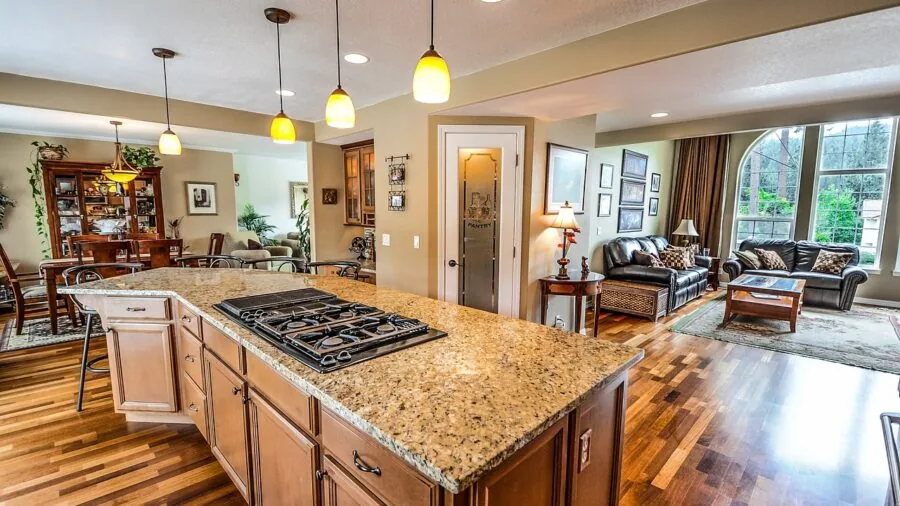
Countertop space is a genuine constraint in most kitchens, and water filter systems range from a compact 10-cup pitcher that slides into the fridge door to a full-sized gravity tank that occupies meaningful counter real estate.
The Big Berkey’s stainless steel canister has a cult following partly because it looks at home on a kitchen counter rather than looking like a science experiment, but it is physically large.
Installation-free RO units are typically the size of a small electric kettle or a coffee maker, which makes them much easier to integrate into a busy kitchen.
Maintenance ease matters for long-term compliance. Systems that are awkward to disassemble, clean, or refill tend to get neglected, and a poorly maintained filter can become a contamination source rather than a purification tool.
Look for units with tool-free filter access and dishwasher-safe reservoirs where possible.
The Brita 27-Cup Elite Dispenser, for example, has a reputation for easy refilling and a simple lid-off filter swap that takes under a minute, which is a meaningful advantage for daily household use.
Just as maintaining the right environment matters in specialized setups like a properly calibrated reptile heating pad, consistent filter maintenance is what keeps a water filtration system performing at its rated capacity.
Why You Should Trust Us
ProductFind is an independent review publication. We do not conduct our own product trials; our evaluations are grounded in research, published data, expert review consensus, and verified buyer feedback.
Every product in this guide was assessed against a consistent set of criteria covering filtration performance, contaminant certifications, filter lifespan, ease of use, installation requirements, and long-term value.
Each model received a PF Score on a 0 to 10 scale reflecting its overall standing relative to alternatives in its category.
Our research process draws on publicly available third-party certification data (NSF, IAPMO, WQA), manufacturer-published specifications, aggregated expert review consensus from across the filtration and home improvement space, and large-sample verified buyer feedback.
Where certification claims could not be independently confirmed against a recognized standard body, we noted that in our scoring. No brand has paid for placement or a higher PF Score.
ProductFind may earn an affiliate commission when you purchase through a link in this guide, but that relationship has no bearing whatsoever on rankings, scores, or which products we recommend.
Our only obligation is to readers looking for honest, well-researched guidance.
Final Thoughts
The water filter market rewards careful matching of system type to actual need. A household with documented lead concerns has very different requirements from one that simply wants water that tastes less like a swimming pool.
Our ranked picks span the full range of budgets and use cases, and the PF Scores reflect meaningful differences in filtration capability, certification rigor, and long-term usability.
- Best Overall: Philips Countertop Reverse Osmosis Water Filter earns the top spot with the highest PF Score in this roundup, combining installation-free convenience with genuine RO-level contaminant removal and a polished, appliance-grade design that fits naturally on a kitchen counter.
- Best Gravity-Fed Countertop System: Big Berkey Gravity-Fed Stainless Steel Water Filter is the standout choice for households that want high-volume, off-grid-capable filtration without electricity or plumbing, backed by a loyal following and decades of credibility in the gravity filter category.
- Best Large-Capacity Dispenser: Brita Extra-Large 27-Cup Elite Water Filter Dispenser is the most practical everyday option for families who want a no-fuss, fridge-friendly solution with WQA-certified contaminant reduction and an easy filter swap routine.
- Best Tankless RO System: Waterdrop G3P600 Reverse Osmosis System delivers 600 GPD flow without a storage tank, making it ideal for households that demand continuous RO-quality water on tap without waiting.
- Best Budget-Friendly Pitcher with Advanced Filtration: ZeroWater 10-Cup Ready-Pour 5-Stage Filter Pitcher offers genuinely differentiated filtration at an accessible price point, with IAPMO-certified lead and chromium reduction that goes well beyond what standard carbon pitchers achieve.
Whatever your budget or living situation, there is a well-researched option in this lineup that can meaningfully improve your water quality.
If you are outfitting a full home workspace or apartment, pairing a quality water filter with other well-chosen home essentials like a good desk lamp for eye-comfort during long evenings or a supportive home office desk rounds out a comfortable, health-conscious living environment.
Frequently Asked Questions
What Is the Difference Between a Pitcher Filter and a Reverse Osmosis System?
Pitcher filters typically use activated carbon to reduce chlorine taste, odor, and a limited range of contaminants.
They are affordable and require no installation, but they cannot remove dissolved solids, heavy metals at high concentrations, or PFAS compounds to the same degree as RO systems.
Reverse osmosis systems force water through a semi-permeable membrane that blocks a far wider spectrum of contaminants, including lead, arsenic, nitrates, fluoride, and PFOA/PFOS.
The trade-off is higher upfront cost, some wastewater produced during filtration, and, in plumbed systems, installation requirements. For households with serious water quality concerns backed by a water quality report, RO is the more protective option.
How Often Do I Need to Replace My Water Filter Cartridge?
Replacement frequency depends on filter type and your household’s daily water consumption.
Most pitcher and faucet mount filters are rated in gallons rather than calendar time: a 100-gallon faucet filter might last two months for a couple but only five weeks for a family of five.
RO membrane elements last significantly longer, often one to two years, while pre-filters in multi-stage systems need changing every six to twelve months.
Many modern RO countertop units now include a TDS meter or filter life indicator to take the guesswork out of the timing.
Following the manufacturer’s replacement schedule is important because an exhausted filter stops removing contaminants and can begin releasing trapped material back into the water.
Are Countertop RO Systems Worth the Higher Price Compared to Pitcher Filters?
For most households with moderate to serious contaminant concerns, yes.
Countertop RO systems remove a far broader range of contaminants, produce water on demand without refrigerator space constraints, and have filter elements that typically cost less per gallon over time than frequently replaced pitcher cartridges.
Installation-free models from Philips, Bluevua, and DREO have removed the last major barrier to adoption for renters and those without plumbing access.
If your primary concern is taste and light chlorine reduction and your municipal water report is clean, a quality pitcher or dispenser remains an excellent, cost-effective choice.
The right answer depends on your water report and your household’s daily volume needs.
Thinking through tradeoffs this carefully is the same approach savvy shoppers use when comparing any considered purchase, whether it is long-term bedding investments or household health essentials.
Can I Use a Water Filter If I’m on Well Water?
Yes, but the choice of filter matters significantly. Well water can contain contaminants not typically found in municipal supplies, including iron, manganese, hydrogen sulfide, bacteria, and agricultural runoff such as nitrates and pesticides.
A standard pitcher carbon filter is insufficient for well water in most cases. Gravity-fed systems with certified Black Berkey elements are designed to handle a broader contaminant range including some biological concerns.
Multi-stage RO systems with appropriate pre-filters are often the most comprehensive solution for well water households. Before investing in any system, a well water quality evaluation from a certified lab is strongly recommended so you know exactly what you’re filtering.
Whole-home systems like the Clearsource become particularly relevant for well water users who need coverage at every point of use, not just the kitchen tap.
Does Filtered Water Still Contain Minerals That Are Good for Health?
It depends on the filter type. Carbon-based pitcher and faucet filters remove very few minerals, so calcium, magnesium, and potassium pass through largely intact.
Standard RO systems, by contrast, remove most dissolved solids including beneficial minerals, which can result in a slightly flat taste.
If mineral retention matters to you, look for RO systems that include a remineralization post-filter stage, such as the Bluevua ROPOT.
Remineralization adds back a controlled level of calcium and magnesium after the RO membrane, improving taste and partially restoring mineral content.
For most people, dietary minerals from food far outweigh what drinking water contributes, so the health impact of demineralized water is modest, but the taste difference is real and worth factoring into your decision.
What Does NSF/ANSI Certification Actually Mean for Water Filters?
NSF International and ANSI (American National Standards Institute) publish a series of voluntary standards that water filtration products can be certified against. NSF/ANSI 42 covers aesthetic improvements like taste and odor reduction.
NSF/ANSI 53 covers health-related contaminant reduction including lead, cysts, and volatile organic compounds. NSF/ANSI 58 specifically covers reverse osmosis systems.
When a product carries one of these certifications, it means an independent body has verified that the filter actually performs to the claimed standard under standardized conditions, not just that the manufacturer says so.
WQA (Water Quality Association) and IAPMO are other recognized certification bodies that conduct equivalent third-party verification. A filter without any third-party certification is not necessarily ineffective, but you have only the manufacturer’s word for its performance claims.
Certification is the single fastest way to distinguish marketing from verified performance when comparing options across the category.
It is the same principle that applies to safety ratings in gear categories ranging from family camping tents to portable car battery chargers: independent verification matters.
About the author
Vernon is a reviewer and writer for ProductFind who specializes in Camping & Hiking. Vernon evaluates products through independent research: specifications, expert review consensus, and verified buyer feedback, and rates each one on the PF Score. Vernon focuses on helping readers pick the right camping & hiking for their needs and budget.