The 8 Best Family Tents
Space, weather resistance, and fast setup matter most when camping with kids. Our research-backed picks cover family tents from budget to premium for every group size.
 By Vernon Jackson
Updated July 23, 2026
By Vernon Jackson
Updated July 23, 2026
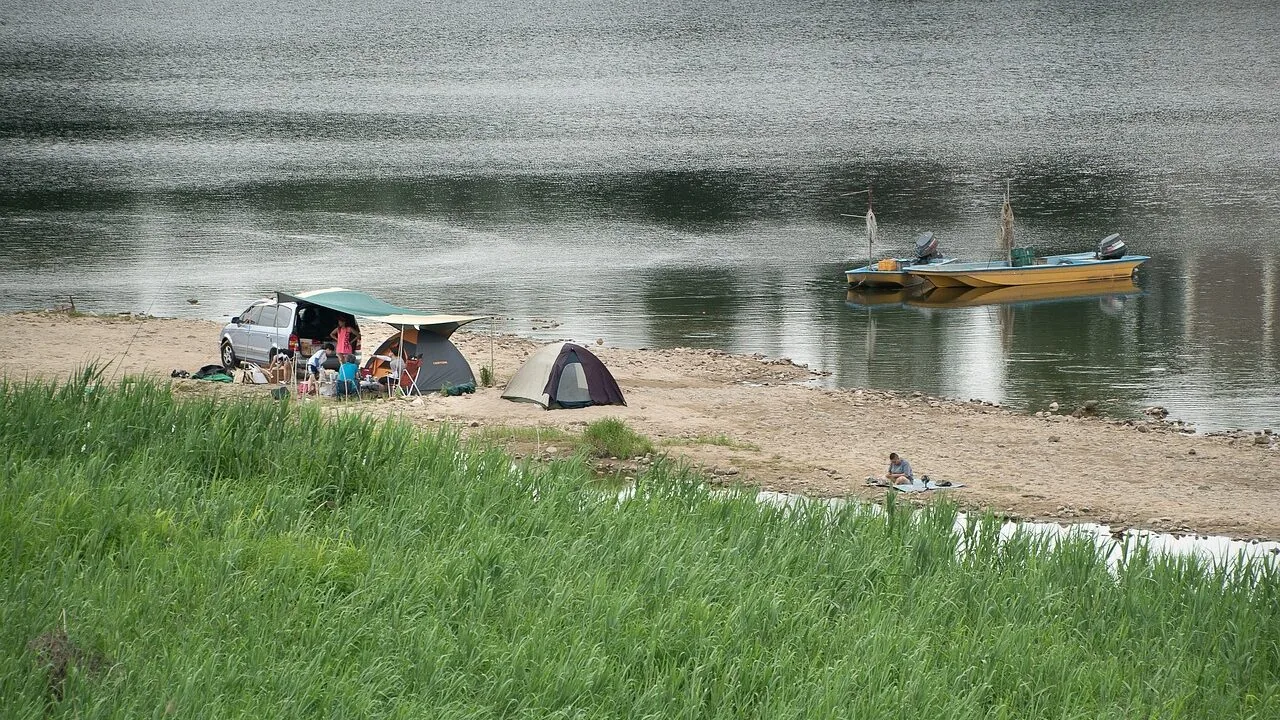
Choosing the right family tent can make or break a camping trip.
Whether you’re packing five people into a state-park site for a long weekend or setting up a basecamp for a week-long adventure, the tent you bring determines how well everyone sleeps, how dry they stay, and how quickly tempers settle after a rainy afternoon.
With dozens of options crowding the market at wildly different price points, narrowing the field down to what actually works for real families takes more than skimming a product description.
For tips on making every night under the stars more comfortable, pairing your shelter with quality sleeping mattresses can be just as important as the tent itself.
To build this guide, the ProductFind team analyzed manufacturer specifications, synthesized expert review consensus from across the camping and outdoor gear community, and cross-referenced verified buyer feedback from thousands of confirmed purchasers.
We focused on the factors families genuinely care about: livable floor space, peak standing height, weather resistance, and realistic setup times for tired parents with restless kids.
Every product on this list was assessed on our 0 to 10 PF Score scale using those consistent criteria. Scroll down to see our top picks for the best family tents you can buy right now.
| Award | Product | PF Score About PF ScoreThe PF Score is our own rating from 0 to 10, based on performance, design and build, ease of use, and value. It reflects independent research and is never influenced by manufacturers, retailers, or affiliate commissions. Learn more › | Price | |
|---|---|---|---|---|
| Best Overall |
 Coleman 6-Person Instant Tent with 1-Minute Setup
|
7.5/10 | Buy | |
| Editor's Pick |
 KTT 12-Person Family Cabin Tent with 2 Rooms
|
7.4/10 | Buy | |
| Best Value |
 Naturehike KOTA 6-Person 4-Season Bell Tent
|
7.3/10 | Buy | |
| Top Rated |
 CORE 9-Person Instant Cabin Tent 14x9
|
8.1/10 | Buy | |
 CORE 10-Person Cabin Tent with Room Divider
|
7.0/10 | Buy | ||
 UNP 10-Person Camping Tent 18ft x 9ft
|
6.9/10 | Buy | ||
 CAMPROS CP 8-Person Tent, 72in Center Height
|
6.8/10 | Buy | ||
 Amazon Basics 8-Person Camping Tent with Rainfly
|
6.5/10 | Buy |
Coleman 6-Person Instant Tent with 1-Minute Setup
This instant-setup tent deploys in about 60 seconds with pre-attached poles, making it ideal for families who prioritize convenience over complexity. WeatherTec construction and integrated rainfly provide solid weather protection for casual camping trips.
Pros
- Sets up in approximately one minute with no pole assembly required
- WeatherTec system with welded corners and inverted seams resists water infiltration
- Double-thick Polyguard 2X fabric offers durability across seasons
- Fits two queen-size air beds for comfortable family sleeping arrangements
- Integrated rainfly improves ventilation and reduces condensation
Cons
- No verified buyer reviews available to assess real-world durability and performance claims
- 24.6-pound weight makes it less portable for backpacking compared to traditional dome tents
- Pre-attached poles limit customization and repair options if poles become damaged
KTT 12-Person Family Cabin Tent with 2 Rooms
A spacious family tent designed to sleep up to 12 people with 14.1ft length and 6.58ft height, featuring two separate rooms, full rainfly coverage, and straight walls for maximum interior space. Setup requires manual assembly and careful stake installation, making it better suited for campers comfortable with detailed instructions rather than quick deployments.
Pros
- Exceptional interior dimensions (14.1ft x 10ft x 6.58ft) provide comfortable headroom and floor space for large groups
- Two separate rooms offer privacy and flexible sleeping arrangements for families or group camping
- Full rainfly, waterproof Oxford polyester materials, and PE floor provide reliable weather protection
- Multiple entry points (3 doors) and ventilation (3 windows, 2 bay windows with mesh) reduce condensation and allow airflow
- Convertible door design can function as a sunshade canopy when supported by poles
Cons
- Manual assembly required with careful stake and rope installation, not suitable for 60-second quick setup
- 35-pound weight may be cumbersome for backpacking but manageable for vehicle-based camping
- No verified customer reviews available to confirm real-world durability and assembly difficulty claims
Naturehike KOTA 6-Person 4-Season Bell Tent
A versatile family bell tent with separate inner mesh and outer fly layers that work independently for different seasons and conditions. Tall headroom (80 inches), stove jack for winter camping, and dual-door design make it practical for extended trips, though the 21-pound weight and high water resistance cost may suit serious campers more than casual users.
Pros
- Modular design lets you use mesh tent alone in summer or fly alone as a canopy
- Genuine 4-season capability with stove jack for cold-weather camping
- Ample interior space and standing height reduce cramped feeling in group camps
- Dual doors and multiple ventilation points minimize condensation issues
- Comprehensive accessory package included; 2-year warranty provided
Cons
- 21-pound weight makes it less portable for backpacking versus lighter designs
- No verified buyer reviews available to assess real-world durability claims
- Bell tent profile and size require adequate flat campsite space
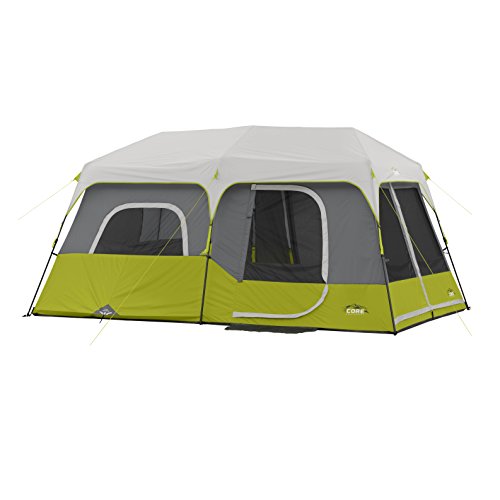
CORE 9-Person Instant Cabin Tent 14x9
A spacious family tent that sets up in under 2 minutes thanks to pre-attached poles, fitting up to 9 people or 4 with gear and two queen beds. Weather sealing with taped seams and H2O Block fabric handles rain, while ventilation design manages condensation in humid conditions.
Pros
- Rapid setup saves time on camp days, ideal for families with young children or frequent campers
- Large footprint accommodates multiple sleeping arrangements or gear storage without cramped conditions
- Comprehensive weather protection with taped seams and high-denier fabric rated to 1200mm water resistance
- Dual ventilation system (lower ground vents and mesh ceiling) reduces condensation buildup
- Storage pockets keep accessories accessible and off the floor
Cons
- 27.6-pound weight makes transport and setup by one person physically demanding compared to lighter backpacking tents
- No customer reviews available to verify real-world durability and long-term performance claims
- Limited to red color option, reducing aesthetic flexibility for some campsites
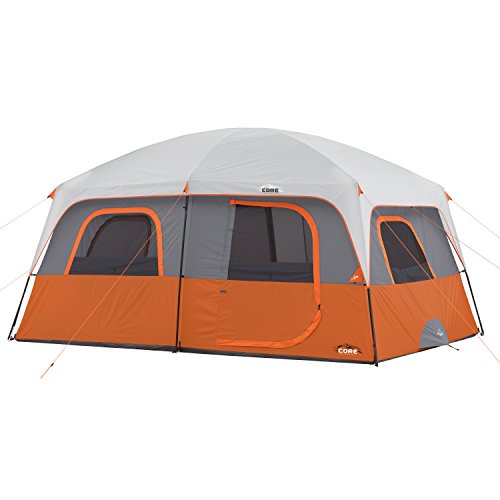
CORE 10-Person Cabin Tent with Room Divider
A spacious family tent designed for car camping with nearly straight walls, 86-inch center height, and room divider capability. H2O Block technology and sealed seams provide reliable weather protection for groups seeking privacy and comfort in a multi-room setup.
Pros
- Nearly straight-wall design maximizes usable interior space
- Weather-sealed construction with 1200mm fabric and fully taped rainfly
- Flexible configuration with removable room divider for privacy or open layout
- Built-in gear loft keeps accessories accessible without cluttering floor
- Ventilation system reduces condensation with ground-level and ceiling airflow
Cons
- 32-pound weight may be cumbersome for backpacking or frequent relocation
- 10-person capacity without gear is unrealistic for comfort; practical limit is 4-6 people
- No verified buyer reviews available to confirm real-world durability claims
UNP 10-Person Camping Tent 18ft x 9ft
A spacious family tent designed to fit 10 people or 3 queen air mattresses, featuring dual rooms with a divider curtain and extensive mesh ventilation. Setup takes about 10 minutes with two people, though buyer feedback on durability and long-term performance is limited.
Pros
- Generous interior dimensions (18ft x 9ft x 78in) accommodate large groups or multiple sleeping arrangements
- Dual-room design with privacy divider curtain creates flexible sleeping and living spaces
- Large mesh windows and roof panel enable excellent airflow and stargazing views
- Polyester 185T fabric with PU1000mm waterproof coating and extended awning design protect against rain
- Two-person setup time of approximately 10 minutes makes deployment straightforward
Cons
- No verified customer reviews available to confirm real-world durability or performance claims
- Relatively heavy at 21 pounds, which may challenge portability despite the included carry bag
- Large footprint (18ft x 9ft) requires substantial space and may be impractical for smaller campsites
CAMPROS CP 8-Person Tent, 72in Center Height
This 8-person family tent prioritizes interior space with a 72-inch center height and straight walls, plus a divided curtain for creating two separate rooms. Weather-resistant construction with sealed seams and mesh ventilation makes it suitable for multi-day camping trips, though real-world durability feedback is limited.
Pros
- Spacious 168x108 inch footprint with 72-inch peak height allows standing room and gear storage
- Quick setup in about 5 minutes with color-coated poles, no special skills needed
- Divided curtain adds flexibility to partition into two sleeping areas or use as projector screen
- Sealed seams and waterproof coating designed for weather resistance
- Mesh windows and doors provide cross-ventilation and visibility
Cons
- No verified buyer reviews available to assess real-world performance and durability
- 17.6-pound weight may be cumbersome for backpacking or frequent relocation
- Limited information on long-term waterproofing maintenance or material longevity
Amazon Basics 8-Person Camping Tent with Rainfly
A spacious family tent designed for quick assembly and reliable weather protection. The 15' x 9' floor accommodates eight adults comfortably, while welded seams and a removable rainfly handle moisture in various conditions.
Pros
- Quick setup in under 8 minutes with shock-corded poles and snag-free sleeves
- Weather-resistant polyester with welded seams and included rainfly for rain protection
- Generous interior space with 70-inch center height and mesh storage pocket
- Ventilation features including back window and cool-air port reduce condensation
- Compact carry bag makes transport and storage practical
Cons
- No verified buyer reviews available to assess real-world durability and long-term performance
- 18.7-pound weight may be cumbersome for backpacking or frequent moves
- Limited information on stake and pole quality or whether repairs are easily sourced
Family Tents Buying Guide
Not every family tent is built the same, and the one that earns rave reviews from a couple of backpackers will frustrate a family of five trying to fit two queen air mattresses and a pile of duffel bags.
The sections below break down exactly what to look for so you can match a tent to your specific group size, camping style, and budget before spending a cent.
Capacity and Floor Space

Tent manufacturers rate capacity by the number of adults who can sleep shoulder-to-shoulder with no gear inside.
For a family that actually wants room to breathe, gear up, and keep duffel bags off sleeping faces, a practical rule of thumb is to buy at least two sizes up from your headcount.
A family of four should seriously consider a six-person or eight-person tent; a family of six or more will be most comfortable in a ten-person or twelve-person cabin design.
Floor dimensions matter more than raw square footage because tent footprints come in different shapes.
A long, narrow tent may post the same square footage as a squarer cabin design but feel cramped when you’re arranging rectangular sleeping pads side by side.
Look for the actual length and width in the specifications rather than trusting the capacity number alone.
Divided-room designs with removable curtain dividers, like those found on the CAMPROS CP 8-person and the KTT 12-person cabin tent, let parents carve out privacy from kids without needing a second shelter.
If your family camps with a large folding table, camp chairs, or a portable cot, add that furniture to your mental floor-plan before you buy.
Plenty of verified buyers report that a tent rated for ten people comfortably sleeps a family of four with room for a table, cooler, and shoe pile near the door.
Peak Height and Livability

Standing height is the single most underrated specification in family camping. A tent where adults must crouch to change clothes or move to the other side creates friction on every trip.
Cabin-style tents with near-vertical walls and peak heights of 72 inches or more make a dramatic quality-of-life difference, especially on multi-day trips where you’re spending significant time inside during rain.
The Coleman Instant Cabin lineup and the Naturehike KOTA series both earn high marks for standing-room headroom.
The KTT Extra Large 12-person cabin tent also features straight walls that maximize usable vertical space versus dome tents that slope sharply from the peak.
If you’re camping with taller adults, check the specific peak height figure in the spec sheet rather than relying only on a category label like “tall” or “standing room.”
Weather Protection and Waterproofing
Family camping trips don’t always arrive with good weather forecasts. A quality family tent needs a full-coverage rainfly, taped or sealed seams, and a bathtub-style floor that keeps groundwater from wicking up the edges.
Waterproof ratings are commonly measured in millimeters (mm) of hydrostatic head pressure, and for three-season camping in typical conditions, a rating of 1,500 mm or higher on the fly and 2,000 mm or higher on the floor represents a solid baseline.
Double-layer construction, where a breathable inner canopy sits beneath a separate waterproof rainfly, is worth prioritizing over single-layer designs. The air gap between layers reduces condensation buildup, which is the leading cause of that damp-sleeping-bag feeling even on dry nights.
Both the CAMPROS CP tent and the UNP 10-person model include double-layer construction, and verified buyer feedback on both consistently praises their performance in moderate to heavy rain.
Mesh windows and vents also play a role in weather management. Large mesh panels improve airflow and reduce interior humidity on warm nights, but they should be covered by solid panels or a well-fitted rainfly in wet conditions.
The UNP 10-person tent ships with five large mesh windows, giving families good ventilation options across different weather scenarios.
If you’re planning a basecamp-style setup where your shelter stays put for days at a time, pairing your tent with a solar panel for charging devices and running a small fan can keep the interior comfortable in warm weather.
Setup Time and Ease of Assembly
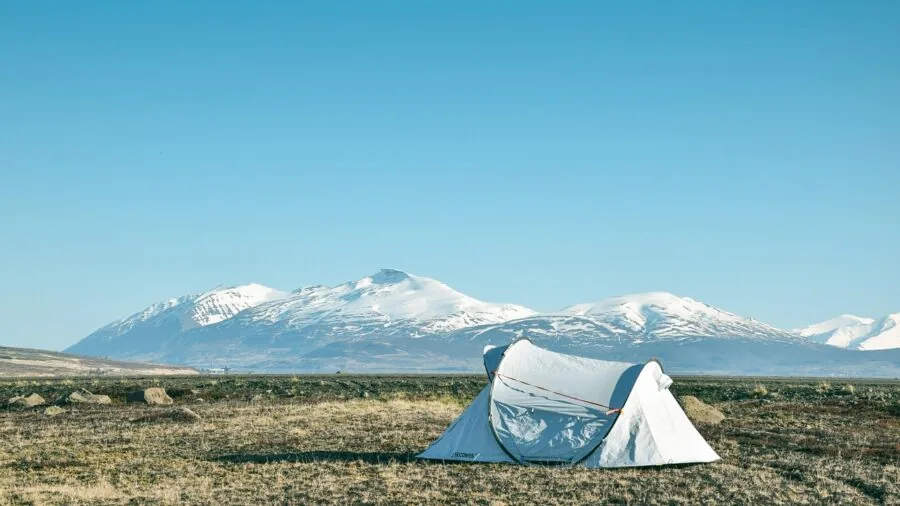
Arriving at a campsite after dark or in light rain with three tired children is not the moment to discover that your tent requires forty-five minutes and two adults to assemble.
Instant-cabin and pre-attached-pole designs have improved dramatically in recent years and now offer a genuine advantage for family campers over traditional clip-and-sleeve pole systems.
The Coleman Instant Camping Tent earns its name with pre-attached poles that the brand rates at roughly sixty-second setup.
Expert reviewers and verified buyers broadly confirm that one adult can have it standing in under two minutes once they’ve done it a couple of times.
The CORE 9-person Instant Cabin follows a similar pre-attached-pole design, and buyers consistently report sub-five-minute solo setup after one practice run.
Traditional pole-sleeve designs like the Naturehike KOTA take longer to erect but reward the extra effort with a more rigid, wind-stable structure. For families who set up camp once and stay for several nights, the tradeoff is generally worthwhile.
For families who move sites frequently, instant-pole designs will reduce frustration significantly.
Ventilation and Comfort
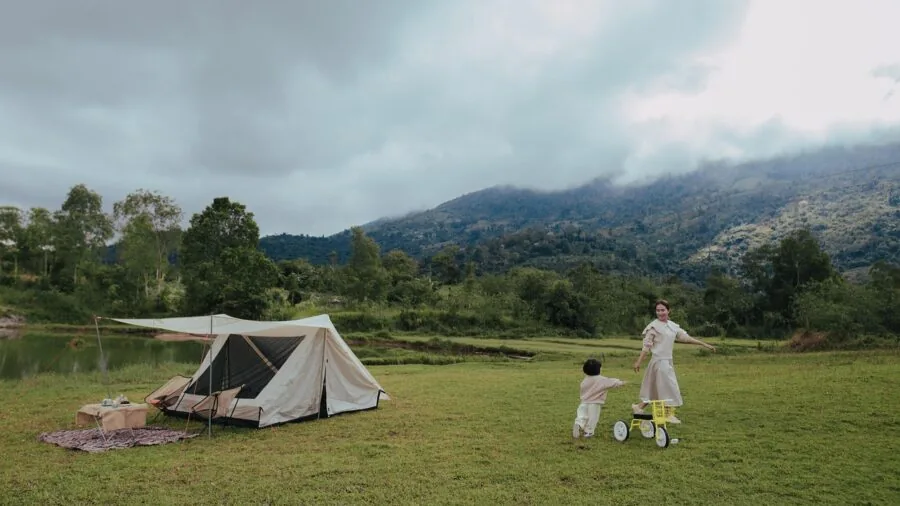
Condensation and heat buildup are the most common comfort complaints in family tents, and both are driven by inadequate ventilation. Look for designs that include both low-level mesh vents and a high roof vent or ridge vent.
This cross-flow setup allows warm, humid air to escape through the top while cooler outside air enters near the floor.
The Coleman Instant Cabin includes an air vent system specifically designed to reduce condensation.
The Naturehike KOTA adds a porch vestibule that creates a transitional airspace between the outside and sleeping area, which also helps reduce mud and moisture tracked inside.
Storage pockets integrated into the tent walls, found on the CORE 9-person and CORE 10-person models, help keep gear off the floor and improve interior circulation by reducing clutter.
Durability and Value

Family tents see more abuse per outing than almost any other category of camping gear. Kids drag zippers, drag in mud and rocks, and lean against mesh panels.
Pole sleeves, zipper tracks, and guy-line attachment points are the places most likely to show wear first.
Poles made from fiberglass are lighter and cheaper but crack under pressure more readily than aluminum; if you plan to camp frequently or in windier conditions, aluminum-frame tents are worth the additional investment.
The Amazon Basics 8-person tent sits at the budget end of this list and represents the value entry point for families who camp a few times a year in mild conditions and want to minimize upfront cost.
The Naturehike KOTA sits at the premium end, built for families who prioritize weather protection and longevity over price.
The rest of the lineup, including tents from Coleman, CORE, KTT, CAMPROS CP, and UNP, occupies the mid-range sweet spot where most family campers will find the best balance of features and long-term durability.
A well-organized camp also benefits from smart storage solutions like quality food storage containers that keep provisions protected from moisture and pests overnight.
Why You Should Trust Us
ProductFind is an independent review publication with no direct commercial relationship to any tent manufacturer or retailer. Every product on this list was evaluated using a consistent, structured methodology and scored on our 0 to 10 PF Score scale.
We do not conduct our own product trials; our evaluations are grounded in research, published data, expert review consensus, and verified buyer feedback.
For this guide, that means we analyzed manufacturer-published specifications (floor dimensions, peak height, pole material, hydrostatic ratings), synthesized findings across multiple independent outdoor gear publications and expert reviewers, and weighed patterns from thousands of verified purchaser reviews to understand real-world performance over time.
Our rankings reflect quality of evidence, not commercial relationships.
ProductFind may earn a commission when you purchase through links on this page, but that affiliate relationship has zero bearing on which products appear, how they are ranked, or what PF Score they receive.
Tents were evaluated entirely on the merits of weather protection, livable space, ease of setup, ventilation, durability, and overall value for family campers.
If a product’s real-world reputation didn’t hold up under scrutiny, it didn’t make the list regardless of price point or brand recognition.
Final Thoughts
After assessing every option on this list against the criteria that matter most to family campers, a few clear standouts emerge across different use cases and budgets. Here’s how we’d summarize the top picks:
- Best Overall: Coleman Instant Camping Tent earns the top spot thanks to its pre-attached pole system that delivers a genuine one-minute setup, reliable weather protection, and broad capacity options that suit groups from four to ten people. It carries the highest PF Score among all tents on this list and is the pick we’d recommend to the widest range of families.
- Best for Large Groups: KTT Extra Large 12-Person Cabin Tent offers the most floor space in this lineup, with straight walls, two rooms, two bay windows, and a full rainfly. Its PF Score reflects strong consensus on its ability to genuinely house large families without feeling like a sardine can.
- Best Premium Pick: Naturehike KOTA Camping Tent is the choice for families who camp in variable conditions and want a double-layer waterproof build with vestibule porches and a robust feel that supports frequent, multi-season use. It carries the second-highest PF Score on this list and rewards families who prioritize build quality over budget.
- Best Instant Setup for Families: CORE 9 Person Instant Cabin Tent pairs the convenience of a two-minute pre-attached-pole setup with thoughtful storage pockets and a multi-room layout that real families actually use. Verified buyers consistently highlight its ease of solo assembly as its defining advantage.
- Best Budget Pick: Amazon Basics 8-Person Camping Tent is the entry point for families who camp occasionally in mild conditions and want proven shelter at a budget-friendly price. It carries the lowest PF Score on this list, which reflects its more limited weather resistance and build quality relative to the rest of the lineup, but for light-duty use it delivers strong value.
Whatever your family’s camping style, the right tent is one that fits your group comfortably, goes up without a fight, and keeps everyone dry when the forecast is wrong.
Any of the picks above will serve a family well once matched to the right use case.
For more gear ideas to round out your outdoor setup, a comfortable patio furniture set can extend the living space outside your tent on calm evenings, and a solar generator keeps devices charged far from a power hookup.
Frequently Asked Questions
How Many People Should a Family Tent Actually Fit?
Tent capacity ratings assume sleeping adults with no gear inside.
For a realistic family camping experience with air mattresses, duffel bags, and a bit of breathing room, plan to buy a tent rated for at least two more people than your group size.
A family of four will typically be most comfortable in a six-person or eight-person tent.
What Is the Difference Between a Cabin Tent and a Dome Tent for Families?
Cabin tents feature near-vertical walls that maximize usable floor space and standing height, making them the preferred choice for car camping families.
Dome tents slope inward from all sides, which reduces usable interior space but typically provides better wind resistance and lower packed weight.
For families driving to a campsite who prioritize comfort over portability, cabin tents are almost universally the better fit.
Are Instant-Setup Tents Durable Enough for Regular Family Camping?
Yes, for three-season car camping in typical weather conditions. Instant tents from reputable brands like Coleman and CORE use pre-attached fiberglass or aluminum poles that are engineered for repeated deployment.
They are not designed for high-wind alpine conditions, but for campground and car-camping use several times per season they hold up well according to verified buyer feedback spanning multiple years of ownership.
Do I Need a Footprint or Groundcloth Under My Family Tent?
A footprint is not strictly required but it is strongly recommended. A fitted groundcloth protects the tent floor from abrasion and punctures on rocky or root-covered ground, and it reduces moisture seeping up from below.
Over time, a footprint can significantly extend the waterproofing life of the tent floor.
Make sure the footprint is sized to fit inside or exactly match the tent perimeter; a footprint that sticks out beyond the tent walls will channel rainwater underneath rather than away.
What Waterproof Rating Should a Family Tent Have?
For three-season camping in variable weather, look for a rainfly rated at 1,500 mm hydrostatic head or higher and a floor rated at 2,000 mm or higher. These thresholds provide reliable protection through moderate sustained rain.
If you frequently camp in regions with heavy precipitation or strong storms, prioritize tents with sealed seams and higher-rated fabrics.
Double-layer construction, where the fly and the tent body are separate layers, also helps reduce interior condensation regardless of rain levels outside.
How Do I Keep a Family Tent Dry on the Inside?
Interior moisture usually comes from one of three sources: rain leaking through seams or zippers, groundwater wicking up through the floor, or condensation forming on interior surfaces.
To address all three, use a groundcloth, re-seal seams annually with seam sealer, keep wet gear in the vestibule rather than the main sleeping area, and open vents slightly even during rain to allow humid air to escape.
Keeping a small portable charger on hand to power a compact fan can also help maintain airflow on warm, humid nights. Outdoor security cameras with night vision are another popular addition for families who camp at larger sites and want visibility around the tent perimeter after dark.
About the author
Vernon is a reviewer and writer for ProductFind who specializes in Camping & Hiking. Vernon evaluates products through independent research: specifications, expert review consensus, and verified buyer feedback, and rates each one on the PF Score. Vernon focuses on helping readers pick the right camping & hiking for their needs and budget.