The 9 Best Camping Knives
Fixed blade or folder? Carbon or stainless? Finding the right camping knife comes down to how you camp. Here are our top picks for every style and budget.
 By Vernon Jackson
Updated July 23, 2026
By Vernon Jackson
Updated July 23, 2026

A reliable camping knife is one of the most versatile tools you can carry into the backcountry.
Whether you are prepping food at the campsite, shaving tinder for a fire, cutting cordage, or handling a roadside emergency, the right blade makes every task safer and faster.
The challenge is that the category spans everything from featherlight folding knives to full-tang fixed blades built for heavy chopping, and picking the wrong style for your trip means carrying dead weight or reaching for an inadequate tool at the worst moment.
To help you find the best camping knife for your needs, the ProductFind editorial team researched the full landscape of available options, drawing on manufacturer specifications, expert review consensus across the outdoor and knife community, and verified buyer feedback from thousands of real-world users.
Our picks span fixed-blade workhorses, compact folding knives, and multi-tool options from brands including Morakniv, BPSKNIVES, Mossy Oak, AUBEY, and others, covering a range of price points and use cases. Scroll down to see our ranked top picks.
| Award | Product | PF Score About PF ScoreThe PF Score is our own rating from 0 to 10, based on performance, design and build, ease of use, and value. It reflects independent research and is never influenced by manufacturers, retailers, or affiliate commissions. Learn more › | Price | |
|---|---|---|---|---|
| Best Overall |
 Morakniv Companion 4.1-Inch Fixed Blade Knife
|
8.6/10 | Buy | |
| Editor's Pick |
 VR VIRENKNIFE 3.75" D2 Folding Pocket Knife
|
7.1/10 | Buy | |
| Best Value |
 BPSKNIVES Adventurer 5.3" Bushcraft Knife
|
6.5/10 | Buy | |
| Top Rated |
 Mossy Oak 10-in-1 Folding Pocket Knife
|
6.3/10 | Buy | |
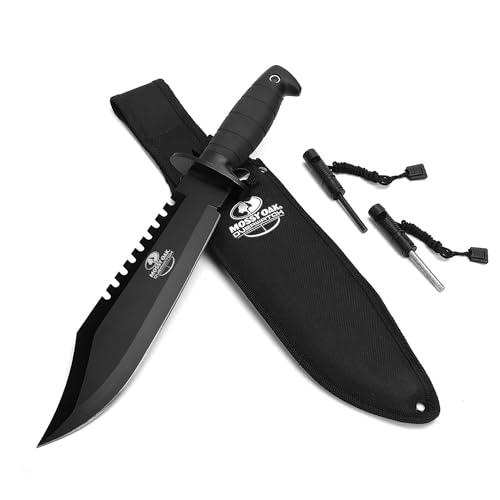 Mossy Oak 10-inch Fixed Blade Survival Knife
|
5.0/10 | Buy | ||
 Purple Dragon 5.6" Fixed Blade Knife with Kydex Sheath
|
6.1/10 | Buy | ||
 Dragon Creek 5.5" Bowie Knife with Wooden Handle
|
6.0/10 | Buy | ||
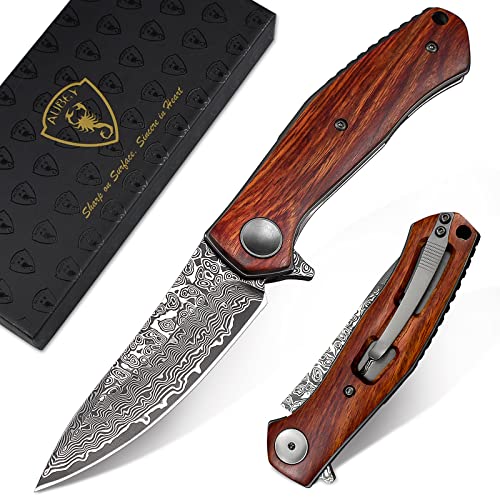 AUBEY Damascus Folding Knife 3.2-Inch
|
5.9/10 | Buy | ||
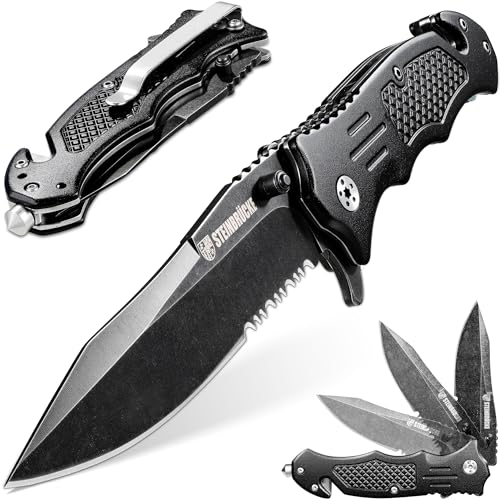 Steinbrucke 3.4'' Tactical Folding Knife, 8Cr13Mov Stainless Steel
|
5.8/10 | Buy |
Morakniv Companion 4.1-Inch Fixed Blade Knife
A lightweight, versatile fixed-blade knife built for outdoor work with a Sandvik stainless steel blade that resists rust and stays sharp. The ergonomic polymer handle and included sheath make it practical for camping, hiking, and general bushcraft tasks.
Pros
- Durable stainless steel blade maintains edge and requires less maintenance than carbon alternatives
- Ergonomic design with friction grip and finger guard provides control in wet or cold conditions
- Compact, lightweight form factor reduces pack burden for multi-day trips
- Protective sheath with belt clip allows quick access and secure attachment to gear
Cons
- Rating of 4.7 stars has zero verified reviews, limiting real-world user feedback on long-term durability
- Stainless steel blade may not hold an edge as long as high-carbon alternatives for extended use
- Limited blade length at 4.1 inches may feel restrictive for heavier-duty bushcraft tasks
VR VIRENKNIFE 3.75" D2 Folding Pocket Knife
A compact EDC folding knife built around a D2 steel blade and G10 handle, designed for everyday carry and outdoor tasks. Features ceramic ball bearing pivots for smooth one-handed operation and a liner lock for security.
Pros
- D2 steel holds an edge well while remaining relatively easy to maintain
- G10 material provides durable, slip-resistant grip in various conditions
- Ceramic ball bearing pivot delivers responsive one-handed deployment
- Compact 3.75-inch blade balances cutting capability with portability
- Versatile tool for both urban EDC and field environments
Cons
- No verified buyer reviews available to confirm real-world durability and performance claims
- D2 steel requires more frequent maintenance than stainless alternatives to prevent corrosion
- Limited size may restrict cutting tasks requiring a larger blade
BPSKNIVES Adventurer 5.3" Bushcraft Knife
A full-tang carbon steel fixed blade designed for camping and bushcraft work, featuring a true Scandi grind and walnut wood handle. Comes with a leather sheath and ferro rod for outdoor use, though the high-carbon steel construction requires careful maintenance to prevent rust.
Pros
- Substantial 5.3-inch blade with 10-inch overall length suits most bushcraft tasks
- High hardness rating holds an edge well between sharpenings
- Included ferro rod adds practical value for emergency fire-starting
- Removable handle design allows thorough cleaning and maintenance
- Well-balanced construction for extended use without fatigue
Cons
- High-carbon steel requires regular maintenance and prompt drying to prevent rust
- No verified buyer reviews available to assess real-world durability or user satisfaction
- Blade arrives coated with gun oil that must be wiped clean before first use
Mossy Oak 10-in-1 Folding Pocket Knife
This compact 4-inch multitool combines ten functions including a 7CR17MOV stainless steel blade, saw, can opener, and screwdrivers for outdoor and everyday tasks. The textured G10 handle and belt clip make it practical for camping, hiking, or general carry.
Pros
- Versatile tool set covers most common outdoor and repair tasks without carrying multiple items
- High-carbon stainless steel blade maintains sharpness and resists rust
- Secure tool locking mechanism keeps each function stable during use
- Lightweight at 0.33 pounds and fits easily in pocket or backpack
Cons
- No verified customer reviews available to assess real-world durability and long-term performance
- 10-in-1 design may mean each tool is smaller or less robust than dedicated single-purpose alternatives
- Limited information on ease of accessing and switching between tools in the field
Mossy Oak 10-inch Fixed Blade Survival Knife
A 15-inch overall fixed blade knife with 10-inch stainless steel clip point blade, designed for camping and hunting. Comes bundled with a sharpener and fire starter, plus a rubber handle and nylon sheath for field carry.
Pros
- Stainless steel construction offers rust resistance and edge retention
- Bundle includes practical fire starter and sharpener accessories
- Comfortable rubber grip designed for secure handling in field conditions
- Versatile clip point blade works for multiple outdoor tasks
Cons
- No verified customer reviews available yet to assess real-world durability
- Relatively heavy at 16.8 oz compared to some hunting knives
- Accessories (fire starter and sharpener) packed in box bottom, easy to miss
Purple Dragon 5.6" Fixed Blade Knife with Kydex Sheath
A full-tang D2 steel fixed blade designed for camping, survival, and bushcraft tasks. The knife combines a razor-sharp high-carbon blade with an ergonomic G10 handle and quick-release Kydex sheath, making it suitable for outdoor enthusiasts and professionals.
Pros
- D2 steel blade holds a sharp edge and resists corrosion well for field use
- Full-tang construction provides strength for demanding tasks like batoning and game processing
- Textured G10 handle delivers reliable grip in wet or harsh conditions
- Quick-release Kydex sheath allows fast access and secure carry
- Compact 5.6-inch size balances utility with portability for camping and hiking
Cons
- No verified buyer reviews available to assess real-world durability and performance
- D2 steel requires regular maintenance to prevent rust compared to stainless alternatives
- Limited information on blade thickness and weight specifications for detailed comparison
Dragon Creek 5.5" Bowie Knife with Wooden Handle
A fixed-blade bowie designed for outdoor work and camping, featuring a 58 HRC hardness blade and ergonomic wooden handle with leather sheath. Best suited for users seeking a reliable, multi-purpose cutting tool rather than a specialized tactical knife.
Pros
- High hardness rating (58±2 HRC) indicates good edge retention for extended field use
- Leather sheath with belt loop and snap closure provides practical everyday carry options
- Riveted wooden handle construction adds durability for demanding outdoor applications
- Lanyard hole increases security and accessibility in outdoor scenarios
Cons
- No verified buyer reviews available to assess real-world performance and longevity
- Wooden handle requires maintenance and may be less weather-resistant than synthetic alternatives
- Limited information on blade steel type or corrosion resistance properties
AUBEY Damascus Folding Knife 3.2-Inch
A handmade Damascus pocket knife with 76-layer carbon steel blade and VG10 core, featuring a natural rosewood handle and liner lock for secure, smooth operation. Compact at 3.56 oz and 4.33 inches folded, it's designed as an EDC tool for outdoor use and daily tasks.
Pros
- High-quality Damascus construction with durable VG10 steel core ensures longevity
- Ball-bearing pivot provides smooth, reliable opening action
- Lightweight design (3.56 oz) and compact folded length (4.33 inches) make it easy to carry
- Natural rosewood handle offers comfortable grip for extended use
Cons
- No verified customer reviews available to assess real-world durability or performance
- Liner lock is basic compared to advanced locking mechanisms in higher-end folding knives
- Wooden handle may require more maintenance than synthetic materials in harsh conditions
Steinbrucke 3.4'' Tactical Folding Knife, 8Cr13Mov Stainless Steel
A compact folding knife with German 8Cr13Mov stainless steel blade hardened to 58-59 HRC, designed for everyday carry and outdoor use. Features a reversible clip for ambidextrous handling, seatbelt cutter, and glass breaker, making it practical for camping, hunting, and emergency situations.
Pros
- High-hardness German steel blade resists dulling across varied materials
- Reversible clip accommodates both left and right-handed users
- Dual emergency features (seatbelt cutter, glass breaker) add practical utility
- Lightweight design at 0.35 pounds minimizes pocket bulk for EDC
- 1.5mm stainless steel inner frame provides structural rigidity
Cons
- No verified buyer reviews available to assess real-world durability or edge retention
- Brand recognition limited compared to established tactical knife manufacturers
- Antique finish may require maintenance to prevent corrosion in high-moisture environments
Camping Knives Buying Guide
Choosing a camping knife well before you hit the trail pays off every time you reach for it.
The decisions that matter most are not always obvious from a product listing, so the sections below walk through each critical factor in plain terms.
Pair your knife choice with equally considered backpacking tents and shelter gear to round out a well-researched kit.
Fixed Blade vs. Folding Knife
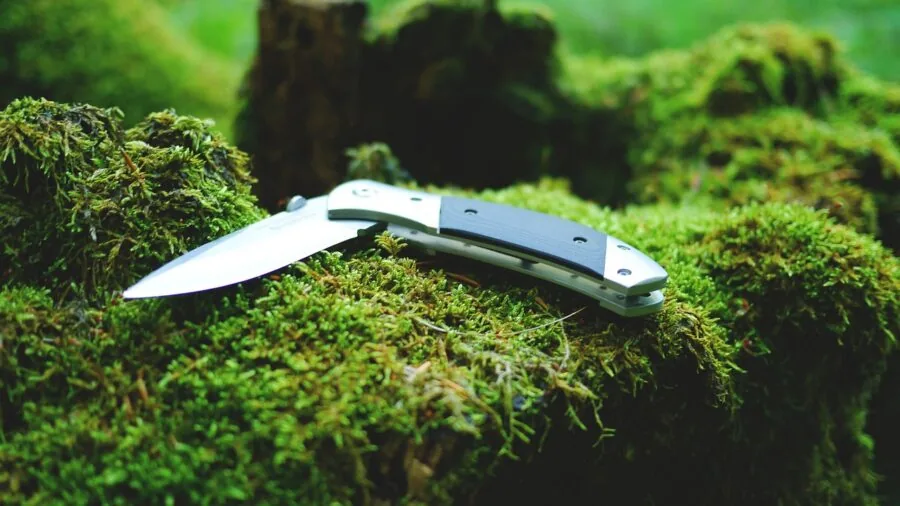
This is the foundational choice and it shapes everything else. Fixed-blade knives have no moving parts, which means they are inherently stronger and easier to clean.
They can handle batoning firewood, heavy food prep, and sustained carving without the risk of the blade folding unexpectedly under lateral stress.
The trade-off is that a sheathed fixed blade is bulkier to carry and requires a belt or sheath system on your pack.
Folding knives trade raw strength for portability. A quality folder fits in a pocket, weighs very little, and is socially acceptable in everyday carry situations, including trailheads and rest stops.
For car campers or those who primarily need a knife for cooking and light tasks, a folder is often enough. For backpackers, bushcrafters, or anyone who anticipates hard use, a fixed blade is the more capable long-term investment.
Multi-tool knives occupy a third lane: they bundle a saw blade, bottle opener, or other implements alongside the main cutting edge.
Useful for car camping and family trips where versatility matters more than raw performance, but not ideal as your only blade in demanding backcountry situations.
Blade Steel and Edge Retention
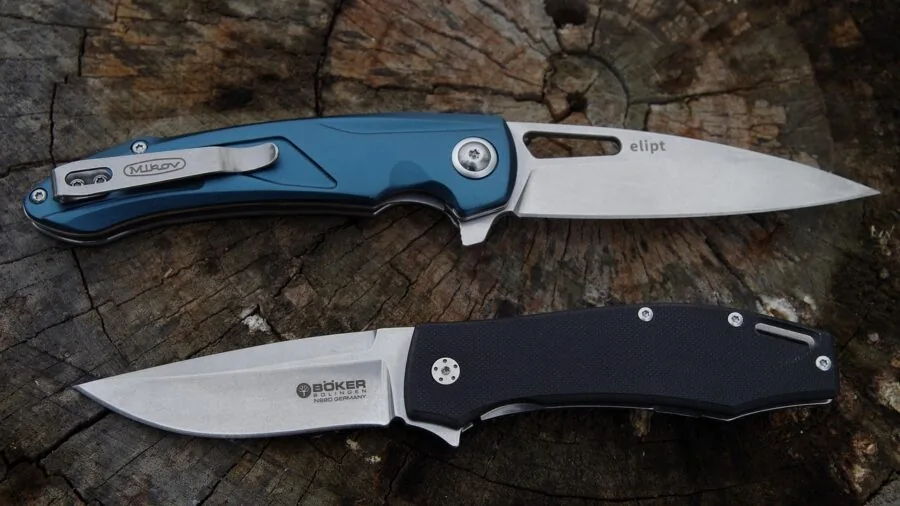
Blade steel determines how long an edge lasts between sharpenings, how resistant the knife is to rust, and how easy it is to bring back to sharpness in the field.
Stainless steels such as Sandvik 12C27, 8Cr13MoV, and D2 offer good corrosion resistance and are well suited to humid environments, coastal trips, or campers who do a lot of food prep near water.
They are also more forgiving if you neglect to dry the blade after use.
Carbon steels hold a finer, more aggressive edge and are preferred by bushcrafters who want the sharpest possible bite for carving and feather-stick work.
The catch is that carbon steel rusts quickly if not oiled and dried after use, which adds a maintenance obligation that not every camper wants.
If you are drawn to a carbon steel blade, build the care habit before you depend on the knife in the field.
Higher-end steels like D2 offer a notable step up in edge retention compared to entry-level stainless grades, which is why they appear in knives positioned as serious everyday carry or outdoor tools.
For most campers, a mid-tier stainless steel from a reputable mill is the right balance of performance, maintenance ease, and cost.
Blade Grind and Geometry
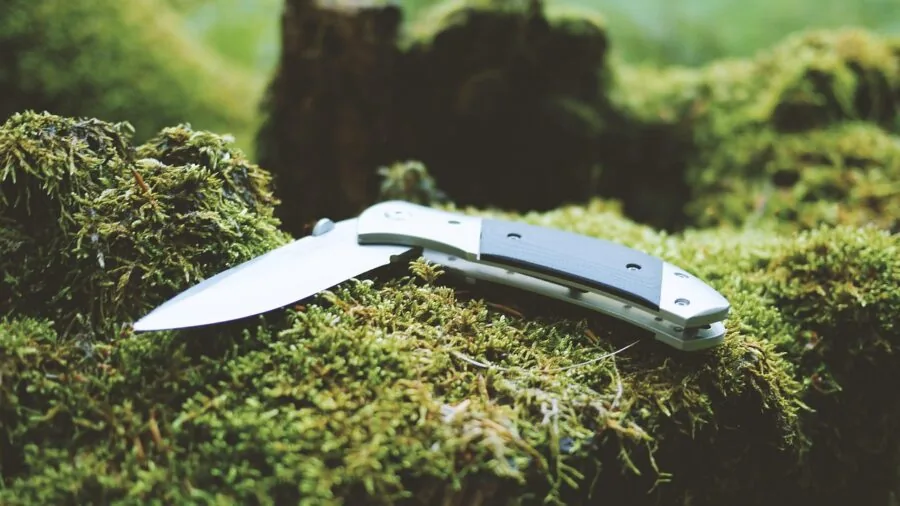
The grind of a blade determines how it cuts and how easy it is to sharpen without equipment. A Scandi grind, common on Scandinavian outdoor knives, has a single flat bevel that runs from the spine down to the edge.
This geometry excels at wood carving and feather-stick shaving, and it is the most beginner-friendly grind to touch up freehand on a flat stone because you simply lay the bevel flat and work it.
A hollow grind produces a thinner, more acute edge that slices cleanly through food and soft materials. It is common on kitchen-oriented camping knives and general-purpose folders.
A convex grind, found on heavier bushcraft knives, is more durable during impact tasks like batoning but requires a leather strop or a slightly rounded stone to sharpen correctly.
Drop-point and clip-point blade shapes are the most practical for camping. Drop points offer a strong, controlled tip suited to food prep, skinning, and general cutting.
Clip points have a more pronounced tip that works well for detailed work and piercing but can be slightly weaker at the very tip if you apply sideways force.
Handle Material and Ergonomics
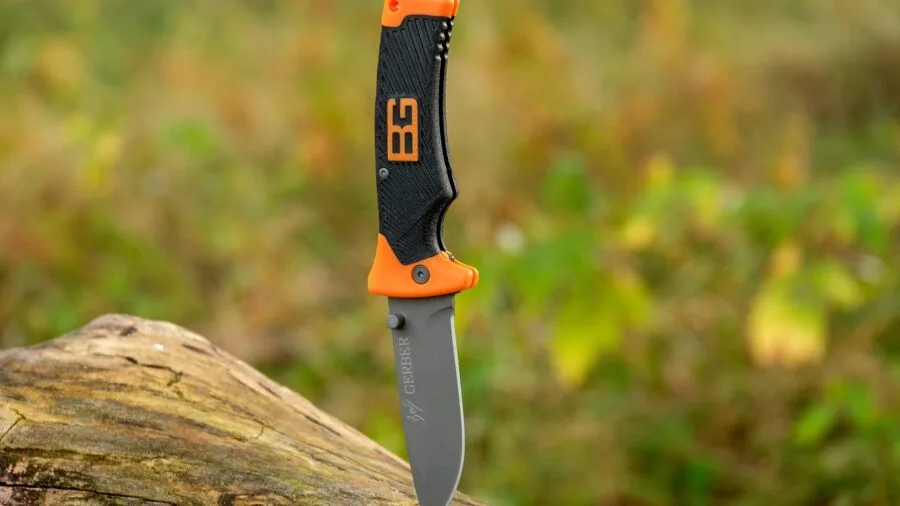
A knife handle that feels fine at the store may become slippery or cause hot spots after an hour of camp chores. Rubber and rubberized overmold handles grip well in wet and muddy conditions and cushion vibration during heavy chopping.
They are the safest choice for beginners or anyone working in rain-prone environments.
G10 fiberglass handles are lightweight, extremely durable, and texture-rich without being abrasive. They have become common on serious EDC folders and mid-range fixed blades because they perform reliably across temperature extremes.
Wooden handles look attractive and have natural grip, but they absorb moisture over time and require occasional oil treatment to prevent cracking in dry or cold climates.
Beyond material, check the handle’s guard or finger choil. A defined guard between the handle and blade prevents your hand from riding forward onto the edge during a hard push cut.
Full-tang construction, where the blade steel runs the full length of the handle, is the gold standard for fixed blades because the handle cannot detach from the blade even under heavy stress.
Sheath Quality and Carry System
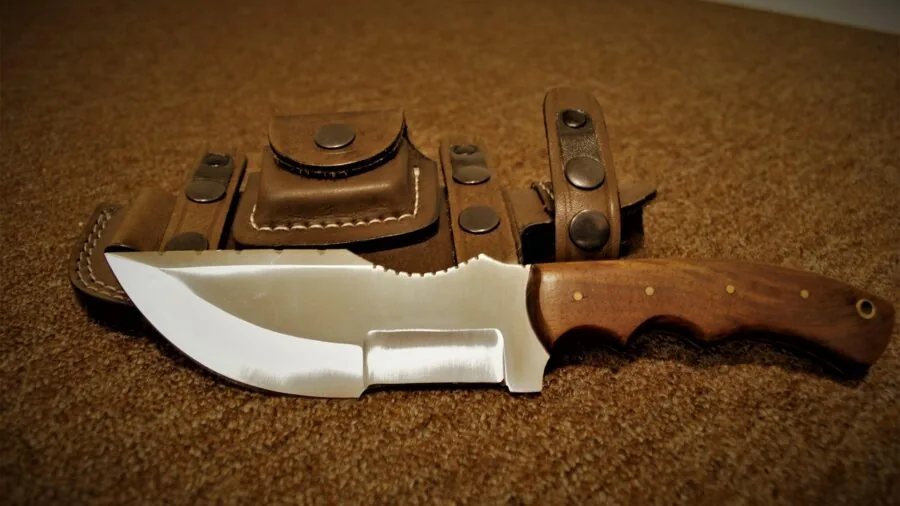
A sheath is not an afterthought. A well-designed sheath keeps the knife accessible, protects the edge between uses, and ensures the blade cannot contact skin during a stumble.
Kydex sheaths are rigid, weather-resistant, and retain the knife securely with an audible click. They are easy to clean and hold up to heavy use without stretching.
Leather sheaths are traditional and attractive but absorb moisture and can hold the blade in contact with dampness if not allowed to dry properly. Molded plastic sheaths that come with budget knives vary enormously in retention quality.
Before you depend on any sheath in the field, evaluation the knife’s retention by holding the sheath upside-down and shaking firmly. The blade should stay put.
Carry options matter for backpackers especially. Look for a sheath that can mount horizontally on a hipbelt or MOLLE strap, not just vertically on a standard belt loop, so the knife stays accessible when you are wearing a loaded pack.
Some sheaths include a built-in fire starter slot or sharpener, which reduces the number of separate items you need to carry. Planning your full kit thoughtfully, from your knife to your campsite shelter, simplifies every trip.
Blade Length and Weight for Your Trip Type
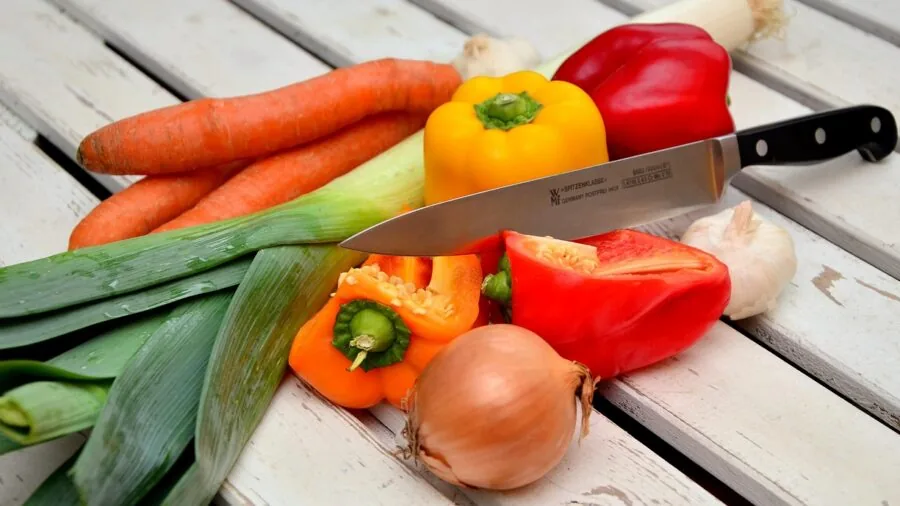
Blade length is often where buyers overthink the decision. A four-inch blade handles the vast majority of camping tasks, including food prep, wood carving, first aid, and cutting cordage, without being unwieldy.
Blades longer than six inches gain chopping ability but add weight and make fine control harder. Unless you anticipate serious batoning or processing game, a four-to-five-inch blade is the practical sweet spot.
For backpackers counting grams, a compact fixed blade or a quality folder keeps total knife weight under four ounces without sacrificing much capability. Car campers can afford a heavier, more capable blade because pack weight is not a constraint.
If you are buying a knife primarily for emergency use and it will live in a vehicle or base camp kit, a multi-tool model that also carries a saw blade adds genuine versatility at a modest weight penalty.
Why You Should Trust Us
ProductFind is an independent editorial platform. Every product in this article was assessed by our research team using a consistent, multi-source methodology.
We do not conduct our own product trials; our evaluations are grounded in research, published data, expert review consensus, and verified buyer feedback.
Each knife was scored on our 0 to 10 PF Score scale, which weights factors including blade steel quality and documented edge retention, handle ergonomics and safety features, sheath quality and carry versatility, build construction (full tang vs. partial tang, tolerances, fit and finish), and value relative to comparable options in the category.
We cross-reference manufacturer specifications against what expert reviewers and verified purchasers report in real-world use, flagging cases where claimed performance diverges from documented field experience. Consensus points, whether positive or negative, carry more weight than any single source.
Our scores reflect that synthesis, not promotional materials or retail relationships.
ProductFind may earn an affiliate commission if you purchase through a link in this article. That relationship has no bearing on which products are included, how they are ranked, or what scores they receive.
Our recommendations are editorially independent and are not adjusted based on commission rates or brand relationships. If a product scores poorly on our criteria, it appears lower in the list or is excluded, regardless of commercial considerations.
Final Thoughts
After evaluating the full field against consistent criteria, here is how our top picks break down by use case. Each knife below earned its designation through documented strengths, not marketing claims.
- Best Overall: Morakniv Companion Fixed Blade Outdoor Knife. The highest PF Score in our lineup reflects a near-perfect combination of Scandi-grind blade geometry, a grip that holds in wet conditions, a practical four-inch length, and a price point that is almost impossible to beat for the quality on offer. It earns its reputation as one of the most recommended outdoor knives across the expert community.
- Best Folding Knife for EDC and Camp Use: VIRENKNIFE Pocket Knife with D2 Steel Blade. The D2 steel blade delivers edge retention well above what most budget folders offer, and the G10 handle keeps weight low without sacrificing grip. A strong choice for campers who want a pocketable knife that can handle sustained use without losing its edge mid-trip.
- Best Bushcraft Fixed Blade: BPSKNIVES Adventurer Bushcraft Knife. Full-tang carbon steel construction, a leather sheath, and a bundled firestarter make this a capable companion for wood-craft-oriented camping. Reviewers consistently note the quality of fit and finish relative to its mid-range price.
- Best Multi-Tool Option: MOSSY OAK 10-in-1 Folding Pocket Knife with Saw. Car campers and family campers who want a single tool that handles a wide variety of small jobs will appreciate the integrated saw and additional implements. It does not replace a dedicated fixed blade for hard use, but it earns its place in a base camp kit.
- Best Budget Entry Point: Mossy Oak 15-inch Survival Knife with Sharpener and Fire Starter. For campers on a tight budget who want a large, feature-bundled kit, this knife offers a fire starter and field sharpener in one package. Manage expectations around steel quality at this price tier, but as an entry-level option it covers the bases.
Whichever knife you choose, maintaining a sharp edge and keeping the blade dry after use will extend its service life dramatically. A dull knife requires more force and is statistically more dangerous than a sharp one.
Budget a few minutes after each trip to clean, dry, and lightly oil your blade, and it will be ready when you need it most.
A great knife is also more enjoyable to use alongside a well-chosen camping tent and a complete outdoor kit built around your specific style of camping.
Frequently Asked Questions
What is the best type of camping knife for a beginner?
For most beginners, a fixed-blade knife with a four-inch blade, a rubberized or textured handle, and a secure sheath is the safest and most versatile starting point.
Fixed blades are simpler to use and maintain than folders because there are no locking mechanisms to learn or clean. A Scandi-grind edge is the easiest to sharpen freehand, which means you can keep the knife field-ready without specialized equipment.
Budget options from established brands like Morakniv consistently outperform their price tier and are widely recommended as first camping knives by the outdoor community.
Can I use a folding pocket knife for camping instead of a fixed blade?
Yes, and millions of campers do. A quality folding knife with a three-to-four-inch blade handles food prep, cutting cordage, opening packages, and light wood work without trouble.
The practical limitation is structural: folders are not suited to batoning firewood or heavy-impact tasks because lateral stress on the pivot can damage the mechanism over time.
If your camping style leans toward car camping, festival camping, or backpacking trips where you travel light and do not anticipate hard knife work, a folder is a perfectly adequate choice.
Many experienced campers carry both: a folder for everyday tasks and a fixed blade for demanding situations.
Is stainless or carbon steel better for a camping knife?
Neither is universally better. Stainless steel resists corrosion with minimal maintenance, which makes it the more practical choice for most campers, especially in wet climates or when the knife will be used for food prep.
Carbon steel takes a finer, more aggressive edge and is preferred by experienced bushcrafters for carving and fire-starting tasks, but it requires consistent drying and oiling to prevent rust.
If you are confident in your blade maintenance habits and prioritize maximum sharpness for wood work, carbon steel is rewarding.
If you want a knife you can use, wipe off, and store without a care routine, stainless is the smarter pick.
How long should a camping knife blade be?
Four to five inches covers the vast majority of camping tasks comfortably. Blades in this range are long enough to prepare food efficiently, create feather sticks, and handle field-dressing tasks, while remaining short enough to control precisely.
Blades shorter than three inches limit leverage and reach for heavier cutting tasks. Blades longer than six inches add chopping power but become harder to control for fine work and heavier to carry.
Unless you have a specific need for a larger chopper, a four-inch blade is the practical standard that expert reviewers and experienced campers return to most consistently.
Do I need a special sheath for my camping knife?
The sheath that comes with a knife is adequate in most cases, but quality varies considerably by price tier.
Check that the sheath retains the knife securely when inverted and shaken, that it mounts comfortably on your belt or pack in the position you prefer, and that it protects the edge without excessive play.
Kydex aftermarket sheaths are widely available for popular fixed-blade models and offer a meaningful upgrade in retention and weather resistance if the stock sheath feels flimsy.
For backpackers, a horizontal mount option is worth seeking out so the knife stays accessible under pack straps.
Are Damascus folding knives practical for camping, or are they mostly decorative?
Entry-level Damascus pattern knives, which make up the majority of affordable Damascus options on the market, are primarily aesthetic.
The layered pattern is created through acid etching on relatively standard steel, and the underlying blade steel is often similar in performance to plain mid-grade stainless.
Higher-end hand-forged Damascus from established smiths genuinely combines different steels for performance benefits, but those knives are priced accordingly.
For practical camping use, a knife’s performance comes from the base steel grade, heat treatment, and grind geometry rather than whether it has a Damascus pattern.
If you appreciate the aesthetics of a Damascus folder like the AUBEY model in our lineup, enjoy it, but choose it for its looks rather than expecting a performance edge over a well-made plain-steel knife at a comparable price point.
About the author
Vernon is a reviewer and writer for ProductFind who specializes in Camping & Hiking. Vernon evaluates products through independent research: specifications, expert review consensus, and verified buyer feedback, and rates each one on the PF Score. Vernon focuses on helping readers pick the right camping & hiking for their needs and budget.