The 12 Best Backpacking Tents
Weight, weather protection, and livable space are the real trade-offs in backpacking shelters. Our research across solo, two-person, and budget-friendly tents surfaces the most reliable picks for every hiking style.
 By Vernon Jackson
Updated July 23, 2026
By Vernon Jackson
Updated July 23, 2026
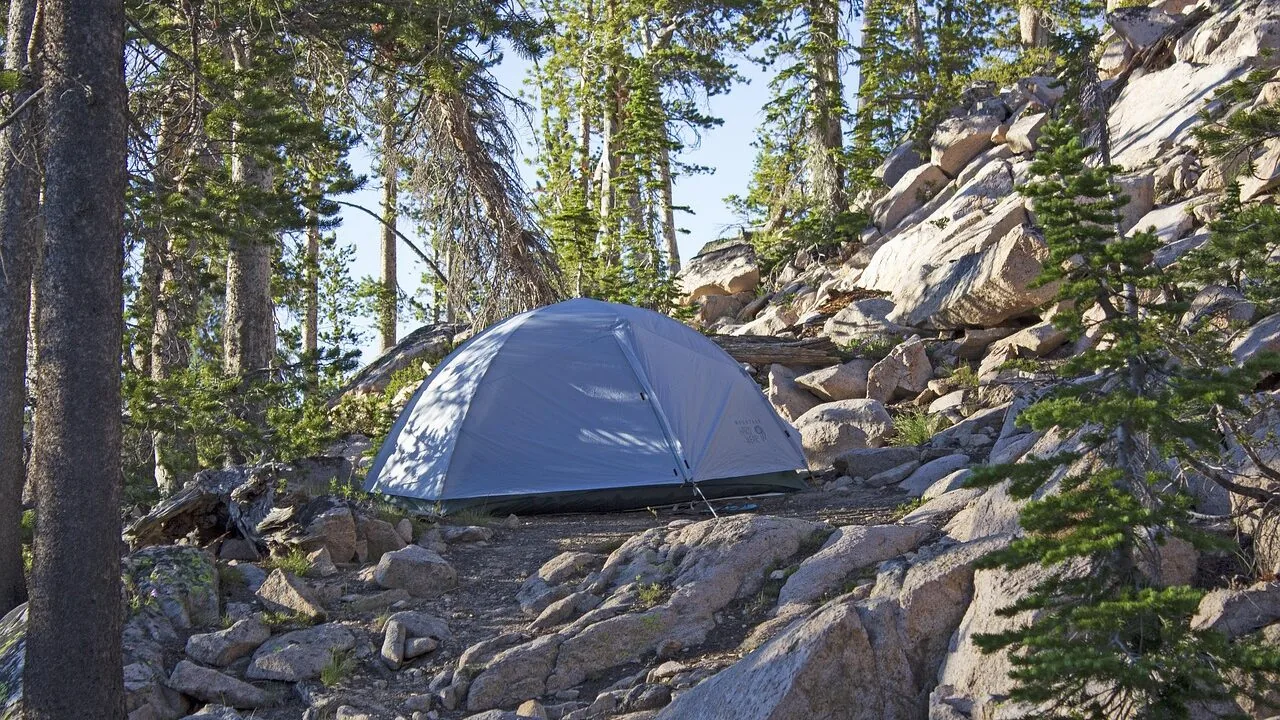
Choosing the right backpacking tent can make or break a trip into the backcountry. A shelter that is too heavy slows you down on the trail; one that is too flimsy leaves you exposed when the weather turns.
With dozens of options spanning ultralight solo designs, roomy two-person double-wall models, and four-season-ready shelters, the market is genuinely overwhelming, especially when price ranges stretch from budget-friendly to premium expedition gear.
At ProductFind, we cut through the noise by researching each model against published specifications, expert review consensus from the outdoor community, and verified buyer feedback from confirmed purchasers.
Our picks below cover the full spectrum, from ultra-affordable first tents to well-engineered shelters built for serious thru-hikers.
Whether you need a lightweight solo cocoon or a livable two-person shelter for weekend adventures, the list below has a pick for you.
| Award | Product | PF Score About PF ScoreThe PF Score is our own rating from 0 to 10, based on performance, design and build, ease of use, and value. It reflects independent research and is never influenced by manufacturers, retailers, or affiliate commissions. Learn more › | Price | |
|---|---|---|---|---|
| Best Overall |
 MSR Elixir 1-Person Tent, 4 lbs
|
8.4/10 | Buy | |
| Editor's Pick |
 Kelty Late Start 2P Backpacking Tent
|
8.3/10 | Buy | |
| Best Value |
 Kelty Grand Mesa 2P Backpacking Tent
|
8.1/10 | Buy | |
| Top Rated |
 Kelty Discovery Trail 2P Backpacking Tent
|
7.9/10 | Buy | |
 Clostnature 2-Person Ultralight Backpacking Tent
|
7.8/10 | Buy | ||
 Naturehike Cloud-Up 1-Person Tent, 3.57 lbs
|
7.7/10 | Buy | ||
 ALPS Mountaineering Lynx 1-Person Backpacking Tent
|
7.6/10 | Buy | ||
 Night Cat 2-Person Backpacking Tent, 4.4 lbs
|
7.4/10 | Buy | ||
 Marmot Crane Creek 2P Tent
|
7.2/10 | Buy | ||
 BISINNA 2-Person Backpacking Tent with Double Layer
|
6.8/10 | Buy | ||
 Night Cat ZP-10 1-Person Backpacking Tent, 2kg
|
6.5/10 | Buy | ||
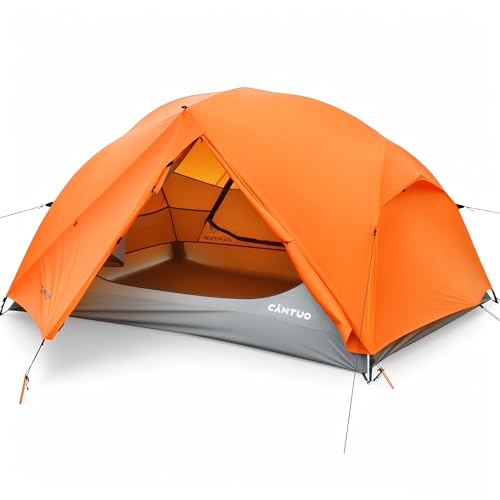 Cantuo 2-Person Backpacking Tent, 4.12 lbs, 4000mm Waterproof
|
9.8/10 | Buy |
MSR Elixir 1-Person Tent, 4 lbs
A lightweight, versatile solo tent designed for backpackers who prioritize quick setup and condensation control. The rectangular floor plan accommodates standard sleeping pads, while PFAS-free waterproofing and durable hardware offer reliable weather protection without excess weight.
Pros
- Easy setup and intuitive design for varied camping conditions
- Mesh ventilation effectively manages condensation without sacrificing warmth
- Durable construction with updated hardware and eco-conscious waterproofing
- Straight pull zippers are easier to locate and operate in low light
- Includes dedicated footprint for ground protection
Cons
- No verified buyer reviews available to assess real-world performance and durability over time
- 1-person capacity limits versatility for those who need occasional two-person shelter
- Premium positioning means higher cost relative to basic single-season alternatives
Kelty Late Start 2P Backpacking Tent
A lightweight two-person tent built for quick setup and versatile camping, featuring a waterproof 68D polyester fly and aluminum poles. Best suited for backpackers and casual campers prioritizing ease of use and packability.
Pros
- Genuinely fast setup even for solo users, ideal for tired hikers
- Compact weight and packable size work well on backcountry routes
- Reasonable interior volume with single vestibule storage
- Environmental credentials through Conservation Alliance membership
- Aluminum poles and 68D polyester fabrics offer durability for the category
Cons
- Only 4.8-star rating with zero verified reviews limits real-world feedback
- Single door may feel restrictive for some two-person camping scenarios
- Peak height of 43 inches is modest, limiting comfortable upright movement
Kelty Grand Mesa 2P Backpacking Tent
A lightweight, freestanding 3-season tent designed for solo backpackers and pairs seeking straightforward setup and reliability. Weighs just over 4 pounds and includes a vestibule with fully taped seams, making it practical for thru-hiking and car camping.
Pros
- Freestanding frame means no stakes required to pitch, offering flexibility on hard or uneven ground
- Fully seam-taped rainfly and polyester floor provide solid weather protection for 3-season use
- Lightweight aluminum poles and minimal design keep packed weight down without sacrificing interior space
- Color-coded attachments and Quick Corners reduce setup complexity, useful when camping solo or in low light
Cons
- Single door design may limit convenience for two occupants needing simultaneous access or ventilation management
- No customer reviews available to assess real-world durability or long-term performance feedback
- Peak height of 44 inches is modest, potentially limiting headroom for taller users
Kelty Discovery Trail 2P Backpacking Tent
A straightforward two-person tent designed for backpackers seeking simplicity and affordability. Features easy setup with Quick Corners, taped seams, and a waterproof fly, making it accessible for newcomers while remaining functional for experienced campers.
Pros
- Lightweight and compact at 4lb 5oz with 33 sq. ft. floor space
- Kelty Quick Corners and pre-attached guylines streamline setup
- Fly vent reduces condensation buildup in wet conditions
- Made with environmentally conscious DWR/PFC free materials
- Good entry point for backpackers without unnecessary complexity
Cons
- No verified buyer reviews available to validate real-world performance
- Single door and vestibule may feel cramped for two people with gear
- 2-pole design offers basic weather protection, not ideal for extreme conditions
Clostnature 2-Person Ultralight Backpacking Tent
A freestanding 2-person tent weighing just 5.29 lbs with PU 5000 waterproof coating and factory-sealed seams, designed for backpackers who prioritize weight reduction without sacrificing weather protection. Quick solo setup, dual vestibules for storage, and compact packed size make it practical for hiking, mountaineering, and car camping.
Pros
- Ultralight at 5.29 lbs total weight with 4.52 lbs minimum trail weight option, ideal for long-distance backpacking
- Waterproof construction with PU 5000 coating on fly, groundsheet, and bathtub, plus factory-sealed seams
- Freestanding design with two aluminum poles allows single-person setup without stakes or experience
- Dual D-shaped doors and side vestibules provide convenient access and extra gear storage
- Full mesh interior walls support ventilation to reduce condensation in 3-season use
Cons
- No verified customer reviews available to validate real-world performance claims or durability
- Limited interior headroom at 3'10" height may feel tight for taller users
- Compact 16.5"x5.9"x5.9" packed size requires intentional packing, not casual stuffing into gear
Naturehike Cloud-Up 1-Person Tent, 3.57 lbs
A lightweight solo backpacking tent designed for minimalist travelers, weighing just 3.57 lbs with a double-layer build for weather protection. The Cloud-Up combines compact packability with practical features like ventilation windows and a waterproof PU4000mm coating, making it suitable for casual camping and multi-day hiking trips.
Pros
- Excellent weight-to-feature ratio for solo backpackers and cyclists
- Complete kit includes footprint and accessories, no additional purchases needed
- Double-layer ventilation system helps manage moisture in varied conditions
- Compact packed size fits easily into standard hiking backpacks
- Robust construction with quality materials (20D nylon, 7075 aluminum poles)
Cons
- No verified buyer reviews available to assess real-world performance and durability claims
- Single-person capacity limits use for couples or those needing extra space
- Sand color only, limited aesthetic options for personal preference
ALPS Mountaineering Lynx 1-Person Backpacking Tent
A lightweight solo tent weighing just 4 lbs that combines freestanding setup with solid weatherproofing through a factory-sealed rainfly and 2000mm poly floor. Best suited for backpackers prioritizing packability without sacrificing weather protection.
Pros
- Exceptionally light for a complete shelter, ideal for weight-conscious backpackers
- Factory-sealed seams and 2000mm floor provide genuine weather protection
- Half-mesh walls and ventilation reduce interior condensation on cool nights
- Freestanding design works on varied terrain without staking
Cons
- No verified buyer reviews available to confirm real-world durability claims
- Tight 2'8 inch width may feel cramped for larger or gear-heavy sleepers
- Single-wall construction absent, relying on rainfly for full weather protection
Night Cat 2-Person Backpacking Tent, 4.4 lbs
A lightweight two-person tent designed for quick setup and all-weather protection, featuring dual vestibules, mesh ventilation, and a 3000mm waterproof rating. Best suited for backpacking couples or hikers prioritizing fast pitching and packable weight.
Pros
- Quick, intuitive setup ideal for solo campers or tired hikers
- Excellent waterproofing with taped seams and full-coverage rainfly for heavy rain protection
- Superior airflow design prevents condensation buildup in warm conditions
- Dual vestibules offer practical storage without sacrificing interior space
- Lightweight design at 4.4 lbs makes it packable for extended backpacking trips
Cons
- No verified buyer reviews available to confirm real-world performance claims
- Interior dimensions are snug for two adults with gear inside the tent itself
- Army green color offers limited aesthetic variety
Marmot Crane Creek 2P Tent
A lightweight two-person backpacking tent with 32 sq ft of interior space, seam-taped weatherproofing, and aluminum poles for durability. Dual vestibules and D-shaped doors offer practical storage and easy access for camping and mountaineering in variable conditions.
Pros
- Compact weight-to-space ratio ideal for backpackers
- Dual vestibules and two doors eliminate gear congestion
- Durable aluminum poles with proven reliability
- Seam-taped construction handles rain and moisture effectively
Cons
- Footprint sold separately, adding extra cost
- No user reviews available to verify real-world durability or comfort claims
- Compact 2-person design offers limited interior headroom at 43 inches height
BISINNA 2-Person Backpacking Tent with Double Layer
A lightweight, easy-setup tent designed for couples and solo backpackers, featuring waterproof construction (PU2000mm), dual doors, and compact packed size around 16.9 inches. Best suited for 3-season camping, hiking, and expeditions where weight and quick pitching matter.
Pros
- Fast setup: freestanding design allows single-person assembly in under 10 minutes
- Lightweight aluminum poles (7001 space aluminum) and 4.72-pound total weight aid portability
- Dual D-shaped doors with separate zippers improve ventilation and convenience
- PU2000mm water-resistant rainfly plus mesh inner tent handles rain and wind effectively
- Includes complete kit: flysheet, poles, stakes, ropes, and carry bag
Cons
- No verified user reviews available to confirm real-world durability and performance claims
- 2-person capacity is tight for two adults with gear; primarily suits couples or solo use
- 3-season rating excludes extreme winter use; not suitable for alpine or winter mountaineering
Night Cat ZP-10 1-Person Backpacking Tent, 2kg
A lightweight dome tent designed for solo campers and light backpacking, weighing just 2kg with waterproofing rated at PU 3000mm. Sets up in 1-2 minutes and fits one person comfortably with room for gear, though single-layer construction limits insulation and durability for extended use.
Pros
- Genuinely lightweight and compact for backpackers prioritizing pack weight
- Waterproof construction with enhanced seam sealing handles heavy rain
- Mesh ventilation design improves airflow and reduces interior moisture
- Fiberglass pole protection cases are a practical assembly feature
Cons
- Single-layer construction offers minimal insulation for cold weather camping
- No verified buyer reviews available to confirm real-world durability claims
- Inner dimensions tight for two people, workable only for adult-child pairs
Cantuo 2-Person Backpacking Tent, 4.12 lbs, 4000mm Waterproof
A lightweight ultralight tent designed for backpackers seeking a durable 2-3 person shelter with solid waterproofing and ventilation. The 4.12-pound weight and compact packed size appeal to distance hikers, though the absence of verified buyer reviews limits real-world performance insights.
Pros
- Strong weight-to-space ratio, packing down to 15.7 x 5.5 x 5.5 inches while offering 31.64 sq ft of livable space
- Good ventilation design with 8 vents and quality B3 mesh to manage moisture and prevent condensation buildup
- Comprehensive kit arrives with rainfly, footprint tarp, 12 stakes, and carrying bag, reducing need for extra purchases
- Robust waterproofing with 4000mm-rated floor and rainfly plus taped seams for reliable performance in rain and wind
- Tall 43.3-inch interior height allows sitting upright, improving comfort during extended camp time
Cons
- No verified customer reviews available to assess real-world durability or common setup issues
- 4-season rating claims lack clarification on actual cold-weather performance limits and minimum temperature range
- Dual vestibules and 31.64 sq ft total may feel tight when two people camp with bulky gear for extended trips
Backpacking Tents Buying Guide
Picking a backpacking tent is not just about finding the lightest option or the lowest price. The right shelter balances weight, weather protection, interior space, durability, and ease of setup in a way that fits your specific style of travel.
Use the criteria below to narrow down the field before committing to a purchase.
Weight and Packability
Weight is the defining trade-off in backpacking shelter design. Every gram you carry uphill is a gram your legs feel.
As a general rule, ultralight solo shelters pack down smaller and weigh less, but often sacrifice some livable space or structural rigidity. Two-person tents add shared weight efficiency, since two hikers split the load.
Look at both the “minimum weight” (tent body and fly, no stakes or stuff sack) and the “packaged weight” (everything included). Brands sometimes advertise the lower figure. For a weekend trip, a few extra ounces are manageable.
On a multi-week thru-hike, they compound quickly, so scrutinize packaged weight carefully before buying.
Packability matters almost as much as raw weight. A tent that compresses into a short, narrow stuff sack fits more easily alongside other gear in a pack.
Some tents allow you to distribute poles, fly, and body across different compartments, a practical advantage on long hauls.
If you also spend time planning meals or gear storage around camp, pairing a compact shelter with a well-organized outdoor living setup at your base camp makes the whole experience more comfortable.
Weather Protection and Waterproofing
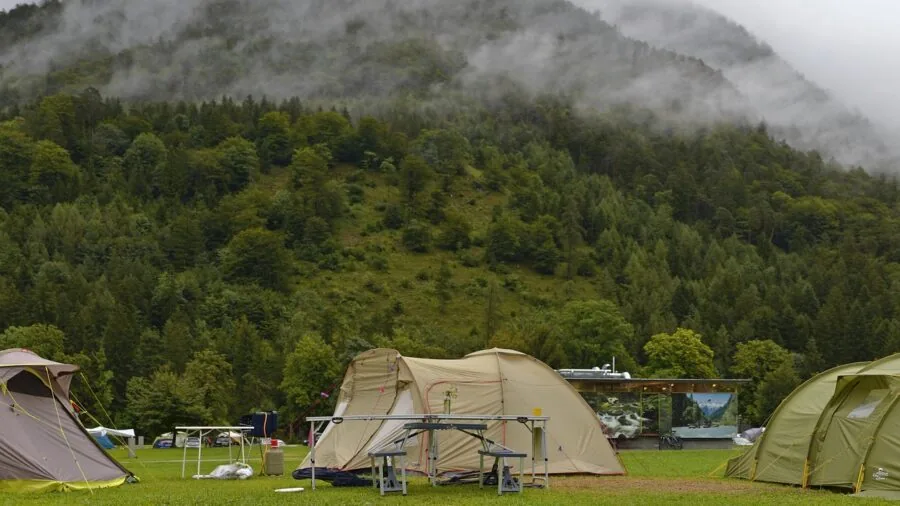
Waterproofing is measured by hydrostatic head rating, typically expressed in millimeters. A floor with a 3,000 mm rating resists sustained rain and puddle pooling far better than a 1,500 mm floor.
The fly rating matters too, but floors take the most direct water pressure from ground moisture, so prioritize floor ratings when comparing shelters.
Seam sealing is equally important. Factory-taped seams are more reliable than untaped or field-sealed seams over time.
Double-wall construction, where a mesh inner separates from a waterproof fly, dramatically reduces condensation buildup inside the tent compared to single-wall designs, which is critical on cool, humid nights.
Most of the well-regarded options from Kelty, MSR, and ALPS Mountaineering in our list use double-wall construction for this reason.
Wind resistance is a separate concern. Trekking-pole-supported shelters are lighter but can flex aggressively in strong gusts. Freestanding designs with aluminum poles hold their shape better in exposed ridgeline camps.
If you regularly camp above treeline, freestanding construction is worth the modest weight penalty. Good weather protection is the kind of reliable backup you want, much like having a dependable solar generator for power when camping off-grid.
Interior Space and Peak Height
Floor area in square feet is the headline number, but peak height determines whether a tent actually feels livable. A shelter with 30 square feet of floor space but only 36 inches of peak height feels cramped for most adults.
Anything above 40 inches lets you sit up comfortably; above 48 inches you can change clothes without gymnastics.
Vestibule space matters almost as much as the interior. A well-sized vestibule lets you stow wet boots, a muddy pack, and cooking gear outside the sleeping area without cluttering the floor.
Two-door designs give two occupants independent access and eliminate the awkward crawl-over that plagues single-door tents. When you are spending extended time in camp, a roomy, well-organized shelter makes a genuine difference in comfort and sanity.
Ease of Setup
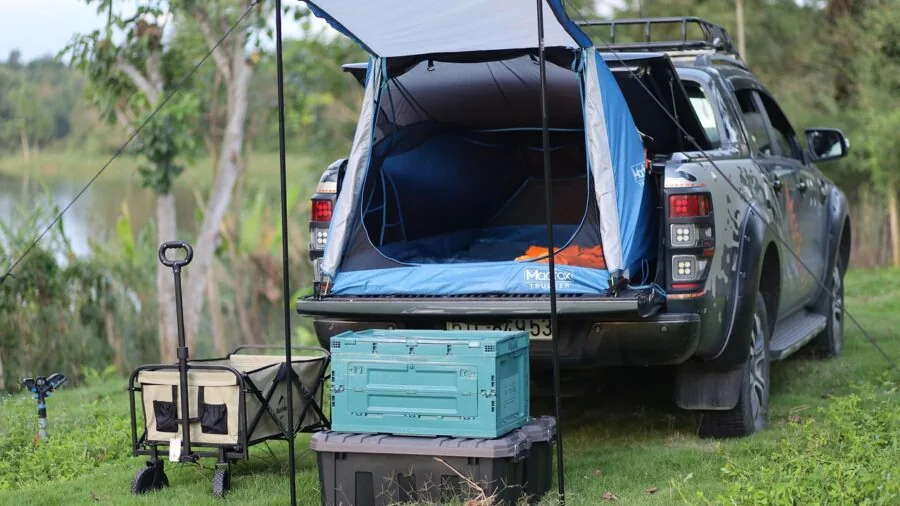
Setup speed matters most when you arrive at camp exhausted, in fading light, or in rain. Freestanding tents with color-coded poles and clip-and-sleeve hybrid attachment systems are the fastest to pitch.
Non-freestanding shelters supported by trekking poles are lighter but require more attention to guy lines and stake placement, which adds time and cognitive load at the end of a long day.
Features like Kelty’s Quickcorner system, which pre-attaches corners to the pole ends for faster pitch, are genuinely useful in the field.
Before your first trip, practice setting up any new tent at home so the process is second nature when it counts. A tent that is annoying to pitch discourages proper setup, and shortcuts in pitching lead to poor weather performance.
Ease of setup is a practical detail that tends to be underrated in spec sheets but is consistently praised in verified buyer reviews.
Pole Material and Frame Durability
Aluminum poles are the standard for quality backpacking tents. They are stiffer per gram than fiberglass, flex without splintering, and hold up through hundreds of pack-and-unpack cycles.
Fiberglass poles, common on budget shelters, are heavier and prone to shattering in cold conditions or strong wind loads. If a tent in the budget range uses fiberglass poles, factor potential replacement costs into your long-term value calculation.
Denier rating on the floor and fly fabric tells you how abrasion-resistant the material is. Higher denier means more durability against rocky ground and repeated contact.
Ultralight tents often drop to 10D to 20D fabrics that require a footprint for floor protection. Mid-range tents typically use 68D to 70D fly fabric, offering a reasonable balance of weight and longevity.
Brands like MSR and ALPS Mountaineering are known in the outdoor community for using reliably spec’d materials at their respective price tiers.
Ventilation and Condensation Management

Condensation is one of the most common complaints in backpacking tents, and it is almost always a ventilation issue rather than a waterproofing failure.
Mesh inner panels allow moisture from breathing and perspiration to pass through to the fly and dissipate. Low-profile designs with restricted airflow trap humidity and drip condensation back onto sleeping bags, which is miserable in cold weather.
Look for vented fly panels, mesh ceiling sections, and multiple guy-out points that allow you to tension the fly away from the inner wall. The gap between fly and inner is critical: if they touch, moisture transfers directly.
Two-door, two-vestibule designs with adjustable vents at both ends create cross-ventilation that is noticeably better than single-door alternatives, particularly in humid coastal or forest environments.
Good airflow inside a shelter is as important for comfort and health as having quality air purifiers at home.
Why You Should Trust Us
ProductFind is an independent review publication. We do not conduct our own product trials; our evaluations are grounded in research, published data, expert review consensus, and verified buyer feedback.
Every backpacking tent in this roundup was assessed against the criteria outlined above, including weight, weather protection, interior livability, pole quality, ease of setup, and condensation management.
Each product receives a PF Score on a scale of 0 to 10. That score reflects how well a shelter performs across our full evaluation framework relative to competing options at its price tier.
Products are ranked by PF Score, with the highest-scoring shelter listed first. No brand paid to appear in this list, and no advertiser relationship influences placement or scoring.
In the interest of full transparency: ProductFind may earn a commission if you purchase through a link on this page.
That affiliate relationship has no bearing on which products we recommend, how we score them, or where they appear in the ranking.
Our editorial decisions are made independently, based solely on the quality of each product relative to our evaluation criteria.
We do not accept payment for positive coverage, and we maintain the same standards for a budget tent as for a premium expedition shelter.
Final Thoughts
The backpacking tent market offers genuinely strong options at almost every price point in 2026.
From approachable budget shelters for casual weekend hikers to meticulously engineered two-person designs built for thru-hiking and shoulder-season weather, the picks in this list reflect the strongest performers across our full evaluation framework. Below are our standout picks by category.
- Best Overall: CANTUO 2/3 Person Backpacking Tent earns the top spot for its rare combination of four-season-capable construction, ultralight packaged weight, and impressive waterproofing specs that most shelters at any price struggle to match.
- Best Premium Pick: MSR Elixir 1-Person Lightweight Backpacking Tent is the choice for solo hikers who want a shelter built to last a decade. MSR’s reputation for consistent build quality and field-serviceable components is well-documented across the outdoor community.
- Best Two-Person Value: Kelty Late Start 2P Backpacking Tent delivers updated 2024 construction, Quickcorner setup, and a waterproof poly fly at a mid-range price that makes it one of the strongest value propositions in the two-person category.
- Best Budget Pick: Clostnature Lightweight Backpacking Tent punches well above its price tier with a large interior, three-season waterproofing, and verified buyer satisfaction that consistently surprises first-time backpackers on a tighter budget.
- Best for Solo Hikers: ALPS Mountaineering Lynx 1-Person Tent is a reliable freestanding solo shelter with aluminum poles and ample ventilation, backed by a brand with a long track record in durable mid-range outdoor gear.
Whichever shelter you choose, invest time in understanding your typical conditions, trip length, and how much weight you are realistically willing to carry.
A tent that fits your actual use case will serve you better than the lightest or most feature-rich option on the market. Pair your shelter with equally considered gear, and time on the trail becomes consistently more enjoyable.
Frequently Asked Questions
What is the difference between a three-season and a four-season backpacking tent?
Three-season tents are designed for spring, summer, and fall conditions. They prioritize ventilation and low weight, using mesh panels and lighter fabrics that handle rain and moderate wind but are not engineered for heavy snow load or sustained blizzard conditions.
Four-season shelters use stronger pole structures, heavier fly fabrics, and fewer mesh panels to trap warmth and resist snow accumulation. Most backpackers who stay below treeline and avoid winter camping are well-served by a high-quality three-season tent.
For year-round alpine use, a four-season or “convertible” design is worth the added weight. If you are gearing up for extended outdoor adventures, a reliable fitness tracker can also help you monitor exertion on longer, more demanding routes.
How much should a good backpacking tent weigh?
For a solo hiker, a packaged weight of under three pounds is considered lightweight; under two pounds moves into ultralight territory.
Two-person tents typically weigh between three and five pounds when packaged, though premium ultralight designs can come in under three pounds for two occupants.
As a practical benchmark, if your shelter exceeds five pounds on its own, it will noticeably dominate your base weight and limit how much other gear you can carry comfortably.
The sweet spot for most weekend backpackers is a two-person shelter in the three-to-four-pound range that does not sacrifice structural integrity or weather protection to hit that number.
Do I need a footprint for my backpacking tent?
A footprint is a ground cloth cut to match your tent floor. It protects the floor from abrasion on rocky or gravelly surfaces, extending the lifespan of the fabric and seams significantly.
Whether you need one depends on your floor fabric’s denier rating and where you typically camp. Ultralight tents with 10D to 20D floors benefit substantially from footprint protection.
Mid-range and heavier tents with 68D floors are more resistant to abrasion but still benefit on rough terrain. Footprints add modest weight but meaningfully extend a tent’s usable life, making them a worthwhile investment for frequent backpackers.
Some models in our list, such as the CANTUO tent, include a footprint in the package.
Is a freestanding tent always better for backpacking?
Not necessarily. Freestanding tents can be pitched and moved without stakes, which is convenient on hard ground or when repositioning at camp. They are generally faster to set up and feel more intuitive for first-time backpackers.
Non-freestanding shelters, typically tarps or trekking-pole designs, are lighter and more packable but require stakes in every corner and precise guy-out tensioning to perform well.
Experienced hikers who understand stake placement and campsite selection often prefer non-freestanding options for weight savings. For most backpackers, especially those new to the activity, a freestanding design with aluminum poles offers the best combination of reliability and ease.
How do I care for a backpacking tent to make it last longer?
Never pack a wet tent into a stuff sack for extended storage. Always allow the fly and body to air-dry fully before compressing for storage, as prolonged moisture accelerates delamination of the waterproof coating and promotes mildew on mesh panels.
Store your tent loosely in a large breathable bag rather than compressed in the stuff sack, which fatigues pole elastic and stresses seams over time.
Re-apply Durable Water Repellent (DWR) treatment to the fly every season or when you notice water no longer beading on the surface. Clean the tent body with a damp cloth and mild non-detergent soap; machine washing degrades coatings rapidly.
Properly cared for, a quality tent from a reputable brand should deliver many seasons of reliable performance.
Can a two-person backpacking tent comfortably fit two adults?
It depends on the specific tent and the two adults. In the backpacking category, “two-person” sizing is often optimistic.
Many two-person shelters are genuinely comfortable for two people of average build who do not mind close quarters, but they leave little room for gear inside.
Look for models with at least 28 to 30 square feet of floor area and two vestibules so each person has storage space outside the sleeping area.
If either occupant is taller than six feet or broad-shouldered, check the width dimension specifically rather than relying on the occupancy rating alone.
Taller hikers often find that a “two-person” tent rated for two compact sleepers is realistically a solo tent with wiggle room for one.
Couples and partners who camp together regularly often find that stepping up to a slightly heavier three-person design buys meaningful comfort without breaking the weight budget.
About the author
Vernon is a reviewer and writer for ProductFind who specializes in Camping & Hiking. Vernon evaluates products through independent research: specifications, expert review consensus, and verified buyer feedback, and rates each one on the PF Score. Vernon focuses on helping readers pick the right camping & hiking for their needs and budget.