The 8 Best Classical Guitars
Nylon strings, warm tone, and fingerstyle-friendly necks make classical guitars ideal for all levels. Our research surfaces the most reliable picks from Cordoba, Yamaha, Takamine, and more.
 By Alexis Watson
Updated July 23, 2026
By Alexis Watson
Updated July 23, 2026
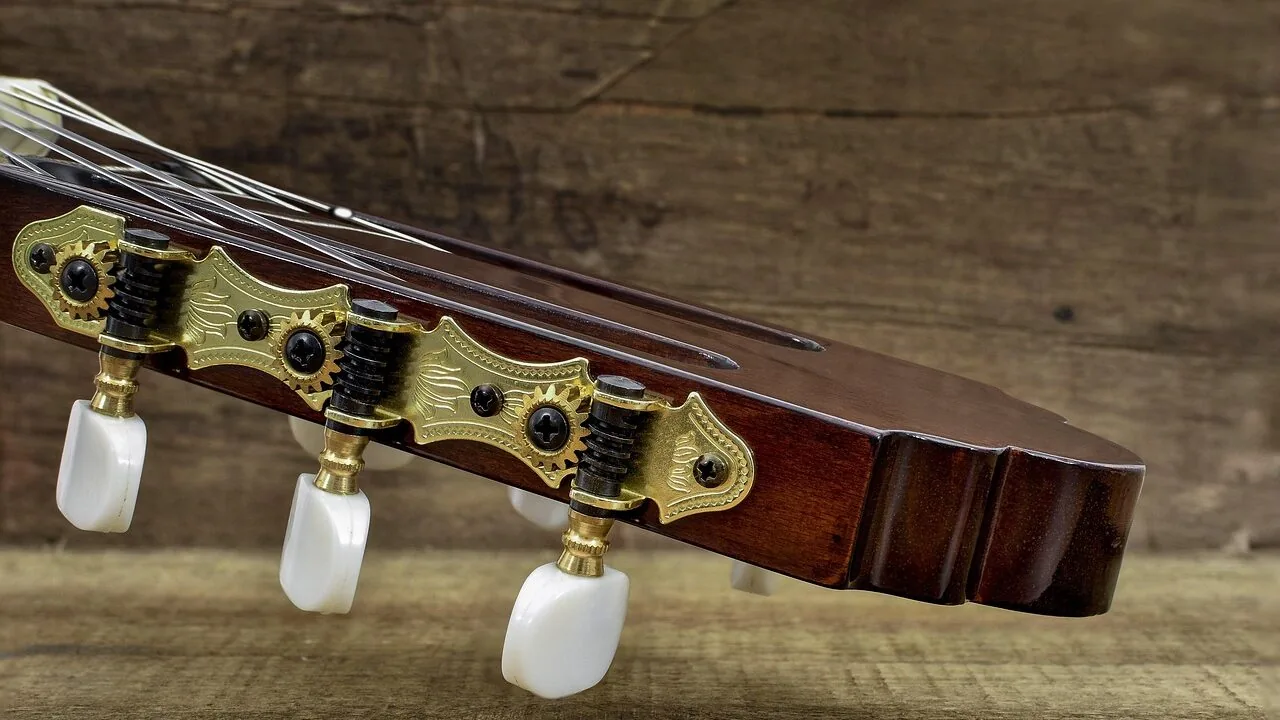
Classical guitars occupy a special place in the world of stringed instruments.
Whether you are drawn to the fingerstyle repertoire of Bach and Sor, exploring flamenco rhythms, or simply looking for a comfortable, low-tension entry point into guitar playing, a nylon-string classical instrument offers an experience that steel-string acoustics simply cannot replicate.
The warm, mellow tone, wide neck, and forgiving string tension make classical guitars genuinely beginner-friendly, while top-tier concert instruments reward decades of dedicated practice.
If you are branching out from acoustic guitars or picking up a stringed instrument for the first time, the sheer number of options on the market can feel daunting.
That is exactly why ProductFind assembled this guide.
Our editorial team researched specifications, analyzed expert review consensus across the classical guitar community, and weighed verified buyer feedback to surface the models that consistently deliver across sound quality, playability, build integrity, and value.
Prices in this category range from $62.99 for beginner kits up to $1,099.99 for professional-grade instruments, so there is a genuine option for every budget and skill level.
Read on for our top picks, then use the buying guide below to find the right instrument for your playing goals.
| Award | Product | PF Score About PF ScoreThe PF Score is our own rating from 0 to 10, based on performance, design and build, ease of use, and value. It reflects independent research and is never influenced by manufacturers, retailers, or affiliate commissions. Learn more › | Price | |
|---|---|---|---|---|
| Best Overall |
 Cordoba C9 Handmade Classical Guitar
|
8.2/10 | Buy | |
| Editor's Pick |
 Yamaha CG182S Classical Guitar with Solid Spruce Top
|
7.8/10 | Buy | |
| Best Value |
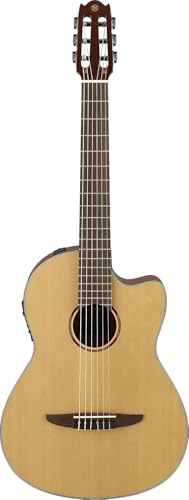 Yamaha NCX1 NT Nylon-String Classical Guitar
|
7.6/10 | Buy | |
| Top Rated |
 Takamine GC5 Classical Guitar with Solid Spruce Top
|
7.3/10 | Buy | |
 Yamaha CG122MCH Classical Guitar with Solid Cedar Top
|
7.1/10 | Buy | ||
 Ibanez GA3ECE Nylon-String Acoustic-Electric Guitar
|
6.4/10 | Buy | ||
 Winzz 39-Inch Classical Guitar 4/4 Nylon-String Beginner Set
|
5.1/10 | Buy | ||
 Ashthorpe 38-inch Beginner Acoustic Guitar Kit
|
4.2/10 | Buy |
Cordoba C9 Handmade Classical Guitar
A solid wood classical guitar built by hand in a boutique workshop, featuring either Canadian Cedar or European Spruce top with mahogany back and sides. Designed for serious classical players seeking traditional Spanish-style construction and tonal quality.
Pros
- Handmade in small boutique workshop for quality control
- All-solid wood construction (not laminated)
- Choice of Canadian Cedar or European Spruce top options
- Spanish classical guitar styling with mahogany sides and back
- Lightweight at 3.5 pounds for comfortable playability
Cons
- No customer reviews available to assess real-world performance
- Premium price point for handmade instrument
- Limited specification details on electronics binding and hardware
Yamaha CG182S Classical Guitar with Solid Spruce Top
Yamaha's CG182S pairs a solid European spruce top with rosewood back and sides, delivering a traditional classical guitar setup. Built for players seeking reliable tone and construction quality at a mid-range price point.
Pros
- Solid spruce top delivers improved projection compared to laminate alternatives
- Rosewood construction contributes to balanced tonal characteristics
- Ebony fingerboard resists wear from frequent playing
- Yamaha reputation for reliable craftsmanship across their guitar lines
Cons
- No user reviews available to verify real-world performance and durability claims
- Limited information on sound characteristics or comparisons with competing models
- Nato neck (rather than solid mahogany) may limit long-term tonal maturation
Yamaha NCX1 NT Nylon-String Classical Guitar
A cutaway classical guitar blending traditional nylon-string tone with contemporary playability and amplification. Built with solid spruce top and nato wood, it suits players seeking both acoustic warmth and plugged-in versatility.
Pros
- Solid spruce top delivers authentic classical guitar resonance
- Cutaway design improves access to higher frets
- Advanced preamp with onboard tuner for convenient amplified performance
- Piezo pickup system captures natural nylon-string character
- Right-handed configuration with balanced 5-pound weight
Cons
- No customer reviews available to validate real-world playability and durability claims
- Nato wood back and sides may not match the tonal depth of higher-grade materials
- Limited information on preamp features and tone-shaping capabilities
Takamine GC5 Classical Guitar with Solid Spruce Top
Takamine's GC5 pairs a solid spruce top with rosewood back and sides for the warm, resonant tone classical players expect. The fan-braced construction, dovetail neck joint, and refined appointments make it a balanced choice for intermediate to advanced players seeking a well-crafted nylon-string guitar.
Pros
- Solid-top construction delivers warm, resonant tone expected from Takamine classical guitars
- Fan-braced spruce top with rosewood back and sides provides balanced, rich nylon-string sound
- Dovetail neck joint and mahogany neck offer excellent structural stability and playability
- Refined cosmetic details including mosaic rosette and gloss finish
- Gold tuners with pearl buttons provide reliable tuning mechanism
Cons
- No customer reviews available yet to validate real-world performance and durability
- Synthetic bone nut and bridge, not solid bone, may limit tonal potential compared to higher-end models
- Limited information on amplified options or electronics compatibility beyond binding specification
Yamaha CG122MCH Classical Guitar with Solid Cedar Top
A mid-range classical guitar built with a solid cedar top and reinforced 3-ply neck designed to resist warping. Best suited for intermediate players seeking reliable construction and low string action without premium pricing.
Pros
- Solid cedar top delivers warm, resonant tone characteristic of quality classical guitars
- 3-ply neck construction improves durability and reduces risk of neck warp over time
- Low string action makes it comfortable for players transitioning from beginner instruments
- Rosewood fingerboard and bridge add tonal quality and traditional craftsmanship
- Natural matte finish maintains classic aesthetic without gloss coating wear
Cons
- No verified buyer reviews available to validate real-world performance claims
- Specifications list binding as 'Electronics' which appears to be data error, creating uncertainty about actual binding material
- Standard 19-fret configuration limits upper register access compared to modern classical designs
Ibanez GA3ECE Nylon-String Acoustic-Electric Guitar
A full-size nylon-string acoustic-electric with spruce top and meranti construction, designed for players seeking classical guitar tones with amplified capability. The open pore amber finish and Nandu fingerboard offer a refined aesthetic suitable for both practice and small performances.
Pros
- Full-size classical guitar format accommodates traditional nylon-string playing technique
- Built-in electronics enable amplification without external pickups
- Spruce top paired with meranti back and sides provides balanced tonal characteristics
- Nandu fingerboard resists wear and maintains playability over time
Cons
- No verified user reviews available to assess real-world durability or sound quality
- Limited information on electronics quality and amplification clarity
- Nylon-string format may require relearning for players accustomed to steel-string guitars
Winzz 39-Inch Classical Guitar 4/4 Nylon-String Beginner Set
A full-size nylon-string classical guitar designed for adult beginners and students, featuring a spruce top with basswood back and sides. Comes bundled with seven accessories including tuner, footstool, and capo, making it a complete starter package without needing separate purchases.
Pros
- Complete accessory bundle included: footstool, wall mount, capo, digital tuner, gig bag, cloth, and wrench eliminate need for additional purchases
- Nylon strings are gentler on fingers than steel strings, reducing hand fatigue for beginners during practice
- Full 39-inch 4/4 size suitable for adults and teenagers with standard body dimensions
- Hand-polished finish with spruce top and basswood construction offers decent aesthetics for the entry-level price point
- Versatile for teaching, home practice, and performance settings
Cons
- No verified customer reviews available to assess real-world quality and durability claims
- Basswood back and sides are budget materials that may not produce the tonal clarity of higher-grade woods like rosewood or cedar
- Limited information on hardware quality, neck stability, or long-term playability consistency
Ashthorpe 38-inch Beginner Acoustic Guitar Kit
A budget-friendly starter package that bundles a 38-inch acoustic guitar with essential accessories and four months of app-based lessons, aimed at students and teens just picking up an instrument. The basswood construction delivers decent tone for beginners, though it lacks the depth of higher-end models.
Pros
- Complete beginner kit with gig bag, tuner, strap, picks, and lesson app included
- Low string action reduces finger fatigue for comfortable learning
- Lightweight at 2.8 pounds, making it easy to handle for younger players
- Bright, responsive tone suitable for various playing styles
- Four months of free app-based lessons with thousands of songs and skill-level progression
Cons
- New strings arrive out of tune and require break-in period before holding tuning consistently
- Basswood tonewoods provide versatile sound but may lack the tonal richness of premium beginner models
- No user reviews available to validate real-world performance and durability claims
Classical Guitars Buying Guide
Choosing a classical guitar is not simply a matter of picking the prettiest finish. The tonewoods, construction method, scale length, and nut width all interact to determine how the instrument sounds and feels under your fingers.
The subsections below break down the criteria that matter most, so you can match a guitar to your actual playing situation rather than buying on spec alone.
Top Wood and Body Construction

The top, or soundboard, is the single most influential component of a classical guitar’s tone. Solid tops, whether European or Engelmann spruce, cedar, or mahogany, vibrate more freely than laminate tops and produce noticeably richer overtones.
Spruce tops tend toward brightness and clarity, making them ideal for fast, articulate repertoire.
Cedar tops respond more readily at lower playing volumes and warm up quickly, which is why intermediate and advanced players often prefer them for expressive, dynamic playing.
Laminate tops, by contrast, are more resistant to humidity changes and better suited to beginners who are still developing consistent technique.
Back and sides are typically rosewood, mahogany, or their tonal equivalents. Rosewood contributes depth and sustain; mahogany leans toward a more focused, midrange-forward sound.
At the intermediate level, a solid top paired with laminate back and sides represents an excellent compromise between tone and durability.
Full solid-wood construction is generally reserved for instruments in the upper price tier and rewards players who have the technique to unlock their potential.
If you are also evaluating electric guitars, keep in mind that tonewood matters far less there than it does on an acoustic instrument.
Fan bracing is the traditional classical construction method and allows the soundboard to flex freely for maximum resonance. Look for clean, symmetrical brace placement when photographs allow it.
Guitars assembled by hand, even partially, typically show better glue-joint quality and more consistent bracing than fully factory-built instruments at equivalent price points.
Scale Length and Neck Profile

Standard classical guitars use a 650 mm scale length, which determines string tension and the spacing between frets. Players with smaller hands, younger learners, or anyone transitioning from a smaller instrument may find a 7/8 or 3/4 body more comfortable.
A shorter scale reduces string tension slightly, making fretting easier, though it also changes the tonal character.
Full-size 4/4 instruments are appropriate for most adults regardless of hand size, and the wide 52 mm nut width is a defining feature of classical guitars compared to steel-string acoustics.
The neck profile on a classical guitar is traditionally flatter than on a steel-string, with little or no taper from nut to heel.
This allows for precise fingertip placement in classical technique but can feel unfamiliar if you are coming from a different style.
Spend time with each neck before committing if possible, or read verified buyer reviews from players whose hand size matches yours.
A well-cut nut and properly dressed frets are non-negotiable; buzzing caused by poor setup undermines even a tonally excellent instrument and is a common complaint in budget tiers.
Acoustic vs. Acoustic-Electric
Pure acoustic classical guitars are the traditional choice for formal study, recitals, and home practice. They produce their full sound without any electronics and require no batteries or additional gear.
If amplification is part of your plan, whether for gigging, recording, or ensemble playing, an acoustic-electric model adds an onboard pickup system that translates the nylon-string tone into a signal your amplifier or PA can handle.
Onboard preamps vary significantly in quality. Entry-level piezo systems can sound thin and brittle, while better-integrated systems, often developed in collaboration with the guitar’s structural bracing, reproduce more of the guitar’s natural warmth.
Some acoustic-electric models also feature a cutaway body for easier access to the upper frets, a practical consideration for players who want to explore melody lines in higher positions.
The tradeoff is a modest reduction in bass resonance compared to a traditional full-body design.
If you plan to busk, play in a band, or perform live regularly, the acoustic-electric configuration is worth the additional investment. For private practice, conservatory study, or primarily classical repertoire, a traditional acoustic body will almost always sound fuller and more natural unplugged.
Playability and Setup Quality

A guitar can have excellent tonewoods and still be miserable to play if the action is too high, the nut slots are cut poorly, or the frets have rough edges.
Action, which is the distance between the strings and the fretboard, is one of the most important comfort factors and one of the easiest to overlook when ordering online.
High action forces you to press harder, causes intonation problems, and accelerates fatigue during practice sessions. Low action that is too extreme causes fret buzz.
Factory setups at budget price points are inconsistent. Reading verified buyer reviews specifically for comments on out-of-the-box playability is the most reliable way to assess this remotely.
Many players find that a professional setup costing a modest amount transforms a mid-priced guitar into an instrument that plays significantly above its class. Factor that potential cost into your budget when comparing options.
Brands like Yamaha and Cordoba consistently receive stronger reviews for their factory setups compared to purely entry-level generic alternatives.
Nylon String Types and Tension

Nylon strings come in three main tension ratings: light, normal, and high. Most classical guitars ship with normal tension strings, which balance tonal output with moderate left-hand effort.
High-tension strings produce more volume and projection but require greater finger strength and can stress lighter-built instruments. Light-tension strings are gentler on the fingers and suit beginners or players dealing with hand fatigue, but they can sound less defined.
String brand and material also influence tone. Clear nylon trebles sound bright and are the most common. Rectified nylon trebles have a slightly frosted texture for a warmer, more traditional sound.
Carbon treble strings offer enhanced projection and longer sustain at the cost of a slightly harder feel.
Wound bass strings use nylon cores wrapped in silver-plated or bronze wire; the wrap winding deteriorates over time and is usually the first sign that a string change is overdue.
Budget several string changes per year into your running costs, as fresh strings are one of the most cost-effective ways to maintain your guitar’s tone.
Budget Tiers and What to Expect

The classical guitar market segments fairly clearly. Entry-level instruments, typically in the budget tier, are aimed at absolute beginners and students who need something functional to learn on.
Tonewoods are almost always laminate, hardware is basic, and setup quality varies widely. They are playable with proper setup but will not inspire a developing player the way a better instrument can.
Starter kits that bundle a guitar with accessories like a gig bag, extra strings, and a strap offer convenience, though the guitars themselves are rarely exceptional.
Mid-range instruments, roughly in the moderate budget tier, represent the sweet spot for serious beginners and advancing intermediates. This is where solid tops start appearing consistently, bracing quality improves, and factory setups become more reliable.
Brands like Yamaha and Takamine operate confidently in this range. At the upper end of the price spectrum, instruments like the Cordoba C9 CD/MH reflect professional-grade construction with high-quality tonewoods and hand-crafted finishing that genuinely reward skilled players.
Investing in a better instrument sooner can accelerate progress because a responsive guitar communicates technique more accurately, helping you hear what you are doing right and wrong.
Why You Should Trust Us
ProductFind is an independent review publication. We do not manufacture, distribute, or sell any of the products we cover.
Every guitar in this guide was assessed using a consistent, research-driven methodology: we analyzed published specifications from manufacturers, reviewed expert consensus from classical guitar communities and specialist publications, and studied verified buyer feedback across multiple retail channels.
We do not conduct our own product trials; our evaluations are grounded in research, published data, expert review consensus, and verified buyer feedback.
Each product receives a PF Score on a 0 to 10 scale reflecting how well it performs across the criteria that matter to real players: tonal quality relative to price, build consistency, playability out of the box, and long-term owner satisfaction.
Scores are assigned by our editorial team based on the weight of evidence, not on manufacturer claims or promotional materials.
The Cordoba C9 CD/MH leads this list with the highest PF Score in the group because it consistently earns strong marks across all of those dimensions from players and experts alike.
ProductFind may earn an affiliate commission if you purchase through links in this article. That relationship has no influence on our rankings, scores, or recommendations. Products are ranked on merit.
We will always tell you when a budget pick is genuinely good enough, and when spending more is worth it.
Final Thoughts
After evaluating specifications, expert review consensus, and verified buyer feedback across all eight models in this guide, here is how we would summarize each standout pick and who it suits best.
- Best Overall: Cordoba C9 CD/MH Acoustic Nylon String Classical Guitar earns the top PF Score in this group thanks to its premium cedar and mahogany tonewoods, hand-crafted construction, and the kind of rich, full projection that rewards advancing players. It is the instrument in this list that most closely bridges the gap between a serious student guitar and a professional concert instrument.
- Best for Intermediate Players: Yamaha CG182S Solid Spruce Top Classical Guitar consistently earns praise for its solid spruce top, even factory setup, and balanced tone that grows with the player. Yamaha’s quality control at this level is among the most reliable in the category, making it a confident recommendation for anyone moving past the beginner stage.
- Best Acoustic-Electric: Yamaha NCX1 NT Cutaway Acoustic-Electric Nylon-String Classical Guitar stands out for players who need to plug in without sacrificing nylon-string warmth. Its integrated pickup system and cutaway body make it a practical choice for performers and those who record regularly.
- Best Value Mid-Range: Takamine GC5-NAT Classical Guitar offers a solid spruce top and reliable build at a moderate price, representing a meaningful step up from entry-level options for players who are ready to invest a little more in their tone.
- Best Budget Solid-Top: Yamaha CG122MCH Solid Cedar Top Classical Guitar brings a genuine solid cedar top into a budget-friendly package, delivering warmth and resonance that laminate-top guitars in its class simply cannot match.
If you are still weighing which instrument type suits your long-term playing goals, it is worth spending time with an in-store demo when possible, or reading verified buyer reviews from players at a similar level to your own.
The right guitar at the right price accelerates progress far more than the perfect guitar purchased at the wrong moment in your development. Whatever your level, the picks above represent some of the most dependable options available in 2026.
Frequently Asked Questions
What is the difference between a classical guitar and a regular acoustic guitar?
Classical guitars use nylon strings instead of steel strings, which produces a softer, warmer tone and is much gentler on fingertips. The neck is also significantly wider, typically around 52 mm at the nut, to allow for precise classical fingerstyle technique.
The body is generally smaller and lighter than a dreadnought acoustic, and the bracing pattern is designed to maximize the vibration of nylon strings rather than handle the higher tension of steel.
If you are also considering steel-string acoustics, keep in mind that swapping between the two styles does require some adjustment to technique and posture.
Is a classical guitar good for beginners?
Yes, in many ways a classical guitar is an excellent first instrument. The nylon strings are kinder to fingertips than steel strings during the initial weeks of learning, and the lower string tension makes pressing down chords less physically demanding.
The wide neck does require deliberate finger placement, which some beginners initially find challenging, but many teachers consider this discipline beneficial for developing clean technique from the start.
A solid mid-range model from a reputable brand is usually the better investment for a committed beginner compared to the very cheapest options, which can be frustrating to play if the factory setup is poor.
Do I need a classical guitar with a pickup if I only play at home?
No. If your playing is limited to home practice, personal enjoyment, or unplugged sessions, a traditional acoustic classical guitar will serve you better. Acoustic-electric models add cost and engineering that has no benefit if you never plug in.
The tradeoff is that if your situation changes and you want to perform or record, a pure acoustic instrument will need an external microphone or clip-on pickup.
Players who already know they want to gig or record should factor in an acoustic-electric from the start rather than retrofitting later.
How often should I change the strings on a classical guitar?
Most players who practice regularly benefit from changing nylon strings every one to three months. Nylon trebles lose their intonation stability and brightness relatively quickly under sustained play, and wound bass strings visibly show wear in the winding texture.
Unlike steel strings, nylon strings also take several days of playing to fully stretch and stabilize in pitch after being fitted, so expect some initial tuning instability with fresh strings.
Keeping a spare set on hand and learning to restring the guitar yourself is a practical skill that saves money over time.
Can children use a full-size classical guitar?
A full-size 4/4 classical guitar is generally appropriate for players aged around twelve and above, depending on arm length and hand span.
Younger children typically do better with 1/2 or 3/4 size instruments, which keep the scale length and body proportional to smaller bodies and shorter arms.
Playing on an instrument that is too large promotes poor posture and can reinforce bad habits that are difficult to unlearn later. If you are buying for a young learner, consult a teacher about sizing before committing.
Many music retailers can help match body size to the correct scale length.
What accessories do I need when buying a classical guitar?
At minimum, you will want a sturdy gig bag or hard case to protect the instrument from humidity and impact, a clip-on or soundhole-mounted tuner, a footstool or guitar support for proper classical posture, and a set of spare nylon strings.
A humidifier for the case is worth adding if you live in a climate with dry winters, as low humidity can cause cracks in the top over time.
Budget-conscious players looking for bundled accessories may find value in starter kits, though it is worth reading the reviews on the included accessories as quality varies.
Aspiring young musicians might also appreciate creative activity kits that complement early music education more broadly.
About the author
Alexis is a reviewer and writer for ProductFind who specializes in Musical Instruments & Accessories. Alexis evaluates products through independent research: specifications, expert review consensus, and verified buyer feedback, and rates each one on the PF Score. Alexis focuses on helping readers pick the right musical instruments & accessorie for their needs and budget.