The 10 Best Running Shoes for Women
Cushioning, stability, and fit all matter when choosing running shoes. Our research covers top picks from ASICS, Brooks, Nike, and New Balance to match every runner's needs.
 By Daryl Knight
Updated July 23, 2026
By Daryl Knight
Updated July 23, 2026
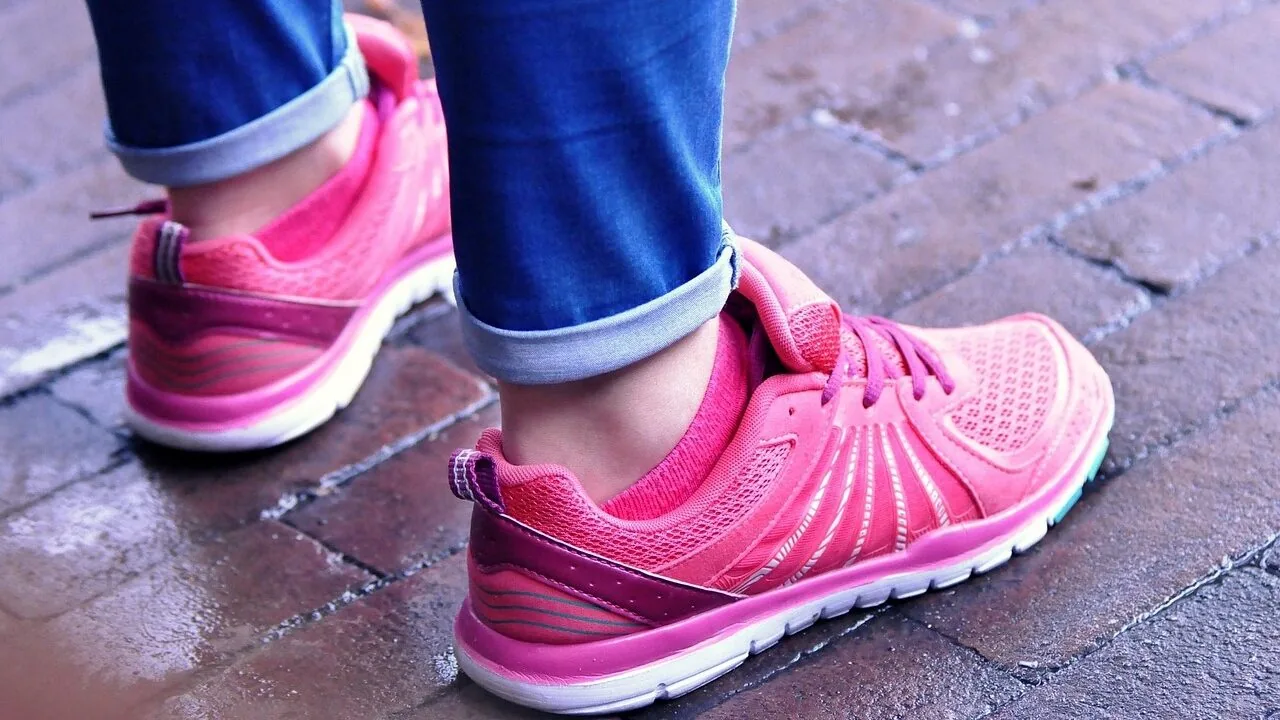
Finding the right pair of running shoes can genuinely transform your training experience, whether you’re logging easy morning miles, building toward a half-marathon, or simply looking for a comfortable everyday sneaker that won’t punish your joints.
The women’s running shoe market has never been more crowded, with brands like ASICS, Brooks, Nike, New Balance, and Skechers all competing for your feet.
That abundance of choice is great in theory, but it also makes picking the right shoe surprisingly difficult without a clear framework for comparison.
At ProductFind, we cut through the noise by synthesizing specifications, expert review consensus, and verified buyer feedback to surface the options that genuinely deliver on their promises.
Our research covers key performance criteria including cushioning quality, stability features, fit across foot widths, heel-to-toe drop, and long-term durability. Every shoe on this list has been evaluated across those dimensions so you can shop with confidence.
Whether you’re a new runner or a seasoned pavement-pounder, our top picks below cover a range of needs and budgets, from everyday road trainers to structured support shoes worth their premium price tag.
| Award | Product | PF Score About PF ScoreThe PF Score is our own rating from 0 to 10, based on performance, design and build, ease of use, and value. It reflects independent research and is never influenced by manufacturers, retailers, or affiliate commissions. Learn more › | Price | |
|---|---|---|---|---|
| Best Overall |
 ASICS Gel-Nimbus 27 Women's Running Shoes
|
8.3/10 | Buy | |
| Editor's Pick |
 Brooks Ghost 18 Women's Neutral Running Shoe
|
8.5/10 | Buy | |
| Best Value |
 Brooks Adrenaline GTS 25 Women's Running Shoe
|
8.3/10 | Buy | |
| Top Rated |
 Brooks Anthem 8 Women's Neutral Running Shoe
|
7.8/10 | Buy | |
 Brooks Revel 8 Women's Neutral Running Shoe
|
7.7/10 | Buy | ||
 New Balance Fresh Foam Arishi V4 Women's Running Shoe
|
5.8/10 | Buy | ||
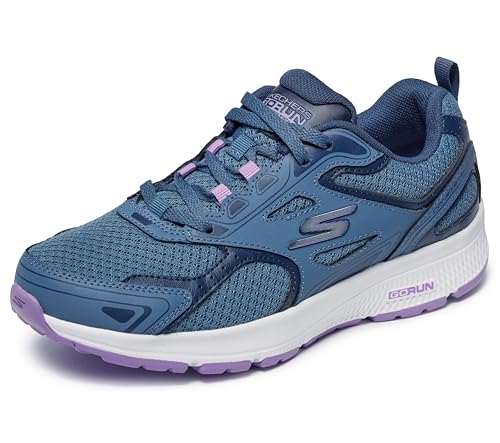 Skechers Go Run Consistent Women's Sneaker, Wide
|
6.2/10 | Buy | ||
 New Balance 608 V5 Cross Trainer
|
5.5/10 | Buy | ||
 NORTIV 8 Women's Walking Shoes with EVA Cushioning
|
5.8/10 | Buy | ||
 Nike Run Swift 3 Women's Road Running Shoes
|
9.6/10 | Buy |
ASICS Gel-Nimbus 27 Women's Running Shoes
A marathon training shoe built with eco-conscious materials, featuring PureGEL and FF BLAST PLUS ECO cushioning for softer landings and responsive toe-off. The upper combines recycled content with engineered jacquard mesh, making it a solid choice for runners prioritizing sustainability alongside performance.
Pros
- Substantial use of recycled and bio-based materials reduces environmental impact without sacrificing cushioning performance
- Dual cushioning system (PureGEL plus FF BLAST PLUS ECO) balances softness and responsiveness for longer runs
- Engineered jacquard mesh upper provides adaptive support with a softer feel
- Lightweight construction suitable for marathon-distance training
Cons
- No verified buyer reviews available to confirm real-world durability and fit consistency across different foot types
- Lightweight design may offer less arch support for runners requiring maximum stability
- Limited color options in available sizing (Lake Grey/White Sage only in size 8)
Brooks Ghost 18 Women's Neutral Running Shoe
A lightweight neutral road runner built for everyday use, combining nitrogen-infused cushioning with breathable mesh construction. The Ghost 18 suits daily runners and walkers seeking reliable comfort without compromises, and holds certifications for diabetic footwear.
Pros
- Certified diabetic shoe with professional acceptance seals
- Lightweight construction paired with soft, responsive cushioning
- Engineered mesh provides strong airflow and secure fit
- Sustainable materials in outsole (recycled silica)
- Reflective elements add safety for early morning or evening runs
Cons
- No customer reviews available to validate real-world durability or fit consistency
- Neutral support may not suit runners requiring moderate or high arch support
- Limited color availability at this size option
Brooks Adrenaline GTS 25 Women's Running Shoe
A supportive road running shoe built for stability-focused runners and walkers. Features GuideRails holistic support technology and nitrogen-infused DNA LOFT v3 cushioning to manage excess motion while maintaining comfort. Certified as a diabetic shoe and APMA-approved.
Pros
- GuideRails technology provides structured support without restricting natural motion
- Lightweight cushioning balances softness with stability for long-distance wear
- Third-party certifications (diabetic shoe, APMA) offer credibility for health-conscious buyers
- Engineered mesh upper allows breathability while maintaining structural fit
Cons
- No verified buyer reviews available to validate real-world performance claims
- GuideRails support system may feel too structured for runners preferring minimal shoes
- Limited color/size availability at launch (this listing shows one specific configuration)
Brooks Anthem 8 Women's Neutral Running Shoe
A budget-friendly neutral road runner designed for beginners and everyday miles. The Anthem 8 adds 2mm of softer DNA LOFT v2 cushioning over its predecessor, with a breathable mesh upper and dependable RoadTack rubber outsole for city street durability.
Pros
- Upgraded cushioning offers a softer ride while maintaining responsive feel for short runs
- Lightweight performance mesh upper conforms to foot shape with improved breathability
- Durable RoadTack outsole balances grip and weight for versatile everyday wear
- Engineered midsole geometry promotes natural heel-to-toe transitions
Cons
- No verified customer reviews available to validate real-world comfort and durability claims
- Limited to neutral gait support, not suitable for runners needing stability or motion control features
- Designed primarily for shorter distances and casual fitness rather than high-mileage training
Brooks Revel 8 Women's Neutral Running Shoe
A versatile neutral running and walking shoe with adaptive DNA Loft v2 cushioning that adjusts to your stride and speed. The breathable mesh upper and lightweight RoadTack outsole make it suitable for both workouts and casual wear, earning APMA approval for its comfort-focused design.
Pros
- Adaptable cushioning system that deflects impact across different running speeds and body weights
- Breathable mesh construction keeps feet cool during extended use
- Lightweight and responsive outsole supports both running and walking
- Versatile aesthetic works for athletic and casual settings
- APMA recognition adds credibility for joint and foot health
Cons
- New model with no verified buyer reviews yet to validate long-term durability claims
- Neutral cushioning may not suit runners requiring extra stability or motion control
- Limited color options shown in available data
New Balance Fresh Foam Arishi V4 Women's Running Shoe
A lightweight women's running shoe built for marathon training with Fresh Foam cushioning and mesh construction. Designed for both performance workouts and everyday wear, though it carries a 4.5-star rating with no verified buyer reviews yet.
Pros
- Responsive Fresh Foam cushioning for shock absorption during longer runs
- Lightweight no-sew construction minimizes weight without sacrificing durability
- Breathable mesh upper designed for temperature regulation during intense training
- Secure lace-up system keeps shoe stable throughout workout sessions
Cons
- No verified buyer reviews available yet to assess real-world performance consistency
- Limited color availability (single colorway listed)
- Arishi line is entry-level New Balance training shoe, lacking advanced features of premium models
Skechers Go Run Consistent Women's Sneaker, Wide
A lightweight running shoe designed for women with responsive cushioning and machine-washable construction. The Go Run Consistent combines breathable mesh with parametric midsole support, making it suitable for running, training, and daily wear.
Pros
- Exceptionally lightweight design reduces foot fatigue during extended wear
- Machine washable construction simplifies cleaning and maintenance
- Advanced cushioning system with Goga Mat insole and M-Strike technology provides responsive comfort
- Wide size option accommodates broader feet
- Versatile design works for running, training, and everyday activities
Cons
- No verified buyer reviews available yet to confirm real-world durability and fit consistency
- Parametric midsole may require a break-in period for some wearers
- Wide sizing limits availability compared to standard width options
New Balance 608 V5 Cross Trainer
A suede leather cross trainer built for everyday comfort with ABZORB heel cushioning and a cushioned footbed. Best suited for casual wear and light gym work rather than serious athletic training.
Pros
- ABZORB heel technology provides solid impact cushioning for daily activities
- Suede construction offers a classic aesthetic with supportive structure
- Cushioned footbed adds extra comfort for extended wear
- Sturdy outsole construction designed to last across gym floors and everyday surfaces
Cons
- 4.2 rating with zero verified reviews limits real-world performance insight
- Cross trainer positioning may not meet needs of serious athletic training
- Suede material requires ongoing maintenance to preserve appearance
NORTIV 8 Women's Walking Shoes with EVA Cushioning
A budget-friendly walking sneaker built around thick EVA cushioning and breathable mesh for everyday comfort. Best suited for casual walkers and gym-goers who prioritize support over premium materials.
Pros
- Exceptional cushioning for daily walks and low-impact exercise
- Lightweight and breathable construction minimizes foot fatigue
- Non-slip sole provides confident traction on multiple surfaces
- Reflective details add practical safety feature for evening use
Cons
- No verified buyer reviews available to confirm real-world durability and fit consistency
- Limited information on arch support quality for extended standing or high-impact activities
- Minimalist design may lack the structured support some users need for serious athletic training
Nike Run Swift 3 Women's Road Running Shoes
Nike's Run Swift 3 combines responsive foam cushioning with a lightweight design, weighing just half a pound. Flywire cable support and a heel overlay aim to keep your feet secure during road runs.
Pros
- High foam stack provides soft, cushioned ride underfoot
- Flywire technology offers targeted support without bulk
- Lightweight build suits daily training and road work
- Heel overlay adds security at strike zone
Cons
- No verified buyer reviews available to assess real-world durability or fit accuracy
- Limited color customization beyond the grey and pink option shown
- Specifications lack detail on midsole type, outsole grip, or drop measurement
Running Shoes for Women Buying Guide
Not every running shoe works for every runner. Your ideal pair depends on your gait, weekly mileage, preferred terrain, and how much structure your feet actually need.
The subsections below break down the criteria that matter most when evaluating women’s running shoes at any price point.
If you’re also shopping for a partner or family member, our guide to the best running shoes for men covers the same criteria applied to men’s-specific lasts and sizing.
Cushioning Level and Stack Height
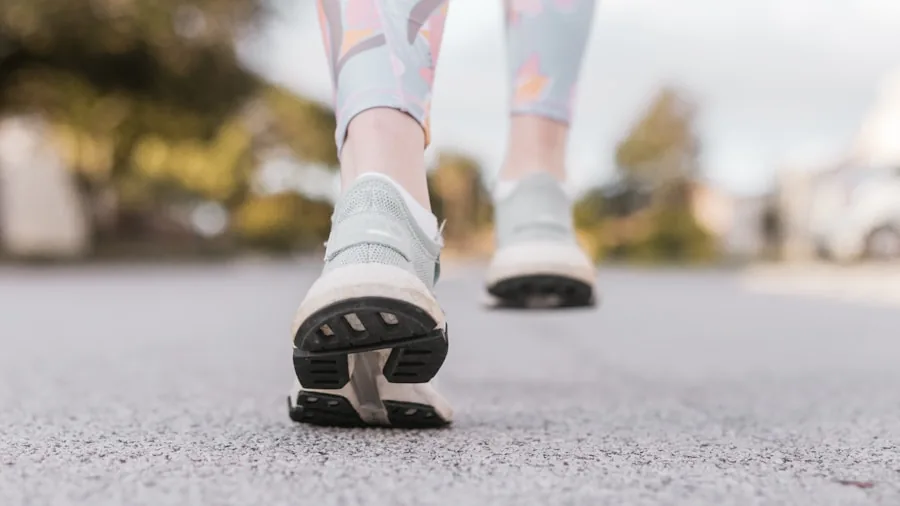
Cushioning is one of the most personal aspects of shoe selection, and it’s also one of the most misunderstood. More foam does not automatically mean more comfort or better protection.
What matters is how the foam is tuned: its responsiveness, compression behavior under load, and how it maintains performance over hundreds of miles.
A soft, plush stack works well for easy recovery runs and high-mileage training days, while a firmer, more responsive platform tends to suit faster workouts and runners who prefer ground feel.
Premium foam compounds like ASICS’ FlyteFoam Blast+ and Brooks’ DNA LOFT v3 are engineered to balance softness with energy return, which is a meaningful upgrade over standard EVA midsoles.
Buyers with joint concerns, heavier build, or a history of impact-related injuries typically benefit from a higher stack, while lightweight runners often prefer the control and feedback of a more moderate platform.
When comparing specifications, look at midsole compound name (not just marketing terms) alongside stack height measurements for a clearer picture.
One practical tip: cushioning feel changes significantly between a store try-on and mile 200. Verified buyer reviews that mention long-term cushion retention are far more informative than first-impression impressions, which is why our research weights sustained-use feedback heavily alongside launch-day expert assessments.
Stability and Support Features

Stability features are designed to limit excessive inward rolling of the foot (overpronation) during the gait cycle.
Shoes with medial post technology, guide rails, or denser medial foam provide a structured platform that can reduce stress on the knee and hip for runners whose feet roll inward significantly.
If you’ve been fitted at a specialty running store and told you overpronate, a stability shoe is worth prioritizing. However, many runners with neutral mechanics find stability shoes unnecessarily stiff or corrective.
Brooks’ GuideRails system, used in the Adrenaline GTS line, is one of the more sophisticated approaches currently on the market.
Rather than posting the entire midfoot, it supports the heel and guides the ankle only when excess movement occurs, leaving neutral runners unaffected. ASICS uses a density-gradient approach in its structured models.
Understanding which system a shoe uses helps you match the shoe’s design intent to your actual biomechanical needs rather than defaulting to the most cushioned option on the shelf.
Heel-to-Toe Drop
Drop refers to the difference in height between the heel and the forefoot of the shoe, measured in millimeters. A higher drop (8 to 12 mm) promotes a heel-strike pattern and tends to feel familiar to runners transitioning from traditional footwear.
A lower drop (0 to 6 mm) encourages a midfoot or forefoot strike, which some runners find more efficient but which requires an adaptation period to avoid calf and Achilles strain.
Most mainstream road running shoes sit in the 8 to 10 mm range, which is a reasonable starting point for the majority of recreational runners.
If you’re transitioning to a lower-drop shoe, expert consensus consistently recommends doing so gradually over several weeks rather than making an abrupt switch.
Drop is a published specification that’s easy to verify, so always check the manufacturer’s data sheet before purchasing rather than guessing from the shoe’s visual profile.
Fit, Width, and Upper Construction

Fit is arguably the single most important factor in running shoe comfort, and it’s the area where online shopping is most challenging.
A well-fitted running shoe should have roughly a thumb’s width of space between your longest toe and the front of the shoe, a secure midfoot lockdown with no lateral sliding, and zero points of rubbing at the heel collar or seams.
Running shoes are intentionally sized up a half size from street shoes to accommodate foot swelling during longer efforts.
Width options matter significantly for runners with wide feet or bunions. Both New Balance and Skechers offer wide sizing on many of their models, which is a meaningful differentiator.
Upper materials have evolved considerably: engineered mesh knit uppers offer adaptive stretch and better ventilation than older woven meshes, while reinforced overlays at the toe box and midfoot add structure without excess weight.
Verified buyer feedback on true-to-size accuracy is consistently one of the highest-signal data points in our research process, especially for shoes with unconventional lasts.
Outsole Grip and Durability

Outsole rubber compound and lug pattern determine both grip on wet pavement and overall shoe longevity. High-abrasion rubber zones (such as ASICS’ AHAR+) placed at high-wear areas under the heel and forefoot significantly extend midsole life.
Blown rubber, while lighter and softer underfoot, tends to wear faster and is more often found in lightweight race-day shoes than in daily trainers.
For road running, a relatively flat outsole with strategically placed flex grooves and carbon rubber at the heel delivers both adequate grip on standard pavement and predictable wear patterns.
Runners who frequently encounter wet roads or light gravel benefit from a more textured compound. Industry guidance from running specialty retailers typically suggests replacing road running shoes every 300 to 500 miles depending on body weight, running form, and outsole material.
Monitoring wear patterns on your current shoe before purchasing a replacement is one of the most practical diagnostic tools available.
Versatility: Running vs. Cross-Training vs. Walking

Not everyone on this list is training for a 10K. Some buyers want a shoe that handles light jogging, gym sessions, and casual walking without requiring multiple pairs.
Shoes designed primarily for road running tend to have stiff torsional structures and thick midsoles that feel awkward during lateral gym movements. Cross-trainers and hybrid walking-running shoes prioritize a flatter, more stable platform that handles multi-directional movement more comfortably.
If versatility is your priority, look for shoes marketed explicitly as running and walking hybrids, as Brooks and New Balance both offer models positioned in that category.
A good starting point for everyday wearability is also a shoe with a removable insole, which allows you to accommodate custom orthotics if needed.
For dedicated gym use paired with occasional runs, our coverage of supportive walking footwear covers overlapping criteria that may inform your decision, particularly around arch support and multi-surface traction.
Why You Should Trust Us
ProductFind is an independent review publication with no brand affiliations and no inventory to sell.
Every shoe on this list was assessed using our consistent research framework: we evaluate published specifications, synthesize expert review consensus from running specialty publications and biomechanics sources, analyze verified buyer feedback at scale, and cross-reference publicly available performance data.
Each product receives a PF Score on a 0 to 10 scale reflecting its overall merit within the category, weighted across cushioning, fit accuracy, stability design, durability data, and value relative to category peers.
We do not conduct our own product trials; our evaluations are grounded in research, published data, expert review consensus, and verified buyer feedback.
This methodology allows us to assess a broader range of products more consistently than any single hands-on review could achieve, and it means our scores are reproducible and traceable to sources rather than dependent on one reviewer’s subjective experience on a single run.
ProductFind may earn a commission when you purchase through links on this page. That affiliate relationship has zero influence on which products appear, how they are ranked, or what PF Score they receive.
Our recommendations are determined entirely by research quality and consistent scoring criteria, not by commission rates or brand relationships.
Final Thoughts
The women’s running shoe market in 2026 offers genuinely strong options across every budget tier and use case. After scoring every shoe on our list against consistent criteria, here are the standout picks by category:
- Best Overall: Nike Women’s Run Swift 3 Road Running Shoes earns the top PF Score in this roundup by combining a lightweight, breathable upper with a smooth, responsive ride that works equally well for beginners and experienced runners seeking an affordable daily trainer from a category-leading brand.
- Best Premium Daily Trainer: Brooks Women’s Ghost 18 Neutral Running and Walking Shoe is one of the most consistently praised neutral trainers in expert consensus, offering a plush yet balanced ride that suits a wide range of paces and distances at a premium price fully justified by its build quality and reputation for longevity.
- Best for Overpronators: Brooks Women’s Adrenaline GTS 25 Supportive Running and Walking Shoe brings Brooks’ GuideRails technology to runners who need structured support without the rigidity of older posted designs, earning a top-tier PF Score among stability-category options.
- Best for High-Mileage Training: ASICS Women’s Gel-Nimbus 27 Running Shoes delivers a flagship-level cushioning system designed for long runs, with a refined upper fit and premium foam stack that earns strong expert and buyer consensus for sustained comfort over serious weekly mileage.
- Best Budget Pick: New Balance Women’s Fresh Foam Arishi V4 Running Shoe punches well above its affordable price point with a genuine Fresh Foam midsole and versatile everyday fit, making it the strongest value proposition for new runners or anyone building a casual jogging habit.
Whatever your weekly mileage looks like, the right shoe should feel secure at the midfoot, appropriately cushioned for your surface and pace, and comfortable from the first wear rather than requiring extensive break-in.
Use the buying guide above to narrow your criteria, then let the PF Scores guide your final choice. If your fitness goals extend beyond running, a pair of adjustable dumbbells pairs well with a structured running routine for balanced cross-training.
Frequently Asked Questions
How do I know if I need a stability shoe or a neutral shoe?
The clearest diagnostic is a gait analysis at a running specialty store, which is typically free and takes about ten minutes.
As a rough self-assessment, look at the wear pattern on your current shoes: significant wear on the inner heel and forefoot often indicates overpronation, while relatively even or outer-edge wear suggests a neutral or supinated gait.
Runners with flat arches or a history of knee pain on the medial side often benefit from a stability design.
When in doubt, starting with a neutral shoe at a moderate cushioning level and monitoring comfort over several weeks is a reasonable approach.
How often should women replace their running shoes?
Most running experts and podiatrists recommend replacing road running shoes every 300 to 500 miles, though the range varies based on body weight, running surface, and the specific midsole compound.
A practical indicator is midsole compression: press your thumb firmly into the heel foam.
If it feels notably harder or less responsive than a new pair of the same model, the cushioning has likely degraded enough to warrant replacement even if the upper still looks fine.
Tracking mileage with a running app makes this calculation straightforward.
Can I use running shoes for walking or gym workouts?
Running shoes can work well for walking, particularly models marketed as running and walking hybrids such as the Brooks Ghost and Adrenaline GTS lines. The cushioning and heel-to-toe drop that benefits forward-motion running also translates well to longer walks.
However, dedicated road running shoes are not ideal for gym workouts involving lateral movements, weightlifting, or court sports. Their thick, compressed midsoles reduce ground feel and stability during side-to-side motion.
For mixed use, a cross-training shoe or a low-drop trainer is a better all-around choice.
Should I size up when buying running shoes?
Yes, most running experts recommend going up a half size from your normal street shoe size. Feet swell measurably during runs, especially on longer efforts, and a thumb’s width of space at the toe box prevents black toenails and blistering.
Width is equally important: a shoe that fits the length but squeezes the forefoot will cause discomfort regardless of cushioning quality.
If your foot sits between standard and wide, choosing a brand that offers multiple width options (New Balance and Skechers both do) is a significant advantage.
Always check verified buyer notes on sizing accuracy for each specific model, as fit can vary between a brand’s own models.
What is the difference between road running shoes and trail running shoes?
Road running shoes are engineered for consistent pavement surfaces: they prioritize smooth transitions, cushioning efficiency, and lightweight construction.
Trail running shoes are built for uneven, unpredictable terrain and feature aggressive lug outsoles for grip on mud and loose dirt, reinforced toe caps, and lower-profile cushioning stacks for better ground feel and ankle stability on technical surfaces.
Using a road shoe on frequent trail runs will degrade the outsole faster and provide less grip and protection than a trail-specific model. The shoes in this roundup are optimized for road and light mixed-surface use.
Are expensive running shoes worth it compared to budget options?
Premium running shoes typically justify their higher price through advanced foam compounds, more refined last construction, better outsole rubber, and longer midsole life.
For runners logging serious weekly mileage, the cost-per-mile of a premium shoe often compares favorably to a budget option that degrades faster.
That said, casual runners covering shorter distances at an easy pace will likely find a well-designed mid-range shoe more than sufficient.
Our research found genuinely strong performance at multiple price tiers in this roundup, so the right answer depends on your actual usage rather than simply defaulting to the most expensive option available.
For context on how footwear investment scales across activity types, ski boots represent another category where fit and performance specifications drive significant price variation worth understanding before purchase.
About the author
Daryl is a reviewer and writer for ProductFind who specializes in Shoes. Daryl evaluates products through independent research: specifications, expert review consensus, and verified buyer feedback, and rates each one on the PF Score. Daryl focuses on helping readers pick the right shoe for their needs and budget.