The 10 Best Yoga Mats
Grip, thickness, and material quality separate a great yoga mat from a frustrating one. Our research across expert reviews and verified buyers surfaces the top picks from Manduka, Gaiam, and more.
 By Leta Holt
Updated July 23, 2026
By Leta Holt
Updated July 23, 2026
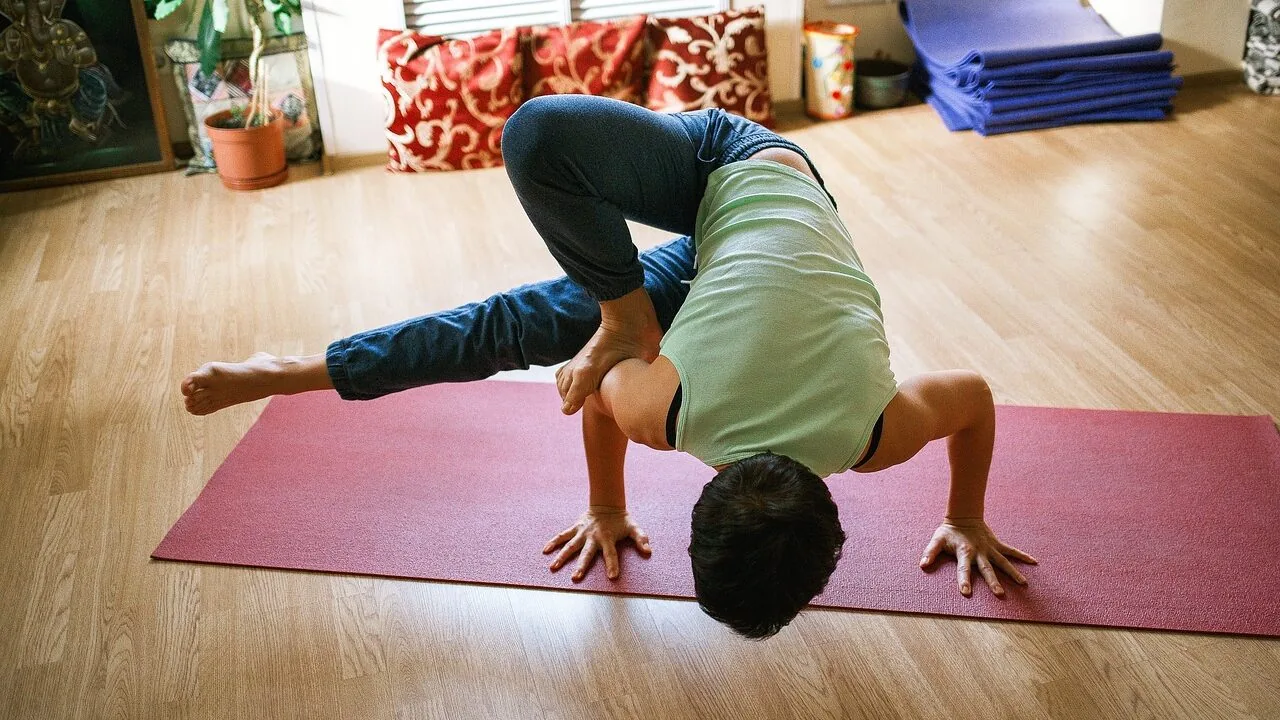
Choosing the right yoga mat can genuinely transform your practice.
Whether you are holding a deep warrior pose, flowing through vinyasa, or simply stretching on the living room floor, the surface beneath you affects grip, joint comfort, and focus in ways that are easy to underestimate until you upgrade.
With dozens of options crowding the market, ranging from budget-friendly foam basics to professional-grade natural rubber mats built to last a decade, sorting through the noise takes real effort.
Pairing a quality mat with fitness trackers that monitor your heart rate and recovery can sharpen your overall wellness routine even further.
At ProductFind, we cut through the clutter by synthesizing manufacturer specifications, expert review consensus from multiple independent publications, and verified buyer feedback at scale.
Every mat in this guide has been evaluated against a consistent set of criteria and assigned a PF Score on our 0 to 10 scale.
Our lineup spans brands including Manduka, Gaiam, Gruper, Amazon Basics, Feetlu, PAIDU, ilili, and lvme, covering price points from everyday-affordable to premium studio-quality. Read on for our top picks.
| Award | Product | PF Score About PF ScoreThe PF Score is our own rating from 0 to 10, based on performance, design and build, ease of use, and value. It reflects independent research and is never influenced by manufacturers, retailers, or affiliate commissions. Learn more › | Price | |
|---|---|---|---|---|
| Best Overall |
 Manduka PRO 71-Inch Yoga Mat, 6mm
|
8.4/10 | Buy | |
| Editor's Pick |
 Manduka PRO 6mm Yoga Mat
|
8.2/10 | Buy | |
| Best Value |
 ILILI 10mm Yoga Mat 76x28 inches
|
7.6/10 | Buy | |
| Top Rated |
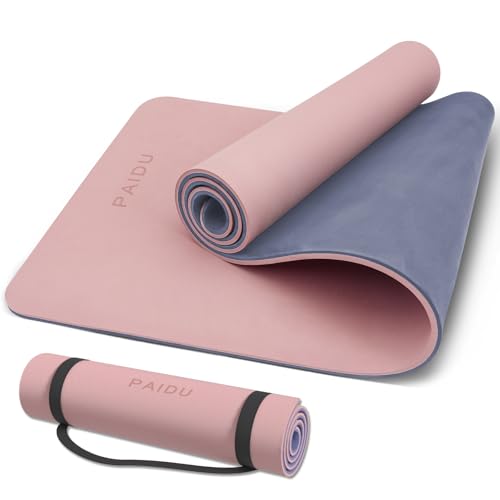 PAIDU 10MM Yoga Mat with Carrier Strap
|
7.5/10 | Buy | |
 Feetlu 10mm Yoga Mat 72x24 with Carry Strap
|
7.4/10 | Buy | ||
 Gruper Yoga Mat 6mm Non-Slip Eco-Friendly
|
7.2/10 | Buy | ||
 Gaiam Essentials 10mm Thick Yoga Mat
|
7.2/10 | Buy | ||
 Amazon Basics 1/2 Inch Yoga Mat with Carrying Strap
|
7.2/10 | Buy | ||
 Gruper TPE Yoga Mat 72x24 with Carrying Strap
|
7.0/10 | Buy | ||
 LVME 0.4" Thick Yoga Mat 72x24 inches
|
6.8/10 | Buy |
Manduka PRO 71-Inch Yoga Mat, 6mm
Manduka's flagship mat delivers studio-grade cushioning with a lifetime durability guarantee, making it a go-to choice for serious yoga teachers and dedicated practitioners. The 6mm closed-cell construction provides solid joint protection and moisture resistance, though the premium positioning and specific cleaning requirements may not suit budget-conscious beginners.
Pros
- Legendary durability with lifetime guarantee, built for long-term investment
- Premium 6mm cushioning provides stability and joint protection across all practice styles
- No-slip bottom keeps mat anchored to floor without sliding distractions
- Certified safe materials, OEKO-TEX certified and latex-free construction
- Generous 71-inch length accommodates taller practitioners and extra space needs
Cons
- Premium positioning makes it a significant upfront cost compared to standard mats
- Requires specific Manduka Yoga Mat Wash and Refresh for cleaning, other cleaners not recommended
- Relatively heavy at 7.5 pounds, less portable for frequent travel between studios
Manduka PRO 6mm Yoga Mat
The Manduka PRO is a premium yoga and pilates mat engineered for serious practitioners who value durability and stability. Its 6mm dense cushioning and non-slip bottom provide reliable support for home practice, backed by a lifetime guarantee and OEKO-TEX certified materials.
Pros
- Lifetime durability guarantee and trusted by yoga instructors worldwide
- Ultra-dense 6mm cushioning with superior joint protection and stability
- No-slip dot pattern prevents sliding during practice
- OEKO-TEX certified PVC, latex-free, and emissions-free German manufacturing
- Closed-cell surface resists moisture and is easy to maintain
Cons
- Heavier than many alternatives at 7.5 lbs, making it less portable
- Requires specific Manduka Yoga Mat Wash for cleaning; other cleaners not recommended
- Premium pricing reflects the lifetime warranty and quality but represents a significant upfront investment
ILILI 10mm Yoga Mat 76x28 inches
A thick, extra-long TPE yoga mat designed for cushioning and stability across yoga, Pilates, and floor exercises. The 10mm thickness and textured non-slip surface appeal to beginners and experienced practitioners alike, though some initial curling may occur upon delivery.
Pros
- Extra thick 10mm cushioning provides joint and muscle support
- Textured non-slip surface on both sides increases friction and grip
- Spacious 76x28 inch dimensions accommodate various poses
- Premium TPE material is durable, tear-resistant, and odorless
- Includes carrying strap for easy transport and storage
Cons
- Product may arrive with curling, which the manufacturer notes as normal
- No verified buyer reviews available to confirm real-world durability claims
- Limited color options (only dark green and dark grey combination)
PAIDU 10MM Yoga Mat with Carrier Strap
A thick, cushioned yoga mat made from POE material with double-sided non-slip surfaces, designed for yoga, Pilates, and floor exercises. Lightweight at 1.45kg with included carrying strap, making it easy to transport to the gym or outdoors.
Pros
- Extra thick cushioning (10mm) reduces impact on joints and knees
- Non-slip on both sides ensures stability during workouts
- Lightweight construction (1.45kg) makes it genuinely portable
- POE material avoids latex and heavy metals for sensitive users
- Includes carrier strap for convenient transport
Cons
- No verified buyer reviews available to assess real-world durability claims
- Care instructions advise against sun exposure, limiting outdoor storage options
- Standard 72x24 inch size may not suit all body types or workout spaces
Feetlu 10mm Yoga Mat 72x24 with Carry Strap
A 10mm thick yoga mat designed for cushioning during yoga, Pilates, and floor work. The dual-textured surface aims for grip stability, and it comes lightweight with a carry strap for portability.
Pros
- Extra thick cushioning protects knees and joints during extended sessions
- Compact and portable with included carry strap, suitable for gym or travel
- Dual-textured design provides grip without added bulk
- ITS-certified durability and odorless material
Cons
- No verified buyer reviews available to confirm real-world performance claims
- Care instructions require flat drying and sunlight avoidance, limiting storage flexibility
- Tear-resistant claim not substantiated by user feedback data
Gruper Yoga Mat 6mm Non-Slip Eco-Friendly
Gruper's yoga mat combines eco-friendly materials with a double-layer anti-slip design suited for yoga, pilates, and floor exercises. It includes a carrying strap and storage bag, making it convenient for home or gym use.
Pros
- Premium eco-friendly material offers safer alternative to conventional yoga mats
- Double-layer design with non-slip texture on both sides provides durability and grip
- Comes with carrying strap and storage bag at no extra cost
- Available in two thickness options (6mm and 8mm)
Cons
- Requires careful handling and barefoot use only, as shoes or pet paws may tear the mat
- Cannot be machine washed or dried, limiting cleaning convenience
- No verified customer reviews available to validate performance claims
Gaiam Essentials 10mm Thick Yoga Mat
A plush, cushioned yoga mat with 10mm NBR foam designed for joint comfort during low-impact workouts and floor exercises. Its textured surface provides grip on hard floors, lightweight design, and included carrying strap make it practical for home fitness and recovery routines.
Pros
- Extra-thick cushioning provides significant comfort on hard surfaces like tile and concrete
- Lightweight at under 3 pounds with carrying strap for easy transport between rooms or classes
- Versatile for multiple workout types including yoga, Pilates, stretching, and physical therapy
- Textured foam surface designed to reduce slipping during dry workouts
Cons
- Initial foam odor present when first opened, requires 24-48 hours airing out to fade
- Prioritizes comfort and shock absorption over firmness, may not suit users seeking a firmer mat for advanced yoga
- No verified customer reviews available to assess real-world durability and long-term performance
Amazon Basics 1/2 Inch Yoga Mat with Carrying Strap
A budget-friendly exercise mat with half-inch cushioning designed for yoga, gym work, and home fitness routines. The textured surface provides traction while the foam construction offers decent shock absorption for everyday workouts.
Pros
- Half-inch thickness delivers substantial padding and support for floor exercises
- Textured surface reduces slipping during yoga and stretching
- Elastic carrying strap makes transport and storage convenient
- Lightweight at 2.2 pounds, easy to move between rooms
- Simple maintenance with easy wipe-clean foam construction
Cons
- No customer reviews available yet to assess real-world durability and long-term performance
- Standard width of 24 inches may feel narrow for some exercises or taller users
- No information on material composition or whether foam releases odor when new
Gruper TPE Yoga Mat 72x24 with Carrying Strap
A budget-friendly yoga mat made from eco-friendly TPE material with double-sided non-slip surfaces and two thickness options. Best for beginners and home practitioners seeking a lightweight, portable mat with included carrying accessories.
Pros
- Premium TPE construction is softer and more skin-friendly than traditional PVC or EVA materials
- Double-sided grip prevents slipping during sweaty workouts without compromising comfort
- Comes with carrying strap and bag, no need to purchase separately
- Available in two thickness options to suit different comfort preferences
Cons
- No verified customer reviews available to assess real-world durability and long-term performance
- Requires barefoot use; shoes or pet paws may tear the mat surface
- Care instructions prohibit machine washing and direct sunlight, limiting cleaning convenience
LVME 0.4" Thick Yoga Mat 72x24 inches
LVME's 0.4-inch thick yoga mat balances cushioning with stability for various workouts, from yoga to HIIT. The two-tone design and included carrying strap add practical appeal for studio or home use.
Pros
- Adequate cushioning at 0.4 inches thickness balances comfort with stability for various exercise types
- Non-slip grip performs reliably during sweat-heavy sessions like hot yoga and HIIT
- Carrying strap included, making transport between studio and home straightforward
- Two-tone color option adds visual appeal compared to basic single-color mats
- High-density material resists tearing and maintains shape over time
Cons
- No verified buyer reviews available to confirm real-world performance claims
- 0.4 inches may feel thin for users preferring extra cushioning during floor work
- Limited color options compared to competitors offering multiple two-tone or multi-color variants
Yoga Mats Buying Guide
Buying a yoga mat feels simple until you realize how many variables shape your day-to-day experience on it. The sections below break down the criteria that matter most, drawing on the same framework our editorial team used to evaluate every pick in this guide.
Grip and Surface Traction

Grip is arguably the single most important attribute a yoga mat can have. A mat that slides under sweaty palms or shifts during a balance pose undermines both your safety and your focus.
Expert consensus consistently places surface traction at the top of the criteria list, and verified buyer feedback mirrors this: the most common complaint about lower-rated mats is slippage during standing sequences or hot yoga sessions.
Material plays a huge role here. Natural rubber surfaces offer the highest baseline stickiness, while TPE (thermoplastic elastomer) mats deliver reliable grip that holds up across a range of humidity levels.
PVC mats can feel grippy when new but sometimes become slicker as they wear. If you practice intensely or sweat heavily, look for open-cell or texture-embossed surfaces that channel moisture away from the contact zone rather than letting it pool.
Bottom-side grip matters just as much as the top surface. A mat that grips your hands well but skids across hardwood floors creates its own frustrations.
Check whether the underside uses a different texture or material designed specifically for floor contact. Many premium mats use a dual-layer construction precisely for this reason.
Thickness and Joint Cushioning
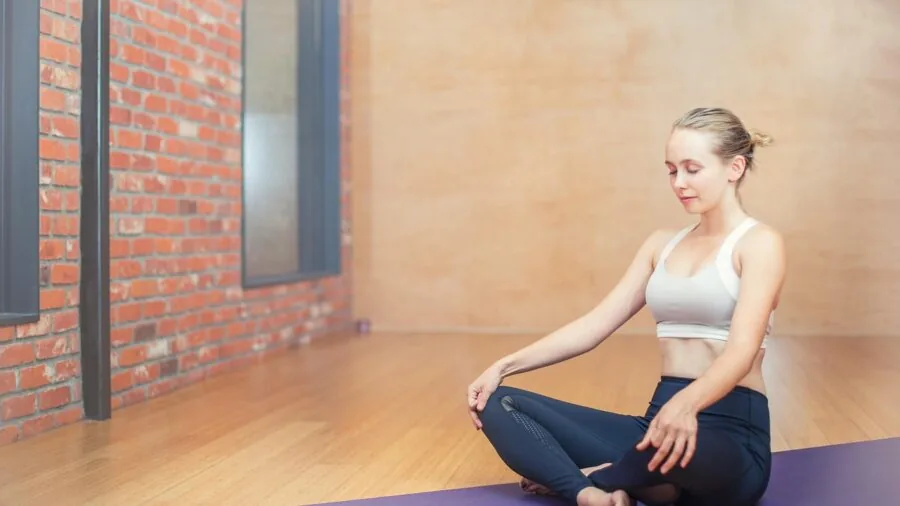
Most standard yoga mats land between 3 mm and 6 mm, and that range represents the sweet spot that expert reviewers and practitioners alike recommend for the broadest variety of styles.
At around 4 mm to 5 mm, you get enough cushioning to protect knees and wrists in floor poses without feeling so spongy that balance becomes difficult in standing sequences.
Thinner mats (around 1.5 mm to 2 mm) are favored for travel because they fold compactly, but they sacrifice comfort on harder floors.
Thicker options in the 8 mm to 10 mm range are excellent for restorative yoga, Pilates, and general floor exercise where cushioning takes priority over portability.
The Gaiam Essentials and Feetlu mats in this guide both sit at 10 mm, making them strong choices for practitioners who prioritize joint relief.
Keep in mind that greater thickness adds weight and makes rolling the mat more cumbersome, so consider how often you carry it to a studio versus practicing at home.
Density matters as much as raw thickness. A high-density 6 mm mat often provides better joint protection than a low-density 10 mm mat that compresses fully under body weight.
Look for mats described as high-resiliency or firm-cushion, as these maintain their protective properties over thousands of uses. The Manduka PRO line, for instance, has a well-documented reputation for density that holds up over years of daily practice.
Material and Eco-Credentials
The yoga community has long cared about material sourcing, and manufacturers have responded with a wide spectrum of options.
PVC remains common at lower price points because it is durable, easy to wipe clean, and inexpensive to produce, but it is not biodegradable and can off-gas chemical odors when new.
Many buyers report needing to air out a new PVC mat for several days before use. If chemical sensitivity or environmental impact matters to you, natural rubber and TPE are the two materials most frequently recommended by eco-conscious reviewers.
TPE is a synthetic material but is generally considered more environmentally responsible than PVC because it is recyclable and free of latex, making it a practical choice for people with rubber allergies.
The ilili and PAIDU mats in this guide use TPE construction, and verified buyers consistently praise both for being odor-free out of the box.
Natural rubber sourced from sustainable tree tapping offers the best grip characteristics but can be heavy and may not suit those with latex sensitivities.
Beyond the primary material, check whether a mat has been certified under OEKO-TEX, SGS, or similar standards, which indicate independent verification that the product is free from a defined list of harmful substances.
These certifications are particularly meaningful if you practice with children or have sensitivities to certain compounds. Supporting your broader wellness goals, such as taking well-researched vitamin C supplements, pairs naturally with choosing non-toxic gear for your practice space.
Size and Portability
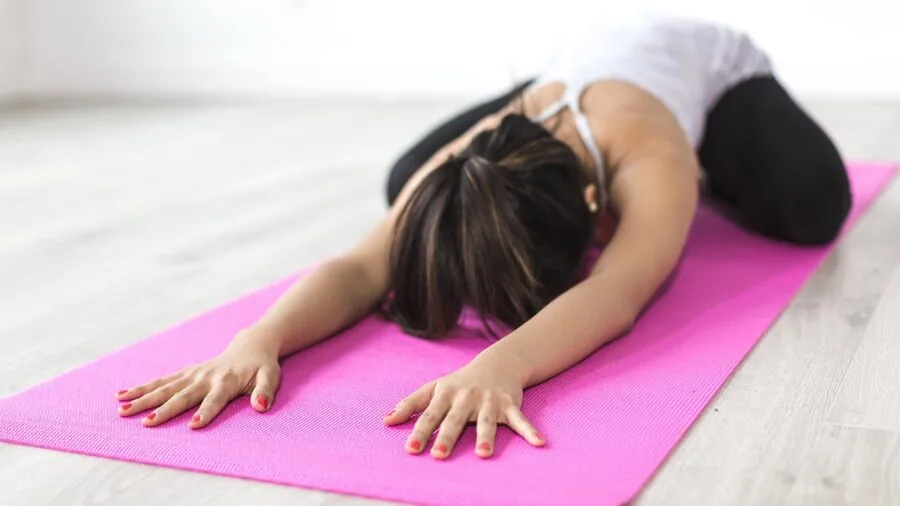
Standard yoga mat dimensions run approximately 68 inches to 72 inches long and 24 inches wide, which suits most adults for typical practice.
If you are taller than about 5 feet 10 inches, or if you frequently practice wider-stance styles, stepping up to a 74-inch or 76-inch mat can eliminate the frustration of hands or feet slipping off the edge.
Several mats in this guide, including the ilili at 76 x 28 inches and the Amazon Basics at 74 x 24 inches, cater specifically to this need.
Portability is largely a function of weight and how well the mat rolls or folds. Most mats between 4 mm and 6 mm weigh roughly 2 to 4 pounds when rolled, manageable enough for most commuters. At 10 mm, expect to add noticeable weight.
Many mats in this roundup include a carrying strap or bag, which significantly improves the experience of transporting a mat on foot or by public transit.
If you travel frequently and need an ultra-compact option, note that travel-specific mats (not covered in this guide) can fold to the size of a notebook at 1.5 mm to 2 mm thick.
Durability and Long-Term Value
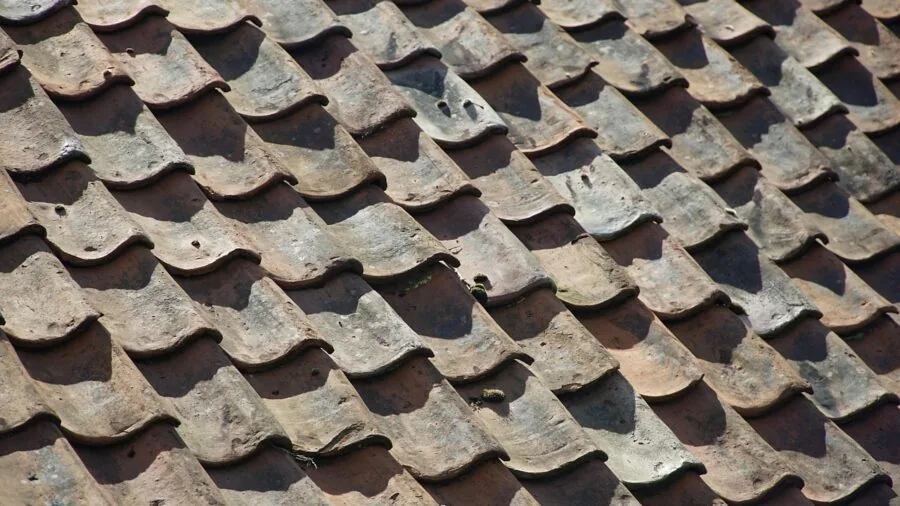
A yoga mat that pills, tears, or loses its grip within a year of regular use is rarely a bargain regardless of its initial price.
Durability assessments in expert reviews and verified buyer accounts consistently highlight a few key signals: edge integrity (does the mat fray or curl at the corners?), surface longevity (does the grip degrade after repeated cleaning?), and structural resilience (does the mat keep its shape after rolling and unrolling thousands of times?).
Manduka’s PRO line is the clearest example of premium durability in this guide and comes with a lifetime guarantee, a claim backed by a long track record in the professional studio community.
At the other end of the spectrum, budget mats from Amazon Basics and Gruper receive strong marks for holding up over one to two years of moderate use, which is reasonable value given their price tier.
For context, if you practice three or more times per week, investing in a mid-range or premium mat is likely more economical over a three-year horizon than repeatedly replacing budget options.
Cleaning habits also affect longevity. Most mats should be wiped down with a diluted gentle cleaner and allowed to air dry flat rather than hung, which can stretch the material over time.
Avoid harsh detergents or machine washing unless the manufacturer explicitly allows it. Mats that absorb moisture (like open-cell natural rubber) need more thorough drying to prevent mildew; closed-cell surfaces are easier to maintain but can feel less grippy when wet.
Price and Value Positioning
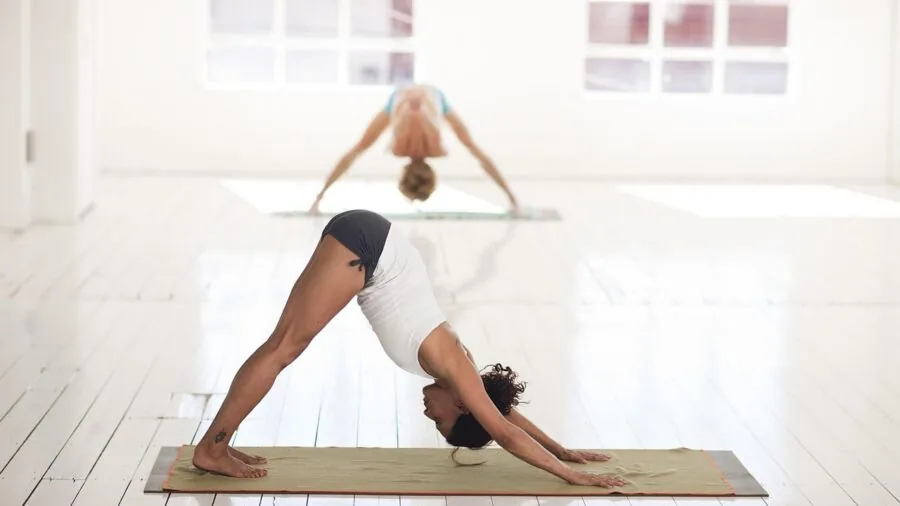
Yoga mats in this guide span a wide range of price tiers. Budget options from Amazon Basics and Gruper deliver solid everyday performance at an accessible entry point, making them sensible starting points for beginners or casual practitioners.
Mid-range picks from Feetlu, PAIDU, and ilili offer upgraded materials, extra thickness, or broader dimensions for a moderate step up in cost.
Premium options from Manduka are priced at a significant premium but are backed by material quality and warranty terms that justify the investment for daily practitioners.
When evaluating value, factor in replacement frequency. A budget mat replaced every 12 to 18 months may cost more over three years than a premium mat replaced once.
Consider your practice frequency, the floor surfaces you practice on, and whether portability or home-use convenience is your priority. These factors help align price tier with genuine need rather than defaulting to either end of the spectrum without reason.
If you are also building out a broader home workout setup, pairing your mat with blood pressure monitors designed for home use can round out a thoughtful wellness environment.
Why You Should Trust Us
ProductFind is an independent editorial platform. We do not sell products, and we have no affiliation with any manufacturer or retailer featured in our recommendations.
Every mat in this guide was assessed using our consistent research framework: we analyze published specifications, synthesize expert review consensus across multiple reputable publications, and weigh verified buyer feedback from confirmed purchasers.
We do not conduct our own product trials; our evaluations are grounded in research, published data, expert review consensus, and verified buyer feedback.
Each product receives a PF Score on a 0 to 10 scale reflecting its overall performance across criteria relevant to its category.
For yoga mats, those criteria include grip and traction, thickness and cushion quality, material safety and eco-credentials, size and portability, and long-term durability.
Scores are assigned based on the weight of evidence across all sources, not on any single reviewer’s opinion.
ProductFind may earn a commission when you purchase through links in this guide. That affiliate relationship has no influence on rankings, scores, or which products are included.
Our only editorial objective is to give you the most useful, honest guidance possible so you can make a confident purchase decision.
Tracking your progress with a reliable fitness tracker is a complementary step many of our readers take after setting up their home practice space.
Final Thoughts
After evaluating the full field against our criteria, here is how our top picks earn their distinctions:
- Best Overall: Manduka PRO Yoga Mat earns the top PF Score in this roundup on the strength of its professional-grade density, exceptional surface grip, and a lifetime durability guarantee that no other mat in this guide can match. It is the clear choice for practitioners who treat their mat as a long-term investment.
- Best Runner-Up: Manduka Unisex Adult Yoga and Pilates Mat in Black Sage sits just behind its PRO sibling with an identical premium construction philosophy and the same brand pedigree, offering a slightly different color option for studio and home use alike.
- Best Mid-Range Pick: ILILI Yoga Mat stands out among mid-range options for its oversized 76 x 28-inch footprint, eco-friendly TPE material, dual-color design, and verified buyer praise for arriving odor-free, all at a price well below the premium tier.
- Best for Joint Cushioning: Feetlu Extra Thick Yoga Mat delivers 10 mm of cushioning that expert reviewers and verified buyers consistently flag as ideal for knee-heavy sequences, Pilates, and restorative practice, while maintaining a non-slip surface that holds up in home gym environments.
- Best Budget Pick: Amazon Basics Extra Thick Exercise Yoga Mat provides a half-inch of cushion and a reliable carrying strap at one of the most accessible price points in the entire category, making it a practical entry point for beginners or occasional practitioners who want solid performance without a large outlay.
Whichever mat fits your budget and practice style, the most important thing is consistency on the mat rather than perfection in your equipment.
Start with the pick that aligns with your current practice frequency and floor type, and upgrade as your needs become clearer.
For those building a broader wellness setup at home, a well-chosen multivitamin and a dedicated practice space with the right mat can work together to support long-term health goals.
Frequently Asked Questions
What thickness is best for yoga mats used at home?
For home practice on hardwood or tile floors, most practitioners find the 4 mm to 6 mm range offers the right balance between cushioning and stability.
If you do a lot of kneeling poses or have sensitive joints, stepping up to 8 mm or 10 mm provides noticeable relief without significantly compromising your balance in standing sequences.
On carpeted surfaces, a thinner mat (3 mm to 4 mm) often feels more stable since the carpet itself adds cushioning underneath.
Are TPE yoga mats better than PVC?
TPE mats are generally considered a more eco-responsible choice: they are recyclable, latex-free, and typically arrive without the chemical odor that PVC mats can emit when new. For grip performance, high-quality TPE competes well with mid-range PVC.
PVC retains an advantage in raw durability at the lowest price points, but for most practitioners the trade-offs favor TPE, particularly if material safety or environmental impact is a consideration.
Natural rubber remains the benchmark for grip, though it adds weight and is not suitable for those with latex allergies.
How do I clean a yoga mat without damaging it?
The safest routine for most mats is a light wipe-down with a solution of water and a small amount of gentle dish soap or a dedicated mat spray after each session.
Lay the mat flat to dry rather than rolling it while damp, which can trap moisture and encourage mildew. Avoid soaking the mat or submerging it in water unless the manufacturer explicitly states it is safe to do so.
Harsh cleaners, bleach, and machine washing can break down adhesive layers and degrade grip surfaces significantly faster than normal wear.
Is a more expensive yoga mat worth it for a beginner?
For most beginners, a mid-range mat is a better starting point than jumping straight to a premium option. A budget mat is a reasonable first step if you are unsure whether you will stick with a regular practice.
However, if you commit to practicing three or more times per week within the first few months, stepping up to a mid-range or premium mat fairly quickly pays off in grip quality, durability, and the simple pleasure of a surface that feels right underfoot.
Beginner or not, a mat with poor grip can discourage practice by making poses feel unsafe, so do not go so budget-focused that grip and surface quality are compromised.
Rounding out your home wellness setup with a solid air purifier can also improve the air quality in your practice room, which matters during breathwork and extended sessions.
What size yoga mat should I buy if I am tall?
If you are taller than approximately 5 feet 10 inches, a standard 68-inch mat will likely leave your feet hanging off the edge in poses like Savasana and extended lunges.
Look for mats listed at 72 inches or longer; several picks in this guide reach 74 to 76 inches, which comfortably accommodates taller practitioners.
Width is less commonly an issue, but if you practice wide-stance styles or arm balances frequently, a 26-inch to 28-inch wide mat offers noticeably more lateral room than the standard 24-inch width.
Can I use a yoga mat for Pilates and general floor exercise?
Yes, and many of the mats in this guide are explicitly designed for dual use across yoga, Pilates, and floor-based workouts.
The key consideration for Pilates is cushioning, since exercises like rolling, spinal articulation, and kneeling sequences put direct pressure on the spine and knees. A mat in the 6 mm to 10 mm range works well for most Pilates routines.
For high-intensity floor work or bodyweight training that involves jumping or lateral movement, prioritize a mat with strong bottom-side grip so it does not shift on the floor mid-movement.
If you are also tracking metrics like steps and recovery across your workouts, a capable fitness tracker integrates well into a multi-discipline home practice routine.
About the author
Leta is a reviewer and writer for ProductFind who specializes in Yoga & Pilates. Leta evaluates products through independent research: specifications, expert review consensus, and verified buyer feedback, and rates each one on the PF Score. Leta focuses on helping readers pick the right yoga & pilate for their needs and budget.