The 10 Best Ski Bindings
Choosing ski bindings affects safety, energy transfer, and on-mountain confidence. This guide covers alpine, touring, and kids' options from Atomic, Look, G3, and Rossignol to match your ability and terrain.
 By Vickie Foster
Updated July 23, 2026
By Vickie Foster
Updated July 23, 2026
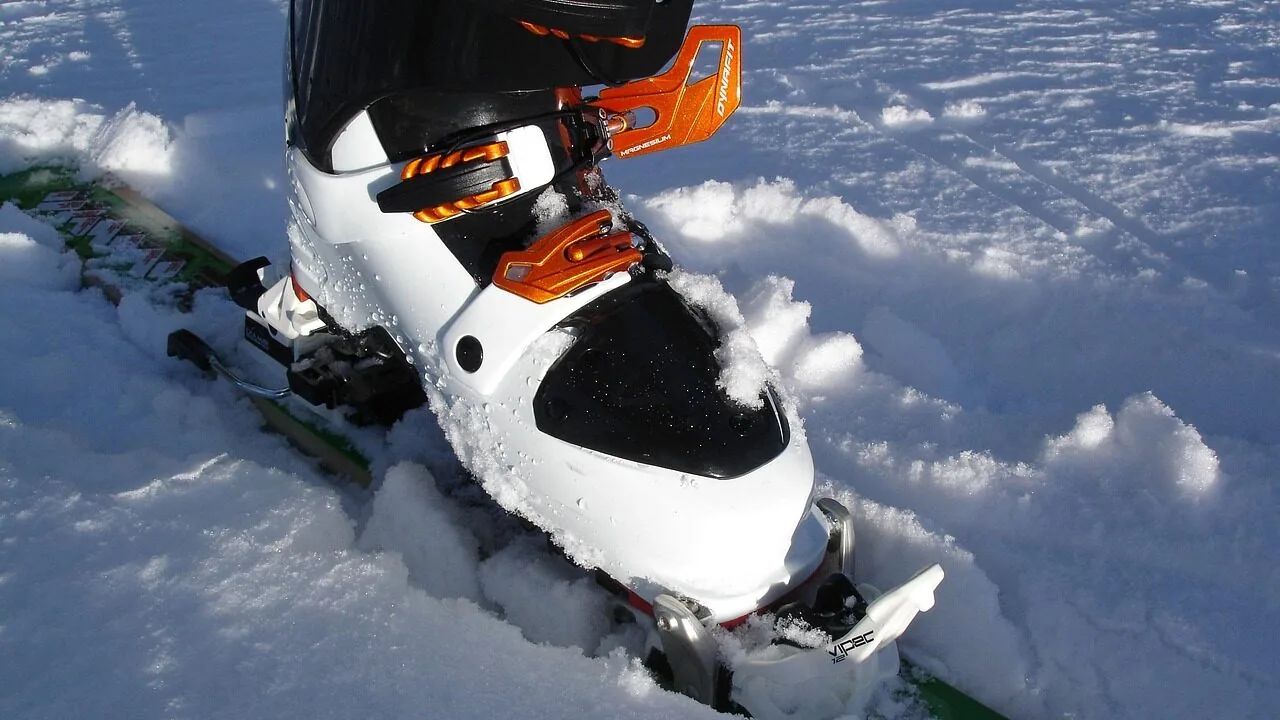
Ski bindings are the critical link between your boots and your skis, and choosing the wrong pair can compromise both your performance on the mountain and your safety.
Whether you are an aggressive all-mountain rider charging groomers, a beginner finding your footing, a parent outfitting a young skier, or an experienced backcountry tourer venturing beyond the resort boundary, the binding you choose affects energy transfer, release reliability, and how confidently you ski every run.
With options ranging from entry-level resort bindings to premium alpine touring systems from brands like Atomic, Look, G3, and Rossignol, the market can feel overwhelming without a clear framework for comparison.
This guide is built on ProductFind’s synthesis of manufacturer specifications, expert review consensus across the ski industry, and verified buyer feedback from real skiers.
We do not conduct our own product trials; our evaluations are grounded in research, published data, and consistent scoring criteria so you can make a confident, informed decision.
Read on for our top picks, and scroll down for a practical buying guide that breaks down everything from DIN range and brake width to alpine touring compatibility.
| Award | Product | PF Score About PF ScoreThe PF Score is our own rating from 0 to 10, based on performance, design and build, ease of use, and value. It reflects independent research and is never influenced by manufacturers, retailers, or affiliate commissions. Learn more › | Price | |
|---|---|---|---|---|
| Best Overall |
 Atomic Strive 12 GW Ski Bindings (L90mm)
|
8.3/10 | Buy | |
| Editor's Pick |
 Atomic Strive 11 GW Rental Binding
|
8.2/10 | Buy | |
| Best Value |
 Atomic Shift2 13 MN Alpine Touring Binding
|
7.8/10 | Buy | |
| Top Rated |
 Atomic Stage 10 GW 90mm Ski Bindings
|
7.9/10 | Buy | |
 Rossignol Sprayer Pro Xpress 178 All-Mountain Skis
|
7.2/10 | Buy | ||
 G3 ION 10 Backcountry Ski Bindings 85mm
|
7.1/10 | Buy | ||
 Rossignol Trixie Pro Xpress 158cm Womens Skis
|
7.0/10 | Buy | ||
 Rossignol Arcade 80 All Mountain Skis with Bindings
|
6.8/10 | Buy | ||
 LOOK NX 7 GW Kids Ski Bindings 83mm
|
6.5/10 | Buy | ||
 Nidecker LT Supermatic Snowboard Bindings XL
|
5.2/10 | Buy |
Atomic Strive 12 GW Ski Bindings (L90mm)
The Strive 12 GW offers a DIN range of 4-12 with GripWalk compatibility, designed for versatile skiers who want low-profile response and reliable release. The low-gravity toe design and 3-part heel focus on snow feel and vibration control rather than maximum features.
Pros
- DIN 4-12 range accommodates a wide range of skier weights and styles
- Low Design Nose (LDN) toe keeps binding close to ski for improved edge response
- GripWalk compatible for walk-friendly uphill capability
- 3-part heel absorbs vibrations while maintaining friction-free release
- Automatic toe adaption maintains consistent release values across different boot heights
Cons
- No customer reviews available to validate real-world performance claims
- Relatively heavier weight (4.96 lbs) compared to some race-oriented bindings
- Limited to medium DIN range, not suitable for very heavy skiers or extreme downhill specialists
Atomic Strive 11 GW Rental Binding
A rental-focused alpine binding that balances adjustability with control through tool-free fore/aft adjustment and dual boot sole compatibility. The LDN toe design improves snow feel, making it suitable for rental centers and intermediate alpine skiers seeking responsive terrain feedback.
Pros
- Tool-free fore/aft adjustment enables quick boot size changes without equipment
- Compatible with both Alpine ISO 5355 and GripWalk ISO 23223 boot soles for versatility
- LDN toe design lowers stance for improved snow feel and terrain response
- Automatic wing adjustment adapts to various boot widths for consistent security
- Designed specifically for rental durability and reliable performance
Cons
- Rating based on zero verified reviews, limiting real-world performance data
- Rental-class positioning may not suit advanced skiers seeking competition-grade responsiveness
- No user feedback available to assess long-term durability or adjustment reliability
Atomic Shift2 13 MN Alpine Touring Binding
A convertible touring binding that bridges backcountry and resort skiing with a 13 DIN rating suited for harder chargers and medium-sized skiers. Carbon-infused construction keeps weight manageable while the flip-switch toe mechanism transitions between hike and ski modes.
Pros
- Convertible toe design switches between hiking and skiing with minimal effort
- 13 DIN rating handles aggressive skiers and varied terrain
- Lightweight carbon-infused polyamide resists fatigue on long tours
- Compatible with most boot soles that have toe and heel lugs
- Durable construction designed for backcountry demands
Cons
- Requires boots with specific toe and heel lugs, limiting boot compatibility
- No verified buyer reviews available to confirm real-world durability claims
- 4-pound weight per binding may add up on full setups for ultralight-focused skiers
Atomic Stage 10 GW 90mm Ski Bindings
Atomic's Stage 10 GW bindings combine lightweight construction with GripWalk compatibility, making them suitable for skiers transitioning between resort and touring. The automatic toe adaptation maintains consistent release values across different boot conditions.
Pros
- GripWalk compatible for versatile boot compatibility
- Lightweight design reduces fatigue on longer days
- Automatic toe adaptation maintains release consistency on worn boots
- Easy step-in mechanism for quick adjustments
Cons
- No user reviews available to verify real-world performance
- Limited to 90mm size, may not fit all boot types
- Automatic toe adaptation effectiveness depends on proper boot norming
Rossignol Sprayer Pro Xpress 178 All-Mountain Skis
All-mountain skis designed for beginner to intermediate skiers seeking confidence across varied terrain. Combines traditional camber for edge grip with a twin-tip shape that supports both groomed runs and park progression.
Pros
- Effective carving performance with precision steering for linked turns
- Poplar wood core and fiberglass construction offer responsive flex and control
- Twin-tip design and balanced flex make it adaptable across varied snow conditions
- Suitable for both men and women with intermediate progression in mind
- Lightweight at 14.46 pounds reduces on-mountain fatigue
Cons
- No verified buyer reviews available to assess real-world durability and long-term performance
- Marketed as beginner to intermediate, limiting appeal for advanced or expert skiers
- Twin-tip design prioritizes progression over pure carving performance on hard pack
G3 ION 10 Backcountry Ski Bindings 85mm
A lightweight backcountry binding designed for smaller and less aggressive skiers, featuring a lower 4-10 release range and award-winning reliability. The step-in guidance and QuickFlick heel lifts prioritize ease of use on extended tours.
Pros
- Proven step-in consistency reduces gear management distraction during tours
- Award-winning design validated across ski media and communities
- Lower release range matches smaller body frames and conservative ski styles
- Easy heel lift engagement designed for gloved hand or pole control
- Dependable brakes and simple Pozi Drive #3 adjustment system
Cons
- No verified buyer reviews available yet to assess real-world durability
- Lower release range limits suitability for aggressive or heavier skiers
- Release value specification range (5-12) differs from marketed 4-10 lower range, creating potential confusion
Rossignol Trixie Pro Xpress 158cm Womens Skis
Beginner to intermediate womens downhill skis designed for carving confidence and all-mountain versatility. The twin-tip design and poplar wood core balance responsiveness across hardpack and freestyle features, making them a solid entry point for progression skiers.
Pros
- Twin-tip design enables progression into freestyle features while maintaining carving performance
- Lightweight construction helps younger and lighter skiers control the skis more easily
- Poplar wood core provides good balance between dampness and responsive flex
- All-mountain geometry adapts to varied snow conditions without specialized equipment
- Bindings included, ready to use out of the box
Cons
- No verified buyer reviews available to assess real-world durability or performance feedback
- 158cm size may limit fit range for taller or heavier intermediate skiers
- Twin-tip design prioritizes playfulness over pure carving precision compared to directional alternatives
Rossignol Arcade 80 All Mountain Skis with Bindings
Beginner to intermediate all-mountain skis designed for mixed terrain and hardpack conditions, equipped with bindings and built for balanced carving precision. Fiberglass construction and poplar wood core prioritize stability and low vibration across varied snow conditions.
Pros
- All-mountain versatility with balanced precision and playfulness across hardpack and mixed terrain
- Premium construction using fiberglass and poplar wood core delivers proven stability with minimal vibration
- Extended sidecut improves both high-speed grip and low-speed maneuverability
- Lightweight cap construction reduces fatigue over long days
- Package includes bindings, removing need for separate purchase
Cons
- No verified buyer reviews available yet to confirm real-world performance feedback
- Intermediate-focused design may feel limiting for advanced skiers seeking more aggressive performance
- Extended sidecut benefits require adequate technical ability to fully realize, making them potentially underutilized by true beginners
LOOK NX 7 GW Kids Ski Bindings 83mm
Lightweight bindings designed for young skiers, featuring easy step-in entry and GripWalk compatibility for flexible boot options. Composite construction keeps weight down while maintaining reliable shock absorption for growing riders.
Pros
- Wide entry and exit zones simplify getting in and out of bindings for kids
- GripWalk compatible, works with both alpine and GripWalk boot soles
- Lightweight composite materials reduce fatigue on younger legs
- Multi-directional FDC toe release design for safety
- Simple, no-fuss operation suited to beginner skill levels
Cons
- No verified buyer reviews available to confirm real-world durability and performance
- One-size-fits-all approach may not accommodate all boot types or foot widths
- Limited information on adjustment range or how bindings perform as kids grow
Nidecker LT Supermatic Snowboard Bindings XL
The Nidecker LT Supermatic offers an assisted dual-entry design that speeds up getting in and out while maintaining a traditional strapped feel. Built with a reinforced platform for edge-to-edge power transfer and cushioned footbeds to reduce vibration, this binding suits riders seeking faster transitions without sacrificing board responsiveness.
Pros
- Assisted entry speeds up transitions while keeping classic strap security
- Reinforced platform delivers solid edge-to-edge power delivery
- Cushioned footbeds and even wrap design minimize vibration and comfort hotspots
- Tool-free adjustability allows quick tuning without extra equipment
Cons
- No verified buyer reviews available to confirm real-world durability and performance consistency
- Assisted entry mechanism adds complexity compared to traditional bindings, potentially requiring more maintenance
- Premium category positioning may limit appeal to budget-conscious riders
Ski Bindings Buying Guide
Picking the right ski binding involves far more than matching a brand to your skis. The variables below are the ones that consistently separate well-matched setups from frustrating or even dangerous ones. Work through each section before you commit to a purchase.
DIN Range and Release Value
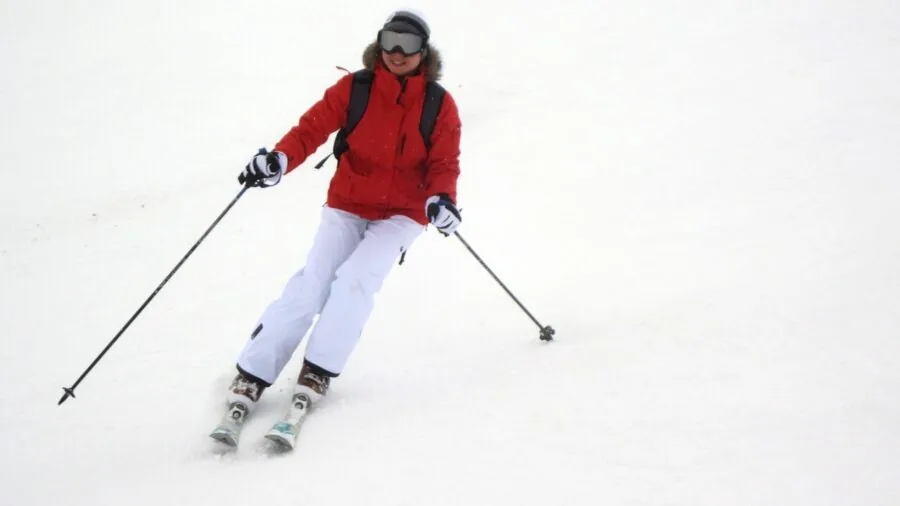
DIN (Deutsches Institut für Normung) is the standardized scale that governs how much force is required for a binding to release your boot.
Your personal DIN setting is calculated from a combination of your weight, height, boot sole length, skier type (I through III+), and age.
A binding must cover your calculated DIN number comfortably within the middle of its range, not at the top or bottom where accuracy and repeatability can suffer.
Beginners and lighter skiers typically land in the 3 to 8 range. Intermediate to advanced skiers often need 9 to 12. Aggressive experts and heavier skiers may require 13 to 16 or higher.
Children need bindings specifically engineered for lower release forces, which is why a dedicated kids’ binding is essential rather than simply dialing down an adult model. Always have your DIN set by a certified ski technician at a reputable shop.
If you are buying rental-ready bindings for a ski school or fleet context, look for models with indemnified rental certifications, which are designed to withstand repeated adjustment across many different boot sole lengths and skier weights throughout a season.
Brake Width and Ski Waist Compatibility
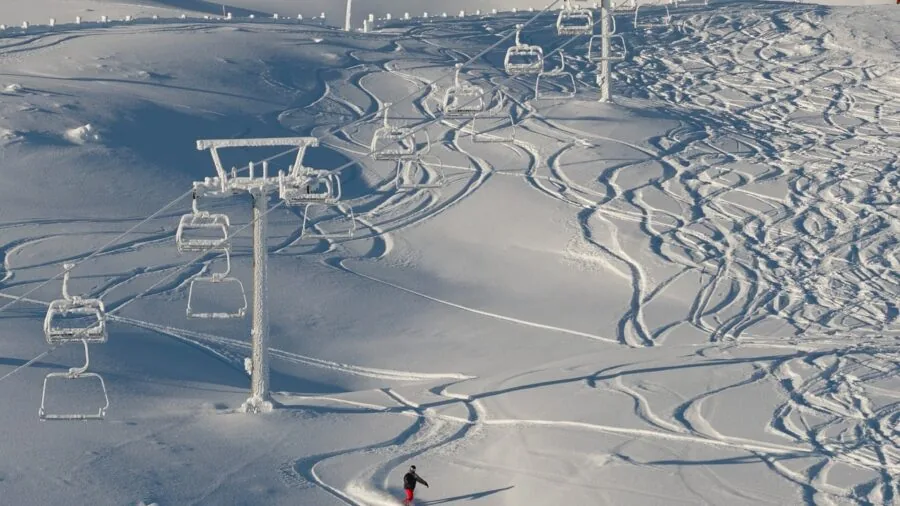
Binding brakes must be matched to the waist width of your ski. Brakes that are too narrow will not clear the ski edge and can impede function; brakes that are too wide may not engage properly after a release.
As a rule, your brake width should equal or slightly exceed your ski’s waist width.
Most bindings are available in multiple brake width options (for example, 78 mm, 90 mm, 100 mm, 110 mm) to cover everything from narrow race carvers to wide powder boards.
If you are mounting bindings on an all-mountain ski with an 85 to 95 mm waist, a 90 mm brake is the most common fit.
For wider freeride or powder skis in the 100 to 115 mm range, verify that the specific binding model offers a compatible brake option before purchasing.
Some binding families, like the Atomic Strive line, offer GW (Gripwalk) compatibility so you can also use rockered-sole Gripwalk boots without a shim.
Alpine vs. Alpine Touring vs. Backcountry Systems
Standard alpine bindings are designed for resort skiing: they lock the heel down at all times, prioritize retention and release performance on firm snow, and are typically the most affordable option.
If you never plan to leave the lift-serviced terrain, an alpine binding is the right call and will deliver the best power transfer and predictability for the price.
Alpine touring (AT) bindings allow the heel to lift for skinning uphill and lock down for skiing descents. They add versatility at the cost of additional weight and complexity.
Tech bindings (also called pin bindings) use two toe pins to engage a compatible boot and are the lightest option for ski touring, though they generally release less predictably at low speeds.
Frame AT bindings behave more like alpine bindings on the descent but are heavier for the climb.
Hybrid bindings like the Atomic Shift2 13 MN attempt to bridge both worlds with a full alpine-style release mechanism alongside a functional walk mode, making them a strong choice for skiers who want resort performance and occasional backcountry access without compromising either significantly.
Dedicated backcountry tech bindings such as the G3 ION 10 are built for skiers who prioritize uphill efficiency and are comfortable with the trade-offs in downhill release reliability.
They pair best with stiff AT boots and are not a substitute for a proper alpine binding at a resort.
Stand Height and Power Transfer

Stand height refers to how far your boot sole sits above the ski surface. Lower stand heights bring the center of mass closer to the ski, improving feel and edge feedback at high speeds.
Higher stand heights can improve leverage for carving but may make the ski feel less planted at speed. For aggressive carvers and racers, minimal stack height is often preferred.
For park skiers, a slightly higher platform can add leverage for tricks.
Construction materials also affect power transfer. Magnesium and reinforced nylon housings are stiffer and lighter than basic injected plastic, delivering crisper response when you edge.
Expert-level bindings from Atomic and similar brands use reinforced frames specifically to reduce flex between boot and binding, which translates directly to how quickly and precisely the ski responds to your inputs.
Boot Compatibility: Norm Standards
Not every binding works with every boot. The most common sole norm is ISO 5355 (traditional alpine), found on virtually all resort ski boots.
GripWalk (GW) soles have a rockered profile that makes walking easier but requires either a GW-compatible binding or a shim. WTR (Walk to Ride) from Atomic and Salomon is a similar walking-optimized alpine sole.
Tech or Dynafit-compatible soles have metal inserts in the toe and heel for pin bindings used in touring.
Before purchasing any binding, confirm that it is certified for your specific boot sole standard. Mixing incompatible norms can compromise release function and, in some cases, void warranty coverage.
Ski-and-binding packages from brands like Rossignol (such as the Sprayer Pro Xpress and Trixie Pro Xpress) often come pre-mounted with bindings calibrated for that ski’s geometry, removing the compatibility guesswork for newer skiers.
Skier Ability Level and Intended Terrain
Binding manufacturers classify products by intended skier ability and terrain use. Entry-level bindings prioritize ease of entry, a wide forgiveness window on release, and simple adjustment. Intermediate bindings add more retention authority and broader DIN ranges.
Advanced and expert bindings emphasize precision, low stand height, and robust construction for high-speed, high-force skiing situations.
Matching a binding’s performance envelope to your actual ability level matters for safety as well as enjoyment. An advanced skier on an entry-level binding may experience pre-release during hard carving.
A beginner on an expert binding set too high may not release in a genuine fall.
For children, use only bindings designed and certified specifically for young skiers, with age-appropriate DIN ranges and forward pressure mechanisms calibrated for smaller boot soles.
Why You Should Trust Us
ProductFind is an independent review publication. We earn no revenue from ski brands, do not accept review units in exchange for favorable coverage, and have no commercial relationship with any manufacturer listed in this article.
Every product in our roundups is scored using the PF Score system, a 0 to 10 scale applied consistently across a defined set of criteria including performance specifications, construction quality, value relative to the competitive field, and breadth of user suitability.
We do not conduct our own product trials; our evaluations are grounded in research, published data, expert review consensus, and verified buyer feedback.
Each binding in this guide was assessed against manufacturer-published specifications, consensus from experienced ski industry reviewers across multiple publications, and aggregated feedback from verified purchasers who have used these products across real ski seasons.
Where expert opinion diverged, we weighted findings by source credibility and volume of corroborating data.
ProductFind may earn a commission if you purchase through a link on this page. That affiliate relationship has no influence on our rankings, scores, or which products we include or exclude.
Our recommendations are determined entirely by our evaluation criteria, not by commission rates or brand relationships. We update our roundups when new products enter the market or when significant new data emerges about existing picks.
Final Thoughts
The ski bindings market spans a wide range of use cases, from children’s first resort seasons to serious backcountry touring setups. After evaluating every option in this roundup against consistent criteria, here is how the top picks stack up by specific need:
- Best Overall: Atomic Strive 12 GW Ski Bindings earns the top overall position with the highest PF Score in the group, combining a broad DIN range, GripWalk sole compatibility, and a proven Atomic platform trusted by intermediate to advanced resort skiers across multiple seasons.
- Best for Rental and High-Volume Use: Atomic Strive 11 GW Ski Bindings (Rental) is purpose-built for repeated adjustment cycles, carrying a strong PF Score that reflects its durability, indemnified rental certification, and reliable release performance across a wide range of skier types.
- Best for All-Mountain Value: Atomic Stage 10 GW Ski Bindings delivers a competitive PF Score at a more accessible price point, making it a practical choice for intermediate skiers who want dependable GW compatibility without stepping up to a premium binding.
- Best for Backcountry Touring: Atomic Shift2 13 MN Alpine Touring Binding is the pick for skiers who demand genuine alpine-level release performance on the descent alongside a functional touring walk mode, earning a strong PF Score that reflects its hybrid versatility.
- Best for Young Skiers: Look NX 7 GW Kids Ski Bindings is the dedicated children’s option in this roundup, with age-appropriate DIN calibration and GripWalk compatibility to give young skiers a safe, reliable foundation as they develop on the mountain.
If you are outfitting a complete ski setup rather than replacing bindings alone, ski-and-binding packages from Rossignol offer a convenient starting point that eliminates mounting compatibility concerns.
Whichever direction you go, pairing the right binding to your ability level, boot norm, and intended terrain will have a more meaningful impact on your skiing than almost any other gear decision you make this season.
Frequently Asked Questions
How do I know what DIN setting is right for me?
Your DIN setting is calculated from a standard chart that combines your weight, height, age, boot sole length, and self-assessed skier type. Most reputable ski shops perform this calculation for free when you purchase or mount bindings.
It is strongly recommended that you have a certified technician set your DIN rather than adjusting it yourself, as incorrect settings can either prevent release during a fall or cause pre-release during normal aggressive skiing.
Can I use GripWalk boots with standard alpine bindings?
GripWalk (GW) boots have a slightly rockered sole profile that differs from the traditional ISO 5355 flat sole. Standard alpine bindings are not certified for use with GW soles unless they carry GW certification or are used with an approved shim.
Using GW boots in non-GW bindings can affect release function and may void both binding and boot warranties.
Bindings marked GW, like the Atomic Strive 12 GW and Stage 10 GW in this roundup, are engineered to work correctly with both traditional and GripWalk soles.
What is the difference between alpine touring bindings and backcountry tech bindings?
Alpine touring bindings allow the heel to lift for uphill travel and lock down for descents, and they come in frame, tech (pin), and hybrid designs.
Frame AT bindings behave most like alpine bindings on the descent and accept standard alpine boots. Tech bindings use pins to engage dedicated AT boots and are lighter and more efficient for long ascents but require compatible footwear.
Hybrid bindings like the Atomic Shift2 13 MN combine a true alpine release mechanism with a touring walk mode, bridging the gap for skiers who split time between the resort and backcountry.
Your choice should align with your boot, your typical terrain split, and how much weight you are willing to carry uphill.
Do ski bindings need to be professionally mounted?
Yes. Ski bindings should be mounted and adjusted by a certified ski technician. Improper mounting can result in incorrect boot positioning, stripped screws, insufficient torque, or misaligned forward pressure, all of which can compromise release function.
Many binding warranties are also voided if the binding is not mounted and adjusted by a certified professional. Once mounted, bindings should be inspected and lubricated at the start of each season.
Are ski bindings universal across all ski brands?
Most alpine bindings follow ISO mounting standards and can be mounted on any ski with sufficient binding-mounting area, regardless of ski brand.
However, some ski brands use proprietary mounting systems (such as certain Salomon and Atomic integrated tracks) that require brand-matched bindings. Always confirm compatibility between your specific ski model and binding before purchasing.
When in doubt, a ski shop technician can verify compatibility using the manufacturer’s mounting tables.
How long do ski bindings last before they should be replaced?
Ski bindings do not have a universally mandated replacement schedule, but most manufacturers and ski safety organizations recommend having bindings inspected and recertified annually by a certified technician. Springs and plastic components can fatigue over time, affecting release consistency.
If a binding has been involved in a significant fall, shows visible cracking, or fails a release function check, it should be replaced regardless of age.
Many experts suggest considering replacement after roughly ten seasons of regular use, sooner for high-volume or rental applications.
About the author
Vickie is a reviewer and writer for ProductFind who specializes in Winter Sports. Vickie evaluates products through independent research: specifications, expert review consensus, and verified buyer feedback, and rates each one on the PF Score. Vickie focuses on helping readers pick the right winter sport for their needs and budget.