The 9 Best Snow Boots
Cold sidewalks and deep snow demand boots that actually hold up. Our research across waterproofing, traction, and insulation surfaces the most reliable snow boots at every budget.
 By Vickie Foster
Updated July 23, 2026
By Vickie Foster
Updated July 23, 2026

When winter storms roll in, your footwear is the first line of defense between you and wet, freezing pavement.
A quality pair of snow boots keeps your feet warm and dry whether you’re shoveling a driveway, navigating icy sidewalks, or heading out on a cold-weather trail.
With dozens of styles flooding the market, from budget-friendly ankle booties to rugged mid-calf builds from heritage outdoor brands like Sorel and Columbia, narrowing down the right pick for your needs takes more than a quick scroll.
This guide cuts through the noise. Our team at ProductFind researched the snow boot category by analyzing manufacturer specifications, synthesizing expert review consensus from across the outdoor and footwear space, and combing through verified buyer feedback from confirmed purchasers.
Every model in this list has been assessed using our structured scoring framework. If you need complementary cold-weather gear, pairing your boots with quality boot warmers can add meaningful extra insulation on the coldest days.
Read on for our top picks, followed by a detailed buying guide to help you choose with confidence.
| Award | Product | PF Score About PF ScoreThe PF Score is our own rating from 0 to 10, based on performance, design and build, ease of use, and value. It reflects independent research and is never influenced by manufacturers, retailers, or affiliate commissions. Learn more › | Price | |
|---|---|---|---|---|
| Best Overall |
 Sorel Out N About IV Waterproof Boot
|
8.6/10 | Buy | |
| Editor's Pick |
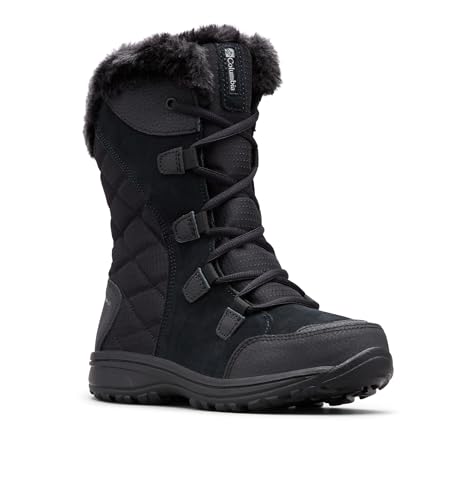 Columbia Ice Maiden II Women's Winter Boot
|
8.3/10 | Buy | |
| Best Value |
 Columbia Newton Ridge Plus Waterproof Hiking Boot
|
8.2/10 | Buy | |
| Top Rated |
 AUSLAND Women's Winter Snow Boots E7623 Mid-Calf
|
6.2/10 | Buy | |
 SILENTCARE Men's Winter Waterproof Snow Boots
|
6.1/10 | Buy | ||
 COOJOY Women's Waterproof Mid-Calf Winter Boot
|
5.5/10 | Buy | ||
 TRAILBLITZ Men's Winter Snow Boots, 7.1 IN
|
5.4/10 | Buy | ||
 Almusen Women's Mid-Calf Snow Boots with Fur Lining
|
5.3/10 | Buy | ||
 SHIBEVER Women's Waterproof Fur-Lined Winter Boots
|
5.2/10 | Buy |
Sorel Out N About IV Waterproof Boot
A waterproof winter boot built with full grain leather, suede, and vulcanized rubber construction for wet snow conditions. The molded PU footbed and EVERTREAD rubber outsole aim for all-day comfort and traction, making it practical for casual winter wear.
Pros
- Waterproof vulcanized rubber shell and bootie construction keep feet dry in snow and slush
- Multiple upper material options (leather, suede, textile blend) for style variety
- Molded PU STEADYSOLE footbed designed for comfort and support
- EVERTREAD rubber outsole for traction on slippery surfaces
- Lace closure for adjustable fit
Cons
- Laces themselves are not waterproof, which can limit full weather protection
- Limited customer reviews available to verify real-world durability and comfort claims
- Heel pull tab may wear with frequent use given the waterproof construction weight
Columbia Ice Maiden II Women's Winter Boot
A lightweight insulated winter boot with waterproof leather and textile construction, designed for cold-weather durability. The Techlite midsole provides cushioning while Omni-Grip traction keeps footing secure on slippery surfaces.
Pros
- Lightweight construction reduces foot fatigue during extended wear
- Waterproof design keeps feet dry in wet winter conditions
- Advanced traction sole provides reliable grip on ice and snow
- Feminine aesthetic that works across casual and varied outfits
Cons
- No verified buyer reviews available to assess real-world durability and comfort
- 200g insulation may be insufficient for extreme cold climates
- Lace-up closure requires adjustment rather than offering quick entry options
Columbia Newton Ridge Plus Waterproof Hiking Boot
A mid-cut waterproof hiking boot combining seam-sealed construction with Columbia's TECHLITE midsole for cushioning and energy return. The Omni-GRIP outsole delivers reliable traction across varied terrain, making it suitable for three-season trail use.
Pros
- Waterproof seam-sealed design with leather and suede materials
- TECHLITE midsole provides lightweight cushioning and energy return
- Omni-GRIP outsole delivers consistent grip across diverse terrain
- Reinforced toe and heel construction extends boot lifespan
- Versatile for three-season hiking use
Cons
- No verified customer reviews available to confirm real-world durability claims
- Limited color options (Dark Stone/Cosmos only in this listing)
- Mid-cut design may feel restrictive for hikers preferring higher ankle support
AUSLAND Women's Winter Snow Boots E7623 Mid-Calf
Waterproof mid-calf snow boots with fur cuff lining and seam-sealed construction for winter warmth. Lace-up design and sturdy outsole suit daily wear, hiking, and cold-weather activities.
Pros
- Seam-sealed construction and shealing lining for effective warmth retention
- Windproof premium textile upper keeps feet protected in harsh conditions
- Adjustable lace-up closure wraps snugly around the foot and ankle
- Textured outsole provides superior grip on slippery surfaces
- Versatile for multiple occasions including hiking, travel, and everyday walking
Cons
- No verified buyer reviews available to assess real-world durability and fit consistency
- Limited color option listed (Brown Fur only in current data)
- Weight of 2.5+ pounds per boot suggests they may be heavier than some lightweight alternatives
SILENTCARE Men's Winter Waterproof Snow Boots
A waterproof mid-calf boot with zip closure and faux fur lining designed for winter conditions. Key strengths include easy on-off functionality and non-slip sole, though the 4.4 rating lacks verified buyer feedback to validate durability claims.
Pros
- Waterproof construction protects against snow, slush, and rain
- Zipper closure for quick entry and exit without lacing
- Breathable faux fur lining for warmth and moisture management
- Non-slip rubber sole provides traction on various ground types
- Lightweight design reduces foot fatigue during extended wear
Cons
- No verified customer reviews available to confirm real-world performance claims
- Faux fur lining may not match genuine insulation in extreme cold conditions
- Mid-calf height limits ankle support compared to full-height snow boots
COOJOY Women's Waterproof Mid-Calf Winter Boot
A waterproof mid-calf boot with faux fur lining and cushioned footbed designed for winter weather and outdoor activities. Combines functionality with a classic lace-up design, making it suitable for snowy, rainy conditions and casual wear.
Pros
- Waterproof construction prevents moisture from rain, slush, and snow
- Plush faux fur lining and cushioned footbed provide insulation and comfort for cold weather
- Durable leather and windbreaker cloth materials built for outdoor use
- Lightweight design reduces foot fatigue during extended wear
- Versatile styling works with jeans, slacks, and outdoor gear
Cons
- No verified customer reviews available to confirm real-world durability or fit consistency
- Waterproof claims apply only to the vamp area, not necessarily the entire boot construction
- Limited color options restrict styling flexibility for some wardrobes
TRAILBLITZ Men's Winter Snow Boots, 7.1 IN
Fleece-lined mid-cut snow boots designed for winter outdoor activities with water-resistant fabric and slip-resistant outsoles. Best suited for casual winter wear, hiking, and snow travel on a budget-friendly foundation.
Pros
- Lightweight construction maintains comfort during extended wear
- Water-resistant material offers protection in winter conditions
- Durable slip-resistant sole designed for traction on challenging terrain
- Versatile mid-cut style suits multiple winter occasions
Cons
- Water-resistant coating may require periodic reapplication with spray for extended snowy exposure
- No verified buyer reviews available to assess real-world durability and sizing accuracy
- Limited information on insulation rating or temperature range suitability
Almusen Women's Mid-Calf Snow Boots with Fur Lining
Almusen's mid-calf snow boots combine waterproof uppers with warm fur lining and a non-slip sole, designed for winter comfort both indoors and outdoors. The hook-and-loop closure offers easy adjustability, though real-world durability data is limited.
Pros
- Waterproof upper construction helps prevent water and moisture from entering the shoe
- Non-slip sole design reduces slipping risk on snow and ice
- Hook-and-loop fastening is quick to secure and easy to adjust for personal comfort
- Warm fur lining provides insulation for cold winter conditions
Cons
- No verified buyer reviews available to confirm real-world performance and longevity
- Limited color options listed, currently available in black only
- Sizing information limited to single size (7.5) in product data
SHIBEVER Women's Waterproof Fur-Lined Winter Boots
These ankle boots combine waterproof protection with a cozy faux fur lining, making them practical for winter commutes and outdoor activities. The side-zipper design and anti-slip sole deliver convenient everyday functionality.
Pros
- Waterproof construction handles wet winter conditions effectively
- Plush fur lining provides genuine warmth without bulk
- Metal side zipper enables quick dressing for busy schedules
- Rugged anti-slip sole offers reliable grip on icy surfaces
- Neutral black color pairs with various winter wardrobes
Cons
- No verified customer reviews available to confirm real-world durability or fit consistency
- Side-zipper mechanism could develop issues with frequent use over time
- Limited size range (5-12) may exclude some customers
Snow Boots Buying Guide
Choosing the right snow boots comes down to matching the boot’s core capabilities to the conditions you actually face. A suburban commuter trudging through slush needs something very different from someone hiking a backcountry trail in deep powder.
The sections below break down every major criterion you should weigh before buying, so you can invest confidently rather than guess.
Waterproofing and Moisture Management

Waterproofing is the single most important attribute in a snow boot. Without a reliable moisture barrier, even a short walk through slush or packed snow can leave your socks soaked and your feet dangerously cold.
Look for boots that use either a bonded waterproof membrane (such as a sealed seam construction) or a full-grain leather upper treated with a durable water repellent (DWR) finish.
Synthetic uppers with a coated shell are common in mid-range options and can perform well in moderate conditions.
Beyond the upper, pay attention to the collar and tongue design.
A gusseted tongue, where the tongue is sewn or fused to the sides of the boot, prevents snow from entering through the front opening when you step into deep accumulation.
Boots from established outdoor brands like Columbia and Sorel engineer these details with consistency, which is part of why their models score highly in our assessments.
Budget options may advertise waterproofing but rely on surface coatings that degrade after repeated exposure, so scrutinize buyer feedback on long-term performance rather than just the listing headline.
If you also spend time outdoors in wet conditions beyond snow, a pair of rain boots suited to standing water or mud may complement your winter footwear rotation.
Insulation Type and Temperature Rating

The lining material determines how warm your feet stay, and different insulation types suit different activity levels.
Faux fur and plush textile linings are common in lifestyle-oriented snow boots and feel luxuriously warm in casual, low-exertion situations like errands or light walking.
Synthetic insulation, rated by gram weight (200g, 400g, and up), provides consistent warmth even when slightly damp and dries faster than down.
Temperature ratings printed on boot listings are often based on static conditions, meaning you are standing still in calm air.
When walking, your body generates heat that supplements the boot’s insulation, so a boot rated to a certain temperature will typically feel warmer during activity than while idle.
For most urban winter use in climates that dip into mild freezing temperatures, a mid-weight faux fur or textile lining is sufficient.
For extended outdoor exposure or genuinely frigid climates, prioritize boots with rated synthetic insulation and a structured midsole that adds a thermal barrier between your foot and frozen ground.
On the coldest days, supplementing with hand warmers inside your gloves and layering up with thermal underwear can make a significant difference to overall comfort.
Outsole Traction and Slip Resistance
A waterproof, warm boot is useless if you slide on a patch of black ice. Outsole design governs how well a boot grips in frozen and wet conditions.
Multi-directional lug patterns cut into rubber compounds create channels that shed snow and water while increasing surface contact with irregular terrain. Wider and deeper lugs perform better in loose snow, while shallower patterns suit packed ice and paved surfaces.
Look for outsoles explicitly described as non-slip or with rubber compounds formulated for cold temperatures. Standard rubber compounds harden in extreme cold and lose grip; thermoplastic rubber (TPR) and specialized winter-grade compounds remain pliable at lower temperatures.
If you plan to use your boots for snowshoeing outings, pairing them with a dedicated set of snowshoes designed for your boot type gives you a much more secure platform on trail.
Boot Height and Coverage

Boot height directly affects how much snow and cold air can enter from the top. Ankle booties are convenient, easy to pull on, and stylish, but they offer the least protection when walking through deep snow accumulation.
Mid-calf boots, which typically rise four to eight inches above the ankle, provide substantially better coverage and are the preferred choice for areas that see regular snowfall.
Tall boots or knee-high styles are less common in everyday snow boots but appear in workwear and outdoor specialty categories.
For most buyers, a mid-calf height with a secure closure, such as laces with a locking system, hook-and-loop straps, or a combination of both, hits the sweet spot between protection and practicality.
Pay attention to the shaft circumference if you have wider calves, since a boot that fits the foot but constricts the calf is uncomfortable and limits circulation.
Weight and Comfort for All-Day Wear

Snow boots are historically heavier than everyday footwear because of the materials required to achieve insulation and waterproofing. However, modern construction methods have brought lighter materials into this category without sacrificing performance.
EVA midsoles and lightweight synthetic uppers have helped brands develop boots that are genuinely walkable for extended periods. If you commute on foot or spend long days on your feet, weight and cushioning should rank high in your decision matrix.
Midsole cushioning also affects fatigue on hard surfaces like concrete and asphalt. A boot engineered for trail use often has a firmer midsole suited for uneven terrain but can feel hard underfoot on flat pavement.
Conversely, a lifestyle boot with a plush midsole may not provide the lateral support needed for uneven snow-covered ground.
Reading verified buyer feedback from people who match your use case, such as commuting versus hiking, is one of the most reliable ways to gauge real-world comfort before purchasing.
Closure System and Ease of Use

How a boot closes affects both the security of fit and the convenience of daily use.
Traditional lace-up closures allow precise adjustment and a customizable fit throughout the foot and ankle, which is especially important if you have a narrow heel but a wider forefoot.
Hook-and-loop (Velcro-style) straps, common on mid-range and lifestyle boots, make getting in and out quick, though they can collect debris and may wear over time.
Some models combine a lace system with an additional strap or bungee cord at the collar to cinch the top of the boot around the calf and prevent snow from falling in.
Slip-on designs with elastic gussets sacrifice adjustability for convenience and tend to suit buyers who prioritize quick on-and-off over a precision fit.
Whichever closure style you choose, make sure it allows you to wear a moderately thick sock without the boot feeling cramped, since cold-weather socks add meaningful volume inside the boot.
Why You Should Trust Us
ProductFind is an independent review publication. We do not carry inventory, sell products, or have any commercial relationship with the brands featured in our roundups.
Every product in this guide was evaluated using our structured research methodology: we analyze published manufacturer specifications, synthesize expert review consensus from the footwear and outdoor gear community, and assess verified buyer feedback from confirmed purchasers.
We do not conduct our own product trials; our evaluations are grounded in research, published data, expert review consensus, and verified buyer feedback.
Each product receives a PF Score on a scale of 0 to 10, calculated against a consistent set of criteria applied equally across every model in the category.
For snow boots, those criteria include waterproofing reliability, insulation effectiveness, outsole traction, build quality, comfort for extended wear, and overall value at the product’s price tier.
Scores are assigned based on how well each boot performs across all criteria relative to its competition, not based on brand recognition or price alone.
ProductFind may earn a commission if you purchase through links in this article. That affiliate relationship has no influence on which products we recommend, how we rank them, or the scores they receive. Our recommendations are editorially independent and driven entirely by our research findings.
Final Thoughts
The snow boot market spans a wide range of price points, styles, and intended uses.
Budget-oriented options from newer brands can handle light winter conditions adequately, but the gap in waterproofing durability, insulation engineering, and outsole design compared to established outdoor brands is real and measurable in our scoring.
Whether you are outfitting yourself for a snowy commute or gearing up for cold-weather outdoor adventures alongside ski gloves and a neck gaiter, the picks in this list give you a solid starting point at every tier.
Here is how our top picks break down by danh hiệu:
- Best Overall: SOREL Women’s Out N About IV Classic Waterproof Boot earns the top spot with the highest PF Score in this roundup, combining Sorel’s proven waterproof construction, heritage brand reliability, and a versatile silhouette that works equally well on icy sidewalks and packed trails.
- Best for Everyday Winter Commuting: Columbia Women’s Ice Maiden II scores among the highest in our assessment and delivers Columbia’s dependable waterproof technology in a sleek ankle-and-bootie profile that transitions naturally from outdoor use to everyday wear.
- Best for Rugged Trail Use: Columbia Women’s Newton Ridge Plus Waterproof Amped brings a trail-ready outsole and robust waterproof upper to this list, earning a strong PF Score for buyers who need a boot that holds up on uneven, snow-covered terrain rather than just flat sidewalks.
- Best for Men on a Mid-Range Budget: SILENTCARE Men’s Winter Waterproof Snow Boots leads the men’s category with the highest PF Score among male-oriented options in this roundup, offering a slip-on mid-calf design with solid insulation and a lightweight build at a reasonable investment level.
- Best Budget Pick for Women: AUSLAND Women’s Twin Peaks Fur Cuff Mid-Calf Boot provides a lace-up mid-calf design with genuine warmth and a stylish fur cuff detail at an accessible price, making it a practical entry point for buyers who want more coverage without committing to a premium spend.
No matter which tier you shop in, prioritize waterproofing and outsole traction above all else. Those two attributes determine whether a snow boot actually keeps you safe and comfortable when conditions turn serious.
If you are building out a broader cold-weather kit, explore our coverage of ski boots for on-mountain use, snowboard boots for resort days, and sleds for family winter fun.
Frequently Asked Questions
How Warm Do Snow Boots Need to Be for Everyday Winter Use?
For typical urban or suburban winter conditions, moderate insulation with a faux fur or mid-weight synthetic lining is sufficient.
If you are walking short distances between a car and a building, a lightly insulated waterproof boot will keep you comfortable in most freezing temperatures.
For prolonged outdoor exposure, regional climates with extreme cold, or extended hikes on snowy terrain, look for boots with heavier synthetic insulation and a thermally sealed footbed that blocks cold rising from frozen ground.
Are Snow Boots Suitable for Hiking in Winter Conditions?
Some snow boots, particularly those with reinforced outsoles and structured midsoles like the Columbia Newton Ridge line, perform well on light to moderate winter trails.
However, dedicated winter hiking boots or trail boots with aggressive traction patterns are engineered specifically for uneven frozen terrain and typically offer better ankle support and durability under load.
If you are covering significant distances over rough ground, a purpose-built hiking boot is worth the separate investment.
Snow boots from this list are best suited to light trail use, neighborhood walks, and general outdoor activity rather than technical mountaineering or extended backcountry travel.
For serious snowshoeing or longer winter hikes, pairing appropriate footwear with proper snowshoes designed for your activity level is the safer approach.
How Should Snow Boots Fit, and Should I Size Up?
Snow boots should fit with enough room to wear a medium to thick wool or thermal sock without the boot feeling tight.
A cramped fit restricts blood flow, which is one of the primary drivers of cold feet regardless of how well insulated the boot is.
Most buyers find that sizing up by a half size to a full size from their regular shoe size gives adequate room for thicker cold-weather socks.
However, going too large creates heel slippage that increases blister risk and reduces the precision of your grip on slippery surfaces, so try to land on a fit that feels snug but not tight with your intended sock thickness.
Can I Use Snow Boots in Slushy or Rainy Conditions as Well?
Yes, a well-waterproofed snow boot handles slush and light rain effectively because waterproofing is waterproofing regardless of the precipitation type.
The key question is whether the boot’s outsole, which is optimized for snow traction, provides adequate grip on wet pavement and smooth surfaces.
Many snow boot outsoles perform well in slush but can feel slightly stiff on dry pavement compared to everyday footwear.
If your climate shifts frequently between wet rain and snow, a snow boot with a versatile rubber outsole covers both conditions well.
For climates where rain dominates and snow is occasional, a hybrid boot or a dedicated waterproof everyday boot may be more practical for most of the year.
How Do I Care for and Maintain Snow Boots to Extend Their Life?
After each use in salty or slushy conditions, wipe the exterior with a damp cloth to remove salt residue, which accelerates material degradation and can dry out leather or coated synthetic uppers.
Allow boots to dry naturally at room temperature rather than placing them near direct heat sources like radiators, which can warp the midsole and crack waterproof membranes.
Reapply a DWR spray or waterproofing treatment to the upper at least once per season or whenever you notice water soaking in rather than beading on the surface.
Store boots in a cool, dry location with a boot tree or crumpled newspaper inside to help them maintain their shape during the off-season.
Proper care meaningfully extends the useful life of any snow boot, whether it is a budget pick or a premium model.
About the author
Vickie is a reviewer and writer for ProductFind who specializes in Winter Sports. Vickie evaluates products through independent research: specifications, expert review consensus, and verified buyer feedback, and rates each one on the PF Score. Vickie focuses on helping readers pick the right winter sport for their needs and budget.