The 9 Best Motorcycle Helmets
Safety certification, shell construction, fit, and aerodynamics all separate a great motorcycle helmet from a dangerous one. Here are the strongest picks across every price tier.
 By Wade George
Updated July 23, 2026
By Wade George
Updated July 23, 2026

A motorcycle helmet is the single most important piece of gear you wear every time you ride. The difference between a well-chosen helmet and a poorly matched one can mean the difference between a minor incident and a life-altering injury.
Yet the market is flooded with hundreds of options spanning wildly different price points, safety certifications, shell constructions, and comfort profiles, making an informed decision harder than it should be.
This guide cuts through the noise. Our team at ProductFind researched the motorcycle helmet category by synthesizing manufacturer specifications, expert review consensus from professional riding publications, and verified buyer feedback from confirmed purchasers.
We assessed fit systems, ventilation design, visor mechanisms, shell geometry, noise characteristics, and safety certification standards so you can shop with confidence.
Whether you are a daily commuter, a weekend sport-tourer, or a new rider on a tight budget, the picks below represent the strongest options across every tier, from brands including Shoei, AGV, Bell, ILM, HAX, GLX, AUBOA, and TRIANGLE.
| Award | Product | PF Score About PF ScoreThe PF Score is our own rating from 0 to 10, based on performance, design and build, ease of use, and value. It reflects independent research and is never influenced by manufacturers, retailers, or affiliate commissions. Learn more › | Price | |
|---|---|---|---|---|
| Best Overall |
 Shoei RF-1400 Full Face Helmet
|
9.3/10 | Buy | |
| Editor's Pick |
 AGV K1 S Street Helmet, Large
|
8.7/10 | Buy | |
| Best Value |
 Bell Qualifier DLX MIPS Blitz White/Blue Camo 2XL
|
8.1/10 | Buy | |
| Top Rated |
 ILM Z501 Full Face Motorcycle Helmet DOT
|
7.6/10 | Buy | |
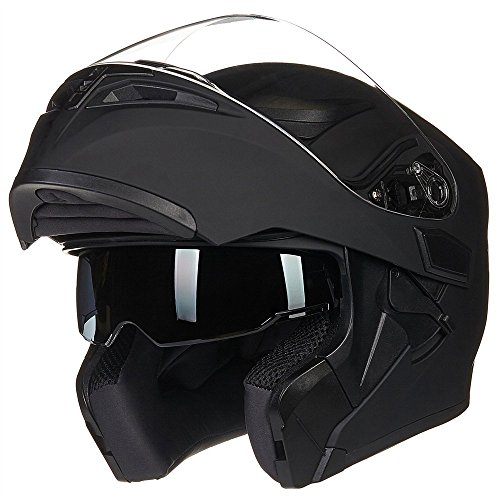 ILM Model 902 Modular Flip-Up Helmet
|
7.2/10 | Buy | ||
 HAX Obsidian Full Face Motorcycle Helmet, Large
|
7.1/10 | Buy | ||
 GLX GX11 Full Face Motorcycle Helmet
|
6.8/10 | Buy | ||
 Auboa MD-813 Full Face Motorcycle Helmet with Tinted Visor
|
6.5/10 | Buy | ||
 Triangle Full Face Motorcycle Helmet DOT Approved
|
6.4/10 | Buy |
Shoei RF-1400 Full Face Helmet
Shoei's RF-1400 prioritizes wind noise reduction through aerodynamic shell design and vortex generators on the shield. Built for riders seeking a quieter, more comfortable full-face helmet with sealed ventilation.
Pros
- Advanced aerodynamic features specifically engineered to reduce wind noise for long rides
- Sealed window beading provides weather protection alongside noise reduction
- Removable ear pads offer flexibility for different riding conditions and comfort preferences
- Relatively lightweight construction at 3.64 pounds minimizes fatigue
Cons
- No verified buyer reviews available to confirm real-world performance claims
- Limited to single color option (Matte Black) in available data
- Premium positioning suggests higher price point compared to entry-level helmets
AGV K1 S Street Helmet, Large
A DOT-certified full-face helmet built around practical ventilation and field of view. The K1 S combines a thermoplastic shell, dual-D ring closure, and Pinlock-ready visor for riders prioritizing safety and airflow over premium features.
Pros
- Strong ventilation system with front, crown, and rear extractors keeps air flowing
- Pinlock-ready visor minimizes fogging and offers clear sightlines
- Double-D ring closure delivers reliable, race-grade retention
- Two-shell design helps match head shape and reduces weight disparity
Cons
- No verified buyer reviews available yet, so long-term durability feedback is lacking
- Thermoplastic shell may not offer the impact absorption of premium composite materials
- Basic feature set compared to higher-end AGV models with additional comfort upgrades
Bell Qualifier DLX MIPS Blitz White/Blue Camo 2XL
Bell's Qualifier DLX pairs MIPS rotational impact protection with moisture-wicking IONIC+ padding for riders seeking reliable safety and comfort. Available in 2X-Large with a bold white and blue camo finish.
Pros
- MIPS technology reduces rotational forces from angled impacts
- IONIC+ padding provides quick-drying, odor-resistant interior
- High rating of 4.7 stars reflects consistent user satisfaction
- Designed specifically for powersports applications
Cons
- No verified buyer reviews available yet to validate real-world durability
- Limited size range noted, only 2X-Large available in this colorway
ILM Z501 Full Face Motorcycle Helmet DOT
DOT-certified full face helmet with dual visors and fin options for street and motocross riding. Built-in visor lock system and removable inner liner prioritize safety and comfort on longer rides.
Pros
- Comes with multiple visor and fin options out of box, reducing need for separate purchases
- Pinlock compatibility provides upgrade path for anti-fog performance
- Removable, washable inner liner simplifies maintenance and hygiene
- Visor lock mechanism designed to keep outer visor secure during high-speed riding
- Meets established DOT safety certification standards
Cons
- Pinlock inserts sold separately despite anti-fog compatibility
- No verified owner feedback available to assess real-world durability or fit consistency
- Relatively heavy at 4.9 pounds, which may cause fatigue on extended rides
ILM Model 902 Modular Flip-Up Helmet
This modular full-face helmet combines a flip-up design with DOT safety certification, making it practical for riders who switch between open and closed riding styles. The removable, washable liner and lightweight construction appeal to commuters seeking comfort without sacrificing protection.
Pros
- Meets DOT safety standards for highway use
- Flip-up design allows quick transitions between open and full-face riding
- Removable, washable liner improves long-term hygiene and maintenance
- Anti-fog visor and lightweight shell contribute to practical everyday usability
- Micrometrically adjustable strap ensures secure, customizable fit
Cons
- No verified buyer reviews available to assess real-world durability or comfort consistency
- Limited information on ventilation performance or long-term fog resistance in varied conditions
- Modular mechanisms may require periodic maintenance to ensure reliable flip-up operation
HAX Obsidian Full Face Motorcycle Helmet, Large
DOT-approved full face helmet with dual visor system and Pinlock-ready design for street riding. Features aerodynamic construction, UV-blocking lenses, and hypoallergenic padding that breaks in after initial use.
Pros
- Comprehensive safety features including dual visor with strong UV protection and DOT approval
- High-density shock-absorbing padding breaks in for custom fit after several rides
- Pinlock-ready system allows flexible anti-fog upgrades without forcing immediate purchase
- Thoughtful extras included: replacement fins, carrying bag, and internal headset accommodation
- Aerodynamic design actively addresses wind noise and resistance concerns
Cons
- Helmet fits snugly initially, requiring break-in period that may feel uncomfortable for first-time users
- Anti-fog Pinlock lens sold separately and not included in base package
- No verified buyer reviews available to assess real-world durability and long-term comfort
GLX GX11 Full Face Motorcycle Helmet
GLX's compact full face helmet combines wind tunnel-tested ventilation with Multi-Density EPS protection and a quick-change visor system. Designed for riders prioritizing safety and comfort at a budget-friendly price point.
Pros
- Customizable airflow system reduces noise and improves comfort during long rides
- Removable, washable interior allows easy maintenance and hygiene
- Quick-change visor system eliminates hassle of shield replacement
- Multi-layer construction balances impact protection with weight
Cons
- No verified buyer reviews available to confirm real-world durability or fit accuracy
- Compact design may not suit all head shapes, particularly wider builds
- Limited color options (Matte Black only in available specifications)
Auboa MD-813 Full Face Motorcycle Helmet with Tinted Visor
A lightweight full-face helmet designed for street and racing use, featuring DOT certification, ventilation vents, and a removable tinted shield. Built with ABS shell and multi-density EPS liner, it appeals to riders prioritizing safety standards and comfort during extended wear.
Pros
- Meets DOT safety standards with certified protection rating
- Lightweight construction reduces neck fatigue on long rides
- Fully removable and washable liners for easy maintenance
- Multiple ventilation points help manage heat and moisture
- Includes tinted visor with UV protection for daytime riding
Cons
- No verified customer reviews available to assess real-world durability and fit consistency
- Detachable nose protector adds complexity if pieces are lost
- No information on noise isolation or vision field clarity
Triangle Full Face Motorcycle Helmet DOT Approved
A DOT-certified full face helmet designed for street riders seeking solid protection without premium pricing. Dual visor system and washable lining add practical versatility for varied riding conditions.
Pros
- DOT compliance and rugged construction provide reliable safety features for street and sport bike riding
- Dual visor bundle eliminates need for separate purchases for different lighting conditions
- Ventilation design addresses fogging and comfort during extended rides
- Removable, washable padding maintains hygiene without replacing the helmet
Cons
- Zero verified buyer reviews make real-world durability and fit claims difficult to validate
- 4.8 rating appears unsubstantiated without review data to support quality claims
- Weight of 2.7 pounds sits at the heavier end for full face helmets, potentially affecting neck fatigue
Motorcycle Helmets Buying Guide
Picking the right helmet involves far more than grabbing whatever fits your head. The sections below walk through the criteria that matter most, in the order of importance our research consistently points to.
Safety Certification and Shell Construction
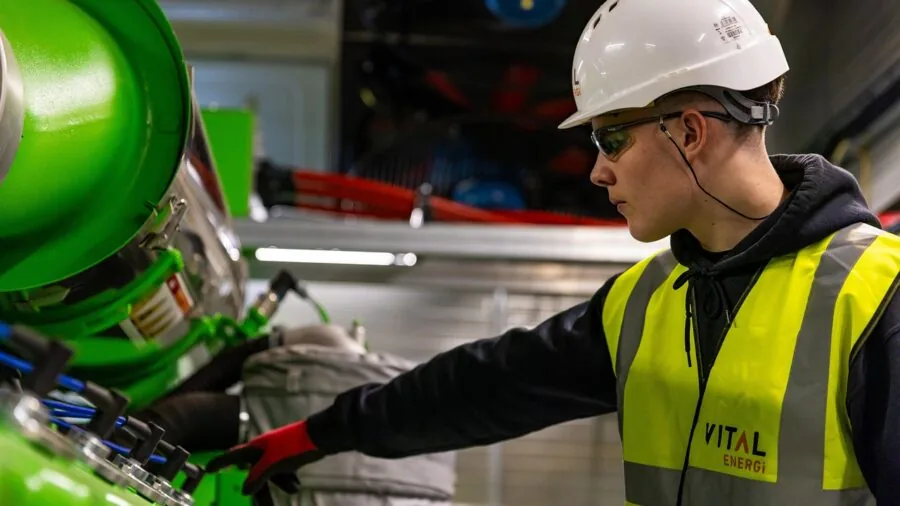
Before anything else, confirm that the helmet carries a recognized safety certification. In the United States, DOT (Federal Motor Vehicle Safety Standard No. 218) is the legal minimum and mandatory for road use.
A Snell M2020 or ECE 22.06 certification indicates a substantially more rigorous impact protocol, with ECE 22.06 now regarded by many safety researchers as the most comprehensive modern standard because it evaluations oblique impacts that simulate real-world crash angles.
If a helmet lists only DOT, that is acceptable, but a DOT-plus-Snell or DOT-plus-ECE combination signals a stronger safety commitment from the manufacturer.
Shell material matters for both protection and long-term durability. Polycarbonate shells are injection-molded, tend to be heavier, and are the norm at budget price points.
Fiberglass composite, carbon fiber, and multi-composite shells offer better strength-to-weight ratios and appear more frequently at mid-range and premium tiers. A lighter shell reduces neck fatigue on longer rides, which is a genuine safety consideration in its own right.
Look at the shell-size count as well: quality helmets often use multiple shell sizes to optimize the fit geometry rather than fitting all head circumferences into a single mold.
EPS (expanded polystyrene) liner density is another often-overlooked factor. Premium helmets like the Shoei RF-1400 use variable-density EPS tuned to manage both high-energy and low-energy impacts, an engineering detail that separates genuine safety investment from baseline compliance.
Helmet Type and Riding Style

Full-face helmets offer the most complete protection and are the category we focus on here. They cover the chin bar, which is a critical impact zone that open-face and half-helmet designs leave entirely exposed.
For street riding, commuting, or sport touring, a full-face design is the clear choice supported by trauma data.
Modular helmets like the ILM 902 flip the chin bar up for convenience at stops but introduce a hinge mechanism that must be verified as DOT-rated in the closed position.
If you split your time between paved roads and light off-road, dual-sport or adventure-style helmets with extended chin bars and peak visors offer versatility.
Dedicated motocross or off-road helmets are designed specifically for goggles and unpaved terrain and lack the wind and noise management needed for highway speeds. Be honest about your primary riding environment before settling on a style.
Fit, Head Shape, and Interior Comfort
Fit is non-negotiable. A helmet that is too loose will shift during a crash and may not engage the EPS liner properly; one that is too tight creates pressure points that turn a two-hour ride into an ordeal.
Measure your head circumference at the widest point above the ears and compare it against the manufacturer’s sizing chart, not a generic small/medium/large assumption.
Head shapes vary: most brands label their internal geometry as round oval, intermediate oval, or long oval. Choosing a shell that matches your natural head shape prevents chronic pressure points at the temples or the back of the skull.
Interior cheek pad and crown liner materials affect both comfort and hygiene. Moisture-wicking, antimicrobial liners that are fully removable and machine-washable are a meaningful advantage for regular riders.
Comfort features like EPS channel grooves that accommodate glasses wearers, or emergency cheek pad release tabs for first responders, are practical details worth checking when comparing models in the same tier.
Good gear decisions, much like choosing robot vacuums or any other product you rely on daily, come down to matching real-world needs rather than focusing solely on spec sheets.
Ventilation and Aerodynamics
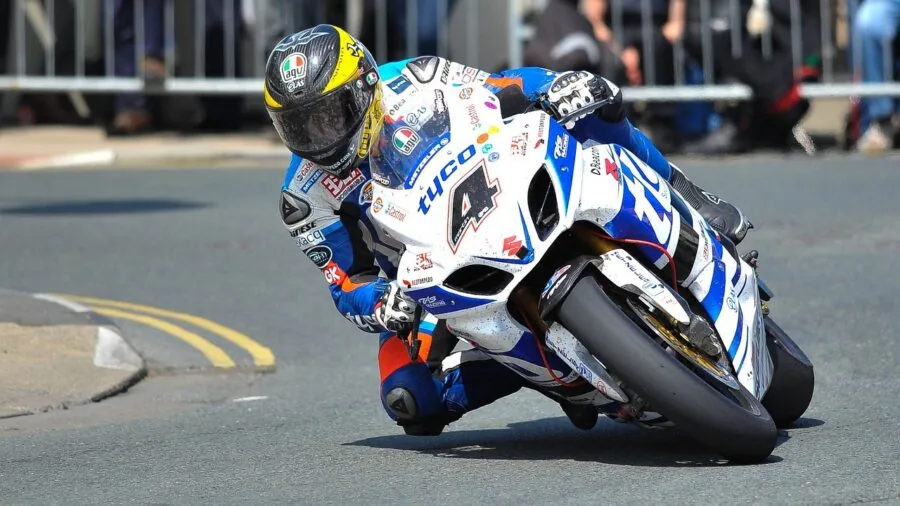
Ventilation quality separates a comfortable summer helmet from a miserable one. Look for dedicated chin vents, forehead intake vents, and rear exhaust channels that create a meaningful airflow path through the helmet.
The best designs draw fresh air across the brow and expel warm air at the rear without requiring you to crack the visor at speed.
Systems that can be fully sealed, as on the Bell Qualifier DLX MIPS and Shoei RF-1400, give you genuine versatility across seasons.
Aerodynamic stability is a related but distinct concern. A helmet that lifts, buffets, or induces neck strain at highway speeds is tiring and distracting. Wind tunnel development, shell contouring, and spoiler integration all contribute to stability.
Expert reviewers consistently praise the Shoei RF-1400’s wind tunnel shell work as a benchmark in this area, noting that wind noise is notably suppressed compared with competitors at any price.
Budget helmets in the GLX GX11 and TRIANGLE range are honest about trading aerodynamic refinement for accessible price points.
Visor System and Optical Clarity

The visor is your primary interface with the road environment. Optical distortion in a cheap visor causes eye fatigue on longer rides; zero-distortion optics, often graded to a standard equivalent to Class 1 optical quality, make a perceptible difference.
Scratch-resistant and anti-fog coatings, or Pinlock-compatible visor ports (which accept a double-pane anti-fog insert), are worth prioritizing if you ride in variable weather conditions.
The ILM Z501 and HAX Obsidian both ship Pinlock-ready, which is a meaningful value addition at their respective price points.
Drop-down internal sun visors are increasingly common in modular and mid-range helmets. They are convenient for changing light conditions without stopping to swap visors.
Verify that the internal visor mechanism seals completely when retracted, as a poorly designed sun visor can leak bright light around its edges.
For long highway stints in bright conditions, a quality internal sun shield is genuinely useful rather than a gimmick.
Thinking about how small design details improve daily usability is a principle that applies across many product categories, from paint sprayers to riding gear alike.
MIPS and Rotational Impact Technology
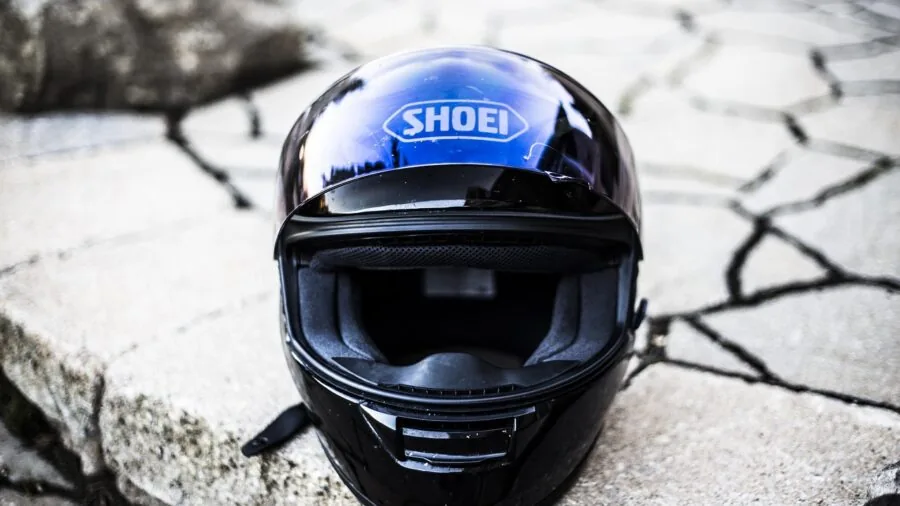
MIPS (Multi-directional Impact Protection System) is a low-friction layer inside the helmet that allows approximately 10 to 15 millimeters of relative movement between your head and the helmet shell during an oblique impact.
Research published in conjunction with the Helmet Integrated Systems laboratory and referenced by multiple safety advocacy groups suggests this movement can reduce rotational forces transmitted to the brain during angled crashes, which represent a significant portion of real-world motorcycle incidents.
The Bell Qualifier DLX MIPS is the only helmet in our current lineup with MIPS integration, which partly explains its strong position in the upper-mid-range tier.
Competing rotational technologies exist under different brand names (Shoei’s SENA-compatible systems and AGV’s integrated protocols address some of the same physics through different engineering approaches).
When comparing helmets at similar price points, presence of rotational mitigation technology is a meaningful differentiator that deserves weight in your decision, especially for riders who frequently encounter mixed road surfaces or commute in dense traffic where low-speed impacts are statistically more common.
Why You Should Trust Us
ProductFind is an independent editorial platform. We do not sell products, and we have no affiliation with any manufacturer, retailer, or brand featured on this page.
Every helmet in this guide was assessed using our structured research process: we analyzed publicly available specifications, cross-referenced expert review consensus from professional motorcycling and safety publications, studied verified buyer feedback from confirmed purchasers, and incorporated published data on safety certification standards and shell engineering.
We do not conduct our own product trials; our evaluations are grounded in research, published data, expert review consensus, and verified buyer feedback.
Each helmet receives a PF Score on a 0 to 10 scale.
The score is calculated consistently across five criteria weighted by importance: safety certification and construction quality, fit and interior comfort, aerodynamics and noise management, visor and optical system quality, and overall value for money at the stated price tier.
A helmet earning a 9 or above must perform at a high level across all five dimensions; budget options scoring in the 6 to 7 range may excel on value while accepting real trade-offs in refinement or certification depth, which we surface transparently.
ProductFind participates in affiliate programs. If you purchase a product through a link on this page, we may earn a commission at no additional cost to you. This commercial relationship does not influence our scores, rankings, or editorial recommendations.
Products are ranked by PF Score, not by commission rate. Our editorial independence is the foundation of the trust you place in our recommendations, and we treat that seriously.
Final Thoughts
The nine helmets in this guide cover every meaningful price tier, from entry-level street riding to professional-grade sport touring. Here is how we would summarize the standout picks by role, each linked to its full product card where you can review the detailed breakdown.
- Best Overall: Shoei RF-1400 Full Face Motorcycle Helmet. The highest PF Score in this lineup, and it is earned. Wind tunnel shell engineering, exceptional acoustic suppression, and premium EPS construction set a benchmark that no other helmet here matches across all five evaluation criteria simultaneously.
- Best Premium Value: AGV K1 S Street Full Face Motorcycle Helmet. Italian performance pedigree at a price point well below flagship territory. Expert consensus consistently praises AGV’s optical visor quality and aerodynamic shell geometry, making this the pick for riders who want near-premium performance without the full premium outlay.
- Best Mid-Range Pick with Safety Tech: Bell Qualifier DLX MIPS. The only MIPS-equipped helmet in this roundup, paired with Bell’s well-regarded ventilation system. For riders who prioritize rotational impact protection at a mid-range price, this is the clear answer.
- Best Versatile Mid-Range: ILM Z501 Full Face Helmet. Pinlock-compatible visors, a sport-forward fin design, and broad sizing make this a strong all-rounder for riders who want more visual presence and weather flexibility than the entry tier offers.
- Best Budget Full-Face: GLX GX11 Compact Full Face Motorcycle Helmet. DOT-certified, compact shell profile, and a tinted visor included at a genuinely accessible price. The trade-offs in noise management and interior refinement are real, but for new riders or those building a multi-helmet collection, the value proposition is honest and strong.
Whatever your budget, prioritize fit above all else. A premium helmet that fits poorly is inferior to a mid-range helmet that fits perfectly.
Use the buying guide criteria above to narrow your field, then consult the detailed product cards to confirm specifications before purchasing.
Pairing your helmet with quality riding gear, including proper jackets with CE-rated armor, completes a safety system that no single piece of gear can provide alone.
If you are outfitting a complete riding setup, the same research discipline that guides our helmet evaluations applies to every piece of kit you choose.
Frequently Asked Questions
What Is the Difference Between DOT, Snell, and ECE Certifications?
DOT certification is the U.S. legal minimum and uses a self-certification process where manufacturers evaluation to the standard and attest compliance. Snell M2020 involves independent third-party laboratory verification and applies more demanding impact energy thresholds.
ECE 22.06 is a European standard that has become the most comprehensive modern benchmark because it includes oblique (angled) impact evaluation designed to address real-world crash kinematics. A helmet carrying all three certifications has passed multiple independent scrutiny processes.
For riders who want maximum assurance, looking for at least DOT plus ECE 22.06 is a reasonable baseline in 2026.
How Long Does a Motorcycle Helmet Last Before It Should Be Replaced?
Most manufacturers and safety organizations recommend replacing a helmet every five years from the date of first use, or immediately after any impact, even if visible damage is not apparent.
EPS foam degrades over time through exposure to UV light, sweat, and the oils in skin and hair, reducing its ability to absorb impact energy even when the exterior shell looks intact.
If you purchase a secondhand helmet, you generally cannot verify its impact history, which is why most safety professionals advise against it.
The five-year guideline assumes regular use; helmets stored in ideal conditions with minimal use may retain integrity longer, but the conservative approach is to follow the manufacturer’s stated replacement schedule.
Does a More Expensive Helmet Always Offer Better Protection?
Not automatically. A properly DOT-certified helmet at an accessible price point can pass the same minimum impact threshold as a premium model.
Where premium helmets earn their price premium is typically in aerodynamic refinement, acoustic engineering, optical visor quality, interior comfort materials, and secondary safety features like rotational impact mitigation (MIPS or equivalent).
For riders who spend long hours in the saddle, those refinements translate to meaningfully less fatigue, which is itself a safety factor.
Entry-level helmets with legitimate DOT certification are not unsafe; they simply trade refinement for price, not baseline impact protection.
Thoughtful gear selection, like smart choices in air purifiers or any long-term investment, rewards doing the homework rather than buying purely on price or brand name alone.
What Does MIPS Actually Do, and Is It Worth Paying Extra For?
MIPS stands for Multi-directional Impact Protection System. It is a thin, low-friction layer between the EPS liner and the comfort padding that allows a small amount of independent movement during an oblique impact.
The physics principle is that many real-world crashes involve angular forces rather than purely linear impacts; rotational acceleration transmitted to the brain is associated with certain types of traumatic brain injury.
By allowing the helmet to rotate slightly relative to the head, MIPS aims to reduce that rotational energy transfer. Independent research cited by the Helmet Integrated Systems group and multiple rider safety organizations supports the theoretical benefit.
Whether the incremental cost is worth it is a personal risk assessment, but for riders who commute in traffic or ride mixed-surface routes, the added layer of protection technology is a defensible investment.
Among the helmets in this guide, the Bell Qualifier DLX MIPS is the option that includes this technology at a mid-range price.
Can I Wear Glasses or Earbuds Inside a Motorcycle Helmet?
Many full-face helmets now include EPS channel grooves along the cheek pad edges specifically designed to accommodate glasses arms without creating painful pressure points.
If you wear corrective lenses, look for helmets that list glasses-friendly liner design in their specifications, and check verified buyer reviews from other glasses-wearing riders for confirmation.
For earbuds or in-helmet communication systems, some helmets include pre-cut speaker pockets or are sold as Bluetooth-communication-ready. Running wires or small speakers inside a non-designed helmet is possible but may reduce comfort or compromise the fit integrity of the liner.
Dedicated helmet communication systems from brands like Sena and Cardo offer cleaner integration than generic earbuds and are worth considering if you ride regularly with audio.
The same attention to compatibility details that matters when picking laptops for specific workflows applies to matching communication accessories to your helmet setup.
How Should a Motorcycle Helmet Fit When I First Put It On?
A correctly sized helmet should feel snug and even all the way around your head. You should not be able to rock it significantly forward, backward, or side to side without resistance.
Some pressure on the cheeks and forehead is normal and expected; the padding will break in over the first several hours of wear and conform more closely to your head shape.
A common mistake is choosing a size up because the correct size feels tight initially. A helmet that feels only mildly firm when new will likely feel loose after the liner compresses with use.
When in doubt, consult the brand’s specific sizing chart, compare it against your measured head circumference, and, if possible, try multiple sizes before committing. Interior fit is not a detail you can compromise on for price or convenience.
About the author
Wade is a reviewer and writer for ProductFind who specializes in Motorcycle & Powersports. Wade evaluates products through independent research: specifications, expert review consensus, and verified buyer feedback, and rates each one on the PF Score. Wade focuses on helping readers pick the right motorcycle & powersport for their needs and budget.