The 8 Best Posture Correctors
Rounded shoulders and a stiff upper back are fixable with the right support. Our research covers the top posture correctors for comfort, adjustability, and lasting results.
 By Edna Rhodes
Updated July 23, 2026
By Edna Rhodes
Updated July 23, 2026

Poor posture has quietly become one of the most common physical complaints of the modern era.
Hours spent hunched over laptops, smartphones, and desks gradually train your muscles into misaligned patterns, contributing to chronic back pain, neck tension, headaches, and even reduced lung capacity, according to physical therapists.
A posture corrector is not a magic fix, but used consistently alongside stretching and strengthening exercises, it can serve as a powerful cue to retrain your body toward healthier alignment.
Whether you are dealing with a recurring ache between your shoulder blades or simply want to stand taller, wearing a supportive back brace during desk work, commutes, or light activity can accelerate that process in a meaningful way.
Pairing a posture corrector with other wellness tools, like a reliable heating pad for back pain, can make a noticeable difference in day-to-day comfort.
At ProductFind, we researched the posture corrector market by synthesizing published product specifications, expert review consensus from physical therapists and orthopedic specialists, and verified buyer feedback gathered across thousands of documented purchases.
From a competitive field of back braces spanning entry-level to professional-grade designs, eight models stood out for their balance of support, adjustability, comfort, and value.
Our editorial team assessed each one using consistent criteria and assigned a PF Score on a 0 to 10 scale. The picks below represent the strongest options across every budget and body type, with our top-rated model from WNIEYO leading the list.
| Award | Product | PF Score About PF ScoreThe PF Score is our own rating from 0 to 10, based on performance, design and build, ease of use, and value. It reflects independent research and is never influenced by manufacturers, retailers, or affiliate commissions. Learn more › | Price | |
|---|---|---|---|---|
| Best Overall |
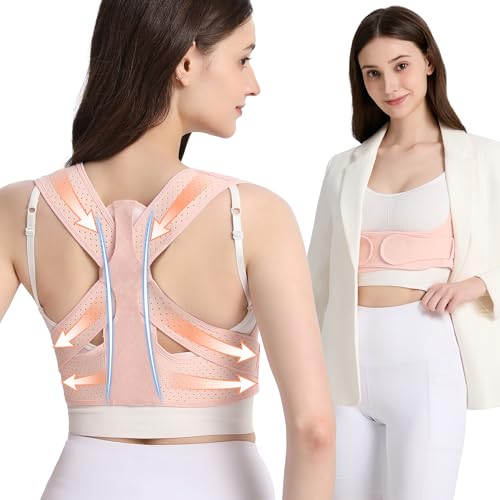 WNIEYO Back Brace Posture Corrector for Women (M/L)
|
8.1/10 | Buy | |
| Editor's Pick |
 NEENCA Professional Posture Corrector Back Brace
|
7.8/10 | Buy | |
| Best Value |
 Posturace Adjustable Posture Corrector Brace
|
7.3/10 | Buy | |
| Top Rated |
 Fitsupport Back Brace Posture Corrector Large
|
7.2/10 | Buy | |
 Fit Geno Posture Corrector Back Brace
|
7.1/10 | Buy | ||
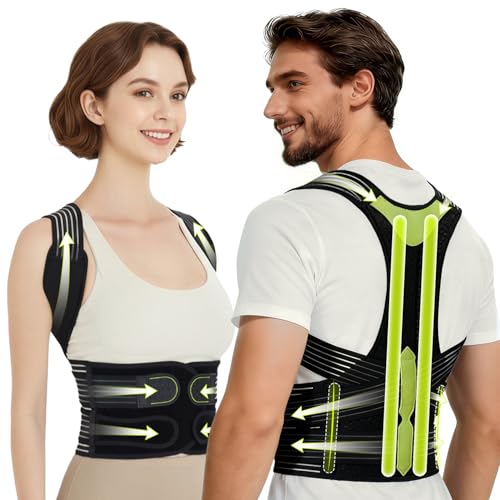 Yowayonoe Posture Corrector Back Brace
|
7.0/10 | Buy | ||
 Kepwaa 5-Rod Posture Corrector Brace
|
6.9/10 | Buy | ||
 Reatowrol Posture Corrector Back Brace
|
6.2/10 | Buy |
WNIEYO Back Brace Posture Corrector for Women (M/L)
This posture corrector features dual PE support bars and breathable mesh designed to straighten posture and reduce upper back and shoulder pain. It's lightweight enough to wear discreetly under clothing, making it practical for daily use at work or home.
Pros
- Breathable mesh construction allows comfortable all-day wear without excessive heat retention
- Slim and lightweight design enables wearing under regular clothing for work or travel
- Flexible yet supportive PE bars provide structure without being overly rigid
- Designed with ergonomic shaping to align naturally with spine curvature
Cons
- No verified customer reviews available to confirm real-world effectiveness and durability
- Sizing information limited to M/L designation without detailed measurement guidance
- Effectiveness for scoliosis or serious back conditions not clinically validated in provided data
NEENCA Professional Posture Corrector Back Brace
A Class 2 medical back brace with dual aluminum spinal rods and adjustable X-strap system designed for posture correction and pain relief across upper and lower back issues. The 3D breathable knit material and eight adjustment straps allow all-day wear for office, lifting work, and daily activities.
Pros
- Dual aluminum support rods and X-strap fixing system provide firm stability without limiting mobility
- Breathable 3D knit material with air mesh reduces sweating and allows extended all-day wear
- Eight durable straps enable full customization of tightness and compression level
- Class 2 medical device status and doctor recommendation adds clinical credibility
- Works under clothing and suits various activities from office work to lifting
Cons
- No verified buyer reviews available to assess real-world comfort and durability claims
- Requires proper adjustment and fitting knowledge to achieve intended posture support benefits
- Breathable materials and multiple straps may require regular cleaning maintenance
Posturace Adjustable Posture Corrector Brace
An adjustable upper back brace designed to support posture across lumbar, shoulder, and neck areas with an open-shoulder design for discreet daily wear. Best suited for users seeking gentle postural support without rigid construction.
Pros
- Adjustable straps allow personalized fit for different body types
- Open shoulder design enables discreet wear under most clothing
- Elastic material provides flexible support rather than restrictive bracing
- Addresses multiple spinal regions in one product
Cons
- No verified buyer reviews available to confirm real-world durability or comfort
- One-size design may not accommodate all body frames equally well
- Lack of product feedback makes it difficult to assess long-term effectiveness
Fitsupport Back Brace Posture Corrector Large
A budget-friendly posture support brace designed for both men and women, featuring adjustable straps and breathable material for all-day wear. Best suited for desk workers seeking mild postural correction and lower back relief during daily activities.
Pros
- Wide size range with fully adjustable straps accommodates most body types
- Breathable construction allows comfortable wear under clothes during work or daily activities
- Targets both upper back posture and lower lumbar support in one device
- Lightweight design minimizes burden during 1-2 hour daily sessions
Cons
- No verified customer reviews available to assess real-world performance and durability
- Recommended use limited to 1-2 hours daily, not suitable for all-day continuous wear
- Unproven effectiveness for serious conditions like scoliosis or significant lordosis without professional guidance
Fit Geno Posture Corrector Back Brace
A lightweight posture training aid with four fiberglass stays and breathable mesh designed for daily wear during desk work and everyday activities. Best suited for those seeking gentle posture support rather than rigid correction, with adjustable straps to fit various body types.
Pros
- Lightweight fiberglass construction allows natural movement and flexibility
- Breathable mesh design comfortable for all-day wear
- Dual adjustable straps accommodate different body types
- Low-profile fit suitable for work and travel without visibility
Cons
- No verified buyer reviews available to confirm real-world comfort and durability
- Requires gradual adaptation and supplemental stretching exercises for best results
- Fiberglass stays may limit support compared to rigid back braces for severe conditions
Yowayonoe Posture Corrector Back Brace
A full back brace designed for both men and women to correct slouching and provide spinal support throughout the day. Features breathable mesh, adjustable straps, and flexible support rods, though effectiveness depends on consistent daily wear and proper fit.
Pros
- Ergonomic fit designed to avoid underarm digging common in similar braces
- Breathable mesh construction keeps skin dry during all-day wear
- Highly adjustable with customizable shoulder and waist straps for various body types
- Durable reinforced support rods hold shape through regular daily use
- Discreet enough to wear under clothing at work or home
Cons
- Product shows 4.6 rating but has zero verified reviews, limiting real-world feedback on durability and long-term effectiveness
- Recommended for 1-2 hours daily, which may not suit those needing all-day support without breaks
- Requires consistent wear and proper fit to build muscle memory, demanding user commitment
Kepwaa 5-Rod Posture Corrector Brace
Full back support brace with 5 ABS rods designed to correct posture and relieve upper and lower back pain. The breathable mesh design and armpit-friendly fit make it suitable for all-day wear under clothes, though results depend on consistent 1-2 hour daily use over weeks.
Pros
- 5 rigid support rods provide stronger stabilization compared to single-rod alternatives
- Breathable mesh construction keeps skin dry during extended wear without irritation
- Fits discretely under clothes, allowing posture correction during work and daily activities
- Available in 3 sizes with adjustable straps for personalized fit across different body types
- Addresses multiple pain points including neck, shoulders, upper back, and lumbar regions
Cons
- No verified buyer reviews available yet, so real-world effectiveness and durability are unconfirmed
- Requires consistent 1-2 hour daily use over 28 days minimum to see posture improvement, demanding long-term commitment
- Results depend heavily on proper sizing and fit, with unclear guidance if you fall between two size categories
Reatowrol Posture Corrector Back Brace
This adjustable back support brace uses breathable mesh to help align posture and reduce neck, shoulder, and back pain during long workdays. Designed for both men and women, it wears discreetly under clothing and requires gradual daily use to develop lasting posture improvement.
Pros
- Breathable mesh material reduces discomfort from perspiration during extended wear
- Works discreetly under clothing, making it practical for work, exercise, or daily activities
- Lightweight and easy to clean with hand washing
- Designed for progressive use starting at 10-20 minutes daily
Cons
- No verified customer reviews available to confirm real-world effectiveness and durability
- Requires consistent daily use over time to see posture improvements, not immediate results
- Generic sizing approach may not fit all body types comfortably
Posture Correctors Buying Guide
Choosing the right posture corrector requires more than picking the most affordable option or the one with the most positive ratings.
The support structure, material, adjustability range, and intended use case all determine whether a brace will actually change your habits or simply sit in a drawer after a week.
Use the criteria below to match a corrector to your body type, lifestyle, and posture goals. If chronic discomfort is also affecting your sleep, sleep masks designed for every sleep style are worth pairing with your recovery routine.
Type of Support Structure

Posture correctors generally fall into two structural categories: strap-based braces that loop around the shoulders and upper back, and panel-based or rod-reinforced full back braces that support the entire spine from the lumbar region up.
Strap-based designs are lighter and easier to put on, making them popular for casual daily wear and office use. They work by gently pulling the shoulders back into alignment, but they offer minimal lumbar stabilization on their own.
Full back braces with internal support rods, like the five-rod construction found in models such as the Kepwaa, address both the upper and lower back simultaneously.
This dual-zone support is especially relevant for people recovering from muscle strain or those who spend extended periods on their feet.
If your primary concern is the thoracic spine and shoulder rounding, a simpler strap-style corrector may feel less intrusive and more wearable throughout the day.
Think about where your pain or postural deviation originates before choosing a structure, and consider complementary pain-relief devices like TENS units for drug-free pain relief if muscle soreness is part of the picture.
Adjustability and Fit Range

An ill-fitting posture corrector is not just ineffective, it can actively cause discomfort or restrict circulation. Look for models with multiple adjustment points, typically at the chest strap, shoulder loops, and waist band.
The best designs allow you to fine-tune tension across these points independently, so you can increase shoulder pullback without overtightening around the ribs.
Sizing charts vary significantly between brands, so pay close attention to the chest and waist circumference ranges listed for each size.
Brands like NEENCA and Fit Geno advertise a broad adjustable range designed to accommodate different torso lengths and body types.
If you are between sizes, most experts recommend sizing up and relying on strap adjustment rather than forcing a snug fit, which can dig into the armpits or restrict breathing.
For those managing weight as part of a broader wellness plan, a body fat scale can help track progress alongside a posture correction regimen.
Breathability and Material Quality
Because posture correctors are worn directly against or close to the skin, often for several hours at a time, material quality matters enormously. Look for braces constructed from breathable mesh panels, moisture-wicking neoprene blends, or perforated fabrics.
These materials allow air circulation, which is critical for comfort during office work, light commuting, or warmer seasons.
Low-quality materials tend to trap heat and cause skin irritation, particularly around the axilla where straps cross the underarm.
Models marketed as breathable or invisible for under-clothing wear, such as the Yowayonoe and WNIEYO braces, typically use thinner elastic fabrics that balance discreetness with ventilation.
If you intend to wear the corrector under work clothing, check the profile thickness and whether the hardware, buckles, and padding will show through fabric.
Comfort over long sessions is also one of the key factors our team weighted when assigning PF Scores.
Ease of Use and Independent Wearability

Some posture braces require a second person to fasten correctly, which makes daily solo use impractical.
Before purchasing, review how the brace fastens: front-clasp designs and hook-and-loop panels that attach from the front are far easier to put on and remove without assistance.
This is particularly relevant for older adults or anyone with limited shoulder mobility who might struggle to reach behind their back.
Ease of use also encompasses washing and maintenance. Most fabric posture correctors are hand-washable or machine-washable on a gentle cycle, but check the manufacturer guidance before assuming.
Braces with metal rods or rigid inserts typically require the inserts to be removed before washing. A corrector that is difficult to maintain will be worn less consistently, which undermines the entire purpose.
If you use other wearable health devices in your routine, wrist blood pressure monitors can sit comfortably alongside a posture brace for a more complete picture of your cardiovascular health during rest.
Full Back vs. Upper Back Focus

Understanding whether you need upper back support or full spinal support is the most important clinical distinction to make before buying.
Upper back and shoulder braces correct thoracic kyphosis, the forward rounding of the mid-to-upper spine, which is the most common posture issue among desk workers. These tend to be lighter and less conspicuous under clothing.
Full back braces that also support the lumbar region are better suited for people who experience lower back fatigue, those who stand for long shifts, or individuals managing conditions like scoliosis or herniated discs.
Brands like NEENCA and Fit Geno explicitly position their products in the “full back” corrector category, while options from WNIEYO are more focused on the upper back and shoulder alignment axis.
Consulting a physical therapist before committing to a full-back rigid brace is advisable, particularly if you have a documented spinal condition.
Compression garments for the lower body, such as compression socks, can complement a full-back brace regimen for people managing circulatory concerns alongside postural therapy.
Intended Use Environment

Consider where and when you plan to wear the brace most frequently.
A thin, discreet brace worn under a dress shirt at an office requires different properties than a padded support brace used during a long commute or a standing shift. For office wear, lower-profile designs without external hardware are preferable.
For active wear during light exercise or household tasks, a brace with a secure waist anchor and wider shoulder straps will stay in place during movement.
Most posture correctors are not intended for high-intensity physical exercise. During vigorous movement, a rigid or semi-rigid brace may restrict your range of motion in ways that could cause injury rather than prevent it.
The consensus among physical therapists is to limit brace wear to one to two hours at a time when starting out, gradually building tolerance, and to prioritize active postural exercises over passive reliance on the device.
Keeping an eye on your overall wellness metrics, including body composition tracked through bathroom scales designed for every wellness routine, can help you set meaningful health baselines as you work on your posture long-term.
Why You Should Trust Us
ProductFind is an independent editorial platform that evaluates consumer products through rigorous research synthesis, not brand relationships or sponsored placements.
Every posture corrector in this roundup was assessed using a consistent multi-factor framework covering support structure quality, adjustability range, breathability, ease of use, verified buyer satisfaction, and value relative to price.
Each product receives a PF Score on a scale of 0 to 10, reflecting its overall merit across all evaluated criteria. The scoring methodology is applied uniformly so that scores are directly comparable across products in the same category.
We do not conduct our own product trials; our evaluations are grounded in research, published data, expert review consensus, and verified buyer feedback.
Our editorial team draws on consensus from physical therapists, orthopedic specialists, and chiropractors who have publicly documented their professional assessments of posture-correction devices.
We also aggregate and analyze verified purchase feedback to surface real-world patterns in comfort, durability, and fit that laboratory specification sheets cannot capture.
ProductFind may earn a commission if you purchase through links on this page. That affiliate relationship has no bearing on which products are included, how they are ranked, or what PF Scores they receive.
Our editorial independence is the foundation of every recommendation we publish, and our rankings reflect quality of evaluation, not commission rates.
Final Thoughts
The posture corrector market is crowded with options ranging from simple elastic shoulder straps to fully reinforced spinal support systems. After thorough research and scoring, a few clear leaders emerged for different needs and budgets.
Whether you are a desk worker looking for a discreet daily habit-builder or someone managing chronic back discomfort who needs structured lumbar-to-thoracic support, there is a strong pick in this lineup for you.
For anyone also dealing with persistent neck and shoulder tension, exploring drug-free pain relief with a TENS unit can serve as a useful adjunct to brace therapy.
- Best Overall: WNIEYO Back Brace Posture Corrector for Women earns the top PF Score in this roundup with its well-balanced combination of lightweight construction, targeted upper back and shoulder support, and straightforward adjustability that suits a wide range of body types.
- Best Professional-Grade Pick: NEENCA Professional Posture Corrector stands out for its medical-grade positioning, dual-zone adjustability, and broad support coverage from the upper thoracic spine down to the lumbar region, earning a strong PF Score among the premium options.
- Best for Upper Back Rounding: Posturace Posture Corrector is a focused, adjustable upper back straightener that delivers consistent shoulder retraction cues, earning it a solid PF Score and a reputation for simple, effective daily use.
- Best Budget Pick: Reatowrol Posture Corrector offers a genuinely accessible entry point into posture correction for buyers who want to trial a brace before committing to a higher-investment model, with an adjustable design that covers both upper back and neck alignment.
- Best for Full Back Support: Kepwaa Posture Corrector distinguishes itself with a five-rod reinforcement system spanning the full back, making it a strong choice for people who need structural support across the lumbar and thoracic zones simultaneously.
Whichever model you choose, remember that a posture corrector works best as one component of a broader approach: consistent use paired with targeted strengthening exercises and regular movement breaks will yield far better long-term results than any brace alone.
If your back discomfort extends beyond posture into chronic muscular pain, heating pads built for everyday back relief are a practical complement to your brace routine.
And for buyers who monitor their overall health at home, pulse oximeters for home health monitoring and blood pressure monitors round out a thoughtful home wellness setup.
Frequently Asked Questions
How long should I wear a posture corrector each day?
Most physical therapists recommend starting with 20 to 30 minutes per session, one to two times per day, and gradually increasing wear time over several weeks as your muscles adapt.
Wearing a brace for too long, too soon, can cause muscles to become reliant on external support rather than building their own strength.
A general guideline is to keep total daily wear under two hours in the early weeks, treating the brace as a posture reminder rather than a passive prop.
Over time, consistent short-duration use builds the muscular memory needed to maintain alignment without the device.
Can a posture corrector fix scoliosis or a herniated disc?
No. A consumer-grade posture corrector is not a medical treatment for structural spinal conditions like scoliosis, herniated discs, or spinal stenosis.
These conditions require diagnosis and management by a licensed medical professional, often involving physical therapy, prescription orthotic devices, or in more serious cases, surgical intervention.
Some posture correctors in this roundup mention scoliosis in their product descriptions, which refers to their ability to support the spine during daily activity, not to correct the curvature itself.
If you have a diagnosed spinal condition, consult your physician or physical therapist before choosing a brace.
Can I wear a posture corrector under my clothes at work?
Many posture correctors are designed specifically for under-clothing wear. Thin, elastic strap-style braces in neutral colors are the most discreet option for office environments, sitting close to the body without creating visible bulk under a dress shirt or blouse.
Full back braces with rigid rods and wider panels are typically more visible under fitted clothing and are better suited to casual or home use.
If workplace discretion is a priority, look for designs marketed as invisible or low-profile, and check user photos in verified reviews to see how the brace sits under typical clothing.
Do posture correctors actually work long-term?
The research consensus suggests that posture correctors can be effective as awareness and alignment tools, but their long-term impact depends heavily on how they are used.
Worn passively for hours without pairing them with active exercise, they may provide short-term symptom relief without producing lasting postural change.
However, used as a proprioceptive cue during desk work or light activity alongside a structured exercise program targeting the deep spinal extensors and shoulder retractors, posture braces have shown meaningful benefits in reducing forward head posture and thoracic kyphosis in peer-reviewed studies.
Think of the brace as a coach rather than a cure. Consistent, intentional use is what drives real improvement.
What is the difference between a posture corrector and a back brace?
The terms are often used interchangeably in the consumer market, but there is a functional distinction. A posture corrector primarily targets the upper back and shoulder alignment, pulling the shoulders back and cuing the thoracic spine into extension.
A back brace, particularly a lumbar support brace, focuses on stabilizing the lower back and reducing compressive load on the lumbar discs.
Many modern products in this roundup, including options from Fit Geno and NEENCA, combine both functions in a single adjustable garment.
Choosing between a pure posture corrector and a dual-purpose back brace depends on where your postural problems originate and what daily activities you need support during.
For people managing overall wellness at home, digital thermometers and other monitoring tools can help you stay on top of your health holistically alongside a posture correction plan.
Are posture correctors safe for people with sensitive skin?
Most posture correctors are made from materials like neoprene, elastic nylon blends, or polyester mesh, which are generally well-tolerated. However, people with skin sensitivities or latex allergies should check material composition carefully before purchasing, since some elastics contain latex compounds.
Wearing a thin moisture-wicking undershirt beneath the brace can significantly reduce friction and skin irritation, particularly around the shoulders and underarms where straps make the most contact. If redness, chafing, or a rash develops, discontinue use and consult a dermatologist.
Breathable mesh models are generally the gentlest option for sensitive skin in warmer conditions.
About the author
Edna is a reviewer and writer for ProductFind who specializes in Health Monitoring & Wellness Devices. Edna evaluates products through independent research: specifications, expert review consensus, and verified buyer feedback, and rates each one on the PF Score. Edna focuses on helping readers pick the right health monitoring & wellness device for their needs and budget.