The 10 Best Blister Prevention Products
Blisters can derail any workout or special occasion. Our research across expert consensus and verified buyers identifies the most effective pads, tapes, and powders for every situation.
 By Clifford Baker
Updated July 23, 2026
By Clifford Baker
Updated July 23, 2026

Blisters are one of the most frustrating and preventable injuries, whether you’re breaking in a new pair of running shoes, hiking a long trail, or spending a full day on your feet at a wedding.
Caused by repeated friction between skin and material, they can sideline an otherwise great workout or ruin a special occasion.
The good news is that the right blister prevention product, whether a hydrocolloid pad, a friction-reducing powder, or a precut protective strip, can stop a blister before it ever forms and speed up recovery if one has already appeared.
At ProductFind, our team researched this category thoroughly, analyzing product specifications, synthesizing expert review consensus across dermatology and sports medicine sources, and reviewing verified buyer feedback from thousands of confirmed purchasers.
Whether you need a heavy-duty bandage for long-distance running or a discreet cushion for dress shoes, our picks below cover every situation.
If chafing on longer runs is also on your radar, pairing these products with a quality anti-chafe balm can give you even more protection. Here are our top picks for the best blister prevention products available right now.
| Award | Product | PF Score About PF ScoreThe PF Score is our own rating from 0 to 10, based on performance, design and build, ease of use, and value. It reflects independent research and is never influenced by manufacturers, retailers, or affiliate commissions. Learn more › | Price | |
|---|---|---|---|---|
| Best Overall |
 Compeed Advanced Blister Care Pads, Mixed Sizes (10 Count)
|
9.2/10 | Buy | |
| Editor's Pick |
 Band-Aid Pro Heal 5-Day Hydrocolloid Blister Bandages
|
8.7/10 | Buy | |
| Best Value |
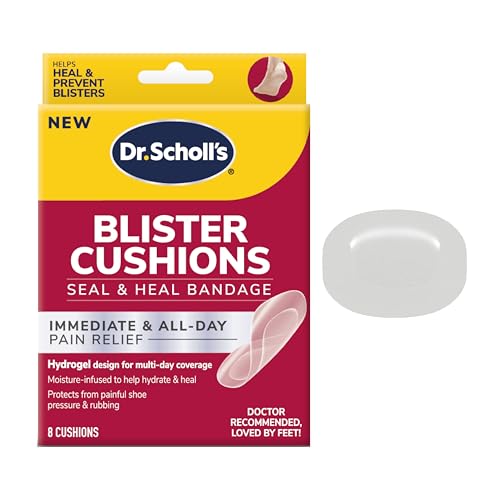 Dr. Scholl's Blister Cushions Hydrogel Bandages, 8 Count
|
8.4/10 | Buy | |
| Top Rated |
 Dr. Frederick's Original Blister Bandages Variety Pack, 12 Count
|
7.6/10 | Buy | |
 KT Health Blister Prevention Tape, 30 Precut Strips
|
7.4/10 | Buy | ||
 2Toms BlisterShield Powder 2.5 oz
|
7.2/10 | Buy | ||
 Welnove Gel Blister Bandages, 21-Count
|
7.1/10 | Buy | ||
 Uiheex Hydrocolloid Blister Bandages, 21-Pack
|
7.0/10 | Buy | ||
 JJ CARE Hydrocolloid Dressing 2x2 Inch, Pack of 10
|
6.9/10 | Buy | ||
 Flents Proteches Finger Cots, 40 Count Assorted Sizes
|
5.8/10 | Buy |
Compeed Advanced Blister Care Pads, Mixed Sizes (10 Count)
Hydrocolloid gel cushions designed to relieve blister pain and accelerate healing with extended adhesion. Best suited for active individuals and frequent travelers who need reliable protection for multiple days.
Pros
- Extended wear time up to 7 days reduces need for frequent reapplication
- Mixed size assortment covers multiple body areas without buying separate packs
- Hydrocolloid formula supports natural healing while maintaining skin moisture
- Water and dirt resistant, suitable for active use and wet environments
- Clear design remains discreet on skin
Cons
- No verified customer reviews available to confirm real-world performance claims
- Price point may be higher than standard adhesive blister plasters
- Effectiveness varies depending on blister severity and individual skin types
Band-Aid Pro Heal 5-Day Hydrocolloid Blister Bandages
Advanced hydrocolloid bandages designed for blister care and wound healing over 5 days. The waterproof seal absorbs fluid while protecting against water, dirt, and germs, making them suitable for active daily use on feet and heels.
Pros
- Extended 5-day wear reduces need for frequent bandage changes
- Hydrocolloid absorption visible via white bubble formation, confirming active healing
- True waterproof design maintains protection during bathing and handwashing
- Clinically backed claims for less scarring compared to leaving wounds uncovered
- Comfortable adhesion on curved areas like heels without rolling or peeling
Cons
- No user reviews available to validate real-world durability and comfort claims
- Requires clean, dry skin application without ointment, limiting flexibility in wound prep
- Premium pricing relative to standard adhesive bandages may deter budget-conscious buyers
Dr. Scholl's Blister Cushions Hydrogel Bandages, 8 Count
These hydrogel-infused blister bandages offer cushioning protection and moisture retention designed for all-day wear. The thin, flexible design provides pain relief while remaining nearly invisible under shoes, making them suitable for anyone prone to blisters from friction or pressure.
Pros
- Hydrogel formula offers enhanced moisture retention for active blister healing
- Flexible, low-profile construction stays comfortable during extended wear
- Provides immediate cushioning against shoe pressure and friction
- Doctor-recommended from an established footcare authority
Cons
- No verified buyer reviews available to confirm real-world durability or adhesive longevity
- Eight-count pack may be insufficient for frequent blister sufferers
- Higher-priced option compared to standard adhesive bandages
Dr. Frederick's Original Blister Bandages Variety Pack, 12 Count
A hydrocolloid blister pad kit with three targeted shapes (heel, toe, spot) designed for multi-day wear through sweat and moisture. The water-resistant adhesive and cushioning gel offer immediate relief while supporting natural healing, making it practical for hikers, travelers, and anyone prone to shoe friction.
Pros
- Three distinct shapes address different blister locations without waste
- Durable adhesion survives showers, sweat, and extended wear without replacement
- Noticeable cushioning effect reduces pain on contact while staying low-profile
- Hydrocolloid gel design supports moist healing rather than drying blisters out
- Physician-developed product from a brand focused on active lifestyles
Cons
- No verified customer reviews available to confirm real-world durability claims
- Limited to 12 bandages total across three shapes, which may deplete specific sizes quickly for frequent users
- Requires clean, dry skin and 60-second edge pressing for optimal adhesion, adding prep time in field conditions
KT Health Blister Prevention Tape, 30 Precut Strips
Pre-cut blister prevention tape designed for athletes and active individuals, featuring synthetic non-woven fabric with strong adhesive and rounded edges to stay in place during intense activity. Dermatologist tested for all skin types, this budget-friendly option eliminates the need for cutting or sizing.
Pros
- Convenient pre-cut design eliminates measurement and cutting steps
- Robust adhesive holds securely during rigorous athletic activity
- Rounded edges reduce fraying and improve longevity
- Dermatologist tested formula appropriate for sensitive skin
Cons
- No verified buyer reviews available to assess real-world durability or comfort
- Limited to beige color option, may not match all skin tones equally
- Fixed strip size may not accommodate all blister-prone areas on every athlete
2Toms BlisterShield Powder 2.5 oz
A talc-free, water-resistant powder designed to create a frictionless surface between skin and footwear, reducing blister formation for runners, athletes, and anyone in high-friction situations. Apply directly to socks or skin before activity for all-day protection without grease or stains.
Pros
- Frictionless barrier technology designed specifically for blister prevention
- Water-resistant formula maintains effectiveness throughout activity
- Non-greasy, non-staining application with immediate results
- Convenient scoop included for consistent dosing
- Talc-free composition appeals to users avoiding talc-based products
Cons
- No verified buyer reviews available to assess real-world effectiveness
- Single 2.5 oz size may require frequent repurchasing for regular users
- Powder format may not adhere as effectively as gel or liquid alternatives in extremely wet conditions
Welnove Gel Blister Bandages, 21-Count
Hydrocolloid gel pads designed for blister prevention and healing across feet, heels, and toes. Water-resistant formula with residue-free removal, offered in four distinct shapes to customize coverage for different body areas.
Pros
- Dual-action prevention and healing with advanced hydrocolloid technology
- Strong adhesion without residue left behind after removal
- Waterproof design handles swimming, showers, and sweat without compromising protection
- Multiple shapes in one package allow customized application to different foot areas
- Individually wrapped packaging makes them travel-friendly
Cons
- No verified customer reviews available to confirm real-world durability claims
- Four shapes may require trial to determine which works best for your specific blister location
- Effectiveness depends on proper application and skin compatibility
Uiheex Hydrocolloid Blister Bandages, 21-Pack
Medical-grade gel blister pads designed for heel, toe, and sole protection with waterproof adhesion. The 21-piece multi-size pack offers cushioning and flexible coverage for active use, hiking, and new shoe break-in.
Pros
- Advanced hydrocolloid gel technology provides superior cushioning and pressure relief for blister-prone areas
- Strong waterproof adhesive keeps pads securely attached during swimming, showers, and intense activity
- Multi-size variety in single pack covers different foot zones without requiring separate purchases
- Individually wrapped format enables convenient carrying for travel, gym, or emergency use
- Removes cleanly without sticky residue left on skin
Cons
- No verified customer reviews available to confirm real-world durability claims
- Limited to one color option, which may be less noticeable on darker skin tones
- Single package size fixed at 21 patches, no customization for frequency of use
JJ CARE Hydrocolloid Dressing 2x2 Inch, Pack of 10
JJ CARE hydrocolloid bandages offer moisture-rich wound protection designed to stay in place for 3-7 days without daily changes. Best suited for bedsores, burns, blisters, and moderate-exudate wounds where gentle, long-wear adhesion matters.
Pros
- Pain-free removal since dressing bonds to skin, not wound bed
- Thin, breathable construction adapts well to curved body areas
- Extended wear reduces hassle and material waste for chronic wounds
- Versatile across wound types from ulcers to minor burns
- Budget-friendly for extended care needs
Cons
- No verified buyer reviews available to confirm real-world performance claims
- Requires external tape or bandage for secure fit despite 'adhesive' marketing
- Limited to low-to-moderate exudate wounds; may not suit heavily draining injuries
Flents Proteches Finger Cots, 40 Count Assorted Sizes
Rubber finger and toe protectors designed to shield minor wounds, blisters, and bandages from moisture and dirt. Comes in three sizes with a straightforward roll-on application, making them practical for first aid, crafting, and medical dressing changes.
Pros
- Durable latex material resists tearing during application and wear
- Three size options accommodate different finger and toe widths
- Easy roll-down design makes quick application possible without fumbling
- Versatile beyond medical use, helpful for quilting, sewing, and detailed crafts
- High rating suggests consistent performance across users
Cons
- No verified buyer reviews available to confirm real-world durability or fit consistency
- Single color (tan) limits aesthetic options if appearance matters
- Latex material may cause issues for users with latex sensitivity
Best Blister Prevention Products Buying Guide
With so many blister prevention and treatment formats on the market, including hydrocolloid pads, powders, tapes, and gel bandages, it helps to understand what actually matters before you buy.
The sections below break down the most important factors our research identified, so you can match the right product to your specific situation, activity level, and foot anatomy.
Protection Format: Pads, Tape, or Powder
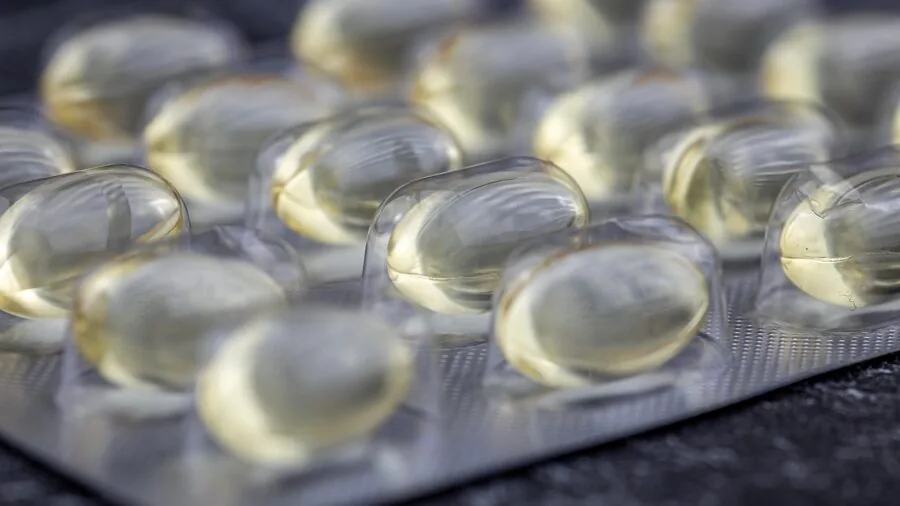
The first decision is choosing the right delivery format. Hydrocolloid gel pads, like those from Compeed and Dr. Scholl’s, work by creating a moist, cushioned environment that both protects existing blisters and prevents new friction from building up.
They are generally the gold standard for active blister treatment because they absorb exudate while forming a second-skin seal over the wound.
Tape-based solutions, such as precut kinesiology strips, are better for prevention before a blister forms. They stay adhered through sweat and movement, making them popular with runners and hikers who know exactly which spots on their feet tend to rub.
Powders like 2Toms BlisterShield take a different approach: by reducing moisture and friction at the skin surface, they stop the conditions for blister formation from developing in the first place.
Powders work best for people who sweat heavily or who need to treat broad areas like the heel or forefoot before a long run.
If you also deal with foot movement inside your shoe, well-fitted moisture-wicking running socks are a smart complement to any powder or pad routine.
Finger cots and tube-style protectors serve a narrower use case: protecting blisters on fingers or toes from dirt, moisture, and secondary abrasion.
They are not a prevention tool for athletic use, but they are genuinely useful for musicians, manual workers, or anyone recovering from a blister on a digit that gets constant contact.
Hydrocolloid Technology: What It Is and Why It Matters
Most of the highly rated products in this category rely on hydrocolloid gel technology.
Hydrocolloid dressings were originally developed for clinical wound care, and they work by absorbing wound fluid to form a soft, gel-like cushion that keeps the blister moist.
According to dermatologists and wound care specialists, moist wound healing consistently outperforms dry treatment: it reduces pain, lowers infection risk, and accelerates the formation of new skin tissue.
When shopping for hydrocolloid blister pads, thickness matters. Thicker pads (around 1 mm or more) offer more cushioning against pressure and are better for heel blisters that bear weight with every step.
Thinner pads are more flexible and less visible, making them better for toe or mid-foot blisters where you need the bandage to move naturally with your skin.
Look for products that advertise multi-day wear, since lifting and re-applying bandages introduces bacteria and interrupts the healing environment.
Waterproofing is also critical, especially for athletes or anyone who showers or sweats regularly. A bandage that loses adhesion within an hour of activity provides almost no practical benefit.
Verified buyers of top-rated hydrocolloid pads consistently highlight multi-day adhesion as the single most important differentiator between budget and premium options.
Shape and Size: Matching the Bandage to the Blister Location
Blister location matters more than most people realize when selecting a product.
Heel blisters typically require a larger, oval or rectangular pad that can cover the posterior and sides of the heel without bunching inside a shoe.
Toe blisters need smaller, more flexible patches or round spot shapes that can conform to curved surfaces without peeling at the edges. Ball-of-foot blisters benefit from wide, flat pads with reinforced borders.
Variety packs from brands like Dr. Frederick’s Original, which include heel, toe, and spot shapes in a single kit, are particularly practical for hikers or runners who need coverage across multiple potential friction zones.
Uniform square pads, like the JJ CARE hydrocolloid dressings, are more cost-effective for larger or irregularly shaped blisters, but they require trimming for best fit on smaller areas.
If you’re preparing for a long-distance event, it’s worth mapping out your high-friction zones in advance and stocking the right shapes before race day.
Runners who log heavy mileage often deal with this alongside other gear considerations like a well-fitted pair of running shoes that minimizes hot spots from the start.
Adhesion Strength and Durability Under Activity
Adhesion is where budget blister products most often fall short. A bandage that peels away mid-run or after a single shower not only fails to protect the blister but can introduce dirt and bacteria into an open wound.
Strong, skin-conforming adhesion is non-negotiable for anyone who intends to use blister products during physical activity.
Expert review consensus and verified buyer feedback consistently show that premium hydrocolloid pads from established brands maintain adhesion for 48 to 72 hours under normal wear, while lower-priced alternatives may lift at the edges after just a few hours of movement.
For competitive athletes or anyone running longer distances, it’s worth spending a little more on a product with a verified multi-day wear record.
Runners pairing blister care with foot protection gear may also want to review options for compression sleeves that reduce overall foot and ankle fatigue during long efforts.
Pre-cut strips with rounded corners, rather than square cuts, last significantly longer because they resist peeling from the edges. This is one reason why purpose-built blister bandages typically outlast generic wound dressings cut from a roll, even when the hydrocolloid material is otherwise comparable.
Skin Sensitivity and Latex-Free Options
People with sensitive skin or latex allergies need to pay close attention to materials. Many hydrocolloid bandages are latex-free by default, but some tape-based solutions use adhesives that can cause contact dermatitis in sensitive individuals.
Dermatologist-evaluated claims, like those on KT Tape’s blister prevention strips, provide some reassurance but should not be treated as a medical guarantee for everyone.
If you have a history of adhesive reactions, look for products that explicitly state they are free of common sensitizers, and consider spot-evaluation on a small, non-blistered area of skin before applying to an active wound.
Hydrogel-technology products, like those from Dr. Scholl’s, tend to be gentler on sensitive skin compared to traditional adhesive bandages because the moisture-infused matrix reduces the harsh pull of a standard glue-based adhesive.
This is also worth considering when choosing socks for runs where synthetic materials might cause additional irritation alongside the bandage adhesive.
Value: Cost Per Use vs. Performance
It is tempting to optimize for the lowest unit price, but blister bandages are not a category where cutting costs always makes sense.
A premium pad that stays adhered for three days is almost always a better value than three cheaper pads that each last one day, because every re-application risks disrupting the healing environment and introducing new contamination.
Budget-friendly options like the JJ CARE hydrocolloid dressings or the Uiheex gel bandage packs make sense if you are covering large wounds or need high volume for a multi-day event like a backpacking trip.
For everyday single-blister treatment, a smaller count of premium pads is a smarter investment. Powders and tapes are generally the most cost-effective format for prevention, since they are applied before activity begins and protect multiple zones simultaneously.
Hikers and trail runners who want to reduce blister risk across a full day outdoors should also consider dialing in their overall foot setup with well-reviewed trail running shoes designed to minimize internal movement and hot spots.
Why You Should Trust Us
ProductFind is an independent review publication. We do not accept payment to feature or rank products, and no manufacturer has editorial input over our selections.
Every product in this article was evaluated against a consistent set of criteria drawn from publicly available specifications, expert review consensus across dermatology, sports medicine, and wound care sources, and verified buyer feedback from confirmed purchasers on major retail platforms.
Each product in our roundups receives a PF Score on a scale of 0 to 10, reflecting how well it performs across our evaluation criteria relative to alternatives in its category.
We do not conduct our own product trials; our evaluations are grounded in research, published data, expert review consensus, and verified buyer feedback.
This methodology allows us to compare products at scale with consistency and transparency, rather than relying on a single subjective experience.
ProductFind may earn an affiliate commission if you purchase through links on this page. This commercial relationship does not influence which products we include, how we rank them, or what PF Score they receive.
Our editorial decisions are made independently, and affiliate relationships are disclosed precisely so you can trust that our recommendations reflect genuine research, not commercial incentives.
Final Thoughts
After a thorough review of this category, a few products stand out clearly across different use cases and budgets. Here are our top picks by use case, each backed by its PF Score and specific strengths identified through our research process.
- Best Overall: Compeed Advanced Blister Care Pads earn the top spot with the highest PF Score in this roundup. Expert review consensus and verified buyer feedback consistently praise their second-skin adhesion, multi-day wear, and effective pain relief through cushioned hydrocolloid gel technology. They are the most versatile option for both prevention and treatment across different activity types.
- Best Bandage for Everyday Healing: BAND-AID Pro Heal 5 Day Protect is the pick for people who want a trusted brand with a proven track record of waterproof, extended-wear protection. Its 100% waterproof construction and extra cushioning make it a reliable choice for blisters that need to heal through daily showers and normal wear.
- Best Budget-Friendly Hydrogel Option: Dr. Scholl’s Blister Cushions Seal and Heal delivers strong performance at an accessible price point. Its hydrogel-infused formula is gentler on sensitive skin than traditional adhesive bandages, and verified buyers appreciate how thin and nearly invisible it is under socks or hosiery.
- Best for Runners and Athletes: KT Health Blister Prevention Tape is purpose-built for high-activity prevention. Its precut strips, dermatologist-evaluated adhesive, and sweat-resistant construction make it the right choice for people who want to protect known friction zones before a run or race rather than treating a blister after the fact. Athletes managing multiple gear decisions will also find value in pairing this with road running shoes fitted for their specific gait.
- Best Variety Pack for Hikers: Dr. Frederick’s Original Better Blister Bandages Variety Pack is the smartest kit for backpackers and hikers who need coverage across multiple foot zones. The inclusion of heel, toe, and spot shapes in a single water-resistant, latex-free pack makes it one of the most practical options for multi-day outdoor use. Hikers who are dialing in their full foot protection setup may also want to explore hydration vests and other trail gear that supports longer efforts.
No single product is the right fit for every person and every situation.
The best blister prevention product for you depends on your activity type, skin sensitivity, and whether you are treating an existing blister or trying to stop one from forming.
Use the buying guide above and the PF Scores in our product cards to match the right solution to your specific needs.
Frequently Asked Questions
Should I pop a blister or leave it alone?
Dermatologists generally recommend leaving blisters intact whenever possible. The fluid-filled pocket protects the healing skin underneath from bacteria and physical damage. Popping a blister prematurely introduces infection risk and can slow healing.
If a blister is very large, painful, or in a location where it will inevitably rupture from pressure, a medical professional can drain it safely with a sterile needle while keeping the overlying skin intact as a natural bandage.
If a blister does rupture on its own, clean the area gently, apply an antibiotic ointment if available, and cover it with a hydrocolloid pad to maintain a moist healing environment and protect it from further friction.
How do hydrocolloid bandages work differently from regular bandages?
Standard adhesive bandages create a dry environment over a wound and primarily serve as a physical barrier. Hydrocolloid bandages contain a gel-forming agent (typically carboxymethylcellulose) that absorbs wound fluid and forms a moist, cushioned layer directly over the blister.
This moist environment has been shown in clinical wound care research to significantly accelerate skin regeneration compared to dry dressings.
The visual sign that a hydrocolloid pad is working is the white, cloudy bubble that forms under it as it absorbs fluid. This is normal and indicates active healing.
The pad should be left in place until it begins to lift naturally at the edges, which with quality products can take two to five days.
What is the best way to prevent blisters before they form?
Prevention is always easier than treatment.
The most effective strategies combine multiple approaches: wearing moisture-wicking socks that reduce surface friction, using a friction-reducing powder or balm on known hot spots before activity, and applying precut tape strips to areas that have historically caused blisters.
Proper shoe fit is also critical, since the majority of foot blisters are caused or worsened by shoes that are too tight, too loose, or not broken in gradually.
For runners, the combination of a good sock and a targeted prevention product is often enough to eliminate recurring blisters entirely.
Moisture is a major accelerant for friction injury, so keeping feet as dry as possible during activity dramatically reduces blister risk. Pairing blister prevention with properly fitted performance running socks is one of the most evidence-backed strategies available.
Are blister bandages safe to wear overnight and in the shower?
Quality hydrocolloid blister pads are generally designed for continuous wear, including during sleep and showering. Their waterproof construction is engineered to maintain adhesion through water exposure.
However, direct prolonged soaking, such as swimming or bathing for extended periods, will eventually degrade adhesion even on premium pads.
If you notice the edges starting to peel or lift significantly after a shower, gently press them back down while the skin is dry.
Replace the pad entirely if it has lost more than a quarter of its adhesive contact area, since a partially lifted pad can trap moisture and bacteria against the wound rather than protecting it.
Can blister products be used for blisters caused by burns or medical treatments?
Hydrocolloid dressings like the JJ CARE wound dressings in our list are used clinically for a range of wound types, including minor burns and pressure sores.
However, ProductFind recommends consulting a healthcare provider for any blister not caused by ordinary friction, including those from burns, allergic reactions, infections, or medical procedures.
The products in this roundup are primarily evaluated for friction-related blister prevention and treatment in everyday and athletic contexts.
For minor friction blisters in healthy skin, the products in this guide are appropriate for self-care. For any wound that shows signs of infection, such as increased redness, warmth, pus, or fever, seek medical attention rather than relying on over-the-counter bandaging alone.
About the author
Clifford is a reviewer and writer for ProductFind who specializes in Running Gear. Clifford evaluates products through independent research: specifications, expert review consensus, and verified buyer feedback, and rates each one on the PF Score. Clifford focuses on helping readers pick the right running gear for their needs and budget.