The 10 Best Compression Sleeves
From calf sleeves for runners to medical-grade arm sleeves for lymphedema, finding the right compression level and fit makes all the difference. Here are the top picks.
 By Clifford Baker
Updated July 23, 2026
By Clifford Baker
Updated July 23, 2026
Compression sleeves have quietly become one of the most versatile recovery and performance tools on the market.
Whether you’re logging miles on pavement, standing through a long nursing shift, managing chronic swelling from lymphedema, or simply trying to keep your joints feeling supported during a weekend golf round, the right compression sleeve can make a meaningful difference.
The category spans arm sleeves, calf sleeves, knee sleeves, and elbow braces, with options ranging from budget-friendly everyday wear to medical-grade graduated compression for therapeutic use.
Sorting through dozens of SKUs, conflicting mmHg claims, and fabric marketing buzzwords is genuinely confusing, and a poor fit or wrong compression level can be worse than no sleeve at all.
To cut through the noise, the team at ProductFind researched this category using a synthesis of manufacturer specifications, expert review consensus across sports medicine and orthopedic sources, verified buyer feedback from confirmed purchasers, and publicly available clinical data on graduated compression.
We do not conduct our own product trials. Every pick below was assessed against consistent criteria and earned a PF Score on our 0 to 10 scale, so you can compare options at a glance.
Read on for our top picks across arm, calf, knee, and elbow categories, plus a detailed buying guide to help you find the right sleeve for your specific situation.
| Award | Product | PF Score About PF ScoreThe PF Score is our own rating from 0 to 10, based on performance, design and build, ease of use, and value. It reflects independent research and is never influenced by manufacturers, retailers, or affiliate commissions. Learn more › | Price | |
|---|---|---|---|---|
| Best Overall |
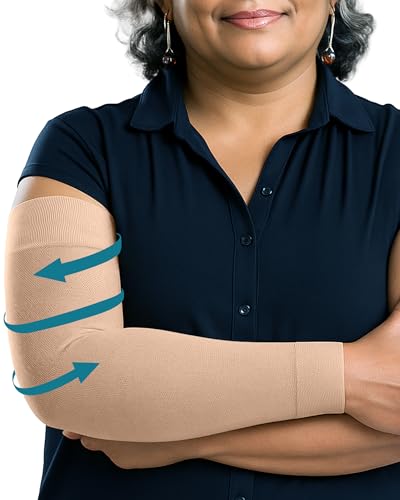 KEMFORD 15-20 mmHg Compression Arm Sleeves
|
8.3/10 | Buy | |
| Editor's Pick |
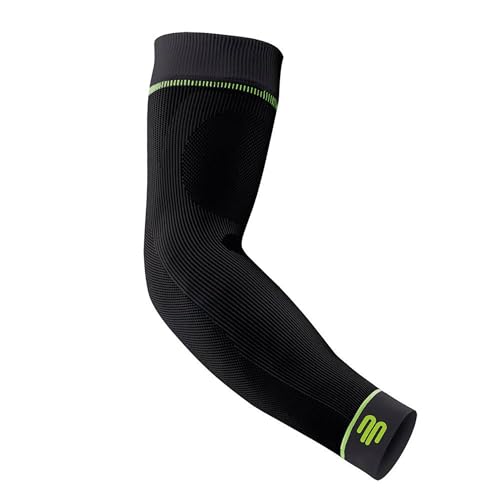 Bauerfeind Sports Compression Arm Sleeves
|
8.2/10 | Buy | |
| Best Value |
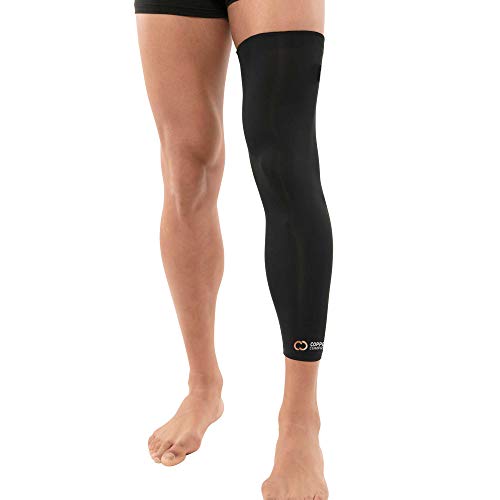 Copper Compression Full Leg Sleeve
|
8.1/10 | Buy | |
| Top Rated |
 adidas Aeroready Compression Arm Sleeves L/XL
|
7.6/10 | Buy | |
 SOLOEVER Copper Arm Sleeve Compression Support
|
7.5/10 | Buy | ||
 Doc Miller 15-20 mmHg Calf Compression Sleeves
|
7.4/10 | Buy | ||
 Cambivo 3-Pair Calf Compression Sleeve, Large-XL
|
7.3/10 | Buy | ||
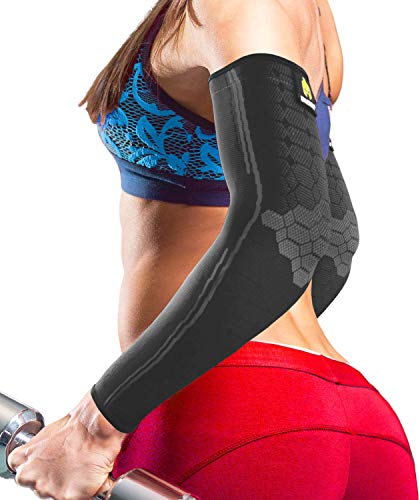 Sparthos Arm Compression Sleeves
|
7.2/10 | Buy | ||
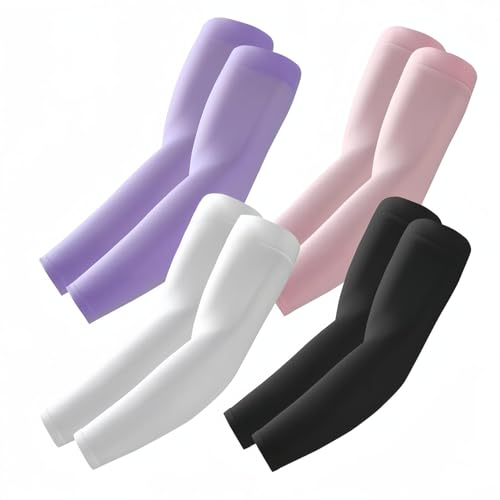 ROXUN Cooling Arm Sleeves UPF 50+ UV Protection
|
6.3/10 | Buy | ||
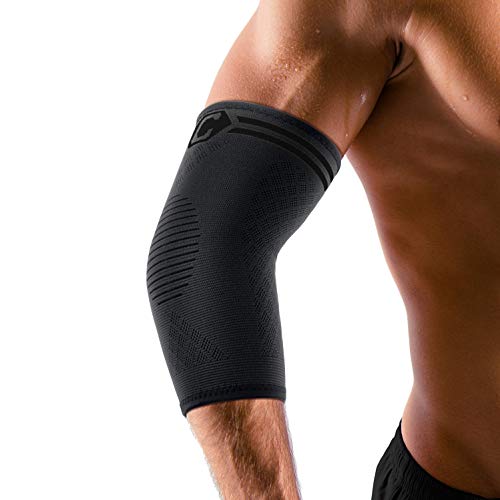 CAMBIVO 2-Pack Elbow Compression Sleeve
|
6.1/10 | Buy |
KEMFORD 15-20 mmHg Compression Arm Sleeves
Medical-grade compression sleeves designed for lymphedema, swelling, and circulation issues, featuring a silicone grip band and UPF 50+ sun protection. Comes as a pair in breathable, Oeko-Tex certified fabric suitable for all-day wear.
Pros
- Two sleeves per pack provide better value than single-sleeve options
- Silicone grip band keeps sleeves in place during daily activity
- Breathable, Oeko-Tex certified fabric reduces irritation and stays cool
- UPF 50+ offers sun protection for extended outdoor wear
- Specifically designed for multiple conditions including lymphedema and post-operative edema
Cons
- Silicone grip band may cause sensitivity in users with adhesive-prone skin, requiring patch testing before full wear
- Medical-grade compression requires careful sizing by bicep measurement, not standard clothing sizes, which adds complexity
- No verified customer reviews yet to confirm real-world comfort and durability across extended use
Bauerfeind Sports Compression Arm Sleeves
German-engineered compression sleeves designed to support arm muscles and promote circulation during athletic activity. Features gradient compression, UV protection (UPF 80), and breathable Air Knit fabric for all-day wear.
Pros
- Gradient compression design promotes oxygen delivery and circulation without restricting movement
- High UV protection (UPF 80) maintains effectiveness even when wet or stretched
- Soft, breathable fabric keeps skin cool while providing support, especially around elbow area
- Machine washable and lightweight for convenient care and portability
- Backed by 80+ years of Bauerfeind engineering and German manufacturing standards
Cons
- No verified customer reviews available yet to validate real-world performance claims
- Requires accurate sizing measurements (wrist and upper arm circumference) for proper fit and compression benefits
- Premium price point typical of medical-grade compression brands may not suit budget-conscious buyers
Copper Compression Full Leg Sleeve
Full-length compression sleeve with copper-infused material designed for all-day wear to support recovery from injuries, arthritis, and joint pain across multiple sports and activities. Breathable knit construction resists warping and maintains compression durability through repeated washing.
Pros
- Continuous compression coverage across entire leg eliminates need for multiple sleeves
- Copper-infused material resists degradation and maintains performance over time
- Breathable, moisture-wicking construction reduces discomfort during extended wear
- Sizing guidance based on thigh circumference helps ensure proper fit and compression effectiveness
Cons
- No verified customer reviews available to validate manufacturer claims about effectiveness
- Must be worn unfolded across full leg, limiting flexibility for users needing partial leg support only
- Requires precise sizing measurement for proper fit and compression function
adidas Aeroready Compression Arm Sleeves L/XL
Moisture-wicking compression sleeves designed for athletes who train in variable conditions, featuring reflective accents for low-light visibility and a silicone cuff to prevent slipping during intense workouts.
Pros
- Breathable, lightweight construction reduces chafing during extended wear
- Reflective silver accents improve safety during low-light workouts
- Silicone grip technology keeps sleeves stable without constant adjustment
- Moisture-wicking fabric maintains comfort across different activity intensities
Cons
- No verified buyer reviews available to confirm real-world durability or fit consistency
- Limited to L/XL sizing, may not accommodate broader size range preferences
- Temperature regulation claims lack quantifiable performance data
SOLOEVER Copper Arm Sleeve Compression Support
Copper-infused compression sleeve designed for muscle recovery and pain relief across forearm, bicep, and elbow. Works for athletes and those managing tendonitis or arthritis, with breathable fabric and interior grips to prevent slipping.
Pros
- Copper infusion is permanent and continues to function throughout product lifespan
- Interior grip design reduces bunching during activity
- Sizing flexibility allows choice between light and intense compression
- Broad compatibility for multiple sports and conditions
Cons
- Only one sleeve per pack, not a pair
- No verified customer reviews available to confirm real-world performance claims
- Proper fit requires measuring and consulting size chart, which may cause returns if sized incorrectly
Doc Miller 15-20 mmHg Calf Compression Sleeves
Graduated compression sleeves designed to reduce calf fatigue, swelling, and leg discomfort during activity or prolonged standing. Made with breathable nylon-spandex blend and available in multiple sizes for both men and women.
Pros
- Clear sizing guidance with multiple options including 3XL for better fit accessibility
- Versatile use case coverage spans athletic activity, work, travel, and medical conditions like varicose veins
- Breathable moisture-wicking construction addresses comfort during extended wear
- Footless design allows flexible pairing with different footwear types
- Graduated compression format targets circulation improvement across the calf area
Cons
- No verified buyer reviews available to assess real-world durability or fit accuracy
- Compression level (15-20 mmHg) falls in mild-to-moderate range, may not suit users needing higher support
- Sizing accuracy depends on precise calf measurement, with potential fit issues if guidelines aren't followed exactly
Cambivo 3-Pair Calf Compression Sleeve, Large-XL
A three-pack calf compression sleeve designed for runners, athletes, and anyone managing leg fatigue or shin splint discomfort. Made from breathable nylon-elastane blend with moisture-wicking properties, these sleeves aim to reduce muscle fatigue, improve circulation, and provide graduated compression support.
Pros
- Includes three pairs, offering good value for multiple uses or backup sleeves
- Lightweight breathable fabric minimizes restriction feeling during extended wear
- Addresses multiple use cases: shin splints, varicose veins, muscle fatigue, leg cramps
- Seamless 3D knit construction reduces chafing and skin irritation
Cons
- No verified buyer reviews available to validate comfort and durability claims in real-world use
- Compression level and fit consistency across three pairs not independently confirmed
- Marketing claims about lactic acid metabolism and muscle strength building lack third-party validation
Sparthos Arm Compression Sleeves
Compression sleeves designed to support recovery and reduce pain from sports injuries like tennis elbow and tendonitis. Features breathable, seamless construction that stays in place during activity, suitable for athletes and everyday wear.
Pros
- Designed to relieve pain from tendonitis, tennis elbow, and joint swelling
- Seamless construction with even stretch reduces slipping and readjustment
- Versatile for home, work, gym, and 24/7 wear
- Breathable material with UV protection
Cons
- No verified customer reviews to validate pain relief claims
- Sizing guidance not detailed in product specs, may require trial for proper fit
- Compression level and material composition not fully specified
ROXUN Cooling Arm Sleeves UPF 50+ UV Protection
ROXUN arm sleeves combine sweat-wicking cooling fabric with UPF 50+ sun protection, blocking over 98% of harmful UV rays. The nylon-spandex blend fits arm circumferences of 8-13 inches and works well for athletes, outdoor workers, and anyone seeking tattoo coverage with cooling comfort.
Pros
- Strong UV protection rating (UPF 50+) suitable for outdoor sports and activities
- Moisture-wicking design keeps arms cool during exercise and heat exposure
- Stretchy, durable material designed to stay in place without constant adjustment
- Versatile for multiple uses: basketball, football, driving, and tattoo coverage
- Multiple color options for personal preference
Cons
- One-size-fits-all design may not suit all arm shapes or sizes outside the 8-13 inch range
- No verified customer reviews available to assess real-world durability and fit consistency
- Limited information on how cooling performance compares in extreme heat conditions
CAMBIVO 2-Pack Elbow Compression Sleeve
A graduated compression sleeve designed for tennis elbow, golfer's elbow, and general joint support during work and athletics. The 3D-knit construction offers breathability and anti-slip anchoring, though it lacks targeted pressure points that some users may prefer.
Pros
- Seamless 3D-knit construction provides consistent graduated compression without pressure points
- Anti-slip design with reinforced zigzag stitching maintains position through dynamic movements
- Breathable moisture-wicking material (65% Nylon, 20% Latex, 15% Spandex) suitable for all-day wear
- Two sleeves per pack allow bilateral support or keep a backup
- 5-size fit system with 2-year exchange or refund guarantee
Cons
- No customer reviews available to verify real-world comfort or durability claims
- Limited to one color option (Black) with no design variety
- Sizing requires self-measurement; customers between sizes must choose between comfort or firmer compression
Compression Sleeves Buying Guide
Compression Level and mmHg Rating
The most important spec on any compression sleeve is the pressure level, measured in millimeters of mercury (mmHg).
Most over-the-counter athletic sleeves deliver 15 to 20 mmHg of graduated pressure, which research from sports medicine literature consistently identifies as the sweet spot for improving venous return during exercise and reducing next-day muscle soreness.
This range is also what clinicians typically recommend as a starting point for mild swelling and everyday circulation support.
Products like the Doc Miller Calf Compression Sleeve and the KEMFORD Lymphedema Arm Sleeve both operate in the 15 to 20 mmHg window, making them versatile enough for athletic performance and light therapeutic use.
If you are managing a diagnosed circulatory condition such as venous insufficiency, post-surgical edema, or lymphedema, you may need 20 to 30 mmHg or higher.
At those levels, fit precision becomes critical: a sleeve that is even slightly too loose will not generate consistent graduated pressure, and one that is too tight can restrict rather than support circulation.
Always cross-reference your circumference measurements against the brand’s size chart, not generic S/M/L labels.
Some sleeves, including the KEMFORD medical-grade arm sleeve, use silicone grip bands to keep the garment from migrating, which is especially important for higher-compression therapeutic wear during daily activity.
For purely cosmetic or sun-protection use cases, many sleeves omit mmHg ratings entirely. Budget UV arm sleeves in the category (like the ROXUN Cooling Arm Sleeves) prioritize lightweight coverage over graduated pressure.
These are legitimate products for their intended purpose, but you should not expect meaningful circulatory or recovery benefit from unrated sleeves. Match the mmHg specification to your actual use case before anything else.
Sleeve Type and Coverage Zone

Compression sleeves are not interchangeable. Calf sleeves like the Cambivo 3-Pack and the Doc Miller cover the lower leg from ankle to knee, targeting the gastrocnemius and soleus muscles most commonly associated with shin splints, calf cramps, and post-run soreness.
They leave the foot uncovered, which suits runners who already have well-fitted running socks. If you need foot-to-knee support for all-day wear or travel, you want compression socks rather than sleeves.
Our roundup of compression socks worth buying covers that distinction in detail.
Arm sleeves divide into two main subcategories: athletic performance sleeves (like the Bauerfeind Sports Compression Arm Sleeve and the Sparthos Arm Compression Sleeve) that wrap the full arm from wrist to bicep for sport support and UV protection, and medical-use sleeves (like the KEMFORD) that are engineered specifically for post-mastectomy or lymphedema management with silicone grip and precise graduated compression.
Elbow sleeves such as the CAMBIVO Elbow Brace target a smaller joint zone and are better suited to tendinopathy management and localized joint support than full-arm muscle compression.
Knee sleeves like the Copper Compression Leg Sleeve provide circumferential stabilization across the knee joint, helping to manage patellofemoral pain, mild meniscus discomfort, and post-workout inflammation.
They are not a substitute for a hinged brace where structural ligament support is required, but for general joint warmth and proprioceptive feedback during activity, they are widely used and well-supported by sports medicine consensus.
If your activity involves high-impact movement on varied terrain, a quality pair of trail running shoes paired with a knee sleeve can offer complementary lower-body support.
Fabric, Breathability, and Durability
Fabric composition directly affects how comfortable a sleeve is during sustained wear and how well it holds its compression properties across repeated wash cycles. Nylon-spandex blends dominate the athletic sleeve category because they combine stretch memory, moisture-wicking behavior, and durability.
Bauerfeind’s Air Knit construction is an example of open-mesh engineering that promotes airflow while maintaining structural firmness, making it notably more breathable than tightly woven flat-knit alternatives during high-intensity sessions.
Copper-infused fabrics, used by Copper Compression and SOLOEVER, are marketed for antimicrobial and recovery properties; while the antimicrobial claim has some independent support, the recovery claims beyond basic compression are less consistently validated in peer-reviewed literature.
Verified buyer feedback across the category consistently flags two durability failure modes: elastic breakdown after frequent machine washing and seam separation at high-stress points (typically around the calf bulge or inside elbow).
Budget three-pack options like the Cambivo Calf Sleeve set acknowledge this implicitly through multi-unit pricing, making rotation and replacement economically practical.
Premium single-pair options from Bauerfeind and KEMFORD use higher-grade yarn and flatlock or seamless construction to extend functional lifespan, which matters most for users who rely on a sleeve daily for therapeutic purposes.
Sizing and Fit Precision
Sizing is where most compression sleeve purchases go wrong.
Generic S/M/L sizing varies significantly between brands, and a sleeve that fits correctly on a 14-inch calf may create a tourniquet effect on a 16-inch calf at the same labeled size.
Always measure the widest point of the body part you are fitting (calf circumference for leg sleeves, forearm circumference for arm sleeves, knee circumference for knee sleeves) and match that measurement to the brand’s specific size chart, not a generic sizing tier.
For medical-grade lymphedema sleeves, fit precision is not just a comfort issue but a therapeutic one: inconsistent pressure across the limb can worsen rather than improve edema.
The KEMFORD arm sleeve addresses this with a silicone grip band at the top to prevent rolling and slippage, a feature expert reviewers of medical compression consistently flag as important for upper-arm garments.
Athletic sleeves with silicone grippers, like the adidas Aeroready model, solve the same slippage problem in a sports context.
If you are between sizes, compression garment consensus from sports medicine sources generally recommends sizing down slightly for athletic performance use (firmer compression supports muscle activation) and sizing according to the larger measurement for medical or all-day wear (to avoid circulation restriction during prolonged sedentary periods).
When in doubt, review the brand’s return policy before purchasing a first pair, especially for higher-priced therapeutic sleeves.
Use Case Alignment: Athletic vs. Therapeutic vs. Lifestyle

The compression sleeve category serves three overlapping but distinct populations, and understanding which one you fall into will narrow your options significantly.
Athletic users, from runners pairing sleeves with their road running shoes to baseball players managing elbow fatigue, prioritize lightweight construction, a secure fit during dynamic movement, and fast moisture management.
For this group, options like Bauerfeind Sports, Sparthos, and adidas Aeroready are purpose-built and well-reviewed in sports performance contexts.
Therapeutic users managing diagnosed conditions (lymphedema, post-surgical swelling, chronic venous insufficiency) need clinically validated graduated compression, precise sizing accommodation, and durable construction that maintains consistent pressure across months of daily wear.
The KEMFORD 15 to 20 mmHg lymphedema sleeve is the clearest medical-use option in this lineup. This group should ideally work with a healthcare provider to confirm the appropriate compression class before purchasing.
Lifestyle users, including people who stand or sit for extended periods at work, frequent flyers, and those seeking general joint warmth during low-impact activity, are well served by mid-range options that balance comfort with mild compression.
Doc Miller’s calf sleeves and the CAMBIVO calf multi-pack occupy this space effectively.
Monitoring how your body responds to compression wear is straightforward with body composition and wellness tracking tools, which can give you a baseline for comparing recovery and circulation changes over time.
Price, Value, and Long-Term Cost

Compression sleeves span a wide price range, from budget UV arm sleeves in the single-digit dollar range to premium medical-grade arm sleeves that represent a meaningful per-pair investment.
For casual athletic or lifestyle use, multi-pack value options from CAMBIVO and Doc Miller make it easy to rotate pairs and manage laundry frequency, which directly impacts the longevity of any elastic garment.
Washing compression wear inside out on a gentle cycle and air-drying rather than machine-drying is the single most effective way to extend the functional life of the elastic structure.
For therapeutic users who wear compression daily, the cost-per-wear math often favors investing in a higher-quality single pair rather than cycling through multiple budget pairs per year.
Bauerfeind and KEMFORD occupy the premium end of this list and carry correspondingly higher per-pair prices, but verified buyer feedback for both brands reflects above-average satisfaction with compression retention after repeated washing.
Consider the total cost of ownership over a six-month wear period rather than the sticker price in isolation.
Why You Should Trust Us
ProductFind is an independent editorial platform. We do not conduct our own product trials; our evaluations are grounded in research, published data, expert review consensus, and verified buyer feedback.
Every product in this article was assessed against a consistent set of criteria covering compression level accuracy, fabric quality, sizing range, durability, and use-case fit.
Each model received a PF Score on our 0 to 10 scale, where scores above 8.0 represent products that consistently meet or exceed the expectations of their target use case across multiple independent evidence sources.
Our research for this roundup drew on sports medicine literature regarding graduated compression efficacy, orthopedic guidance on knee and elbow bracing, clinical frameworks for medical-grade compression in lymphedema management, and aggregate verified purchase feedback from buyers who have used these products in real-world conditions.
No manufacturer paid to be included in this list, and no brand had advance review of our scoring or rankings.
ProductFind may earn a commission when you purchase through links in this article. That affiliate relationship has no influence on which products are included, how they are ranked, or what PF Score they receive.
Our rankings reflect research quality, not commission rates. We are not affiliated with any of the brands featured here, and we do not handle orders, returns, or warranty claims.
Final Thoughts
After evaluating ten compression sleeves across arm, calf, knee, and elbow categories, here is how our top picks break down by use case and standout quality.
Whether you need medical-grade lymphedema support, high-performance athletic compression, or a budget-friendly everyday calf sleeve, there is a well-researched option in this list for you.
- Best Overall: KEMFORD Compression Lymphedema Arm Sleeves earns the top spot with the highest PF Score in this roundup, combining clinically oriented 15 to 20 mmHg graduated compression, a silicone grip band for all-day stability, and full-arm medical support that is rare at this price tier.
- Best Premium Athletic Arm Sleeve: Bauerfeind Sports Compression Arm Sleeves stands apart from the field with its Air Knit breathable construction and the brand’s well-documented sports medicine heritage, making it the most credible choice for athletes who need durable, high-performance upper-arm compression.
- Best for Knee and Leg Support: Copper Compression Leg Compression Sleeve delivers reliable circumferential knee stabilization suited to runners, hikers, and gym users managing mild joint discomfort, with consistently positive feedback on flexibility during dynamic movement.
- Best for Everyday Calf Wear: Doc Miller Calf Compression Sleeves offer proven 15 to 20 mmHg graduated compression at an accessible price, with strong long-term buyer satisfaction among nurses, teachers, and runners who wear calf sleeves daily.
- Best Budget Multi-Pack: Cambivo 3 Pairs Calf Compression Sleeve is the smartest buy for anyone who wants to rotate pairs throughout the week without a significant financial commitment, covering everyday leg fatigue and light athletic use at a low per-sleeve cost.
Compression sleeves are a low-risk, evidence-supported tool for a wide range of needs, from post-run recovery to chronic circulatory management. The key is matching the right sleeve type, compression level, and fit to your specific situation.
If you are tracking your recovery and wellness more broadly, pairing compression wear with a fitness-capable smartwatch can give you useful context on heart rate, activity, and sleep trends alongside your physical recovery routine.
For questions about medical-grade compression for diagnosed conditions, consult a healthcare provider before purchasing.
Frequently Asked Questions
What is the difference between a compression sleeve and a compression sock?
A compression sleeve covers the calf and lower leg but leaves the foot exposed, while a compression sock extends from the toes or ball of the foot up through the ankle and calf.
Sleeves are popular with runners who want to pair them with their own athletic socks and avoid the heat of a full stocking during exercise.
Compression socks are generally better for travel, all-day standing, and situations where foot swelling is also a concern. If foot coverage matters for your use case, compression socks are worth considering alongside sleeves.
How tight should a compression sleeve feel when I first put it on?
A correctly fitted compression sleeve should feel noticeably snug but never painful, and you should not experience numbness, tingling, or a sharp digging sensation at the edges.
Graduated compression sleeves are designed to be firmest at the distal end (ankle for calf sleeves, wrist for arm sleeves) and progressively looser as they move up the limb.
If a sleeve feels uniformly tight throughout or causes discoloration of the skin, it is either too small or the wrong compression class for your limb circumference.
Measuring before purchasing and using brand-specific size charts is the most reliable way to get the fit right on the first order.
Can I wear a compression sleeve all day and overnight?
Most athletic and lifestyle compression sleeves in the 15 to 20 mmHg range are safe for extended daytime wear for healthy adults.
Wearing compression sleeves during sleep is generally not recommended unless specifically directed by a healthcare provider, because limb position during sleep changes circulation dynamics and an unsupervised graduated garment can occasionally create localized pressure issues overnight.
Medical-grade sleeves for conditions like lymphedema may have specific wear schedules prescribed by a lymphedema therapist, and those instructions should take precedence over general guidance.
How do I wash compression sleeves without losing their elasticity?
The elastic structure of compression sleeves degrades fastest through heat exposure.
Machine washing on a cold gentle or delicate cycle and air-drying flat or on a hanger is the standard care approach that most brands recommend and that buyer feedback confirms extends product life significantly.
Avoid tumble-dryer heat entirely, and do not wring or twist the sleeve when removing it from water. Turning the sleeve inside out before washing helps protect the outer surface and grip elements.
Most quality sleeves tolerate regular machine washing when heat is avoided, though multi-pack budget options will generally show elastic fatigue earlier than premium single-pair products.
Do copper-infused compression sleeves actually work better than regular ones?
Copper-infused fabrics have independently supported antimicrobial properties, meaning they can reduce odor-causing bacterial growth during extended wear. This is a legitimate practical benefit for sleeves worn during exercise.
However, marketing claims that copper infusion provides superior muscle recovery, pain relief, or joint healing beyond the mechanical benefits of the compression itself are not consistently supported by peer-reviewed clinical evidence.
The compression gradient itself, not the copper, is the primary driver of circulatory and recovery benefits.
Copper-infused options like those from Copper Compression and SOLOEVER are solid products, but choose them based on compression level and fit quality rather than expecting significantly enhanced therapeutic outcomes from the copper component alone.
Are compression sleeves useful for recovery after runs or workouts?
Sports medicine literature broadly supports the use of graduated compression garments for post-exercise recovery, with evidence pointing to reduced delayed-onset muscle soreness and faster perceived recovery in the 24 to 48 hours following high-intensity efforts.
Calf sleeves worn for one to two hours after a long run are among the more consistently supported recovery applications.
For runners, combining compression sleeves with supportive running footwear and structured recovery protocols tends to produce better cumulative results than any single intervention alone.
Compression sleeves are a practical, low-cost complement to an overall recovery approach rather than a standalone solution.
About the author
Clifford is a reviewer and writer for ProductFind who specializes in Running Gear. Clifford evaluates products through independent research: specifications, expert review consensus, and verified buyer feedback, and rates each one on the PF Score. Clifford focuses on helping readers pick the right running gear for their needs and budget.