The 11 Best 3D Printer Resins
Resin type, shrinkage rate, cure speed, and UV wavelength compatibility all shape print quality. This guide covers the top photopolymer resins and printer options across every budget.
 By Gabriella Thompson
Updated July 23, 2026
By Gabriella Thompson
Updated July 23, 2026
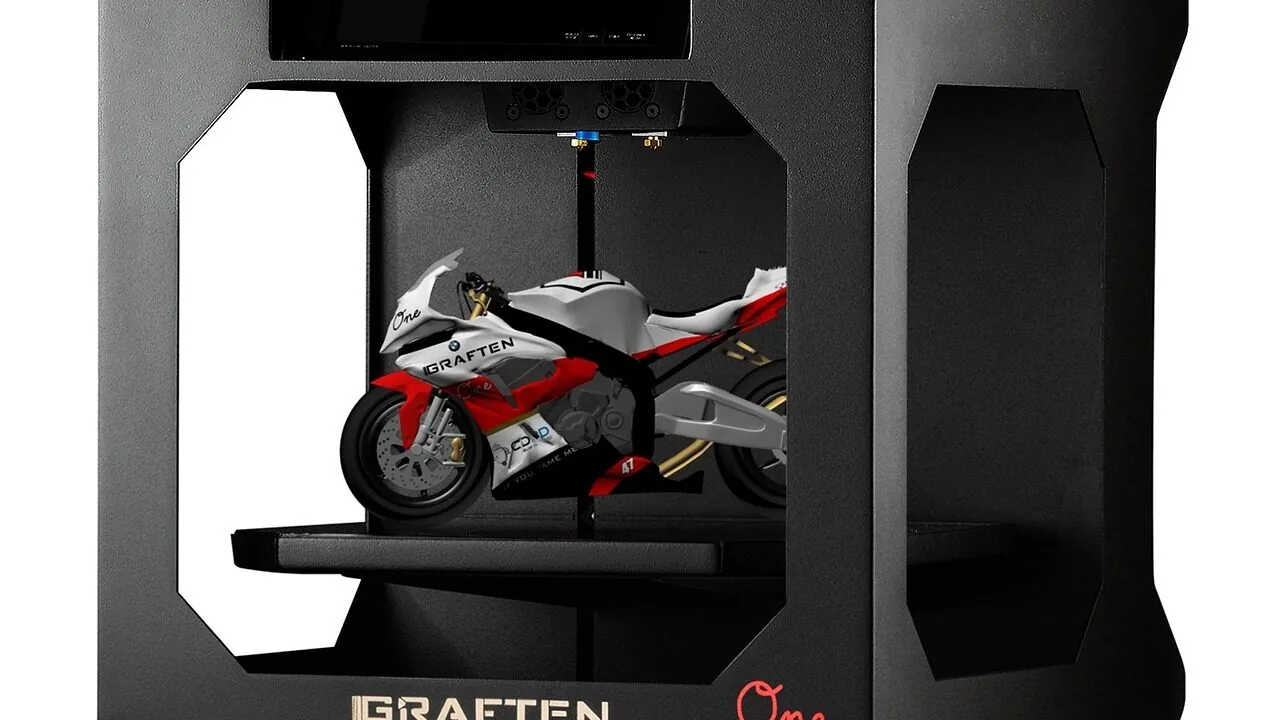
Resin printing has transformed what hobbyists, miniature painters, jewelers, and engineers can produce at home. Unlike filament-based FDM printing, photopolymer resin delivers surface detail that rivals injection molding, with layer lines so fine they practically disappear.
The catch is that not all resins are created equal: shrinkage rate, tensile strength, odor, cure speed, and compatibility with your specific printer’s UV wavelength all determine whether your next print is a masterpiece or a warped, brittle disappointment.
Choosing the right resin is every bit as important as choosing the right printer.
Whether you need an affordable workhorse for rapid prototyping, a tough ABS-like formula for functional parts, or a premium high-resolution compound for intricate figurines, this guide cuts through the marketing noise.
Our team at ProductFind researched the current market through manufacturer specifications, expert review consensus, and verified buyer feedback to surface the options that consistently perform across all printer types. Scroll down to see our top picks.
| Award | Product | PF Score About PF ScoreThe PF Score is our own rating from 0 to 10, based on performance, design and build, ease of use, and value. It reflects independent research and is never influenced by manufacturers, retailers, or affiliate commissions. Learn more › | Price | |
|---|---|---|---|---|
| Best Overall |
 Heygears Reflex RS Turbo Resin 3D Printer
|
8.6/10 | Buy | |
| Editor's Pick |
 ELEGOO Saturn 4 Ultra 16K Resin Printer
|
8.5/10 | Buy | |
| Best Value |
 ELEGOO ABS-Like Resin 3.0+ Grey 2000g
|
8.4/10 | Buy | |
| Top Rated |
 Phrozen Aqua 8K Resin 1kg Snow-Gray
|
8.3/10 | Buy | |
 SUNLU ABS-Like 405nm UV Resin 2KG
|
8.1/10 | Buy | ||
 Anycubic Photon Mono 4 Ultra 10K Resin Printer
|
8.0/10 | Buy | ||
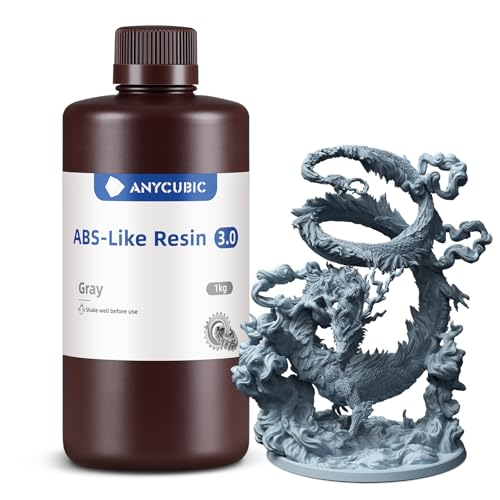 ANYCUBIC ABS-Like Resin 3.0, 1kg
|
7.9/10 | Buy | ||
 Anycubic Photon Mono 4 Resin 3D Printer
|
7.8/10 | Buy | ||
 Creality Halot R6 LCD Resin Printer
|
7.6/10 | Buy | ||
 SUNLU Standard Resin 1kg Grey for LCD/DLP/SLA
|
7.4/10 | Buy | ||
 ANYCUBIC 405nm SLA UV Resin 500g Grey
|
7.2/10 | Buy |
Heygears Reflex RS Turbo Resin 3D Printer
High-speed resin printer featuring a 566:1 contrast ratio Amber Screen and industrial-grade C5 Z-axis for ±2μm precision. Designed for professionals and makers needing fast layer speeds (4.5s) with consistent quality across detailed models.
Pros
- Amber Screen with custom composite design delivers industry-leading contrast for crisp details and sharper dimensional accuracy
- Industrial C5 ball-screw Z-axis tested over 10,000 cycles ensures reliable ±2μm precision and ±0.05mm printing tolerances
- Integrated force sensors with 0.1N sensitivity provide real-time protection by detecting resin residue and auto-pausing prints when needed
- Automated pre-processing repairs model defects and generates optimal supports, enabling true one-click workflow
- Adaptive Process Packages and Dynamic Motion Algorithm 3.0 optimize for up to 180 angle-hole-edge combinations
Cons
- No verified buyer reviews available yet to confirm real-world performance claims
- Complexity of features and software (Adaptive Process Packages, Dynamic Motion Algorithm) may present a learning curve for beginners
- Premium positioning likely carries higher cost than entry-level resin printers
ELEGOO Saturn 4 Ultra 16K Resin Printer
A high-resolution resin 3D printer featuring 16K mono LCD technology and intelligent tank heating to maintain optimal resin temperature at 30°C. Built-in AI camera with monitoring capabilities and auto-leveling make it accessible for users across skill levels seeking detailed miniature and jewelry production.
Pros
- Ultra-high 16K resolution delivers exceptionally smooth surfaces and lifelike textures on finished models
- Automated smart tank heating reduces common defects like layer separation and bubble formation
- Built-in AI monitoring with chamber light enables all-day oversight without manual intervention
- Auto-leveling and intuitive workflow design suit beginners and experienced users equally
- Rapid 150 mm/h print speed balances detail quality with production efficiency
Cons
- No verified user reviews available yet to validate real-world performance claims and reliability
- AI camera detection accuracy varies based on environment, resin type, and model characteristics according to manufacturer
- Large footprint at 24 x 17 x 15 inches requires dedicated workspace with adequate ventilation for resin fumes
ELEGOO ABS-Like Resin 3.0+ Grey 2000g
A heat-resistant photopolymer resin formulated for LCD 3D printers, designed to balance durability with fast curing speeds. Best suited for users needing tough, detailed prints that can handle moderate thermal stress without warping.
Pros
- Superior heat resistance up to 55°C compared to standard resins, ideal for functional parts
- Fast curing balances speed with mechanical strength and detail quality
- Tough, flexible prints resist breaking and can withstand drilling or tapping without cracking
- Low shrinkage and high precision ensure accurate model reproduction
- Wide printer compatibility with 405nm UV light sources
Cons
- No verified buyer reviews available to confirm real-world performance claims
- Compatibility optimized for ELEGOO printers, results may vary on other LCD brands
- Limited color options, only grey available in this listing
Phrozen Aqua 8K Resin 1kg Snow-Gray
A precision photopolymer resin formulated specifically for Phrozen's 8K LCD printers, delivering low shrinkage and high dimensional stability for detailed miniatures and prototypes. Low odor and viscosity make it practical for home or studio use, though it requires compatibility with 8K printer hardware.
Pros
- Engineered specifically for 8K printers like Sonic Mini 8K for maximum precision output
- Low viscosity reduces post-processing difficulty and cleanup time
- Minimal odor compared to standard resins, improving workspace conditions
- Strong dimensional stability supports production of precise mechanical parts
Cons
- Requires an 8K compatible printer to achieve intended results, limiting compatibility
- No verified buyer reviews available to confirm real-world performance claims
- Premium positioning suggests higher cost relative to standard resins
SUNLU ABS-Like 405nm UV Resin 2KG
SUNLU's ABS-Like resin targets makers needing durable, precise prints with minimal brittleness. The formula prioritizes toughness and low shrinkage over extreme detail, making it practical for functional miniatures and utility objects rather than showcase pieces.
Pros
- Superior toughness compared to standard resins, reducing print failure from brittleness
- Low shrinkage design minimizes warping and improves final part accuracy
- Wide printer compatibility across major LCD and SLA platforms
- Minimal odor makes it more pleasant for extended printing sessions
- Secure packaging reduces risk of spills during shipping
Cons
- No verified buyer reviews available to validate real-world performance claims
- ABS-like properties prioritize strength over fine detail resolution, limiting use for highly detailed miniatures
- Limited information on cure time specifics and optimal exposure settings for different printer models
Anycubic Photon Mono 4 Ultra 10K Resin Printer
A high-resolution resin printer featuring a 10K LCD screen with 9024x5120 resolution and COB light source for precise 17x17µm pixel detail. Delivers printing speeds up to 120mm/h and appeals to creators needing detailed miniatures, jewelry, or prototype work.
Pros
- Exceptional print precision with 10K resolution and small pixel size for intricate details
- Advanced COB light source delivers uniform exposure and tight tolerance control
- Fast print speeds up to 120mm/h reduce overall job completion time
- Intuitive touchscreen interface with multi-language support reduces learning curve
Cons
- No verified buyer reviews available to assess real-world reliability and user experience
- Build platform size of 6.04 x 3.42 inches limits print volume for larger models
- Resin and maintenance supplies incur ongoing consumable costs beyond initial purchase
ANYCUBIC ABS-Like Resin 3.0, 1kg
A mid-range LCD resin designed for durability with 86D Shore Hardness and 30% elongation at break, making it suitable for functional prints that need flex resistance. The lower viscosity speeds up curing cycles, while minimal odor suits shared workshop environments.
Pros
- Strong impact and fracture resistance compared to standard resins, handling drill operations without deformation
- Faster curing and reflow cycles reduce overall print duration
- Low odor formulation makes extended printing sessions more tolerable
- Fine detail reproduction with smooth surface finish
- Broad compatibility with most LCD resin printers on market
Cons
- No verified buyer reviews available to validate real-world performance claims
- 1kg bottle size may be limiting for high-volume production work
- Premium pricing typical of specialty resins limits budget-conscious users
Anycubic Photon Mono 4 Resin 3D Printer
The Photon Mono 4 delivers high-resolution resin printing with a 7-inch 10K mono LCD screen and 105% better precision than its predecessor. Its stable light source and generous 6.04x3.42x6.49-inch build volume suit hobbyists and professionals seeking detailed prints with minimal warping.
Pros
- Significantly improved resolution and precision over Mono 2 generation
- Reliable light source technology produces smooth, detailed surfaces
- Simplified leveling process eliminates repeated adjustments after initial setup
- Generous build platform accommodates larger and complex models
- Print recovery on power restoration protects against material loss
Cons
- No mobile app support for remote monitoring or control through Anycubic ecosystem
- Requires resin material investments typical of LCD resin printers
- Setup learning curve exists despite 4-point leveling simplification
Creality Halot R6 LCD Resin Printer
A compact, fully assembled resin printer designed for beginners with a 2K LCD screen and integrated light source. Ships ready to print with built-in setup guidance, making it accessible for users new to resin printing.
Pros
- Truly beginner-friendly with right-out-of-box setup and built-in configuration guide
- Compact footprint and lightweight construction ideal for space-limited setups
- Integral light source with high uniformity produces smoother, more detailed prints
- Durable high-strength alloy frame resists impact and corrosion
- Includes professional-grade software without additional subscription costs
Cons
- No verified buyer reviews available yet to validate real-world performance claims
- Limited information on print speed, material compatibility, or resin tank capacity
- UV shielding (99.89%) is protective but orange cover adds visual bulk compared to transparent designs
SUNLU Standard Resin 1kg Grey for LCD/DLP/SLA
SUNLU's standard resin is a budget-friendly option for resin 3D printing that works across most printer types. It delivers low shrinkage and smooth finishes suitable for beginners and experienced users alike, though there are no verified buyer reviews yet to validate real-world performance.
Pros
- High compatibility across printer types with 365-405nm wavelength support
- Low shrinkage ensures printed parts maintain accurate dimensions and shape
- Good chemical stability makes it suitable for diverse manufacturing applications
- Smooth, hard surface finish simplifies post-processing and coloring
- Minimal odor reduces discomfort during extended printing sessions
Cons
- No verified customer reviews available to confirm performance claims in real-world conditions
- Limited to grey color in this listing, though brand offers multiple color options elsewhere
- Requires isopropyl alcohol or ethanol for cleaning, adding consumable costs
ANYCUBIC 405nm SLA UV Resin 500g Grey
A general-purpose LCD resin formulated for low shrinkage and quick curing, compatible with most DLP/LCD 3D printers. Works best with ANYCUBIC machines and delivers decent precision for tabletop resin printing.
Pros
- Low shrinkage rate ensures accurate dimensional fidelity
- Excellent fluidity speeds up curing process and reduces printing time
- Good combination of rigidity and toughness for durable prints
- Compatible across DLP/LCD printer brands with universal support
- Secure packaging with bubble wrap and air bag protection
Cons
- Requires thorough mixing before each use to avoid uneven coloring
- No verified buyer reviews available to assess real-world performance
- Best results claimed with ANYCUBIC printers, suggesting variable results with other brands
3D Printer Resins Buying Guide
Picking a photopolymer resin can feel overwhelming given how many variables interact.
The sections below walk through every key criterion, from UV wavelength compatibility to post-processing demands, so you can match a resin to your actual workflow rather than simply grabbing whatever is cheapest or most prominently marketed.
If you are also evaluating hardware, our roundup of printers for every maker and budget covers the printer side of the equation.
Resin Type and Intended Application

Standard photopolymer resins are the baseline: affordable, widely compatible, and excellent for decorative models, miniatures, and display pieces.
They cure quickly and flow smoothly, but they tend to be brittle, which makes them a poor choice for anything that needs to flex or absorb impact.
If you are printing functional brackets, snap-fit enclosures, or wearable costume props, an ABS-like resin offers dramatically better toughness and elongation at break.
ABS-like resins, such as the SUNLU 2000G ABS-Like and the ELEGOO ABS-Like Resin 3.0+, are engineered to mimic the mechanical properties of acrylonitrile butadiene styrene without the high printing temperatures that FDM ABS demands.
They resist minor drops, tolerate moderate heat, and hold threaded inserts more reliably. For users who want to bridge both worlds, standard resins work fine for the aesthetic shell while ABS-like formulas handle structural components.
Specialty categories worth knowing include water-washable resins, which eliminate the need for isopropyl alcohol in post-processing, and flexible or rubber-like resins for gaskets and grip surfaces.
Premium resins formulated for 8K or higher LCD screens, like the Phrozen Aqua Snow-Gray 8K, are optimized for very small pixel pitches and should be paired with a matching high-resolution printer to unlock their full resolving power.
Pairing any premium resin with a capable resin 3D printer is essential for best results.
UV Wavelength Compatibility
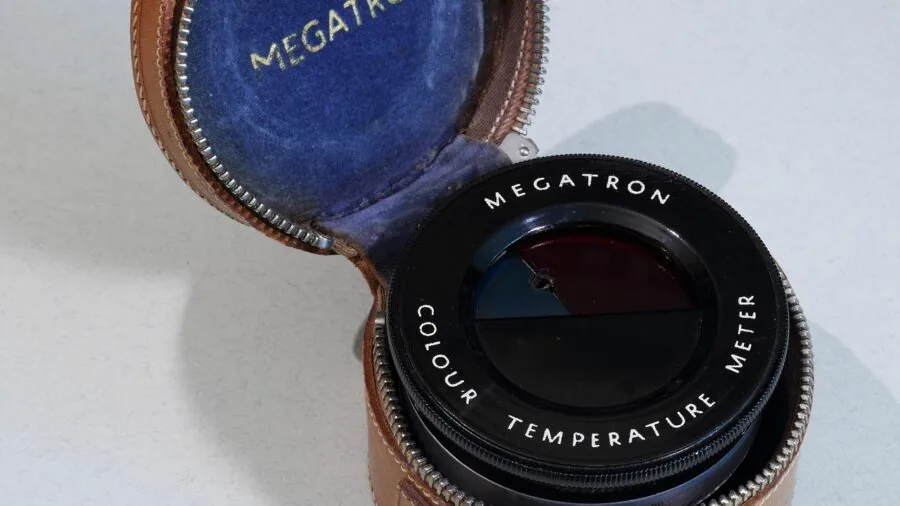
Almost every consumer LCD resin printer on the market today operates at 405nm, and the vast majority of resins are formulated for this wavelength.
That said, some printers use 365nm or a broadband UV source, particularly older DLP units and a few industrial machines.
Before purchasing in bulk, confirm your printer’s light source wavelength and cross-reference it against the resin’s stated curing range, typically listed as something like “395 to 405nm” on the product page.
Mismatched wavelengths do not always cause outright failure, but they degrade print quality in subtle ways: under-cured layers appear tacky or delaminate mid-print, while over-cured resins lose fine detail and become excessively brittle.
Most of the resins in our lineup explicitly support 405nm LCD, DLP, and SLA printers, giving them broad hardware compatibility.
If you are using a newer 10K or 16K machine like those from ANYCUBIC or ELEGOO, check whether the resin’s photoinitiator package is optimized for the tighter pixel pitch those screens produce.
Shrinkage Rate and Dimensional Accuracy
Shrinkage during curing is the primary enemy of dimensional accuracy. Every photopolymer contracts as it polymerizes, but how much it contracts varies significantly between formulas.
Standard resins typically see volumetric shrinkage in the 3 to 5 percent range; well-engineered ABS-like and low-shrinkage formulas push this below 2.5 percent.
For scale models, dental aligners, or engineering prototypes where tolerances matter, that difference translates directly into whether mating parts fit or require filing.
Shrinkage also affects warping on large flat surfaces, where differential cure rates between the base and the top layers can introduce bow. Using a heated build plate, rafts, and the recommended exposure settings for your specific resin batch all help.
Verified buyer feedback consistently points to low shrinkage as the single most cited quality differentiator among resins in the budget and mid-range tiers.
This is one area where paying slightly more for a proven formula, rather than the cheapest option, tends to pay dividends in saved print time and wasted material.
Cure Speed and Print Throughput

Layer cure times in modern resins have dropped dramatically. Where early LCD resins required 6 to 8 seconds per layer, many current ABS-like and “rapid” formulas cure in 1 to 4 seconds on a mono LCD screen.
Faster cure times reduce total print time but also demand that your printer’s light source delivers adequate irradiance: a fast-cure resin used with an underpowered or aging light source will under-cure and produce weak, delaminating parts.
SUNLU’s 1kg Fast Curing Standard Resin is explicitly marketed around throughput, making it a practical choice for users who run the printer overnight and want a full build plate by morning.
The ELEGOO ABS-Like Resin 3.0+ similarly emphasizes fast cure alongside its mechanical improvements.
When evaluating throughput, factor in post-processing time as well: a resin that washes clean quickly in IPA or water saves as much clock time as shaving a second off each layer.
If you invest as much thought into your workflow as you do into resin selection, you will also want to explore filament options for FDM projects where throughput and volume matter more than surface resolution.
Odor, Safety, and Ventilation Requirements
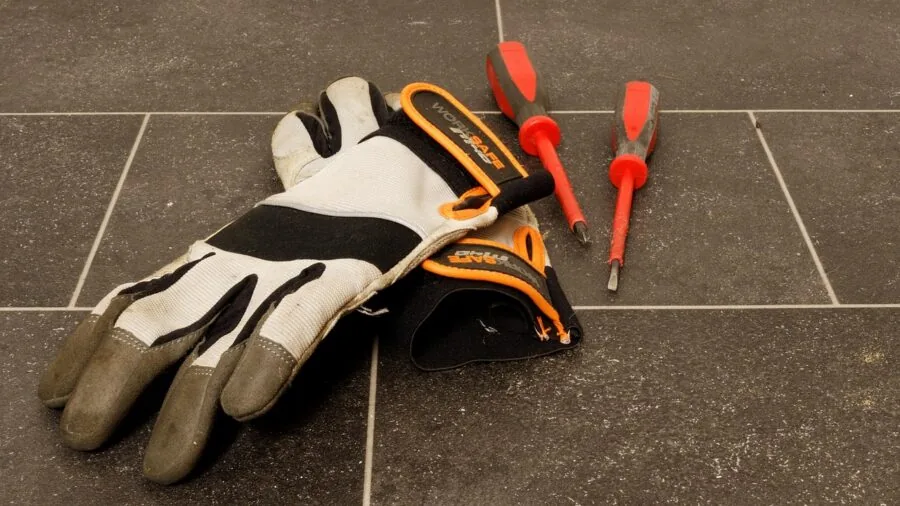
Uncured photopolymer resin is a skin sensitizer and requires nitrile gloves and eye protection during handling. Beyond the contact hazard, the volatile organic compounds (VOCs) off-gassed during printing vary substantially between formulas.
Standard resins can produce a sharp, solvent-like smell strong enough to be noticeable in an unventilated room. Low-odor and “plant-based” formulations have improved noticeably, with several brands now citing odor reductions of 60 to 90 percent compared to older chemistry.
For printing in shared spaces, home offices, or classrooms, low-odor resins are not a luxury: they are a practical safety measure. The Phrozen Aqua Snow-Gray 8K is frequently cited in expert reviews for its notably low odor profile.
Regardless of the formula you choose, print in a well-ventilated space, use an activated-carbon air purifier near the printer, and dispose of IPA wash solution and uncured resin through your municipality’s hazardous waste program, never down the drain or in regular recycling.
Value, Yield, and Cost Per Print
Resin pricing is generally quoted per kilogram, but the real metric is cost per successfully completed print.
A cheap resin that requires exposure tweaking, produces frequent failures, or shrinks enough to ruin a multi-hour job is more expensive in practice than a mid-range formula that prints reliably on the first attempt.
For high-volume users, bulk packaging matters: SUNLU’s 2000g ABS-Like bottle and similar two-kilogram options reduce per-gram cost meaningfully compared to buying 1kg bottles repeatedly.
Budget resins like the ANYCUBIC 405nm SLA and the SUNLU 1kg Standard occupy the entry tier and are well-suited to learning the craft, calibrating exposure profiles, and printing expendable evaluation pieces.
Mid-range ABS-like formulas occupy the next tier and justify their higher per-gram cost for anyone printing structural or display-quality work regularly.
Premium resins designed for 8K or higher screens are the top tier and make the most sense when paired with the hardware capable of resolving the extra detail they offer.
Why You Should Trust Us
ProductFind is an independent editorial platform with no manufacturer affiliations. Every product in our lineup is scored using the PF Score system, a consistent 0 to 10 scale applied across specifications, expert review consensus, verified buyer feedback, and published performance data.
We do not conduct our own product trials; our evaluations are grounded in research, published data, expert review consensus, and verified buyer feedback.
This approach lets us assess a broad range of products without the sampling bias or brand relationships that can skew single-source reviews.
Our resin research drew on manufacturer-published technical datasheets (shrinkage rates, tensile strength, wavelength compatibility, viscosity), aggregated ratings from verified purchasers across major retail platforms, and the consensus of specialist reviewers who cover photopolymer chemistry and LCD printing hardware.
Products were scored holistically: a resin with excellent mechanical properties but chronic print failure reports from verified buyers scores lower than one with slightly more modest specs but rock-solid real-world reliability.
We are transparent about how this site is funded. ProductFind may earn an affiliate commission when you purchase through links on our pages. That commercial relationship does not influence rankings, PF Scores, or which products appear in our lists.
Selection and ordering are determined entirely by research quality, not by commission rates. If a product earns a high score, it is because the evidence supports it.
Final Thoughts
The photopolymer resin market has matured rapidly, and the gap between budget and premium options has narrowed considerably.
The picks in this roundup span from genuinely affordable entry-level resins to professional-grade formulas and full printer systems that push 3D resin printing in 2026 to new heights of resolution and throughput. Here are the standout categories from our research:
- Best Overall (Printer): Heygears Reflex RS Turbo Resin 3D Printer earns the top PF Score in this lineup with its amber screen technology delivering exceptional contrast, industrial-grade Z-axis stability, and auto leveling that removes the single most common source of beginner failure.
- Best Large-Format Resin Printer: ELEGOO Saturn 4 Ultra 16K offers the highest resolution screen in the group paired with smart tank heating and high-speed printing, making it the clear choice for users who need a large build volume without sacrificing detail.
- Best ABS-Like Resin: ELEGOO ABS-Like Resin 3.0+ tops the resin-only entries with upgraded heat resistance, fast cure times, and non-brittle mechanical properties that make it suitable for functional prototypes and durable display pieces alike.
- Best Premium Resin for High-Resolution Printing: Phrozen Aqua Snow-Gray 8K is purpose-built for 8K LCD screens, consistently praised for low odor and non-brittle results in detailed miniature and jewelry applications.
- Best Value Bulk Resin: SUNLU 2000G ABS-Like Resin delivers competitive ABS-like mechanical performance in a two-kilogram bottle that reduces per-gram cost for high-volume users without compromising on compatibility across 2K through 8K printers.
Whichever tier fits your budget and use case, matching resin chemistry to your printer’s UV source, your model’s structural demands, and your ventilation situation will do more for print quality than any single spec number.
Invest in the resin that aligns with your workflow, and your printer will reward you with consistently clean, detailed results.
Frequently Asked Questions
What is the difference between standard resin and ABS-like resin for 3D printing?
Standard photopolymer resin cures quickly, flows easily, and produces highly detailed prints, but it is relatively brittle and can crack or shatter under impact.
ABS-like resins are formulated with modified chemistry that mimics the toughness of acrylonitrile butadiene styrene, offering higher elongation at break and better resistance to everyday handling stress. For decorative models and display pieces, standard resin is usually sufficient.
For functional brackets, enclosures, or wearables, ABS-like resin is the more practical choice.
Can I use any resin with any resin 3D printer?
In most cases, yes, as long as the resin’s stated wavelength range matches your printer’s UV light source, which is 405nm for virtually all modern consumer LCD printers.
Some premium resins are optimized for specific screen resolutions, such as 8K or 10K, and may not reach their full potential on lower-resolution hardware.
Always verify the wavelength specification and consult your printer manufacturer’s recommended exposure settings as a starting point before committing to a large print.
How do I reduce the smell from resin printing?
Start by choosing a low-odor resin formulation; several brands have reformulated their products with reduced VOC output.
Beyond resin selection, print in a room with active ventilation, place an activated-carbon air purifier next to the printer enclosure, and keep the printer lid closed during the cure cycle.
Handling uncured resin and IPA wash solution should always be done with nitrile gloves in a ventilated space. Low-odor resins reduce the baseline smell significantly but do not eliminate the need for proper ventilation entirely.
How much resin do I need for a typical project?
Consumption depends heavily on model size, infill, and whether you use a raft and supports. A small miniature at 28mm scale typically uses 5 to 15 grams of resin. A full build plate of medium-sized objects can consume 150 to 300 grams per session.
For users who print regularly, buying in 1kg or 2kg quantities is more economical than smaller bottles. Running your sliced file through your slicer’s volume estimation tool before printing gives you a reliable pre-purchase figure.
Is resin 3D printing better than filament printing for detail?
For surface detail and fine feature resolution, resin printing has a clear advantage. LCD resin printers can achieve XY resolutions below 50 microns, producing smooth curves and sharp edges that FDM printers struggle to match regardless of nozzle size.
However, filament printing wins on build volume, material variety, and the absence of liquid chemical hazards, making it the better fit for large structural parts, mechanical assemblies, and users who prefer a simpler workflow.
Many makers use both technologies for different project types.
What safety precautions should I take when working with 3D printer resin?
Uncured resin is a skin sensitizer that can cause contact dermatitis with repeated exposure. Always wear nitrile gloves and safety glasses when handling liquid resin, filling the vat, or removing prints before post-cure.
Work in a well-ventilated area and consider an activated-carbon air purifier near the printer. Wash gloves and any contaminated surfaces with IPA before removing gloves.
Dispose of uncured resin, used IPA, and support waste through your local hazardous household waste facility. Cured resin is generally inert and safe to handle without gloves.
About the author
Gabriella is a reviewer and writer for ProductFind who specializes in 3D Printing. Gabriella evaluates products through independent research: specifications, expert review consensus, and verified buyer feedback, and rates each one on the PF Score. Gabriella focuses on helping readers pick the right 3d printing for their needs and budget.