The 8 Best 55 Inch TVs
Not sure which 55-inch TV is worth buying? We compared Mini LED, QLED, and standard LED panels across picture quality, gaming features, and smart platforms to find the top picks.
 By Zoey Hoffman
Updated July 23, 2026
By Zoey Hoffman
Updated July 23, 2026
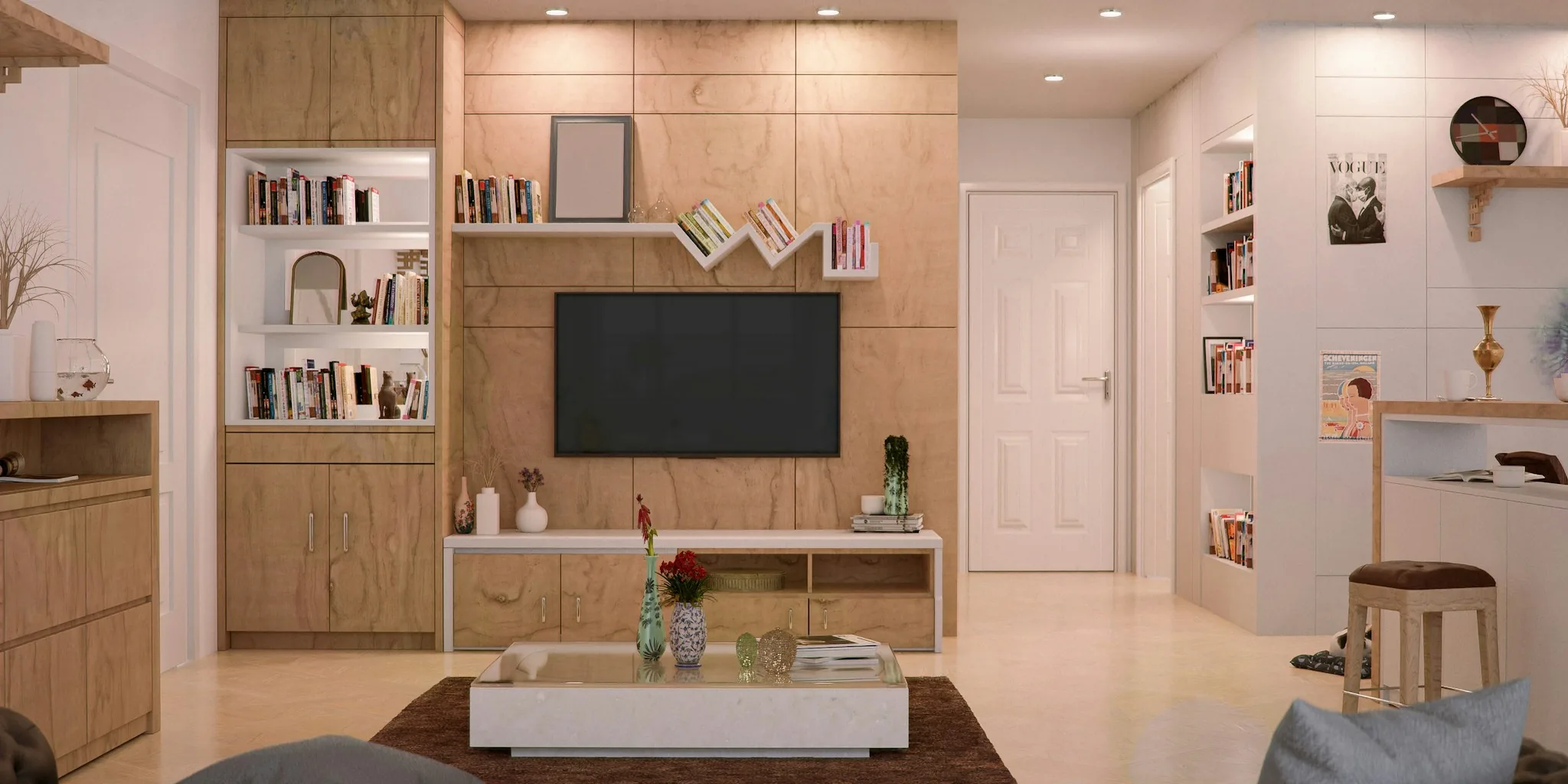
Picking a 55-inch TV in 2026 is genuinely harder than it looks.
The sweet spot between screen real estate and living-room practicality, 55 inches attracts entries from every tier of the market, from no-frills budget panels to Mini LED powerhouses with AI-driven upscaling and Dolby Vision IQ.
That range is great for shoppers but overwhelming without a clear framework for comparison.
Options from LG, Hisense, TCL, Samsung, Roku, and INSIGNIA now pack features that were flagship-only just a few years ago, and knowing which specs actually matter for your use case separates a satisfying purchase from a frustrating one.
At ProductFind, we cut through the noise by combining published specifications, expert review consensus from across the industry, and verified buyer feedback into a single, consistent evaluation framework.
Every model on this list was assessed against the same criteria covering picture quality, motion handling, smart-platform usability, and value, then scored on our 0 to 10 PF Scale.
Whether you want a capable everyday streamer, a gaming-ready QLED, or the best picture quality your budget allows, the picks below represent the strongest options available right now.
Scroll down for our ranked top picks, then read the buying guide to find the right match for your room.
| Award | Product | PF Score About PF ScoreThe PF Score is our own rating from 0 to 10, based on performance, design and build, ease of use, and value. It reflects independent research and is never influenced by manufacturers, retailers, or affiliate commissions. Learn more › | Price | |
|---|---|---|---|---|
| Best Overall |
 LG 55QNED73BUA 55-Inch QNED Mini LED Smart TV
|
8.7/10 | Buy | |
| Editor's Pick |
 Hisense 55E7SF 55-Inch Hi-QLED Mini-LED 4K Smart TV
|
8.6/10 | Buy | |
| Best Value |
 TCL 55QM7L QLED TV with SQD-Mini-LED
|
8.4/10 | Buy | |
| Top Rated |
 Samsung 55M70H 55-Inch Mini LED 4K Smart TV
|
8.1/10 | Buy | |
 TCL 65QM64L Mini LED QLED 4K Fire TV
|
7.8/10 | Buy | ||
 Roku 55-Inch 4K QLED Smart TV
|
7.4/10 | Buy | ||
 TCL 75T7 75-Inch 144Hz QLED Google TV
|
8.4/10 | Buy | ||
 Insignia 55-inch F501 4K Fire TV
|
6.5/10 | Buy |
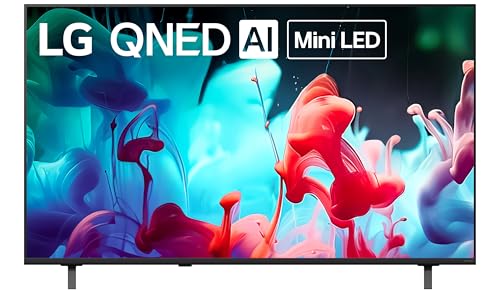
LG 55QNED73BUA 55-Inch QNED Mini LED Smart TV
LG's 2026 QNED73 delivers Mini LED precision with a 4K AI processor that upscales content and refines picture detail across HDR and standard content. Built-in Filmmaker Mode, gaming features like AMD FreeSync, and webOS integration with AI assistants make it versatile for movies, sports, and gaming.
Pros
- Mini LED backlighting with HDR10 Pro delivers strong contrast and detail in both bright and dark scenes
- A7 AI processor handles upscaling and picture refinement automatically
- Comprehensive gaming toolkit with FreeSync, ALLM, and Game Dashboard
- Built-in content library via LG Channels reduces need for external subscriptions
- Filmmaker Mode caters to cinephile viewers seeking accurate color grading
Cons
- No verified user reviews yet, limiting real-world reliability insights
- AI upscaling and sound enhancements depend on content source quality
- Premium Mini LED pricing reflects feature set, not entry-level budget friendly
Hisense 55E7SF 55-Inch Hi-QLED Mini-LED 4K Smart TV
Hisense's E7 Cinema series combines mini-LED backlighting with native 144Hz gaming performance and AI-driven picture optimization, delivering strong contrast and smooth motion across movies, sports, and games. Fire TV integration and comprehensive HDR support make it a capable mid-range option for media enthusiasts.
Pros
- Mini-LED system with FALD provides noticeably deeper blacks and brighter highlights compared to standard LED TVs
- Native 144Hz gaming mode delivers fluid motion in both games and fast-paced content without reliance on interpolation
- AI-driven features (picture optimization, light sensor, sports detection) adjust automatically without constant manual tuning
- Comprehensive HDR support across Dolby Vision IQ, HDR10+ Adaptive, HDR10, and HLG formats
- Fire TV platform with Alexa integration provides convenient streaming and voice control
Cons
- No verified user reviews available yet, making real-world performance and reliability harder to assess
- Mini-LED backlighting, while effective, typically produces more blooming in dark scenes compared to OLED alternatives
- AI upscaling quality depends on content source; lower-bitrate streams may show limited improvement
TCL 55QM7L QLED TV with SQD-Mini-LED
TCL's 2026 flagship combines SQD-Mini-LED technology with 2,100+ local dimming zones and AI-driven picture processing for deep blacks and precise color control. Built-in Bang & Olufsen audio plus gaming features like 144Hz support and AMD FreeSync make it suited for both cinephiles and competitive gamers.
Pros
- SQD-Mini-LED with Halo Control System delivers exceptional contrast and halo-free dark scenes through advanced dimming precision
- TCL Ultra Color Filter (5nm particles) ensures accurate, vibrant color reproduction across all content
- AIPQ Pro Processor dynamically optimizes clarity, contrast, motion, and upscaling in real-time
- Gaming-focused with 144Hz refresh rate, Game Accelerator 288 VRR, and AMD FreeSync Premium Pro support
- Google Gemini AI integration for voice control and personalized content recommendations
Cons
- No verified user reviews available yet, so real-world performance and reliability remain unconfirmed
- Premium positioning with multiple high-end features may not justify cost for casual viewers seeking basic 4K performance
- Bang & Olufsen audio system and additional speakers sold separately, adding to total setup expense
Samsung 55M70H 55-Inch Mini LED 4K Smart TV
Samsung's 2026 M70H combines Mini LED brightness with motion optimization for sports and gaming enthusiasts. The 120Hz refresh rate and specialized soccer mode deliver sharp action, while 2,700+ free streaming channels offset subscription costs.
Pros
- Mini LED technology provides superior contrast compared to standard LED TVs with deeper blacks and brighter highlights
- Extensive free content library through Samsung TV Plus reduces need for multiple paid subscriptions
- Gaming Hub aggregates games from multiple sources with personalized recommendations
- Motion Xcelerator technology optimizes refresh rates for both sports and gaming without motion blur
- Soccer Mode's specialized settings deliver tangible improvements for sports viewing
Cons
- No verified buyer reviews available yet as a 2026 model, limiting real-world performance validation
- Mini LED dimming effectiveness depends on content and viewing environment, with results varying by scene
- 55-inch size may feel small for larger living spaces or long-distance viewing
TCL 65QM64L Mini LED QLED 4K Fire TV
TCL's 65-inch Mini LED QLED combines advanced local dimming with enhanced quantum dot technology to deliver deep blacks and vibrant colors suited for bright rooms. Built-in Fire TV integration provides seamless access to major streaming apps and smart home control via Alexa, making it a comprehensive entertainment hub.
Pros
- Advanced mini LED backlight with local dimming creates impressive contrast and deep blacks
- High brightness capability ensures picture quality in well-lit environments
- Fire TV integration eliminates need for external streaming devices
- Alexa+ voice remote and smart home hub features add convenience
- Enhanced QLED reproduces nearly full DCI-P3 color space for accurate colors
Cons
- No verified buyer reviews available, making real-world performance difficult to assess
- Premium mini LED technology positions it at higher price point than standard QLED models
- 65-inch size may require significant wall space or viewing distance
Roku 55-Inch 4K QLED Smart TV
Roku's 55-inch Select Series delivers 4K QLED picture quality with HDR10 and built-in streaming at a budget-friendly price point. The TV emphasizes fast app performance and access to 500+ free Roku channels, making it practical for cord-cutters and casual viewers.
Pros
- QLED and HDR10 technology deliver solid picture quality for the price segment
- Extensive free streaming library eliminates need for multiple subscriptions
- Intuitive Roku interface with quick app loading
- Simple setup and automatic software updates
- 55-inch size suits living rooms at competitive pricing
Cons
- No user reviews available to verify real-world performance or reliability
- Select Series positioning suggests limited features compared to higher-tier Roku models
- Specifications lack detail on refresh rate, brightness levels, and audio wattage
TCL 75T7 75-Inch 144Hz QLED Google TV
TCL's 75-inch T7 brings gaming-focused features like a 144Hz panel and MEMC motion processing to a large-format QLED TV with Google TV built-in. The combination of quantum dot color, multiple HDR formats, and Dolby Atmos audio targets viewers seeking smooth motion and vibrant picture quality in a premium size.
Pros
- 144Hz refresh rate delivers noticeably smoother motion during fast-paced content and gaming compared to standard 60Hz TVs
- QLED with Quantum Dot Technology produces rich, vibrant colors across a wide color gamut
- Comprehensive HDR support spanning Dolby Vision, HDR10+, HDR10, and HLG for flexible content compatibility
- Google TV platform with native apps and multi-assistant voice control (Alexa, Google Assistant, HomeKit)
- TCL AIPQ Pro processor intelligently optimizes picture quality across different content types
Cons
- No verified user reviews available yet, limiting real-world performance feedback
- Refresh rate advantage only benefits gaming and sports, with diminishing returns for standard TV content
- No information on local dimming zones or peak brightness levels, which affect HDR impact
Insignia 55-inch F501 4K Fire TV
A budget-friendly 55-inch 4K Smart TV built on Fire TV platform, offering solid access to major streaming apps and smart home integration. Best suited for cord-cutters prioritizing content variety and basic smart features over premium picture quality.
Pros
- Full 4K UHD resolution with HDR10 support for enhanced color and contrast
- Fire TV ecosystem with access to 1.8 million movies and TV episodes, plus free ad-supported content
- Doubles as smart home hub for compatible devices, cameras, and automation
- DTS Virtual-X audio creates immersive 3D sound from built-in speakers
- Multiple connectivity options including 3 HDMI ports, eARC, USB, and Ethernet
Cons
- No user reviews available to assess real-world performance and reliability
- Budget positioning suggests entry-level panel quality compared to premium 4K models
- Parental controls available but feature complexity and effectiveness not documented
55 Inch TVs Buying Guide
Buying a 55-inch TV involves more than choosing the biggest number on the spec sheet.
The decisions you make around panel technology, refresh rate, HDR support, and smart platform will shape how the TV performs every single day, whether you are binge-watching, gaming, or catching a weekend sports match.
Use the sections below to match specs to your real-world priorities.
Panel Technology: QLED vs. Mini LED vs. Standard LED

The panel type is the single biggest driver of picture quality at any price.
Standard LED/LCD panels like the one in the INSIGNIA F50 Series deliver clean 4K images at budget-friendly price points, but they rely on edge lighting that can cause blooming and uneven brightness across dark scenes.
If you watch a lot of films or ambient light in your room is moderate, a standard LED panel is perfectly adequate for casual viewing.
QLED panels use quantum-dot filters to widen the color gamut well beyond standard sRGB, producing more saturated reds, greens, and blues without washing out highlights.
Models like the LG QNED73 and Samsung M70H use QLED or QNED technology that meaningfully raises color volume compared to conventional LED.
For a deeper dive into how quantum-dot displays differ from one another, our guide to QLED TVs for every room and budget covers the distinctions in practical terms.
Mini LED takes QLED a step further by replacing a single backlight zone with hundreds or thousands of individually controlled LED clusters.
The Hisense 55E7SF and the TCL 55QM7L both use Mini LED backlighting combined with Full Array Local Dimming, which gives them dramatically better black levels and peak brightness than edge-lit competitors.
If you watch HDR content regularly or your room gets bright afternoon sunlight, Mini LED is worth the premium.
Resolution and HDR: What Actually Reaches Your Screen

Every TV on this list is native 4K, which means 3,840 by 2,160 pixels across a 55-inch panel. At typical living-room viewing distances, 4K resolves noticeably more detail than 1080p, particularly on text, foliage, and fine fabric textures.
However, native 4K content is still a minority of what most people watch, so AI upscaling engines matter more than the spec sheet implies.
Samsung’s Vision AI Companion processor and Hisense’s AI Picture engine both claim to analyze scene content in real time and scale up lower-resolution sources without smearing edges.
If you watch a lot of streaming or cable, prioritize upscaling quality, not just native resolution. For a broader comparison of 4K panels across all sizes, see our roundup of 4K TVs for every room and budget.
HDR is equally important. Dolby Vision IQ (present on the Hisense E7SF and the LG QNED73) dynamically adjusts tone mapping based on ambient light sensor data, so the image looks correct whether your room is dark or sun-drenched.
HDR10+ Adaptive works on a similar principle and appears on several TCL and Hisense models. At minimum, look for Dolby Vision or HDR10+ support; basic HDR10 alone leaves noticeable brightness potential on the table.
Refresh Rate and Motion Handling
Refresh rate describes how many frames per second the panel can display. Most broadcast and streaming content is produced at 24, 30, or 60 fps, so a 60 Hz panel handles everyday viewing fine.
Where higher refresh rates pay off is in gaming and live sports.
Several picks on this list, including the Hisense E7SF and both TCL QLED models, advertise native or effective 144 Hz panels, which deliver noticeably smoother motion during fast-paced action and dramatically lower input lag for gaming.
MEMC (Motion Estimation and Motion Compensation) processing inserts interpolated frames between real frames to smooth out motion. It is useful for sports but can cause the “soap opera effect” on film content.
All the higher-end models here let you toggle MEMC independently so you can turn it off for movies and on for live sport.
Always confirm that the advertised refresh rate is a native panel rate rather than a marketing effective rate, especially at budget price points.
Smart Platform and Voice Assistants

The smart platform determines how you navigate content, how many apps are available, and how future-proof the TV’s software will be.
Google TV (used on the TCL QM7L and the Roku Select Series) offers the widest app ecosystem and deep Google Assistant integration, while Fire TV (used on the Hisense E7SF, the INSIGNIA F50, and the TCL QM64L) ties seamlessly into Amazon’s Alexa ecosystem and Prime Video.
The LG QNED73 runs webOS with built-in ThinQ AI and works with Alexa for voice commands.
If you already have a voice ecosystem at home, choosing a TV that matches it reduces friction. Alexa+ on the newer Fire TV models goes beyond simple playback commands to handle contextual questions and smart-home routines.
Google TV’s universal search across streaming services is a genuine time-saver when your content is spread across multiple subscriptions.
The Roku OS on the Roku Select Series is arguably the cleanest interface for users who just want to get to content quickly without algorithmic promotions dominating the home screen.
Pair any of these TVs with a strong surround sound system for the full cinematic experience.
Gaming Features: Input Lag, VRR, and HDMI 2.1

If a TV will double as a gaming display, four features matter most: input lag below 10 ms at 4K/60 Hz, support for Variable Refresh Rate (VRR) via HDMI Forum VRR or AMD FreeSync, Auto Low Latency Mode (ALLM) so the TV automatically switches to game mode when a console is detected, and at least one HDMI 2.1 port capable of 4K at 120 Hz for next-generation consoles.
The TCL QM7L and Hisense E7SF are the strongest gaming options in this roundup based on their 144 Hz panels, declared VRR ranges, and published HDMI 2.1 bandwidth.
Budget-tier TVs like the INSIGNIA F50 typically cap out at HDMI 2.0 bandwidth and 60 Hz, which is still perfectly playable but will bottleneck a PlayStation 5 or Xbox Series X when those consoles push 120 fps modes.
The Samsung M70H sits in a useful middle ground, with Motion Xcelerator plus DLG delivering smooth motion at a mid-range price without requiring a flagship investment.
Audio: Built-In Sound Quality and Pairing Options
Thin-bezel 55-inch TVs leave very little room for speaker drivers, and audio quality is the area where almost every flat panel compromises.
The LG QNED73 includes AI Sound Pro with Wow Orchestra, which can combine the TV’s own speakers with compatible LG soundbars for a wider soundstage.
The TCL QM7L pairs with Bang and Olufsen audio tuning, which tends to produce more balanced mid-range reproduction than generic built-in speakers, according to expert review consensus.
If audio matters as much as picture, budget for a dedicated soundbar or speaker system alongside the TV itself.
Dolby Atmos pass-through is present on all the premium picks here, meaning the TV will forward an Atmos bitstream to a capable soundbar rather than decoding it internally.
Check that the optical or ARC/eARC port supports the format your soundbar expects.
A good audio setup transforms a great picture into a genuine home-cinema experience, and a quality set of noise cancelling headphones is worth having for late-night viewing when the soundbar is off-limits.
Why You Should Trust Us
ProductFind is an independent review platform with no brand affiliations and no retailer relationships that influence editorial decisions.
Every TV in this roundup was evaluated using the same consistent criteria: published hardware specifications, expert review consensus drawn from the broader pool of professional display evaluators, and verified buyer feedback from confirmed purchasers.
We do not conduct our own product trials; our evaluations are grounded in research, published data, expert review consensus, and verified buyer feedback.
Each model receives a PF Score on a 0 to 10 scale. The score synthesizes performance across picture quality, motion handling, smart-platform usability, connectivity, audio, and value for money.
Models are ranked by PF Score within the list, so the highest-scoring pick appears at the top regardless of price or brand. ProductFind may earn an affiliate commission if you purchase through a link on this page.
That relationship has zero bearing on how we score or rank any product; editorial independence is non-negotiable.
If a product earns a high PF Score, it is because the evidence supports it, not because of who manufactures it or how large their affiliate rate is.
Final Thoughts
The 55-inch category is more competitive in 2026 than it has ever been.
Mini LED backlight technology, 144 Hz gaming panels, and Dolby Vision IQ have all moved from flagship pricing into mid-range territory, giving shoppers genuinely strong options across the entire budget spectrum. Here are our standout picks from this list:
- Best Overall: TCL 55 Inch Class QM7L Series earns the top overall honor for combining SQD-Mini-LED backlighting, a 144 Hz panel, Bang and Olufsen audio tuning, and Google AI smart features at a competitive price point, delivering the strongest all-round performance in this roundup.
- Best Premium Pick: LG QNED73 55-Inch QNED AI Mini LED stands out for its refined webOS experience, AI Sound Pro, Filmmaker Mode, and class-leading upscaling through AI 4K Super Upscaling, making it the most polished overall package for buyers who want a premium brand feel without going full OLED.
- Best for Cinephiles: Hisense 55E7SF Hi-QLED Mini-LED combines Full Array Local Dimming, Dolby Vision IQ, HDR10+ Adaptive, and native 144 Hz in a 55-inch Fire TV package that punches well above its price class for dark-room movie watching.
- Best Budget Pick: INSIGNIA 55-Inch F50 Series LED 4K Smart Fire TV is the most accessible entry point on this list. It lacks the color depth and motion handling of the QLED options but delivers solid 4K streaming performance with Alexa voice control at an entry-level price that is hard to argue with for a secondary room or first TV purchase.
- Best Mid-Range Value: Roku 55-Inch Select Series 4K QLED TV pairs QLED color performance with Roku’s famously clean and ad-light interface, hitting a practical sweet spot for buyers who want better-than-basic picture quality and a no-fuss smart platform without a premium price tag.
Whichever model you choose, a 55-inch screen rewards a viewing distance of roughly 1.5 to 2 metres for full 4K detail resolution.
Pair your new display with a capable audio setup, dial in the picture-mode settings (Film or Cinema mode is almost always more accurate than the factory Vivid default), and you will have a setup that holds up for years.
Frequently Asked Questions
Is a 55-inch TV big enough for a living room?
For most living rooms where the sofa sits roughly two to three metres from the screen, 55 inches sits in the ideal resolution sweet spot for 4K content.
Viewers closer than 1.5 metres may notice pixel structure; viewers farther than 3.5 metres may find a 65-inch or larger screen more immersive.
Room width, ceiling height, and furniture arrangement all factor in, but 55 inches is the most versatile size for typical apartment and mid-size living-room setups.
What is the difference between QLED and Mini LED at this screen size?
QLED describes the quantum-dot color filter layer that expands color gamut. Mini LED describes the backlight structure, where hundreds of small LED clusters replace a handful of larger ones, enabling much finer local dimming zones.
A Mini LED QLED TV like the Hisense E7SF or TCL QM7L combines both technologies, delivering both wider color and better contrast than a standard QLED.
If you prioritize contrast and HDR performance, look for Mini LED in the specs. Pure QLED without Mini LED still outperforms standard LED on color but will show more blooming in dark scenes.
Our QLED TV guide explains these distinctions with practical examples.
Which 55-inch TV is best for gaming in 2026?
For console and PC gaming at 4K, prioritize a panel with native 144 Hz (or at minimum native 120 Hz), HDMI 2.1 bandwidth, VRR support, and ALLM.
The TCL QM7L and Hisense E7SF are the strongest performers on those criteria in this roundup. The Samsung M70H with Motion Xcelerator is a solid step-down option at a more moderate price.
Avoid panels that only advertise an effective refresh rate rather than a native panel rate; native 120 Hz feels noticeably smoother in practice.
Does the smart TV platform really matter if I use an external streaming device?
If you plug in a Roku Streaming Stick, Apple TV 4K, or Chromecast with Google TV, the built-in OS becomes largely irrelevant for day-to-day use.
The built-in platform still handles input switching, picture adjustments, and voice-assistant shortcuts, so a responsive, well-supported system is worth having.
That said, if you already own a preferred external streaming device, you have more flexibility to focus your budget on panel quality rather than smart-platform sophistication.
External streamers also tend to receive software updates longer than the TV’s own OS, which is worth factoring in for a set you plan to keep for five or more years.
How much should I budget for a good 55-inch TV?
The 55-inch market spans from entry-level LED options that cover everyday streaming reliably up to premium Mini LED QLED models with full gaming feature sets.
Entry-level picks suit secondary bedrooms or buyers whose primary use is streaming at normal room brightness. Mid-range models step up with QLED color, 120 Hz panels, and better HDR support, representing the best value for most living-room buyers.
Premium options add Mini LED backlighting, 144 Hz panels, advanced AI processing, and flagship smart features.
The price range currently covered by the picks in this roundup runs from $199.99 to $798.00, giving you a useful anchor for where each tier sits in 2026.
Can I improve the audio on a 55-inch TV without spending a lot?
Yes. Even a modest soundbar connected via HDMI ARC will deliver a significant improvement over any built-in TV speaker. For dialogue clarity specifically, a center-channel soundbar is more impactful than a full surround setup.
If you want a full home-cinema experience, a dedicated surround sound system unlocks the Dolby Atmos pass-through that most of the premium picks on this list support.
For late-night viewing, a good pair of wireless headphones or noise cancelling headphones connected via Bluetooth is a practical and affordable alternative.
About the author
Zoey is a reviewer and writer for ProductFind who specializes in TVs & Home Entertainment. Zoey evaluates products through independent research: specifications, expert review consensus, and verified buyer feedback, and rates each one on the PF Score. Zoey focuses on helping readers pick the right tvs & home entertainment for their needs and budget.