The 10 Best 85 Inch TVs
Big-screen shopping gets complicated fast. This guide sorts through Mini LED, QLED, and LED options from Sony, Samsung, Hisense, TCL, and LG to match the right 85-inch TV to your room.
 By Zoey Hoffman
Updated July 23, 2026
By Zoey Hoffman
Updated July 23, 2026
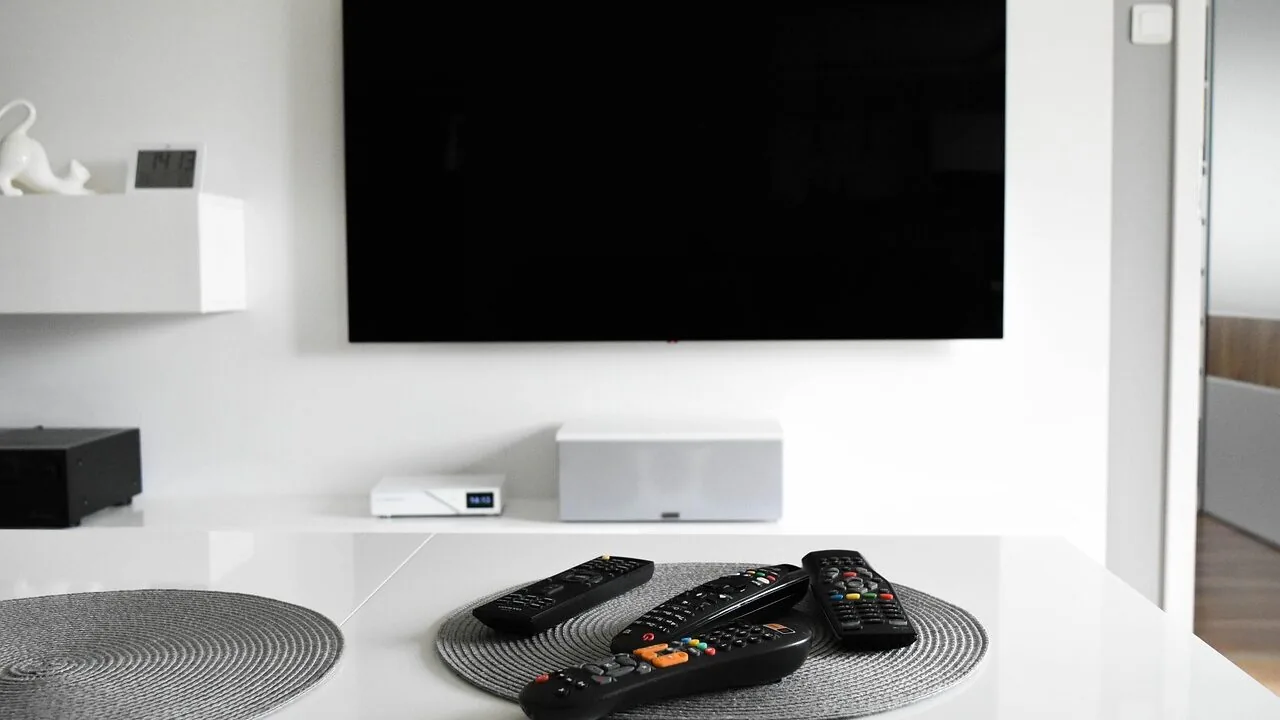
Stepping up to an 85-inch TV transforms any living room into a genuine home theater.
At this screen size, the difference between a good panel and a great one becomes immediately visible, whether you’re watching a blockbuster in HDR, streaming live sports, or diving into a gaming session that fills your entire field of view.
The market has matured considerably, with options spanning from value-oriented LED panels to flagship Mini LED QLED sets loaded with AI-driven picture processing, and prices have come down enough that a truly excellent 85-inch TV is now attainable for a wide range of budgets.
This guide cuts through the noise by combining manufacturer specifications, expert review consensus from across the industry, and verified buyer feedback to surface the models genuinely worth your money.
Whether you want the best picture quality money can buy, a solid performer at a moderate price, or the most capable gaming TV in this class, you’ll find a clear recommendation below.
Our top picks are listed right beneath this introduction.
| Award | Product | PF Score About PF ScoreThe PF Score is our own rating from 0 to 10, based on performance, design and build, ease of use, and value. It reflects independent research and is never influenced by manufacturers, retailers, or affiliate commissions. Learn more › | Price | |
|---|---|---|---|---|
| Best Overall |
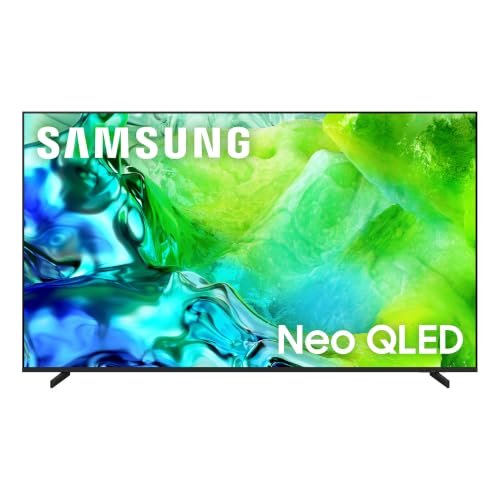 Samsung 85QN80H Neo QLED 144Hz Smart TV
|
9.3/10 | Buy | |
| Editor's Pick |
 Samsung 85-Inch Q8F QLED 4K Smart TV (2025)
|
8.6/10 | Buy | |
| Best Value |
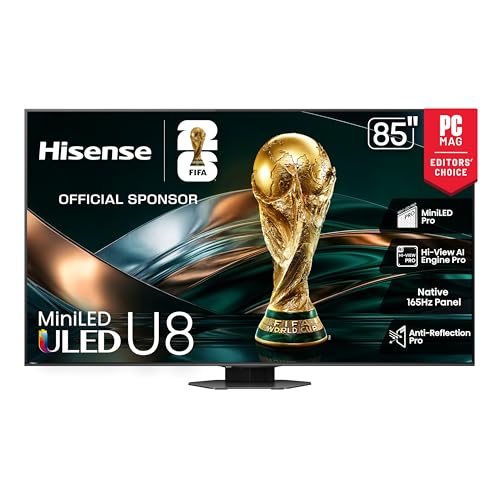 Hisense 85U8QG 85-Inch ULED Mini-LED 4K Smart TV
|
8.5/10 | Buy | |
| Top Rated |
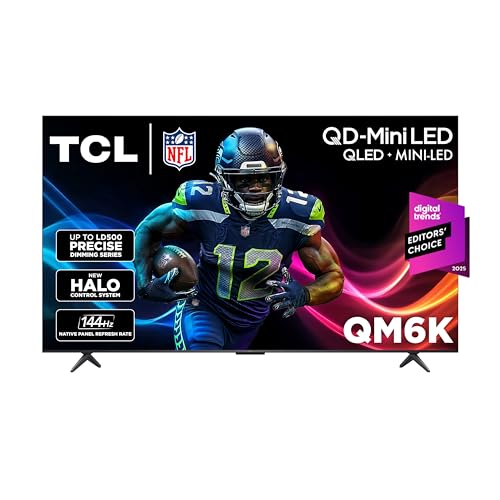 TCL 85QM6K Mini LED QLED 4K Smart TV
|
8.4/10 | Buy | |
 TCL 85T7 85-Inch 4K QLED 144Hz Google TV
|
8.3/10 | Buy | ||
 Sony BRAVIA 3 85-Inch 4K Smart TV
|
8.2/10 | Buy | ||
 Hisense 85E7SF 85-Inch Hi-QLED Mini-LED 4K Smart Fire TV
|
8.1/10 | Buy | ||
 LG 85QNED75BUA 85-Inch QNED Mini LED 4K Smart TV
|
8.0/10 | Buy | ||
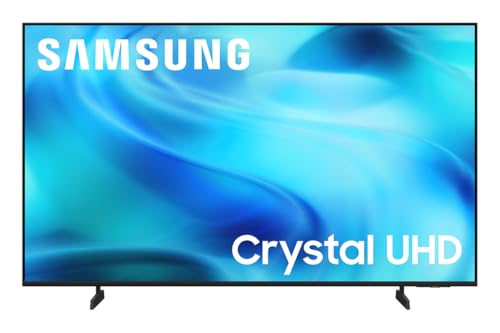 Samsung 85U8000H 85-Inch Crystal UHD Smart TV
|
7.6/10 | Buy | ||
 Insignia 85-inch F50 4K Fire TV
|
5.8/10 | Buy |
Samsung 85QN80H Neo QLED 144Hz Smart TV
Samsung's 85-inch flagship combines Quantum Mini LED backlighting with AI-powered upscaling and 144Hz motion handling, targeting cinephiles and gamers who want premium picture quality on a massive screen. The NQ4 AI Gen2 processor enhances content in real time, though the TV lacks user reviews to validate real-world performance.
Pros
- Quantum Mini LED Full Array delivers controlled brightness zones for deeper blacks and better shadow detail
- 144Hz refresh rate with VRR eliminates motion artifacts in fast-paced gaming and sports
- NQ4 AI Gen2 Processor handles real-time upscaling and color enhancement across multiple content types
- 85-inch form factor benefits from exclusive Supersize Picture Enhancer for reduced pixelation
- Integrated Alexa eliminates need for separate voice remote
Cons
- No verified buyer reviews available, making it difficult to assess real-world durability or picture quality consistency
- Premium positioning suggests significant price point without demonstrated value justification from user feedback
- 144Hz gaming focus may not appeal to mainstream TV buyers primarily watching broadcast and streaming content
Samsung 85-Inch Q8F QLED 4K Smart TV (2025)
Samsung's 85-inch Q8F combines quantum dot color precision with AI-enhanced upscaling to deliver vibrant 4K visuals across any content source. Built-in access to 2,700+ free channels and gaming features up to 4K 144Hz make it suitable for households seeking both entertainment breadth and performance without subscription barriers.
Pros
- Exceptional color accuracy and brightness consistency via Quantum Dot technology
- Extensive free content library reduces dependency on paid streaming subscriptions
- Competitive gaming performance with 4K 144Hz refresh rate support
- Sleek design aesthetic suited for wall mounting installations
- AI-driven content enhancement across standard and high-resolution sources
Cons
- No verified user reviews available to assess real-world reliability and durability
- Large 85-inch footprint and 89.7 lb weight demand significant space and installation planning
- Premium pricing typical of flagship QLED models may exceed budget-conscious buyers
Hisense 85U8QG 85-Inch ULED Mini-LED 4K Smart TV
A premium 85-inch gaming and sports TV that combines mini-LED backlighting with up to 5600 local dimming zones and native 165Hz refresh rate for competitive gaming. The Hi-View AI Engine automatically optimizes picture and sound, while Dolby Atmos audio and IMAX Enhanced certification deliver cinematic immersion for movies and broadcasts.
Pros
- Exceptional mini-LED implementation with extensive local dimming zones creates striking contrast and detail in both bright and dark scenes
- Native 165Hz panel with AMD FreeSync Premium Pro and ALLM makes it genuinely competitive for high-refresh gaming
- AI-driven picture and sound optimization adapts intelligently to different content types
- Comprehensive audio setup with Dolby Atmos and 4.1.2 channels provides immersive surround without external equipment
- Anti-Reflection Pro meaningfully reduces screen glare for daytime sports viewing
Cons
- No verified buyer reviews available yet, so real-world reliability and user satisfaction remain unconfirmed
- 85-inch size and 104.5-pound weight require substantial mounting space and installation planning
- Premium feature set targets specific use cases (gaming and sports), so casual viewers may not fully justify the cost
TCL 85QM6K Mini LED QLED 4K Smart TV
TCL's 85-inch QM6K combines Mini LED precision with Quantum Dot color technology for high-contrast picture quality suited to sports and gaming. The 144Hz native refresh rate and Dolby Vision support deliver smooth motion and vibrant HDR across major formats, though no verified buyer reviews are available yet to validate real-world performance.
Pros
- Mini LED plus Quantum Dot technology delivers superior contrast and color depth compared to standard QLED
- 144Hz native refresh rate minimizes motion blur for live sports and competitive gaming
- Halo Control System enhances shadow detail while maintaining crisp bright scenes
- Comprehensive HDR format support ensures compatibility with major streaming sources
- Integrated Google TV and voice control simplify content discovery and navigation
Cons
- No verified buyer reviews available to assess durability, reliability, or real-world picture quality consistency
- 85-inch size and 73.4-pound weight require substantial wall space and professional installation consideration
- Premium mini LED feature set positions this in a higher price tier than entry-level QLED alternatives
TCL 85T7 85-Inch 4K QLED 144Hz Google TV
TCL's flagship 85-inch QLED combines impressive specs including 4K resolution, 144Hz refresh rate, and Quantum Dot color technology for movies and gaming. Built-in Google TV, Dolby Atmos audio, and multiple HDR formats deliver a feature-rich entertainment experience, though real-world performance depends on content quality and room setup.
Pros
- 144Hz panel refresh rate eliminates motion blur for fast action and gaming
- QLED with near-complete DCI-P3 color gamut produces vibrant, detailed images
- Comprehensive HDR support including Dolby Vision, HDR10+, HDR10, and HLG
- TCL AIPQ Pro processor intelligently optimizes color, contrast, and clarity
- Built-in Google TV with Voice Control compatible with Alexa, Google Assistant, and HomeKit
- Bezel-less design with adjustable feet for flexible placement
Cons
- No user reviews available, so real-world reliability and ownership satisfaction remain unverified
- 85-inch size and 66.8-pound weight require significant wall space and careful installation
- Performance gains from 144Hz refresh rate primarily benefit gaming; standard TV content rarely exceeds 60Hz
Sony BRAVIA 3 85-Inch 4K Smart TV
Sony's 85-inch BRAVIA 3 delivers 4K picture quality with Triluminos Pro color technology and built-in Google Assistant for voice control. The TV integrates major streaming platforms and includes PlayStation 5 optimization, making it suitable for entertainment enthusiasts and gamers seeking a large-format display.
Pros
- Triluminos Pro technology provides vivid color accuracy and brightness
- Integrated Google Assistant simplifies content discovery through voice commands
- PlayStation 5 optimization features enhance gaming immersion
- Comprehensive streaming hub with major platforms pre-loaded
- Large 85-inch screen suitable for spacious living rooms
Cons
- No user reviews available to assess real-world performance and reliability
- 99.6-pound weight requires professional installation or significant setup effort
- Premium large-format pricing typical for this screen size and feature set
Hisense 85E7SF 85-Inch Hi-QLED Mini-LED 4K Smart Fire TV
Hisense's 85-inch E7 combines mini-LED backlighting with native 144Hz refresh for sharp motion in gaming and sports, backed by AI scene optimization and Dolby Vision HDR. Best suited for large living rooms where cinematic picture quality and fast-action performance matter more than budget constraints.
Pros
- Mini-LED backlighting with FALD delivers impressive contrast and shadow detail across the large 85-inch screen
- Native 144Hz refresh rate keeps fast motion fluid in gaming and live sports without interpolation artifacts
- Comprehensive HDR support (Dolby Vision IQ, HDR10+ Adaptive, HDR10, HLG) covers most premium content
- Scene-by-scene AI optimization removes manual picture tuning for movies, streams, and games
- MEMC motion enhancement reduces blur in action sequences without aggressive judder
Cons
- No verified customer reviews available to assess real-world reliability or user experience at this screen size
- Premium feature set and 85-inch size position it at a higher price point, limiting appeal to budget-conscious buyers
- Mini-LED with thousands of zones still cannot match true full-array local dimming of higher-end models for perfect black levels
LG 85QNED75BUA 85-Inch QNED Mini LED 4K Smart TV
LG's 85-inch QNED75B combines mini LED backlighting with the A7 AI processor to deliver enhanced color accuracy and upscaling across standard and streaming content. Built-in webOS, gaming features like AMD FreeSync Premium, and Filmmaker Mode appeal to cinephiles and casual viewers alike on a massive screen.
Pros
- Mini LED backlighting with QNED color technology delivers vibrant, lifelike picture quality
- A7 AI processor intelligently upscales content and improves audio performance
- Filmmaker Mode with ambient light technology for cinema-accurate viewing
- Comprehensive gaming features including FreeSync Premium, ALLM, and Game Dashboard
- Free access to 400+ LG Channels plus 10,000+ on-demand titles without subscription
Cons
- No verified user reviews available to assess real-world reliability and long-term performance
- 85-inch size requires significant wall space and viewing distance; not suitable for small rooms
- Premium pricing typical of flagship LG QNED models limits accessibility for budget-conscious buyers
Samsung 85U8000H 85-Inch Crystal UHD Smart TV
Samsung's 85-inch Crystal UHD delivers vibrant 4K picture quality through its Crystal Processor and Color Booster technology, while Motion Xcelerator keeps sports and gaming sharp. Built-in access to 2,700+ free streaming options via Samsung TV Plus means entertainment without subscription fees.
Pros
- Extensive free content library with Samsung TV Plus eliminates subscription dependency
- Color and motion processing features enhance both standard and premium content
- 4K upscaling technology improves viewing experience across varied source quality
- Large 85-inch screen ideal for spacious living rooms and home theaters
Cons
- No verified customer reviews available to assess real-world reliability and longevity
- Premium 85-inch size requires significant wall space and proper mounting considerations
- Price point as 2026 model may be premium tier relative to earlier Samsung generations
Insignia 85-inch F50 4K Fire TV
An 85-inch 4K Smart TV built around Amazon's Fire TV ecosystem, offering extensive streaming apps and smart home integration out of the box. Best suited for budget-conscious buyers prioritizing screen size and content access over premium picture performance.
Pros
- Massive screen real estate ideal for living rooms, sports bars, or commercial spaces
- Integrated Fire TV eliminates need for external streaming device; quick access to Prime Video, Netflix, Disney+, and others
- Smart home hub functionality simplifies control of compatible cameras, lights, and thermostats
- Multiple connectivity options: 3 HDMI ports, USB, optical audio, Ethernet, plus Wi-Fi
- DTS Studio Sound provides enhanced audio for a budget-tier TV
Cons
- No reviews on file to validate real-world performance, reliability, or picture quality consistency
- LED-backlit LCD typically offers narrower viewing angles and less contrast than QLED or OLED alternatives at higher price tiers
- No mention of refresh rate or motion handling specs, which matter for gaming or sports
85 Inch TVs Buying Guide
Choosing among today’s large-screen TVs means weighing several interconnected factors. Panel technology, brightness, refresh rate, and smart platform all interact to determine how a TV performs in your specific room and for your specific use cases.
The subsections below walk you through each major criterion so you can match a model’s strengths to what you actually need.
Panel Technology: LED, QLED, and Mini LED

Most 85-inch TVs fall into one of three broad panel categories. Standard LED LCD panels, like those in the Sony BRAVIA 3 and Samsung Crystal UHD line, use edge or direct backlighting and deliver solid everyday performance at more accessible prices.
They are reliable choices for well-lit rooms and mixed-use viewing, though they typically cannot match the contrast depth of more advanced designs.
QLED panels add a quantum dot layer over the LCD backlight to widen the color gamut and push brightness higher.
All else equal, a QLED panel reproduces a larger portion of the DCI-P3 color space, which translates to richer, more saturated images in HDR content.
Brands like Samsung, TCL, and Hisense each offer QLED options at varying price points, and the QLED TV category has expanded significantly at the 85-inch size.
Mini LED QLED takes this a step further by replacing a handful of large backlight zones with thousands of tiny LEDs, enabling much finer local dimming and dramatically improved contrast.
The Hisense U8 Series and Samsung Neo QLED QN80H both use Mini LED, and the performance gap over standard QLED is meaningful in dark-room viewing scenarios.
For buyers who prioritize deep blacks and cinematic contrast above all else, OLED remains the gold standard in flat panels, though 85-inch OLED options carry a significant price premium and are not represented in this particular roundup.
Mini LED QLED is the practical next-best thing at this screen size for most households.
Brightness and HDR Performance
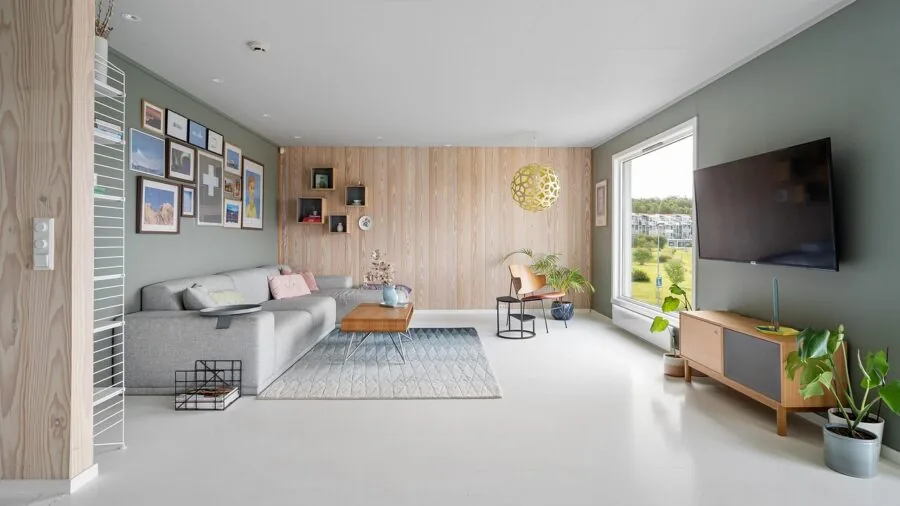
Peak brightness matters most in two situations: bright-room viewing, where ambient light washes out darker images, and HDR content, where specular highlights like sunlight reflections or stadium lights need to pop against surrounding shadow detail.
Entry-level 85-inch sets may achieve 400 to 600 nits of peak brightness, which is adequate for most rooms but will look dim on a sunny afternoon.
Mid-range QLED panels typically land in the 1,000 to 2,000 nit range, while the top Mini LED performers like the Hisense U8 Series push well past that threshold.
HDR format support also varies. HDR10 is the universal baseline and every TV on this list handles it.
Dolby Vision IQ adds dynamic scene-by-scene metadata and adjusts tone mapping based on your room’s ambient light, which is a meaningful real-world advantage. HDR10+ Adaptive offers a similar dynamic metadata approach for Samsung’s ecosystem.
If you watch a lot of streaming HDR content from Netflix, Disney+, or Apple TV+, prioritizing Dolby Vision support will pay consistent dividends.
Buyers focused on a refined, accurate HDR experience may also want to read our overview of 4K TVs across all sizes for additional context on HDR certification tiers.
Refresh Rate and Motion Handling
Native refresh rate is one of the most misunderstood specs in TV marketing.
A native 120 Hz panel redraws the image 120 times per second, which meaningfully reduces motion blur on fast sports footage and is the baseline required to take advantage of 120 fps gaming on PlayStation 5 or Xbox Series X.
Most mid-range and premium models in this roundup offer native 120 Hz, with some, like the Hisense U8 Series, advertising native 165 Hz for gaming use cases.
Budget sets like the Insignia F50 may operate at a native 60 Hz, which is less capable with fast motion.
Beyond native refresh rate, look for Variable Refresh Rate support (VRR) via HDMI 2.1, which eliminates screen tearing when frame rates fluctuate during gaming.
Auto Low Latency Mode (ALLM) is an equally useful companion feature, letting a connected console automatically switch the TV into its lowest-latency picture mode without manual menu diving.
Gamers investing in a large 85-inch display should treat HDMI 2.1 ports, VRR, and ALLM as near-mandatory requirements.
Smart TV Platform and Daily Usability
The smart platform shapes how you interact with the TV every single day. Google TV, found on the Sony BRAVIA 3 and Hisense models in this guide, aggregates content recommendations across apps and integrates natively with Google Assistant and Chromecast.
Fire TV OS, powering the Hisense E7 Cinema and Insignia F50, is tightly integrated with Amazon’s ecosystem, including Alexa voice control and Prime Video with X-Ray metadata.
Samsung’s Tizen, used across the Neo QLED and QLED lines here, is mature and fast, with excellent app coverage and Samsung’s own Vision AI features layered on top.
LG’s webOS, on the QNED75B, is widely praised for its clean interface and fast navigation.
Consider which ecosystem you already live in. If your household uses Google Home, Google TV feels seamless. Heavy Amazon Prime users will appreciate Fire TV’s deeper integration.
Samsung’s platform makes the most sense when paired with other Samsung devices or a Galaxy smartphone.
All four platforms support major streaming services, so there is no wrong answer, but a mismatch between your ecosystem and your TV’s platform will cause daily friction over years of ownership.
Connectivity: Ports, Gaming Inputs, and Audio Outputs

At the 85-inch tier you are likely connecting multiple devices simultaneously: a soundbar or AV receiver, one or more gaming consoles, a streaming stick or cable box, and perhaps a Blu-ray player.
Verify that any model you consider has at least two HDMI 2.1 ports (for full 4K 120 Hz bandwidth) and ideally an eARC port on one of them for lossless audio passthrough to a soundbar.
A USB port for local media playback and an optical digital audio output are useful secondary features.
Built-in audio quality on flat panels this large is better than on compact sets, but a dedicated soundbar or surround system still makes a dramatic difference.
TVs like the Hisense E7 Cinema and TCL QM6K include Dolby Atmos decoding and notable internal speaker configurations, which can serve as a temporary or budget-conscious alternative to external audio, but serious home theater setups will always benefit from a separate audio chain.
If you’re assembling a full entertainment zone, pairing your TV with purpose-built gear is worth planning from the start.
Room Placement and Viewing Distance
An 85-inch screen demands appropriate viewing distance to feel comfortable rather than overwhelming.
A commonly cited guideline for 4K content is a viewing distance of roughly 1.5 times the screen height, which places the ideal seating position for an 85-inch TV at around 5.5 to 7 feet.
Rooms with sofas pushed further back than 12 feet will still benefit from the larger image, since increased screen size compensates for greater distance and preserves the sense of immersion. Verify your room’s dimensions and furniture layout before committing.
Anti-reflective or matte screen coatings vary considerably across the models in this guide. The Samsung Neo QLED and Sony BRAVIA 3 both incorporate effective anti-reflective treatments that hold up in moderately bright rooms.
If your setup faces windows or strong overhead lighting, prioritizing a model with a high-quality matte coating and strong peak brightness will protect your viewing experience far more than chasing an extra hundred nits of spec-sheet performance.
Why You Should Trust Us
ProductFind is an independent review publication. We do not accept payment for placement, and no manufacturer or retailer has editorial influence over our rankings or scores.
Every product in this roundup was evaluated using a consistent multi-factor framework that examines manufacturer-published specifications, expert review consensus drawn from across the industry, and verified buyer feedback from confirmed purchasers.
We do not conduct our own product trials; our evaluations are grounded in research, published data, expert review consensus, and verified buyer feedback.
Each product receives a PF Score on a scale of 0 to 10. The score synthesizes picture quality benchmarks, feature completeness at the given price tier, build and software quality indicators, and the long-term reliability signal embedded in aggregated owner reviews.
Products are ranked by PF Score so the highest-rated option always appears first, regardless of price or brand. A model with a modest price and a high PF Score will outrank a more expensive model that underdelivers on its promises.
ProductFind may earn a commission when you purchase through a link in this article. That affiliate relationship has no bearing on rankings, scores, or which products are included.
Our incentive is to recommend the option that is genuinely best for you, because reader trust is the only thing that keeps this publication useful over the long term.
Final Thoughts
The 85-inch TV market in 2026 covers an impressive range of performance tiers, and the right pick depends on your room, your use case, and how much you want to spend.
After synthesizing specifications, expert review consensus, and verified buyer feedback across every model in this guide, a few clear standouts emerge.
If you want to explore how these sets stack up against smaller screens or alternative panel technologies, our coverage of 4K TVs across all screen sizes and our dedicated roundup of QLED panels offer useful broader context.
- Best Overall: Samsung 85-Inch Neo QLED QN80H earns the top PF Score in this roundup thanks to its Quantum Mini LED full-array backlight, Motion Xcelerator 144Hz, and Samsung Vision AI picture processing, a combination that delivers class-leading contrast and motion clarity for both cinematic and gaming use.
- Best Runner-Up: Samsung 85-Inch QLED Q8F offers Samsung’s AirSlim design and Vision AI at a more accessible price than the Neo QLED flagship, making it an excellent choice for buyers who want Samsung’s smart ecosystem and strong color volume without stepping to the top tier.
- Best for Bright Rooms and Gaming: Hisense 85-Inch U8 Series ULED Mini-LED stands out with exceptionally high peak brightness, a native high refresh rate, and wide VRR support, making it the strongest performer for sun-drenched rooms and competitive gaming setups in this group.
- Best Value QLED: TCL 85-Inch QM6K Mini LED QLED punches well above its price tier with Mini LED backlighting, 120 Hz to 144 Hz flexibility, and Onkyo-tuned audio, representing the strongest dollars-per-feature ratio among the QLED options here.
- Best Budget Pick: Insignia 85-Inch F50 Series LED 4K is the straightforward choice for buyers who need a large screen at the lowest possible outlay, with Fire TV built in and Alexa voice control covering the core streaming use case without any of the premium frills.
Frequently Asked Questions
What is the ideal room size for an 85-inch TV?
A room where your main seating is roughly 6 to 10 feet from the screen is the sweet spot for an 85-inch 4K panel.
At that range the pixel density of 4K resolution fills your field of view naturally without requiring you to scan across the screen.
Rooms with seating further than 12 feet can still benefit from the larger image, particularly for sports or ambient viewing. Rooms smaller than 12 by 14 feet may find an 85-inch set physically imposing, so measure carefully before purchasing.
Is Mini LED worth the extra cost over standard QLED at this size?
For most buyers who watch a significant amount of HDR content in a darkened or moderately lit room, yes.
Mini LED backlighting provides substantially better local dimming, which means stars stay bright against a truly dark sky and letterbox bars remain genuinely black rather than a murky gray.
In bright rooms the difference is less dramatic because ambient light already limits your perception of contrast.
If you primarily stream daytime sports in a sunlit room, a high-brightness standard QLED may serve you just as well at a lower price point.
Which smart TV platform is best for streaming?
All four platforms represented in this guide, Google TV, Fire TV, Samsung Tizen, and LG webOS, support every major streaming service including Netflix, Disney+, HBO Max, Apple TV+, and Amazon Prime Video.
The differences come down to ecosystem fit and interface philosophy. Google TV excels at cross-app content aggregation and works seamlessly with Chromecast devices. Fire TV integrates deepest with Amazon Prime and Alexa.
Tizen is fast and polished with strong Samsung device interoperability. webOS is consistently praised for its clean, low-clutter interface. Choose based on which ecosystem you already use, not solely on feature lists.
Do 85-inch TVs work well for gaming?
Absolutely, provided you choose a model with the right gaming-focused specs. For current-generation consoles and PC gaming at 4K 120 fps, you need HDMI 2.1 ports, native 120 Hz or higher refresh rate, VRR support, and ALLM.
The Hisense U8 Series and TCL QM6K and T7 models all meet these requirements and add low input lag figures that expert reviewers consistently flag as competitive.
Larger screens at close gaming distances can actually feel more immersive than a monitor setup, though input lag sensitivity may matter more at competitive play levels where a connected smart device ecosystem and low-latency peripherals complement the experience.
How do I know if my wall or TV stand can support an 85-inch TV?
An 85-inch TV typically weighs between 80 and 130 pounds depending on the model, and wall mounting requires locating studs and using a mount rated for the TV’s weight and VESA pattern.
Check the TV’s published VESA mounting hole pattern (usually 600 x 400 mm or 800 x 400 mm at this size) against any mount you’re considering.
For TV stands or consoles, verify the furniture’s rated weight capacity and ensure the stand depth accommodates the TV’s foot spread, since some 85-inch stands have widely spaced feet that require a console at least 70 inches wide.
LG and Samsung publish foot dimensions in their spec sheets.
Does the built-in audio on large TVs eliminate the need for a soundbar?
Larger TV cabinets do give manufacturers more room to fit speaker drivers, and models like the TCL QM6K with Onkyo audio tuning and the Hisense E7 Cinema with its multi-channel internal array are noticeably better than thin 55-inch panels.
That said, the physical constraints of a flat TV chassis still limit bass response and overall soundstage width. For casual streaming and daytime television the built-in audio on premium 85-inch sets is genuinely adequate.
For movie nights, sports events where crowd roar matters, or any dedicated home theater use, a soundbar or full surround system will make a transformative difference that no built-in speaker configuration can fully replicate.
About the author
Zoey is a reviewer and writer for ProductFind who specializes in TVs & Home Entertainment. Zoey evaluates products through independent research: specifications, expert review consensus, and verified buyer feedback, and rates each one on the PF Score. Zoey focuses on helping readers pick the right tvs & home entertainment for their needs and budget.