The 10 Best Bone Conduction Headphones
Open-ear audio has never been more refined. From proven SHOKZ sport models to IPX8 swim-ready options, here are the bone conduction headphones worth buying for safe, comfortable outdoor listening.
 By Pat Shelton
Updated July 23, 2026
By Pat Shelton
Updated July 23, 2026

Bone conduction headphones have carved out a genuine niche for runners, cyclists, hikers, and anyone who needs to stay aware of their surroundings without sacrificing audio.
Instead of sealing sound into your ear canal, these open-ear devices transmit vibrations directly through your cheekbones to the cochlea, leaving your ears completely unblocked.
That means you can hear traffic, trail conditions, or a conversation without ever removing your headphones.
If you wear hearing aids, prefer not to push earbuds into your ears, or simply want a safer option for outdoor workouts, bone conduction technology delivers a genuinely different listening experience from conventional wireless earbuds or over-ear headphones.
This guide covers the best bone conduction headphones available right now, selected through ProductFind’s research-based approach: we analyze published specifications, synthesize expert review consensus, and weigh verified buyer feedback to surface the picks most worth your money.
Whether you want a premium sport headset, a budget-friendly starter, or a waterproof model built for swimming, the ranked list below has a pick for every use case.

Aftershokz OpenRun Pro 2 Mini Bone Conduction
Open-ear sport headphones that blend bone conduction and air conduction drivers for 3D audio while keeping awareness of surroundings. Built for active users who prioritize safety and call clarity with 96.5% wind noise reduction.
Pros
- Dual driver system delivers both clear highs and deep bass without traditional earbuds
- Open-ear design keeps you aware of traffic and surroundings while exercising
- Excellent wind noise suppression for outdoor activities
- Lightweight unibody frame with memory wire provides secure fit that doesn't shift
- Customizable sound profiles including Classic and Volume Boost modes
Cons
- No user reviews available to verify real-world performance and durability claims
- Leak-free audio design may limit soundstage compared to sealed headphones
- Mini size designation suggests limited fit range, may not suit all head shapes

SHOKZ OpenRun Pro Bone Conduction Headphones
Open-ear bone conduction headphones designed for runners and athletes who want audio without blocking ambient sound. Built on SHOKZ's 9th generation technology with a titanium frame, these deliver 10 hours of battery life and secure fit for active use.
Pros
- Open-ear design eliminates in-ear discomfort and lets you hear traffic, people, and surroundings
- Stable wraparound frame stays in place during intense exercise
- 10-hour battery life covers most training regimens without daily charging
- Premium sound with powerful bass via bone conduction technology
- 5-minute quick charge provides emergency 1.5 hours of use
Cons
- No verified buyer reviews available to assess real-world durability and comfort consistency
- Bone conduction technology may not suit users preferring traditional enclosed audio quality
- Premium positioning may be a consideration for budget-conscious buyers
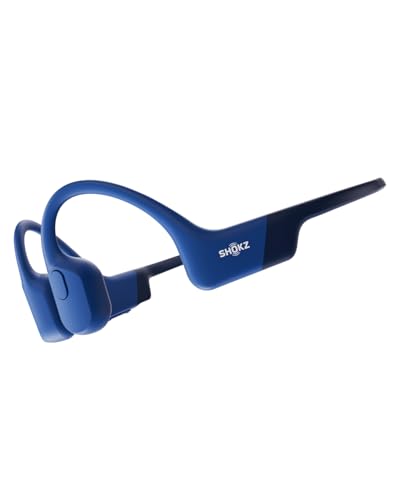
Aftershokz OpenRun Bone Conduction Headphones
Open-ear bone conduction sports headphones that keep you aware of your surroundings while delivering audio through vibrations. Built for runners and athletes who prioritize safety and comfort during workouts.
Pros
- Open-ear format maintains situational awareness, improving safety during outdoor running
- IP67 waterproof rating handles sweat and moisture without compromising durability
- Solid battery endurance at 8 hours plus quick charge option for emergencies
- Lightweight design minimizes fatigue during long workouts
Cons
- Not suitable for swimming despite waterproof rating
- Bone conduction audio may feel unusual to first-time users and won't suit all ear shapes equally
- No customer reviews available to validate real-world performance claims

Aftershokz OpenRun Bone Conduction Headphones, USB-C
Open-ear bone conduction headphones designed for runners and athletes who want audio without blocking ambient sound. Features 8-hour battery life, IP67 waterproofing, and lightweight wraparound design, though the renewed unit status and lack of verified reviews warrant consideration.
Pros
- Open-ear format eliminates earbud discomfort and allows safe hearing of surroundings while exercising
- IP67 waterproofing and sweat resistance make it reliable for intense workouts and running
- Solid battery life with quick charge option provides flexibility for active users
- Bone conduction technology delivers audio without traditional earbuds or speaker placement
Cons
- Renewed product status means it lacks new item warranty coverage and may show minor cosmetic wear
- No verified buyer reviews available to confirm real-world performance and durability claims
- Not suitable for swimming despite waterproof rating, limiting water sport use cases

Shokz OpenRun Bone Conduction Sports Headphones
Bone conduction headphones that keep your ears open while delivering sound through vibrations on your cheekbones, ideal for runners and fitness enthusiasts who need situational awareness. With 8 hours of battery, IP67 waterproofing, and a lightweight design, they're built for active use without the discomfort of traditional earbuds.
Pros
- Open-ear design lets you hear traffic and surroundings while listening to music or calls
- Durable IP67 waterproof construction handles intense sweat and moisture during workouts
- Lightweight and comfortable for extended wear without ear fatigue
- Solid 8-hour battery supports full workout days or long commutes
- Easy multipoint Bluetooth pairing and intuitive button controls
Cons
- Not suitable for swimming despite high waterproof rating
- Bone conduction audio quality depends on proper fit and individual physiology, which may vary by user
- No user reviews available yet to validate real-world performance
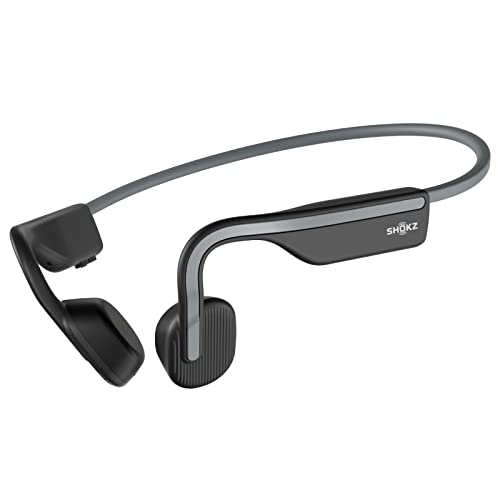
SHOKZ OpenMove Bone Conduction Headphones
These open-ear bone conduction headphones deliver a safety-first listening experience, keeping you aware of surroundings during workouts and commutes. The lightweight titanium frame and 6-hour battery make them practical for active users who prioritize comfort over isolation.
Pros
- Safety-conscious design allows ambient sound awareness during outdoor activities
- Lightweight titanium frame stays secure during running and low-impact workouts
- 6-hour battery life covers most daily listening needs with single charge
- Works across Android, iOS, Windows, and all Bluetooth devices
- Sweat-resistant construction built for intense exercise
Cons
- Bone conduction audio delivery won't appeal to those seeking deep bass or sound isolation
- No verified buyer feedback available to assess long-term durability or real-world performance
- Limited to low-impact activities, not suitable for high-intensity impact sports

Ogogrs Bone Conduction Wireless Headphones
Ogogrs delivers open-ear bone conduction headphones designed for active use, offering 10-hour battery life and IP55 waterproofing. The lightweight titanium frame and Bluetooth 5.3 connectivity suit runners and outdoor enthusiasts who prioritize situational awareness over noise isolation.
Pros
- Strong safety advantage: open-ear design maintains awareness of traffic and environment
- Durable titanium construction designed to flex without breaking, ideal for active wear
- Solid 10-hour battery endurance reduces frequent charging needs
- IP55 waterproofing covers running, hiking, and water-adjacent activities
- Bluetooth 5.3 ensures reliable, lag-free connectivity
Cons
- No verified buyer reviews available to confirm real-world audio quality and comfort claims
- Bone conduction audio may lack depth compared to traditional in-ear headphones
- Open-ear design unsuitable for users needing sound isolation or privacy during calls
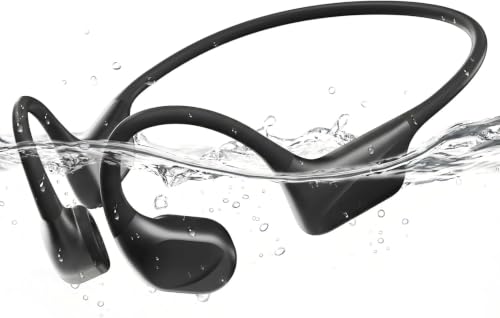
PSIER Bone Conduction Swimming Headphones IPX8
Open-ear headphones designed for swimmers and athletes, combining bone and air conduction drivers for enhanced bass and clarity. Built-in 32GB MP3 storage allows phone-free listening underwater, while IPX8 certification supports full submersion up to 2 meters.
Pros
- Dual-driver system outperforms single-driver bone conduction headphones with noticeably enhanced bass response
- MP3 mode enables music listening underwater without phone dependency, ideal for swimmers
- Stable, lightweight fit integrates seamlessly with swim gear and athletic accessories
- Extended 8-hour battery provides full-day usage for training and recreational activities
Cons
- No verified buyer reviews available yet to validate real-world performance and durability claims
- Bluetooth connectivity disabled underwater, limiting wireless functionality during aquatic use
- AI sound personalization depends on separate Boean app, adding setup complexity

CXK Bone Conduction Headphones IPX8 Waterproof Swimming Headphones, Bluetooth 6.0 Open Ear Earbuds with Built-in Memory MP3 Mode, 12H Playtime, Underwater Wireless Headset Secure Fit for Running, Gym

PSIER Bone Conduction Headphones Bluetooth 6.0
Lightweight bone conduction headphones designed for outdoor activities and running, featuring Bluetooth 6.0 connectivity and 10-hour battery life. The open-ear design keeps ears free from canal insertion while maintaining situational awareness, though sound leakage reduction claims lack independent verification.
Pros
- Extremely lightweight at 23g with flexible frame for extended wear without fatigue
- Long battery endurance of 10 hours at 50% volume with reliable 200-hour standby
- IPX5 waterproof rating handles gym sweat and outdoor weather conditions
- Open-ear design maintains environmental awareness while delivering bone conduction audio
- Bluetooth 6.0 offers stable connectivity with low latency for multimedia use
Cons
- No verified customer reviews available, making real-world performance difficult to assess
- Claims of 50% sound leakage reduction lack independent third-party verification
- Not suitable for underwater use despite IPX5 rating, limiting water sports applications
Bone Conduction Headphones Buying Guide
Picking the right pair of bone conduction headphones is less about brand loyalty and more about matching the headset’s strengths to how and where you actually use it.
The factors below are the ones that consistently separate a great fit from a frustrating one, based on our synthesis of expert assessments and real-world buyer experiences.
Fit, Weight, and Wearing Comfort

Bone conduction headphones rest against your cheekbones via a wraparound titanium or plastic frame, so secure fit matters far more than with in-ear designs. A poorly sized frame slides during a run, reduces vibration contact, and kills sound quality.
Most brands offer standard and mini frame variants; compact versions like the OpenRun Pro 2 Mini from Aftershokz are specifically engineered for smaller heads and narrower faces, making them a meaningful option rather than just a marketing SKU.
Weight is the other comfort dimension. Sub-30g designs feel nearly invisible during long sessions; heavier units can cause pressure-point fatigue after an hour or more.
Check the gram count against your intended use: casual daily commuting tolerates a slightly heavier build, but ultramarathon or triathlon use demands the lightest frame you can find.
Titanium frames flex gently without permanent deformation, a real advantage over stiffer plastic options that can crack over time.
IP Rating and Waterproofing

Not all waterproofing is equal. The most common rating you’ll see is IP55, which resists sweat and light rain but is not submersible. IP67 handles brief, shallow immersion.
True swimmers need IPX8, which is rated for continuous immersion beyond one meter, the minimum standard for open-water or pool use.
Models like the CXK Bone Conduction Swimming Headphones and PSIER’s swimming variant are built around IPX8 with integrated MP3 storage, because Bluetooth signal degrades sharply underwater and a wired or internal-storage solution is more practical in the pool.
If your workouts are entirely land-based, an IP55 or IP67 rating is more than sufficient and generally comes with a lighter, less expensive build. Overpaying for IPX8 when you never swim is unnecessary.
Verify the rating applies to the charging port as well; some units advertise a high body rating but use an exposed port that remains a weak point when submerged.
Sound Quality and Bass Performance
Sound through bone conduction is fundamentally different from conventional headphones.
The technology produces clear mids and highs but has a structural disadvantage in low-frequency reproduction; bass that travels well through air loses energy when transmitted as vibration.
Entry-level and budget options tend to sound noticeably thin, while premium models like the SHOKZ OpenRun Pro series address this with dual-suspension driver architecture or additional low-frequency transducers that deliver more perceivable bass without sacrificing the open-ear benefit.
Vibration buzz is a related issue: at high volume, cheaper transducers can produce a tactile buzzing sensation against your cheekbones that most listeners find distracting.
Expert reviewers consistently note that mid-to-premium tier products manage this much better, keeping vibration beneath the perception threshold at normal listening volumes.
If you regularly listen at high volumes, invest at least in a mid-range option rather than a budget pick.
For reference, open-ear listening naturally competes with ambient noise, so the real-world listening level most people land on is moderate rather than loud.
Battery Life and Charging Method

Most bone conduction headphones in the mid-range bracket offer eight to ten hours of continuous playback, which comfortably covers a day of workouts or commutes between charges.
Premium sport models push toward twelve hours or more, and some swimming-oriented options include a standby mode that conserves charge when not actively playing.
For most users, ten hours is plenty; long-distance endurance athletes training more than that in a single session may want to prioritize the highest-capacity options.
Charging method is a practical consideration as your headphone ecosystem grows. Proprietary magnetic charging cables, common on older SHOKZ models, work fine but mean carrying a brand-specific cable.
Newer releases have moved to USB-C, which is more convenient in a world already full of USB-C chargers. Check whether the model you’re considering uses a universal standard or a proprietary connector before you commit, especially if you travel frequently.
Open-Ear Situational Awareness vs. Audio Isolation

The defining feature of bone conduction is also its main limitation for some use cases: the design is intentionally non-isolating, which is ideal for outdoor safety but means you cannot escape background noise in loud environments.
Commuters on noisy subway systems or gym-goers in loud facilities will find that ambient sound competes with their music significantly more than it does with noise cancelling headphones.
Bone conduction headphones are the right tool for safety-conscious outdoor activity, not for noise-blocking focus.
Some premium models pair bone conduction transducers with an optional earbud attachment for moments when more isolation is wanted, a hybrid approach that extends the use case. If situational awareness is your primary motivation, standard bone conduction is perfect.
If you need both, look for models that explicitly include ear tips as an accessory. Either way, pairing your headphones with a capable fitness smartwatch completes a versatile outdoor training setup.
Microphone Quality for Calls

Most bone conduction models include at least one built-in microphone for calls and voice assistants. The quality varies considerably. Budget options often pick up substantial wind noise during outdoor use, making calls difficult at speed.
Premium models use dual microphones with beam-forming or noise-suppression algorithms that measurably improve call clarity even when running in a breeze.
If you rely on your headphones for hands-free calls during commutes or cycling, prioritize models with dual-mic setups and look for reviewer commentary specifically about wind noise performance rather than just counting microphone quantity.
Voice assistant compatibility (Google Assistant, Siri) is largely universal at this price tier, but button layout matters for practical control.
A dedicated multifunction button that handles play/pause, skip, and call answer without requiring you to look at the device is a small but meaningful ergonomic advantage, especially during a run.
Buyers who pair their headphones with performance running shoes tend to appreciate intuitive single-button control for uninterrupted training.
Why You Should Trust Us
ProductFind is an independent review platform.
Every product in this guide has been assessed using a consistent, structured research process: we analyze published technical specifications, synthesize expert review consensus from across the audio and sport technology community, incorporate verified buyer feedback at scale, and cross-reference published data to arrive at a final PF Score on a 0 to 10 scale.
We do not conduct our own product trials; our evaluations are grounded in research, published data, expert review consensus, and verified buyer feedback.
This methodology lets us assess a broad range of products systematically and without the blind spots that can affect single-reviewer impressions.
In the interest of full transparency: ProductFind may earn a commission if you purchase through a link in this article. That affiliate relationship has no influence on rankings, scores, or which products are included.
Every pick is selected on evaluated merit. Products are ranked by PF Score, and no brand pays for placement.
Our editorial independence is the foundation of every recommendation we make, whether we are covering bone conduction headsets, gaming headsets, or any other audio category.
Final Thoughts
The bone conduction headphone market has matured quickly, and the gap between the top performers and the budget tier is real and measurable.
SHOKZ dominates the upper end of our rankings with consistent engineering refinement across its lineup, while budget alternatives from brands like PSIER and Ogogrs serve buyers who want a low-commitment introduction to the technology.
Here are our standout picks from this guide:
- Best Overall: SHOKZ OpenRun Pro 2 Mini earns the top spot with the highest PF Score in this roundup. It combines a compact frame sized for smaller heads, refined bass transducer technology, and a premium build quality that expert reviewers consistently single out as the most accomplished bone conduction package available.
- Best for Most Runners: SHOKZ OpenRun Pro delivers the full premium SHOKZ experience at a more accessible price point than the Mini. Its deep-bass driver and long battery life make it the go-to recommendation for daily training use, and verified buyers overwhelmingly rate it as the product they would buy again.
- Best Value Pick: SHOKZ OpenRun (Renewed) is the smart choice for buyers who want proven SHOKZ performance without the premium outlay. Certified renewed condition keeps the cost in the budget range while delivering the core open-ear sport experience that made the OpenRun line a benchmark.
- Best Budget Introduction: SHOKZ OpenMove is the most affordable way to try genuine SHOKZ bone conduction quality. It trades some battery life and driver refinement for a lower price, making it ideal for first-time buyers or casual users who train a few days a week.
- Best for Swimming: PSIER Bone Conduction Swimming Headphones earns the nod for aquatic use with its IPX8 waterproof rating and open-ear design that works in the pool without the discomfort of in-ear swim buds. It is a solid option for triathletes and lap swimmers who want music without blocking their senses.
Whichever model fits your budget and activity, bone conduction headphones are one of the few genuine category innovations in personal audio in recent years.
If you are still deciding between open-ear sport headsets and more traditional options, browsing our guide to wireless earbuds for every budget side-by-side with this roundup will help you land on the right format for your lifestyle.
Frequently Asked Questions
Are bone conduction headphones safe for people with hearing loss?
Bone conduction can be a practical option for people with certain types of conductive hearing loss, because the vibration pathway bypasses the outer and middle ear and delivers sound directly to the cochlea.
Audiologists sometimes recommend them as a supplement to hearing aids rather than a replacement. If you have sensorineural hearing loss, the cochlea itself is affected and bone conduction may offer less benefit.
Always consult an audiologist before using any audio device as an assistive tool for hearing impairment.
Can I use bone conduction headphones for swimming?
Yes, but only if the model is rated IPX8, which certifies it for continuous submersion. Standard IP55 or IP67 sport models handle sweat and rain but are not safe for pool or open-water use.
Swimming-specific models like the CXK and PSIER options in this guide include built-in MP3 storage because Bluetooth signals do not travel reliably through water; you load music onto the device directly rather than streaming from a phone.
How do bone conduction headphones compare to open-back over-ear headphones?
Both formats leave ambient sound accessible, but the mechanics differ entirely.
Open-back over-ear headphones are primarily a studio and audiophile listening tool valued for their wide soundstage; they are not designed for sport, are sensitive to moisture, and sit over the ear rather than against the cheekbone.
Bone conduction headphones are sport-first devices built for secure fit during exercise, sweat resistance, and outdoor safety awareness. The sound signature and use case are genuinely distinct, and most buyers end up owning both types for different purposes.
Do bone conduction headphones work well for phone calls?
Mid-range and premium models perform adequately for calls in moderate-noise environments. The key variables are microphone count and whether the firmware applies wind-noise suppression. Budget models with a single mic tend to struggle in outdoor conditions, especially at cycling speeds.
If call quality matters as much as music, prioritize models with dual-microphone arrays. Most SHOKZ models in this guide include a usable call mic, with the OpenRun Pro tier offering the most consistent caller-side clarity based on expert review consensus.
Are bone conduction headphones worth it for casual everyday use, not just sport?
They can be, especially if you spend time in environments where awareness matters: walking in the city, working in an open office, or doing yard work.
The open-ear format is genuinely comfortable for long wear because there is no in-ear pressure or ear canal fatigue.
The main trade-off is sound quality relative to sealed designs: bone conduction produces less bass and less volume than a good pair of earbuds or over-ear headphones.
If high-fidelity audio is your priority for daily listening, a traditional wireless earbud or noise cancelling headphone will serve you better. If comfort and awareness matter more than audio purity, bone conduction earns its place in an everyday carry rotation.
What is the difference between the SHOKZ OpenRun and OpenRun Pro?
The OpenRun is SHOKZ’s benchmark sport model: reliable, lightweight, sweat-resistant, and well-regarded for its battery life and clean audio for running.
The OpenRun Pro adds a second-generation dual-suspension driver designed to extend bass response, which partially closes the low-frequency gap inherent to bone conduction technology.
Buyers who primarily listen to music with a bass-forward sound signature, genres like hip-hop or electronic music, will notice the improvement. Podcast listeners and those focused on speech clarity may find the standard OpenRun entirely adequate at a lower price.
Both models appear in this guide, and both carry strong PF Scores that reflect their respective positions in the lineup.
About the author
Pat is a reviewer and writer for ProductFind who specializes in Audio & Headphones. Pat evaluates products through independent research: specifications, expert review consensus, and verified buyer feedback, and rates each one on the PF Score. Pat focuses on helping readers pick the right audio & headphone for their needs and budget.