The 9 Best Camping Hammocks
Comfort, packability, and bug protection matter most in a camping hammock. Here are nine well-researched picks spanning ultralight backpacking rigs to full hammock tent systems.
 By Vernon Jackson
Updated July 23, 2026
By Vernon Jackson
Updated July 23, 2026

A camping hammock can completely change how you experience the outdoors.
Instead of hunting for flat ground, clearing rocks, and wrestling with tent poles after a long day on the trail, you clip two straps around a pair of trees and you are off the ground in under three minutes.
Whether you are a weekend car camper, a serious backpacker counting every ounce, or someone who just wants a comfortable hang in the backyard, the right hammock makes an enormous difference in comfort, sleep quality, and how much you actually enjoy your time outside.
The problem is that the market is flooded with options ranging from budget-friendly nylon slings to full-featured hammock tents with integrated bug nets and rain tarps. Sorting through them takes real research.
Our team at ProductFind analyzed specifications, synthesized expert review consensus across the hammock community, and combed through verified buyer feedback to narrow the field down to nine standout picks spanning a wide range of budgets, use cases, and feature sets.
From ultralight backpacking rigs to family-friendly double hammocks, our picks below cover the full spectrum of what a great camping hammock can be.
| Award | Product | PF Score About PF ScoreThe PF Score is our own rating from 0 to 10, based on performance, design and build, ease of use, and value. It reflects independent research and is never influenced by manufacturers, retailers, or affiliate commissions. Learn more › | Price | |
|---|---|---|---|---|
| Best Overall |
 Onewind 11ft Ultralight Camping Hammock with Bugnet
|
8.7/10 | Buy | |
| Editor's Pick |
 Travel Bird 2-Person Camping Hammock with Mosquito Net
|
7.5/10 | Buy | |
| Best Value |
 G4Free 2-Person Camping Hammock with Mosquito Net
|
7.4/10 | Buy | |
| Top Rated |
 ANDVANA Camping Hammock with Mosquito Net, 500 lbs
|
7.3/10 | Buy | |
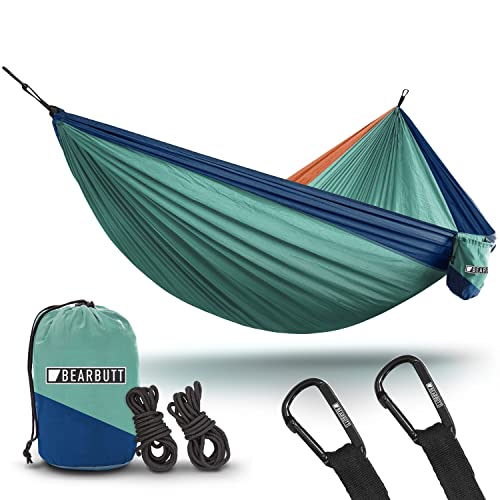 Bear Butt Double Hammock, 10ft
|
7.2/10 | Buy | ||
 Qevooon Double Hammock with Mosquito Net
|
7.1/10 | Buy | ||
 Naturefun 275x140cm Travel Hammock, 300kg Capacity
|
6.9/10 | Buy | ||
 Covacure Camping Hammock 772lbs Capacity
|
6.8/10 | Buy | ||
 Sewanta 400 lb Nylon Camping Hammock with Tree Straps
|
6.2/10 | Buy |
Onewind 11ft Ultralight Camping Hammock with Bugnet
A complete hammock sleep system weighing just 2.1 lbs, featuring integrated mosquito netting, adjustable ridgeline, and premium 40D ripstop nylon construction rated for 500 lbs. Designed for backpackers and campers prioritizing comfort and portability with minimal weight penalty.
Pros
- Spacious 11' x 64" design allows diagonal sleeping vs curved banana-style position
- Integrated bugnet with full 2-way zipper, roll to side when not needed
- Complete hammock system included with tree straps, shock cords, stakes, and double-sided stuff sack
- Premium 40D ripstop nylon is more durable than standard parachute material
- Adjustable ridgeline lets you customize sag and angle for personal comfort
Cons
- No verified buyer reviews available to validate real-world durability and comfort claims
- Integrated bugnet adds complexity compared to standalone hammocks, potential failure point for the zipper mechanism
- Adjustable ridgeline requires learning proper setup for optimal support and lay angle
Travel Bird 2-Person Camping Hammock with Mosquito Net
A versatile 3-in-1 hammock system that functions as a suspended hammock, ground tent, or traditional hanging setup, all weighing just 1.2kg. The built-in mosquito net with 48 holes per inch and UV-blocking silver coating make it practical for extended outdoor use, though it lacks verified buyer reviews to confirm real-world durability.
Pros
- 3-in-1 design covers hammock, ground tent, and traditional hanging configurations for camping flexibility
- High weight capacity of 440 pounds supports 2 adults comfortably
- Comprehensive kit includes aluminum support poles, tree straps, carabiners, and storage bag for immediate setup
- Dense mosquito netting (48 holes per inch) and waterproof fabric with UV protection blocks sun and insects
- Lightweight at 1.2kg total weight makes it practical for backpacking and hiking
Cons
- No verified buyer reviews despite 4.9 rating, making real-world performance and durability claims unconfirmed
- Aluminum support poles add setup complexity compared to simpler rope-only hammocks and may require careful handling
- Specifications list contains unclear data (binding listed as 'Kitchen' for outdoor gear), raising questions about product documentation accuracy
G4Free 2-Person Camping Hammock with Mosquito Net
This pop-up hammock combines integrated mosquito netting with dual sun shades for protected outdoor lounging, rated 4.6 stars. It converts between bug-netted and standard tree hammock modes, supports up to 440 lbs, and suits casual camping, hiking, and backyard use.
Pros
- All-in-one design eliminates need for separate mosquito net or rain fly for basic setup
- Smooth zipper mechanism and thoughtful layout for easy conversion between two hammock styles
- High weight capacity and tear-resistant parachute material for durability
- Includes quality hardware (tree straps, carabiner clips) so buyers don't need additional gear
Cons
- No customer reviews available to verify real-world durability and comfort claims
- Pop-up design adds bulk and weight (2 lbs) compared to traditional minimalist tree hammocks
- Dual shades may limit ventilation or airflow in hot climates despite mosquito protection
ANDVANA Camping Hammock with Mosquito Net, 500 lbs
A 2-in-1 hammock tent with integrated mosquito netting designed for backpacking, beach trips, and backyard lounging. Weighs just 2.2 lbs with tool-free setup, making it practical for travelers who prioritize lightweight gear and quick deployment.
Pros
- Integrated mosquito net eliminates need for separate bug protection gear
- Lightweight and packable makes it genuinely portable for backpacking trips
- No tools required for setup, with all necessary hardware included
- High weight capacity (500 lbs) accommodates multiple users or family use
- Durable nylon/polyester fabric resists tears, abrasion, and moisture
Cons
- No verified buyer reviews available to assess real-world durability and comfort
- Mesh breathability claims (380-hole/sq.in) lack independent confirmation
- Setup still requires suitable trees or stands within 20 feet of each other
Bear Butt Double Hammock, 10ft
A lightweight two-person hammock designed for quick setup and packability, weighing just 1.5 lbs with a 500 lb weight capacity. Comes with straps and carrying bag, making it accessible for casual campers and backpackers on a budget.
Pros
- Spacious dimensions allow comfortable fit for two adults
- Complete kit includes everything needed to hang and use
- Lightweight design makes it practical for backpacking trips
- High weight capacity suitable for larger users
Cons
- No verified buyer reviews available to assess real-world durability and comfort claims
- Color options limited to single tri-color combination
- Fabric and stitching quality cannot be independently verified
Qevooon Double Hammock with Mosquito Net
A two-person camping hammock featuring an integrated mosquito net and included tree straps, designed for portability and quick setup. Best for travelers and outdoor enthusiasts seeking bug protection and compact gear.
Pros
- Integrated mosquito net eliminates need for separate protection
- Comes with straps and hardware, ready to hang out of the box
- Lightweight and portable for backpacking and travel
- Large sleeping area suitable for two people or solo use with extra space
Cons
- No verified buyer reviews available to assess real-world durability and comfort claims
- Maximum weight capacity not specified in product data
- Specifications list shows inconsistent categorization that may indicate data quality issues
Naturefun 275x140cm Travel Hammock, 300kg Capacity
A lightweight parachute nylon hammock weighing just 580g with military-grade construction and 300kg load capacity, designed for backpackers and campers who need quick setup without sacrificing durability. Comes with carabiners and tree straps, machine washable, and suitable for both outdoor and indoor use.
Pros
- Exceptional strength-to-weight ratio with certified 300kg capacity and triple-stitched construction
- Complete setup package included: carabiners, straps, and attached storage bag eliminate accessory shopping
- No-knot looped strap system allows setup in seconds without complex rigging
- Generous 275x140cm dimensions accommodate diagonal laying for ergonomic comfort
- Dual-purpose design works indoors or outdoors with low maintenance requirements
Cons
- No verified customer reviews available to assess real-world durability and long-term performance
- Limited color option (navy blue only) compared to typical competitor offerings
- Relatively narrow weight specification data (1.28 pounds listed) makes actual packed dimensions hard to verify independently
Covacure Camping Hammock 772lbs Capacity
A lightweight double hammock designed for camping and backpacking, made from tear-resistant parachute nylon with integrated mosquito netting. Supports up to 772 lbs and weighs under 2 pounds, making it portable for outdoor adventures and indoor use.
Pros
- High weight capacity (772 lbs) accommodates singles or two adults comfortably
- Integrated bug net eliminates need for separate purchase and setup hassle
- Ultra-lightweight design at under 2 pounds makes it ideal for backpacking and hiking
- Durable materials are tear-resistant and quick-drying for reliability
- Compact packed size with included stuff sack simplifies travel
Cons
- No verified buyer reviews available to assess real-world durability and comfort feedback
- Size specification inconsistency in product data (listed as both 9.5x4.6 inches and 114x55.2 inches) creates confusion
- Setup involves multiple components (pegs, straps, net) which may complicate initial assembly despite claimed ease
Sewanta 400 lb Nylon Camping Hammock with Tree Straps
A lightweight, portable hammock available in single (400 lb) or double (500 lb) capacity, designed for quick setup with included tree straps and carabiners. Best suited for casual campers and backpackers seeking a compact sleeping alternative.
Pros
- Substantial weight capacity suitable for heavier users
- All necessary hardware included for immediate use
- Folds compactly with integrated carry bag for travel
- Five adjustable loops allow seat height customization
Cons
- No verified customer reviews available to confirm real-world durability claims
- Requires trees or sturdy anchor points; not suitable for all environments
- Manufacturer recommends strength testing before use, indicating potential reliability concerns
Camping Hammocks Buying Guide
Choosing the right camping hammock is more nuanced than it looks. The size, fabric, suspension system, and added features all interact in ways that affect comfort and packability in the field.
Whether you are pairing your hammock with a backpacking tent as a backup shelter option or going full hammock-only camping, the criteria below will help you make a confident, informed decision.
Weight and Packability
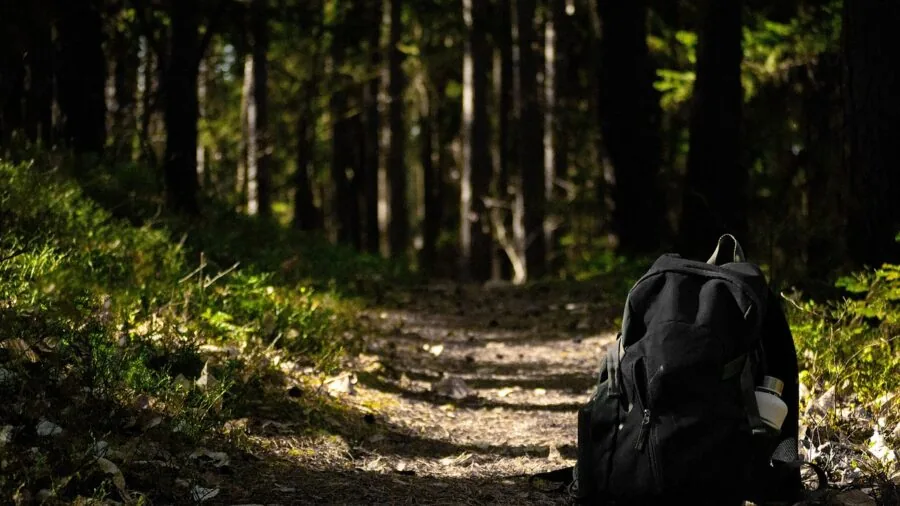
If you are carrying your hammock into the backcountry, weight is one of the most important variables you will evaluate.
Ultralight hammocks in the 12 to 20 oz range pack down to roughly the size of a softball and disappear into a side pocket of your pack.
Models at this end of the spectrum use thin-ripstop nylon or polyester fabrics that are strong without being heavy. The trade-off is often a narrower body width, which can feel restrictive for taller or broader campers.
Car campers and backyard users can afford to prioritize comfort and features over weight. Heavier hammocks with thicker fabric, integrated nets, and extra-wide dimensions are perfectly reasonable when you are not counting grams.
Pay attention to the stuffed pack size as well: a hammock that compresses tightly and comes with a built-in stuff sack or carry bag is far more practical than one that requires separate storage.
Many of our picks strike a middle ground, offering decent weight savings while not sacrificing the features that make a hammock genuinely comfortable.
The Onewind 11ft model, for instance, leans strongly toward the ultralight backpacking end of the spectrum without giving up its integrated mosquito net, which is a meaningful bonus.
Hammock Size and Weight Capacity
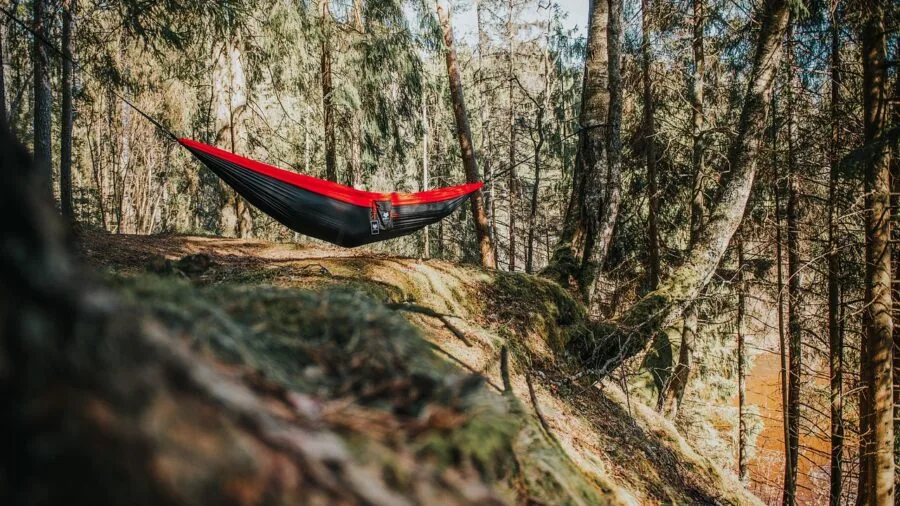
Hammocks are generally sold as single or double configurations. A single hammock is narrower and lighter, suited for one person who sleeps diagonally (the recommended technique for a flatter lay).
A double hammock is wider, typically around 55 to 60 inches across, and can technically hold two people, though it is most comfortable as a roomy solo setup or a casual lounge for two who do not mind being close.
Weight capacity ratings are worth scrutinizing carefully. Manufacturers typically publish maximum static load figures, which do not account for the dynamic forces introduced by swinging, shifting weight, or climbing in and out.
As a practical rule, look for a hammock rated to significantly more than your body weight, ideally with at least a 2:1 safety margin.
Several picks in our lineup are rated at 400 lbs or more, which provides meaningful reassurance for a wide range of users.
Length also matters for sleeping comfort. Hammocks shorter than 9 feet can feel cramped for anyone taller than about 5’8″.
A length of 10 to 11 feet is the sweet spot for most adults, allowing you to achieve the diagonal lay that reduces banana-like curvature and keeps your spine more neutral through the night.
Fabric Type and Breathability
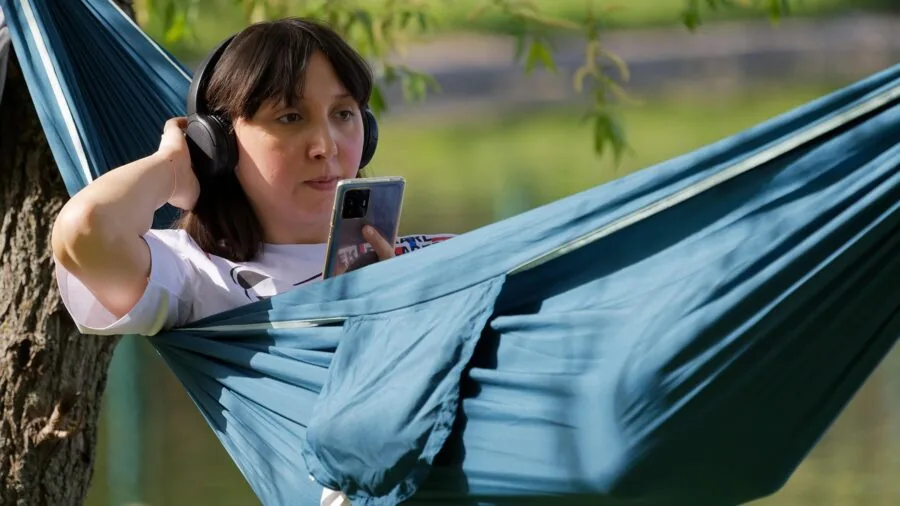
The vast majority of camping hammocks use parachute-style nylon, a lightweight and quick-drying fabric that has become the industry standard for good reason.
It is breathable enough for warm weather, strong enough to handle years of use, and packs down efficiently.
The downside is that thin nylon can feel cool in lower temperatures and may not be as durable as heavier options when used frequently on abrasive surfaces like sandy beaches or rocky ledges.
Some hammocks use polyester, which resists UV degradation better than nylon and can be a better choice for sun-exposed backyard setups or beach use.
Polyester is typically slightly heavier for equivalent strength, but the UV resistance is a meaningful advantage if your hammock will be left outdoors for extended periods.
Breathability matters more than most first-time buyers expect. In warm and humid conditions, a tightly woven fabric that traps heat against your back can make sleeping uncomfortable. Look for open-weave or diamond-ripstop fabrics if you camp regularly in warm climates.
For cold-weather hammock camping, an underquilt paired with any of our recommended models will address the cold-back problem far more effectively than relying on fabric alone.
Suspension System and Setup Time
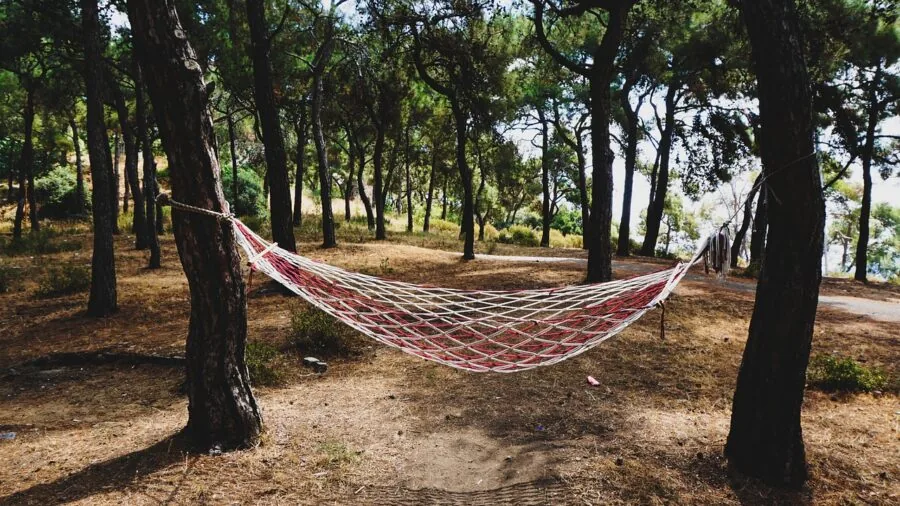
The suspension system includes the straps, carabiners, and any additional hardware that connects your hammock to anchor points.
Tree straps are the most common and most tree-friendly option: they distribute load across a wider bark surface area, reducing damage to the tree.
Look for straps that are at least one inch wide, and wider is better for popular or sensitive camping areas where Leave No Trace principles are important.
Carabiner quality varies enormously between hammocks at different price points. Bargain hammocks often include lightweight aluminum carabiners with modest ratings. Higher-end models include steel or heavy-duty aluminum carabiners with much higher working load limits.
If you are using a budget hammock and plan to use it hard, replacing the included carabiners with rated climbing hardware is a worthwhile upgrade costing only a few dollars.
Setup time is often a deciding factor for campers who arrive at a site after dark or in bad weather. The best suspensions in our lineup clip together in seconds and allow easy height adjustment without having to re-tie knots.
Several of our picks include daisy-chain strap loops or similar systems that let you fine-tune your hang angle quickly.
Just as you would look for a tent that goes up fast in a downpour, prioritize suspension simplicity if you camp in variable conditions.
Bug Net and Weather Protection
An integrated mosquito net is one of the most valuable features a camping hammock can include, particularly for humid, lowland, or lakeside environments where insects are a genuine problem.
The best integrated nets zip closed fully around the hammock body, are made from fine no-see-um mesh, and do not sag into your face during the night.
Several picks in our lineup include solid integrated nets, making them genuinely all-in-one sleep systems for three-season use.
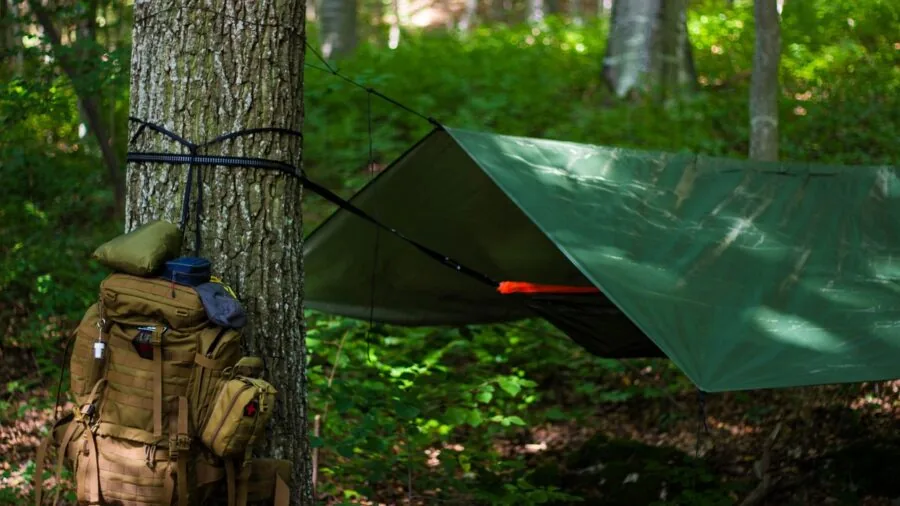
Rain protection is typically handled by a separate tarp or rainfly suspended on a ridgeline above the hammock. Very few camping hammocks include an integrated rainfly as part of the package, though some hammock tent hybrid designs do.
If you camp in areas with unpredictable weather, plan for a tarp as part of your overall system. A tarp adds weight and complexity but dramatically expands the conditions you can comfortably sleep in.
The Travel Bird model in our lineup goes further than most by functioning as a proper hammock tent with sunshade coverage, making it an appealing choice for campers who want weather versatility baked into a single purchase.
For pure backpacking trips in dry climates, a hammock without a net or tarp may be sufficient, but most campers find the added protection worth carrying.
Value and Longevity

The camping hammock market spans a remarkable price range. Budget picks from brands like NATUREFUN, SEWANTA, and Covacure sit at the accessible end and offer genuine utility for casual campers who do not need premium features.
Mid-range hammocks from brands like Bear Butt and G4Free hit a strong value sweet spot, delivering solid construction and useful extras without a high price tag.
The Onewind sits at the top of our lineup in both PF Score and price, reflecting the premium build quality and thoughtful design that serious backpackers are willing to pay for.
Longevity comes down to seam quality, fabric weight, and how well the suspension hardware holds up over hundreds of hang cycles. Triple-stitched seams at the end channels where load concentrates are a meaningful indicator of build quality.
Verified buyer reviews consistently flag seam failures and carabiner deformation as the most common failure points in budget hammocks after extended use.
Spending a bit more upfront on a hammock with reinforced stitching and solid hardware is almost always the better long-term investment for anyone who camps more than a few times per season.
Why You Should Trust Us
ProductFind is an independent review publication. We do not accept payment, free products, or other compensation from manufacturers to feature or rank their products. Every pick in this guide was selected based on merit alone.
Each product in our lineup was assessed using our structured PF Score system, rated on a scale of 0 to 10.
Scores are assigned by evaluating specifications, materials, weight, feature sets, suspension quality, and reported real-world performance across a consistent set of criteria relevant to the camping hammock category specifically.
We do not conduct our own product trials; our evaluations are grounded in research, published data, expert review consensus, and verified buyer feedback.
Our research draws on publicly available manufacturer data, independent gear reviews from the broader outdoor community, and aggregated verified purchase feedback from buyers who have used these hammocks in real conditions across diverse environments.
When expert consensus and buyer feedback diverge, we note the discrepancy rather than ignore it.
ProductFind may earn a commission if you purchase through links on this page. That affiliate relationship has no influence whatsoever on our rankings, scores, or recommendations. Our picks are determined by quality of evaluation, not by commission rates.
We are a reader-supported publication, and our independence is the foundation of everything we publish.
Final Thoughts
After analyzing the full field of camping hammocks across our nine picks, a few standout choices deserve special mention based on their PF Scores, design strengths, and the specific needs they serve best.
Whether you are a gram-counting backpacker or a first-time buyer looking for a reliable budget option, there is a right hammock in this lineup for you.
For campers who also need a quality sleep shelter on the ground, our coverage of family tents is worth a look as a complement to your hammock setup.
- Best Overall: Onewind 11ft Ultralight Camping Hammock with Mosquito Net and Ridgeline earns the top PF Score in this roundup thanks to its ultralight build, included integrated mosquito net, and ridgeline, features that competitors at this price tier rarely bundle together this thoughtfully.
- Best Hammock Tent System: Travel Bird Camping Hammock Tent with Mosquito Net and Sunshade stands out as the most versatile all-in-one shelter option in the group, offering bug protection, sun coverage, and a bivvy ground tent mode in a single package.
- Best for Casual Campers Who Want Bug Protection: G4Free Large Camping Hammock with Mosquito Net delivers an extra-large, two-person-capable hammock with an integrated net at a mid-range price, making it one of the most practical all-around picks for weekend camping.
- Best Budget Pick: Covacure Camping Hammock is the most affordable entry point in the lineup that still clears meaningful weight capacity and packability thresholds, a solid first hammock for budget-conscious buyers.
- Best for Colorful Double Hammock Fun: Bear Butt Double Hammock consistently earns strong buyer satisfaction for its wide double-layer design and lively colorway options, delivering reliable everyday comfort at a price that undercuts many comparable alternatives.
No single hammock is the right answer for every camper. Your ideal pick depends on how far you carry it, how warm your nights are, whether insects are a concern, and how much you want to spend.
Use the buying guide criteria above alongside the PF Scores to zero in on the model that fits your specific situation.
And if you ever end up camping in a spot where trees are scarce, having a solid tent option in your kit alongside your hammock is always smart trip planning.
Frequently Asked Questions
What length camping hammock do I need?
For most adults, a hammock between 10 and 11 feet long provides the best sleeping experience. This length gives you enough diagonal room to lie at an angle, which flattens the natural curve and keeps your back more neutral overnight.
Campers shorter than 5’6″ can get away with a 9-foot hammock comfortably, but taller campers should prioritize length above most other specs.
Do I need a mosquito net with my camping hammock?
It depends heavily on where and when you camp. In alpine environments above treeline or in dry western climates during late season, insects may be minimal and a net adds unnecessary weight and cost.
In humid lowland forests, near lakes or rivers, or anywhere during peak bug season, a no-see-um mesh net is not optional; it is essential for sleep quality.
Several of our picks include integrated nets, which is almost always more convenient and more packable than a separate aftermarket option.
How do I stay warm sleeping in a hammock?
Cold air circulates beneath a suspended hammock, chilling your back far faster than ground sleeping would. The solution is an underquilt, a piece of insulation that hangs beneath the hammock body and wraps around the bottom.
This is far more effective than a sleeping pad, which compresses under your weight and loses most of its insulating value. A top quilt or sleeping bag covers the rest.
With a proper underquilt and top insulation system, camping hammocks are viable three-season shelters and, with the right gear, can extend into cold-weather use.
Are camping hammocks safe for trees?
They can be, provided you use wide tree straps rather than narrow cord or rope.
Straps at least one inch wide spread the load over more bark surface area and cause far less damage than narrow lines that can girdle a tree over time.
Most quality hammock suspension kits now include straps at least this wide. Additionally, the Leave No Trace guidelines recommend hanging from trees at least 8 inches in diameter and choosing dead-free, healthy specimens.
Following these practices makes hammock camping a genuinely low-impact way to sleep outside.
Can I use a camping hammock as my only shelter?
Many experienced backpackers do exactly this, pairing a hammock with a ridgeline tarp for rain protection and relying on an underquilt and bug net for the other environmental challenges.
The system works well in forests where suitable anchor trees are reliably available. In open terrain, alpine zones, or desert camping where trees are sparse, a hammock-only approach is impractical.
Many hikers carry a hammock as their primary shelter on forested trails and keep a lightweight backpacking tent in reserve for treeless nights or exposed conditions.
Planning your shelter strategy around the specific terrain you will encounter is always the smarter approach.
What is the best way to hang a camping hammock for comfort?
The 30-degree hang angle is the most widely recommended guideline among experienced hammock campers.
When your straps form roughly a 30-degree angle from horizontal at each anchor point, the hammock body hangs with enough sag to allow a comfortable diagonal lay without sitting so deep that getting in and out becomes awkward.
Most camping hammocks perform best when the ridge sits about 18 inches above where you want to sit.
Experimenting with your specific hammock body length and strap attachment height in the backyard before your first overnight will save a lot of frustration on the trail.
About the author
Vernon is a reviewer and writer for ProductFind who specializes in Camping & Hiking. Vernon evaluates products through independent research: specifications, expert review consensus, and verified buyer feedback, and rates each one on the PF Score. Vernon focuses on helping readers pick the right camping & hiking for their needs and budget.