The 8 Best Pastry Boards
From marble slabs to bamboo reversibles, the right pastry board makes rolling, kneading, and shaping dough easier. Our research covers top picks across every material and budget.
 By Tammy Stevens
Updated July 23, 2026
By Tammy Stevens
Updated July 23, 2026
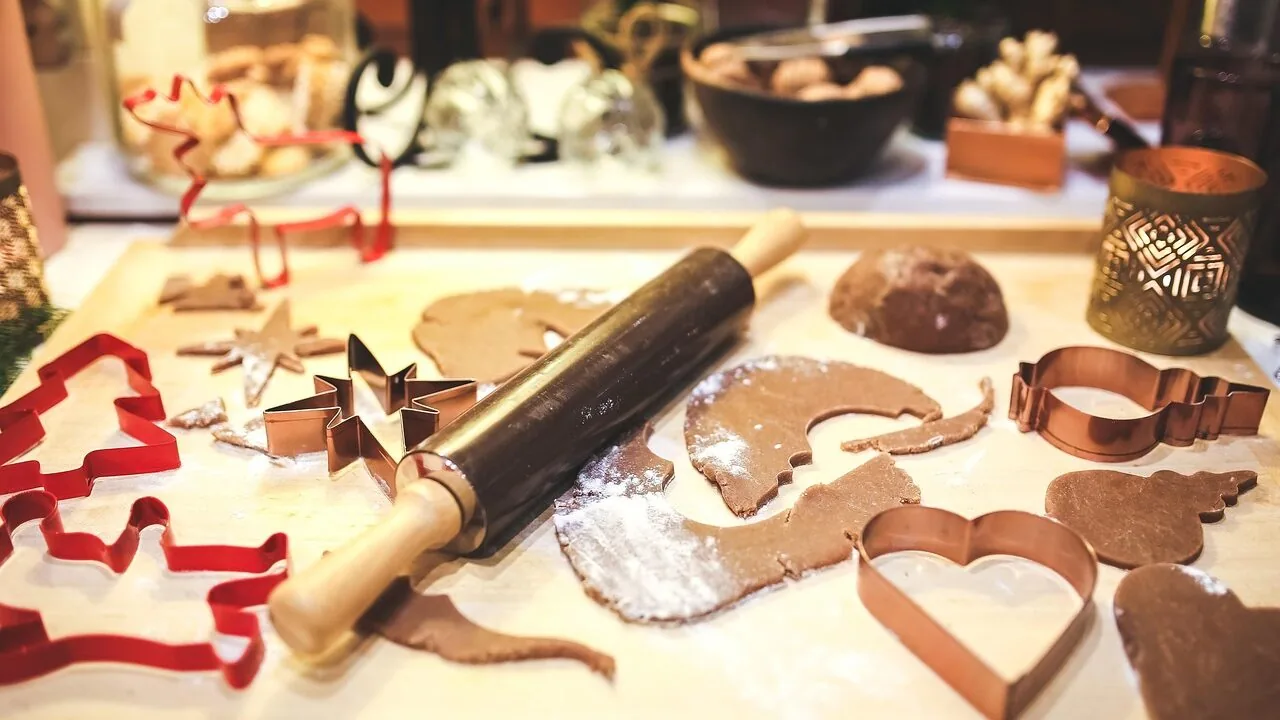
A good pastry board is one of those kitchen tools that quietly transforms your baking. Whether you’re rolling pie dough, kneading bread, or shaping cookies, the right surface keeps things stable, non-stick friendly, and easy to clean.
The problem is that the market spans everything from budget silicone mats to heirloom-grade marble slabs, and “pastry board” can mean a dozen different things depending on who you ask.
At ProductFind, our editorial team researched the pastry board category by analyzing manufacturer specifications, synthesizing expert review consensus from culinary publications, and reviewing verified buyer feedback across thousands of purchase records.
We evaluated options from brands including Totally Bamboo, Fox Run, Dexas, Yew & Tulip, Montex, Folksy Super Kitchen, QUELLANCE, and OTAVILEM to help you find the right board for how you actually bake. Scroll down for our top picks.
| Award | Product | PF Score About PF ScoreThe PF Score is our own rating from 0 to 10, based on performance, design and build, ease of use, and value. It reflects independent research and is never influenced by manufacturers, retailers, or affiliate commissions. Learn more › | Price | |
|---|---|---|---|---|
| Best Overall |
 Totally Bamboo Reversible Baker's Board 18x12.5
|
8.2/10 | Buy | |
| Editor's Pick |
 Fox Run 12x16 Marble Pastry Board
|
7.9/10 | Buy | |
| Best Value |
 Dexas Superboard 14x17 Reversible Pastry Board
|
7.8/10 | Buy | |
| Top Rated |
 Yew & Tulip 16x10 White Marble Board
|
7.2/10 | Buy | |
 Montex Wooden Pastry Board 23.5" with Measurements
|
6.3/10 | Buy | ||
 QUELLANCE Silicone Baking Mat 28x20 Inch
|
6.2/10 | Buy | ||
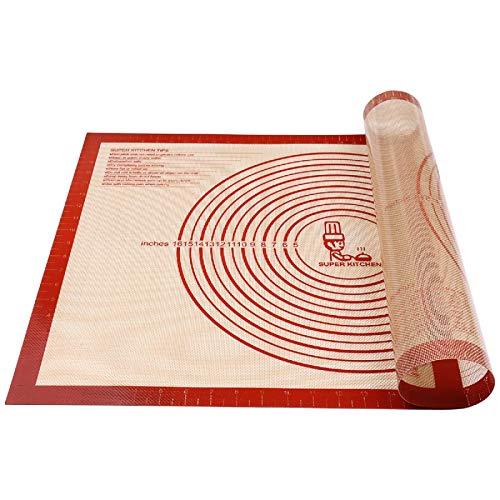 Folksy Super Kitchen 28x20 Silicone Pastry Mat
|
6.1/10 | Buy | ||
 OTAVILEM Stainless Steel Cutting Board 40x30cm
|
5.9/10 | Buy |
Totally Bamboo Reversible Baker's Board 18x12.5
A reversible moso bamboo board that combines baking and carving functions in one tool. One side features measurement guidelines for pastry work, while the other includes juice grooves for meat carving, making it practical for cooks who want dual-purpose kitchen gear.
Pros
- Two distinct surfaces eliminate need for separate boards
- Baking side includes built-in measurement guides for pastry rolling
- Juice grooves on carving side reduce cleanup
- Sustainable bamboo material that's renewable and durable
Cons
- No verified customer reviews available yet to assess real-world durability
- Thickness of 0.63 inches may feel thin for heavy chopping
- Single color option limits aesthetic flexibility in kitchen design
Fox Run 12x16 Marble Pastry Board
A pure marble pastry board designed for bakers and entertainers who value the stone's natural cooling properties and non-stick surface. Its versatility extends beyond pastry prep to charcuterie and appetizer serving, though its porous material requires careful hand-washing.
Pros
- 100% genuine marble with naturally cool surface ideal for dough work and pastry preparation
- Non-slip feet protect countertops and keep board stable during rolling and prep tasks
- Each board features unique marble patterns and coloration, making it a stylish serving piece
- Dual-purpose functionality works for pastry boards, charcuterie displays, and appetizer platters
- Substantial 10+ pound weight provides stability during use
Cons
- Hand-wash only requirement due to marble's porous nature, cannot use detergent safely
- Heavy at 10+ pounds, making it less portable than lighter board options
- No customer reviews available to verify real-world durability or user satisfaction
Dexas Superboard 14x17 Reversible Pastry Board
A spacious 14x17 inch reversible cutting board made from food-safe, knife-friendly high-density polyethylene in an oatmeal granite finish. Dishwasher safe and American-made, it handles everything from dough rolling to charcuterie presentation with a durable, low-maintenance design.
Pros
- Ample work surface handles multiple culinary tasks from baking to charcuterie
- Knife-friendly material resists dulling while remaining durable
- Dishwasher safe eliminates hand washing
- Elegant granite-inspired design doubles as serving board
- American manufacturing adds value for buyers preferring domestic products
Cons
- No verified customer reviews available to assess real-world durability claims
- Reversible feature not clearly explained in specifications
- Lightweight construction at 0.5 inches may feel less substantial than heavier boards
Yew & Tulip 16x10 White Marble Board
Natural imported marble cutting and pastry board with polished finish and non-slip rubber feet. Works as both kitchen tool and decorative serving piece, though the material requires careful handling due to its weight and porosity.
Pros
- Natural marble construction delivers authentic aesthetic appeal with unique veining on each board
- Non-slip rubber feet prevent the smooth stone from shifting during use
- Versatile surface works for baking, serving, and home decoration
- All six polished sides create finished, decorative appearance
Cons
- Weighs 9.37 pounds, making it heavy and less convenient for frequent repositioning
- Marble is porous and can stain or absorb liquids without proper sealing and maintenance
- No verified buyer reviews available to confirm real-world durability and performance
Montex Wooden Pastry Board 23.5" with Measurements
A dual-sided rubber wood board combining pastry prep with cutting duties, featuring laser-engraved measurement guides for dough sizing and ingredient conversions. The side lip design keeps flour contained and the board stable, making it practical for both casual cooks and serious bakers.
Pros
- Measurement guides eliminate need for separate conversion tools during baking
- Large, practical size accommodates full pie crusts and dough sheets
- Side lip design provides practical workspace containment and stability
- Solid rubber wood is durable and easy to clean with smooth polished surface
Cons
- No verified customer reviews available to assess real-world durability and performance
- At nearly 10 pounds, the board is relatively heavy and may require storage space
- Single-piece design means you cannot remove or replace the lip if preferred
QUELLANCE Silicone Baking Mat 28x20 Inch
A thick, food-grade silicone mat built for serious bakers. The 0.7mm reinforced construction handles heavy kneading and rolling without warping, while built-in measurements and a non-slip base keep your workspace organized and secure.
Pros
- Extra thick 0.7mm silicone, double the standard thickness, resists warping and degradation
- Large 28x20 inch work surface suits pizza dough, bread, cookies, and fondant work
- Non-stick surface requires no flour, and mat includes inch and centimeter measurements
- Non-slip bottom prevents sliding on countertops during use
- Dishwasher and microwave safe, easy cleanup with warm soapy water
Cons
- No verified buyer reviews available to confirm durability claims in real-world use
- Flexibility of material may require practice for some users to prevent rolling up edges during storage
- Red color only, limited aesthetic options for kitchen decor preferences
Folksy Super Kitchen 28x20 Silicone Pastry Mat
Extra-large silicone baking mat with 0.7mm thickness and non-slip backing designed for dough rolling, pastry work, and general baking. Food-grade material withstands temperatures from -30°F to 470°F and comes with storage case and instruction guide.
Pros
- Premium thickness at 0.7mm maintains flatness and durability better than thinner alternatives
- Non-slip backing provides stability for active dough work
- Comprehensive size covers full-sheet pans for versatile baking needs
- Food-grade silicone material addresses health and safety concerns
- Easy cleanup with just cloth and water
Cons
- No verified buyer reviews available to assess real-world performance and longevity
- Exact durability claims about wrinkle resistance lack independent validation
- Red color only, no alternative color options listed
OTAVILEM Stainless Steel Cutting Board 40x30cm
A food-grade stainless steel chopping board with L-shaped design that stabilizes against countertops. Handles meat, vegetables, dough, and baking with a manual-drawn textured surface for better grip and no odor absorption.
Pros
- Durable food-grade stainless steel withstands heavy use
- Right-angle design keeps board stable on countertops
- Manual-drawn surface texture improves grip and knife control
- Dishwasher safe, easy to clean and maintain
- Versatile for meat, vegetables, fruits, bread, and dough
Cons
- No verified customer reviews available to assess real-world durability and performance
- Metal surface may dull knives faster than wooden boards over time
- Relatively small size (40x30cm) may feel limiting for larger meal prep tasks
Pastry Boards Buying Guide
Choosing the right pastry board comes down to how you bake, what your kitchen can accommodate, and how much prep and cleanup friction you’re willing to tolerate.
The sections below break down every major consideration, so you can match a board to your actual needs rather than just buying the most expensive option available.
If you’re also outfitting your kitchen with the right cutting tools, pairing a quality board with a reliable set of kitchen knife sets will make prep work significantly smoother.
Material: Wood, Marble, Polymer, or Silicone?

Material is the single biggest factor in how a pastry board performs. Each type has a distinct personality in the kitchen.
Wood and bamboo boards offer a naturally warm surface that is gentle on dough and provides some grip without the need for extra flour.
Bamboo in particular is denser and more moisture-resistant than many softwoods, which is why boards like the Totally Bamboo Reversible Baker’s Board have earned strong standing in the category.
The tradeoff is that wood and bamboo require hand-washing and periodic oiling to stay in good condition.
Marble is the traditional choice for pastry work because it stays naturally cool, which is ideal for keeping butter-based doughs like croissants and pie crusts from warming up too quickly.
The Fox Run Marble Pastry Board and the Yew & Tulip marble option both bring this thermal advantage to the table, though marble boards are heavy, can crack if dropped, and must be cleaned by hand.
Polymer boards such as the Dexas Superboard offer a practical middle ground: dishwasher safe, lightweight, non-porous, and resistant to staining.
Silicone mats sit at the most flexible end of the spectrum, rolling up for storage and offering built-in measurement guides, but they lack the rigidity that many bakers prefer for serious dough work.
Stainless steel is a newer entrant in the pastry board space. It is hygienic and easy to sanitize, but it can be slippery and lacks the natural warmth that makes working with dough comfortable over extended sessions.
Think carefully about which trade-offs matter most before committing to a material.
Size and Working Surface Area
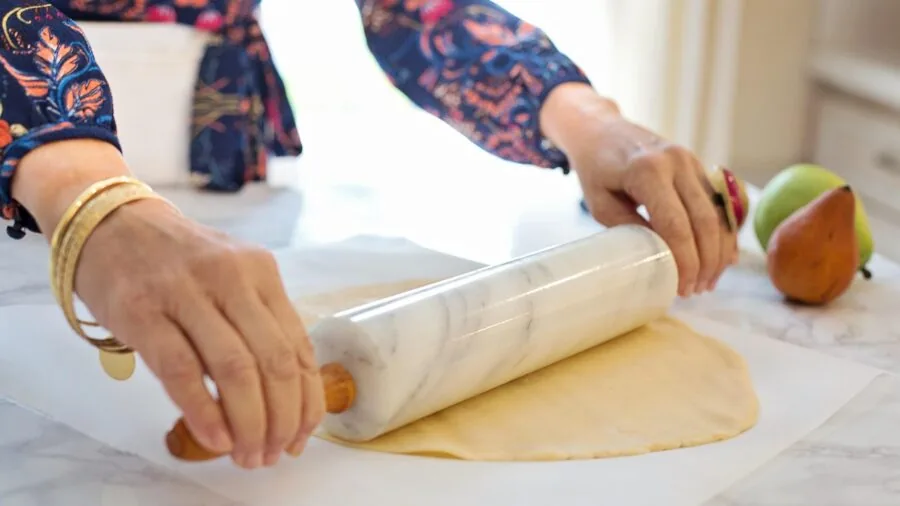
If there is one place home bakers consistently underestimate, it is surface area. Rolling pie dough to a 12-inch circle requires more clearance than you might expect once you factor in flour dusting room and the rolling pin overhang.
A board measuring at least 18 by 14 inches is the practical minimum for most standard baking tasks.
If you regularly make large batches, sheet-pan bread, or pasta dough, a surface in the 20-by-24-inch range will save you from constantly repositioning dough.
Counter depth also matters. Most standard kitchen counters run about 24 inches deep, so an oversized board may extend into your workspace or hang over the edge if it lacks a stabilizing lip.
The Montex wooden board addresses this with a lip design that hooks over the counter edge, keeping the board anchored during vigorous kneading.
Smaller boards like the Fox Run 12-by-16-inch marble slab are perfectly suited for detail work, decorating, or smaller batch baking where a compact footprint is actually a benefit.
Stability and Non-Slip Features
A board that slides around while you knead is not just annoying, it is a safety hazard. Look for boards with rubber feet, a counter-lip design, or a textured underside that grips the counter.
The Yew & Tulip marble board uses non-slip rubber feet to compensate for the inherently smooth, heavy base of natural stone.
Silicone mats like the Folksy Super Kitchen and QUELLANCE options rely on their material’s inherent grip to stay put, which works well on dry counters but can be less reliable on polished granite or glass cooktops.
If you work on a smooth laminate or quartz counter, prioritize boards that explicitly list rubber or silicone gripping elements.
A few damp paper towels under a lighter board can also help in a pinch, but a properly designed non-slip base is always the more reliable solution for repeated use.
Measurement Markings and Practical Features
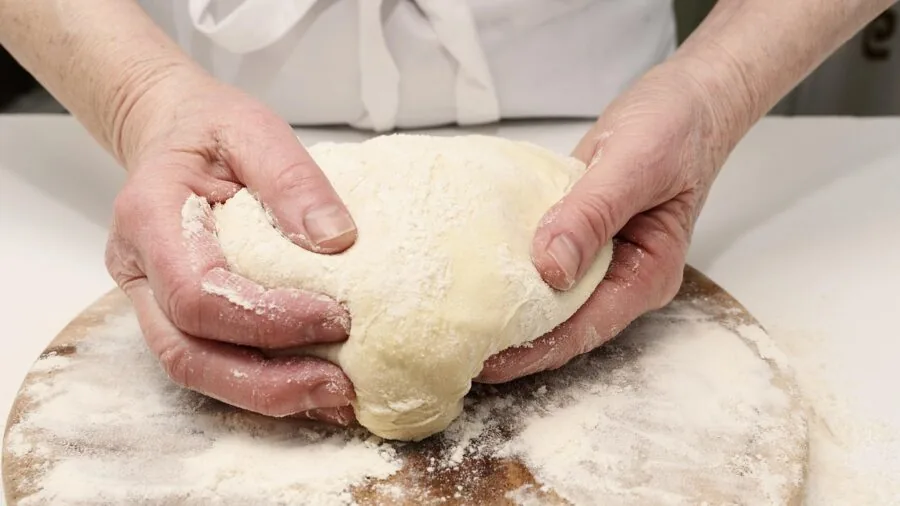
Printed measurement guides and concentric circles are a genuinely useful feature for bakers who need to roll dough to specific diameters, particularly for pie crusts and pizza rounds. Silicone mats almost universally include these markings.
The Montex wooden kneading board also incorporates measurement guides directly into its surface.
If you bake by feel rather than by ruler, these markings may not change your workflow, but for precision baking they can eliminate the need for a separate measuring tape mid-recipe.
Reversible boards offer another layer of practicality. Boards like the Totally Bamboo Reversible Baker’s Board provide a flat dough-working side and a grooved carving side, effectively giving you two tools in one footprint.
This dual-use design is especially valuable in smaller kitchens where storage space is limited. Juice grooves on the carving side also contain runoff when the board doubles as a cutting or serving surface.
Maintenance and Cleaning Requirements

Cleaning a pastry board is never quite as simple as the product listing suggests, so it is worth thinking through your actual post-baking routine before buying.
Dishwasher-safe polymer boards like the Dexas Superboard are the most low-maintenance option by a wide margin. Toss it in the rack and move on.
Marble boards need to be hand-washed with mild soap and dried promptly to prevent mineral deposits or soap staining, and they should never be soaked.
Wood and bamboo boards require the most commitment. They should be hand-washed, dried immediately, and rubbed with food-safe mineral oil or a beeswax conditioner every few weeks to prevent cracking and warping.
If you regularly bake with wet doughs or have a high-volume kitchen, a polymer or silicone surface will hold up better under frequent washing.
For occasional bakers who want the aesthetic and thermal properties of wood or marble, the extra care is a reasonable trade-off. A quality set of food storage containers alongside your board can also streamline your prep-to-storage workflow considerably.
Budget Expectations and Value for Money
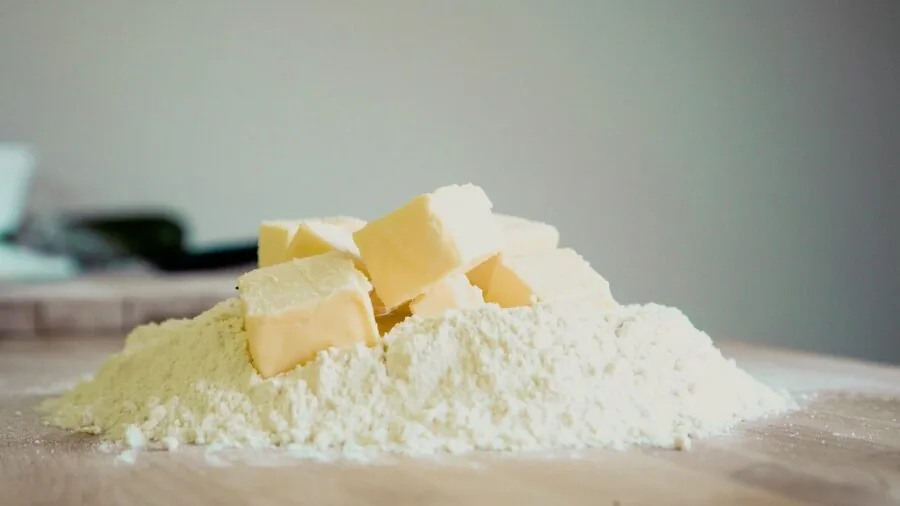
The pastry board market spans a genuinely wide price range. Silicone mats sit firmly at the budget end, offering solid functionality at a fraction of the cost of stone or high-end wood boards.
They are a particularly good entry point for new bakers or anyone who wants to try pastry work before investing in a more permanent surface.
Mid-range polymer boards like the Dexas Superboard deliver durability and convenience at a modest price that makes them strong everyday value picks.
Marble boards occupy the premium tier, with the Fox Run and Yew & Tulip options carrying correspondingly higher price tags that reflect their material weight, cooling properties, and aesthetic appeal.
The Montex wooden board with measurement guides is priced at the higher end of the wood category, with the added features of the lip design and integrated markings justifying much of that premium.
Spend more when you will genuinely use the features; otherwise, a mid-range polymer or silicone option often delivers the best practical return for most home bakers.
Pairing your board with a sharp chef’s knife completes a well-rounded baking and prep setup without breaking the budget.
Why You Should Trust Us
ProductFind is an independent editorial review site. We do not sell products, and we have no relationship with manufacturers that influences our rankings or recommendations.
Every product in this roundup was evaluated using a consistent, research-driven framework: we assess technical specifications, cross-reference expert review consensus from culinary and kitchenware publications, and analyze verified buyer feedback from confirmed purchasers to understand real-world performance patterns over time.
Each product receives a PF Score on a scale of 0 to 10, calculated against the same criteria regardless of brand or price point.
We do not conduct our own product trials; our evaluations are grounded in research, published data, expert review consensus, and verified buyer feedback.
This approach lets us cover a broad range of products with consistency and without the conflicts of interest that can arise from manufacturer-supplied samples or sponsored content.
ProductFind may earn a commission if you purchase through a link on this page. That affiliate relationship does not influence which products we recommend, how we rank them, or what PF Scores they receive.
Our editorial decisions are made independently, and our goal is to give you the clearest possible picture of each product’s strengths and limitations so you can make a confident choice.
Final Thoughts
After evaluating the full field of pastry boards across materials, sizes, and price points, a few clear standouts emerged. Here are our recommended picks by category:
- Best Overall: Totally Bamboo Reversible Baker’s Board and Carving Butcher Block earns the top spot with the highest PF Score in this roundup. Its reversible design, durable bamboo construction, juice grooves, and broad expert consensus make it the most well-rounded choice for serious home bakers.
- Best Marble Board: Fox Run Marble Pastry Board is the go-to pick for butter-based pastry work. Its naturally cool surface keeps dough temperatures in check, and it earns a strong PF Score that reflects consistent praise from culinary reviewers.
- Best Budget Pick: Dexas Superboard Reversible Pastry Board delivers everyday convenience at an accessible price. Dishwasher safe, lightweight, and reversible, it is the most practical low-maintenance option in the lineup for everyday bakers.
- Best for Precise Baking: Montex Wooden Pastry Board with Measurement suits bakers who want an integrated measuring system and a counter-lip for stability during kneading, all in a generous working surface.
- Best Silicone Mat: QUELLANCE Silicone Baking Pastry Dough Mat is the top silicone option, offering an extra-large nonstick surface with measurement guides at a budget-friendly price point for bakers who prioritize easy storage and cleanup.
No single board is right for every baker. If you want a surface that performs beautifully for buttery pastry and doubles as a striking kitchen piece, invest in the marble Fox Run or the Yew & Tulip option.
If you want everyday reliability with minimal fuss, the Dexas Superboard and the silicone mats offer excellent value.
And if you bake seriously and want one board to handle nearly every task, the Totally Bamboo board’s versatility and top PF Score make it the strongest all-around recommendation in this field.
Rounding out your setup with a well-chosen santoku knife or a reliable toaster oven will serve your kitchen well for years to come.
Frequently Asked Questions
What is the best material for a pastry board?
It depends on what you bake most often. Marble is widely considered the gold standard for butter-heavy pastries like croissants and pie crusts because it stays naturally cold and keeps fats from softening too quickly.
Bamboo and hardwood are excellent all-purpose choices that are gentle on dough and durable with proper care. Polymer boards are the most practical option for frequent bakers who want dishwasher-safe convenience.
Silicone mats work well as a flexible, storable supplement but lack the rigidity preferred for heavy kneading work.
Do I need a dedicated pastry board, or can I use a regular cutting board?
A standard cutting board can handle light pastry work, but a dedicated pastry board typically offers meaningful advantages: larger surface area, a smoother finish, better thermal properties (especially marble), and features like measurement guides or counter-grip lips.
If you bake frequently, a board designed for the task will make the process more comfortable and consistent. For occasional baking, a large polymer cutting board is a reasonable stand-in.
How do I keep my pastry board from sliding while I work?
Choose a board that has rubber feet, a silicone underside, or a counter-lip design built in. On very smooth counters, even boards with rubber feet can benefit from a damp kitchen towel placed underneath for extra grip.
Silicone mats naturally resist movement on most surfaces. If you already own a board without non-slip features, a roll of non-slip shelf liner cut to size makes an inexpensive and effective stabilizer.
Can marble pastry boards go in the dishwasher?
No. Marble should always be hand-washed with mild soap and warm water, then dried promptly. Dishwasher heat and detergent can damage the stone’s surface finish over time and may cause mineral streaking.
The same applies to wood and bamboo boards, which will crack and warp with repeated dishwasher exposure. Only polymer and most silicone options are genuinely dishwasher safe; always check the manufacturer’s care instructions for your specific board.
What size pastry board should I buy?
A board measuring at least 18 by 14 inches handles most standard tasks comfortably, including rolling a standard pie crust or shaping a loaf of bread.
If you bake large batches or work with sheet-format doughs, look for something in the 20-by-24-inch range. Keep your counter depth in mind so the board does not crowd your workspace.
Compact boards in the 12-by-16-inch range are well-suited to smaller kitchens, decorating work, or bakers who primarily make small-batch pastries.
Are silicone pastry mats as good as a solid board?
Silicone mats excel in specific scenarios: they are naturally nonstick, easy to clean, and include measurement guides that solid boards often omit. They are also inexpensive and easy to store.
However, they lack the rigidity of marble, wood, or polymer boards, which can make them feel unstable during vigorous kneading.
Many serious bakers use a silicone mat on top of a solid surface to combine the grip and measurement benefits of silicone with the stability of a hard board underneath.
For casual bakers or those short on storage space, a quality silicone mat is a capable standalone choice. Glass food storage containers are a similarly smart, multipurpose addition to a well-organized baking kitchen.
About the author
Tammy is a reviewer and writer for ProductFind who specializes in Kitchen Tools & Gadgets. Tammy evaluates products through independent research: specifications, expert review consensus, and verified buyer feedback, and rates each one on the PF Score. Tammy focuses on helping readers pick the right kitchen tools & gadget for their needs and budget.