The 11 Best Pizza Stones
The right pizza stone transforms a soggy oven pizza into a crispy, evenly baked pie. Our research covers cordierite slabs, glazed grill stones, and steel alternatives across every budget.
 By Jackson Lowe
Updated July 23, 2026
By Jackson Lowe
Updated July 23, 2026
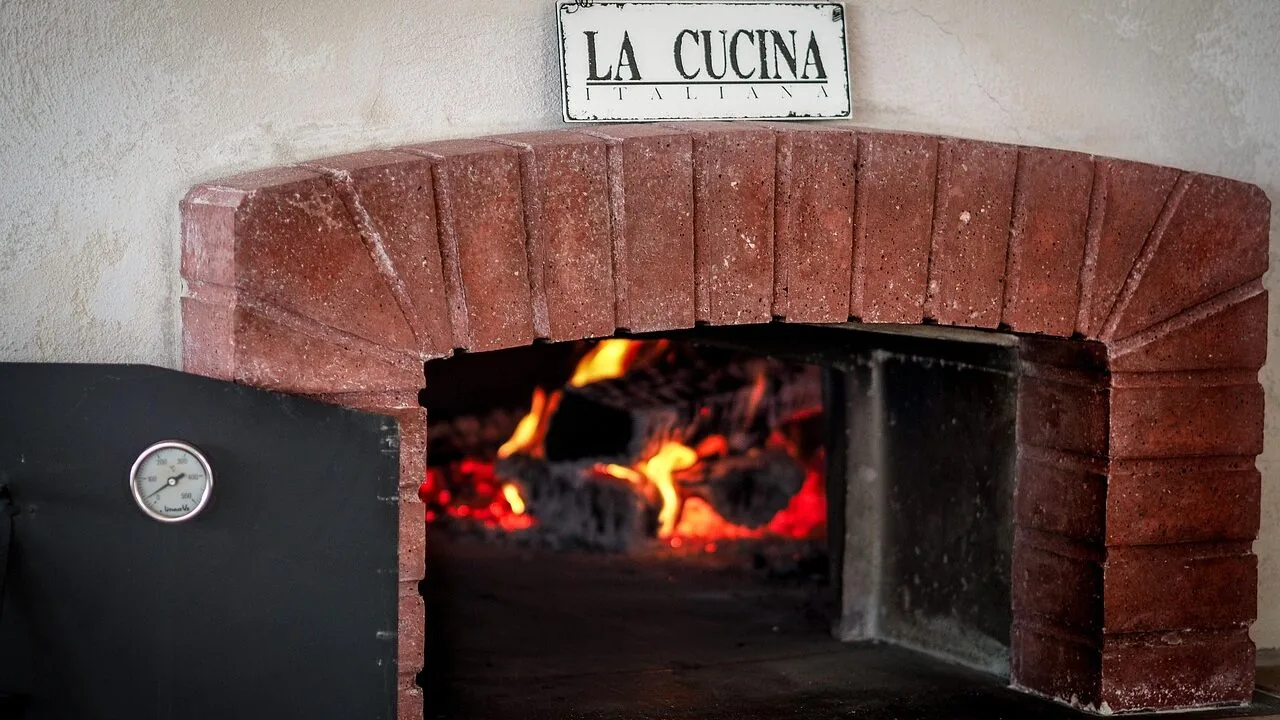
A great pizza stone is the single biggest upgrade you can make to home pizza baking, yet most home cooks skip it entirely.
Without one, your oven rack bakes pizza the same way it bakes a cake: gently, from circulating air, with nothing hot underneath to char and crisp the base.
The result is a pale, bready bottom that no amount of toppings can save.
A quality stone preheated at high temperature absorbs and transfers intense conductive heat the moment raw dough touches its surface, replicating the scorching floor of a professional deck oven at a fraction of the cost.
Brands like Unicook, Weber, ROCKSHEAT, HENCKELS, Primica, Le Creuset, Kamado Joe, and KitchenStar all compete in this space, but performance and value vary significantly across materials, sizes, and price tiers.
At ProductFind, we researched the crowded pizza stone market by analyzing published specifications, synthesizing expert review consensus from culinary publications, and combing through verified buyer feedback across thousands of purchases.
The eleven picks below span budget-friendly cordierite slabs to premium glazed grill stones and high-conductivity steel alternatives, giving you a ranked, reliable shortlist regardless of your oven setup or baking ambitions.
Scroll down for our top picks, then read the buying guide to find the right match for your kitchen.
| Award | Product | PF Score About PF ScoreThe PF Score is our own rating from 0 to 10, based on performance, design and build, ease of use, and value. It reflects independent research and is never influenced by manufacturers, retailers, or affiliate commissions. Learn more › | Price | |
|---|---|---|---|---|
| Best Overall |
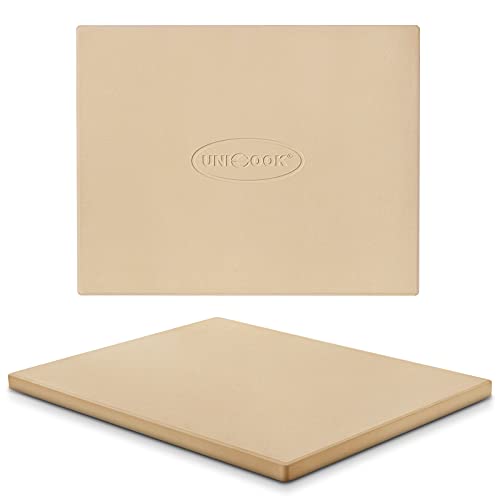 Unicook 15x12 Cordierite Pizza Stone
|
8.4/10 | Buy | |
| Editor's Pick |
 Weber Crafted Cordierite Pizza Stone, 20 x 20 inches
|
8.2/10 | Buy | |
| Best Value |
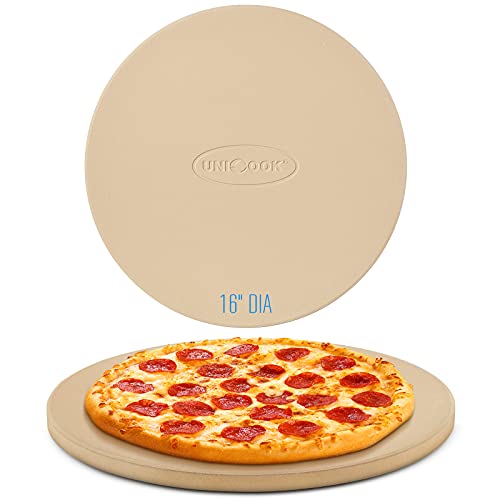 Unicook 16-Inch Round Cordierite Pizza Stone
|
8.1/10 | Buy | |
| Top Rated |
 Primica Pizza Steel XL 16x13.4 inches
|
7.8/10 | Buy | |
 ROCKSHEAT 15x12 Cordierite Pizza Stone with Handles
|
7.6/10 | Buy | ||
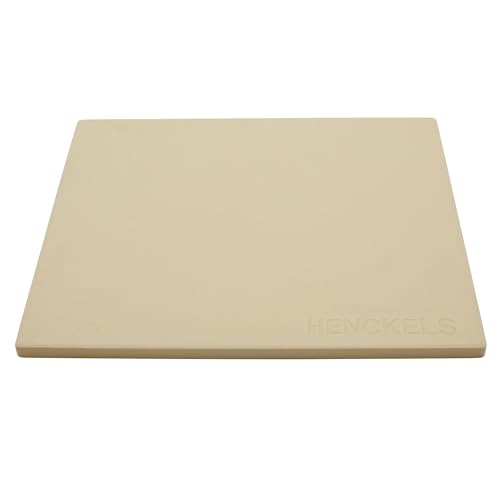 HENCKELS Cordierite Pizza Stone 17.5x13.6 Inch
|
7.5/10 | Buy | ||
 Ritual Life 20x13.5 Cordierite Pizza Stone + Peel Set
|
7.4/10 | Buy | ||
 Kamado Joe Big Joe 20-Inch Ceramic Pizza Stone
|
7.2/10 | Buy | ||
 KitchenStar 16-Inch Pizza Stone & Accessories Kit
|
7.1/10 | Buy | ||
 Le Creuset 15-Inch Round Pizza Stone
|
6.9/10 | Buy | ||
 Gyreuni 15" Rectangle Pizza Stone Set with Peel & Cutter
|
6.8/10 | Buy |
Unicook 15x12 Cordierite Pizza Stone
A rectangular cordierite baking stone designed for personal pizzas up to 11 inches, featuring even heat distribution up to 1,450°F and moisture-absorbing pores for crispy crusts. Works in ovens and grills with proper clearance, and doubles as a bread and cookie baker.
Pros
- High-temperature cordierite material resists thermal shock and distributes heat evenly to prevent hot spots
- Porous surface absorbs moisture for crispy, golden crusts on pizzas and baked goods
- Reversible smooth surface extends usability
- Includes plastic dough cutter and scraper for prep and cleanup
- Rectangular 15x12 inch size fits standard ovens with adequate airflow space
Cons
- Limited to personal pizzas up to 11 inches; larger pizzas require different models
- Requires minimum 1-2 inches clearance on all sides, which may be tight in some ovens or grills
- No reviews available yet to assess real-world durability and user experience
Weber Crafted Cordierite Pizza Stone, 20 x 20 inches
A glazed cordierite baking stone designed for the Weber Crafted modular grill system, engineered to deliver crispy pizza crusts and even heat distribution. The non-stick glazed surface simplifies cleanup, though it requires compatible Weber Crafted grates and frame kit to function.
Pros
- Cordierite construction absorbs, retains, and distributes heat evenly across the stone
- Glazed finish reduces sticking and makes post-cook cleaning straightforward
- Sized to fit Weber Crafted compatible grills with proper frame and grate setup
- Enables pizza and baking directly on the grill without takeout
Cons
- Requires Weber Crafted grates and frame kit for use, limiting compatibility to specific grill models
- No verified buyer reviews available to validate real-world performance
- Relatively heavy at 10.8 pounds, which may complicate handling and storage
Unicook 16-Inch Round Cordierite Pizza Stone
A heavy-duty cordierite pizza stone designed to produce crispy crusts through even heat distribution and moisture extraction. Built for both oven and grill use with thermal shock resistance up to 1,450°F, it's a solid choice for home bakers seeking consistent results on pizza, bread, and flatbreads.
Pros
- Micro-pore design actively reduces soggy crusts by drawing out dough moisture
- Thermal shock resistant construction survives temperature swings
- Heavy-duty cordierite material rated for high temperatures across oven and grill
- Includes practical plastic scraper for cleanup and dough prep
- 0.57-inch thickness provides substantial heat retention
Cons
- No seasoning or soap allowed during cleaning, limiting maintenance flexibility
- 7.4 lbs weight and rigid material mean it's not portable or easily stored
- No verified buyer reviews available to assess real-world durability claims
Primica Pizza Steel XL 16x13.4 inches
A carbon steel alternative to ceramic pizza stones that conducts heat roughly 20 times faster for quicker, crispier crusts. Works in both home ovens and grills, though it requires seasoning and careful handling to prevent rust.
Pros
- Significantly faster heat conduction enables quicker cooking and better crust browning
- Dual-use versatility across home ovens and outdoor grills
- Solid steel construction mimics wood-fired oven performance without requiring special fuel
- Grease drainage design reduces fat content in finished pizzas
Cons
- No verified customer reviews available to confirm real-world performance claims
- Carbon steel requires seasoning and ongoing maintenance to prevent rust, adding prep work
- Heavier than ceramic stones at 14.4 pounds, making it less convenient to handle and store
ROCKSHEAT 15x12 Cordierite Pizza Stone with Handles
A heavy-duty cordierite pizza stone designed for home ovens and grills, featuring integrated handles for safe transport and thermal shock resistance up to 1400°F. Best suited for households wanting restaurant-style crispy crusts without premium price positioning.
Pros
- Integrated handles eliminate need for separate tools and reduce storage footprint
- 1400°F thermal shock resistance rated for both indoor ovens and outdoor grills
- FDA, RoHS, and LFGB certified food-grade materials with no harmful odors
- 15x12 inch dimensions accommodate pizzas up to 11 inches on standard ovens
Cons
- Requires minimum 16x13 inch interior space, ruling out smaller ovens and compact grills
- No verified buyer reviews available to assess real-world durability and performance
- 0.63 inch thickness is thinner than some competitor stones, potentially affecting heat retention in extreme temperature swings
HENCKELS Cordierite Pizza Stone 17.5x13.6 Inch
A cordierite baking stone designed for both oven and grill use, sized to fit standard cooking surfaces. The heavy-duty construction should handle repeated heating cycles, though the handwash-only care requirement adds maintenance considerations.
Pros
- Cordierite material resists thermal shock and temperature fluctuations
- Compact 17.5 x 13.6 inch dimensions fit most standard ovens and grills
- Reasonably heavy at 9 pounds for stable cooking surface
- Works for both indoor oven and outdoor grill applications
- 4.7-star rating indicates general user satisfaction
Cons
- Handwash only care means no dishwasher convenience
- No verified buyer reviews available to assess real-world durability or performance specifics
- Thickness at 0.5 inches is on the thinner side, which may affect heat retention compared to thicker stones
Ritual Life 20x13.5 Cordierite Pizza Stone + Peel Set
A cordierite pizza stone sized for full-size home ovens and grills, paired with a wooden peel, dough scraper, and rocker cutter. Designed to deliver even heat and crispy crusts for pizza, bread, and flatbreads without seasoning or maintenance hassle.
Pros
- Complete kit eliminates need to buy accessories separately
- Cordierite construction requires no seasoning unlike cast iron, reducing preparation
- Versatile across indoor ovens, outdoor grills, and specialty cookers
- Rocker cutter design minimizes topping displacement compared to wheel cutters
- Even heat distribution and moisture absorption support crispy results
Cons
- No verified customer reviews available to confirm real-world durability claims
- At 14.8 pounds, heavier than some alternatives and requires full cooling before cleaning
- Rectangular shape may not fit smaller or non-standard oven configurations
Kamado Joe Big Joe 20-Inch Ceramic Pizza Stone
A heavy-duty ceramic pizza stone designed specifically for Kamado Joe's Big Joe grills, delivering even heat distribution and crispy results. Best suited for serious grill enthusiasts looking to expand their Kamado Joe ecosystem with dedicated pizza-making capability.
Pros
- Distributes heat evenly for consistent, crispy pizza crust
- Heavy-duty ceramic construction built for durability
- Compatible with Kamado Joe Big Joe I, II, and III models
- Easy to clean and maintain
- Works seamlessly with other Kamado Joe pizza accessories
Cons
- No customer reviews available to verify real-world performance
- Requires compatible Kamado Joe Big Joe grill for use
- Premium pricing typical of Kamado Joe branded accessories
KitchenStar 16-Inch Pizza Stone & Accessories Kit
A complete 6-piece pizza making set built around a high-heat pizza stone rated for 1800°F, paired with practical tools like an acacia wood peel, rocker cutter, and cleaning brush. Best suited for home pizza enthusiasts and grill owners looking for an all-in-one solution rather than building a kit piece by piece.
Pros
- Porous pizza stone structure balances crispiness without drying out crust
- All essential pizza tools included in one package
- Long beech wood handle on cleaning brush provides safe, comfortable use
- Protective cover included for storage and transport
Cons
- No verified buyer reviews available to assess real-world durability and performance
- Relatively heavy at 13.7 pounds, which may challenge some users during handling
- Limited information on whether stainless steel rack quality matches the stone's heat rating
Le Creuset 15-Inch Round Pizza Stone
A premium stoneware pizza stone engineered for even heat distribution and crispy crusts, thanks to its unglazed base and nonstick glazed surface. Best suited for home cooks willing to invest in durable, long-lasting bakeware.
Pros
- Dual-sided design: glazed top for easy food release and cleanup, unglazed bottom for superior heat distribution
- Uniform browning and even cooking with no hot spots across the 15-inch surface
- Nonporous and scratch-resistant, resists stains and flavor absorption for lasting quality
- Excellent heat retention keeps food warm for serving directly from oven to table
- Premium stoneware construction ensures durability and reliable performance over time
Cons
- Premium price point reflects the brand positioning and material quality
- No customer reviews available to verify real-world durability and long-term performance
- 15-inch size is fixed, limiting flexibility for different oven space requirements
Gyreuni 15" Rectangle Pizza Stone Set with Peel & Cutter
A four-piece cordierite pizza stone kit built for even heat distribution and crispy crusts up to 1472°F. Includes oak wood peel, steel cutter, and parchment paper, making it practical for both pizza enthusiasts and bread bakers.
Pros
- Complete bundle eliminates need to buy accessories separately
- Oak wood peel construction is more durable and resistant to warping than common alternatives
- Cordierite material provides genuine thermal properties for crispy crust results
- High heat tolerance allows use in various cooking scenarios beyond pizza
- Includes parchment paper option to minimize staining if preferred
Cons
- Stone will develop visible stains and discoloration over time, which some users may find unattractive despite being normal and functional
- No customer reviews currently available to verify real-world durability and performance claims
- Requires 30-minute preheating protocol and careful cleaning without soap, adding preparation time
Pizza Stones Buying Guide
Choosing the right pizza stone comes down to matching the material, size, and features to your oven, your grill setup, and the style of pizza you make most often.
The market splits into three main material camps: cordierite ceramic, glazed stoneware, and steel. Each behaves differently under heat, and the wrong choice for your cooking style can leave you frustrated despite spending good money.
The subsections below walk through every decision point you will face at purchase time.
Material: Cordierite, Glazed Stoneware, or Steel?
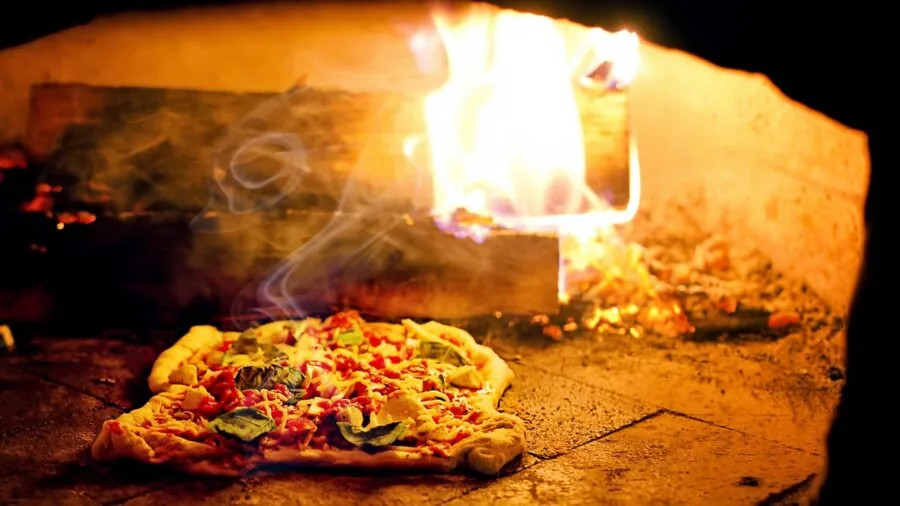
Cordierite is the dominant material in the pizza stone category for good reason. It is a naturally porous mineral composite that tolerates rapid temperature swings without cracking, a property known as thermal shock resistance.
The porosity also pulls moisture away from the dough as it bakes, which is precisely what produces a dry, crispy undercarriage rather than a steamed, soft one.
Most of the picks in our list, including the top-ranked Unicook options and the ROCKSHEAT and HENCKELS stones, are made from food-grade cordierite and can handle sustained oven temperatures well above 500 degrees Fahrenheit without concern.
Glazed stoneware, as seen in the Weber Crafted and Le Creuset options, takes a different approach.
A non-porous glazed surface resists staining and is easier to wipe clean, which matters to buyers who want a stone that still looks presentable after heavy use.
The trade-off is that the glaze reduces porosity, so moisture wicking is slightly less aggressive than raw cordierite.
These stones still deliver excellent results, especially on covered grills where the environment compensates, but raw-cordierite stones hold a modest edge for maximum crust crispness.
Steel is a fundamentally different proposition. A baking steel stores dramatically more thermal energy than stone of the same thickness and releases it faster into the dough, producing a harder, more blistered char in a shorter bake time.
The Primica Pizza Steel XL in our list represents this category.
Steel is heavier, more expensive, and will rust if not dried and lightly oiled, but bakers chasing a New York or Neapolitan style char in a standard home oven often find it the most effective surface.
If you already invest in quality cookware sets and appreciate material science driving performance, steel is worth the premium.
Size and Shape: Round vs. Rectangular
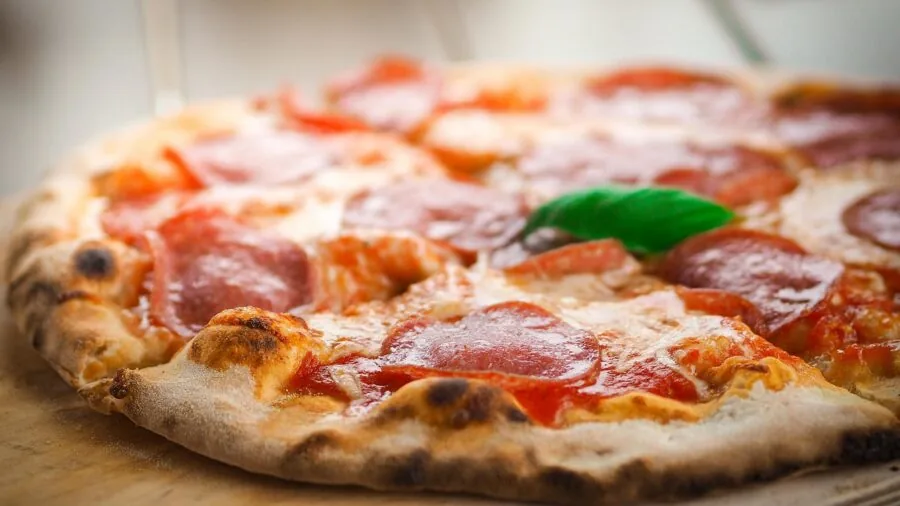
Pizza stones come in round and rectangular forms, and neither is objectively superior. Round stones are intuitive for classic round pizzas and fit naturally in most ovens.
The Unicook 16 Inch Round and Kamado Joe 20-inch ceramic stone are designed for this traditional workflow.
Rectangular stones, such as the Unicook 15×12, ROCKSHEAT 15×12, and Ritual Life 20×13.5, offer more usable surface area and double effectively as baking surfaces for bread loaves, flatbreads, focaccia, and rectangular sheet-style pizzas.
As a general guideline, pick a stone at least two inches smaller on each side than your oven interior to allow hot air to circulate around the edges.
Blocking airflow by using an oversized stone traps steam and can paradoxically soften your crust. For grill use, match the stone closely to the grill’s indirect-heat zone rather than its total cooking surface.
Weight also scales with size, and it matters more than buyers expect.
Heavier stones store more heat, which helps maintain temperature when cold dough lands on them, but moving a 7-plus-pound rectangular stone in and out of a 500-degree oven requires care.
Sets like the ROCKSHEAT, which includes four built-in handles, address this directly. A sturdy pair of oven-safe tools and a long-handled pizza peel are companions worth investing in alongside any stone.
Thickness and Heat Retention
Stone thickness is directly correlated with thermal mass, the amount of heat energy the stone can store and sustain.
Thinner stones heat up faster, which is convenient if you are short on preheat time, but they also lose temperature quickly when a cold, wet pizza hits the surface.
Thicker stones, typically half an inch or more, take longer to reach full temperature (plan for at least 45 to 60 minutes of oven preheating) but reward patience with more consistent results across multiple consecutive pies.
For home bakers making one or two pizzas at a time, a mid-thickness cordierite stone in the half-inch range hits the sweet spot.
Households hosting pizza nights and baking three or more pies in sequence benefit from a thicker stone or a steel, because thermal recovery between bakes matters more at volume. The Primica steel in our list excels in exactly this scenario.
Oven Compatibility vs. Grill Compatibility
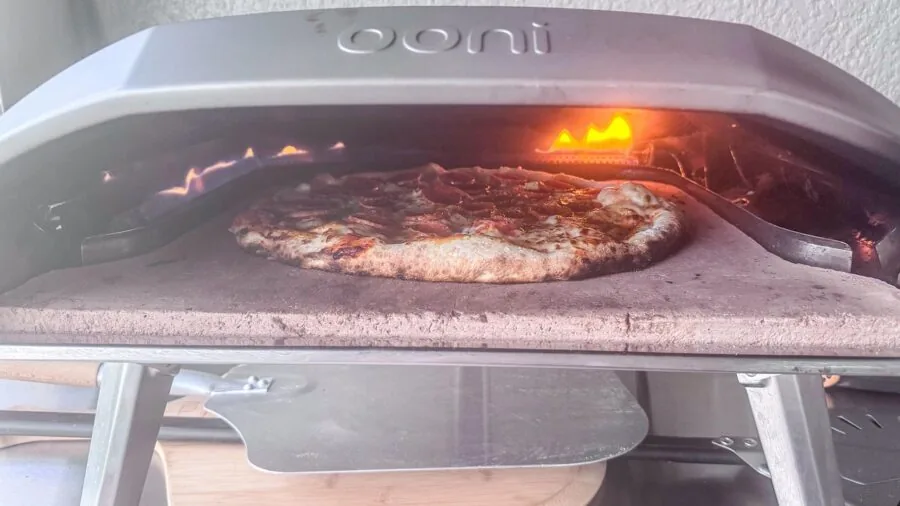
Most cordierite pizza stones listed here are dual-purpose: they work in a conventional oven and on a gas or charcoal grill. However, not all stones are equally suited to both environments.
Grill temperatures can spike well beyond what a standard home oven produces, and uneven heat distribution from burners below can create hot spots that stress lower-quality ceramic.
Look for explicitly stated thermal shock resistance ratings and avoid very thin, low-density ceramics on grills.
The Kamado Joe 20-inch stone is purpose-built for kamado-style ceramic grills, specifically the Big Joe 24-inch platform, where dome temperatures and radiant heat from charcoal demand a specialized fit and material grade.
If your primary cooking environment is a kamado or offset smoker rather than an oven, a grill-specific stone like this is the right starting point rather than an afterthought.
Kamado cooking involves live fire and extreme heat; always follow the manufacturer’s safety guidelines and preheat stones gradually to avoid thermal stress.
Bundled Accessories and Set Value
Several options in our list are sold as sets rather than bare stones. The Gyreuni 4-piece set pairs a rectangular stone with an oak pizza peel, a cutter, and cooking paper.
The KitchenStar 6-piece kit adds a stainless steel rack, acacia wood peel, a rocker cutter, a protective cover, and a metal brush. The Ritual Life set includes a wooden peel, dough tool, and cutter.
For first-time buyers, sets solve the accessory problem in one transaction, but buyers who already own a quality peel or cutter should weigh whether bundled extras add genuine value or just cost.
Evaluate the quality of accessories within any set independently. A pizza peel should be thin-nosed enough to slide under a stretched dough round without disturbing toppings, and a cutter should feel substantial rather than flimsy.
Budget set accessories are often the weak link even when the stone itself is solid. If a set’s bundled peel feels toy-grade in reviews, you may be better served buying a standalone stone and sourcing accessories separately.
The same critical eye you apply when choosing among stainless steel cookware sets applies here: evaluate every component, not just the hero piece.
Cleaning, Maintenance, and Longevity

Cordierite pizza stones should never be washed with soap. The porous material absorbs soap as readily as it absorbs steam, and residual detergent will flavor your next pizza.
The correct maintenance approach is to scrape off any debris with a stiff brush or the included scraper once the stone has cooled completely, then wipe with a damp cloth if needed.
Staining is normal and does not indicate a dirty or compromised stone. A well-used cordierite stone turns dark brown over time, and that seasoning is cosmetic only.
Glazed stones like the Weber Crafted and Le Creuset are more forgiving on cleaning because the non-porous surface can be wiped down more easily.
Steel requires the most active maintenance: after each use, dry it thoroughly to prevent rust, and apply a thin coat of neutral oil before storage.
A small amount of flaxseed or vegetable oil rubbed into the surface and heated briefly in the oven builds a protective seasoning layer over time, similar to caring for cast iron.
Buyers who enjoy the ritual of maintaining quality kitchen equipment, much like those who invest in premium porcelain dinnerware sets, will find steel ownership rewarding rather than burdensome.
Why You Should Trust Us
ProductFind is an independent editorial review site. We do not sell any of the products we cover, and no manufacturer has paid for placement in this or any other roundup on the site.
Every product in this list was selected because it earned its ranking on merit, not because of a commercial relationship.
Each product is scored on our PF Score scale from 0 to 10 using a consistent, multi-factor evaluation framework.
We assess build material quality and thermal specifications, synthesize expert review consensus drawn from culinary media and specialist publications, analyze verified buyer feedback across large purchase samples, and incorporate published performance data where available.
We do not conduct our own product trials; our evaluations are grounded in research, published data, expert review consensus, and verified buyer feedback.
This approach lets us evaluate a broad market efficiently without the sampling bias of assessing only one or two units.
ProductFind may earn an affiliate commission when you purchase through links on this page. That relationship never influences rankings, PF Scores, or which products appear in our lists. The affiliate disclosure exists for transparency; the editorial judgment is ours alone.
Final Thoughts
Whether you are a weekend home baker or a dedicated pizza enthusiast, the right stone makes a measurable difference in crust quality. After evaluating all eleven options on specifications, material quality, user feedback, and overall value, here are our standout picks by category:
- Best Overall: Unicook Pizza Stone, 15 x 12 Inch Rectangular earns the top PF Score in this roundup thanks to its proven cordierite construction, strong thermal shock resistance, and consistently praised crust performance across thousands of verified purchases. It delivers professional results at an accessible price point.
- Best Round Stone: Unicook 16 Inch Round Pizza Stone is the strongest performer in round-format stones, backed by a high PF Score and a bundled scraper. It suits bakers who prefer a classic round bake for Neapolitan-style or New York-style pies.
- Best for Grill Use: Weber Crafted Glazed Baking Stone stands out with its non-stick glazed finish and grill-forward engineering, earning an excellent PF Score. It is the right choice for outdoor cooks who want a stone that cleans easily and handles grill temperature swings with confidence.
- Best Steel Alternative: Primica Pizza Steel XL is the pick for bakers who want maximum crust char and are willing to pay a premium for it. Steel’s superior heat conductivity over ceramic sets it apart for high-performance home baking.
- Best for Kamado Grills: Kamado Joe 20-inch Ceramic Pizza Stone is purpose-engineered for the Big Joe 24-inch kamado platform. If your primary baking surface is a kamado grill, this stone is built for that environment in a way that general-purpose stones are not.
For most home bakers starting from scratch, the rectangular Unicook cordierite stone represents the strongest combination of performance, durability, and value in this entire category.
Buyers who bake frequently on a kamado or covered grill, or who are chasing competition-level crust char, should follow the category-specific picks above. Any stone on this list represents a meaningful upgrade over a bare oven rack.
Frequently Asked Questions
How Long Should I Preheat a Pizza Stone?
Most pizza stones need at least 45 to 60 minutes of preheating in a fully heated oven to reach the surface temperature required for effective crust crisping. Thicker, denser stones benefit from the full hour.
Placing dough on an insufficiently preheated stone is the most common reason home bakers end up with a pale, soft undercarriage despite owning good equipment.
Set your oven to its highest standard bake temperature (usually 500 to 550 degrees Fahrenheit) and let the stone normalize fully before launching any pizza.
Can I Use a Pizza Stone on a Gas Grill?
Yes, most cordierite pizza stones are rated for both oven and gas grill use, and grills can actually reach temperatures closer to a professional pizza oven than a standard home oven.
The key precaution is to avoid temperature shock: place the cold stone on a cold grill, then light the burners and let everything heat together.
Never place a room-temperature stone on an already-blazing grill, as the sudden temperature differential can crack even a thermal-shock-resistant ceramic. Using indirect heat zones on the grill helps prevent hot spots directly under the stone.
Can I Use Parchment Paper or Cornmeal on a Pizza Stone?
Cornmeal dusted on the stone or peel is the traditional method for preventing sticking and adding a slight texture to the crust bottom. It works well but can burn at very high temperatures and leaves residue on the stone.
Parchment paper is a reliable alternative for beginners: assemble the pizza on parchment, slide it onto the stone, and remove the paper after the first two or three minutes once the crust sets enough to slide freely.
Some buyers find semolina flour a finer alternative to cornmeal that is less likely to scorch.
Is a Pizza Stone Only for Pizza?
Not at all. A pizza stone functions as a high-performance baking surface for any product that benefits from bottom heat and moisture wicking. Artisan bread loaves and baguettes develop better ears and crust on a preheated stone.
Flatbreads, pita, naan, calzones, and even biscuits bake more evenly on stone than on a standard metal sheet pan. Many buyers who purchase primarily for pizza end up using their stone almost as often for bread baking.
It is genuinely one of the most versatile tools you can add to a well-equipped kitchen.
What Is the Difference Between a Pizza Stone and a Pizza Steel?
The core difference is thermal conductivity. Steel transfers heat into dough significantly faster than ceramic stone of equivalent thickness.
This produces a more aggressively charred, crispy crust bottom in a shorter bake window, which is a desirable quality for styles like New York or Neapolitan pizza.
Stone is more forgiving, heats more evenly across its surface, and is better suited to beginners or to thicker crust styles. Steel also costs more and requires rust-prevention maintenance.
Neither is universally superior; the right choice depends on the pizza style you make and how actively you want to manage your equipment.
Do I Need Any Special Accessories with My Pizza Stone?
A pizza peel is the most important companion purchase. Without one, safely transferring a loaded, raw pizza onto a screaming-hot stone is genuinely difficult.
A long-handled metal or wooden peel with a thin leading edge makes the launch smooth and keeps your hands safely away from oven heat. A stiff-bristled bench scraper or the scraper included with many stones handles post-bake cleanup.
Some buyers also find an infrared thermometer useful for confirming actual stone surface temperature before launching, since oven air temperature and stone surface temperature can differ by a wide margin during the initial heat-up phase.
These accessories pair naturally alongside other quality kitchen investments, whether you are building out a complete bakeware setup or simply rounding out an already capable kitchen.
About the author
Jackson is a reviewer and writer for ProductFind who specializes in Cookware & Bakeware. Jackson evaluates products through independent research: specifications, expert review consensus, and verified buyer feedback, and rates each one on the PF Score. Jackson focuses on helping readers pick the right cookware & bakeware for their needs and budget.