The 10 Best Rolling Pins
From marble to hardwood maple, the right rolling pin transforms pie crusts and cookie dough. Our research covers materials, styles, and value across every budget.
 By Tammy Stevens
Updated July 23, 2026
By Tammy Stevens
Updated July 23, 2026

A good rolling pin is one of those deceptively simple kitchen tools that makes a genuine difference in your baking.
Whether you’re pressing out a flaky pie crust, rolling cookie dough to an even thickness, or stretching pizza dough into shape, the right pin gives you control and consistency that a makeshift substitute simply cannot match.
Yet with so many materials, styles, and price points on the market, from classic wooden dowels to chilled marble rollers, it’s easy to feel overwhelmed by the options.
At ProductFind, we cut through the noise by researching each model against consistent criteria: published specifications, expert review consensus from professional bakers and culinary editors, and verified buyer feedback from thousands of real-world purchases.
The result is a focused shortlist of rolling pins that actually earn their place in your kitchen drawer, across a wide range of budgets and baking styles.
Read on for our top-ranked picks and the buying guide that explains exactly what to look for.
| Award | Product | PF Score About PF ScoreThe PF Score is our own rating from 0 to 10, based on performance, design and build, ease of use, and value. It reflects independent research and is never influenced by manufacturers, retailers, or affiliate commissions. Learn more › | Price | |
|---|---|---|---|---|
| Best Overall |
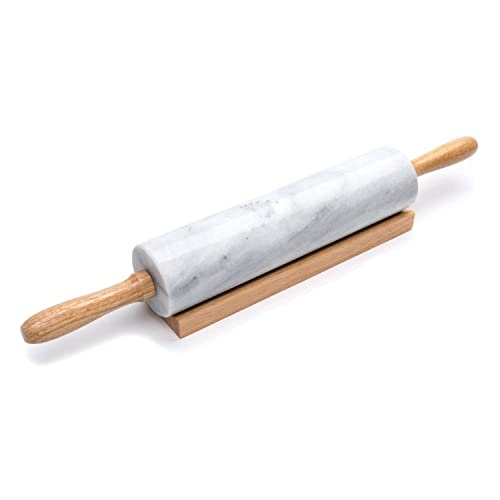 Fox Run Marble Rolling Pin 10-Inch with Wooden Base
|
8.2/10 | Buy | |
| Editor's Pick |
 Zulay Kitchen 17-Inch Marble Rolling Pin with Beechwood Handle
|
8.0/10 | Buy | |
| Best Value |
 GoodCook Classic Wooden Rolling Pin 17.75 Inch
|
7.8/10 | Buy | |
| Top Rated |
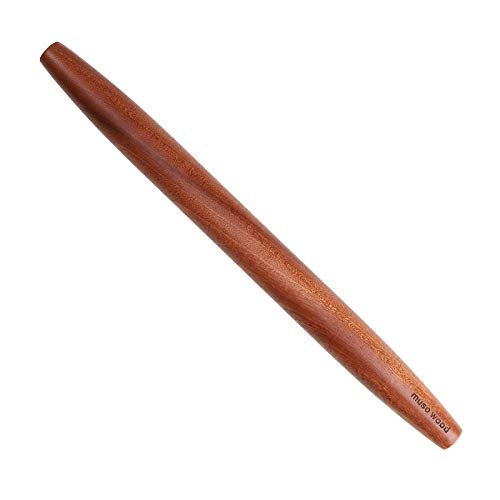 Muso Wood Sapele 15.75-Inch French Rolling Pin
|
7.5/10 | Buy | |
 Vinoil 17-Inch Beech Wood Rolling Pin with Thickness Rings
|
7.4/10 | Buy | ||
 Ultra Cuisine French Rolling Pin 15.75-inch Stainless Steel
|
7.3/10 | Buy | ||
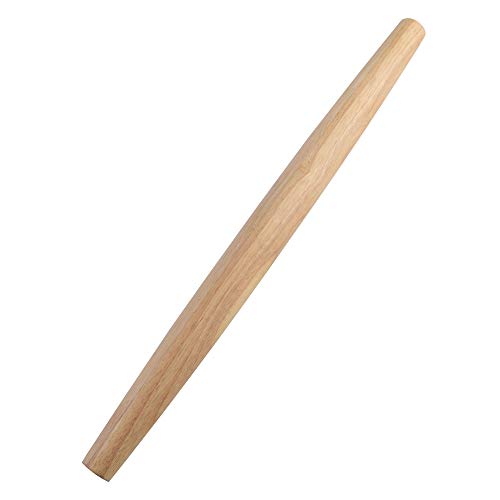 Karryoung French Rolling Pin 17-Inch
|
6.8/10 | Buy | ||
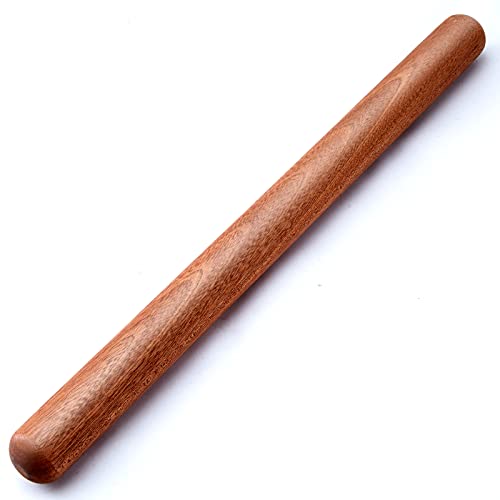 Aisoso 17.7-Inch French Rolling Pin
|
6.6/10 | Buy | ||
 Vinoil Stainless Steel Rolling Pin with Silicone Mat
|
6.4/10 | Buy | ||
 Ateco 15300 Professional Rolling Pin, 15-Inch
|
6.2/10 | Buy |
Fox Run Marble Rolling Pin 10-Inch with Wooden Base
A polished marble rolling pin with wooden handles and matching cradle base, designed for bakers seeking a durable, naturally non-stick surface. The 4.6-pound stone construction with ball bearings offers smooth rolling action, though its weight and premium positioning suit serious home bakers rather than casual users.
Pros
- Natural marble surface provides inherent non-stick properties without coatings
- Includes wooden storage base, eliminating need for separate organization
- Ball bearings reduce effort required for rolling dough
- Unique marble variations mean each pin has distinct character
Cons
- 4.6-pound weight may be tiring for extended use or those with limited hand strength
- No verified buyer reviews available to assess real-world durability and performance
- Premium pricing positions it as investment piece rather than everyday tool
Zulay Kitchen 17-Inch Marble Rolling Pin with Beechwood Handle
A polished marble rolling pin designed for even dough rolling with minimal pressure, thanks to its 360-degree bearings and naturally nonstick surface. The beechwood handle and included wooden stand make it practical for frequent bakers working with pastries, bread, and pizza dough.
Pros
- Marble's natural cooling properties and smooth surface reduce sticking and dough resistance
- Heavy construction and 360-degree bearings distribute pressure evenly across dough
- Includes wooden stand to prevent the pin from rolling off counters
- Easy to clean and maintain compared to wooden alternatives
- Durable material resists cracking and warping over time
Cons
- No verified buyer reviews available to confirm real-world performance and durability claims
- 17-inch length and 4.98-pound weight may be cumbersome for users with limited hand strength or storage space
- Marble requires careful handling to avoid chipping or breaking if dropped
GoodCook Classic Wooden Rolling Pin 17.75 Inch
A solid hardwood rolling pin with nylon bearings for smooth rolling action, made in the United States. Best suited for home bakers who prefer traditional wooden tools and don't mind basic construction without advanced features.
Pros
- One-piece barrel construction for durability and simplified design
- Genuine hardwood material with nylon bearings for smooth operation
- Manufactured in the United States
- Compact 17.75-inch size fits standard work surfaces
- Lightweight at 0.7 pounds for easy handling
Cons
- No verified buyer reviews available to assess real-world performance and longevity
- Limited feature set compared to specialty rolling pins with handles or adjustable thickness guides
- Bare wooden construction requires regular maintenance and proper storage to prevent warping or cracking
Muso Wood Sapele 15.75-Inch French Rolling Pin
Solid sapele wood rolling pin with hand-sanded finish designed for pizza dough, pastries, and fondant work. The 15.75-inch length and tapered ends offer versatility for home bakers, though the lack of verified buyer feedback limits confidence in real-world performance claims.
Pros
- Natural wood material with smooth hand-sanded finish resists dough sticking
- Appropriate length for pizza dough, cookies, fondant, and pie crusts
- Simple maintenance requires only water rinse or damp cloth
- Tapered design simplifies cleanup
Cons
- No verified customer reviews available to confirm durability and performance claims
- Sapele wood may require occasional conditioning to prevent drying with extended use
- Single size option limits choice for specialized baking applications
Vinoil 17-Inch Beech Wood Rolling Pin with Thickness Rings
A solid beech wood rolling pin with adjustable silicone thickness rings (2mm and 4mm) for consistent dough rolling. The set includes a silicone pastry mat and wooden stand, making it practical for home bakers working with pizza, pastry, and bread doughs.
Pros
- Includes all essentials in one set: pin, mat, thickness rings, and stand
- Natural beech wood construction avoids synthetic coatings found in silicone or embossed alternatives
- Adjustable rings eliminate guesswork for consistent dough thickness across recipes
- Non-stick surface reduces sticking and dough cleanup compared to standard wood pins
- Dual-purpose wooden stand provides storage and stability
Cons
- No verified buyer reviews available to confirm real-world durability and performance claims
- Requires regular maintenance with mineral or olive oil (1-2 times monthly) to preserve wood condition
- Beech wood may absorb moisture or odors if not properly dried after washing
Ultra Cuisine French Rolling Pin 15.75-inch Stainless Steel
A handle-free French tapered rolling pin made from stainless steel, designed for precise dough control across pizza, cookies, pastries, and pie crusts. Its freezable construction and dishwasher-safe design make it practical for bakers who need consistent results and easy cleanup.
Pros
- Tapered French design provides superior control over dough thickness compared to traditional rolling pins
- Can be frozen to prevent dough from warming, ideal for delicate pastry work
- Dishwasher safe and easy to clean with simple wiping
- Stainless steel construction resists warping and offers long-term durability
Cons
- No customer reviews available to verify real-world performance and user satisfaction
- Handle-free design may require more technique and hand strength than traditional pins with handles
- 15.75-inch length may be cumbersome for smaller work surfaces or storage
Karryoung French Rolling Pin 17-Inch
A solid rubber wood rolling pin with tapered design and smooth surface, built for both home bakers and restaurant use. The 17-inch length and non-stick finish make it practical for pizza dough, fondant, and pastry work, though it lacks the weight some bakers prefer for heavy doughs.
Pros
- Tapered shape provides superior control compared to straight barrel pins
- Non-stick surface reduces prep mess and cleaning time
- 17-inch size balances reach with convenient storage
- Durable solid wood suitable for both home and commercial kitchens
Cons
- No weight specification provided, may feel light for heavy doughs like artisan bread
- Zero verified buyer reviews available to confirm real-world performance
- Rubber wood is softer than hardwoods and may show wear with extended use
Aisoso 17.7-Inch French Rolling Pin
A solid wood French rolling pin made from natural wood with a polished surface, designed for dough work and light food preparation tasks. The 17.7-inch length suits most baking projects, though it lacks handles and has no verified user feedback yet.
Pros
- Made from premium solid wood with no added coatings or finishes
- Extended 17.7-inch length handles larger dough batches
- Finely polished surface reduces friction and effort during rolling
- Versatile for both rolling and mashing applications
Cons
- No handle design requires gripping the barrel directly, which may fatigue hands
- No verified buyer reviews available to assess real-world durability or performance
- Requires hand washing and careful drying to maintain wood condition
Vinoil Stainless Steel Rolling Pin with Silicone Mat
This stainless steel rolling pin set includes four adjustable thickness rings (2mm to 10mm) and a 23.6x15.7-inch silicone mat for consistent dough rolling across pizza, pastries, and baked goods. Made from food-grade 304 stainless steel at 17 inches long, it's designed for both beginners and experienced bakers seeking a durable, non-stick alternative to wood.
Pros
- Durable food-grade stainless steel won't rust, stain, or absorb odors like wood or aluminum
- Four interchangeable rings deliver precise thickness control from 2mm to 10mm for consistent results
- Large silicone mat accommodates bigger dough projects without requiring additional workspace
- Non-stick surface and smooth finish make cleanup effortless compared to wooden alternatives
Cons
- No verified customer reviews available to validate real-world performance or durability claims
- Ring system adds complexity during storage and may be cumbersome for quick baking tasks
- 17-inch length may feel unwieldy for smaller dough projects or confined workspaces
Ateco 15300 Professional Rolling Pin, 15-Inch
A solid rock maple rolling pin with rust-proof ball bearings designed for professional and home bakers. The 15-inch barrel and smooth surface handle pie crusts, cookie dough, and puff pastry with minimal cleanup required.
Pros
- Solid rock maple construction with rust-proof ball bearings for smooth, consistent rotation
- 15-inch barrel with 3-inch diameter provides excellent coverage for large batches
- Smooth surface is easy to clean and maintain with hand washing
- Made in the USA by a 100-year-old family-run company with professional baking expertise
- Lightweight at 1.5 pounds for comfortable extended use
Cons
- Hand washing required, which may be less convenient than dishwasher-safe alternatives
- No verified customer reviews available to confirm real-world performance and durability
- Premium pricing typical of professional-grade baking tools
Rolling Pins Buying Guide
Choosing the right rolling pin comes down to understanding how different designs, materials, and dimensions interact with the doughs you bake most often.
The sections below walk through the most important factors, so you can match the tool to your actual kitchen habits rather than buying on looks alone.
If you already invest in quality kitchen knife sets, adding a well-matched rolling pin rounds out your prep-work toolkit considerably.
Style: French Tapered vs. Handled vs. Dowel
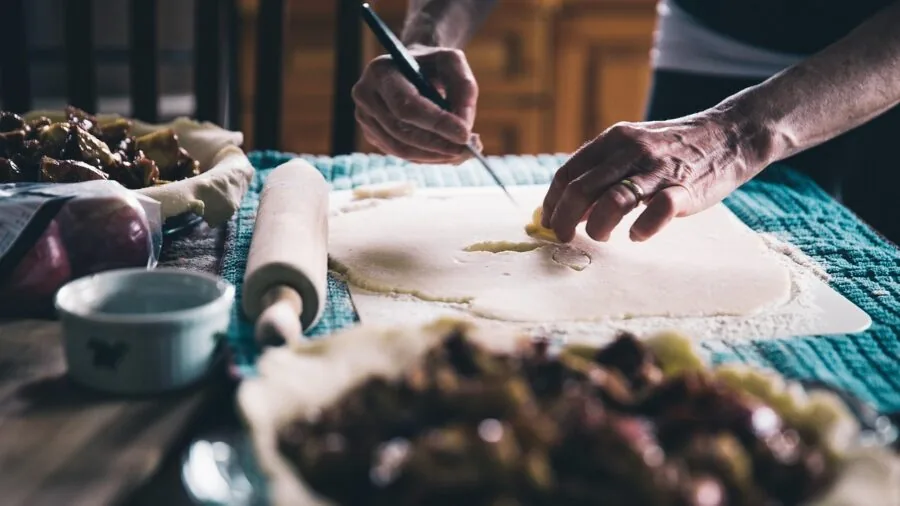
Rolling pin styles fall into three main families, and each has a distinct feel in the hand.
French-style (tapered) pins have no handles; you rest your palms directly on the barrel and the tapered ends let you apply angled pressure to one side of the dough.
This makes it much easier to roll a round, even disc for pie crusts, and it is the style preferred by most professional pastry chefs.
Handled pins use ball bearings or a fixed axle so the barrel spins independently of the handles, which some bakers find more intuitive, especially beginners.
Dowel-style pins are essentially uniform cylinders without taper or handles. They excel at rolling rectangular and oblong shapes, such as laminated pastry or crackers, and can often be fitted with thickness rings for precise results.
Your choice here is largely personal: if you bake a lot of round pies, lean toward a French or tapered pin; if you work more with sheets of dough, a dowel or handled pin may suit you better.
Material: Wood, Marble, and Stainless Steel
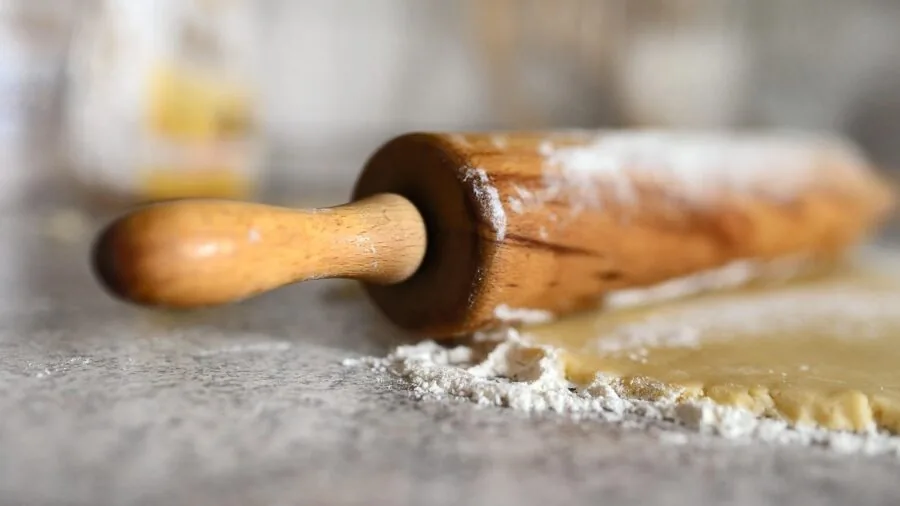
Wood is the classic choice for good reasons. Unfinished or lightly finished hardwoods such as maple, beech, and sapele absorb a thin coat of flour well, which helps prevent dough from sticking without requiring excessive dusting.
Maple is the industry standard for professional pins because it is dense, non-porous when properly sealed, resists cracking, and lasts decades with minimal care. Softer or heavily lacquered woods can pick up dough residue and are harder to clean properly.
Marble rolling pins are genuinely useful for temperature-sensitive doughs.
Because marble stays cool, you can chill the pin in the refrigerator before rolling out butter-rich puff pastry or shortcrust, which helps keep the fat from melting and producing a tough result.
The trade-off is weight: marble pins are heavier, which some bakers find tiring over long sessions, and they require a stand or cradle to avoid rolling off the counter.
Stainless steel pins are non-porous, very easy to clean, and also chill well, though they can feel less forgiving than wood for beginners.
Models with adjustable thickness rings add a practical bonus for bakers who need perfectly uniform dough every time.
Length and Barrel Diameter
Barrel length directly affects how efficiently you can roll large pieces of dough.
A pin with a 10-inch barrel can handle most cookie and small pie tasks, but if you regularly roll out full-size pie crusts or large batches of pizza dough, a 15-inch to 17-inch or longer barrel covers more surface in each pass and reduces the total number of strokes needed.
Fewer strokes means less overworking of the dough, which is critical for tender, flaky results.
Barrel diameter influences how much pressure you apply per unit of surface. A thicker barrel distributes your weight over a wider area, making it easier to roll cold or stiff dough.
A thinner pin gives you more tactile feedback and finer control. Most home bakers find a barrel diameter in the range of 1.5 to 2 inches comfortable for everyday use.
Weight and Balance
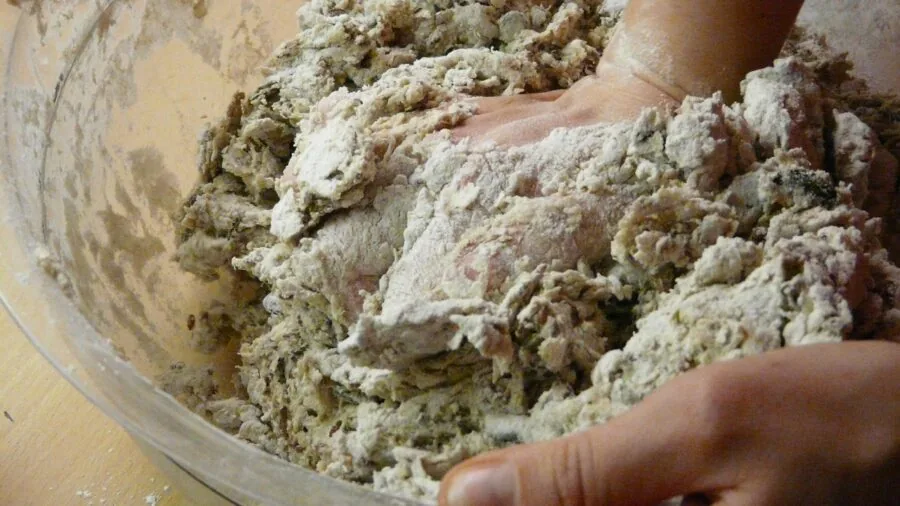
The right amount of weight lets the pin do some of the work for you, reducing hand fatigue over a long baking session.
A pin that is too light requires you to press down hard to flatten dense dough, while one that is too heavy can tear delicate pastry or tire your wrists quickly.
For most home bakers, a moderately weighted wooden pin strikes the best balance. Marble and some stainless steel models skew heavier and are better suited to bakers who specifically need that heft for butter-laminated doughs.
Balance matters as much as raw weight. A well-balanced pin feels neutral in both hands, with no tendency to tip toward one end.
This is one area where quality of construction reveals itself: cheaper pins sometimes have uneven barrel thickness or handles that sit at odd angles, making precise rolling harder than it needs to be.
Pairing a well-balanced pin with a sharp chef knife for trimming dough edges makes the whole pastry workflow noticeably smoother.
Thickness Rings and Accessories
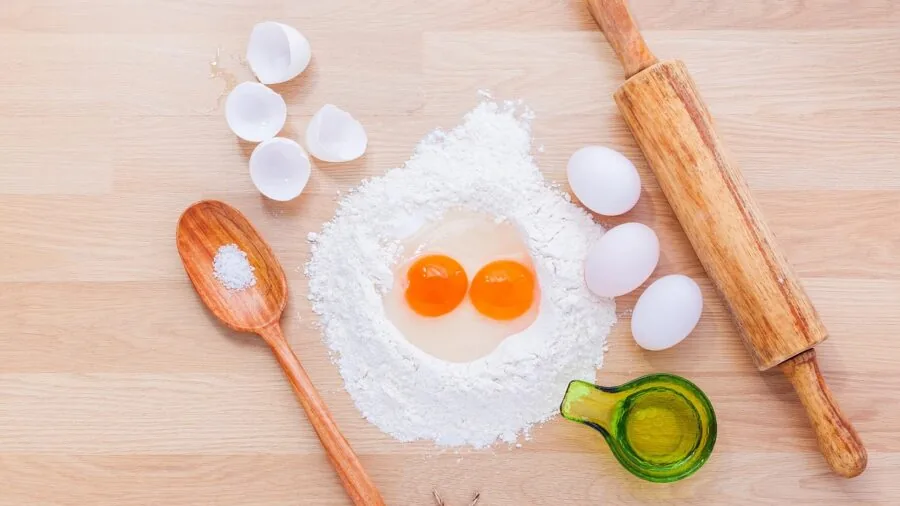
Adjustable thickness rings (also called thickness guides or spacers) slide onto the ends of a rolling pin and physically prevent you from rolling the dough any thinner than the ring height allows.
For sugar cookies, fondant, and uniform pasta sheets, this feature is invaluable: it removes guesswork and produces perfectly consistent results without needing to measure with a ruler.
Several models in our lineup include rings in multiple heights, giving you flexibility across different recipes.
Some sets also include a silicone baking mat, which serves double duty as a non-slip rolling surface and a size reference for common dough dimensions.
If you bake on a marble or granite countertop that gets slippery, a mat is a worthwhile addition.
Bear in mind that a silicone mat alone will not replace a lightly floured surface for very sticky doughs; flour is still your first line of defense against sticking.
Ease of Cleaning and Long-Term Care
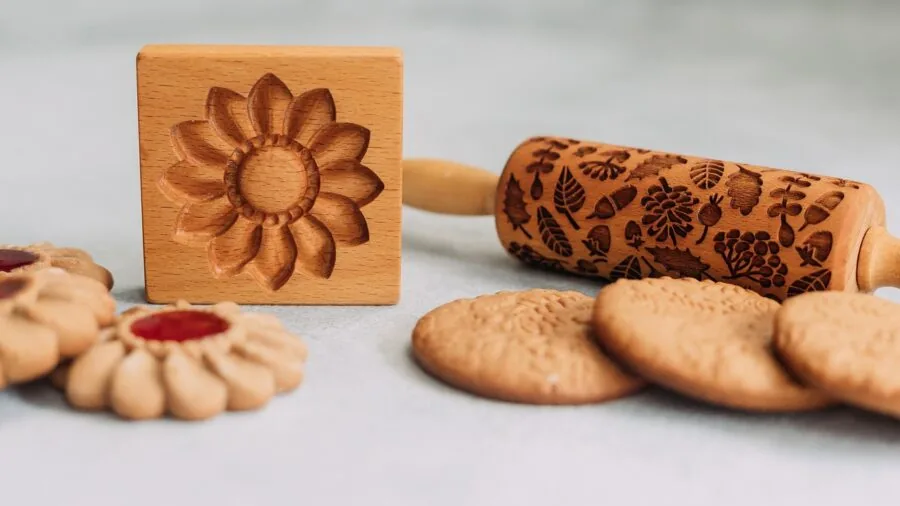
Unfinished or lightly oiled wooden rolling pins should never go in the dishwasher. Soaking in water causes wood to swell, crack, and eventually split.
The correct approach is to wipe the barrel clean with a damp cloth immediately after use, allow it to air-dry completely, and apply a thin coat of food-safe mineral oil or beeswax occasionally to keep the wood from drying out.
This routine takes under a minute and will keep a quality maple pin in excellent shape for many years.
Marble and stainless steel pins are easier to clean: a quick rinse and wipe is usually sufficient. However, marble can chip if dropped, and the cradle or stand that comes with marble pins should be checked regularly for stability.
Handled pins with ball bearings should have their bearing joints inspected occasionally; debris trapped in the joint can cause the barrel to drag rather than spin freely, which defeats the purpose of the design.
Good kitchen hygiene around rolling pins is especially important because raw dough can harbor bacteria if residue is left in crevices.
Why You Should Trust Us
ProductFind is an independent review publication. We do not sell rolling pins or any other products, and we have no affiliation with the manufacturers listed here.
Every product in this roundup was evaluated against a consistent set of criteria covering material quality, design, user-reported performance, durability, and value. Each model receives a PF Score on a scale of 0 to 10, calculated through our structured research methodology.
We do not conduct our own product trials; our evaluations are grounded in research, published data, expert review consensus, and verified buyer feedback.
Our sources include published specifications from manufacturers, editorial consensus from professional culinary reviewers and baking specialists, and aggregated feedback from verified purchasers across major retail platforms.
This approach lets us cover a broad range of products consistently and without the bias that can come from evaluating only a narrow sample.
ProductFind may earn a commission if you purchase through links in this article. That affiliate relationship has no influence on which products appear, how they are ranked, or what PF Score they receive.
Our editorial recommendations are based solely on the quality of the evidence we gather.
We apply the same methodology whether a product costs a few dollars or well over fifty, and we cover kitchen tools ranging from rolling pins to santoku knives with the same independent standard.
Final Thoughts
The rolling pins in this roundup cover a wide spectrum of styles, materials, and price points, yet every one of them earned its place through consistent research findings and strong buyer satisfaction.
Below are the standout titles from our evaluation, each reflecting the specific strength that sets it apart.
- Best Overall: Fox Run Polished Marble Rolling Pin with Wooden Cradle earns the top PF Score in this roundup by combining the temperature-retaining properties of polished marble with a practical wooden cradle, making it the most versatile choice for butter-rich pastry and everyday baking alike.
- Best Marble Alternative: Zulay Kitchen 17-Inch Marble Rolling Pin With Stand offers a longer barrel and beechwood handles for bakers who want the cold-dough benefits of marble with a more ergonomic grip and a generous rolling surface.
- Best Budget Pick: GoodCook Classic Wooden Rolling Pin with Easy Roll Bearings delivers reliable, beginner-friendly performance at an entry-level price, with ball-bearing handles that spin smoothly under the hand.
- Best French-Style Wood Pin: Muso Wood Sapele Wooden French Rolling Pin stands out among the tapered wooden options for its dense sapele construction and smooth finish, which translates to consistent dough contact and easy flour adhesion.
- Best Set with Accessories: Vinoil Classic Wood Rolling Pin with Silicone Mat and Adjustable Thickness Rings is the most complete package for bakers who want guided thickness control and a non-slip mat included out of the box.
If you are building out a broader baking and prep station, it is worth thinking about how your rolling pin fits alongside your other primary tools.
A sturdy wooden cutting board, a reliable bench scraper, and sharp knives all work together in a well-equipped kitchen. Our coverage of kitchen knife sets is a useful companion resource for anyone equipping a kitchen from scratch.
Frequently Asked Questions
What type of rolling pin is best for pie crust?
A French-style tapered pin is widely recommended by professional bakers for pie crust. The tapered ends give you angled control that makes it easier to roll a circular shape without thick edges.
Unfinished hardwood maple is the preferred material because it accepts a thin dusting of flour evenly, reducing sticking without requiring excess flour that can toughen the crust.
If your kitchen runs warm or you use a very butter-heavy crust recipe, a chilled marble pin is also an excellent choice since it helps keep the fat cold during rolling.
Is a marble rolling pin worth the extra cost?
Yes, for specific tasks. Marble retains cold exceptionally well, which is a genuine functional advantage when working with temperature-sensitive doughs like puff pastry, croissant dough, or shortcrust.
Storing a marble pin in the refrigerator for 20 to 30 minutes before use can make a noticeable difference in how the butter behaves during rolling.
For everyday cookie dough or pizza dough where temperature is less critical, a wooden pin performs just as well and is lighter and easier to maneuver.
The decision ultimately comes down to how often you work with laminated or butter-rich pastry.
How do I keep dough from sticking to my rolling pin?
A light, even dusting of flour on both the pin and the work surface is the standard approach. Unfinished wooden pins absorb flour into the grain slightly, which creates a naturally less-sticky surface over time.
Avoid over-flouring, as adding too much flour to the dough during rolling changes its hydration and texture.
For very sticky sweet doughs or fondant, placing the dough between two sheets of parchment paper or plastic wrap before rolling eliminates the sticking problem entirely without adding any extra flour.
Silicone rolling pin rings or a silicone mat also help manage thickness while reducing the chance of sticking on one side.
Can I put a wooden rolling pin in the dishwasher?
No. Dishwashers expose wooden tools to prolonged heat and moisture, which causes wood to warp, crack, and split.
The correct care for an unfinished or oiled wooden pin is a quick wipe with a damp cloth after each use, followed by thorough air-drying.
Periodically applying a thin coat of food-safe mineral oil keeps the wood conditioned and prevents it from drying out and cracking at the ends. A well-maintained maple or beechwood pin can last a lifetime with this simple routine.
Marble and stainless steel pins can be rinsed under running water and wiped dry, though soaking is still not advisable for pins with wooden handles or cradles.
What length rolling pin should I buy for home baking?
For most home bakers, a barrel length between 15 and 17 inches covers the full range of everyday tasks, from standard 9-inch pie crusts to large batches of rolled cookies.
Shorter pins around 10 to 12 inches are convenient for smaller jobs but can feel limiting when you need to roll a large, thin sheet in one pass.
If your counter space is limited, a compact pin is easier to store, but you will likely work harder to achieve even thickness across a large piece of dough.
Extra-long pins above 19 inches are primarily useful for very large batches or professional production settings and can be unwieldy in a typical home kitchen.
Do rolling pins with adjustable thickness rings actually work?
Yes, and they work well for tasks where consistent thickness matters, such as sugar cookies intended for decorating, fondant for cake covering, or pasta sheets.
The rings sit at each end of the pin and physically prevent the barrel from pressing the dough any thinner than the ring height allows, so you get uniform results across the entire sheet without needing to measure.
The limitation is that rings only work on straight or dowel-style pins; they are not compatible with tapered French-style designs. If you frequently need precise thickness for multiple dough types, look for a set that includes rings in several heights.
A reliable digital thermometer nearby for checking dough temperature during laminated pastry work is another small upgrade that pairs well with thickness-ring precision.
About the author
Tammy is a reviewer and writer for ProductFind who specializes in Kitchen Tools & Gadgets. Tammy evaluates products through independent research: specifications, expert review consensus, and verified buyer feedback, and rates each one on the PF Score. Tammy focuses on helping readers pick the right kitchen tools & gadget for their needs and budget.