The 8 Best Sleeping Bags
Warmth rating, insulation type, and fit all shape how well a sleeping bag performs in the field. Our research-backed picks cover every budget, from flannel-lined car camping bags to versatile cold-weather options.
 By Vernon Jackson
Updated July 23, 2026
By Vernon Jackson
Updated July 23, 2026
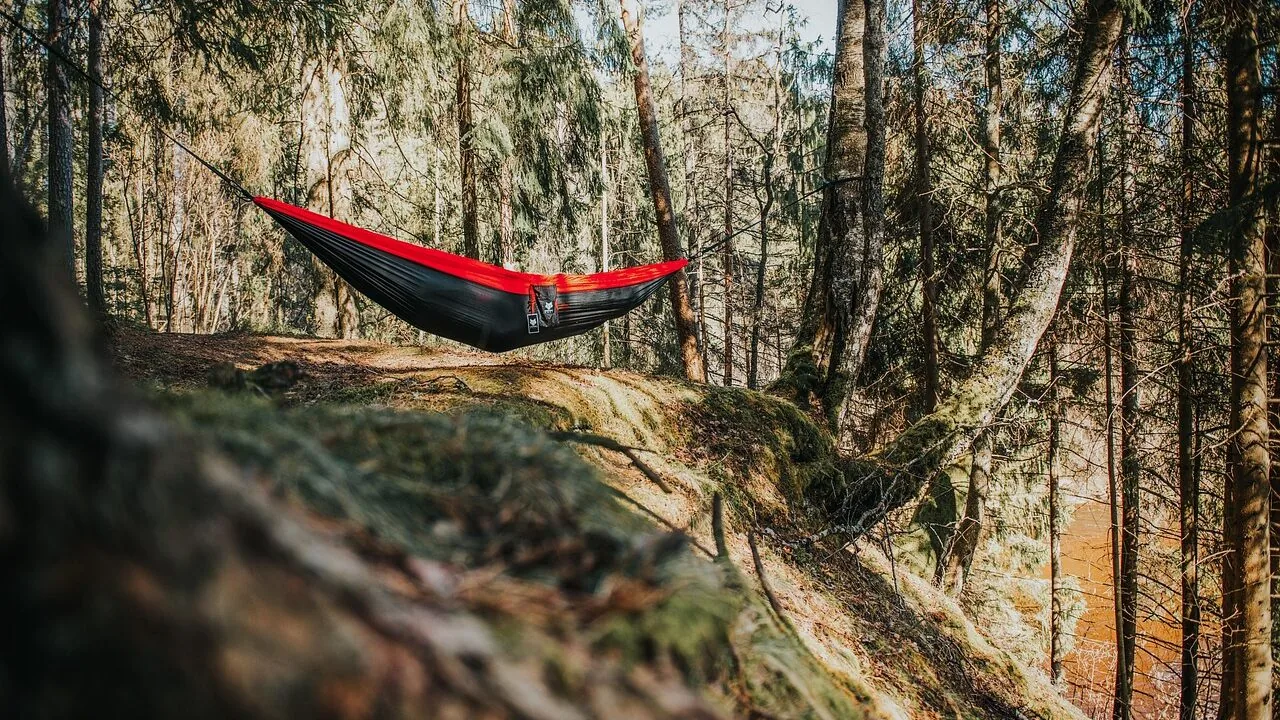
A good sleeping bag is one of the most critical pieces of gear you can own for the outdoors.
Whether you’re car camping at a state park, hunkering down during a cold snap at elevation, or hunting in remote terrain, the right bag is the difference between a restorative night’s sleep and a miserable, shivering ordeal.
The market has expanded enormously, with options ranging from budget-friendly rectangular bags with flannel liners to versatile 3-in-1 designs from premium outdoor brands, and cutting through the noise takes real research.
Pair your bag with the right sleeping pad and a supportive camping pillow to build a complete sleep system that actually works.
At ProductFind, we evaluate every sleeping bag through comprehensive research synthesis: manufacturer specifications, expert review consensus drawn from established outdoor publications, verified buyer feedback across thousands of real-world purchases, and publicly available performance data.
Each bag in this guide has been assessed and assigned a PF Score on our 0 to 10 scale, reflecting its overall value across warmth, construction, packability, and user experience.
From the budget-friendly Coleman Brazos to the premium North Face Dolomite One, our top picks below cover every camping style and budget.
| Award | Product | PF Score About PF ScoreThe PF Score is our own rating from 0 to 10, based on performance, design and build, ease of use, and value. It reflects independent research and is never influenced by manufacturers, retailers, or affiliate commissions. Learn more › | Price | |
|---|---|---|---|---|
| Best Overall |
 Coleman Brazos 20°F Sleeping Bag
|
8.6/10 | Buy | |
| Editor's Pick |
 The North Face Dolomite One 15F Sleeping Bag
|
8.3/10 | Buy | |
| Best Value |
 TETON Sports Deer Hunter 0F Sleeping Bag
|
7.3/10 | Buy | |
| Top Rated |
 FARLAND Cold Weather Sleeping Bag 87x33 inch
|
7.1/10 | Buy | |
 Coleman Dunnock 20°F Big 'n Tall Sleeping Bag
|
6.5/10 | Buy | ||
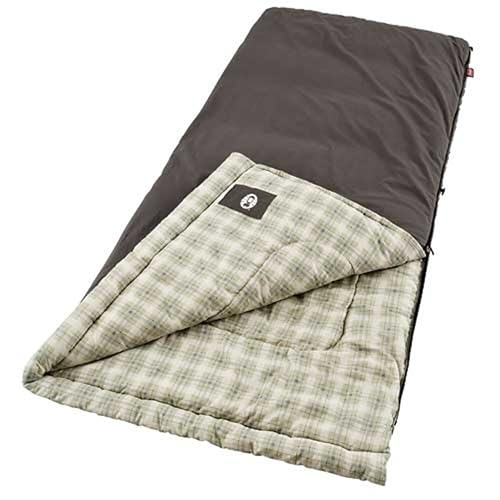 Coleman Big & Tall 10°F Sleeping Bag, XL
|
6.2/10 | Buy | ||
 HiZYNICE 90x39 XXL Cold Weather Sleeping Bag
|
5.9/10 | Buy | ||
 JEAOUIA 3-Season Sleeping Bag 31.5x86.6in
|
4.8/10 | Buy |
Coleman Brazos 20°F Sleeping Bag
A budget-friendly cold-weather sleeping bag rated to 20°F, designed for campers up to 5'11" with practical features like a no-snag zipper and machine washability. The Thermolock draft tube and Fiberlock construction help retain warmth, while the included stuff sack makes transport convenient.
Pros
- Effective insulation system with draft tube and Fiberlock construction to minimize heat escape
- Machine washable design simplifies cleaning compared to hand-wash-only alternatives
- No-snag zipper reduces frustration and gear damage during setup and packing
- Included stuff sack with locking fasteners streamlines rollup and transport
- Ability to zip two bags together adds versatility for shared sleeping arrangements
Cons
- No verified buyer reviews available to assess real-world durability or actual warmth performance at stated temperature
- 5.3-pound weight makes it less ideal for ultralight backpacking compared to premium alternatives
- Limited to campers 5'11" and under, which excludes taller users
The North Face Dolomite One 15F Sleeping Bag
A modular 3-in-1 sleeping bag system that adapts from 15F to 50F by combining separate insulated layers, ideal for campers who face varying climates. The rectangular design with fleece lining and water-repellent coating prioritizes comfort and versatility over ultralight specs.
Pros
- Versatile temperature range (15F to 50F) by mixing and matching layers
- Rectangular cut offers more internal space than mummy bags
- Fleece-lined construction improves comfort during cool nights
- Water-repellent coating adds durability in damp conditions
- Compact when stuffed, weighs around 5 lbs for regular size
Cons
- No verified buyer reviews available to assess real-world durability and comfort
- Heavier than specialty ultralight or down-insulated alternatives
- Three-piece system requires management of multiple components for different conditions
TETON Sports Deer Hunter 0F Sleeping Bag
A heavy-duty canvas sleeping bag designed for serious cold-weather camping and hunting. The durable construction, double-layer insulation, and mummy-style hood aim to keep you warm in extreme conditions, though the 8.5-pound weight makes it better suited for car camping than backpacking.
Pros
- Heavy-duty canvas construction designed for durability and long lifespan
- 0F temperature rating suitable for serious cold-weather use
- Dual zippers enable independent temperature control and convenient entry
- Mummy-style hood and soft poly-flannel lining maximize heat retention
Cons
- 8.5-pound weight limits portability for backpacking and requires insulated pad for optimal warmth
- No verified customer reviews available to validate real-world performance claims
- Designed primarily for car camping and hunting rather than lightweight backcountry use
FARLAND Cold Weather Sleeping Bag 87x33 inch
A fleece-lined sleeping bag rated for temperatures down to 14°F, featuring waterproof nylon exterior and 400g silk-like cotton fill. Best for campers and hikers seeking easy maintenance with machine-washable construction and quick compression packing.
Pros
- Plush microplush fleece lining adds comfort compared to standard polyester interiors
- Waterproof exterior handles light rain and morning dew without moisture seeping in
- Machine washable eliminates the need for dry cleaning or specialized care
- Compact packing size makes it genuinely portable for backpacking and travel
- Reasonable temperature range covers typical three-season camping scenarios
Cons
- No verified buyer reviews yet, so real-world durability and actual temperature performance remain unconfirmed
- Minimum temperature of 14°F may not be sufficient for serious winter mountaineering or extreme cold expeditions
- Rectangular design lacks the weight savings of tapered or mummy-style bags for ultralight backpacking
Coleman Dunnock 20°F Big 'n Tall Sleeping Bag
A roomy sleeping bag built for taller adults up to 6'4", featuring a 20°F temperature rating and cotton flannel liner for warmth. Machine washable design and zippered ventilation make it practical for varied camping conditions.
Pros
- Generous sizing accommodates tall campers without cramping
- Two bags zip together for shared sleeping space
- Integrated Wrap 'N Roll system simplifies packing and rolling
- Bottom unzip option adds flexibility for temperature management
- Machine washable construction reduces hassle of field cleaning
Cons
- No verified buyer reviews available to assess real-world performance claims
- 4.9-pound weight may feel heavy for backpacking compared to ultralight alternatives
- Limited color option listed as multi, reducing aesthetic customization
Coleman Big & Tall 10°F Sleeping Bag, XL
A winter-rated sleeping bag designed for larger adults up to 6'7", featuring 5 pounds of Holofill 808 insulation for reliable warmth at 10°F. The flannel liner and machine-washable construction prioritize comfort and easy maintenance, though the bag is heavier than ultralight alternatives.
Pros
- Accommodates taller campers up to 6'7" with 84-inch length
- 5 pounds of Holofill 808 insulation rated for 10°F conditions
- Machine washable flannel liner for convenient cleaning
- No-snag zipper and FiberLock insulation system prevent common issues
- Wrap 'N' Roll storage system simplifies packing and transport
Cons
- 8.9-pound weight makes it less suitable for backpacking or weight-conscious campers
- 4-season rating may be warmer than needed for milder three-season camping
- No verified buyer reviews available to assess real-world durability and performance
HiZYNICE 90x39 XXL Cold Weather Sleeping Bag
An extra-large sleeping bag designed for bigger frames and side sleepers, rated to 0F with a soft cotton flannel lining and convertible design. The 90-inch length suits tall campers up to 6'7", though it lacks verified buyer feedback to confirm real-world performance.
Pros
- Generous sizing accommodates sleepers up to 6'7" and side sleeping positions
- Flexible unzipping system allows top, bottom, or full opening for ventilation and temperature control
- Cotton flannel lining provides comfort against skin with waterproof shell protection
- Dual-bag zipper compatibility enables pairing with a matching bag for couples
- Machine washable construction simplifies maintenance in field conditions
Cons
- No verified customer reviews available to validate temperature ratings or durability claims
- 7-pound weight is notably heavier than premium ultralight options for backpacking
- Machine wash instructions require careful handling of flannel lining placement to protect shell coating
JEAOUIA 3-Season Sleeping Bag 31.5x86.6in
A budget-friendly three-season sleeping bag designed for campers up to 5'11" with a temperature range of 50-68°F. Features lightweight construction at 3.3 lbs, waterproof polyester exterior, and practical touches like a drawstring hood and foot zipper for seasonal adjustments.
Pros
- Compact and lightweight at 3.3 lbs with compressed size of 7.9-14.2 inches, ideal for backpacking
- Waterproof and breathable polyester outer with hollow cotton fill for weather protection
- Practical design elements including adjustable hood drawstring and foot zipper for temperature control
- Accommodates taller users comfortably up to 5'11" with spacious 31.5x86.6 inch dimensions
- Easy maintenance and versatile use beyond camping, including emergency vehicle blanket
Cons
- Limited temperature range of 50-68°F makes it primarily a three-season bag, not suitable for extreme cold
- No verified customer reviews available to assess real-world durability and long-term performance
- Hollow cotton fill may not match performance of down or synthetic insulation in wet conditions despite waterproof exterior
Sleeping Bags Buying Guide
Choosing a sleeping bag involves more than picking a temperature rating off a shelf. The best bag for you depends on how you camp, where you sleep, how warm or cold you run naturally, and what you plan to carry.
Use the criteria below to match a bag to your actual needs rather than settling for a generic pick.
Temperature Rating and Comfort Range
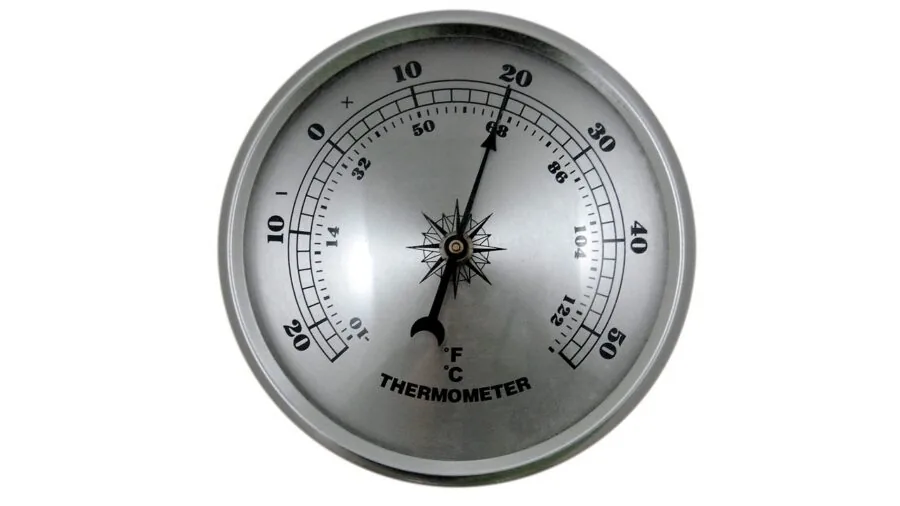
Temperature ratings are the most prominent spec on any sleeping bag, but they are frequently misunderstood.
In the United States, most bags are rated using the EN 13537 or ISO 23537 standard, which defines a “comfort” rating for average women and a “lower limit” rating for average men.
The number printed on the bag is typically the lower limit, meaning a bag rated 20°F will keep an average-sized man alive at that temperature, but not necessarily comfortable.
Cold sleepers, women, and anyone camping in wet or windy conditions should plan to buy a bag rated 10 to 15°F warmer than the coldest expected temperature.
For three-season car camping in temperate climates, a bag rated between 20°F and 30°F covers the vast majority of conditions. If you’re hunting in early winter or camping at altitude, a 0°F or 10°F bag provides a meaningful safety margin.
The Coleman Heritage Big & Tall 10°F and the TETON Sports 0°F Deer Hunter are designed for exactly these cold-weather use cases.
A quality bag also works alongside other shelter layers, so investing in a well-insulated tent makes your existing bag perform warmer in marginal conditions.
Be especially skeptical of budget bags that claim extremely low temperature ratings without EN/ISO certification. A no-name bag rated to 0°F for under thirty dollars is almost certainly overstating its thermal performance.
Verified buyer feedback across dozens of products in this category consistently shows that uncertified budget ratings run 15 to 20°F warmer than claimed.
Insulation Type: Synthetic vs. Down
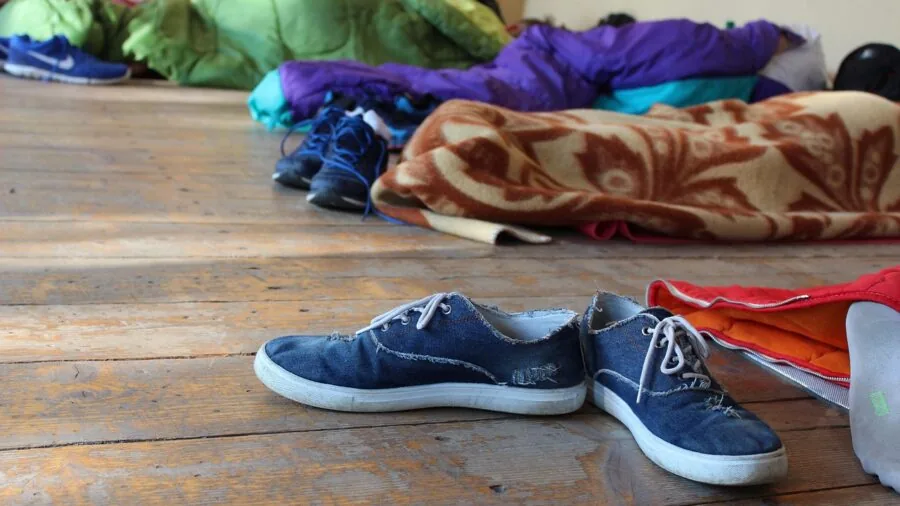
Every sleeping bag uses either synthetic fill or down fill, and the choice meaningfully affects warmth, weight, packability, cost, and performance in wet conditions. Synthetic insulation is made from polyester fibers engineered to mimic down’s loft.
It retains warmth even when wet, dries quickly, is hypoallergenic, and is considerably less expensive. The trade-off is weight and bulk: synthetic bags are heavier and pack larger than equivalent down bags.
The Coleman Brazos, Coleman Dunnock, Coleman Heritage, and JEAOUIA bags in this guide all use synthetic fill, making them strong value picks for car camping where weight is not a constraint.
Down insulation, sourced from goose or duck plumage, delivers a superior warmth-to-weight ratio and compresses into a much smaller package.
A quality down bag is noticeably lighter than a synthetic bag of equivalent warmth, which matters enormously if you’re carrying your gear on your back.
The downside is cost and wet-weather vulnerability: untreated down clumps when damp and loses most of its loft. Many modern bags address this with hydrophobic down treatments that resist moisture for a meaningful period.
The North Face Dolomite One uses a water-repellent construction to bridge this gap. For car camping, synthetic is almost always the more practical and economical choice; for backpacking, down earns its premium.
Shape: Rectangular, Mummy, and Semi-Rectangular
Sleeping bag shape affects both warmth and comfort. Mummy bags taper from shoulders to feet, minimizing dead airspace that your body must heat, which makes them the most thermally efficient design.
They fit close to the body and include an insulated hood that seals around your head, a critical feature for retaining heat in genuinely cold temperatures.
The trade-off is that some sleepers find mummy bags constricting, particularly those who move around at night.
Rectangular bags offer significantly more room to move and are easier to get in and out of, which is why most car campers and guest-use bags use this shape. They can also be fully unzipped and used as a blanket.
The Coleman Heritage Big & Tall and the Coleman Dunnock are classic wide rectangular designs optimized for comfort and ease of use rather than thermal efficiency.
Semi-rectangular, or “modified mummy,” bags split the difference by tapering slightly toward the feet without the full mummy cut. The North Face Dolomite One uses a rectangular shape with a fleece lining, deliberately prioritizing comfort for base-camp or car-camping use.
For guests, car camping, and anyone who tends to overheat, a roomy rectangular bag is usually the right call. For camping in genuinely cold conditions or at altitude, the superior thermal efficiency of a mummy or semi-rectangular design is worth the adjustment period.
Size and Fit: Length and Girth Matter
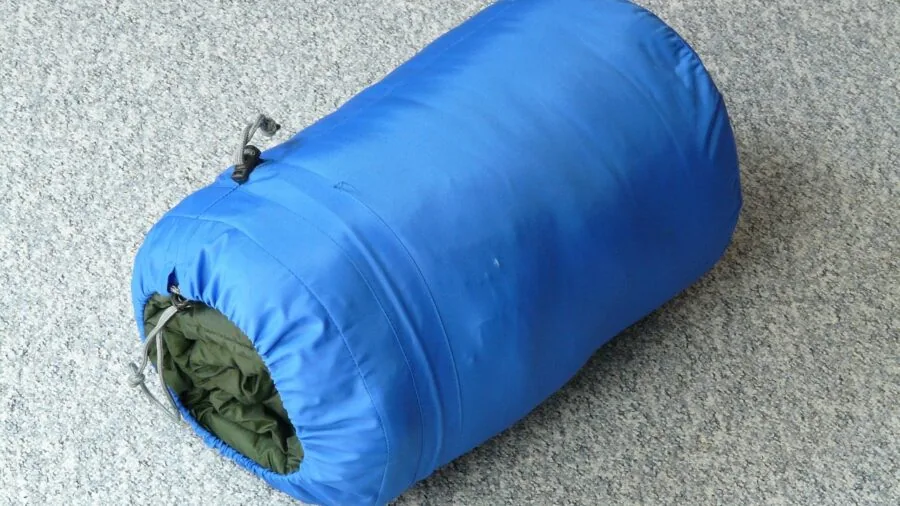
A sleeping bag that is too long for you wastes body heat warming empty footbox space. One that is too short leaves your feet compressed and cold.
Most bags come in regular and long lengths, with long versions typically accommodating sleepers up to 6 feet 6 inches.
The Coleman Dunnock Big ‘n Tall fits adults up to 6 feet 4 inches and the Coleman Heritage Big & Tall extends to 6 feet 7 inches, making both solid choices for taller campers who consistently struggle with standard-length bags.
The HiZYNICE XXL option, at 90 by 39 inches, is sized for big-and-tall users who also want more shoulder room.
Girth is equally important. A bag that pinches your shoulders forces you to sleep on your back or compresses your insulation where it contacts your body, reducing effective warmth at those points.
When in doubt, sizing up slightly in girth is more comfortable than sizing down, particularly for side sleepers.
Check manufacturer fit guidelines and verified buyer notes on actual fit, since stated dimensions and real-world experience sometimes diverge, especially in lower-priced bags.
Shell Material, Liner, and Weather Resistance
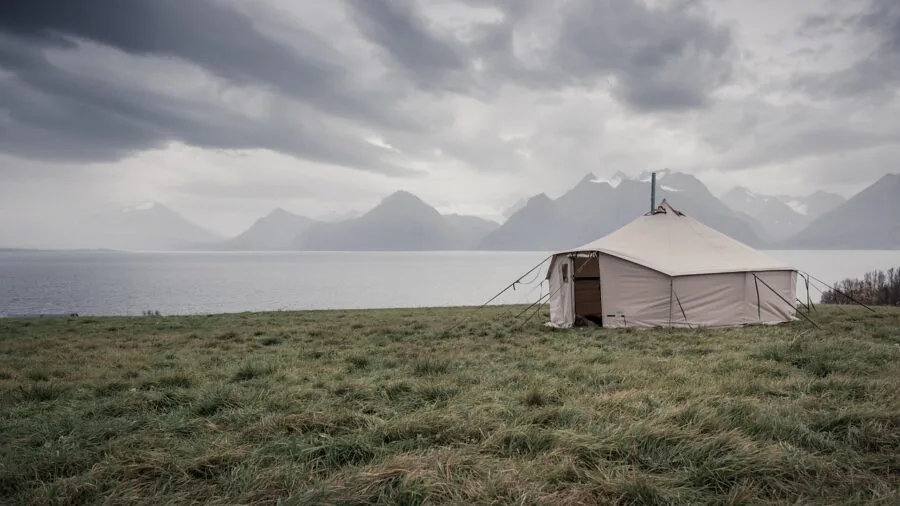
The outer shell of a sleeping bag serves two functions: containing the insulation and providing some resistance to moisture, wind, and abrasion. Most car-camping bags use a polyester or nylon taffeta shell that prioritizes durability and cost over packability.
Canvas or canvas-blend shells, like the one on the TETON Sports Deer Hunter, are notably more rugged and abrasion-resistant, which matters in hunting camps where bags take real abuse from field use.
The downside is added weight and bulk compared to technical nylon shells.
Liner material determines how the bag feels against your skin. Flannel liners, used in the Coleman Heritage and Coleman Dunnock, are soft and warm to the touch, which makes getting into a cold bag significantly more pleasant.
Fleece liners, like the one in the North Face Dolomite One, are warmer and wick moisture slightly better than flannel.
Smooth nylon or polyester taffeta liners, common in lighter synthetic and down bags, slide on easily but feel less cozy against bare skin.
For car camping in cold weather, a flannel or fleece liner is a genuine quality-of-life upgrade worth prioritizing.
Packability, Weight, and Practical Portability
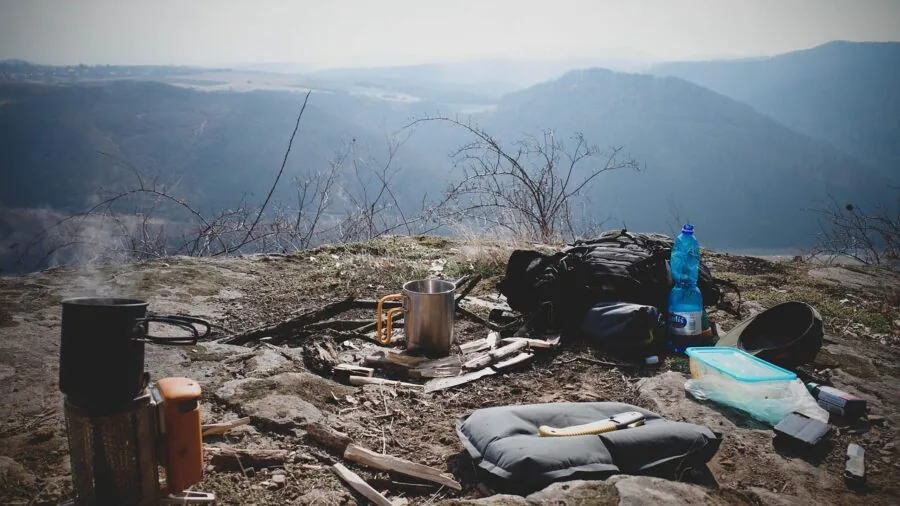
For car campers who transport gear in a truck bed or cargo area, packed size and weight are largely irrelevant, which is why large flannel-lined rectangular bags dominate this use case.
However, if there is any chance you will carry your bag in a pack, even on a short overnight hike, packed size becomes a meaningful constraint.
Bags that compress into their own stuff sack or compression sack, like the FARLAND and JEAOUIA options in this guide, are noticeably easier to fit into a standard daypack or travel bag.
Backpackers should pay close attention to fill weight and total packed weight when comparing bags, as those numbers define how the bag affects your daily carry. Even a difference of half a pound over a multi-day trip compounds meaningfully.
If backpacking is a priority for you, pairing a compressible sleeping bag with a lightweight backpacking tent and a compact camp cookware set keeps your total base weight manageable.
For guests and home sleepovers, neither weight nor packability matters at all, and spending that budget on comfort features like a flannel liner is a better use of money.
Why You Should Trust Us
ProductFind is an independent review publication. We do not manufacture, sell, or distribute any of the products we cover.
Every sleeping bag in this guide was evaluated through our structured research methodology: we analyze manufacturer specifications, cross-reference expert review consensus from established outdoor and gear publications, synthesize verified buyer feedback from confirmed purchasers, and incorporate publicly available performance data.
We do not conduct our own product trials; our evaluations are grounded in research, published data, expert review consensus, and verified buyer feedback.
Each product is assigned a PF Score on a 0 to 10 scale, reflecting a weighted assessment across the criteria most relevant to this category: thermal performance relative to rating, construction quality, fit and comfort, ease of use and care, and overall value for the intended use case.
The PF Score is calculated consistently across every bag in our database, regardless of brand or price tier, so scores are directly comparable within and across categories.
ProductFind may earn an affiliate commission when you purchase through links in this article. This relationship has no influence on our scores, rankings, or editorial selections.
We include products because they earned a place in our analysis, not because of commercial arrangements. Our only obligation is to you, the reader.
Final Thoughts
After evaluating the full range of bags in this guide across warmth, construction, fit, ease of care, and real-world value, a few clear standouts emerge for different types of campers and budgets. Here are our top designations based on PF Score and use-case fit:
- Best Overall: Coleman Brazos 20/30°F Sleeping Bag. The highest PF Score in this guide for good reason. The Brazos delivers reliable cold-weather performance, a no-snag zipper, and machine-washable construction at a price point that is hard to argue with for recreational car campers. It is the bag we would recommend first to anyone building an outdoor kit from scratch.
- Best Premium Pick: The North Face Dolomite One 15°F Sleeping Bag. The second-highest PF Score in this roundup reflects its 3-in-1 versatility, hydrophobic water-repellent construction, and genuine North Face build quality. This is the bag for car campers who want something they can still rely on in genuinely cold or damp conditions without sacrificing comfort.
- Best for Hunters and Cold-Weather Specialists: TETON Sports 0°F Deer Hunter Sleeping Bag. The rugged canvas shell and aggressive 0°F rating make this a legitimate choice for hunters and cold-weather campers who need durability and real thermal margin in the field, not just on a spec sheet.
- Best Versatile Budget Companion: FARLAND Sleeping Bag. A solid mid-tier score for an affordable bag that includes a plush fleece-lined interior, waterproof-treated shell, and compression sack. It punches above its price for casual campers, travelers, and festival-goers who need portability as much as warmth.
- Best for Tall Adults: Coleman Dunnock 20°F Big ‘n Tall Sleeping Bag. Taller campers consistently struggle to find bags that fit without compressing their feet or leaving a cold gap at the shoulders. The Dunnock addresses this with an extended cut, machine-washable flannel liner, and Coleman’s proven cold-weather build quality at a mid-range price.
Whatever your style of camping, the right sleeping bag makes every night outdoors dramatically better.
Combine your bag with reliable camp lighting, a quality cooler for food storage, and a sturdy family tent if you’re camping with kids, and you’ll have a kit that holds up across seasons.
Use the buying guide above to identify which criteria matter most for your specific conditions, and let the PF Scores guide your final call.
Frequently Asked Questions
What sleeping bag temperature rating do I actually need?
Buy a bag rated at least 10 to 15°F colder than the lowest temperature you expect to encounter. Temperature ratings represent a survival lower limit for an average-sized adult male, not a comfort guarantee.
Women, cold sleepers, and anyone camping in wet or exposed conditions should apply that buffer consistently.
A 20°F bag is appropriate for most three-season car camping in the continental US, while hunters and winter campers are better served by a 0°F or 10°F rating.
Is a mummy bag warmer than a rectangular bag?
Yes, at equivalent fill weights, mummy bags are measurably warmer because they minimize the dead airspace your body must heat. The tapered foot box and insulated hood eliminate two of the biggest sources of heat loss.
That said, a well-rated rectangular bag will always outperform a mummy bag that is too light for the conditions. If you sleep cold or camp in genuinely frigid temperatures, a mummy cut is worth the adjustment in sleeping position freedom.
Can I wash a sleeping bag in a regular washing machine?
It depends on the bag.
Many synthetic-fill rectangular bags, including all three Coleman models in this guide, are specifically designed to be machine washable, which is a significant practical advantage for regular car campers and anyone who uses a bag for guests.
Down bags and bags with canvas shells typically require either hand washing or a front-loading machine on a gentle cycle with specialized down wash. Always follow the manufacturer care label.
Improper washing is one of the most common ways campers permanently damage their sleeping bag’s insulation loft.
Should I store my sleeping bag compressed in its stuff sack?
No. Storing any sleeping bag compressed for extended periods, whether synthetic or down, degrades the loft of the insulation over time by deforming the fibers or clusters.
Long-term storage should always be in a large breathable cotton storage sack or hung loosely in a closet. Compression sacks are designed for transport, not for months of shelf storage between camping seasons.
Properly stored bags retain their thermal performance significantly longer than those kept perpetually compressed. Good storage habits are one of the easiest ways to extend the lifespan of any sleeping bag you own.
What else should I bring to sleep comfortably when camping?
A sleeping bag is only one piece of a complete sleep system. A quality insulated sleeping pad is arguably as important as the bag itself, since a significant portion of heat loss at night occurs through conduction into the ground.
A supportive camping pillow rounds out the comfort side.
Beyond sleep, a hands-free headlamp for navigating camp in the dark and a good insulated mug for a hot drink before bed are simple additions that make cold-weather camping significantly more enjoyable.
If you’re camping in bear country, a certified bear canister keeps food odors well away from your sleeping area, which matters for both safety and peace of mind.
Are budget sleeping bags worth buying, or should I invest in a premium option?
For car camping a few times a year in mild to moderate conditions, a well-chosen budget or mid-range synthetic bag from a reputable brand is entirely sufficient.
The Coleman Brazos is a good example of an affordable bag that performs reliably within its stated rating and holds up to repeated machine washing.
Where premium bags genuinely earn their price is in weight-sensitive applications like backpacking, where a few hundred grams of savings compounds over miles, and in severe cold or wet weather, where construction quality and fill type have real performance consequences.
Match the bag to the actual demands of your camping style, not to aspirational use cases that may never materialize.
About the author
Vernon is a reviewer and writer for ProductFind who specializes in Camping & Hiking. Vernon evaluates products through independent research: specifications, expert review consensus, and verified buyer feedback, and rates each one on the PF Score. Vernon focuses on helping readers pick the right camping & hiking for their needs and budget.